Overview
# Overview
St Therese's Primary School in Cranbourne is a Catholic, co-educational primary school that nurturingly supports students across the early to middle year levels. The school tends to be described as a medium-sized community with a focus on faith-informed learning and inclusive participation. Class sizes typically sit in the 20–26 student range, enabling more personalised attention within a supportive, values-driven environment.
The atmosphere at St Therese's emphasises care, respect, and collaboration, with a culture that blends academic striving with pastoral support and faith-based formation. Students are encouraged to engage with their classmates and the broader school community in a manner that reflects Catholic school values.
# Academics & Learning
- Academic strengths: Strong focus on literacy and numeracy, with integrated faith-based learning and opportunities to develop leadership, critical thinking, and character. English and maths are typically emphasised, with cross-curricular projects that connect to real-world contexts.
- Special programs: Catholic education frameworks often include student-centred pedagogy, and may offer targeted literacy and numeracy interventions, as well as enrichment opportunities within the regular curriculum.
- NAPLAN trends: Historically, many Catholic primary schools in Victoria show steady improvement or stable performance over time, with alignment to state averages. For exact year-to-year trends, refer to the school's annual reports or the Victorian Department of Education data.
- Student-teacher ratios: Generally around 1:12 to 1:18, depending on year level and staffing. Smaller groups support differentiated instruction.
- Support for diverse learners: EAL (English as an Additional Language) support, and targeted assistance for students with special educational needs (SEN) is typically available, including in-class support and intervention programs.
# Sports & Extracurricular Strengths
- Sports offered: Basketball, netball, football (soccer), athletics, cricket, and other school-level sport activities.
- Strong teams or achievements: Regular participation in district or inter-school events; opportunities to compete in local athletics and team events.
- Music, arts, drama programs: Active music and performing arts activities, with opportunities for choir, theatre, and school productions.
- Clubs: Robotics, coding, chess, debating, and other STEM or arts-based clubs are commonly available to extend learning beyond the classroom.
- Partnerships: Connections with local sporting clubs, arts groups, and inter-school competitions are typical, supporting broader community engagement and skill development.
# Wellbeing & Pastoral Care
- Anti-bullying approach: Proactive pastoral care and wellbeing programs, with clear anti-bullying policies and student support structures.
- House system: A house framework supports friendship, teamwork, and healthy competition across grades.
- Counsellors / wellbeing officers: Access to school counsellors or wellbeing staff to support student mental health, resilience, and social-emotional learning.
- Transition support for new students: Orientation activities, buddy systems, and targeted supports to ease transitions for new enrolments and mid-year entrants.
# Facilities
- Sports grounds: On-site sport courts and fields suitable for a range of activities.
- Libraries: A dedicated library with resources for reading and research.
- Science labs: Age-appropriate science facilities for hands-on investigations.
- Music/performing arts centers: Space and facilities for music practice, drama, and performances.
- Tech/innovation labs: Computer labs or tech spaces to support digital learning and coding.
- Cafeteria: On-site canteen or cafeteria catering to student needs.
- Updated playgrounds: Safe, modern play areas and outdoor learning spaces.
# School Values & Community Culture
- School values / mission: Faith-based education guided by Catholic teachings, aiming to develop academically capable and morally grounded students.
- Leadership style: Collaborative and inclusive leadership that fosters student voice, teacher collaboration, and strong connections with families and parish communities.
- Behaviour expectations: Clear codes of conduct that promote respect, responsibility, and kindness.
- Community reputation: Generally viewed as a welcoming parish-facing school with an emphasis on family involvement and faith formation.
- Diversity & inclusion: Commitment to creating an inclusive environment that respects and values diverse backgrounds and abilities.
# School Logistics & Daily Operations
- School hours: Typically morning-to-afternoon daily schedule with breaks; specific start/end times vary by year level and term.
- Before/after school care: Often available or coordinated through local providers or school-arranged programs.
- Uniform requirements: Standard school uniform policy with guidance on attire for everyday wear and sport days.
- Transport: Availability of local bus routes or walking/cycling access; specifics depend on local transport networks and school catchment policies.
- Canteen availability: On-site or school-approved canteen with healthy choices.
- Fees: School fees fall into a mid-range category for Catholic primary schools, including standard tuition/resource levies and additional costs for excursions or activities. Exact amounts vary by year and program.
# Enrolment & Admissions
11. What is the enrolment process and timeline?
- Typically, families submit an application during the school's enrolment period, often with an Open Day or information session. The process may include a period for applications, eligibility checks (including parish/catholic faith considerations), and notification of offers. Timelines vary by year; check the school's admissions leaflet or contact the administration for current dates.
12. Is there a waiting list, and how does it work?
- Waiting lists are common when intake capacity is limited. If the school is oversubscribed, applicants may be placed on a waiting list in order of criteria (e.g., parish affiliation, siblings currently enrolled, date of application). Offers are made as spaces become available.
13. Are there any entry requirements, tests, or interviews?
- Entry requirements can include proof of immunization, birth certificates, baptism or parish verification for Catholic families, and parent/school interviews. Some year levels may require short assessments or conversations to determine readiness for the curriculum demands. Specific tests or interviews are determined by the school and Diocese.
14. Does the school accept mid-year transfers?
- Mid-year transfers are sometimes possible depending on space and capacity. The school will typically review the student’s prior records, conduct an intake assessment if required, and confirm availability before finalising a transfer.
# Frequently Asked Questions
- Why Parents Choose This School?
- A values-driven, inclusive Catholic education with a focus on faith, wellbeing, and strong community connections.
- What type of student thrives at this school?
- Students who are motivated to engage with academics, participate in community activities, and grow within a supportive, faith-centered environment.
- What opportunities are available for students to extend their skills (academics, sports, arts)?
- Access to enriched literacy and numeracy activities, sports teams, music and drama programs, and clubs such as robotics, coding, chess, and debating.
- How does the school communicate with parents?
- Through newsletters, emails, parent-teacher interviews, and a school app or portal for announcements and updates.
- What is the school’s approach to teaching and learning?
- Student-centred, differentiated instruction that integrates faith-based values, inquiry-based learning, and hands-on activities.
- How does the school support students who need extra academic help?
- Targeted intervention programs, in-class support, EAL assistance, and access to specialist staff or teacher aides.
- What support is available for academic challenges?
- Additional tutoring, tailored learning plans, and regular progress monitoring to adjust supports as needed.
- How does the school communicate with parents?
- See above: newsletters, portals, emails, and regular updates from teachers and leaders.
- What are the class sizes and how much individual attention do students receive?
- Typical class sizes around 20–26 students, with opportunities for more individual attention through small-group instruction and targeted support.
- What extracurricular and sports opportunities are available?
- A range of sports (ball sports, athletics), music and drama, and clubs such as robotics, coding, chess, and debating.
- What facilities does the school offer (sports, science, arts)?
- Sports grounds, library, science labs, music/performing arts spaces, tech/innovation labs, canteen, and updated play areas.
- What is the school’s approach to technology and digital learning?
- Integration of ICT in teaching, use of interactive learning tools, age-appropriate devices, and digital citizenship education.
- What transport and accessibility options are available?
- Local bus routes or walking/cycling options; specifics depend on location and age group. Check with the school for recommended routes.
- What are the typical school fees or additional costs?
- Fees include tuition/resource levies and occasional expenses for excursions or activities; exact amounts vary by year level and program. Contact the school for a current fee schedule.
# Short Pros & Cons list
- Pros
- Values-based Catholic education with a warm, inclusive community.
- Supportive wellbeing framework and pastoral care.
- Moderate class sizes enable more individual attention.
- Broad range of academics, arts, and sports, plus clubs and enrichment opportunities.
- Modern facilities and strong ties to local parish and community.
- Cons
- Catholic environment may not suit families seeking non-religious schooling.
- Enrolment capacity limits can lead to waiting lists.
- Fees and additional costs are a consideration for some families.
- Transport options may vary by location; check accessibility for your area.





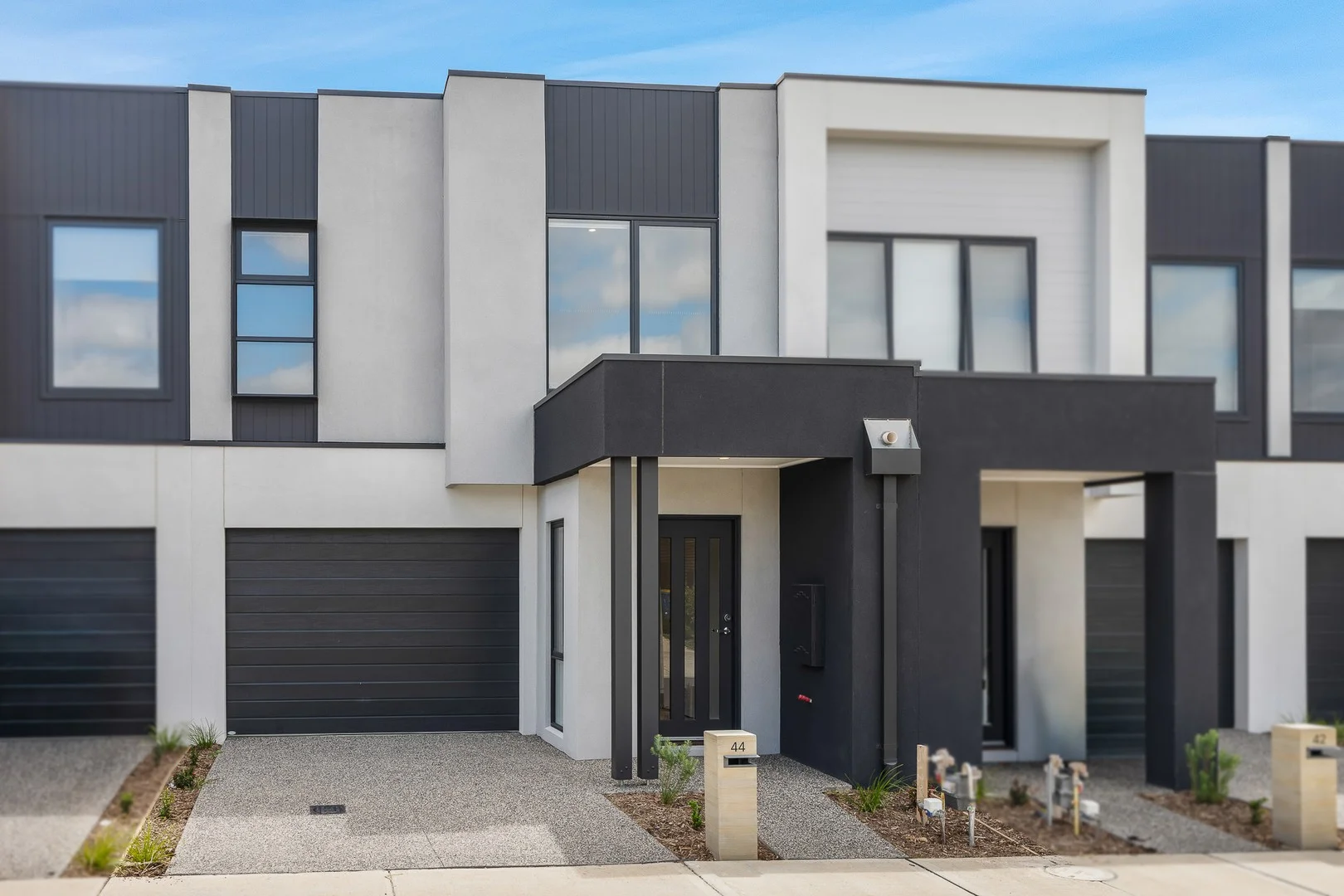 $595,000 - $645,000
House
$595,000 - $645,000
House
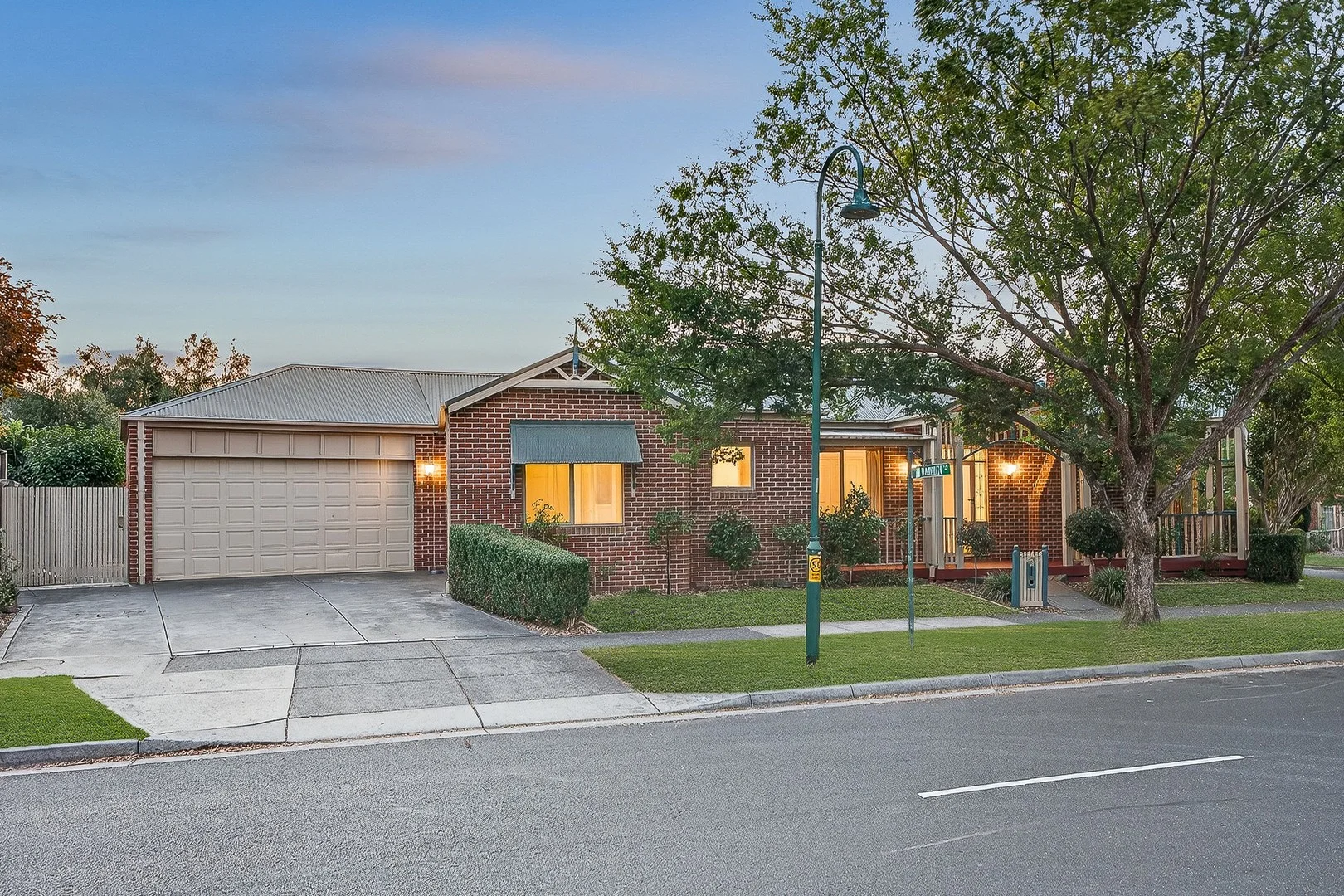 $700
House
$700
House
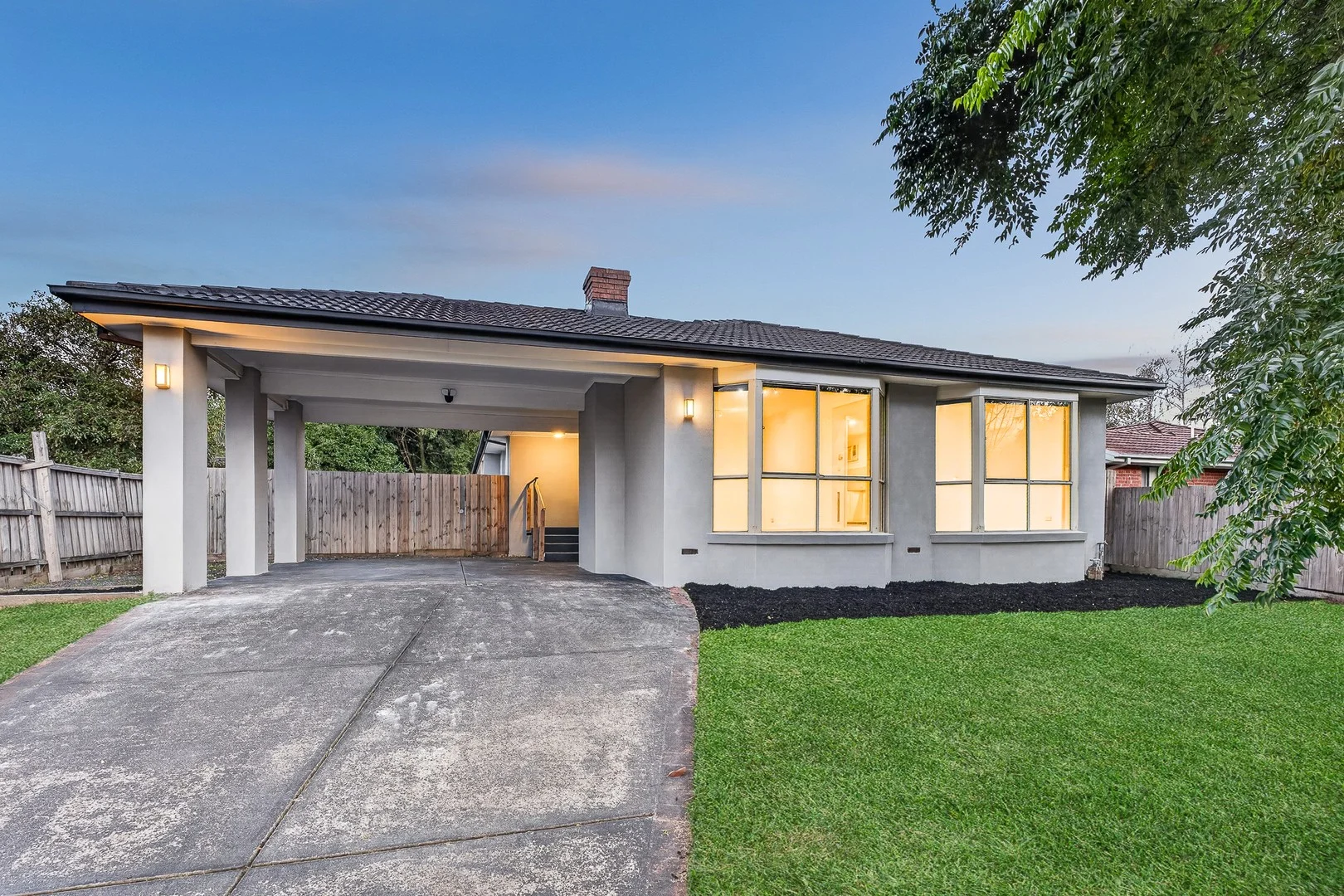 $800,000 - $880,000
House
$800,000 - $880,000
House
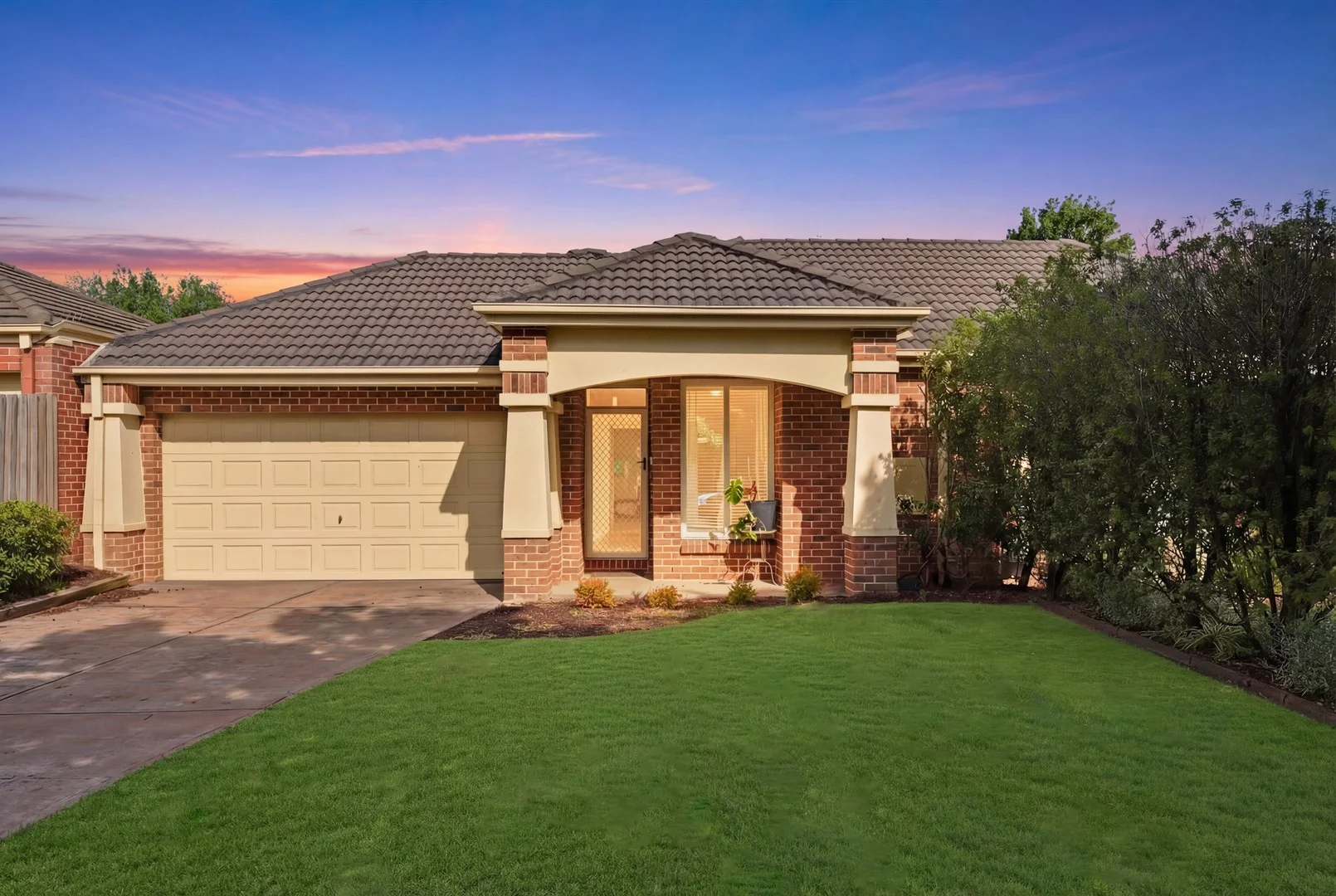 $795,000 - $835,000
House
$795,000 - $835,000
House
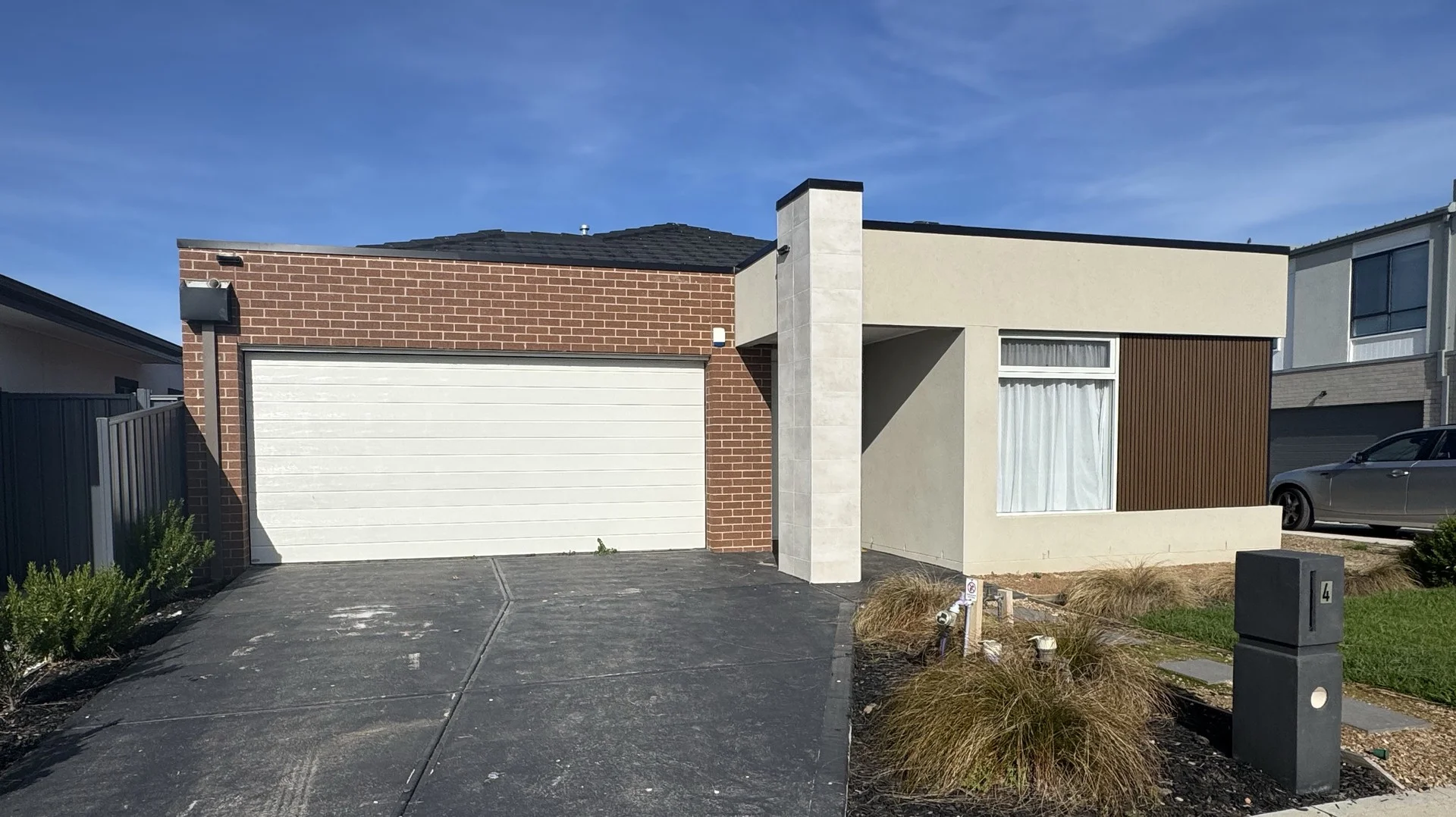 $600
House
$600
House
 $610
House
$610
House