1. Overview
St Thomas' Catholic Primary School is a Catholic, co-educational primary school serving families in Willoughby, NSW 2068. As a parish-based school within the NSW Catholic education system, it focuses on faith-informed learning, strong community connections, and a values-driven culture. The school is a medium-sized community with class groups that aim for positive relationships, high engagement, and a supportive atmosphere.
- School type: Catholic
- School size: Medium
- Class size: Typically around 20–25 students per class
- Atmosphere/culture: Nurturing, inclusive, faith-centered, academically focused
2. Academics & Learning
St Thomas' emphasises solid literacy and numeracy foundations while offering broader opportunities in STEM, the Arts, and leadership.
- Academic strengths: Literacy and numeracy; emphasis on reading, writing, and mathematical thinking; exposure to STEM topics and creative arts
- Special programs: Catholic faith formation and sacramental programs; opportunities for gifted and talented extension; potential enrichment activities and selective programs as available
- NAPLAN trends: NSW Catholic primary schools often show steady or improving trends in reading and writing with strong numeracy performance; the school focuses on targeted literacy/numeracy support to maintain positive trends
- Student-teacher ratios: Generally around 1:12 to 1:20, depending on year level and staffing
- Support for diverse learners: EAL support, SEN/coordinated learning support through a Learning Support Team, plus targeted interventions and inclusive education practices
3. Sports & Extracurricular Strengths
A broad range of activities supports boys and girls from years K–6, with emphasis on participation, teamwork, and personal growth.
- Sports offered: Soccer, netball, cricket, basketball, athletics, swimming, and cross-country (subject to term/season availability)
- Strong teams or achievements: Intra-school and inter-school opportunities; participation in local Catholic school sports events and district competitions
- Music, arts, drama programs: Choir, school performances, and opportunities to participate in music and drama activities
- Clubs: Robotics, chess, coding, debating, environmental club, healthier lifestyle/fitness activities
- Partnerships: Local clubs and inter-school competitions; diocese-based activities and community partnerships to enhance opportunities
4. Wellbeing & Pastoral Care
Wellbeing is a core element of school life, aimed at fostering safe relationships and resilience.
- Anti-bullying approach: Clear anti-bullying policies, proactive education, and a supportive school climate that promotes respectful behavior
- House system: House-based activities and events to build belonging and healthy, friendly competition
- Counsellors / wellbeing officers: Access to school-based wellbeing staff or counsellors to support students’ social and emotional needs
- Transition support for new students: Orientation programs, buddy systems, and transition activities to support starting and changing year levels
5. Facilities
Facilities are designed to support engaging learning and safe, creative spaces.
- Sports grounds: On-site playing areas and courts for physical education and sports
- Libraries: Central library or well-equipped library/research space
- Science labs: Dedicated science spaces or flexible science learning environments
- Music/performing arts centers: Space for music, drama, and performances
- Tech/innovation labs: ICT/technology rooms or makerspace-style areas for coding and STEAM activities
- Cafeteria: On-site canteen offering daily lunch options
- Updated playgrounds: Modern play spaces and outdoor learning areas
6. School Values & Community Culture
The school fosters a values-led culture that supports personal growth, service, and community connectedness.
- School values / mission: Catholic faith-informed education focusing on respect, compassion, service, and integrity
- Leadership style: Collaborative, with opportunities for student voice and leadership roles (e.g., student council, house leadership)
- Behaviour expectations: Clear behavioural standards built on respect, responsibility, and resilience
- Community reputation: A welcoming, inclusive parish-aligned school with emphasis on family involvement and service
- Diversity & inclusion: Commitment to inclusive education and celebrating diverse backgrounds
7. School Logistics & Daily Operations
Practical information to help families plan around school life.
- School hours: Typically ~9:00 am–3:15 pm; exact times may vary by year level
- Before/after school care: OSHC or school-approved aftercare arrangements available
- Uniform requirements: Formal school uniform with seasonal options; sensible adjustments for weather
- Transport (train/bus routes): Access via local bus routes and nearby train stations; parking and drop-off zones arranged for safety
- Canteen availability: On-site canteen or lunch provisions; daily options and healthy meal choices
- Fees (low/medium/high ranges): Catholic primary schools generally have moderate fees and compulsory contributions; additional costs apply for excursions, activities, and optional programs
8. Enrolment & Admissions
11. What is the enrolment process and timeline?
- Applications are typically invited per academic year with a defined timeline (open day events, initial inquiry, application submission, and a formal offer process). Families should check the school’s current timeline and requirements.
12. Is there a waiting list, and how does it work?
- Waiting lists may apply for certain year levels. Priority may be given to siblings and parish/diocesan considerations; the school will advise on waitlist duration and placement priorities.
13. Are there any entry requirements, tests, or interviews?
- Entry often involves a family interview or conversation to understand fit with the school’s values and environment. Some years may have additional assessments or information forms; exact requirements vary by intake.
14. Does the school accept mid-year transfers?
- Mid-year transfers are possible if vacancies exist. Families should contact the school early to discuss transfer timelines, documentation (birth certificate, immunisation records, latest reports), and the handover process.
9. Frequently Asked Questions
- Why Parents Choose This School?
- A strong value-based education, supportive community, solid academics, and a focus on student wellbeing and faith formation.
- What type of student thrives at this school?
- Students who respond well to a values-based environment, participate in service activities, and engage in collaborative learning, sport, and arts.
- What opportunities are available for students to extend their skills (academics, sports, arts)?
- Extension in literacy/numeracy; clubs in robotics, coding, chess, debating; sports teams and fixtures; music and drama programs; opportunities for leadership roles.
- How does the school communicate with parents?
- Regular newsletters, emails, parent portal or app updates, parent-teacher interviews, and information nights.
- What is the school’s approach to teaching and learning?
- Explicit instruction with differentiation to meet diverse needs; emphasis on literacy, numeracy, inquiry-based learning, and faith formation within a supportive classroom culture.
- How does the school support students who need extra academic help?
- Targeted intervention through learning support staff, EAL assistance, and small-group or one-on-one support as needed.
- What support is available for academic challenges?
- Access to Learning Support Team, ongoing teacher feedback, and personalised plans to help students catch up and progress.
- How does the school communicate with parents? (Repeated)
- Through a combination of newsletters, portals, email, and scheduled meetings to keep families informed.
- What are the class sizes and how much individual attention do students receive?
- Class sizes typically around 20–25 students; teaching teams and targeted support help provide individual attention as needed.
- What extracurricular and sports opportunities are available?
- A broad spectrum including team sports (soccer, netball, cricket, basketball, athletics), clubs (robotics, chess, coding, debating), and arts programs (music, drama).
- What facilities does the school offer (sports, science, arts)?
- Sports grounds, library, science labs, music/performing arts spaces, tech/innovation labs, and a canteen.
- What is the school’s approach to technology and digital learning?
- Integration of technology in learning, access to devices such as tablets or laptops, interactive whiteboards, coding and digital literacy activities, plus cyber safety education.
- What transport and accessibility options are available?
- Local bus routes and nearby train access; designated drop-off/pick-up zones; facilities to support accessibility and inclusion as needed.
- What are the typical school fees or additional costs?
- Fees are moderate for a Catholic primary; additional costs may include uniforms, excursions, camps, and some activities or optional programs.
10. Short Pros & Cons list
Pros
- Values-based Catholic education with a supportive, inclusive culture
- Solid literacy and numeracy focus with opportunities in STEM, Arts, and sport
- Broad range of extracurriculars (clubs, music, sport)
- Strong wellbeing and pastoral care, with orientation and buddy systems for new students
- Welcoming community with family involvement and parish connections
Cons
- As a medium-sized school, some specialised programs may be limited compared to larger schools
- Fees and voluntary contributions apply as with most non-government schools
- Availability of certain year-level spaces can vary; mid-year transfers depend on vacancies
If you’d like, I can tailor any section further with specific details you provide (for example, exact class sizes, current enrichment programs, or precise transport options).












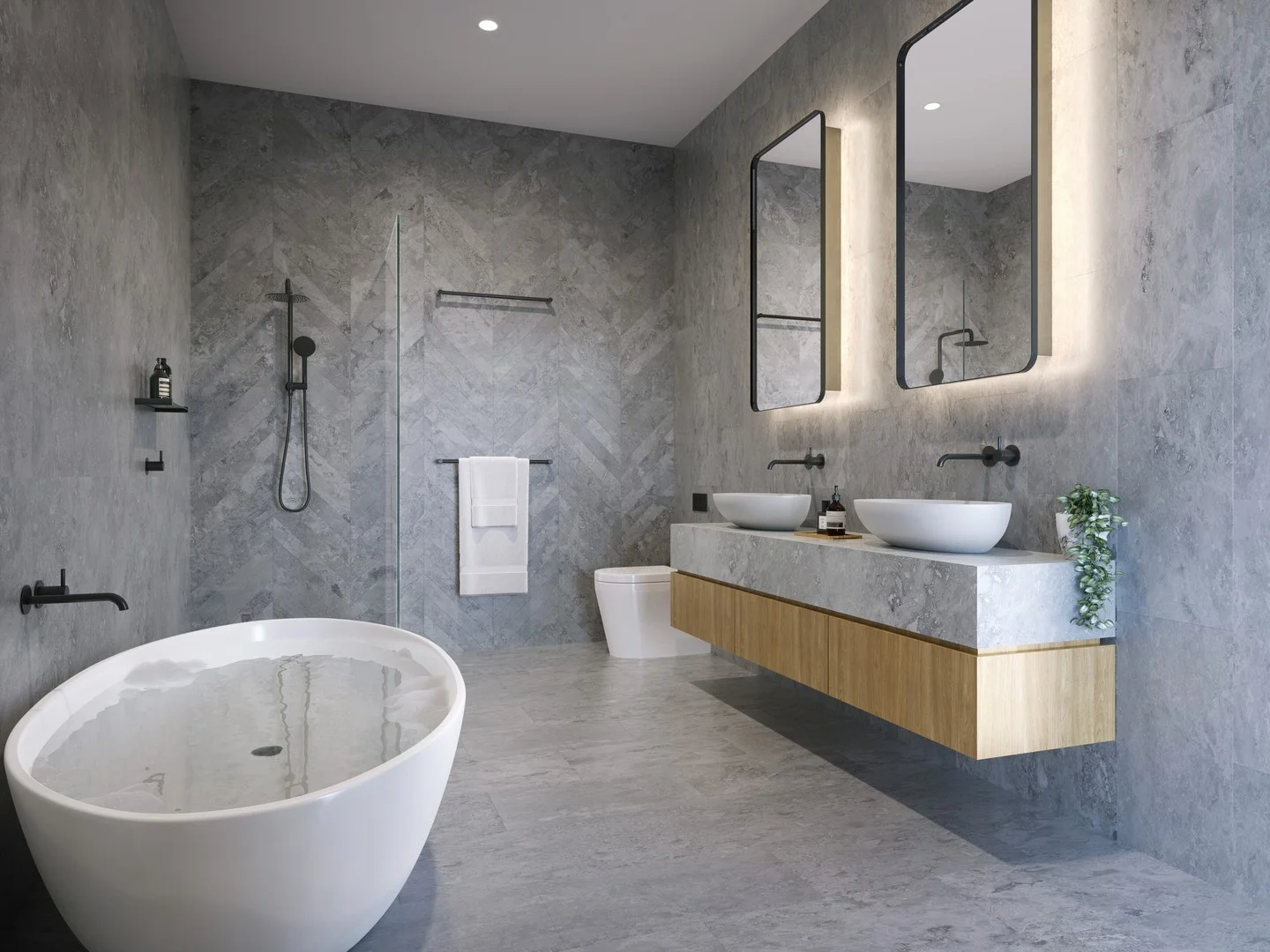 $2,824,000
Apartment / Unit / Flat
$2,824,000
Apartment / Unit / Flat
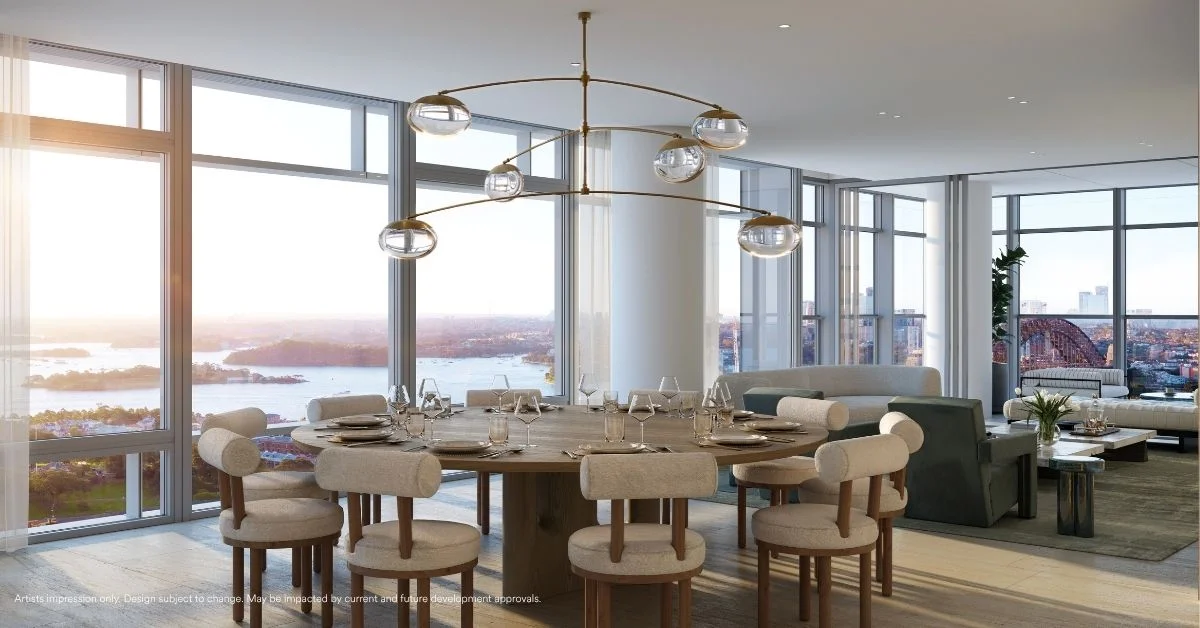 $26,550,000
propertyType.NEW APARTMENTS / OFF THE PLAN
$26,550,000
propertyType.NEW APARTMENTS / OFF THE PLAN
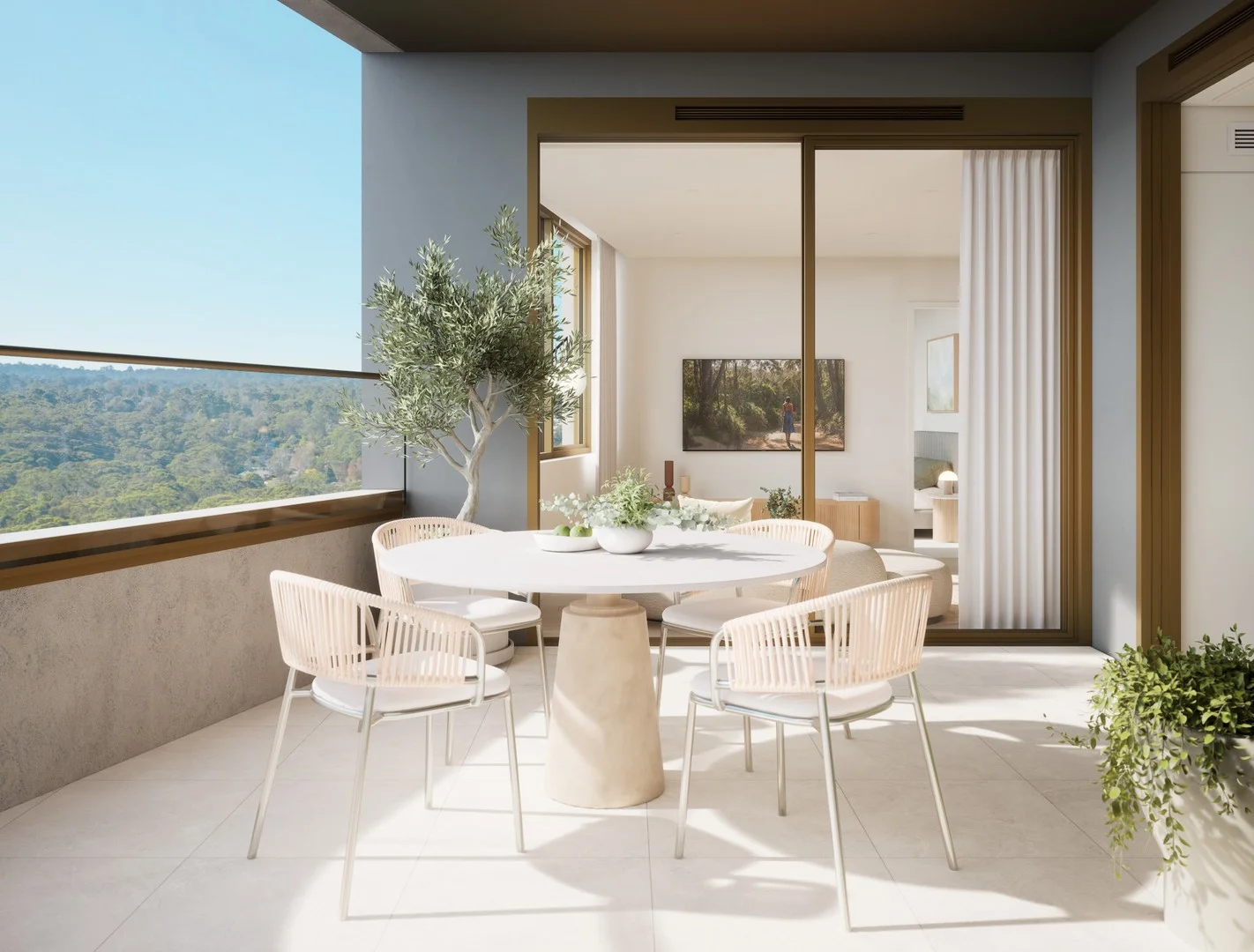 $1,525,000
Apartment / Unit / Flat
$1,525,000
Apartment / Unit / Flat
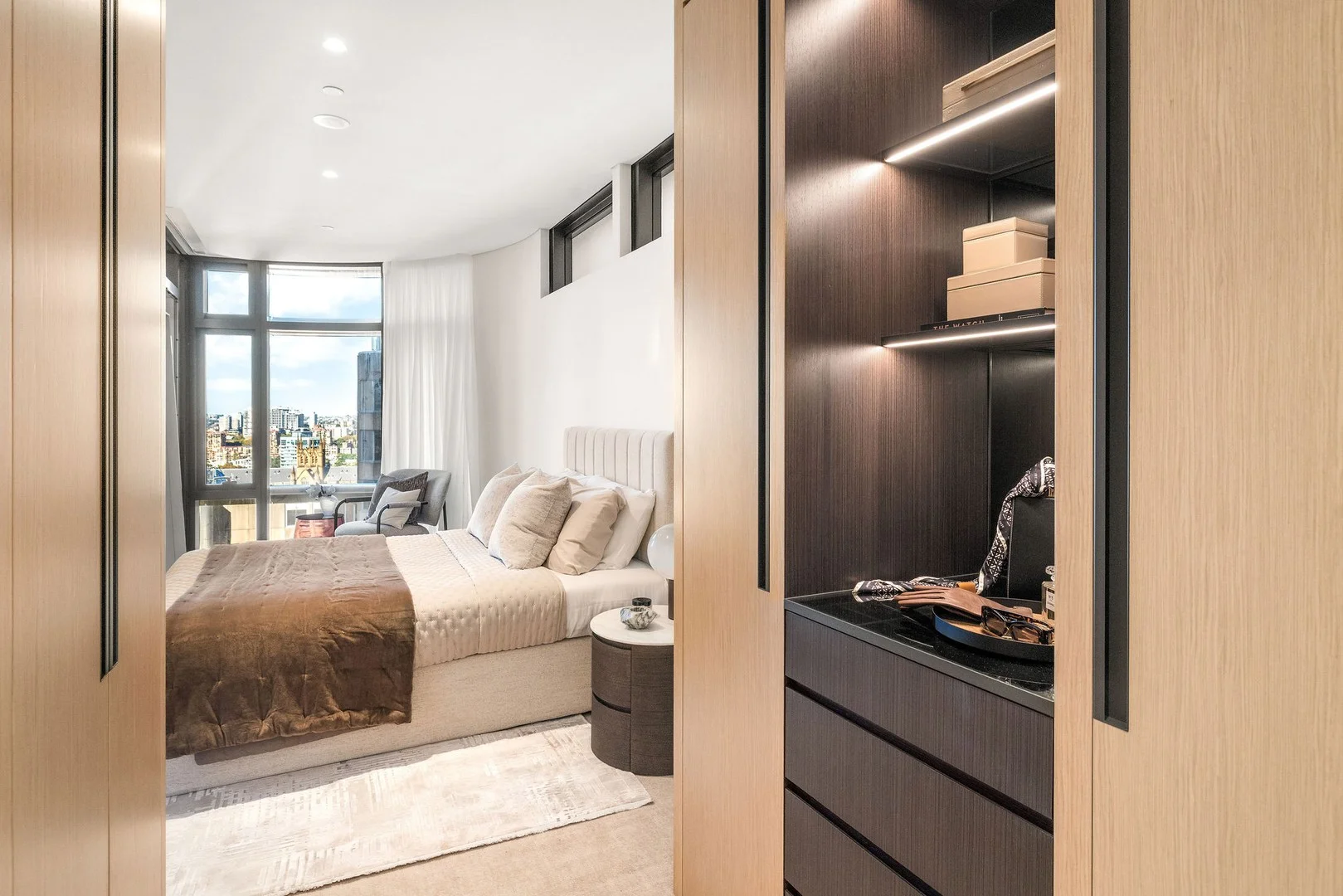 $2,745,000
propertyType.NEW APARTMENTS / OFF THE PLAN
$2,745,000
propertyType.NEW APARTMENTS / OFF THE PLAN
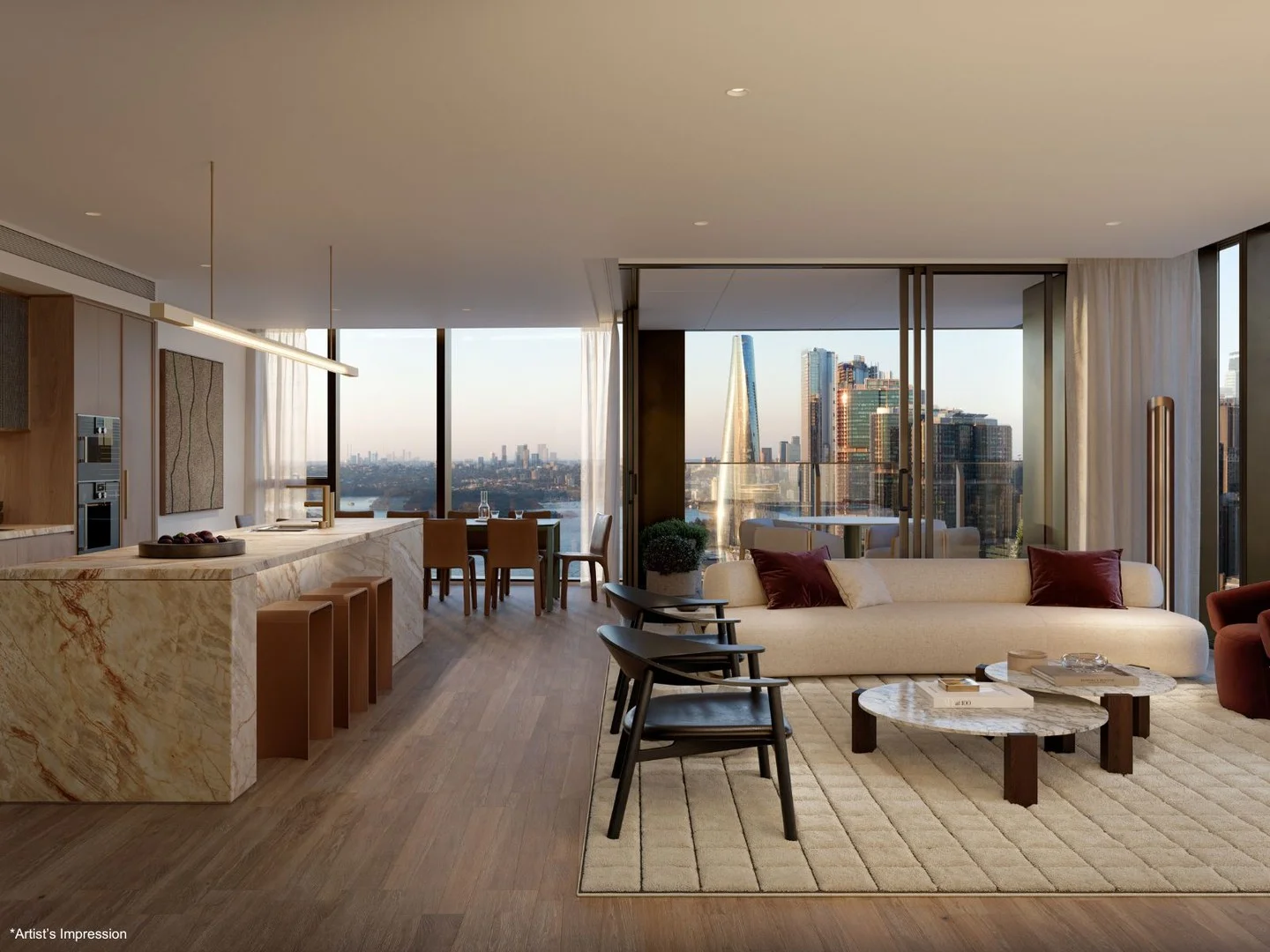 $12,980,000
propertyType.NEW APARTMENTS / OFF THE PLAN
$12,980,000
propertyType.NEW APARTMENTS / OFF THE PLAN
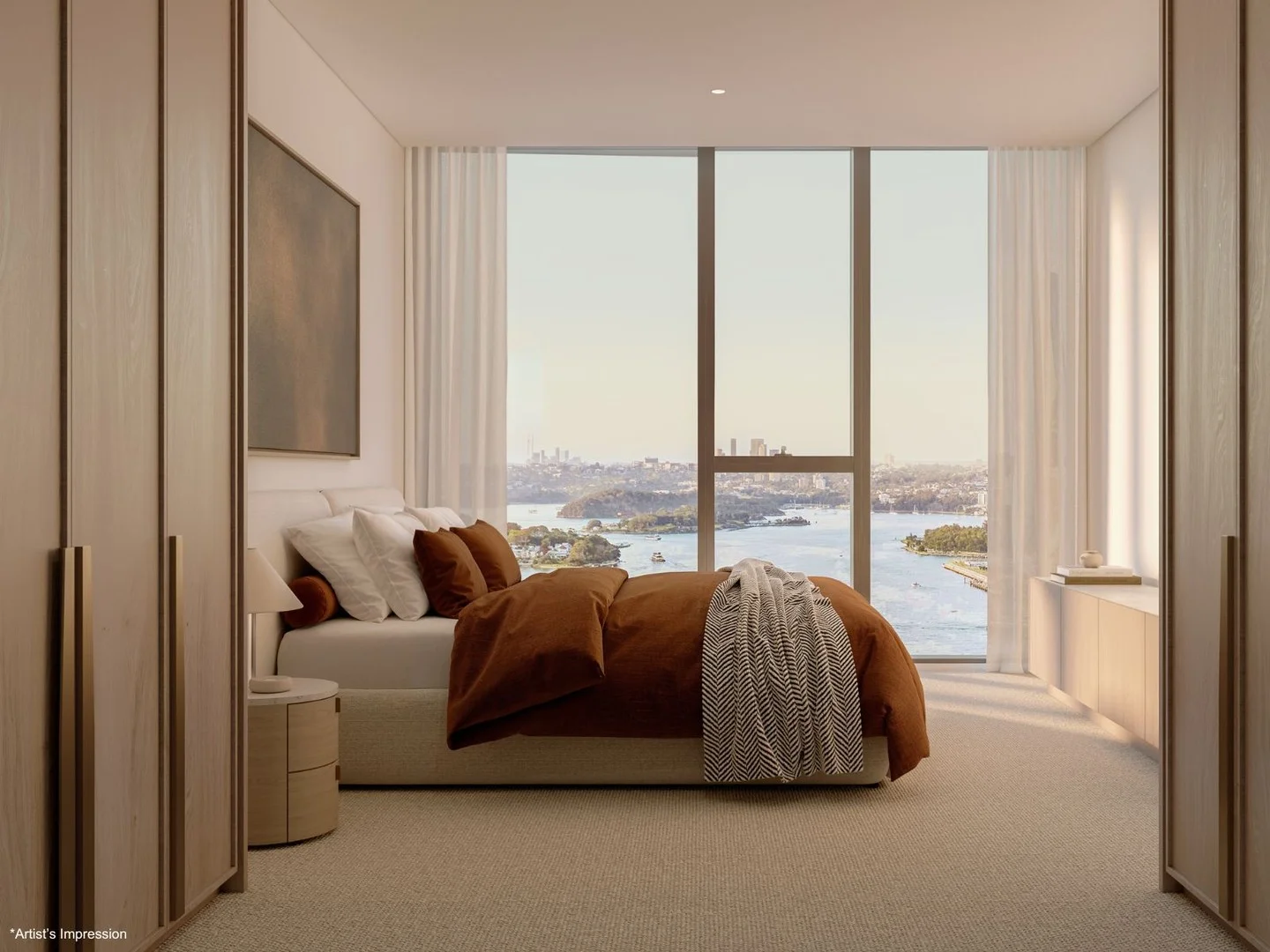 $8,630,000
propertyType.NEW APARTMENTS / OFF THE PLAN
$8,630,000
propertyType.NEW APARTMENTS / OFF THE PLAN
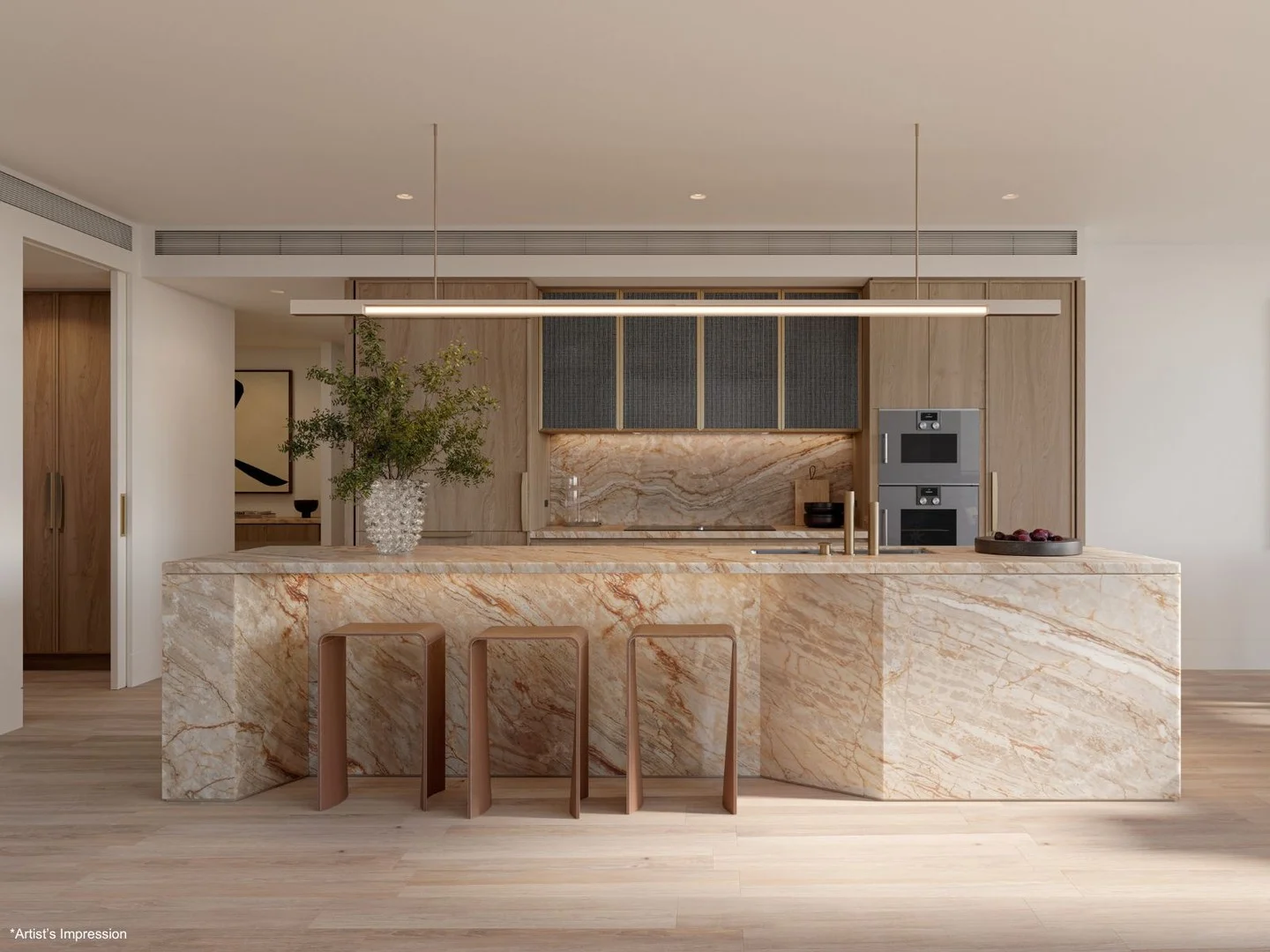 $6,225,000
propertyType.NEW APARTMENTS / OFF THE PLAN
$6,225,000
propertyType.NEW APARTMENTS / OFF THE PLAN
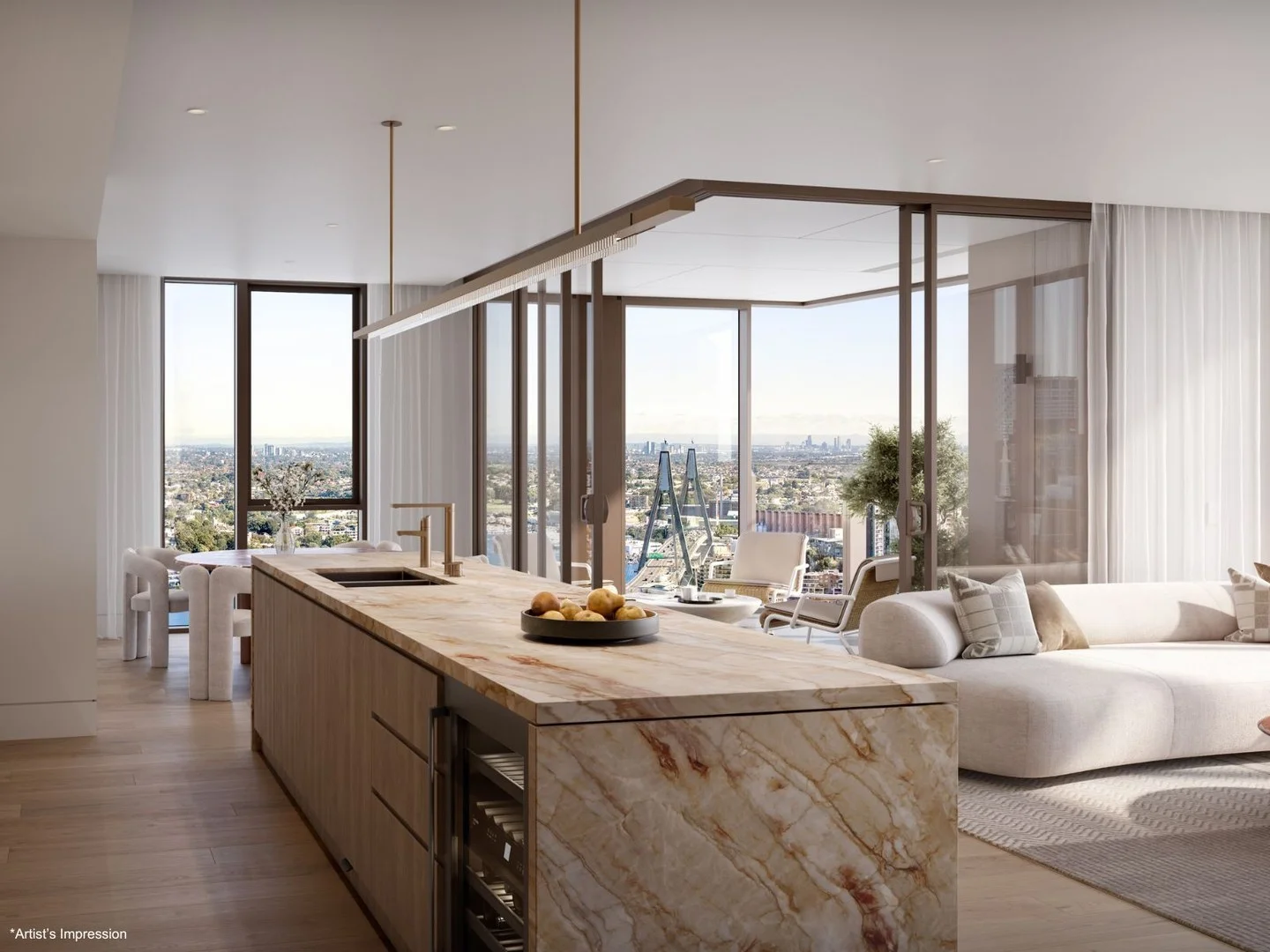 $9,020,000
propertyType.NEW APARTMENTS / OFF THE PLAN
$9,020,000
propertyType.NEW APARTMENTS / OFF THE PLAN
 $2,250,000
Apartment / Unit / Flat
$2,250,000
Apartment / Unit / Flat


