## 1. Overview
Glenaeon Rudolf Steiner School NSW in Middle Cove is an independent, coeducational school offering a Rudolf Steiner (Waldorf-inspired) education. The school is small-to-medium in size and focuses on holistic development through integrated academic, artistic, and practical activities. Class sizes are relatively intimate, supporting close teacher–student relationships. The atmosphere is nurturing, inclusive, and arts-and-nature oriented, with a strong sense of community and collaborative learning.
As a Steiner school, the curriculum emphasizes creativity, social responsibility, and experiential learning. The school aims to cultivate confident, thoughtful learners who respond to the world with curiosity and care, while encouraging students to explore ideas across disciplines in a supportive environment.
---
## 2. Academics & Learning
- Academic strengths: Integrated learning across humanities, sciences, and the arts; strong emphasis on literacy and numeracy through creative, hands-on activities; language learning is woven into the curriculum alongside music, storytelling, and practical work.
- Special programs: Rudolf Steiner curriculum with immersive arts, movement (eurythmy where offered), music, crafts, and nature-based learning. Opportunities for gifted and talented students are addressed through differentiated, multi-year projects within the Steiner framework.
- NAPLAN / trends: Publicly available national trend data for Steiner schools can be limited. The school emphasizes progress and mastery over time, focusing on individual development in literacy, numeracy, and critical thinking rather than test scores alone.
- Student-teacher ratios: Class sizes are small to mid-sized, typically allowing for a favorable student–teacher ratio and frequent teacher feedback.
- Support for diverse learners: Differentiated instruction within the class, literacy and numeracy supports, and access to pastoral care. EAL and SEN considerations are addressed through school-based planning and resources, with family involvement encouraged.
---
## 3. Sports & Extracurricular Strengths
- Sports offered: A range of outdoor and indoor activities typical for a Steiner school, including team and individual sports such as soccer, athletics, swimming, tennis, netball, and cross-country, depending on year level and facilities.
- Strong teams or achievements: Emphasis on healthy competition and participation through house-based events and inter-school activities; achievements are celebrated in a positive, inclusive environment.
- Music, arts, drama programs: Strong emphasis on music and the performing arts; regular opportunities for chorus, instrumental study, theatre and drama projects, and school productions, often integrated with the annual rhythm and seasonal cycles of the school.
- Clubs: Robotics, chess, coding, debating, and other project-based clubs are commonly offered or available through student interest and teacher supervision.
- Partnerships: Local arts groups, sports clubs, and regional inter-school events often provide additional opportunities for competitions and performances, enriching the broader learning experience.
---
## 4. Wellbeing & Pastoral Care
- Anti-bullying approach: Clear policies and practices aimed at preventing bullying, with restorative approaches and ongoing education for all students and staff.
- House system: A house structure supports mentorship, peer bonding, and social belonging through house-based activities and events.
- Counsellors / wellbeing officers: Access to wellbeing staff and school counselors to support mental health, social-emotional learning, and transitional challenges.
- Transition support for new students: Induction experiences, buddy systems, and targeted support to help students settle in and form connections with peers and staff.
---
## 5. Facilities
- Sports grounds: Outdoor play and sports spaces suitable for a range of activities.
- Libraries: On-site library facilities supporting independent reading and research.
- Science labs: Dedicated spaces for inquiry-based science learning and experiments.
- Music/performing arts centers: Rooms or spaces for music, theatre, and drama activities and performances.
- Tech/innovation labs: Areas for hands-on technology, crafts, and design-related work.
- Cafeteria: On-site dining facilities or arrangements for meals and snacks.
- Updated playgrounds: Well-maintained play areas and outdoor learning spaces.
*(Visual, simple layout with clear signage and accessible pathways is typical for the campus.)*
---
## 6. School Values & Community Culture
- School values / mission: A commitment to imagination, curiosity, respect, responsibility, compassion, and service; education designed to foster social-minded, creative individuals.
- Leadership style: Collaborative and mentorship-focused; teachers act as guides and partners in learning, supported by a community-driven governance approach.
- Behaviour expectations: Respect, kindness, integrity, and consideration for others; emphasis on responsibility to self, others, and the environment.
- Community reputation: A supportive, family-like school community with active parental involvement and a network of families sharing in the school’s rhythm and activities.
- Diversity & inclusion: Inclusive culture that welcomes families from varied backgrounds and strives to support each student’s unique learning path.
---
## 7. School Logistics & Daily Operations
- School hours: Typically start in the morning with a structured day that may vary by year level; end of day aligns with primary and secondary schedules.
- Before/after school care: Availability of early drop-off and after-school care or enrichment programs, depending on year level and terms.
- Uniform requirements: School uniform or dress code relevant to the Steiner school’s guidelines; practical attire for daily activities.
- Transport (train/bus routes): Access to public transport options and local bus services; school may provide guidance on routes and travel times.
- Canteen availability: On-site or campus-based snack/lunch provisions, with healthy options aligned to school policy.
- Fees (low/medium/high ranges): Independent school fees apply; overall cost falls in the mid-to-upper range for NSW independent schooling, with additional costs for activities or materials as applicable.
---
## 8. Enrolment & Admissions
11. What is the enrolment process and timeline?
- Submit an application with required family and student information.
- Attend an information session or school tour and complete any scheduled interviews.
- Participate in a family–student interview and school visit as part of the assessment.
- Receive an enrolment offer (subject to space) and pay the enrolment deposit to secure a place.
- Complete any required documentation (birth certificate, immunisation records, etc.) and prepare for start.
12. Is there a waiting list, and how does it work?
- Yes, there is often a waiting list. Place allocation typically follows a process that weighs application date, year level availability, and any prioritisation (e.g., siblings). The admissions team can advise on current wait times.
13. Are there any entry requirements, tests, or interviews?
- Entry usually involves information sessions, an interview with the family and student, and a campus visit. There are no standardised entrance exams for most years; assessments focus on fit with the Steiner learning approach and development of the student.
14. Does the school accept mid-year transfers?
- Mid-year transfers may be possible if there is space and after completing the school’s transfer process, including documentation and alignment with the existing class program.
---
## 9. Frequently Asked Questions
- Why Parents Choose This School?
- Many families choose Glenaeon for its holistic, arts-integrated education, strong pastoral care, and a community atmosphere that supports confident, thoughtful learners.
- What type of student thrives at this school?
- Students who enjoy hands-on learning, appreciate creative and artistic integrative projects, and respond well to a collaborative, relationship-based approach tend to thrive.
- What opportunities are available for students to extend their skills (academics, sports, arts)?
- Broad opportunities exist across academics, arts (music, drama, crafts), sports, and clubs (robotics, coding, debating). The curriculum emphasizes depth in core areas alongside creative and practical pursuits.
- How does the school communicate with parents?
- Communication typically includes regular progress updates, newsletters, parent-teacher meetings, and formal channels for events and important notices. There is an emphasis on timely, open dialogue between home and school.
- What is the school’s approach to teaching and learning?
- The school follows a Rudolf Steiner approach: integrated, experiential learning that connects academics with arts, movement, and social development, guided by experienced teachers as mentors.
- How does the school support students who need extra academic help?
- Support is provided through differentiated instruction, targeted literacy and numeracy activities, and access to pastoral care. Where needed, referrals and planning involve families and specialists.
- What support is available for academic challenges?
- Additional classroom support, individualized learning plans, and collaboration with families aim to address academic challenges while preserving the student’s engagement and well-being.
- How does the school communicate with parents? (Repeated)
- See above: regular updates, meetings, and transparent channels for parent engagement.
- What are the class sizes and how much individual attention do students receive?
- Class sizes are small-to-mid, enabling more individualized attention and closer teacher–student relationships.
- What extracurricular and sports opportunities are available?
- A broad mix of sports, arts, clubs (robotics, chess, coding, debating), and inter-school activities provide opportunities to extend interests beyond the classroom.
- What facilities does the school offer (sports, science, arts)?
- Facilities generally include sports grounds, libraries, science labs, music/performing arts spaces, tech/innovation labs, a canteen, and updated playgrounds.
- What is the school’s approach to technology and digital learning?
- Digital learning is used to support inquiry, creativity, and collaboration, integrated with the broader Steiner approach that emphasizes hands-on learning and mindful use of technology.
- What transport and accessibility options are available?
- Access via local transport and school-provided information on routes; the school supports families with travel planning and accessibility considerations.
- What are typical school fees or additional costs?
- Fees apply as part of attending an independent school, with additional costs for materials, activities, or trips. Families are encouraged to consult the school for a detailed, current fee schedule.
---
## 10. Short Pros & Cons list
Pros
- Holistic, arts-integrated curriculum that supports creativity and social development
- Small-to-mid class sizes enabling individual attention
- Strong pastoral care and a nurturing, community-focused culture
- Rich opportunities in arts, music, drama, and practical learning
- Collaborative, mentorship-style leadership and staff
Cons
- Not IB/ACT-style standardized programs; emphasis is on Steiner pedagogy
- Fees reflect independent schooling; ongoing costs beyond tuition may apply
- Space and enrolment can lead to waiting lists in peak years
- Some families may prefer more conventional testing or progression structures
If you’d like, I can tailor this content further with more precise details from Glenaeon’s current admissions materials or help you format it for a specific page on Aroundschools. For the latest numbers, programs, and policy specifics, please contact the school directly or check their official communications.










 $2,824,000
Apartment / Unit / Flat
$2,824,000
Apartment / Unit / Flat
 $26,550,000
propertyType.NEW APARTMENTS / OFF THE PLAN
$26,550,000
propertyType.NEW APARTMENTS / OFF THE PLAN
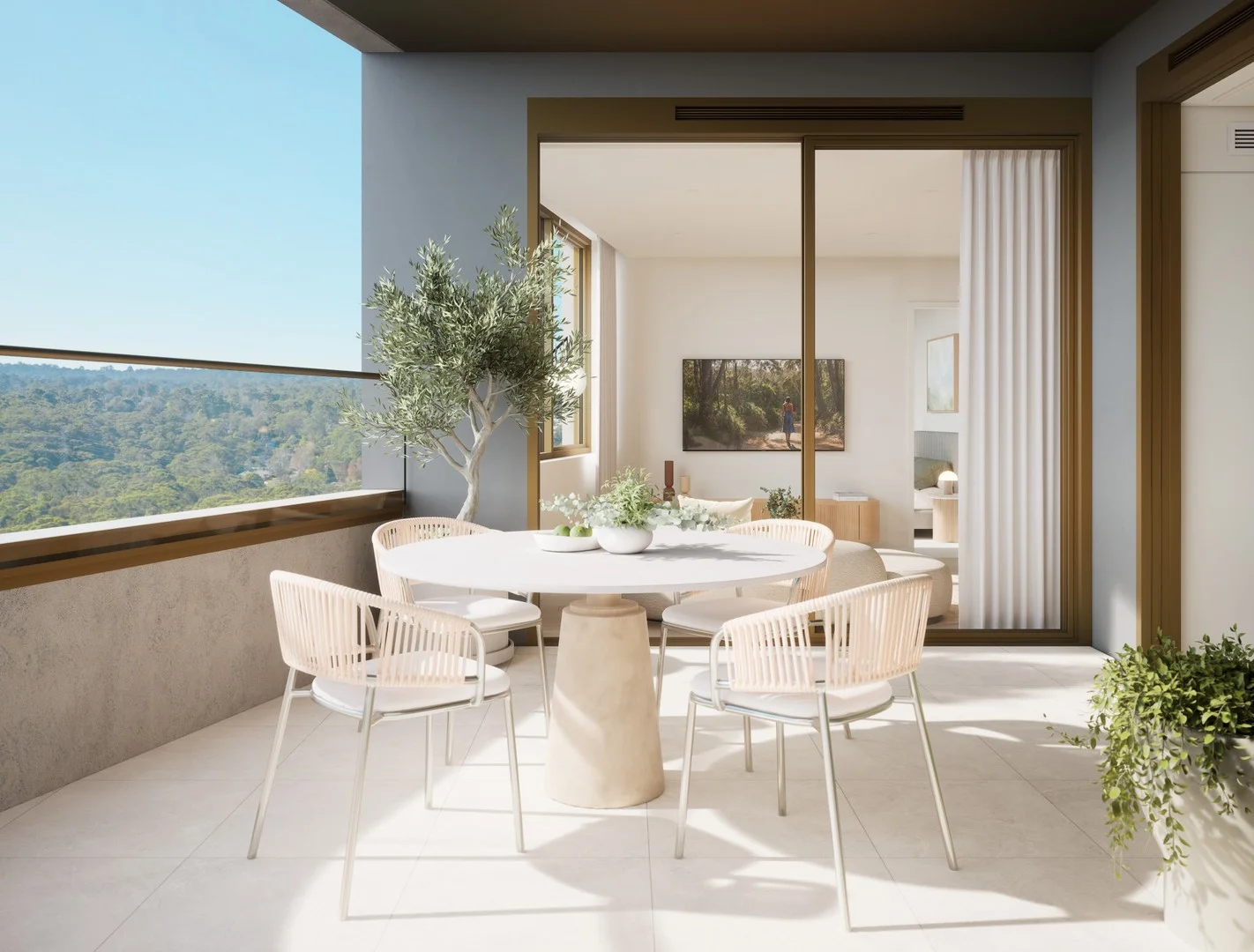 $1,525,000
Apartment / Unit / Flat
$1,525,000
Apartment / Unit / Flat
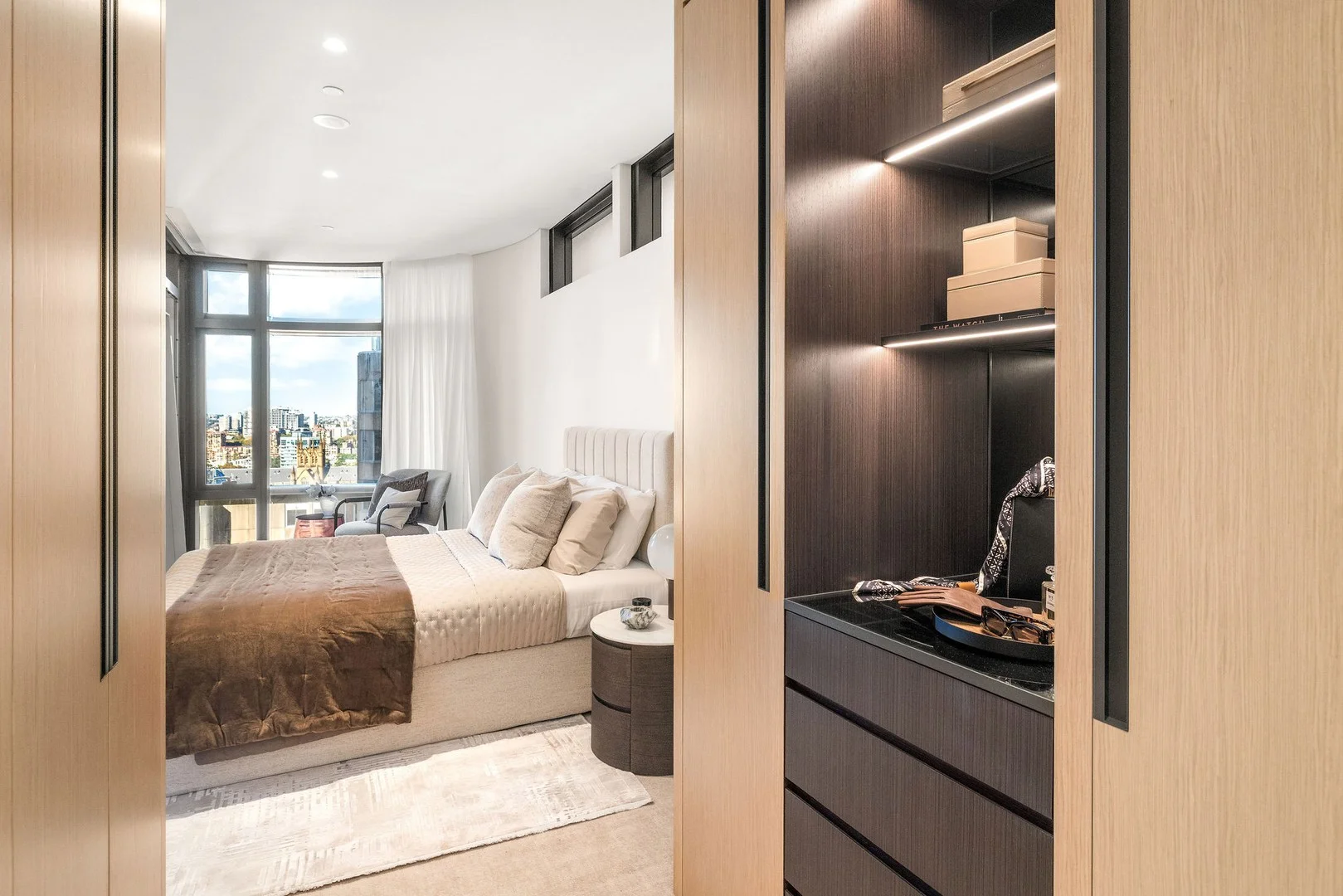 $2,745,000
propertyType.NEW APARTMENTS / OFF THE PLAN
$2,745,000
propertyType.NEW APARTMENTS / OFF THE PLAN
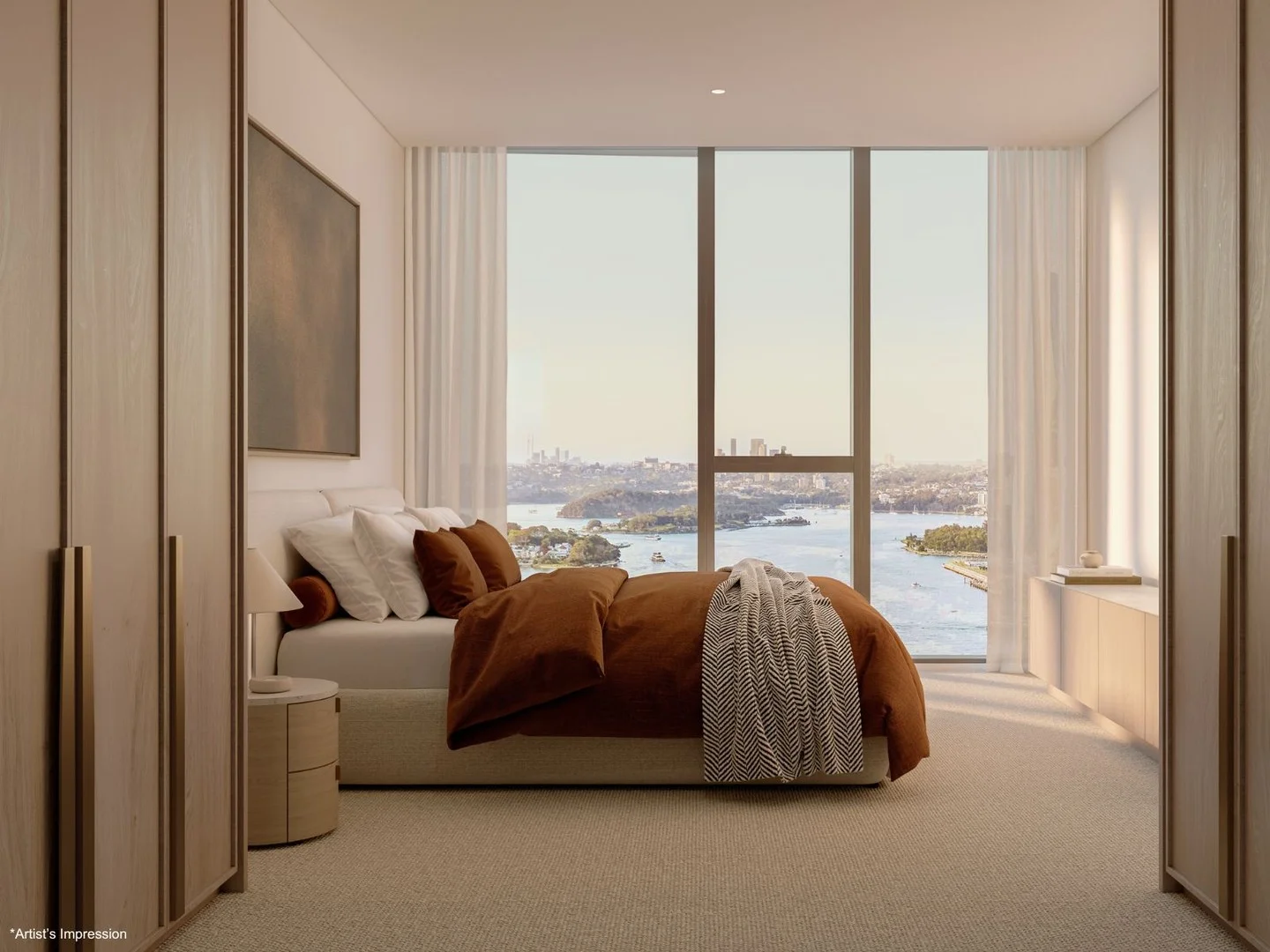 $8,630,000
propertyType.NEW APARTMENTS / OFF THE PLAN
$8,630,000
propertyType.NEW APARTMENTS / OFF THE PLAN
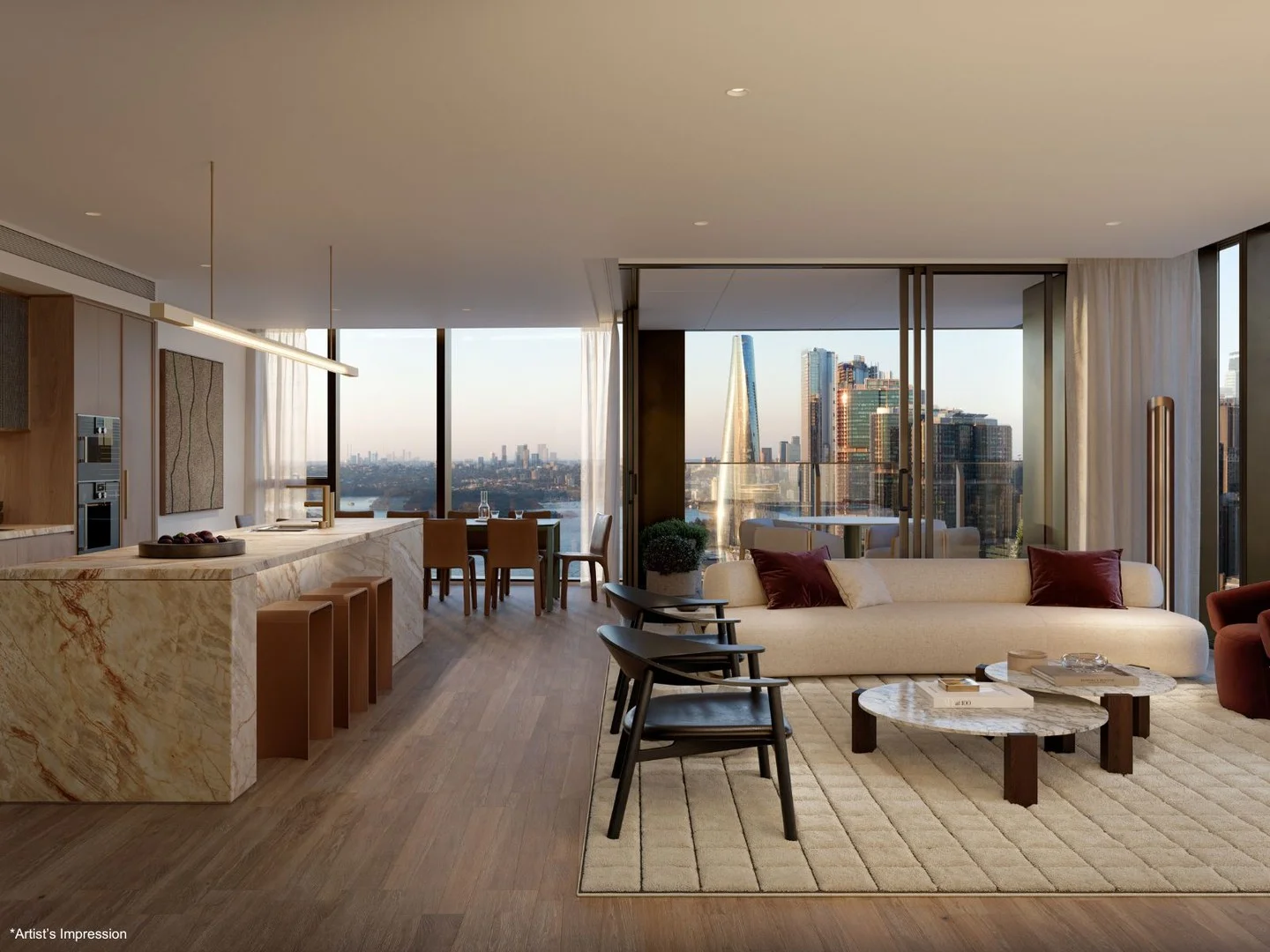 $12,980,000
propertyType.NEW APARTMENTS / OFF THE PLAN
$12,980,000
propertyType.NEW APARTMENTS / OFF THE PLAN
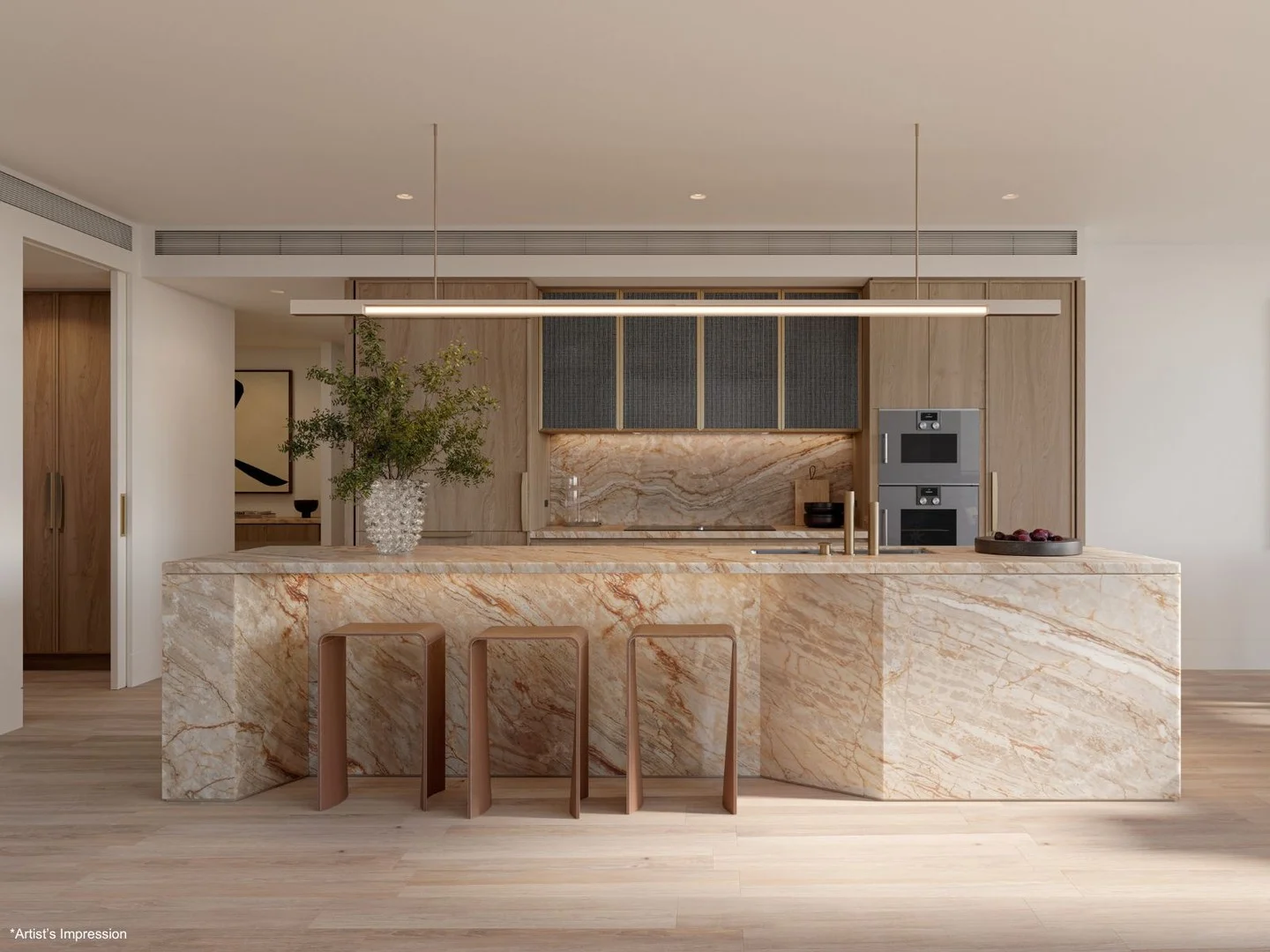 $6,225,000
propertyType.NEW APARTMENTS / OFF THE PLAN
$6,225,000
propertyType.NEW APARTMENTS / OFF THE PLAN
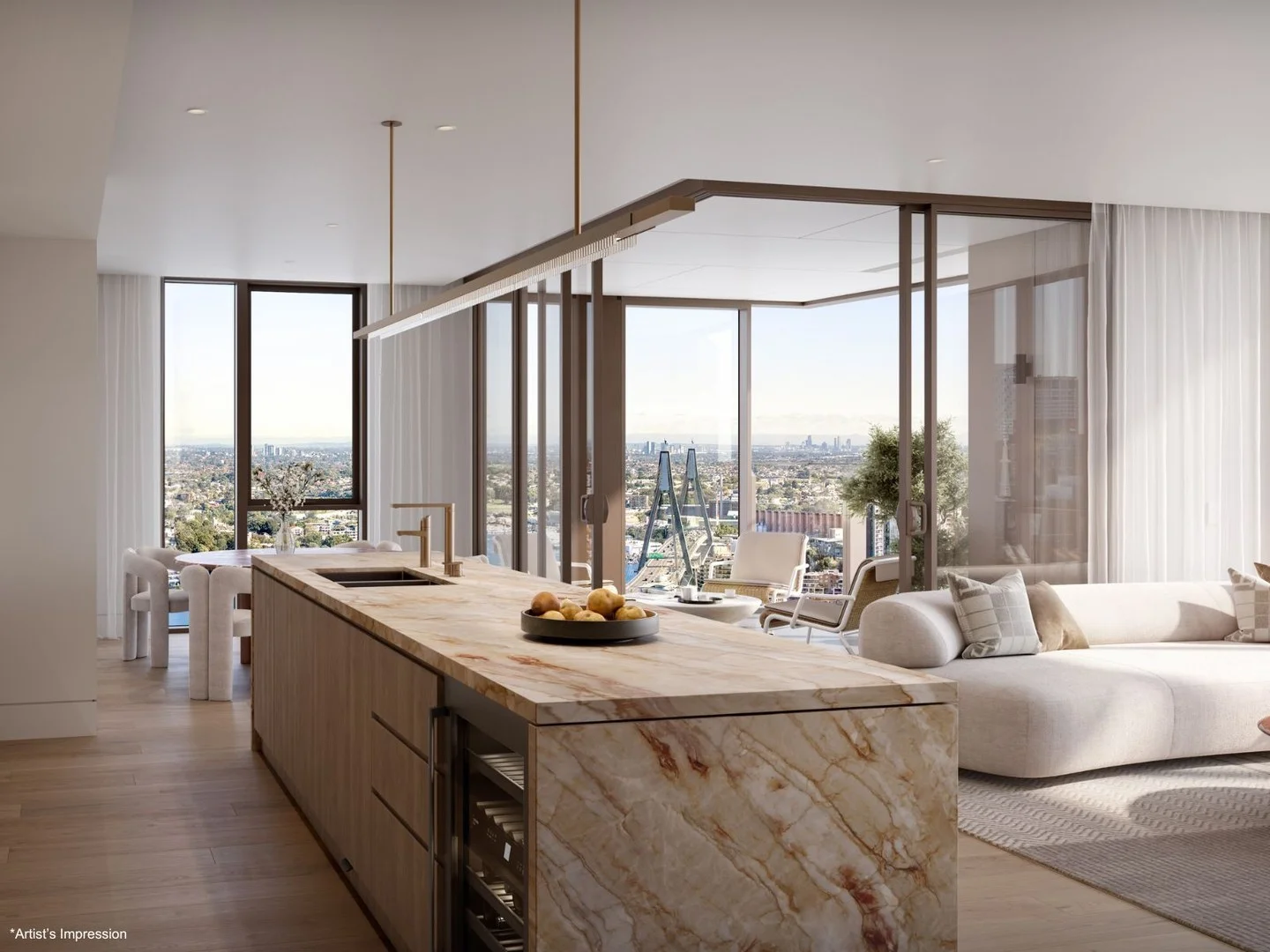 $9,020,000
propertyType.NEW APARTMENTS / OFF THE PLAN
$9,020,000
propertyType.NEW APARTMENTS / OFF THE PLAN
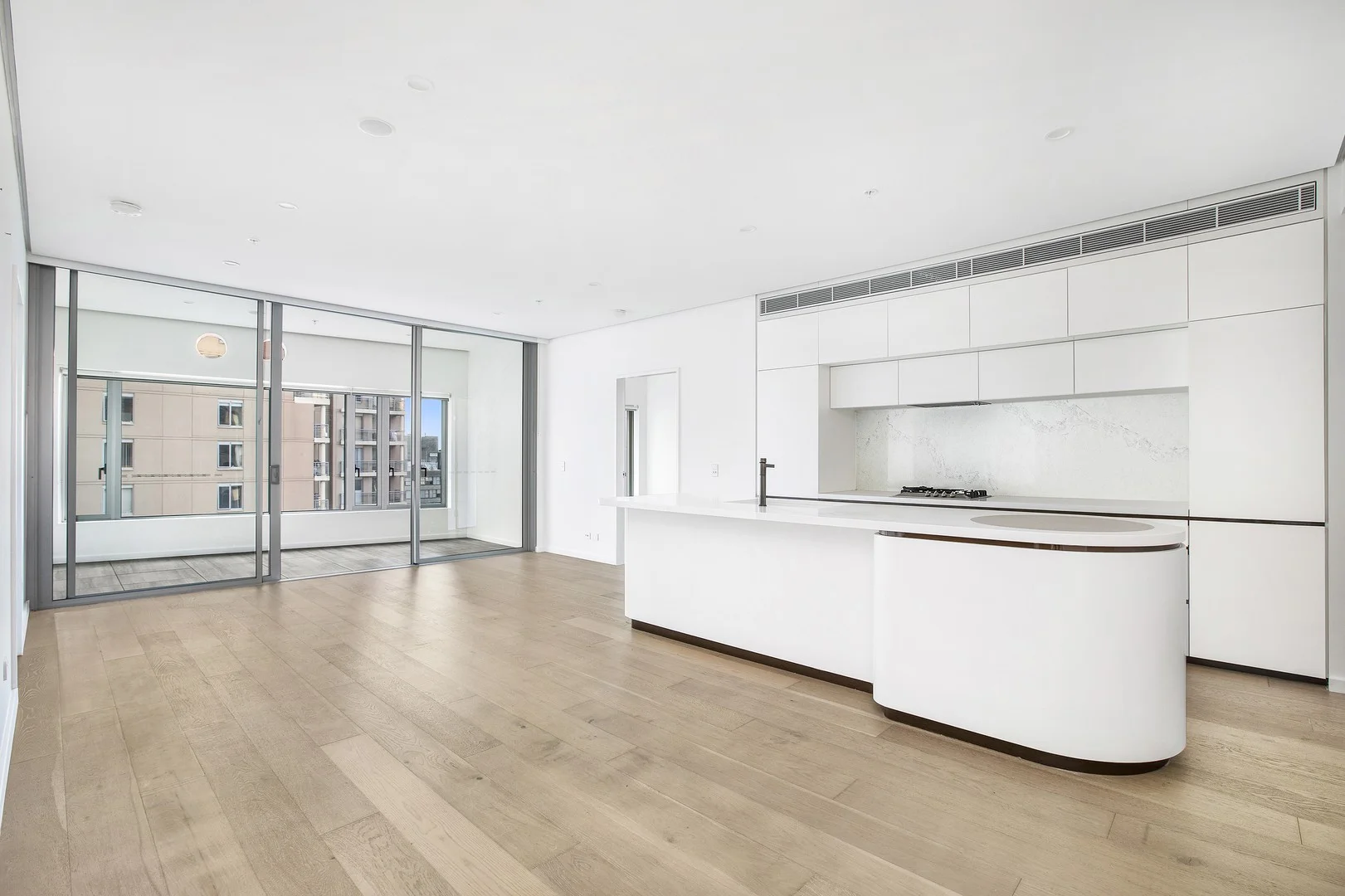 $2,250,000
Apartment / Unit / Flat
$2,250,000
Apartment / Unit / Flat


