## 1. Overview
Willoughby Girls High School is a public high school for girls, located in Willoughby, on Sydney’s lower north shore. As a medium-to-large government school, it serves students across the senior years and emphasizes a strong academic program within a supportive, inclusive environment. The school typically runs class groups in the mid-range for NSW public high schools, with a focus on maintaining constructive student–teacher interactions and a culture that values achievement, character and community involvement.
The atmosphere is generally described as serious about learning but welcoming and inclusive, with opportunities for leadership and participation in a broad range of pursuits. Students are encouraged to engage across academics, arts and sport, building a well-rounded school experience.
⸻
## 2. Academics & Learning
- Academic strengths: STEM, English, languages, and humanities are well-supported, with opportunities for advanced study and enrichment.
- Special programs: Gifted and Talented programs and accelerated learning options are available, along with targeted support for students who need additional challenges or assistance.
- NAPLAN / trends: The school has shown consistent performance trends above NSW state averages in literacy and numeracy over multiple years, with steady progress in other curriculum areas.
- Student-teacher ratios: Class sizes and teacher contact vary by subject and year, but generally align with NSW public school norms, offering regular teacher access and support.
- Support for diverse learners: Strong provision for EAL (English as an Additional Language) students and SEN (Special Educational Needs), including dedicated support staff and tailored learning plans.
⸻
## 3. Sports & Extracurricular Strengths
- Sports offered: Netball, basketball, soccer, athletics, swimming, cross-country, and other team and individual sports typical of NSW girls’ high schools.
- Strong teams or achievements: Competitive inter-school and district teams in key sports, with ongoing opportunities to participate in regional events.
- Music, arts, drama programs: Active music ensembles, choir and drama productions; opportunities to participate in school musical productions and concerts.
- Clubs: Robotics, coding, chess, debating, Model United Nations, and other academic or interest-based clubs.
- Partnerships: Involvement with local community clubs and regional competitions; access to inter-school events and specialty programs through district networks.
⸻
## 4. Wellbeing & Pastoral Care
- Anti-bullying approach: Clear policies and programs promoting a safe and respectful environment; proactive measures to prevent and address bullying.
- House system: A house structure supports pastoral care, leadership opportunities and school spirit through house events and competitions.
- Counsellors / wellbeing officers: On-site guidance and wellbeing staff provide confidential support, including mental health and transition assistance.
- Transition support for new students: Orientation activities, buddy programs and family liaison support help new students settle in smoothly.
⸻
## 5. Facilities
- Sports grounds: Dedicated outdoor spaces for training and games.
- Libraries: Well-equipped library with study spaces and resources.
- Science labs: Modern science facilities for practical experiments across disciplines.
- Music/performing arts centers: Spaces for rehearsals, performances and productions.
- Tech/innovation labs: Computer and technology rooms to support digital learning and project work.
- Cafeteria: On-campus canteen for daily meals and snacks.
- Updated playgrounds: Safe, accessible outdoor spaces for breaks and informal learning.
⸻
## 6. School Values & Community Culture
- School values / mission: Emphasis on respect, integrity, effort, resilience and community contribution.
- Leadership style: Student leadership opportunities (e.g., prefects, student council) and teacher-facilitated leadership development.
- Behaviour expectations: Clear codes of conduct geared toward respectful collaboration and responsible citizenship.
- Community reputation: Known for a respectful, achievement-oriented culture with a focus on inclusion and student wellbeing.
- Diversity & inclusion: Active commitment to diversity and creating an inclusive learning environment for all students.
⸻
## 7. School Logistics & Daily Operations
- School hours: Typical school day runs around 9:00 am–3:00 pm, with variations by subject or year level.
- Before/after school care: Some wrap-around care or supervision options are available or arranged through community services; confirm specifics with the school.
- Uniform requirements: Official school uniform for daily wear and a separate sports uniform for physical education and games.
- Transport (train/bus routes): Public transport options (bus and train) serve the area; details on routes and school drop-off points are provided by the school and DoE transport services.
- Canteen availability: On-site canteen or vending facilities available for meals and snacks.
- Fees (low/medium/high ranges): As a public school, tuition is not charged; there are typically voluntary contributions, subject levies and costs for excursions or extra activities.
⸻
## 8. Enrolment & Admissions
11. What is the enrolment process and timeline? Applications are managed through the NSW Department of Education. The school confirms vacancies and offers are issued in line with DoE timelines; check with the school for current intake periods and required documentation.
12. Is there a waiting list, and how does it work? If the school is oversubscribed, a waiting list may apply. Placement considerations typically include catchment eligibility and space availability.
13. Are there any entry requirements, tests, or interviews? For general enrolment, there is no entrance exam for this non-selective public school. Selective entry tests apply only to designated selective high schools. Some admissions processes may include brief information sessions or documentation checks; interviews are not standard for general enrolment.
14. Does the school accept mid-year transfers? Yes, mid-year transfers may be considered if vacancies exist. Prospective transfer students should contact the school admin to discuss documentation, current enrolment status and placement.
⸻
## 9. Frequently Asked Questions
- Why Parents Choose This School? A balance of strong academics, supportive wellbeing programs, diverse extra-curriculars and a welcoming, inclusive culture.
- What type of student thrives at this school? Motivated, collaborative students who value academics, leadership opportunities and community involvement.
- What opportunities are available for students to extend their skills (academics, sports, arts)? Enrichment through Gifted and Talented programs, accelerated options, clubs (robotics, coding, debating), sports teams and performing arts productions.
- How does the school communicate with parents? Regular newsletters, emails, parent portals and scheduled parent–teacher interviews; open channels for feedback.
- What is the school’s approach to teaching and learning? Student-centred learning with a focus on literacy, numeracy, critical thinking and project-based activities across subjects.
- How does the school support students who need extra academic help? Targeted tutoring, Learning Support Team involvement, EAL and SEN services, and in-class differentiation.
- What support is available for academic challenges? Access to learning support staff, small-group interventions and referral pathways to specialist services.
- How does the school communicate with parents? (Same question, different context) Through digital platforms, newsletters and meetings; aim is to keep parents informed about progress, events and wellbeing.
- What are the class sizes and how much individual attention do students receive? Class sizes follow NSW norms with regular teacher availability for help, including small-group support in core subjects.
- What extracurricular and sports opportunities are available? A broad range of sports clubs, performing arts opportunities, and academic/gaming clubs to suit diverse interests.
- What facilities does the school offer (sports, science, arts)? Well-equipped science labs, libraries, performing arts venues, music spaces, and technology/computing labs.
- What is the school’s approach to technology and digital learning? Integrated ICT across the curriculum, with computer labs and digital literacy focus; devices and software used to enhance learning.
- What transport and accessibility options are available? Access to public transport options with nearby bus/train routes and school-supported arrangements for safe travel; accessibility features on campus.
- What are the typical school fees or additional costs? Public school fees are generally modest; expect voluntary contributions, uniform and excursion-related costs.
⸻
## 10. Short Pros & Cons list
- Pros:
- Public, girls-focused environment with a strong academic emphasis.
- Broad range of extracurriculars, including sports, arts and clubs.
- Supportive wellbeing and inclusive learning culture.
- Modern facilities across science, arts, tech and libraries.
- Clear pathways for student leadership and community involvement.
- Cons:
- Large school, which may affect individual class feel in some subjects.
- Uniform and activity costs can add up; some programs have additional fees.
- Competition for selective opportunities may be high for top-performing students.
⸻











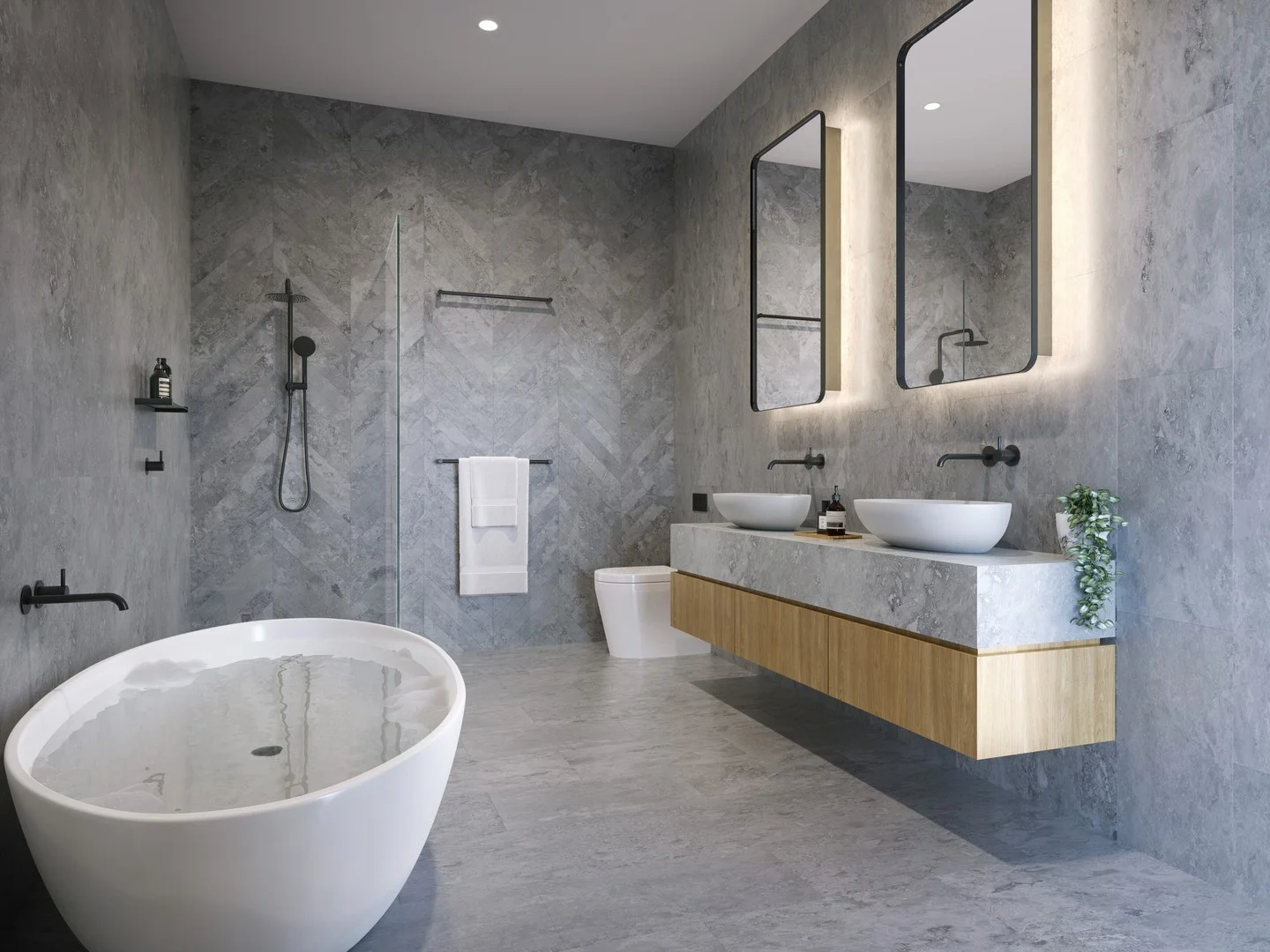 $2,824,000
Apartment / Unit / Flat
$2,824,000
Apartment / Unit / Flat
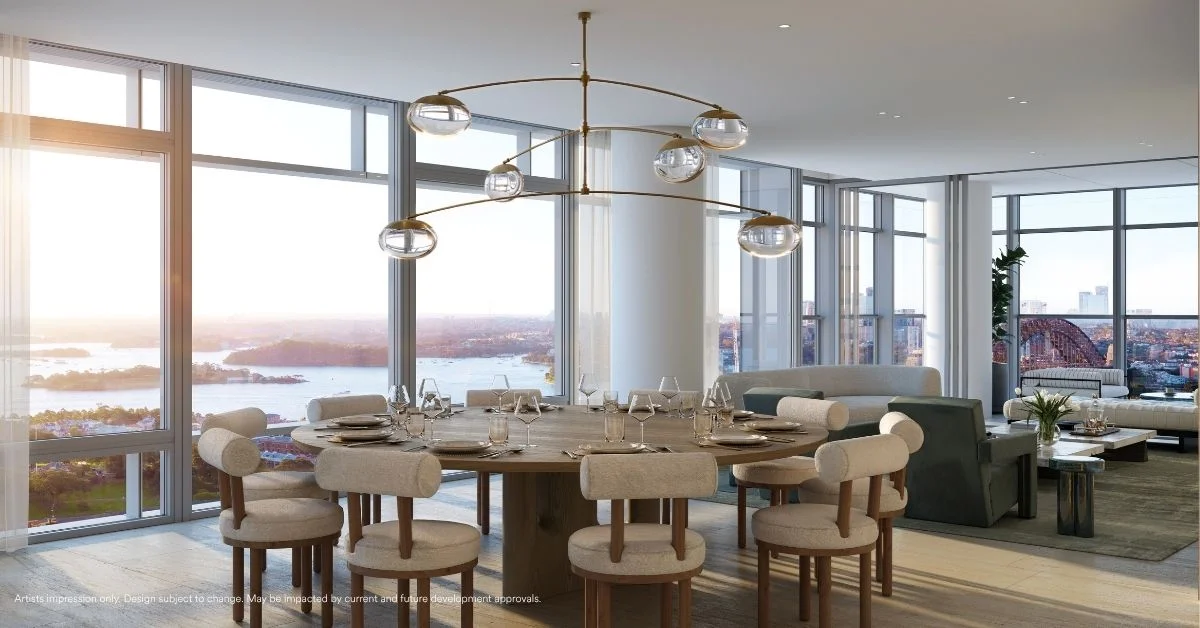 $26,550,000
propertyType.NEW APARTMENTS / OFF THE PLAN
$26,550,000
propertyType.NEW APARTMENTS / OFF THE PLAN
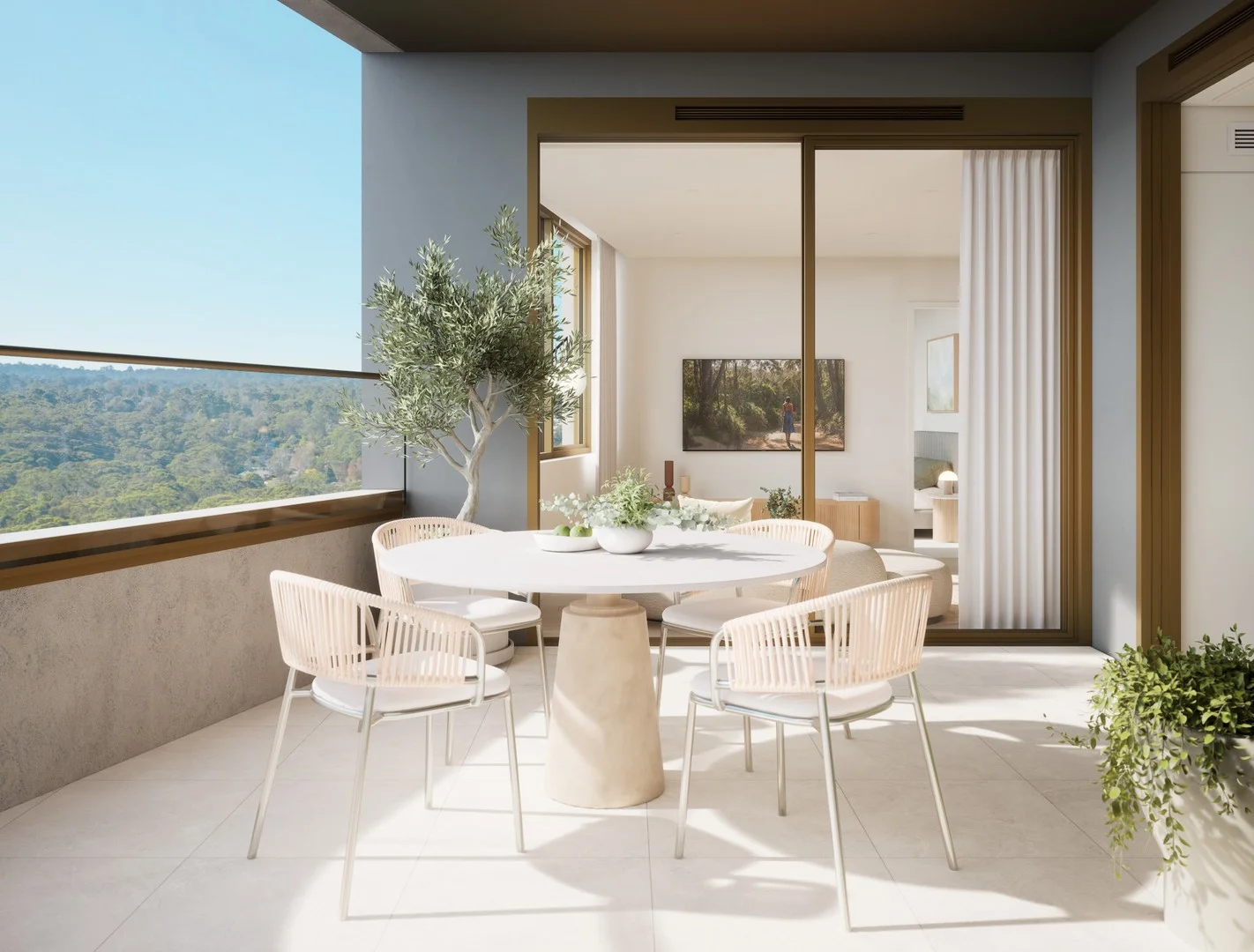 $1,525,000
Apartment / Unit / Flat
$1,525,000
Apartment / Unit / Flat
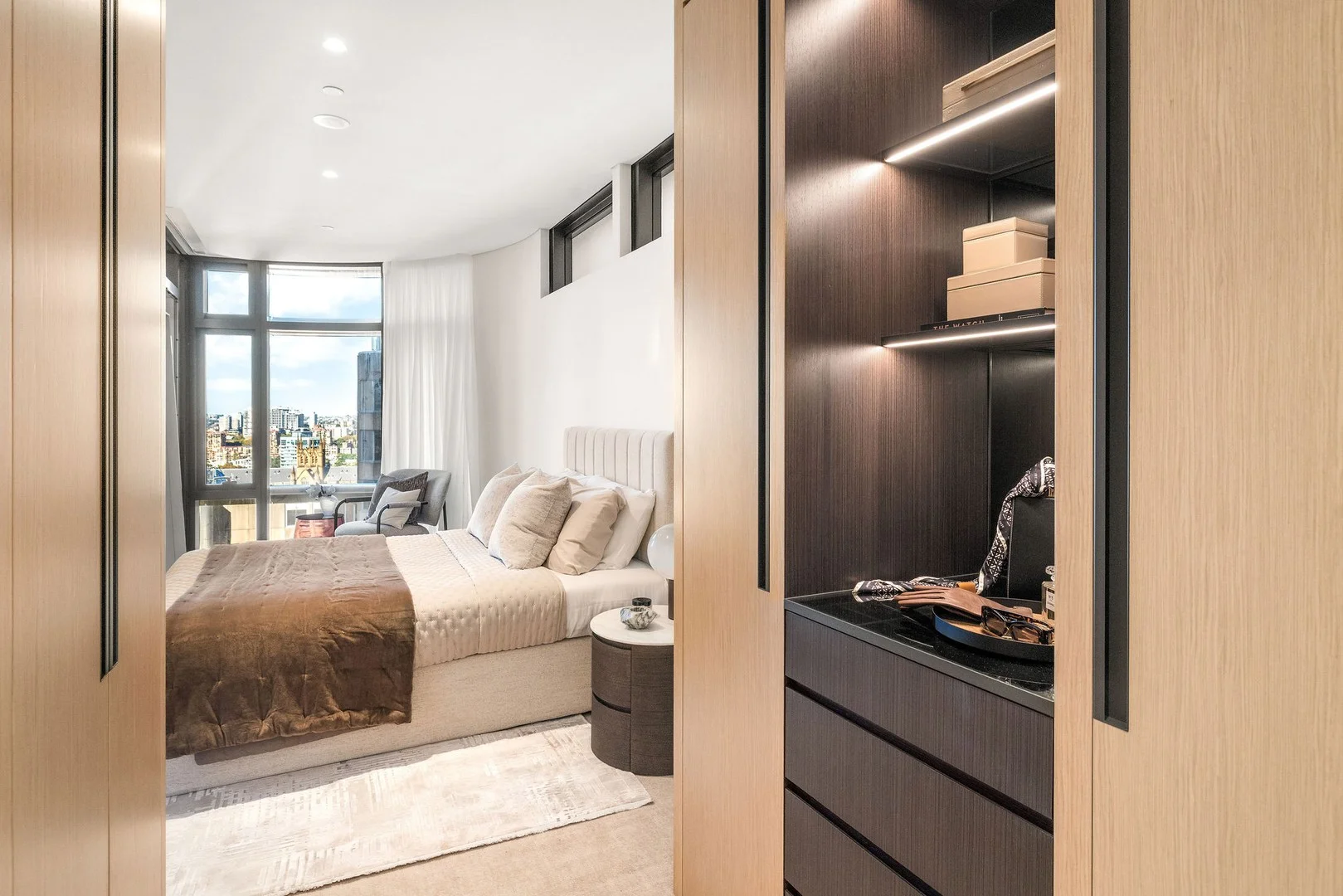 $2,745,000
propertyType.NEW APARTMENTS / OFF THE PLAN
$2,745,000
propertyType.NEW APARTMENTS / OFF THE PLAN
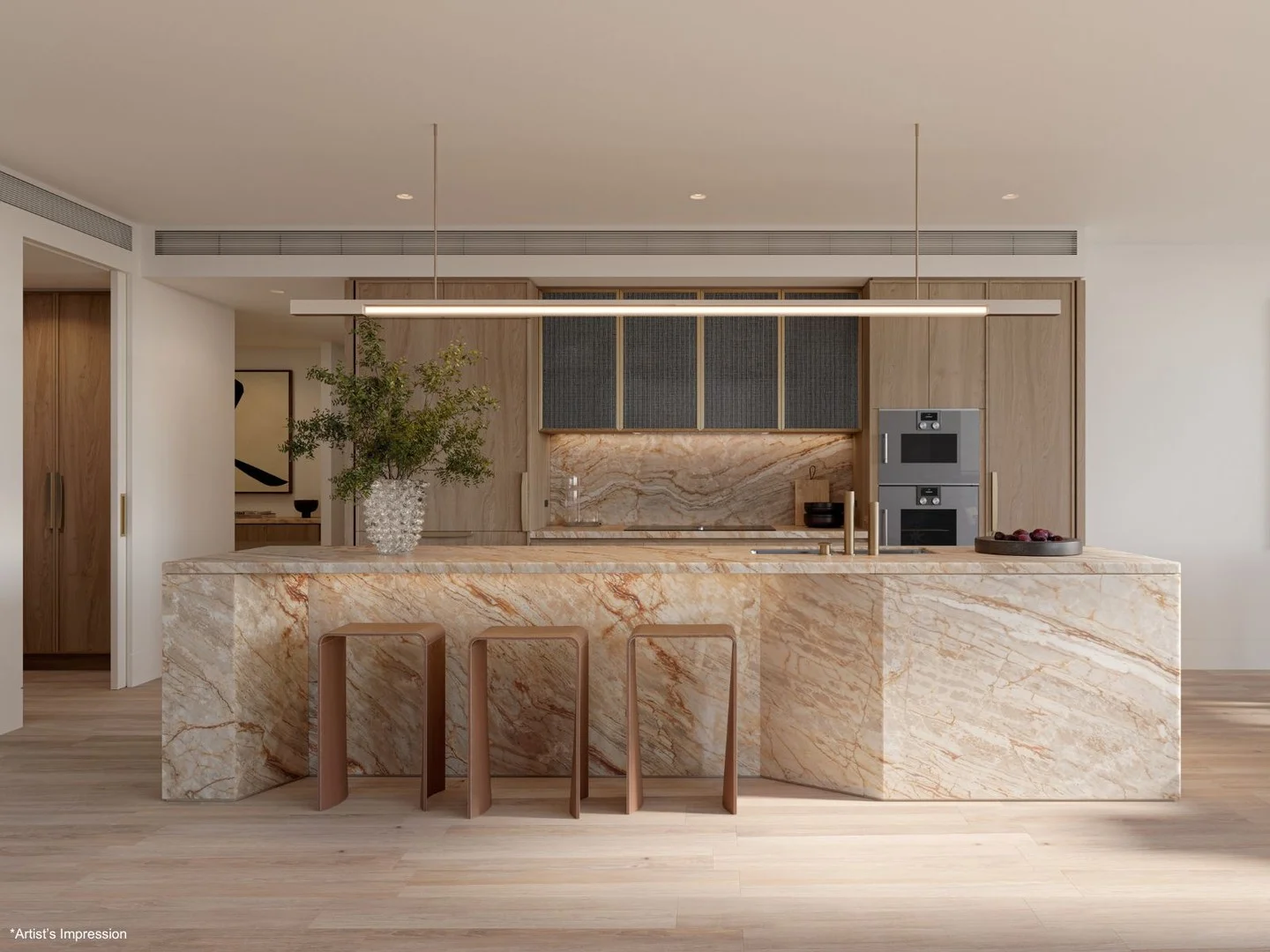 $6,225,000
propertyType.NEW APARTMENTS / OFF THE PLAN
$6,225,000
propertyType.NEW APARTMENTS / OFF THE PLAN
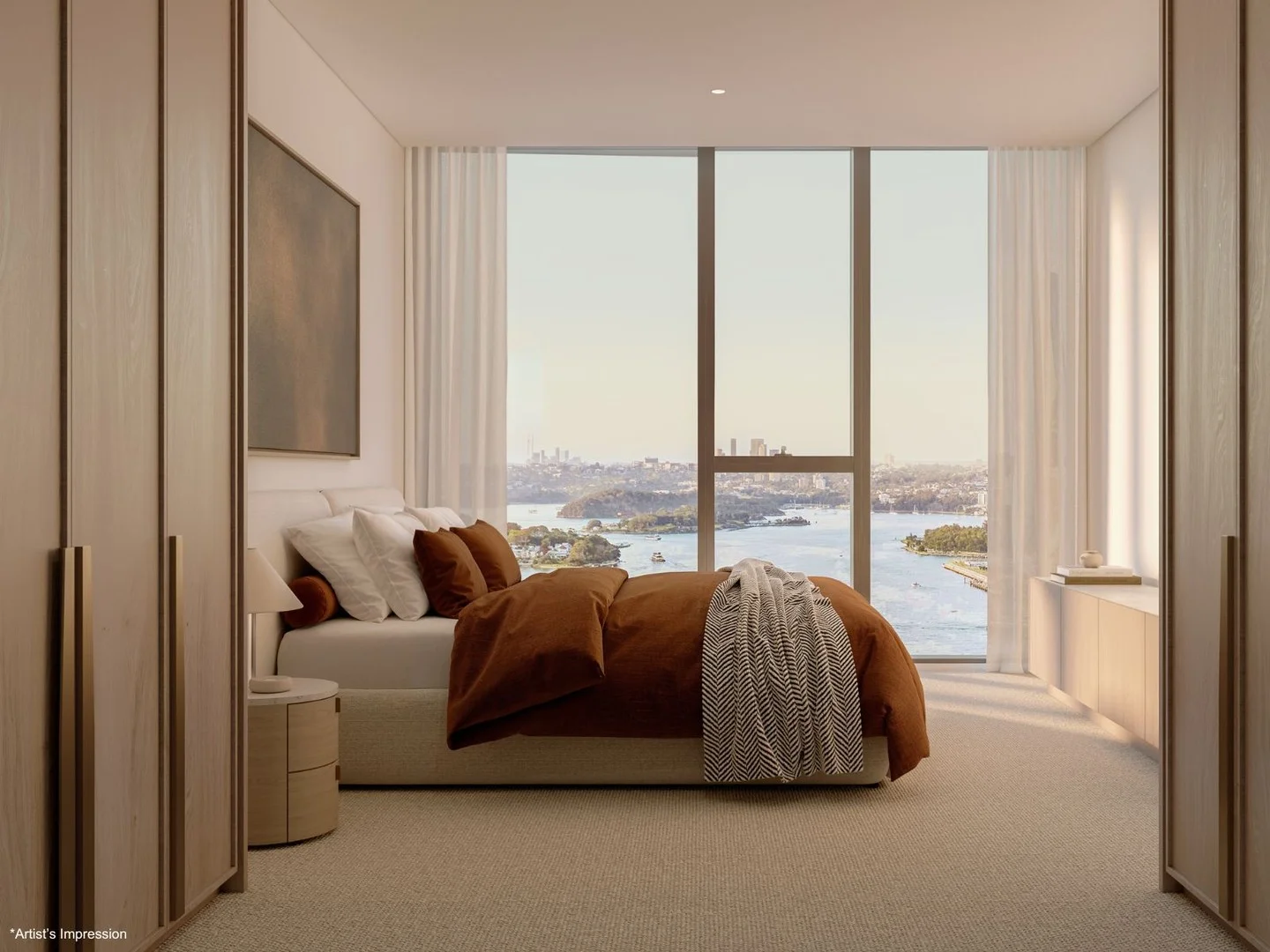 $8,630,000
propertyType.NEW APARTMENTS / OFF THE PLAN
$8,630,000
propertyType.NEW APARTMENTS / OFF THE PLAN
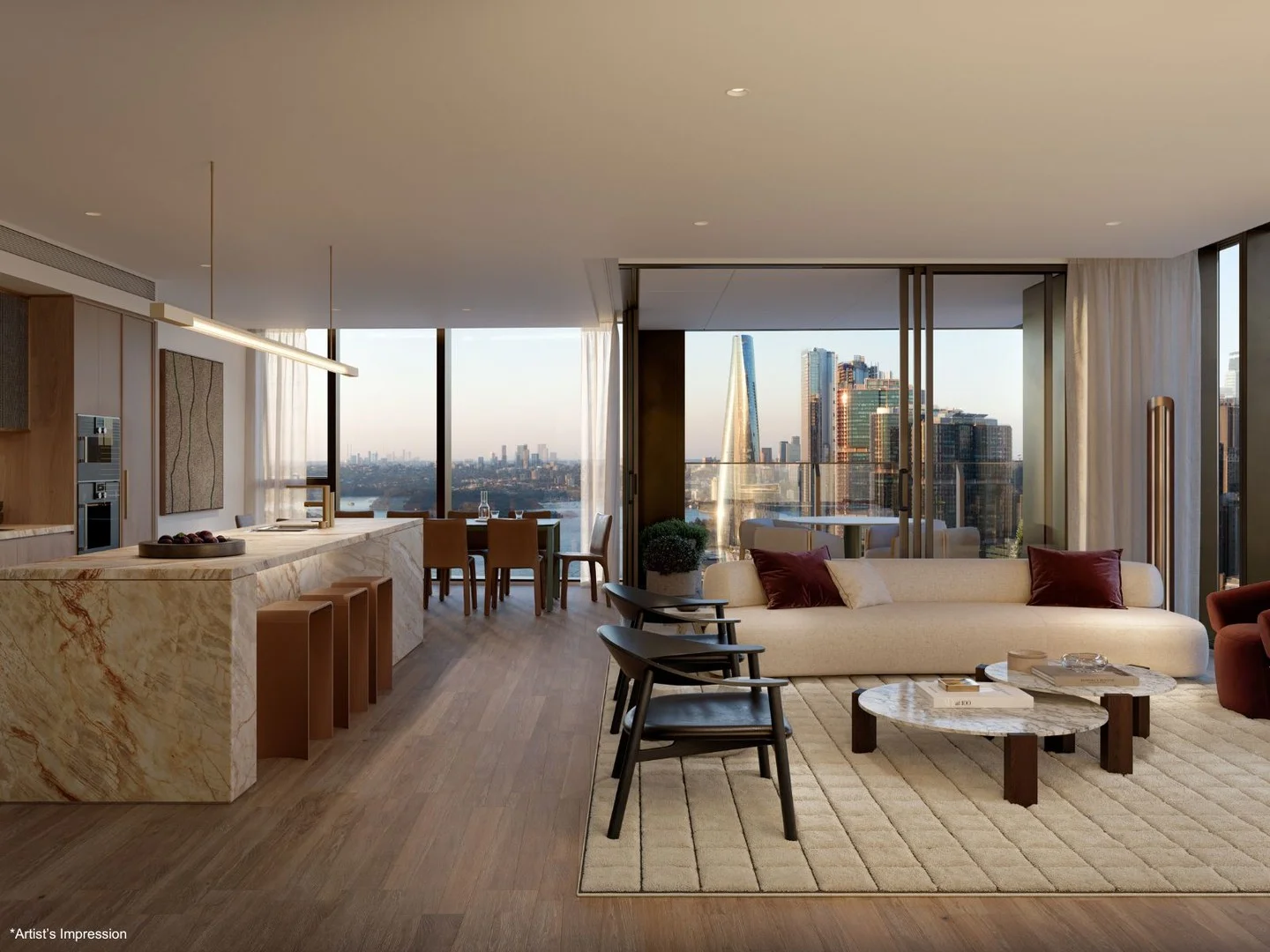 $12,980,000
propertyType.NEW APARTMENTS / OFF THE PLAN
$12,980,000
propertyType.NEW APARTMENTS / OFF THE PLAN
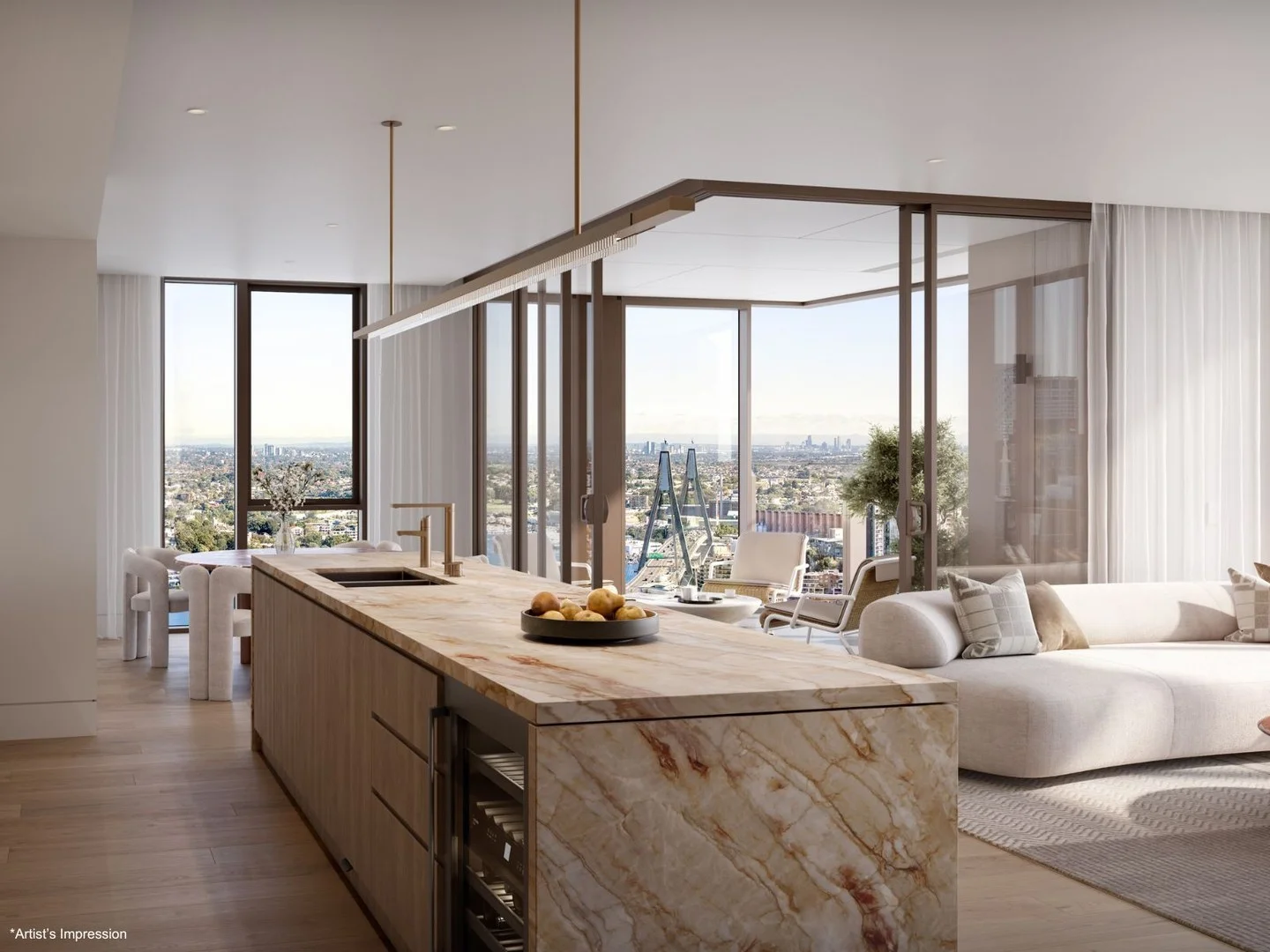 $9,020,000
propertyType.NEW APARTMENTS / OFF THE PLAN
$9,020,000
propertyType.NEW APARTMENTS / OFF THE PLAN
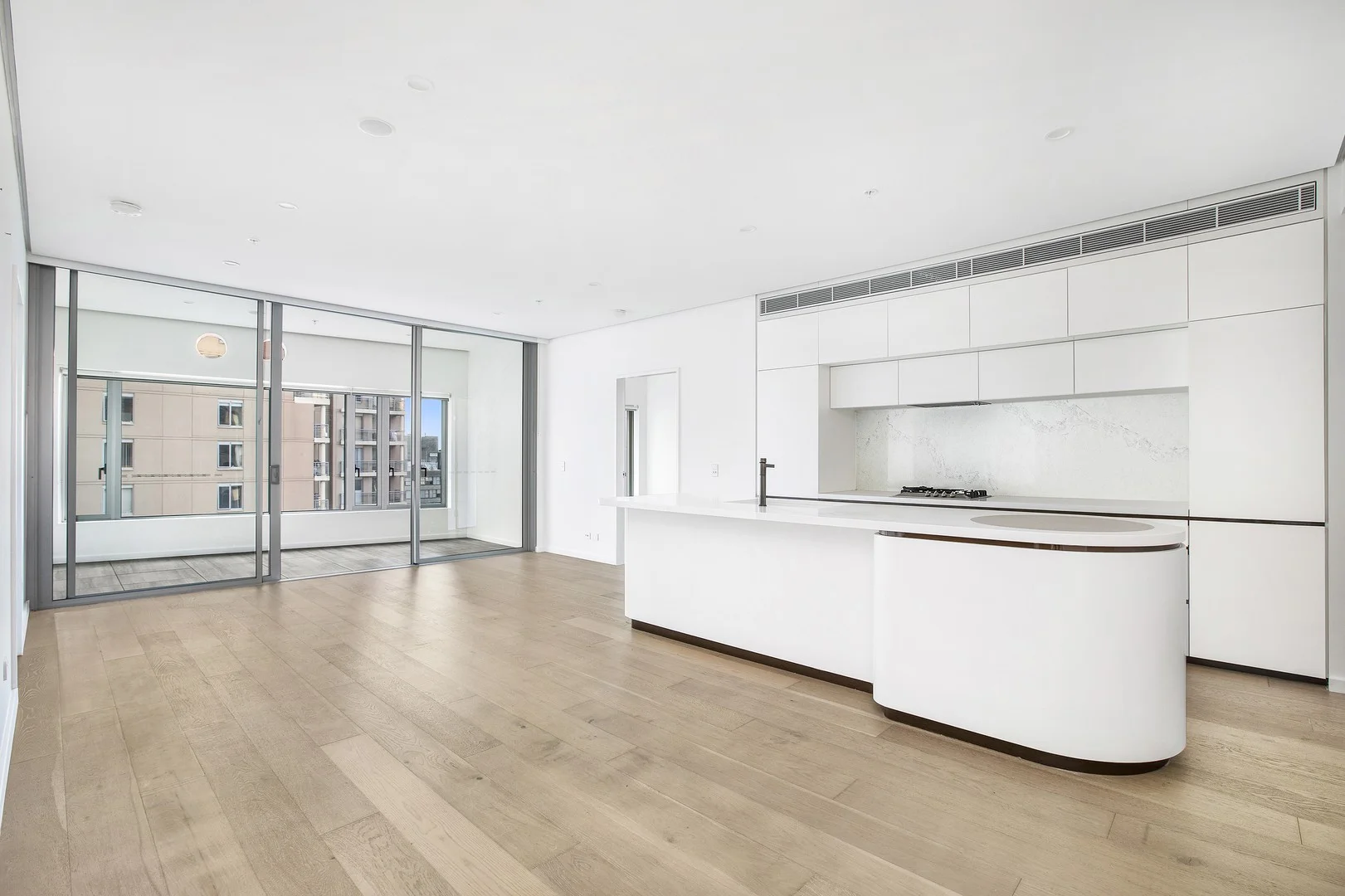 $2,250,000
Apartment / Unit / Flat
$2,250,000
Apartment / Unit / Flat


