Overview
1. Overview
St Thomas More Catholic Primary School in Belgrave is a Catholic, co-educational primary school that anchors learning in faith and community. The school aims to nurture well-rounded students through a values-based education, strong pastoral care, and a supportive classroom environment.
Size and vibe: a medium-sized school offering small-to-mid group class settings that foster close relationships between students and staff. Class sizes typically sit in the low-to-mid 20s, supporting individual attention within a warm, inclusive atmosphere that emphasises respect, service, and faith.
⸻
2. Academics & Learning
- Academic strengths: Strong emphasis on literacy and numeracy, with integrated Religious Education and faith-based character education that supports holistic learning. Focus on developing critical thinking, communication, and problem-solving across subjects.
- Special programs: Religious education and sacramental preparation where applicable; opportunities for extension or enrichment in core subjects; occasional gifted and talented activities and projects based on cohort needs.
- NAPLAN trends: Consistent performance trends typical of regional Catholic primary schools, with steady progress year over year in reading and numeracy and alignment with state averages over time. Schools often focus on targeted improvement in literacy and numeracy where needed.
- Student-teacher ratios: Class sizes small to medium, allowing more teacher support per student. Additional learning support staff and specialists are employed to assist diverse learners.
- Support for diverse learners: EAL (English as an Additional Language) support, SEN (Special Educational Needs) assistance, and inclusive education practices to help students access the curriculum and participate fully.
⸻
3. Sports & Extracurricular Strengths
- Sports offered: A range of seasonal team and individual sports (e.g., netball, soccer, cricket, basketball, athletics) with opportunities for inter-school participation and school-house events.
- Strong teams or achievements: Active involvement in local inter-school competitions and community events; emphasis on teamwork, fair play, and sportsmanship.
- Music, arts, drama programs: School music programs, choir or band opportunities, and drama/theatre activities provide performance experiences throughout the year.
- Clubs: Robotics, coding, chess, debating, and other enrichment clubs depending on staffing and student interest.
- Partnerships: Local community clubs and competitions; potential collaborations with regional sporting or arts groups to broaden opportunities.
⸻
4. Wellbeing & Pastoral Care
- Anti-bullying approach: Whole-school wellbeing framework with clear anti-bullying policies, a focus on respectful relationships, and restorative practices where needed.
- House system: House-based activities and competitions to foster belonging, teamwork, and camaraderie across year levels.
- Counsellors / wellbeing officers: Access to a school counsellor or wellbeing staff who provide pastoral care, guidance, and support for students and families.
- Transition support for new students: Orientation activities, buddy systems, and information for families to ease transitions into a new school environment.
⸻
5. Facilities
- Sports grounds: On-site playing fields or courts suitable for a range of sports and outdoor activities.
- Libraries: A school library with print and digital resources to support learning and reading for pleasure.
- Science labs: Dedicated spaces for hands-on science exploration and experiments.
- Music/performing arts centers: Rooms or spaces for music, drama, and performances.
- Tech/innovation labs: Computer or media labs to support digital literacy and technology-based learning.
- Cafeteria: On-site canteen or food service offering healthy options for students.
- Updated playgrounds: Modern, safe play areas and outdoor learning spaces.
⸻
6. School Values & Community Culture
- School values / mission: Catholic values framework emphasising faith, compassion, respect, responsibility, and service to others.
- Leadership style: Collaborative leadership that involves staff, students, and families; opportunities for student voice through appropriate leadership roles and committees.
- Behaviour expectations: Clear behavioural standards built on courtesy, integrity, and respect; restorative approaches to conflict resolution.
- Community reputation: Family-oriented, faith-centered community noted for strong parent–teacher partnerships and active parish connections.
- Diversity & inclusion: Welcoming and inclusive environment that supports students from diverse backgrounds and abilities.
⸻
7. School Logistics & Daily Operations
- School hours: Typically around 9:00 am–3:30 pm for instructional time, with start and finish times aligned to the local school calendar.
- Before/after school care: After-school care or outside-school-hours care (OSHC) arrangements commonly available to families who need extended supervision.
- Uniform requirements: Standard school uniform policy with appropriate seasonal variants; emphasis on neat, tidy attire and respect for school guidelines.
- Transport (train/bus routes): Access to local bus services and proximity to train routes; school community often coordinates drop-off/pick-up arrangements and supports safe commuting.
- Canteen availability: Canteen or canteen services offering healthy meal and snack options on designated days.
- Fees (low/medium/high ranges): Fees fall within the medium range for Catholic primary education in the region, with additional levies or activity costs disclosed per year and per family.
⸻
8. Enrolment & Admissions
11. What is the enrolment process and timeline?
- General process: Submit an online or paper application with required documentation, attend any information sessions or open days, participate in any school interviews or discussions with leadership, receive enrolment offer if a vacancy exists, and confirm acceptance with a start date.
- Timeline: Applications typically follow a yearly cycle with notification of outcomes arranged in advance of the new school year; processing times vary depending on intake numbers and priority categories.
12. Is there a waiting list, and how does it work?
- Many Catholic primary schools maintain a waiting list when intake is full; priority is often given to Catholic families and siblings, with general placement considered based on date of application and vacancy availability.
13. Are there any entry requirements, tests, or interviews?
- Usually no standardized entry tests for primary students; instead, an interview or conversation with families may be conducted to understand the student’s needs and fit. Documentation such as baptism or parish confirmation may be requested in line with Catholic school policies.
14. Does the school accept mid-year transfers?
- Mid-year transfers are typically considered if vacancies exist; families seeking a mid-year transfer should contact the registrar promptly to discuss available places and transition arrangements.
⸻
9. Frequently Asked Questions
- Why Parents Choose This School?
A Catholic, values-driven environment with a welcoming community, focus on faith formation, strong pastoral care, and a commitment to developing the whole child.
- What type of student thrives at this school?
Students who value community, respect, and service; those who engage with a faith-based approach to learning and enjoy a collaborative, supportive classroom setting.
- What opportunities are available for students to extend their skills (academics, sports, arts)?
Enrichment in literacy and numeracy, faith-based programs, sport and physical education, music and drama, and clubs such as robotics, coding, chess, and debating.
- How does the school communicate with parents?
Regular newsletters, parent portals or portals, PTA or school advisory communications, parent-teacher meetings, and updates about events and student learning.
- What is the school’s approach to teaching and learning?
A faith-informed, student-centered approach that differentiates instruction, emphasizes inquiry and critical thinking, and integrates values education with core scholastic disciplines.
- How does the school support students who need extra academic help?
Targeted learning support, small-group interventions, EAL and SEN assistance, and access to specialists to help students reach their learning goals.
- What support is available for academic challenges?
Structured support plans, frequent progress monitoring, and collaboration with families to adjust teaching strategies and materials.
- How does the school communicate with parents? (Duplicate)
Through multiple channels including newsletters, online portals, family information evenings, and scheduled parent-teacher conferences.
- What are the class sizes and how much individual attention do students receive?
Class sizes typically sit in the low-to-mid 20s, with teachers providing individual attention through targeted small-group instruction and routine assessment.
- What extracurricular and sports opportunities are available?
A range of sports across the year, plus clubs in robotics, coding, chess, debating, music, and drama.
- What facilities does the school offer (sports, science, arts)?
On-site sports grounds, library, science labs, music/performing arts spaces, technology/computer facilities, canteen, and modern outdoor play areas.
- What is the school’s approach to technology and digital learning?
Integrated digital learning with computer facilities and devices where available, emphasis on digital literacy, online safety, and responsible use.
- What transport and accessibility options are available?
Local bus routes and nearby train access; car drop-off/pick-up arrangements; considerations for accessibility and safe commuting.
- What are the typical school fees or additional costs?
Fees generally fall in the medium range for the region, with additional costs for camps, excursions, and elective activities disclosed by the school.
⸻
10. Short Pros & Cons list
- Pros
- Strong Catholic values and faith-based education
- Nurturing, inclusive, family-focused school culture
- Small-to-mid class sizes supporting individual attention
- Broad program offerings across academics, arts, sports, and technology
- Active wellbeing and pastoral care, with house systems and supportive staff
- Cons
- Fees and levies typical of Catholic primary schools; financial planning advised
- Availability may vary year to year; waiting lists can occur
- Distance from home may affect convenience for some families
- Programs and facilities can depend on cohort size and staffing in any given year










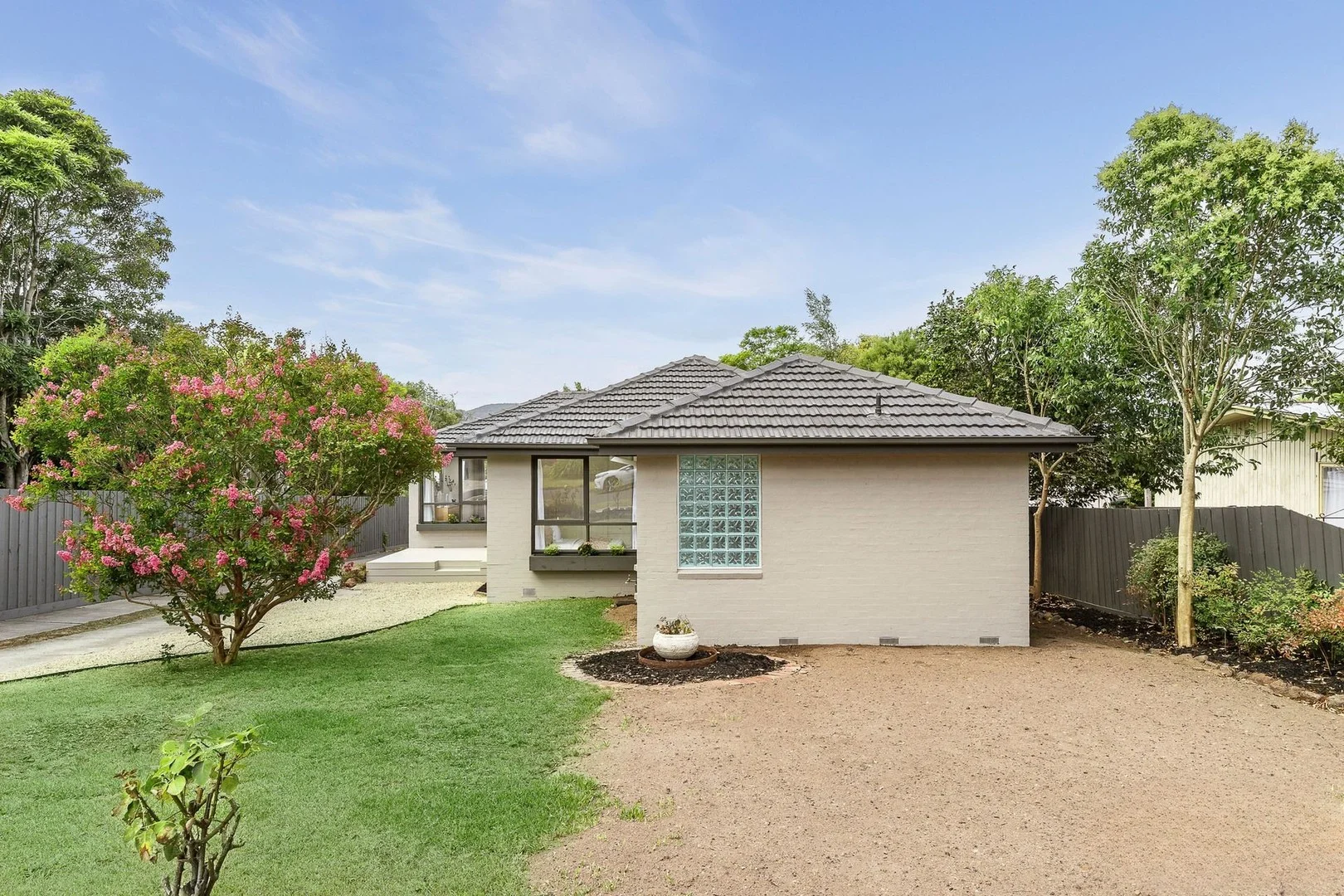 $700
Apartment / Unit / Flat
$700
Apartment / Unit / Flat
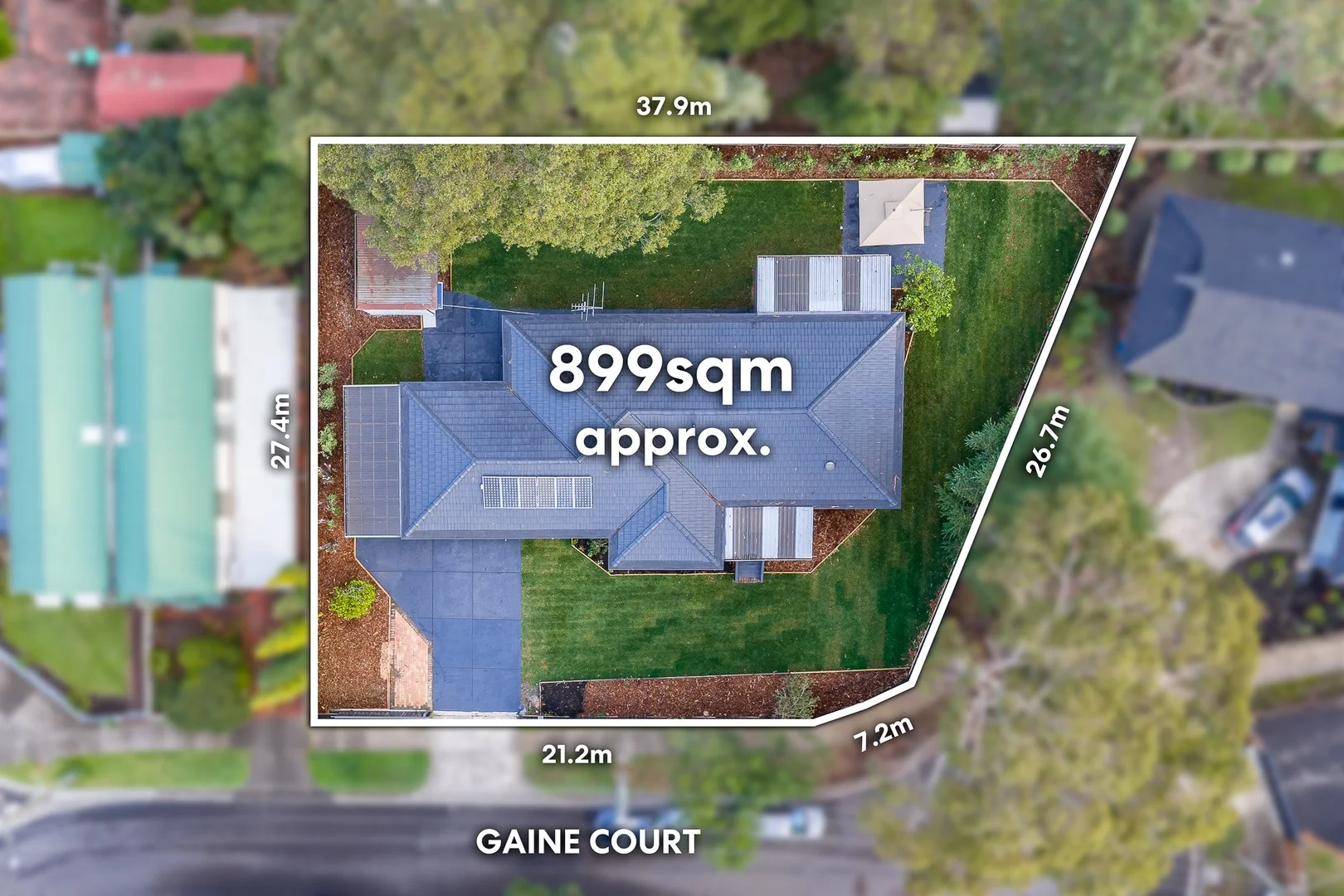 $990,000 - $1,080,000
House
$990,000 - $1,080,000
House
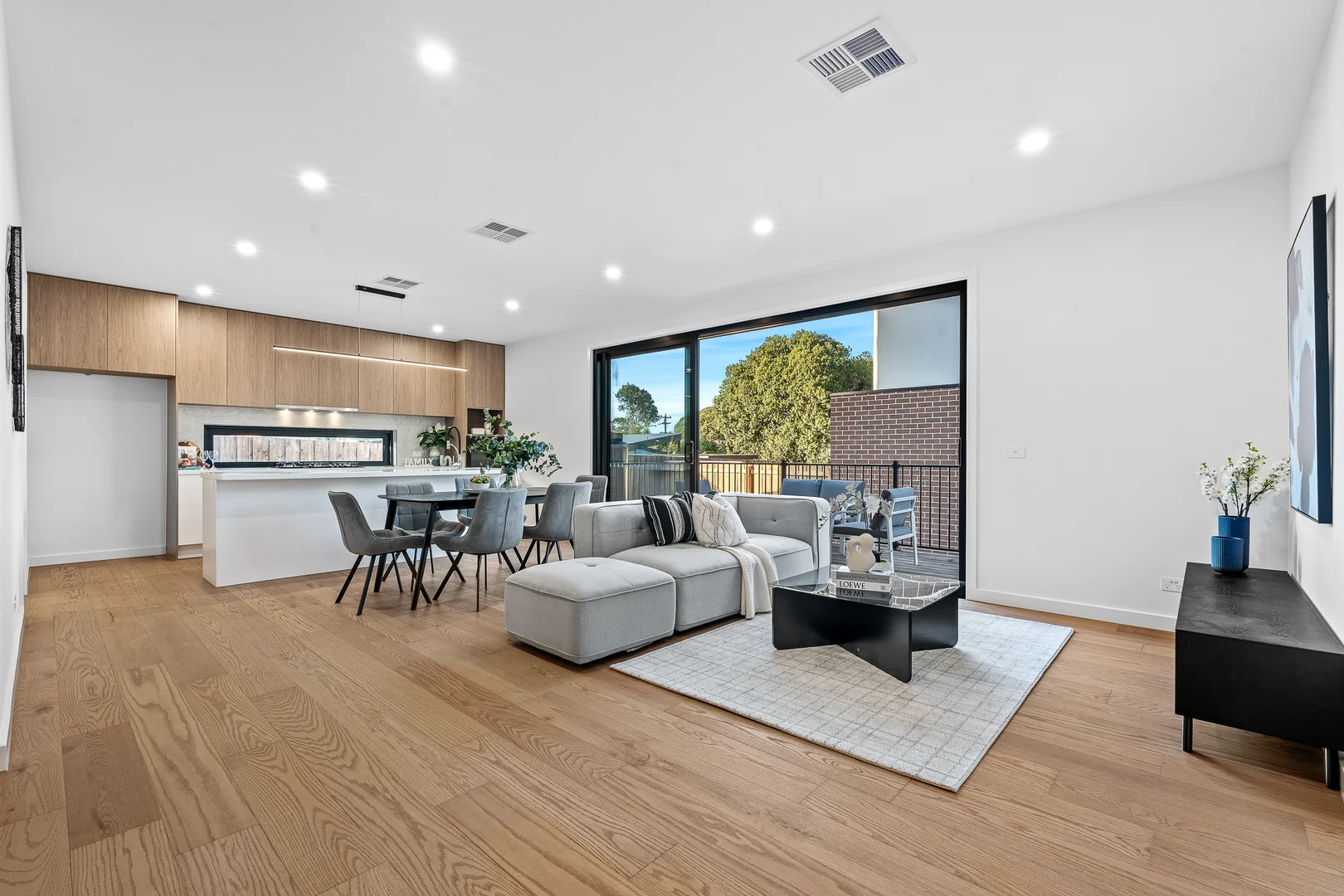 $990,000 - $1,080,000
Townhouse
$990,000 - $1,080,000
Townhouse