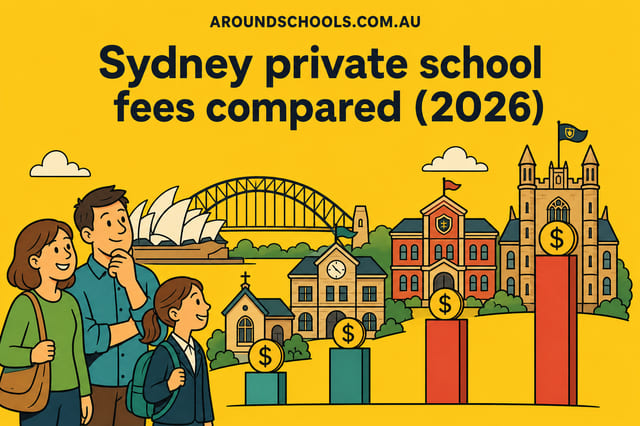
Overview
## 1. Overview
PLC Sydney is an independent private school for girls with a Presbyterian heritage, located in Croydon, NSW. It offers comprehensive education from Junior years through to Year 12, emphasising strong academics within a values‑driven, community‑minded environment.
The school is a medium‑to‑large campus with class sizes typically around 20–22 students. The atmosphere is nurturing and inclusive, with a clear focus on academic achievement, well‑developed sport and arts programs, and a supportive culture that encourages leadership and service.
---
## 2. Academics & Learning
- Academic strengths: Strengths across STEM, English and languages, with leadership opportunities and a solid foundation in the humanities. The school supports students to excel across a broad curriculum and to pursue high‑level subject choices in senior years.
- Special programs: Gifted and talented pathways, accelerated learning options in core subjects, and opportunities for subject extension in senior years. Strong emphasis on a well‑rounded, inquiry‑based learning approach.
- NAPLAN trends: Consistently strong performance with many students achieving top bands in reading, writing and numeracy; trends show steady improvement and strong year‑to‑year progress.
- Student‑teacher ratios: Approximately 1:10 to 1:12, enabling meaningful teacher support and personalised feedback.
- Support for diverse learners: Comprehensive EAL support, learning support plans, and access to specialist teachers to assist diverse learning needs and ensure inclusive education.
---
## 3. Sports & Extracurricular Strengths
- Sports offered: A broad program including netball, basketball, soccer, cricket, tennis, swimming, athletics and other team or individual activities.
- Strong teams or achievements: Active school representation in regional competitions with successful teams across multiple sports and age groups.
- Music, arts, drama programs: Strong performing arts program featuring choirs, orchestras, ensembles, drama productions and related theatre tech.
- Clubs: Robotics, chess, coding, debating, Model United Nations and other skill‑building clubs to support practical and intellectual development.
- Partnerships: Local inter‑school fixtures and competitions, partnerships with local clubs and regional academic and arts events to broaden opportunities.
---
## 4. Wellbeing & Pastoral Care
- Anti‑bullying approach: Proactive wellbeing program with clear reporting channels and aims to foster respectful relationships and a safe school climate.
- House system: A house structure to promote belonging, friendly competition and leadership development across years.
- Counsellors / wellbeing officers: Dedicated school counsellors and wellbeing staff providing ongoing support for students.
- Transition support for new students: Formal induction, buddy systems and transition programs to help new students settle in smoothly.
---
## 5. Facilities
- Sports grounds: Accessible playing fields and courts supporting a range of athletic activities.
- Libraries: Well‑stocked libraries with study spaces and digital resources.
- Science labs: Modern science laboratories equipped for practical experiments across disciplines.
- Music/performing arts centers: Dedicated spaces for rehearsals, concerts and drama productions.
- Tech/innovation labs: Contemporary facilities for coding, robotics and technology‑based learning.
- Cafeteria: On‑site dining facilities offering healthy, practical meals and snacks.
- Updated playgrounds: Age‑appropriate outdoor spaces supporting breaktimes and active play.
---
## 6. School Values & Community Culture
- School values / mission: A values‑driven education emphasising excellence, integrity, compassion, respect and service.
- Leadership style: Collaborative leadership culture with strong student leadership opportunities (prefects, student committees) and staff‑led mentorship.
- Behaviour expectations: Clear codes of conduct based on respect, responsibility and resilience.
- Community reputation: Reputable, long‑standing private girls’ school with a strong sense of community and positive parent feedback.
- Diversity & inclusion: Committed to an inclusive environment with attention to diverse backgrounds and needs, including support for international families and multilingual learners.
---
## 7. School Logistics & Daily Operations
- School hours: Typical school day begins mid‑morning and ends mid‑afternoon, with assemblies and supervised study periods.
- Before/after school care: Availability of after‑school care and activity options through the school or partner providers.
- Uniform requirements: Clear uniform standards for different year levels, with appropriate formal or day‑wear as required.
- Transport (train/bus routes): Proximity to Croydon transport links (train and bus routes) with optional school transport arrangements in some cases.
- Canteen availability: On‑site canteen offering healthy meal and snack options.
- Fees (low/medium/high ranges): Fees fall in the higher range consistent with private independent schooling; additional costs may include uniforms, excursions and specific activity fees.
---
## 8. Enrolment & Admissions
11) What is the enrolment process and timeline?
- Generally, families submit an application with required documentation, followed by shortlisting and a formal interview or meeting. Open days or information evenings are commonly offered. Offers, once eligibility is confirmed and spaces exist, are communicated within a defined timeline that varies by year level.
12) Is there a waiting list, and how does it work?
- Depending on year level and vacancies, a waiting list may apply. Placement on the list is typically determined by the school’s admissions policy, date of application and readiness for the program.
13) Are there any entry requirements, tests, or interviews?
- Most year levels involve an assessment process (e.g., English and mathematics tasks or tests) and an interview with a senior staff member or head of school. Some years may require additional information or reference checks.
14) Does the school accept mid‑year transfers?
- Mid‑year transfers are considered subject to vacancies and assessment outcomes. Families may be asked to provide current academic reports and recommendations as part of the process.
---
## 9. Frequently Asked Questions
- Why Parents Choose This School?
- A strong combination of academic results, supportive pastoral care, values‑based education, and a vibrant co‑curricular program in a nurturing community.
- What type of student thrives at this school?
- Curious, motivated learners who value a well‑rounded education, leadership opportunities and positive relationships within a diverse community.
- What opportunities are available for students to extend their skills (academics, sports, arts)?
- Advanced subject options and accelerated pathways in academics, extensive sports programs, high‑quality music and drama ensembles, debating, robotics, coding and leadership opportunities.
- How does the school communicate with parents?
- Digital portals and dashboards, emails, newsletters, parent‑teacher interviews and regular information evenings.
- What is the school’s approach to teaching and learning?
- Student‑centred, inquiry‑based learning with a focus on critical thinking, collaboration and applying knowledge to real‑world contexts.
- How does the school support students who need extra academic help?
- Targeted learning support, EAL assistance, study skills coaching and access to specialist teachers for differentiated instruction.
- What support is available for academic challenges?
- Early intervention resources, one‑to‑one or small‑group tutorials, and ongoing access to learning support staff.
- How does the school communicate with parents?
- (Duplicate question; see above for communication channels.)
- What are the class sizes and how much individual attention do students receive?
- Class sizes typically around 20–22, with additional opportunities for individual feedback, targeted support and small group assistance as needed.
- What extracurricular and sports opportunities are available?
- A wide range across sports, arts, music, drama and numerous clubs including robotics, chess, coding and debating, plus interschool competitions and ensembles.
- What facilities does the school offer (sports, science, arts)?
- Comprehensive facilities including sports grounds, libraries, science labs, performing arts spaces, tech/innovation labs and a canteen.
- What is the school’s approach to technology and digital learning?
- Emphasis on digital literacy, age‑appropriate use of technology, and integration of devices and software to support learning and creativity.
- What transport and accessibility options are available?
- Access to nearby train and bus networks; potential school transport arrangements in some areas; convenient campus location for families using public transport.
- What are typical school fees or additional costs?
- Fees fall into the higher range for private schooling; additional costs may include uniforms, excursions, camps and elective activities.
---
## 10. Short Pros & Cons
Pros
- Strong academic outcomes across a broad curriculum
- Values‑based, supportive and inclusive learning community
- Rich co‑curricular program (sport, music, drama, clubs)
- Good facilities and dedicated wellbeing support
- Clear pathways for leadership and personal development
Cons
- Higher fees typical of private independent schooling
- Competitive environment may require strong student engagement
- Admissions can involve wait lists and selective processes
- Travel logistics may be required for families outside easy transport access











 $36,000,000 - $39,500,000
Vacant Land
$36,000,000 - $39,500,000
Vacant Land
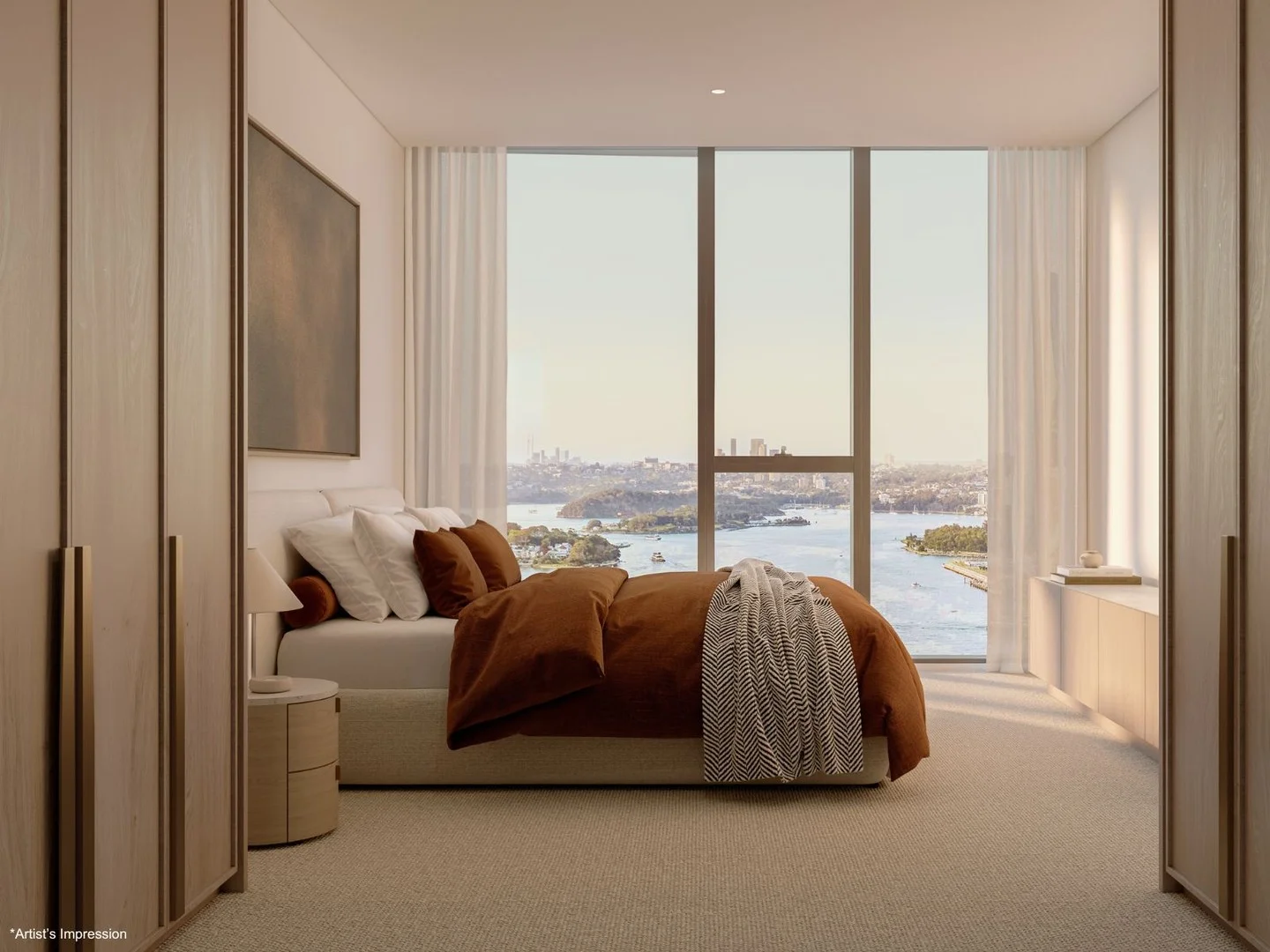 $8,630,000
propertyType.NEW APARTMENTS / OFF THE PLAN
$8,630,000
propertyType.NEW APARTMENTS / OFF THE PLAN
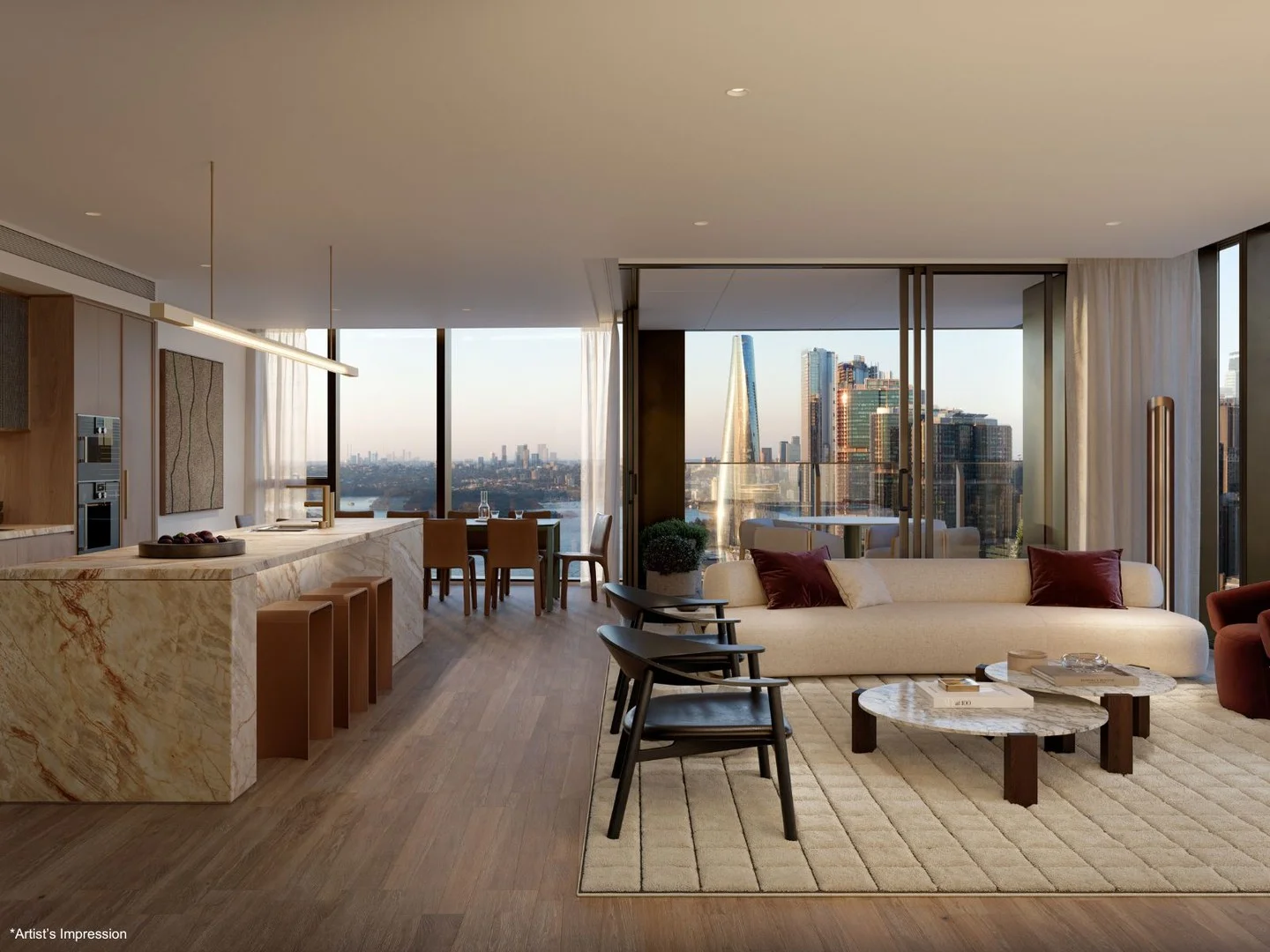 $12,980,000
propertyType.NEW APARTMENTS / OFF THE PLAN
$12,980,000
propertyType.NEW APARTMENTS / OFF THE PLAN
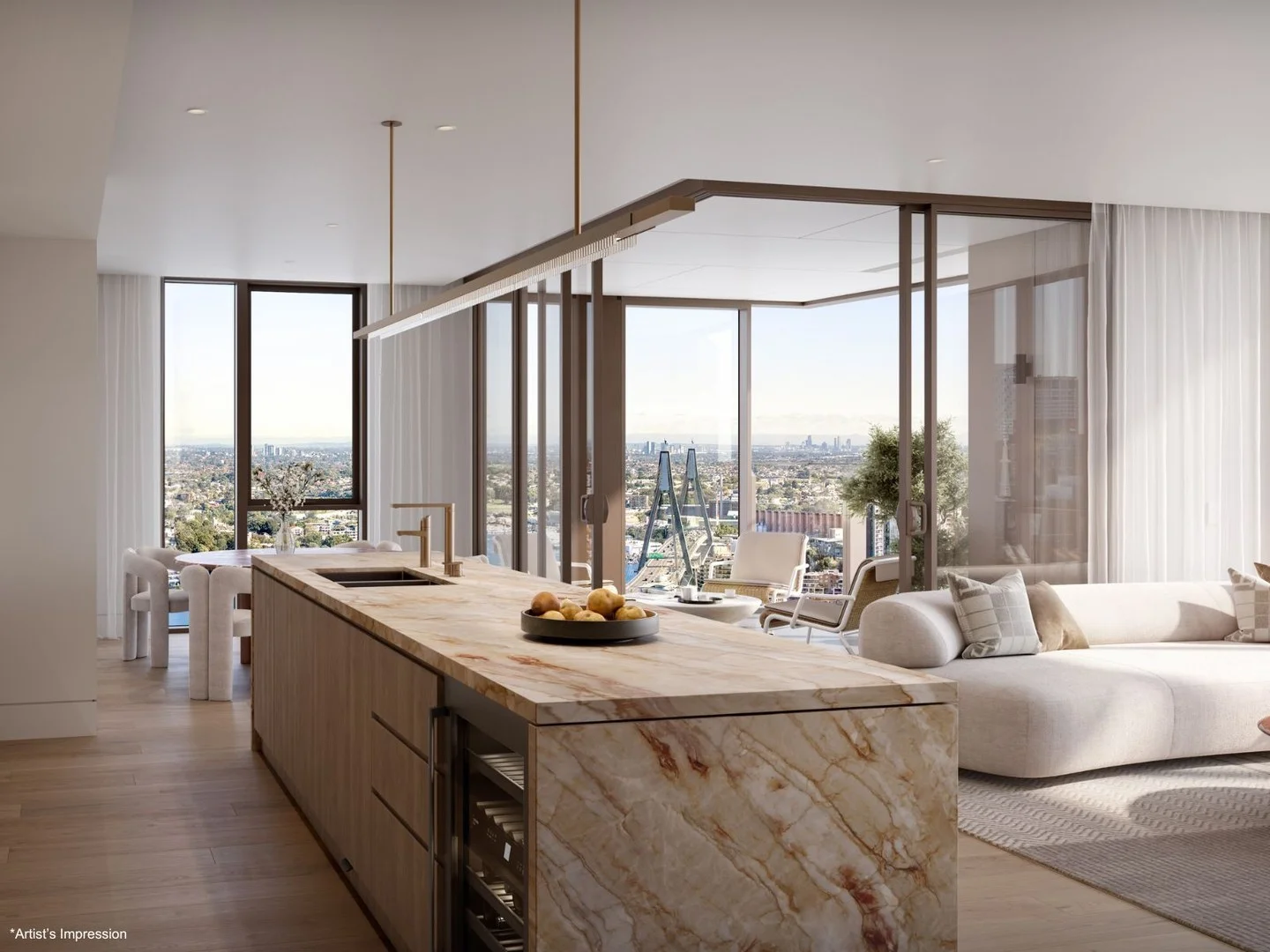 $9,020,000
propertyType.NEW APARTMENTS / OFF THE PLAN
$9,020,000
propertyType.NEW APARTMENTS / OFF THE PLAN
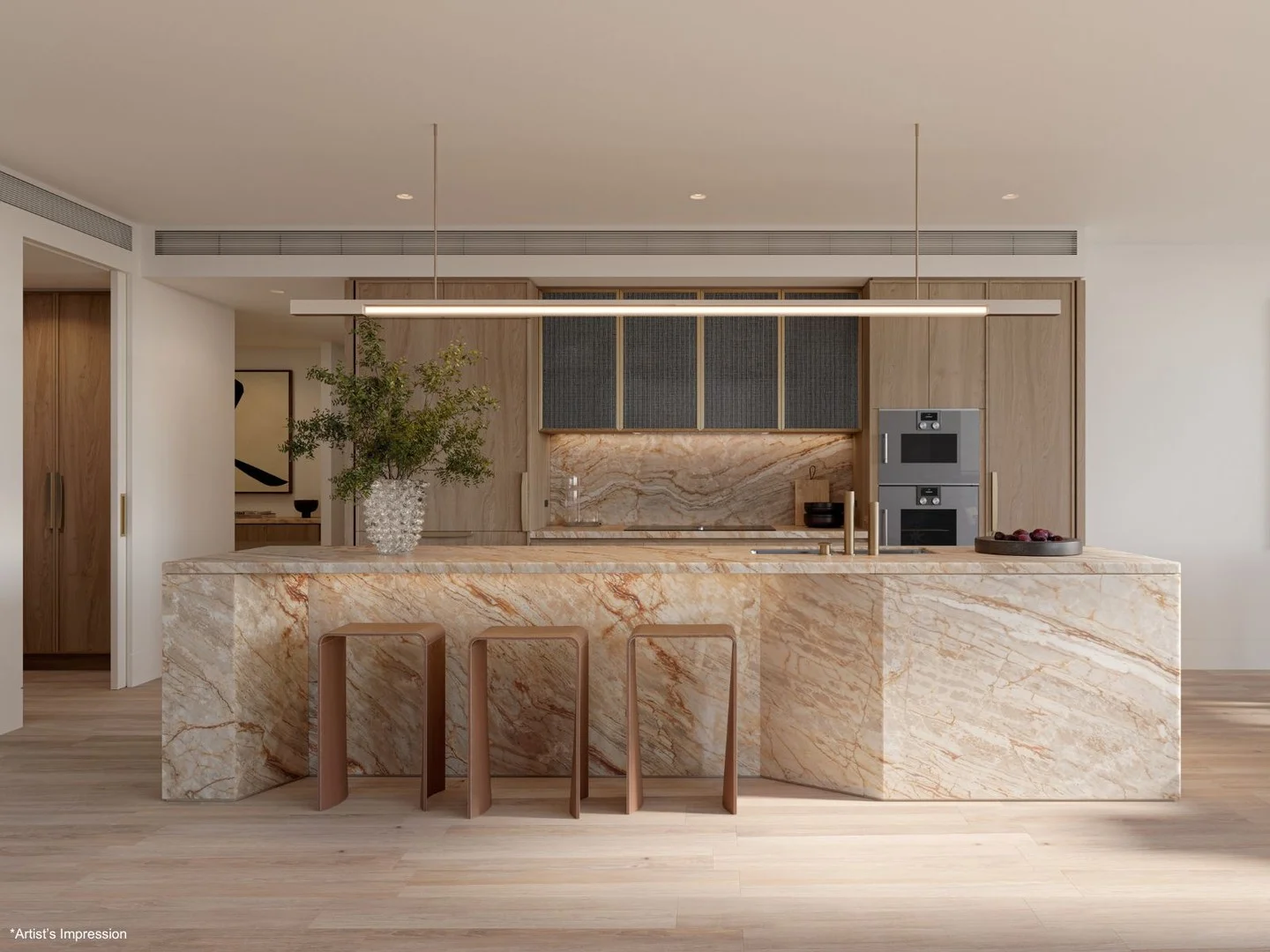 $6,225,000
propertyType.NEW APARTMENTS / OFF THE PLAN
$6,225,000
propertyType.NEW APARTMENTS / OFF THE PLAN
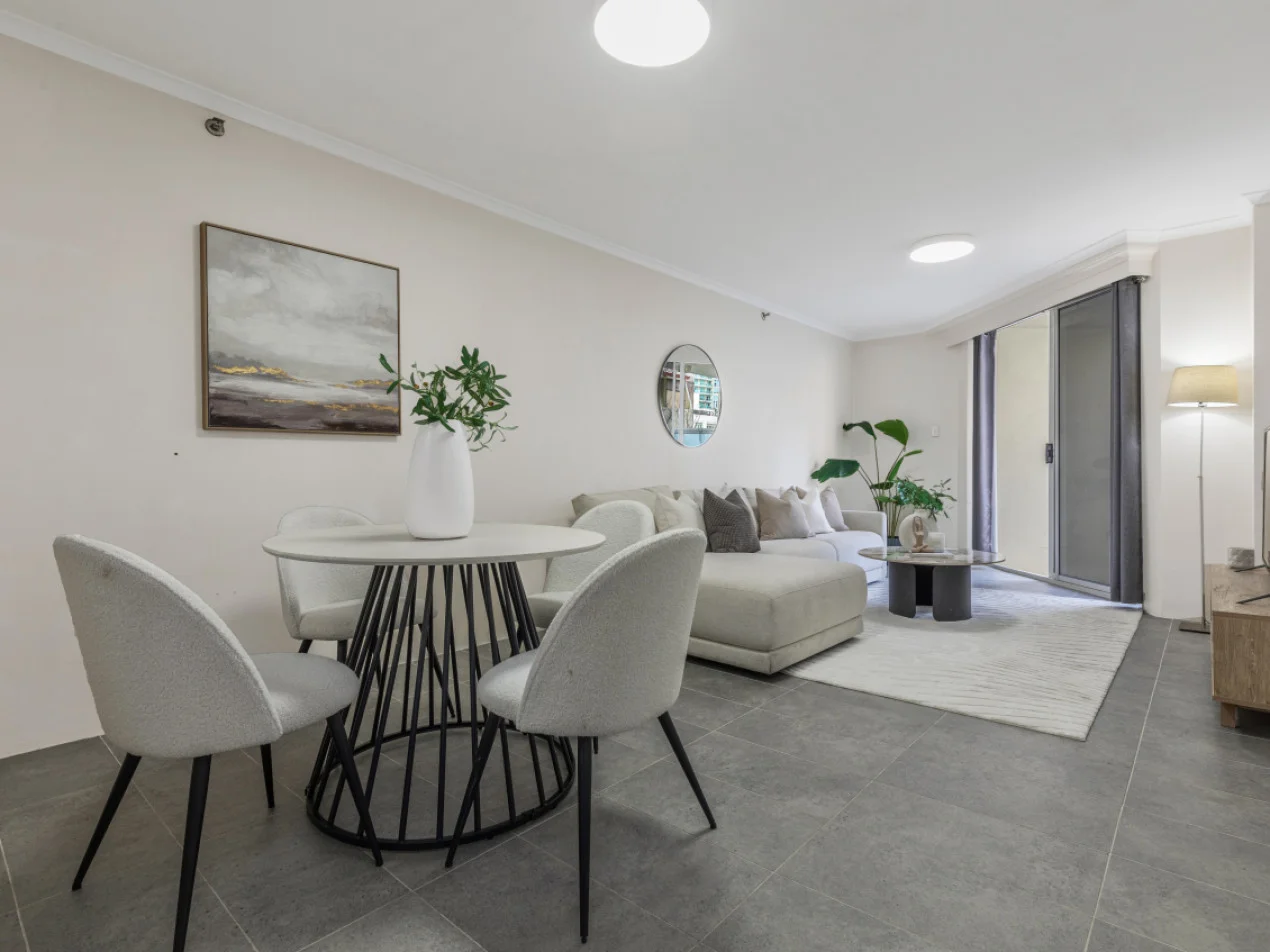 $640,000 - $675,000
Apartment / Unit / Flat
$640,000 - $675,000
Apartment / Unit / Flat
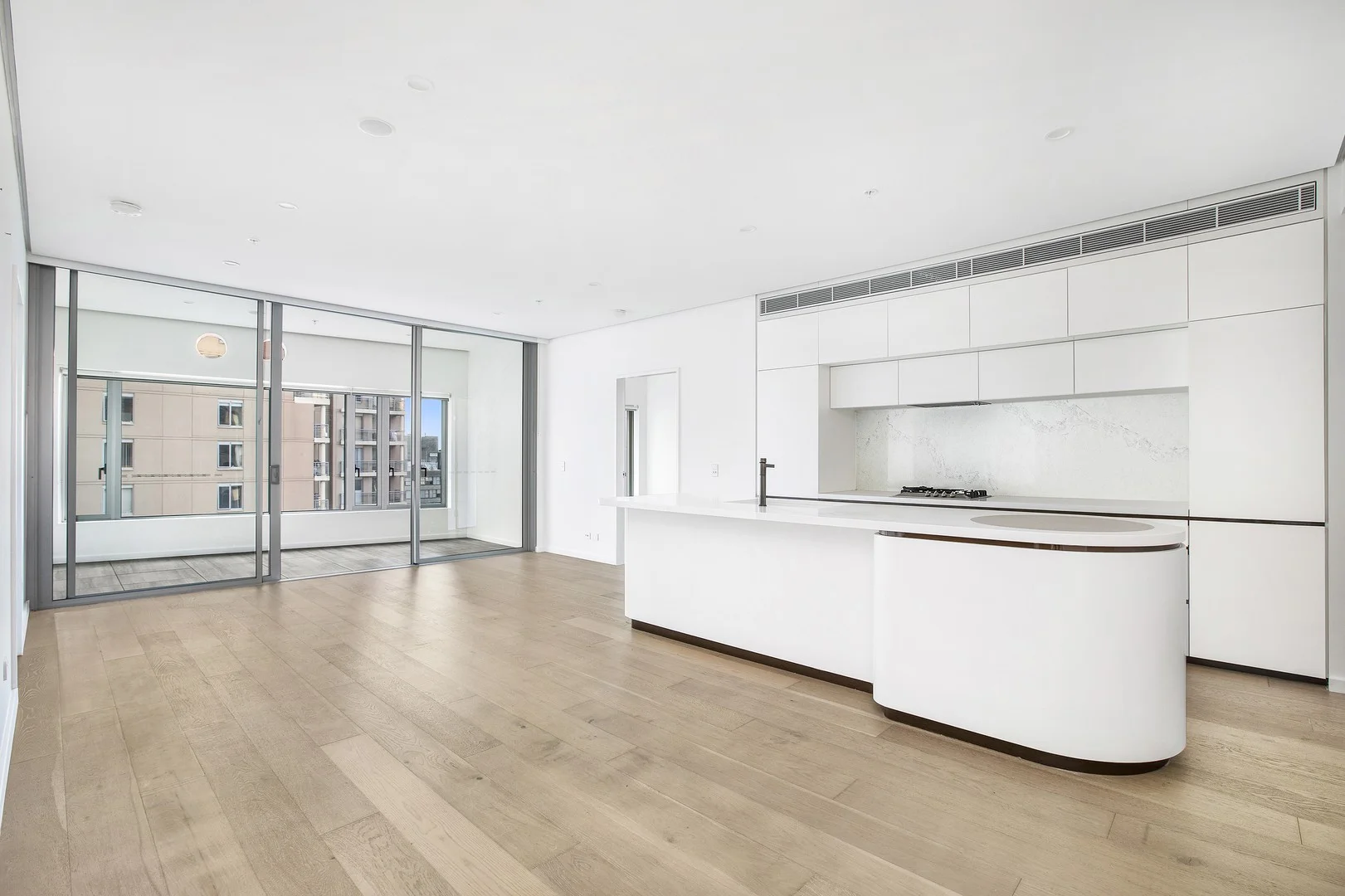 $2,250,000
Apartment / Unit / Flat
$2,250,000
Apartment / Unit / Flat
 $660,000 - $725,000
Apartment / Unit / Flat
$660,000 - $725,000
Apartment / Unit / Flat
 $2,745,000
propertyType.NEW APARTMENTS / OFF THE PLAN
$2,745,000
propertyType.NEW APARTMENTS / OFF THE PLAN