Overview
## Overview
Stott's College – Melbourne City Campus is a private, independent education provider offering career-focused diplomas and certificates designed to support direct entry to work or further study. The Melbourne City campus fosters a professional, inclusive environment with a medium-sized student community and relatively small-to-mid class sizes, typically around 15–25 students per class. The atmosphere emphasizes practical learning, industry relevance, and supportive student services.
Programs are designed to be flexible and industry-aligned, with pathways to university degrees where available. The college places emphasis on employability, hands-on learning, and real-world skills, while maintaining a student-centred approach that supports diverse learners in a dynamic city setting.
⸻
## Academics & Learning
- Academic strengths: Practical diploma and certificate programs in areas such as business, information technology, hospitality, health services, and early childhood education, with a focus on applying skills in real-world settings.
- Special programs: Diploma-to-degree pathway opportunities where available, articulation agreements with partner universities, and recognition of prior learning. English for Academic Purposes or similar language support may be offered to help international students succeed.
- NAPLAN / trends: NAPLAN is a standard government assessment for government and some non-government schools; private colleges may not publish NAPLAN data. Internal progress tracking and student development tend to show steady literacy, numeracy, and program-specific skill improvements over time.
- Student-teacher ratios: Generally small-to-medium class sizes, yielding teacher contact times that support individualized feedback and closer student-teacher interactions (roughly 10–16 students per class in many programs).
- Support for diverse learners: EAL support, study-skills coaching, tutoring, learning support staff, and access to academic advisors to help students succeed across programs.
⸻
## Sports & Extracurricular Strengths
- Sports offered: Intramural or campus-based activities, access to local gym facilities, and partnerships with local clubs for sporting opportunities.
- Strong teams or achievements: Participation in local inter-college or community competitions; focus on teamwork, discipline, and personal development rather than large-scale interschool championships.
- Music, arts, drama programs: On-campus spaces for music and arts activities; opportunities to participate in student productions or performance-based electives.
- Clubs: Robotics, coding, chess, debating, and other student-led or instructor-facilitated clubs.
- Partnerships: Collaborations with local academies, training providers, and community or industry competitions to broaden practical exposure.
⸻
## Wellbeing & Pastoral Care
- Anti-bullying approach: Clear anti-bullying policies, confidential reporting channels, and a culture of respect and inclusion.
- House system: House-based pastoral care or small-team groupings to foster belonging, mentoring, and positive social norms.
- Counsellors / wellbeing officers: Access to on-campus counselling and wellbeing support, with programs focused on mental health, resilience, and stress management.
- Transition support for new students: Comprehensive orientation, buddy programs, academic planning assistance, and ongoing check-ins to ease transitions.
⸻
## Facilities
- Sports grounds: Access to campus-based or nearby facilities for physical activity and recreation.
- Libraries: On-site libraries or learning resource centers with digital resources and study spaces.
- Science labs: Equipped laboratories or simulated learning environments for science and health-related programs.
- Music/performing arts centers: Dedicated spaces or studios for music, drama, and performance activities.
- Tech/innovation labs: Computer labs, IT suites, and makerspaces that support coding, design, and technology projects.
- Cafeteria: On-site or nearby dining options and vending areas.
- Updated playgrounds: Modern, safe common areas and student social spaces for breaks and collaboration.
⸻
## School Values & Community Culture
- School values / mission: Professionalism, integrity, inclusion, respect, and collaboration underpin daily practice and student experience.
- Leadership style: Student-centred and collaborative, with open channels for feedback and active student involvement in school life.
- Behaviour expectations: Clear code of conduct emphasizing respectful behaviour, responsibility, and accountability.
- Community reputation: Positive standing within Melbourne’s private education sector, with emphasis on student support and employability.
- Diversity & inclusion: Welcoming to a diverse student body, with inclusive practices and support for international and domestic students alike.
⸻
## School Logistics & Daily Operations
- School hours: Typical class days from around 9:00 am to 5:00 pm, with some programs offering part-time or evening sessions.
- Before/after school care: Not a standard offering on campus; referrals to local services may be provided if needed.
- Uniform requirements: Dress code varies by program; some programs may require smart casual attire, while others have no uniform requirement.
- Transport (train/bus routes): Strong access to Melbourne’s public transport network; proximity to tram, train, and bus routes with convenient city-center access.
- Canteen availability: On-site or nearby dining options; catering for dietary needs.
- Fees (low/medium/high ranges): Fees are in the mid-to-high range for private college programs and vary by program, delivery mode, and duration.
⸻
## Enrolment & Admissions
11. What is the enrolment process and timeline?
- Steps typically include: submit an online application, provide required documents (identity, prior education transcripts, English proficiency if applicable), pay any application fee, receive and accept an Offer of Enrolment, sign the enrollment agreement, pay a tuition deposit, and complete any program-specific orientation before start. Intake timelines often include start dates in the Australia-wide academic year (e.g., early-year and mid-year intakes), with processing times ranging from a few weeks to a couple of months depending on program and applicant type.
12. Is there a waiting list, and how does it work?
- Some popular programs may operate with a waiting list when full. Applicants on the waitlist are contacted if seats become available. The school typically maintains contact information, and the waitlist order or priority may be determined by application date, program demand, and eligibility later checks.
13. Are there any entry requirements, tests, or interviews?
- Common requirements include proof of identity, academic transcripts, and English language proficiency for international applicants (e.g., IELTS/TOEFL or equivalent). Some programs may require an interview or a portfolio/work experience for suitability. Depending on the program, there may be additional health or background checks.
14. Does the school accept mid-year transfers?
- Mid-year transfers may be possible for select programs, subject to availability of places and agreement on applicable credit transfers. Applicants should provide prior transcripts and course outlines for credit assessment and must satisfy current program entry requirements.
⸻
## Frequently Asked Questions
- Why Parents Choose This School?
- Practical, career-focused programs with industry relevance, smaller class sizes, and strong student support aimed at helping graduates enter the workforce or continue to higher study.
- What type of student thrives at this school?
- Self-motivated, career-driven learners who benefit from hands-on, applied learning in a supportive, close-knit campus community.
- What opportunities are available for students to extend their skills (academics, sports, arts)?
- Diploma and certificate programs with industry placements or internships, plus clubs (robotics, coding, chess, debating), performing arts opportunities, and intramural sports.
- How does the school communicate with parents?
- Via student portals, email updates, information evenings, phone calls, and regular progress reports.
- What is the school’s approach to teaching and learning?
- Hands-on, industry-aligned teaching with practical projects, case studies, and applied assessments; emphasis on real-world skills and employability.
- How does the school support students who need extra academic help?
- Academic advising, tutoring, EAL support, study-skills coaching, and access to learning support staff.
- What support is available for academic challenges?
- Individual or small-group tutoring, targeted study plans, and progress reviews with teachers and academic staff.
- How does the school communicate with parents? (duplication)
- (See above) Regular updates through portal, email, and organized information sessions.
- What are the class sizes and how much individual attention do students receive?
- Class sizes are small-to-medium (roughly 10–20 students in many programs), enabling more individualized feedback and teacher access.
- What extracurricular and sports opportunities are available?
- Intramural sports, fitness activities, plus clubs such as robotics, coding, chess, and debating; occasional partnerships for regional competitions.
- What facilities does the school offer (sports, science, arts)?
- Modern libraries, science labs, IT and innovation labs, music/arts spaces, on-site or nearby canteen facilities, and student common areas.
- What is the school’s approach to technology and digital learning?
- Blended learning with online platforms, digital resources, and potential Bring Your Own Device (BYOD) considerations to support modern learning.
- What transport and accessibility options are available?
- Access to Melbourne’s public transport network (trams, trains, buses), with nearby stations and accessible facilities.
- What are typical school fees or additional costs?
- Fees vary by program and delivery mode; there are ongoing tuition costs plus potential additional costs for materials, supplies, or fieldwork. Prospective students should confirm current fees with admissions.
⸻
## Short Pros & Cons list
- Pros
- Private, career-focused programs with practical outcomes
- Small-to-medium class sizes for more individualized attention
- Strong support services for diverse learners
- Industry connections and internship/placement opportunities
- Flexible delivery options and pathways to further study
- Cons
- Fees are higher than many public options
- Programs may be narrower in scope than larger universities
- Limited large-scale sports programs compared to traditional high schools or universities
- Mid-year transfers depend on program availability and credits may be subject to assessment
⸻













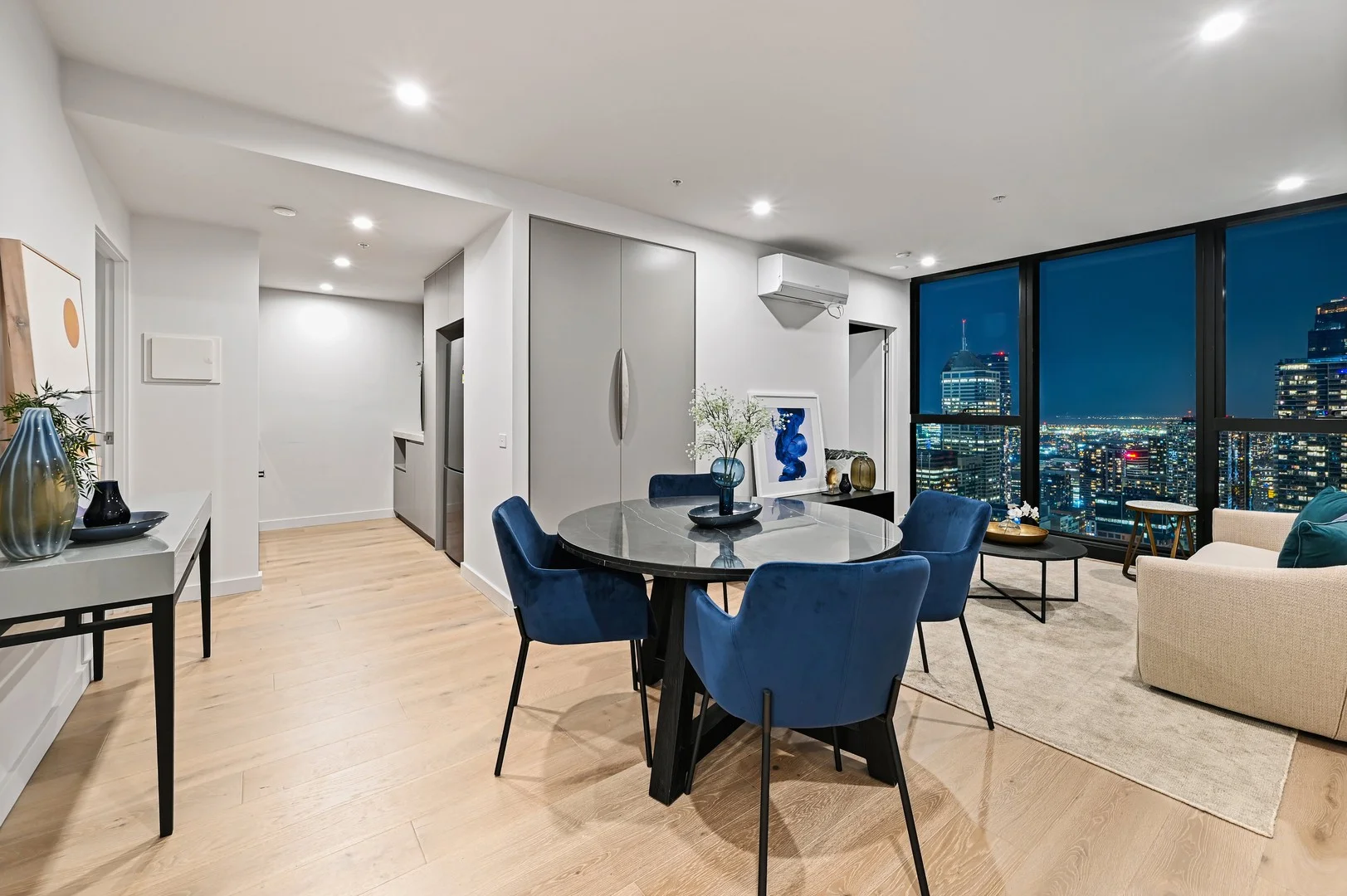 $943,000
propertyType.NEW APARTMENTS / OFF THE PLAN
$943,000
propertyType.NEW APARTMENTS / OFF THE PLAN
 $2,008,000
propertyType.NEW APARTMENTS / OFF THE PLAN
$2,008,000
propertyType.NEW APARTMENTS / OFF THE PLAN
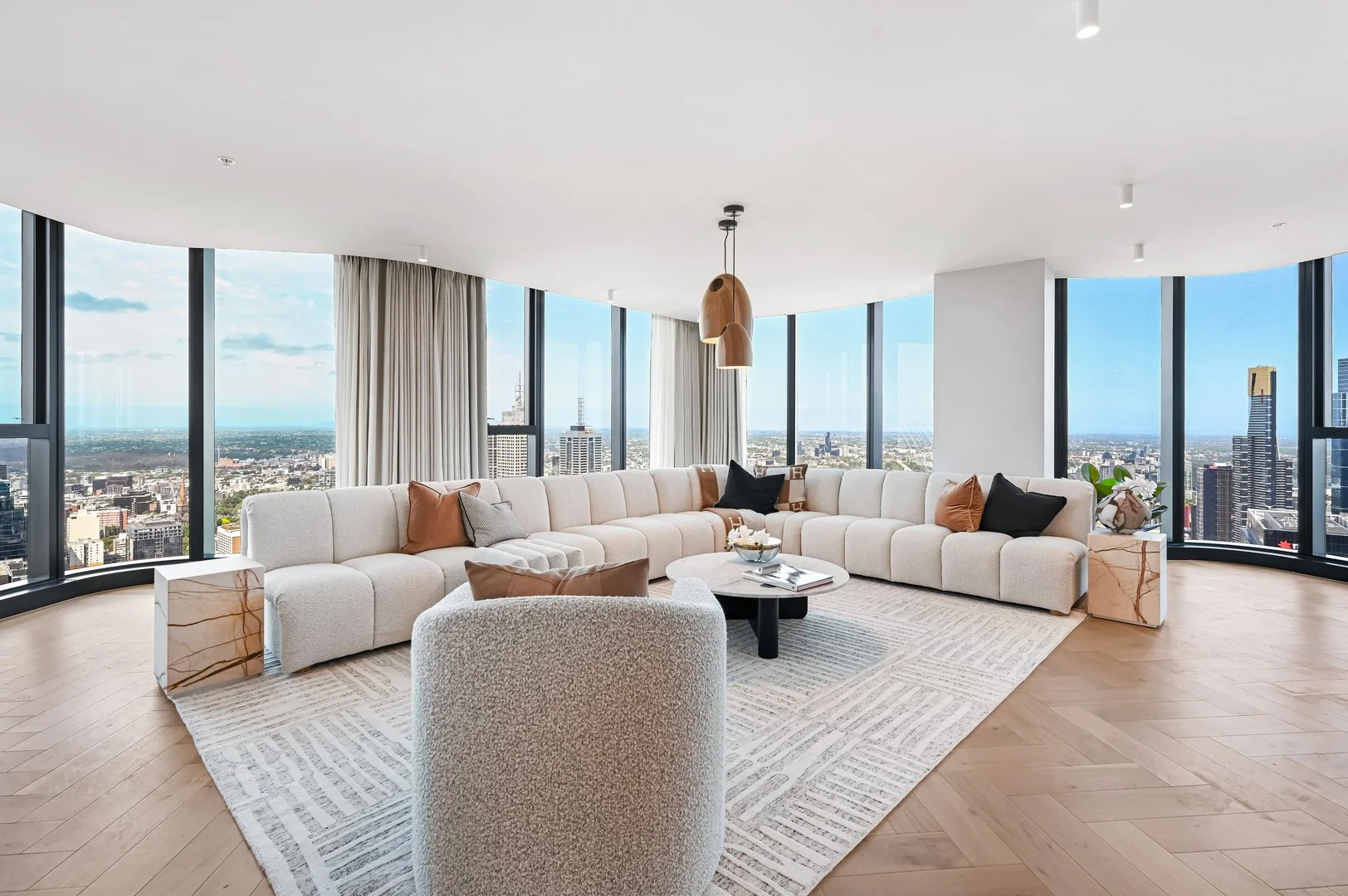 $5,512,000
propertyType.NEW APARTMENTS / OFF THE PLAN
$5,512,000
propertyType.NEW APARTMENTS / OFF THE PLAN
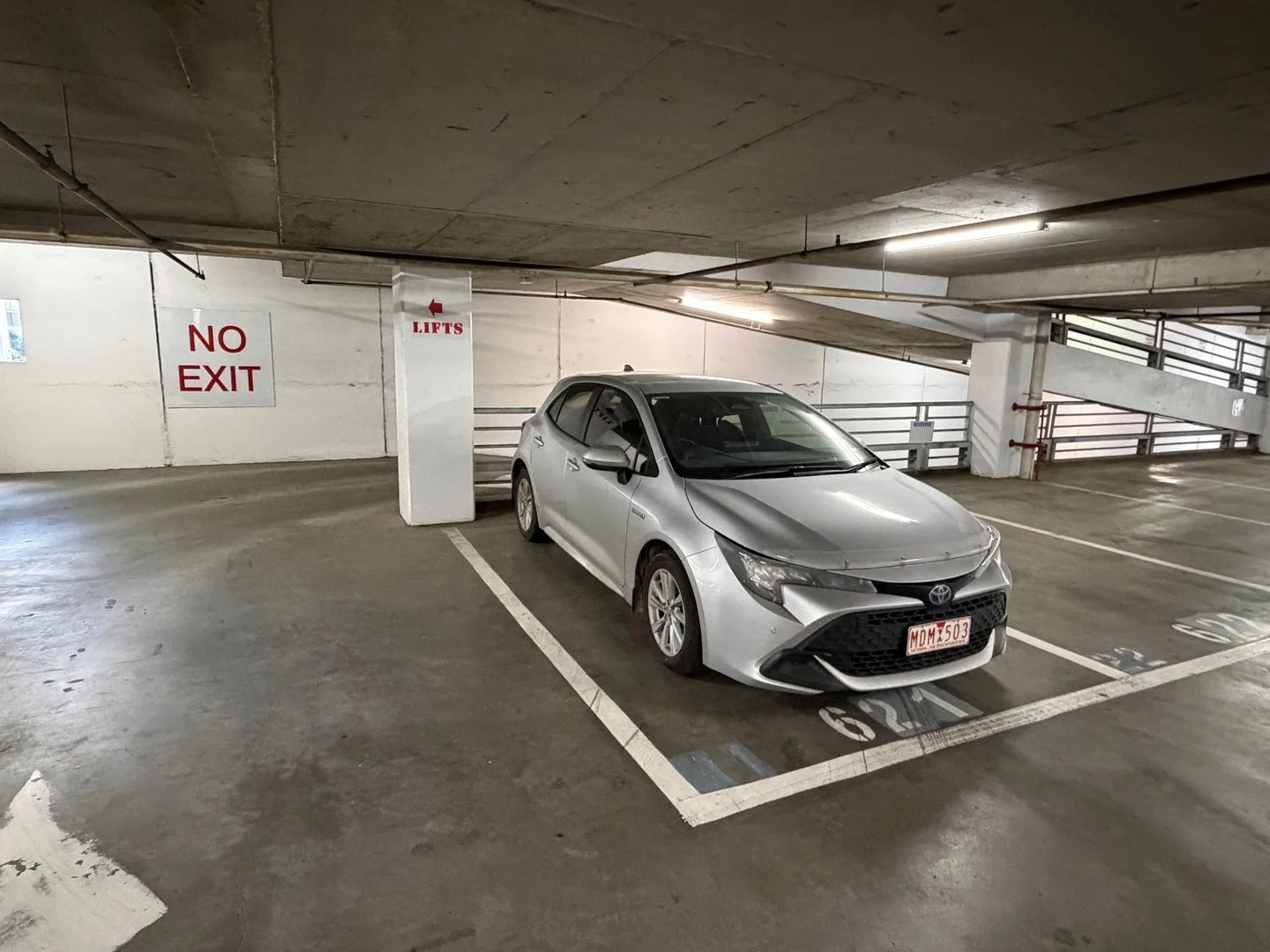 $27,500
propertyType.CAR SPACE
$27,500
propertyType.CAR SPACE
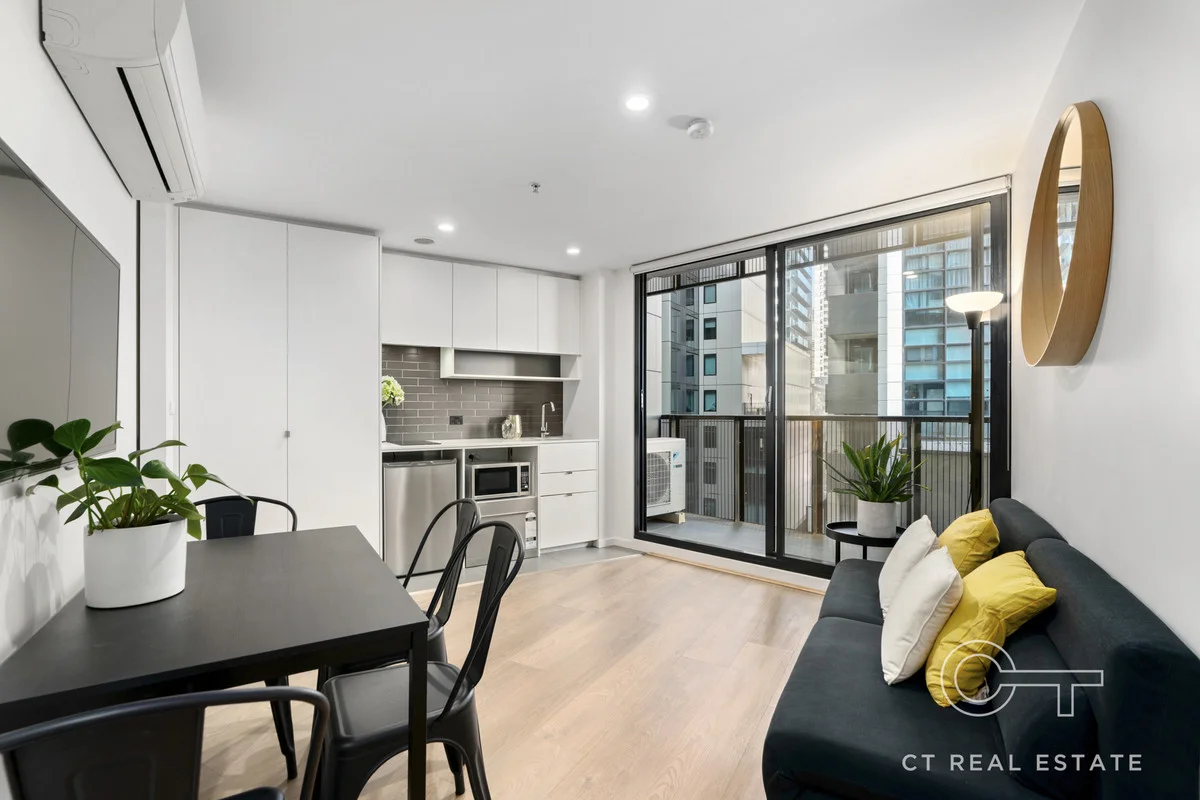 $360,000
Apartment / Unit / Flat
$360,000
Apartment / Unit / Flat
 $1,870,000
propertyType.NEW APARTMENTS / OFF THE PLAN
$1,870,000
propertyType.NEW APARTMENTS / OFF THE PLAN
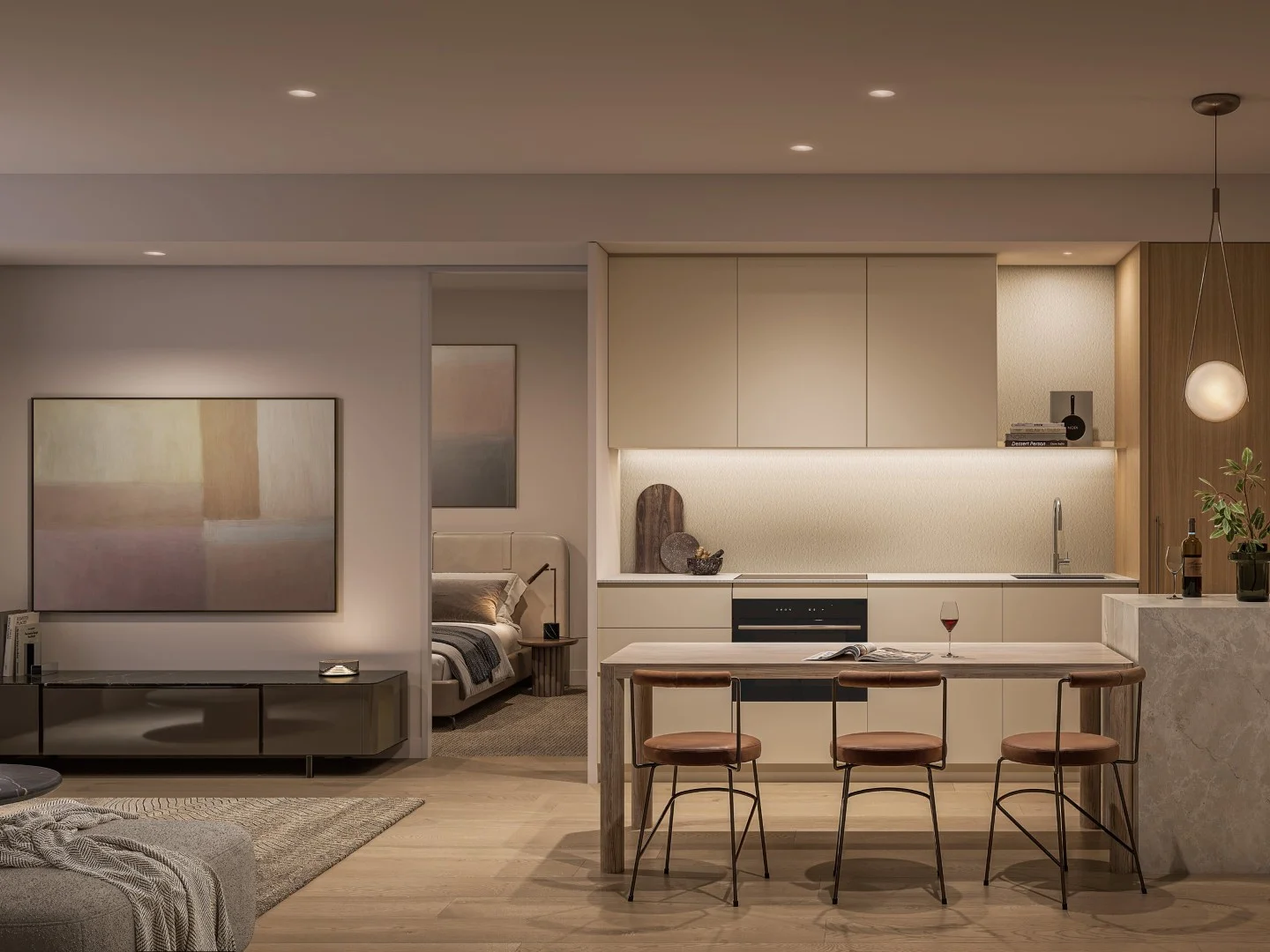 $666,000
Apartment / Unit / Flat
$666,000
Apartment / Unit / Flat
 $2,865,000
Apartment / Unit / Flat
$2,865,000
Apartment / Unit / Flat
 $712,500
Apartment / Unit / Flat
$712,500
Apartment / Unit / Flat