## Overview
Stuartholme School is an independent Catholic girls’ school located in Toowong, Brisbane. It is known for a well-rounded education that blends academic achievement with values-based learning in a supportive, close-knit community. The school fosters leadership, service, and active participation in sport and the arts, creating an environment that balances high expectations with care for each student.
- School type: Independent Catholic
- School size: Medium
- Class size: Moderate (typical private-school ranges)
- Atmosphere/culture: Nurturing, academically focused, inclusive
⸻
## Academics & Learning
- Academic strengths: Strong emphasis on English and humanities, robust STEM and languages programs, and a focus on leadership development and well-rounded achievement.
- Special programs: Leadership development pathways and opportunities for accelerated learning or gifted and talented programs where available.
- NAPLAN / trends: Demonstrates positive trends with steady or improving performance in literacy and numeracy across recent years.
- Student-teacher ratios: Low-to-moderate ratios typical of independent schools, enabling strong teacher–student engagement and support.
- Support for diverse learners: Dedicated support for diverse learners, including resources for EAL and SEN, with targeted learning assistance and accommodation options.
⸻
## Sports & Extracurricular Strengths
- Sports offered: A broad range of sports including team and individual activities such as athletics, swimming, netball, basketball, tennis, soccer, and other seasonal codes.
- Strong teams or achievements: Active representation in inter-school competitions with notable participation in regional championships and school-wide sports programs.
- Music, arts, drama programs: Comprehensive music ensembles, choir, drama and performing arts programs that provide performance opportunities.
- Clubs: Robotics, chess, coding, debating, and other co-curricular clubs to develop skills beyond the classroom.
- Partnerships: Connections with local clubs, community organizations, and inter-school competitions to extend opportunities outside the campus.
⸻
## Wellbeing & Pastoral Care
- Anti-bullying approach: Clear anti-bullying policies with proactive supervision and a culture of respect and inclusion.
- House system: House-based activities and competitions to build community, belonging, and peer support.
- Counsellors / wellbeing officers: Access to school counsellors and wellbeing staff to support mental health, resilience, and personal development.
- Transition support for new students: Structured orientation and transition programs to help new students settle in smoothly.
⸻
## Facilities
- Sports grounds: On-site sports facilities and grounds supporting team practice and events.
- Libraries: Well-resourced library with print and digital collections.
- Science labs: Modern science laboratories for hands-on experiments and STEM learning.
- Music/performing arts centers: Dedicated spaces for music ensembles, drama and performance.
- Tech/innovation labs: ICT suites, makerspace or digital learning labs to support technology and innovation projects.
- Cafeteria: On-site canteen/cafeteria offering a range of meal options.
- Updated playgrounds: Safe, well-maintained play and outdoor spaces supporting recreation and outdoor learning.
⸻
## School Values & Community Culture
- School values / mission: Values-based education anchored in Catholic traditions, with emphasis on service, integrity, compassion, and community.
- Leadership style: Opportunities for student leadership and voice in school activities and governance through formal roles and programs.
- Behaviour expectations: Clear behavioural expectations focused on respect, responsibility, and positive conduct.
- Community reputation: Positive reputation within the local community for a caring, inclusive environment and high academic standards.
- Diversity & inclusion: Commitment to diversity and inclusive practices that welcome students from varied backgrounds.
⸻
## School Logistics & Daily Operations
- School hours: Standard school-day schedule with consistent start and finish times during weekdays.
- Before/after school care: Availability of before- and after-school care or supervision.
- Uniform requirements: School uniform policy with specified attire for daily wear and special events.
- Transport (train/bus routes): Access to public transport options and school-supported transport arrangements where available.
- Canteen availability: On-site canteen or lunch facilities for students.
- Fees (low/medium/high ranges): Fees position the school in the private-school range, with typical annual costs including tuition and applicable levies.
⸻
## Enrolment & Admissions
11. What is the enrolment process and timeline?
- Prospective families typically submit an online expression of interest or application, followed by an interview or information session. The timeline varies by year level and intake, with offers issued after a review of applications and, where applicable, assessments or interviews. An enrollment acceptance and deposit complete the process.
12. Is there a waiting list, and how does it work?
- There can be a waiting list for popular year levels. The school manages the list by position availability and applicant dates, with offers made as spaces open and applicants meet any required criteria.
13. Are there any entry requirements, tests, or interviews?
- Yes. Entry typically involves interviews and may include age-appropriate assessments or demonstrations of capability. Documentation such as prior reports or references may be required, depending on year level.
14. Does the school accept mid-year transfers?
- Mid-year transfers are considered where space and alignment with the school’s programs permit. Applications are assessed on a case-by-case basis and may involve additional assessments or discussions.
⸻
## Frequently Asked Questions
- Why Parents Choose This School?
- A combination of strong academics, supportive pastoral care, values-based education, and a balanced program of sport and arts that fits many family needs.
- What type of student thrives at this school?
- Students who are motivated, collaborative, curious, and engaged in both academics and extracurriculars, with a willingness to contribute to the school community.
- What opportunities are available for students to extend their skills (academics, sports, arts)?
- Enrichment in English and humanities, STEM and languages, leadership programs, advanced or accelerated pathways where available, and extensive sport, music, drama, and clubs.
- How does the school communicate with parents?
- Through newsletters, parent portals, regular reporting, and scheduled parent-teacher meetings; timely updates on events and student progress.
- What is the school’s approach to teaching and learning?
- A student-centered and holistic approach that blends core academics with inquiry, critical thinking, digital literacy, and real-world applications.
- How does the school support students who need extra academic help?
- Learning support services, targeted interventions, tutoring options, and access to SEN or EAL resources as needed.
- What support is available for academic challenges?
- Structured support plans, additional tutoring, and coordination with families to ensure appropriate accommodations and progress monitoring.
- How does the school communicate with parents? (duplicate)
- See above.
- What are the class sizes and how much individual attention do students receive?
- Class sizes are moderate, enabling meaningful teacher-student interaction and targeted feedback.
- What extracurricular and sports opportunities are available?
- A wide range of sports, music, arts, and clubs, including robotics, chess, coding, debating, and performance arts programs.
- What facilities does the school offer (sports, science, arts)?
- Comprehensive facilities including sports grounds, libraries, science labs, music/performing arts spaces, tech/innovation labs, a canteen, and well-maintained outdoor areas.
- What is the school’s approach to technology and digital learning?
- Emphasis on digital literacy, integrated technology in learning, and access to dedicated tech/innovation spaces to support modern learning.
- What transport and accessibility options are available?
- Access to public transport routes and school-supported transport options where available, with convenient access from surrounding areas.
- What are the typical school fees or additional costs?
- Fees fall in the private-school range, with standard tuition and potential additional levies for activities or programs; exact figures are provided on the school's enrolment materials.
⸻
## Short Pros & Cons list
- Pros
- Independent Catholic education with a holistic, values-based approach
- Moderate class sizes enabling personalized attention
- Strong emphasis on academics alongside arts and sports
- Supportive wellbeing and pastoral care
- Wide range of extracurricular opportunities and clubs
- Cons
- Fees may be higher than public or some non-private options
- Competitive environment could be challenging for some students
- Availability of certain programs may vary by year level or cohort
⸻








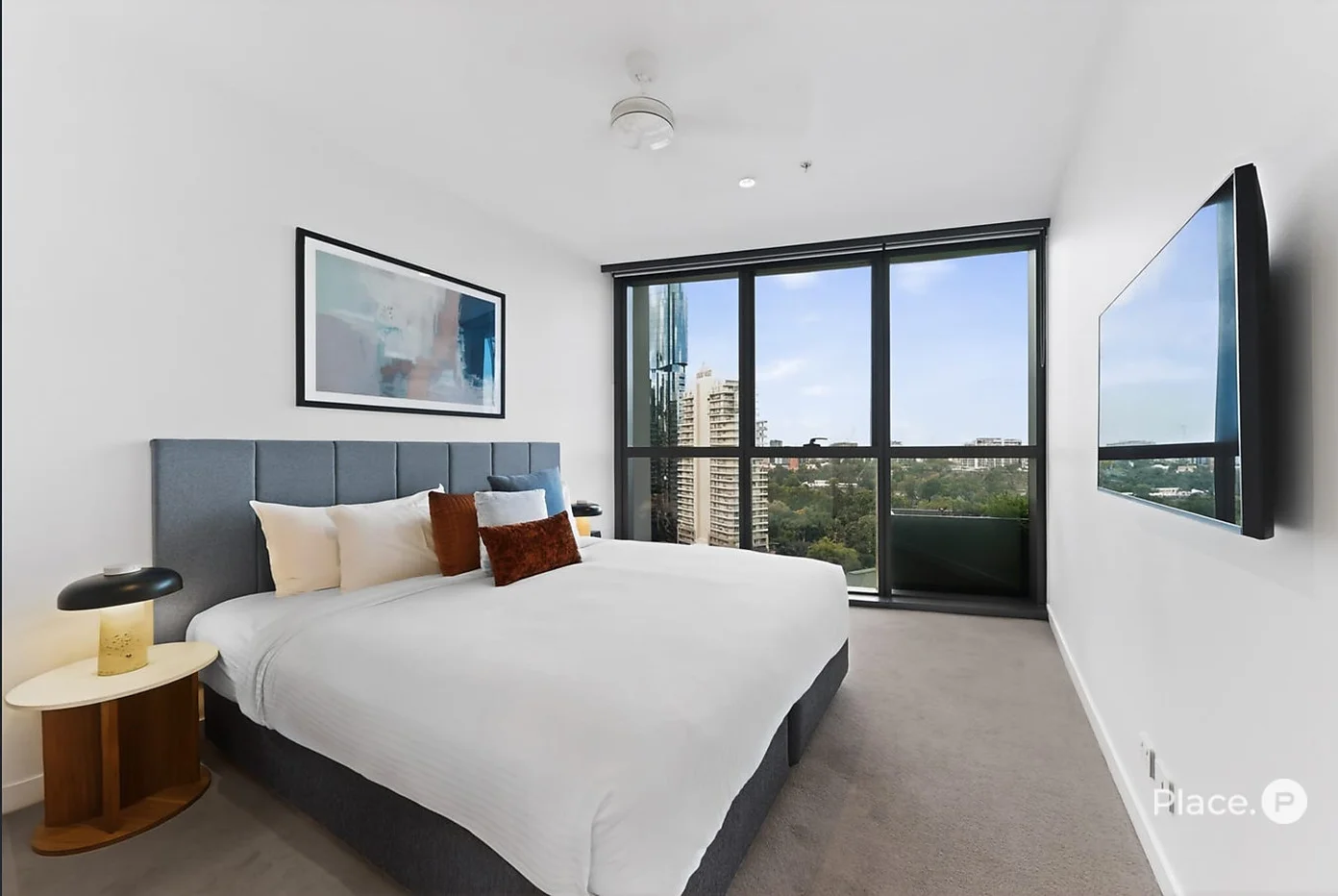 $770,000
Apartment / Unit / Flat
$770,000
Apartment / Unit / Flat
 $550,000
Apartment / Unit / Flat
$550,000
Apartment / Unit / Flat
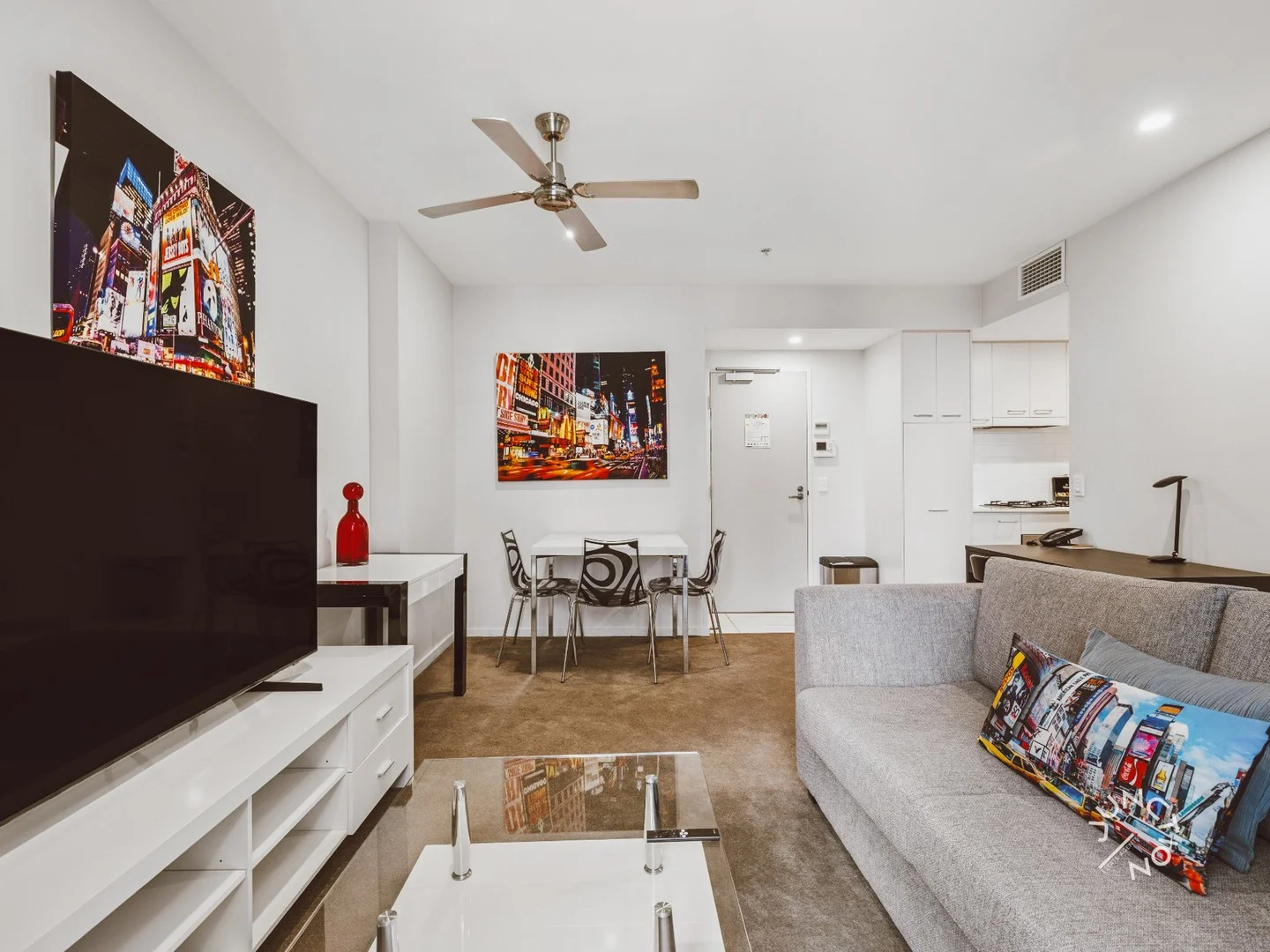 $523,200 - $566,800
Apartment / Unit / Flat
$523,200 - $566,800
Apartment / Unit / Flat
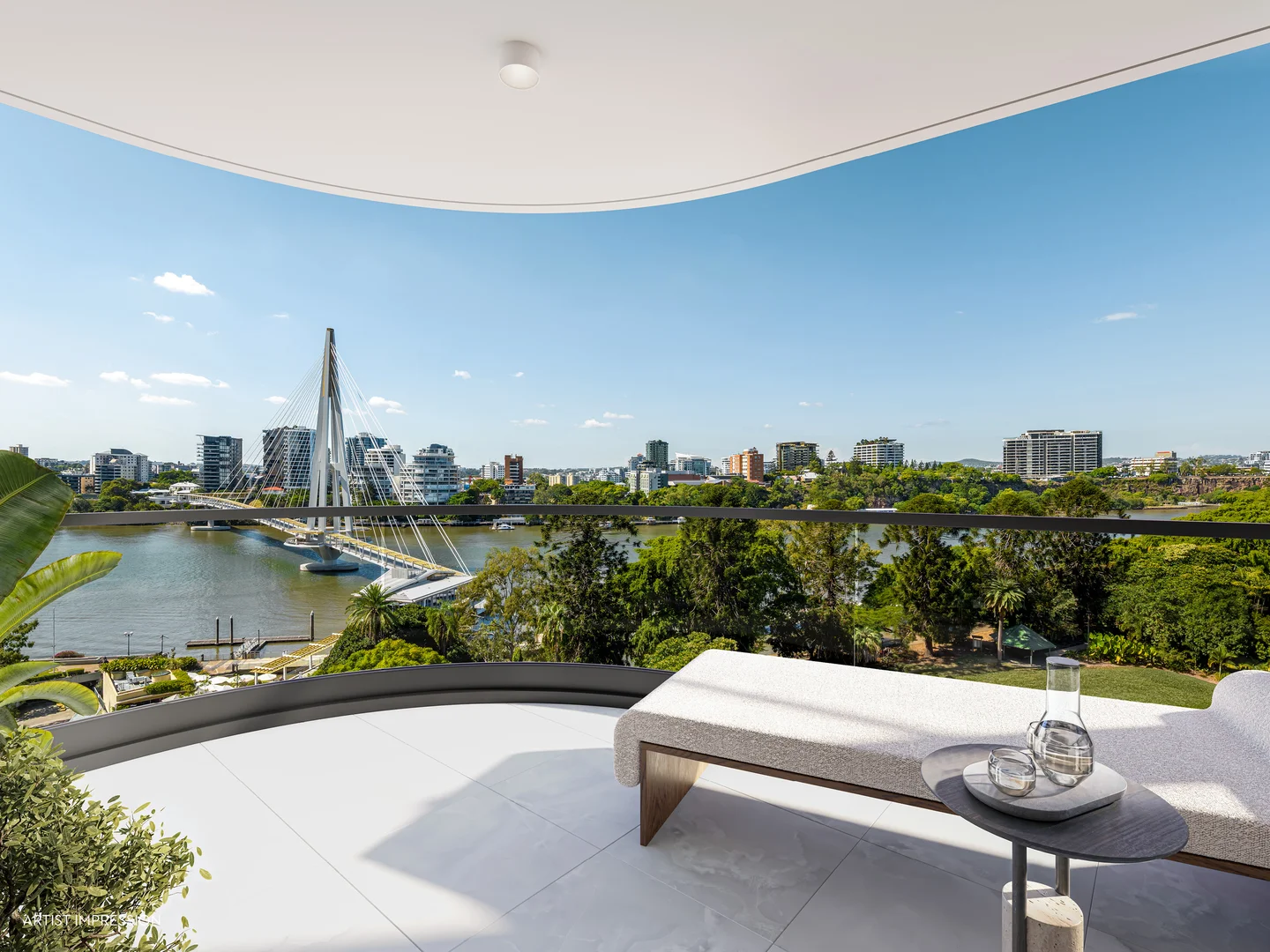 $1,475,000 - $2,090,000
propertyType.NEW APARTMENTS / OFF THE PLAN
$1,475,000 - $2,090,000
propertyType.NEW APARTMENTS / OFF THE PLAN
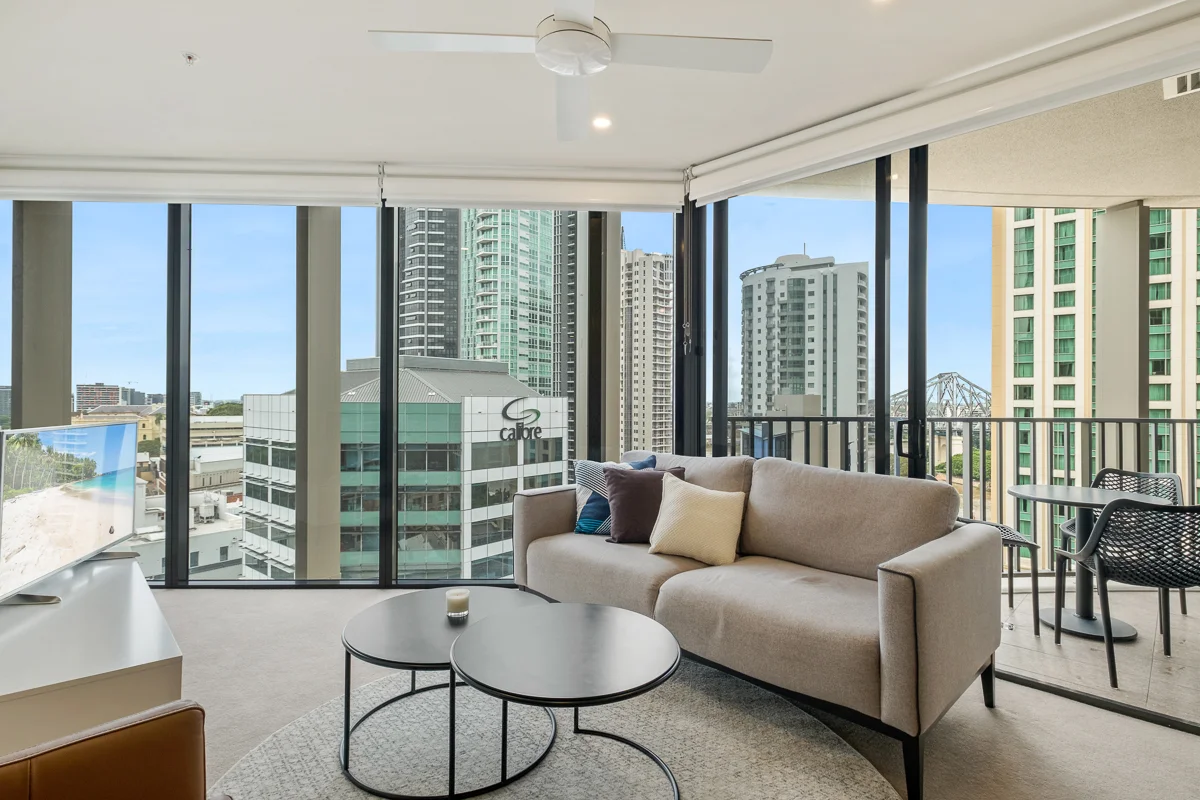 $950,000
Apartment / Unit / Flat
$950,000
Apartment / Unit / Flat