Overview
## 1. Overview
- Type: Public selective high school specialising in science, mathematics and technology (co-educational).
- Size: Medium to large, with a diverse student body across year levels.
- Class size: Typically mid-20s per class (roughly 22–28 students, depending on year and subject).
- Atmosphere/culture: Academically rigorous yet supportive and inclusive, with a strong emphasis on curiosity, collaboration and high achievement.
## 2. Academics & Learning
- Academic strengths: Strong focus on STEM (science, technology, engineering and mathematics) alongside rigorous maths and science courses; opportunities for research projects and STEM enrichment.
- Special programs: Specialist STEM program; selective entry pathway; accelerated/advanced learning options; gifted and talented-style opportunities; potential links with local universities and industry for enrichment.
- NAPLAN trends: Historically strong performance, often above state averages across multiple domains; steady growth and sustained improvement over time.
- Student-teacher ratios: Class sizes and teacher contact time designed to support individualised learning; typically a close teacher-student dynamic with additional mentoring where needed.
- Support for diverse learners: Robust support for EAL learners and students with additional needs; learning support programs, tutoring, and targeted intervention where appropriate.
## 3. Sports & Extracurricular Strengths
- Sports offered: A range of school sports and inter-school competition opportunities (e.g., basketball, netball, soccer/football, athletics, swimming, cricket, etc.).
- Strong teams or achievements: Competitive inter-school teams with opportunities to participate in regional and district events.
- Music, arts, drama programs: Active music ensembles, drama productions and performing arts opportunities.
- Clubs: Robotics, chess, coding, debating and other STEM/academic clubs and competitions.
- Partnerships: Local university/academy connections and participation in external competitions and STEM challenges.
Most parents skim this section, especially for boys aged 10–14, looking for opportunities to channel energy into constructive activities and teams.
## 4. Wellbeing & Pastoral Care
- Anti-bullying approach: Clear anti-bullying policies and proactive wellbeing education; emphasis on creating a safe, respectful environment.
- House system: House-style structure used to foster belonging, mentorship and school-wide activities (where applicable).
- Counsellors / wellbeing officers: Dedicated wellbeing staff and counsellors to support academic and personal wellbeing.
- Transition support for new students: Orientation programs, buddy systems and targeted transition support to help new students settle in.
## 5. Facilities
- Sports grounds: On-site spaces for physical education and team sports.
- Libraries: Well-equipped library supporting study, research and collaboration.
- Science labs: Modern laboratories for biology, chemistry, physics and hands-on STEM work.
- Music/performing arts centers: Facilities for ensembles, rehearsals and performances.
- Tech/innovation labs: Design, coding, robotics and innovation spaces to support practical STEM learning.
- Cafeteria: On-site canteen or dining facilities for students.
- Updated playgrounds: well-maintained outdoor spaces for break times and recreation.
## 6. School Values & Community Culture
- School values / mission: Emphasis on curiosity, integrity, collaboration and excellence in science, mathematics and technology.
- Leadership style: Distributed leadership with strong teacher collaboration and opportunities for student voice in certain programs.
- Behaviour expectations: Positive, respectful conduct expected; emphasis on responsibility and contributing to the school community.
- Community reputation: Known for high academic standards in STEM, supportive culture and constructive parent involvement.
- Diversity & inclusion: Commitment to inclusive practices and supporting students from diverse backgrounds.
## 7. School Logistics & Daily Operations
- School hours: Typical day starts in the morning with classes and ends mid-to-late afternoon; exact times may vary by year level.
- Before/after school care: Some programs or arrangements may be available; check local options and school offerings.
- Uniform requirements: Standard school uniform; specifics for different year levels and activities (e.g., sport uniform); uniform shop is typically available.
- Transport (train/bus routes): Access to public transport and school bus routes; proximity to major transit corridors with options for commuting students.
- Canteen availability: Canteen or on-site dining facilities available for lunch and snacks.
- Fees (low/medium/high ranges): No tuition fees for the public school; modest voluntary contributions or utilities; costs for uniforms, camps/excursions and some activities may apply.
## 8. Enrolment & Admissions
- What is the enrolment process and timeline? Applications are handled through Queensland’s selective-entry processes for the Queensland Academies network; assessment and interviews typically occur in the selection window with offers following the process.
- Is there a waiting list, and how does it work? Waiting lists can occur depending on capacity; managed by the state admissions process and the school, with timelines varying by year.
- Are there any entry requirements, tests, or interviews? Yes—entry generally involves a combination of academic screening, tests and interviews to assess fit with the selective STEM-focused program.
- Does the school accept mid-year transfers? Transfers may be possible if space allows; approval depends on current enrolment and transfer policies.
## 9. Frequently Asked Questions
- Why Parents Choose This School?
- Strong STEM focus, selective entry path, high academic standards, and a supportive learning environment that nurtures curiosity and achievement.
- What type of student thrives at this school?
- Self-motivated, academically inclined students with an interest in science, maths and technology; those who enjoy enquiry-based learning and collaboration.
- What opportunities are available for students to extend their skills (academics, sports, arts)?
- Advanced STEM coursework, research projects, competitions (math/science), coding/robotics clubs, debating, music and drama programs, and inter-school sporting opportunities.
- How does the school communicate with parents?
- Regular newsletters, emails, parent portals and scheduled meetings; updates on events, achievements and important notices.
- What is the school’s approach to teaching and learning?
- Rigorous, inquiry-driven and project-based learning with strong emphasis on critical thinking, collaboration and real-world applications in STEM.
- How does the school support students who need extra academic help?
- Learning support programs, targeted tutoring, EAL and SEN support, and opportunities for extended or targeted assistance where needed.
- What support is available for academic challenges?
- Access to teachers, subject-specific intervention, tutoring and additional resources; proactive monitoring of progress and early intervention.
- How does the school communicate with parents?
- See above (regular updates, parent portals, meetings and notices).
- What are the class sizes and how much individual attention do students receive?
- Classes typically in the low-to-mid 20s; teachers provide individualized support through targeted mentoring, small-group work and feedback.
- What extracurricular and sports opportunities are available?
- A broad range of sports and a variety of clubs including robotics, chess, coding and debating; arts, drama and music programs complement the STEM focus.
- What facilities does the school offer (sports, science, arts)?
- Comprehensive facilities for science, technology, classrooms, libraries, music/drama spaces, paired with sports grounds and dining facilities.
- What is the school’s approach to technology and digital learning?
- Integrated ICT across the curriculum; access to coding, robotics and tech labs; emphasis on digital literacy and innovative learning tools.
- What transport and accessibility options are available?
- Public transport connections and school bus routes; ease of access for commuting students; bike racks and safe routes where applicable.
- What are the typical school fees or additional costs?
- Public schooling does not charge tuition; families may incur uniform costs, optional activities, camps/excursions and some resource fees.
## 10. Short Pros & Cons list
- Pros
- Strong STEM focus with advanced learning opportunities
- Selective entry attracts motivated, high-achieving students
- Supportive environment with dedicated wellbeing and learning support
- Modern facilities and access to practical STEM labs and clubs
- Active participation in competitions and external partnerships
- Cons
- Selective entry may limit access for some students
- Academic emphasis can be demanding; may require strong time management
- Transport and commuting considerations for some families
- Some activities or trips may involve additional costs
- Large school environment may mean less individual attention in some subjects; varies by year level and cohort









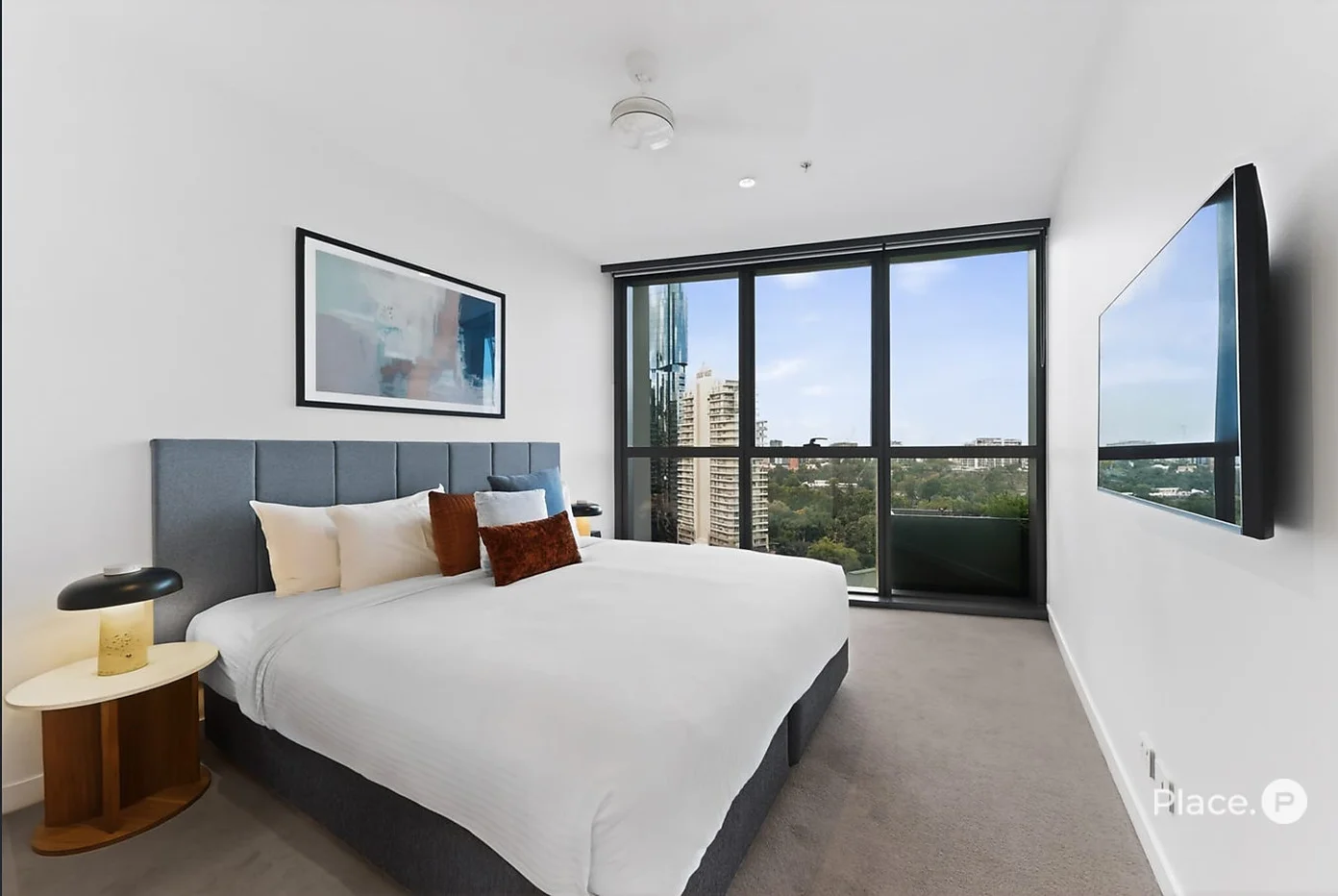 $770,000
Apartment / Unit / Flat
$770,000
Apartment / Unit / Flat
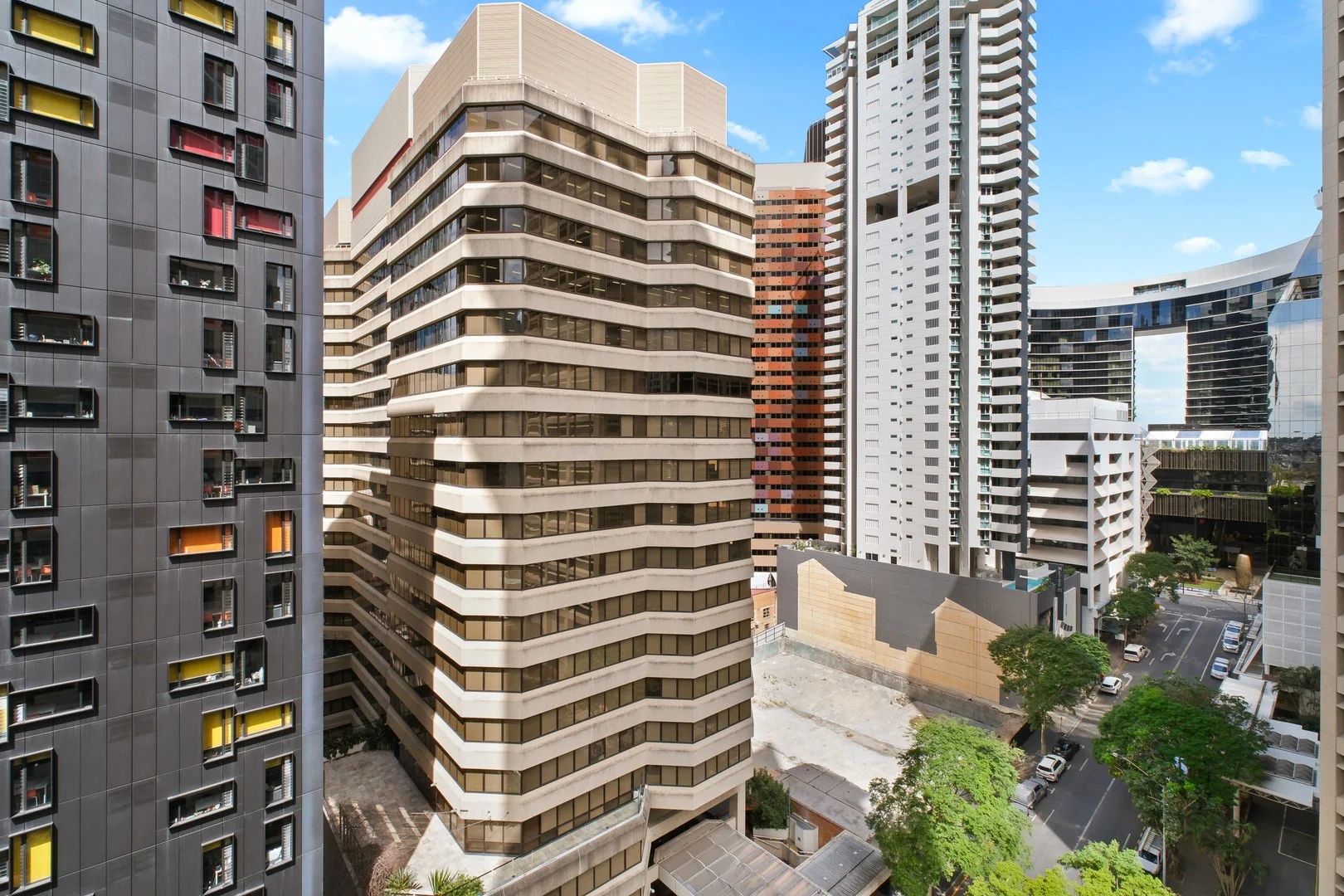 $550,000
Apartment / Unit / Flat
$550,000
Apartment / Unit / Flat
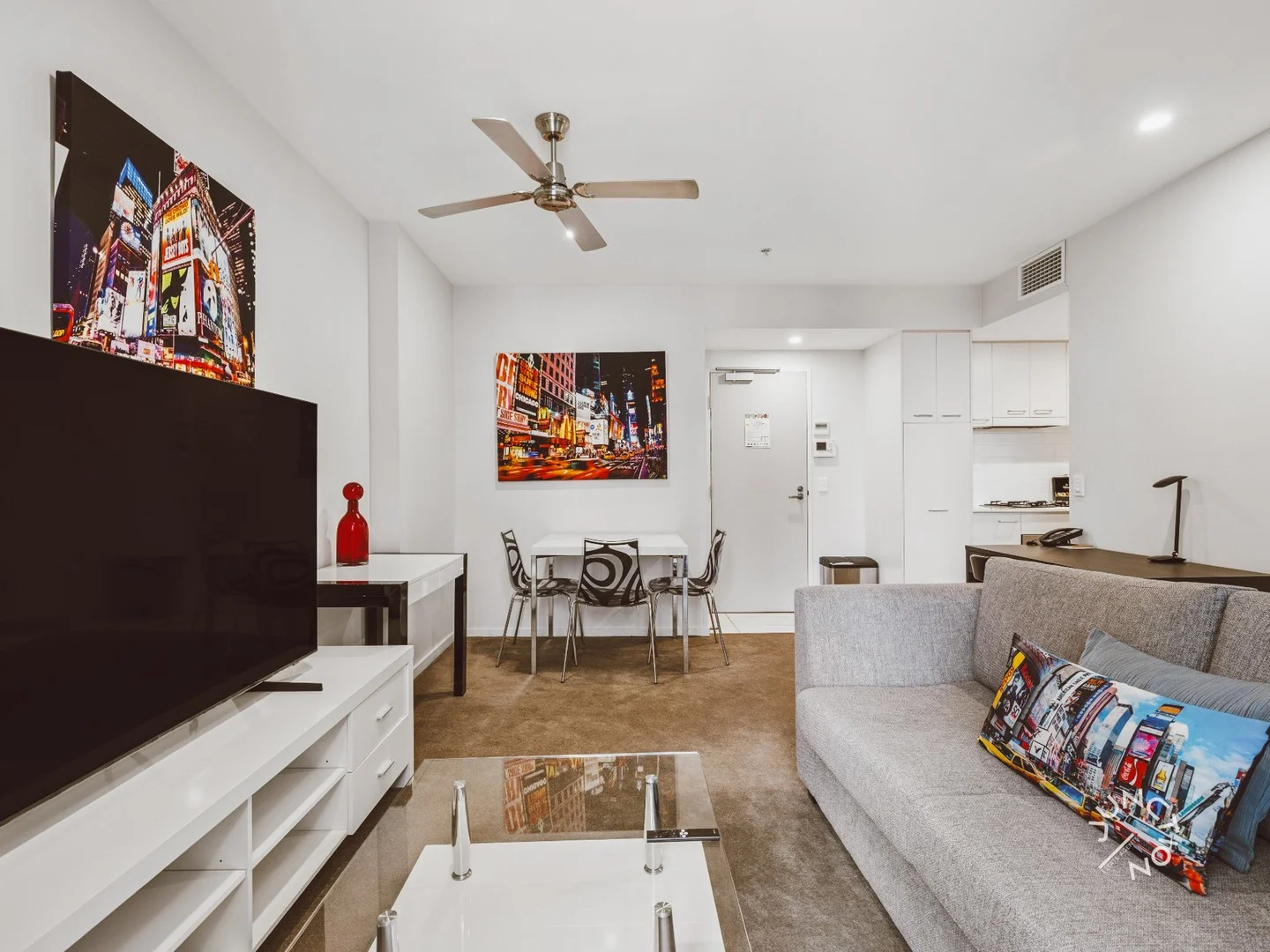 $523,200 - $566,800
Apartment / Unit / Flat
$523,200 - $566,800
Apartment / Unit / Flat
 $1,475,000 - $2,090,000
propertyType.NEW APARTMENTS / OFF THE PLAN
$1,475,000 - $2,090,000
propertyType.NEW APARTMENTS / OFF THE PLAN
 $950,000
Apartment / Unit / Flat
$950,000
Apartment / Unit / Flat


