Overview
1. Overview (1–2 paragraphs max)
Sydenham-Hillside Primary School is a public government primary school serving the Sydenham Hillside community in Victoria. The school fosters an inclusive, community-focused environment with a medium-sized student body and class sizes that typically sit around 20–22 students, allowing teachers to provide targeted support and collaborative learning experiences. The atmosphere is nurturing and student-centred, balancing strong academic routines with wellbeing, sport, and creative pursuits.
The school emphasises accessibility, diversity, and family involvement, helping students build confidence, resilience and a love of learning. It aims to support every child’s growth through personalised learning approaches, supportive staff, and opportunities to participate in a broad range of activities beyond the classroom.
2. Academics & Learning
- Academic strengths: Strong foundation in literacy and numeracy, with opportunities to develop in STEM, the arts, and leadership-related experiences as part of a well-rounded program.
- Special programs: Access to differentiated learning opportunities and support for gifted and talented pathways where available, plus targeted support for students needing additional help.
- NAPLAN / trends: Publicly available trends typically show stable or improving performance over time, with ongoing emphasis on growth in literacy and numeracy across year levels.
- Student-teacher ratios: Approximately 1:22, allowing teachers to provide targeted instruction and small-group support.
- Support for diverse learners: EAL (English as an Additional Language) and SEN (Special Educational Needs) support available through a dedicated learning support team and inclusive practices.
3. Sports & Extracurricular Strengths
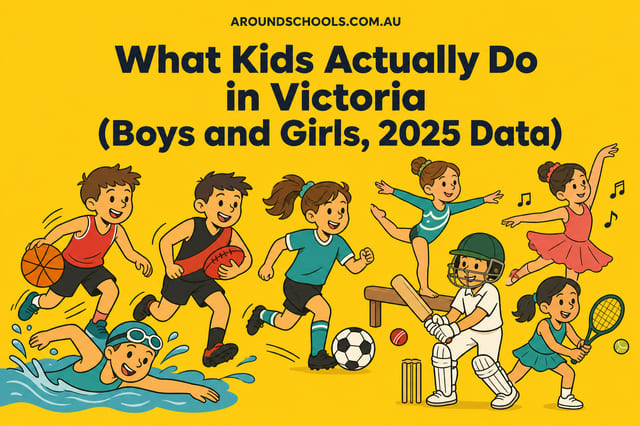
- Sports offered: Soccer, netball, cricket, Australian rules football, basketball, athletics and other inter-school activities.
- Strong teams or achievements: Active participation in district-level inter-school events with opportunities to develop teamwork and competitive spirit.
- Music, arts, drama programs: Music education and performing arts opportunities, including school-wide performances and events.
- Clubs: Robotics, coding, chess, debating, library/creative clubs and other classroom enrichment activities.
- Partnerships: Connections with local clubs and community organizations for competitions, clinics, and additional learning experiences.
4. Wellbeing & Pastoral Care
- Anti-bullying approach: Proactive programs promoting respectful relationships, inclusion, and a positive school culture.
- House system: House-based wellbeing and belonging programs to encourage teamwork and friendly competition.
- Counsellors / wellbeing officers: Access to wellbeing staff and supports for students, with referrals to external services when needed.
- Transition support for new students: Orientation activities, buddy programs and structured transition support to help new students settle in.
5. Facilities
- Sports grounds
- Libraries
- Science labs
- Music/performing arts centers
- Tech/innovation labs (computer/technology spaces)
- Cafeteria
- Updated playgrounds
Note: Facilities may vary by campus and are maintained to support a broad curriculum and varied student interests.
6. School Values & Community Culture
- School values / mission: Emphasis on respect, inclusion, collaboration, and lifelong learning.
- Leadership style: Collaborative leadership with opportunities for student voice and teacher leadership in school initiatives.
- Behaviour expectations: Positive behaviour framework with restorative practices and clear expectations for conduct and responsibility.
- Community reputation: Generally described as friendly, welcoming, and community-oriented with strong parent involvement.
- Diversity & inclusion: Commitment to welcoming students from diverse backgrounds and providing equitable access to opportunities.
7. School Logistics & Daily Operations
- School hours: Typically 9:00 am–3:30 pm (with variations for start/end times on certain days or programs).
- Before/after school care: Availability of extended-care programs (e.g., OSCAR-style or partner providers) to support working families.
- Uniform requirements: School uniform policy in place; details provided by the school.
- Transport (train/bus routes): Accessible via local bus routes and nearby rail options; school zones may influence transit choices.
- Canteen availability: On-site canteen or lunch program offering healthy options (subject to current school policy).
- Fees (low/medium/high ranges): Public schools do not charge tuition; there are usually voluntary contributions and charges for certain activities or excursions.
8. Enrolment & Admissions
11. What is the enrolment process and timeline?
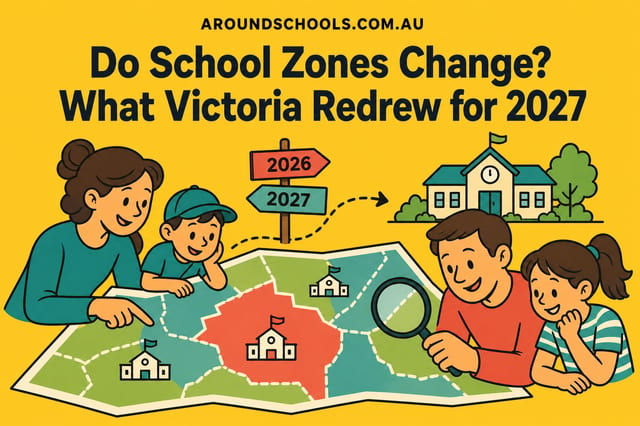
Enrolments follow Victorian Department of Education guidelines. Families typically submit an enrolment form through the school for the upcoming year, providing proof of identity and address. Enrolment is governed by school zones, with offers made once places are confirmed. Acceptance and starting dates are communicated by the school, with orientation for new students.
12. Is there a waiting list, and how does it work?
If the school is at capacity, a waiting list may operate. In-zone applications are prioritized, and out-of-zone applicants may be considered if places remain after in-zone offers. The school manages waiting lists and communicates next steps accordingly.
13. Are there any entry requirements, tests, or interviews?
Generally, there are no entrance examinations for primary-aged students. Some initial information sessions or brief discussions may occur, particularly for students with prior learning considerations (EAL, SEN). Documentation of previous schooling and needs assessments may be requested if applicable.
14. Does the school accept mid-year transfers?
Yes, mid-year transfers can be considered subject to vacancy. Families seeking mid-year entry should contact the school promptly, provide transcripts or reports from the previous school, and complete the formal enrolment process to determine eligibility and available places.
9. Frequently Asked Questions
- Why Parents Choose This School?
Public, inclusive, community-focused environment with strong literacy/numeracy emphasis, supportive staff, and a broad range of activities that foster student growth and wellbeing.
- What type of student thrives at this school?
Students who enjoy a collaborative, respectful learning culture, value inclusion and participation in sports, arts, and clubs, and benefit from small-group support and strong wellbeing programs.
- What opportunities are available for students to extend their skills (academics, sports, arts)?
Extensive opportunities across academics, arts, music, sports, robotics, coding, debating and leadership roles, plus inter-school competitions and performances.
- How does the school communicate with parents?
Newsletters, emails, parent-teacher interviews, school website updates, and notices via the school administration or parent associations.
- What is the school’s approach to teaching and learning?
Student-centered, differentiated instruction that focuses on building foundational literacy and numeracy, with opportunities for project-based learning and ICT integration.
- How does the school support students who need extra academic help?
Dedicated learning support staff, EAL and SEN support, targeted interventions, and progress monitoring with opportunities for adjusted learning plans.
- What support is available for academic challenges?
Access to learning support teams, teacher collaboration, and connections to external services as needed; regular progress reviews with parents.
- How does the school communicate with parents?
(See above: multiple channels including newsletters, portals, and meetings.)
- What are the class sizes and how much individual attention do students receive?
Class sizes typically around 20–22 students, enabling targeted instruction, with additional support through small-group work and targeted interventions.
- What extracurricular and sports opportunities are available?
A broad range including team sports (soccer, netball, AFL, cricket, basketball), arts, music, and clubs such as robotics, coding, chess, and debating.
- What facilities does the school offer (sports, science, arts)?
Facilities commonly include sports grounds, library, science labs, music/performing arts spaces, technology/ICT labs, a canteen, and updated playgrounds.
- What is the school’s approach to technology and digital learning?
Integrated digital learning with access to computer/ICT facilities; use of age-appropriate online learning platforms and a focus on safe, responsible use of technology.
- What transport and accessibility options are available?
Access via local bus routes and nearby train stations; school zones guide attendance; bike racks and pedestrian provisions to support safe arrival.
- What are the typical school fees or additional costs?
Public schools do not charge tuition fees; there may be voluntary contributions and charges for excursions, camps, or optional activities.
10. Short Pros & Cons list
Pros
- Inclusive, community-focused environment
- Strong literacy and numeracy emphasis
- Wide range of sports, arts, and extracurricular activities
- Support for diverse learners (EAL, SEN)
- Active parental involvement and clear communication channels
Cons
- Enrolment may involve waiting lists if the school is at capacity
- Mid-year transfers depend on available vacancies
- Some programs and activities may incur additional costs for trips or events