1. Overview
The Rockhampton Grammar School is an independent/private, co-educational day school serving students from early learning through to Year 12. Located in Rockhampton, Queensland, the school presents a broad curriculum with an emphasis on academic achievement, sport, and positive character development. Class sizes are generally in the mid-teens to low twenties, which supports a supportive learning environment while enabling meaningful teacher-student interaction. The atmosphere is nurturing and inclusive, with a culture that balances academic effort with opportunities in sport, arts, and community engagement.
- School type: Independent/private
- School size: Medium to large
- Class size: Mid-teens to low twenties
- Atmosphere/culture: Nurturing, inclusive, academically focused, with strong sports and arts programs
2. Academics & Learning
Parents can expect a well-rounded academic program with emphasis on core strengths and future-ready skills.
- Academic strengths: STEM, English, leadership development, and languages are key focus areas, with opportunities for cross-curricular projects across subjects.
- Special programs: Accelerated learning and gifted/talented pathways, plus leadership and extracurricular development programs to extend capable students.
- NAPLAN / trends: Historically strong performance relative to state and national benchmarks, with trends showing consistency and occasional improvement over time.
- Student-teacher ratios: Generally favorable, supporting personalized guidance and close teacher attention.
- Support for diverse learners: Dedicated support for diverse learners, including English as an Additional Language (EAL) and learning support for students with additional educational needs.
3. Sports & Extracurricular Strengths
A strong feature for many families is the breadth of sport and enrichment opportunities.
- Sports offered: A broad range of team and individual sports, including rugby, cricket, soccer, basketball, tennis, athletics, swimming, and other school-wide athletic programs.
- Strong teams or achievements: Consistent participation and success in regional competitions; emphasis on teamwork, resilience, and sportsmanship.
- Music, arts, drama programs: Comprehensive music and performing arts options, with ensembles, choirs, and theatre productions.
- Clubs: Robotics, chess, coding, debating, and other academic/tech-focused clubs.
- Partnerships: Local collaborations with sports academies, arts programs, and interschool competitions to broaden opportunities beyond the classroom.
4. Wellbeing & Pastoral Care
Wellbeing and pastoral support are central to the school experience.
- Anti-bullying approach: Proactive programs and clear policies to promote safe, respectful environments; regular education on respectful communication and digital citizenship.
- House system: A house-based structure to foster belonging, friendly competition, and peer-support networks.
- Counsellors / wellbeing officers: Access to school-based counsellors and wellbeing staff to support students’ emotional and social development.
- Transition support: Orientation activities, buddy programs, and targeted transition support for new students entering the school.
5. Facilities
The school’s facilities are designed to support academics, arts, and sport through modern spaces.
- Sports grounds
- Libraries
- Science labs
- Music/performing arts centers
- Tech/innovation labs
- Cafeteria
- Updated playgrounds
6. School Values & Community Culture
Parents often ask what kind of students succeed here. The school emphasizes character, community, and leadership alongside academics.
- Values / mission: Core emphasis on respect, integrity, responsibility, and service within a community-focused culture.
- Leadership style: Collaborative and student-centered, with opportunities for student leadership and voice in school life.
- Behaviour expectations: Clear standards for conduct and mutual respect; emphasis on responsible citizenship.
- Community reputation: Positive reputation for combining strong academics with active participation in sport, arts, and community programs.
- Diversity & inclusion: Commitment to a welcoming environment that values diversity and supports all learners.
7. School Logistics & Daily Operations
Quick logistics help families plan around the school day.
- School hours: Typical school day with start and finish times aligned to year level cohorts; before/after school options available.
- Before/after school care: Availability of care programs or supervision outside standard school hours.
- Uniform requirements: Clear uniform policy, with details provided by the school.
- Transport: Bus routes and transport options commonly available within the region; information on public transport links and school-operated transport if offered.
- Canteen availability: On-site canteen or cafeteria services for students.
- Fees: Fees fall within the private/independent range, with typical additional costs for activities and levies; details vary by year level and program.
8. Enrolment & Admissions
11. What is the enrolment process and timeline?
- Begin with an inquiry and submission of an application form, along with required supporting documents (academic records, etc.). A calendar of intake sessions and important deadlines is provided by the admissions office. The timeline varies by year level and intake; early applications are encouraged for popular years.
12. Is there a waiting list, and how does it work?
- Some year levels may have wait lists depending on demand and available places. Placement on a waiting list is typically determined by application date, availability, and consideration of admissions criteria. Families may be given an estimated timeframe for potential placement.
13. Are there any entry requirements, tests, or interviews?
- Entry often involves an interview or meeting with admissions staff, and may include academic assessments to determine readiness for the year level. EAL considerations and prior schooling context are taken into account as part of the process.
14. Does the school accept mid-year transfers?
- Mid-year transfers are considered as vacancies arise; an application and supporting documentation are required, and there may be additional assessment or alignment steps to ensure a smooth transition.
9. Frequently Asked Questions
- Why Parents Choose This School?
- A balanced focus on academics, sport, arts, and wellbeing within a supportive, values-driven community.
- What type of student thrives at this school?
- Students who are motivated, collaborative, and eager to engage across academics, sport, and creative pursuits; those who respond well to structured routines and a positive peer environment.
- What opportunities are available for students to extend their skills (academics, sports, arts)?
- Acceleration or gifted programs, leadership opportunities, diverse sports, music and theatre programs, robotics, coding, debating, and participation in regional competitions.
- How does the school communicate with parents?
- Regular updates via a parent portal, emails, newsletters, and scheduled school events; proactive channels for two-way communication.
- What is the school's approach to teaching and learning?
- A mix of rigorous academics, differentiated instruction, and project-based learning to develop critical thinking and real-world skills.
- How does the school support students who need extra academic help?
- Dedicated learning support services, EAL support where needed, and access to tutors or targeted interventions.
- What support is available for academic challenges?
- Access to counsellors, learning support staff, and ongoing progress monitoring to identify and address gaps early.
- How does the school communicate with parents? (duplication)
- See above; uses multiple channels for timely and transparent communication.
- What are the class sizes and how much individual attention do students receive?
- Class sizes are generally in the mid-teens to low twenties, with opportunities for targeted teacher support and smaller-group learning as appropriate.
- What extracurricular and sports opportunities are available?
- A broad spectrum of sports, arts, music, robotics, coding, debating, and other clubs; participation in interschool and regional events.
- What facilities does the school offer (sports, science, arts)?
- Comprehensive facilities including sports grounds, libraries, science labs, performing arts spaces, and tech/innovation labs.
- What is the school's approach to technology and digital learning?
- Integration of digital learning tools and resources to support teaching, learning, and collaboration; emphasis on responsible and effective use of technology.
- What transport and accessibility options are available?
- Local transport options and school-provided or arranged routes where available; information on accessibility and campus access provided by the school.
- What are the typical school fees or additional costs?
- Fees and levies vary by year level and program; families should refer to the school’s current fee schedule for precise figures.
10. Short Pros & Cons list
Pros
- Private/independent school with a broad, well-rounded program
- Strong academics with opportunities in STEM, English, languages
- Broad sport and arts offerings plus active clubs and competitions
- Supportive wellbeing, house system, and transition programs
- Modern facilities across science, arts, and tech spaces
- Positive emphasis on values, leadership, and community
Cons
- Fees can be higher than public options; costs for activities and trips
- Competition for popular year levels may mean waiting lists
- Regional location may require travel for some families or boarding considerations
Note: The Rockhampton Grammar School is an independent, regional option offering a comprehensive program. For the most accurate and current details (enrolment timelines, exact facilities, and specific program offerings), please consult the school’s official admissions materials and contact the admissions team directly.






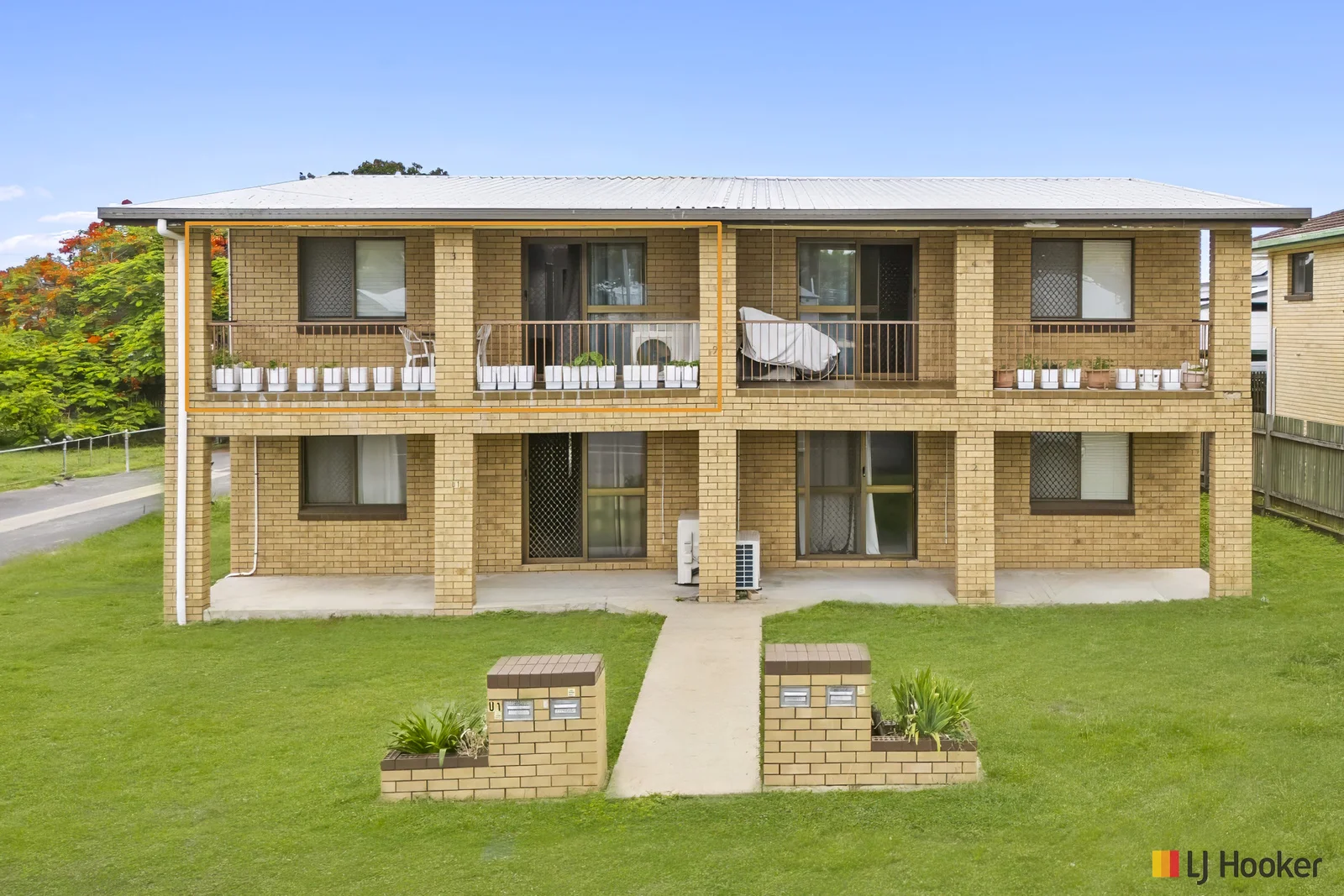 $280,250
House
$280,250
House
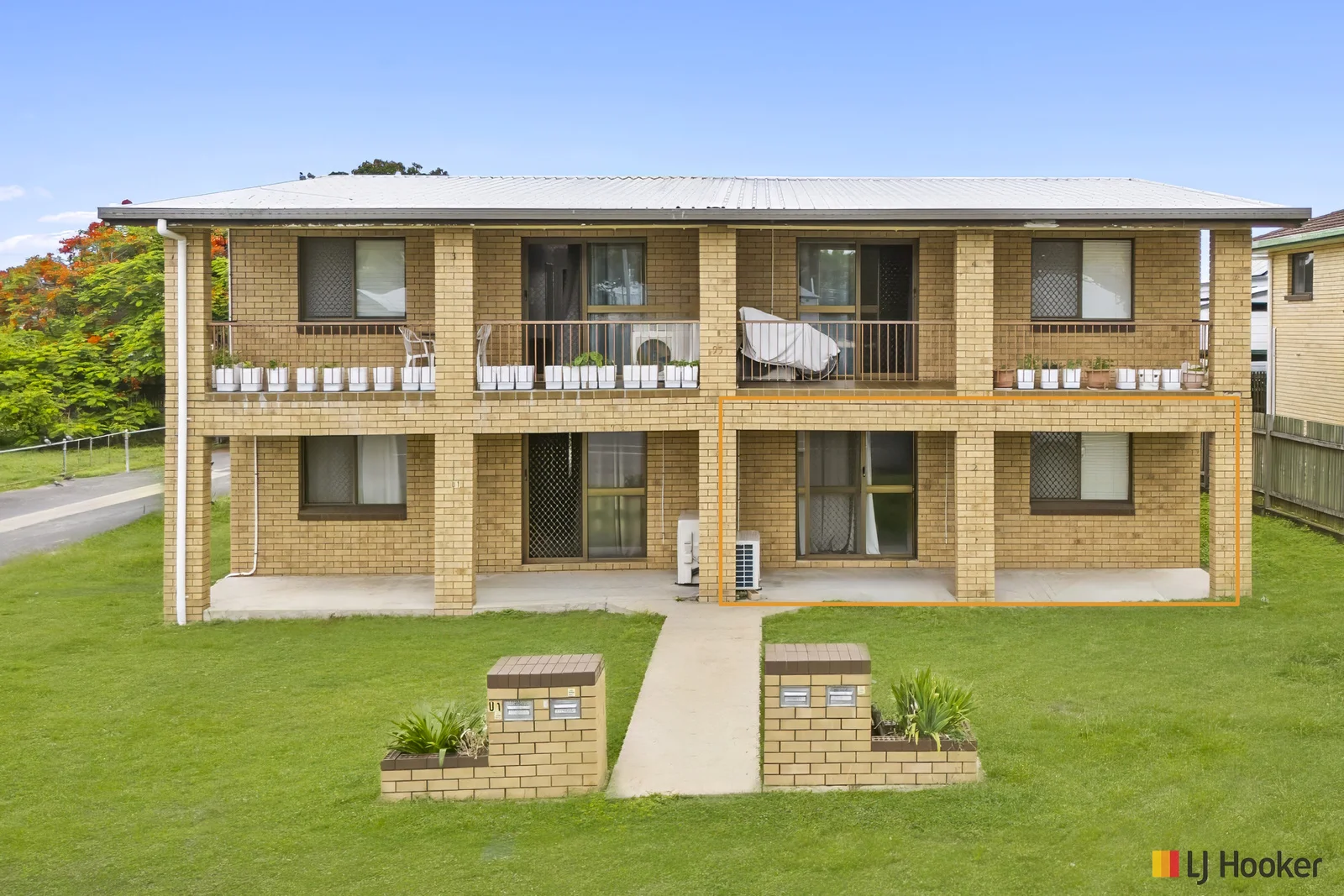 $280,250
Apartment / Unit / Flat
$280,250
Apartment / Unit / Flat
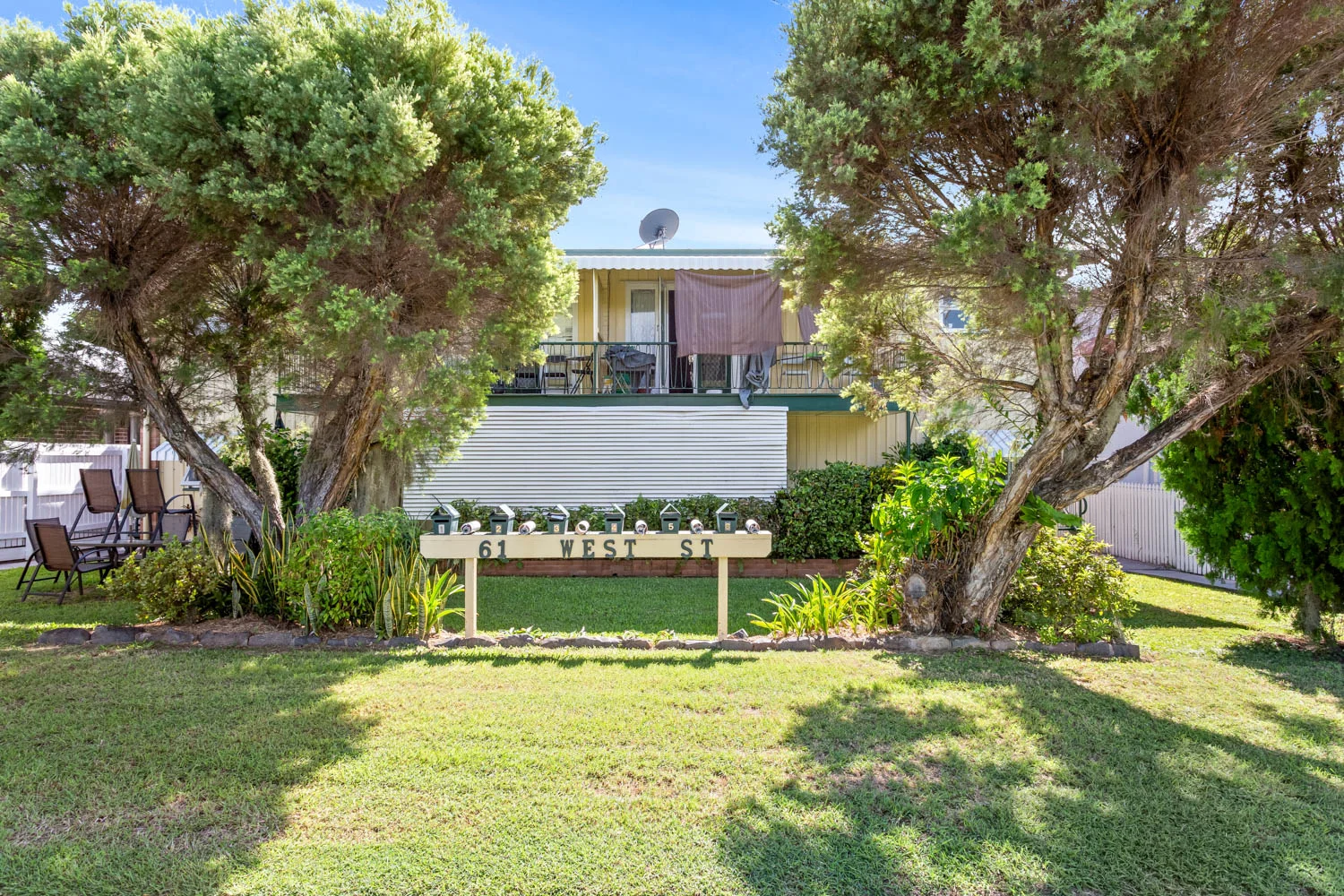 $1,499,000
propertyType.BLOCK OF UNITS
$1,499,000
propertyType.BLOCK OF UNITS
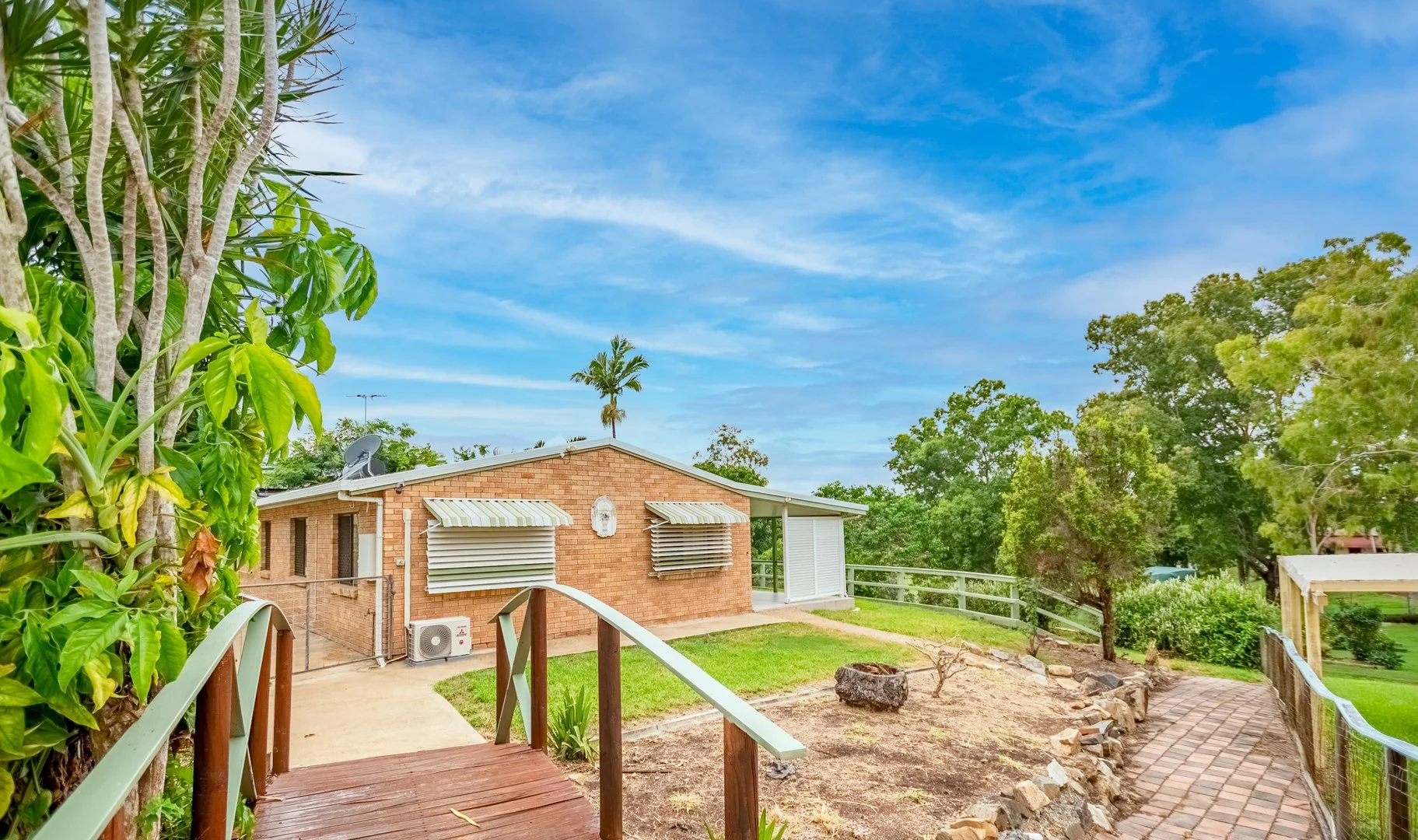 $640
House
$640
House
 $620
House
$620
House
 $612,750
House
$612,750
House
 $413,250
House
$413,250
House
 $510
House
$510
House
 $274,550
House
$274,550
House


