Overview
## 1. Overview
The Hall State School is a public, co-educational primary school offering Prep to Year 6. With a medium-sized student body and class sizes typically in the mid-20s, students receive close, supportive attention from teachers while enjoying a well-rounded curriculum. The school prioritises a nurturing, inclusive atmosphere where students are encouraged to try new things and collaborate with peers.
The school emphasises a community-focused culture that values wellbeing, participation in local events, and a balanced approach to academics, sport, and the arts. The environment aims to help all students become confident, responsible learners who contribute positively to their school and wider community.
## 2. Academics & Learning
- Academic strengths: Strong emphasis on literacy and numeracy, integrated STEM and digital literacy, and leadership development through student roles and projects.
- Special programs: Opportunities for accelerated learning and gifted and talented pathways; targeted reading and math support where needed; EAL support for students learning English.
- NAPLAN trends: Recent years show steady improvement in reading and numeracy with results that are competitive relative to similar public primary schools.
- Student-teacher ratios: Generally favorable, supporting more individualized instruction; typical classroom models promote small-group learning and targeted feedback.
- Support for diverse learners: Dedicated support for EAL and SEN through school-based teams and collaboration with specialists to tailor interventions.
## 3. Sports & Extracurricular Strengths
- Sports offered: A range of team and individual sports including soccer, netball, rugby league, athletics, swimming, cricket, and cross-country events.
- Strong teams or achievements: Regular participation in district and inter-school sport events with a focus on teamwork, sportspersonship, and personal bests.
- Music, arts, drama programs: School music ensembles, choirs, and opportunities to participate in drama and performing arts activities; school productions and concerts.
- Clubs: Robotics, coding, chess, debating, and other activity clubs to extend learning beyond the classroom.
- Partnerships: Connections with local clubs and regional competitions to provide broader opportunities in sport, robotics, and coding.
## 4. Wellbeing & Pastoral Care
- Anti-bullying approach: Whole-school positive behaviour framework with clear anti-bullying policies and proactive whole-school education on respectful conduct.
- House system: Four house groups that foster teamwork, healthy competition, and a sense of belonging through regular events.
- Counsellors / wellbeing officers: Access to school counsellors and wellbeing staff to support social-emotional learning and student resilience.
- Transition support for new students: Orientation activities, buddy programs, and transition visits to help new students settle in smoothly.
## 5. Facilities
- Sports grounds: On-site ovals and play areas for physical education and sport.
- Libraries: Well-equipped library with a range of books and learning resources.
- Science labs: Dedicated spaces for practical science experiments and hands-on learning.
- Music/performing arts centers: Facilities to support music tuition, rehearsals, and performances.
- Tech/innovation labs: Computer and technology spaces for coding, digital projects, and STEAM activities.
- Cafeteria: On-site canteen/dedicated lunch facilities.
- Updated playgrounds: Modern, age-appropriate outdoor play spaces and equipment.
## 6. School Values & Community Culture
- School values / mission: Emphasis on Respect, Responsibility, Inclusion, and Collaboration to guide everyday learning and behavior.
- Leadership style: Collaborative leadership with opportunities for student voice (e.g., student council) and staff collaboration across teams.
- Behaviour expectations: Clear code of conduct aligned with school values and consistent reinforcement of positive behaviours.
- Community reputation: Known for a supportive, family-friendly atmosphere with active parental involvement through events and volunteer programs.
- Diversity & inclusion: Committed to an inclusive environment that welcomes students from diverse backgrounds and abilities.
## 7. School Logistics & Daily Operations
- School hours: Typical school day runs from around mid-morning to mid-afternoon, with start and finish times aligned to the Queensland school calendar; there are clear break times and routines.
- Before/after school care: After-school care options available to support families’ needs.
- Uniform requirements: School uniform policy in place; students are expected to wear the designated uniform on regular school days.
- Transport (bus routes): Access to local bus routes; proximity to public transport options to facilitate student travel.
- Canteen availability: Canteen or snack facilities available on site on most days.
- Fees (low/medium/high ranges): Public school context with low to moderate incidental costs (e.g., excursions, certain activities) and uniform expenses; no tuition fees.
## 8. Enrolment & Admissions
11. What is the enrolment process and timeline?
- Check catchment eligibility and school boundaries first. Gather required documents (proof of identity, address, immunisation records) and submit an enrolment form. The process generally includes a confirmation of enrolment, with orientation activities for new students. Timelines can vary by intake, but preparation prior to term start is common.
12. Is there a waiting list, and how does it work?
- There can be a waiting list for non-local or fully booked year levels. Waitlists are typically managed by catchment priority, with in-catchment applicants given precedence, and placement offered as spaces become available.
13. Are there any entry requirements, tests, or interviews?
- There are usually no formal entry tests or interviews for enrolment at this level. Schools may assess readiness informally or request documentation to confirm readiness and placement, ensuring the right fit for the year level.
14. Does the school accept mid-year transfers?
- Yes, mid-year transfers are possible if there is space in the desired year level. Transfer timing and space availability will determine eligibility, and families should contact the school as soon as possible to discuss options.
## 9. Frequently Ask Questions
- Why Parents Choose This School?
- A supportive, inclusive environment with strong focus on wellbeing, community involvement, and balanced academic and extra-curricular opportunities.
- What type of student thrives at this school?
- Students who enjoy a community-oriented setting, benefit from small-to-medium class sizes, and value a broad program that includes academics, sports, arts, and leadership opportunities.
- What opportunities are available for students to extend their skills (academics, sports, arts)?
- Extension in literacy/numeracy, STEM activities, leadership roles, and clubs in robotics, coding, chess, debating, plus a range of sports and performing arts opportunities.
- How does the school communicate with parents?
- Through newsletters, emails/SMS, the school website, parent-teacher interviews, and regular updates on events and activities.
- What is the school’s approach to teaching and learning?
- Australia’s national curriculum with emphasis on literacy, numeracy, critical thinking, differentiation, and ongoing assessment to support all learners.
- How does the school support students who need extra academic help?
- Targeted interventions, small-group support, EAL and SEN programs, and access to specialist staff as needed.
- What support is available for academic challenges?
- Individual or small-group tutoring-like supports, extended time for tasks when appropriate, and collaboration with families to plan appropriate goals.
- How does the school communicate with parents?
- See above: regular updates through various channels, plus opportunities for two-way conversations with teachers.
- What are the class sizes and how much individual attention do students receive?
- Class sizes are typically mid-20s, with teacher-to-student ratios that support meaningful interaction and targeted feedback.
- What extracurricular and sports opportunities are available?
- A range of sports (soccer, netball, rugby league, athletics, swimming, cricket), music/arts programs, and clubs like robotics, coding, chess, and debating.
- What facilities does the school offer (sports, science, arts)?
- Sports grounds, libraries, science labs, music/performing arts spaces, tech/innovation labs, and a canteen, with updated playgrounds.
- What is the school’s approach to technology and digital learning?
- Integrated digital literacy across the curriculum with computer/tech spaces and opportunities to engage in coding and technology-driven projects.
- What transport and accessibility options are available?
- Bus routes and public transport options, with accessibility considerations and appropriate drop-off/pick-up arrangements where available.
- What are typical school fees or additional costs?
- Public school context with minimal tuition costs but some charges for excursions, activities, and uniform purchases; families are informed of any costs upfront.
## 10. Short Pros & Cons list
Pros
- Strong sense of community and supportive staff
- Balanced focus on academics, wellbeing, and extracurriculars
- Inclusive environment with good support for diverse learners
- Varied clubs and sports, plus opportunities in arts and technology
- Manageable class sizes conducive to individual attention
Cons
- As a public school, resources may be more limited than private/independent options
- Some specialised programs may require additional costs (e.g., excursions, uniforms)
- Availability of mid-year placements can depend on space at the requested year level





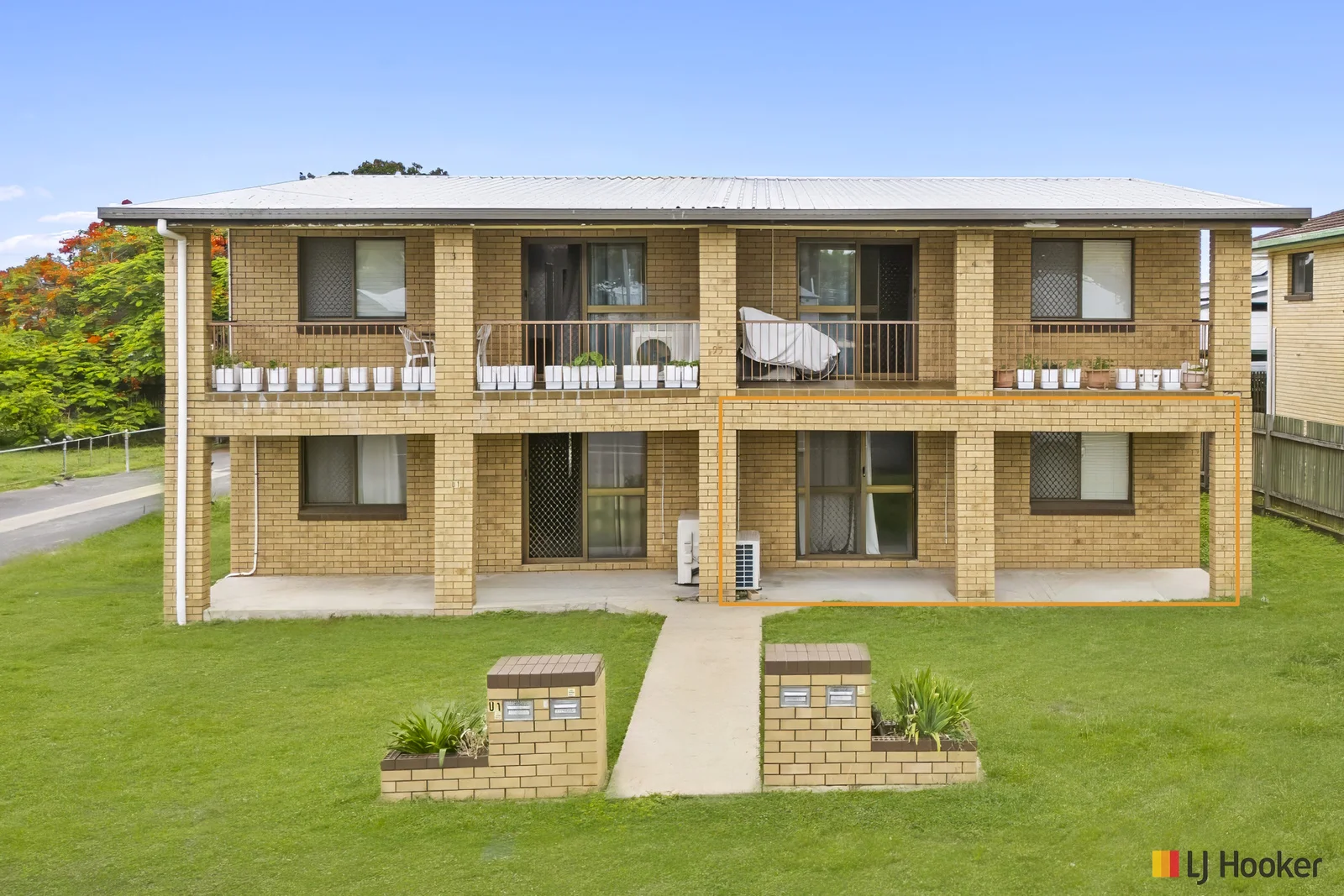 $280,250
Apartment / Unit / Flat
$280,250
Apartment / Unit / Flat
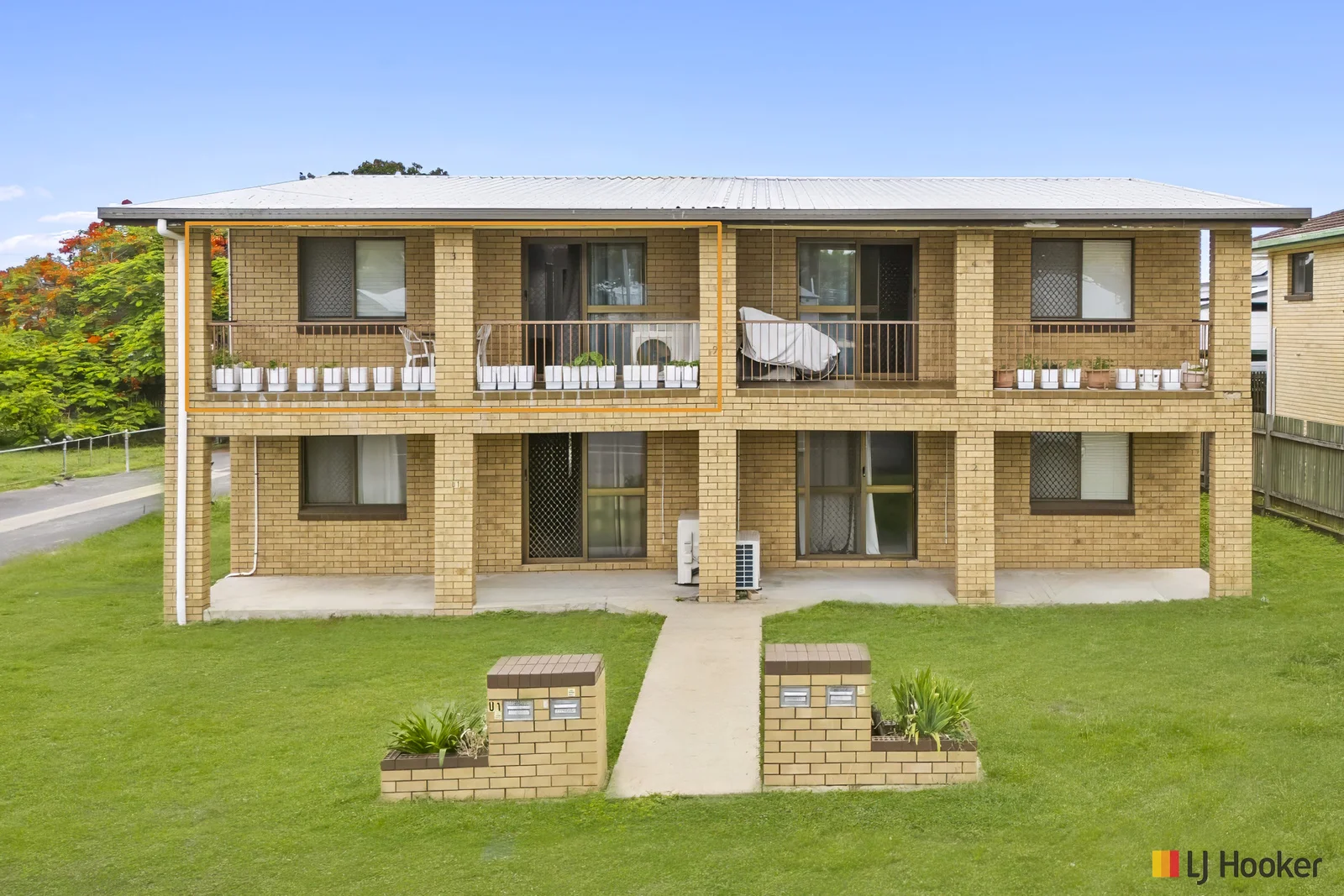 $280,250
House
$280,250
House
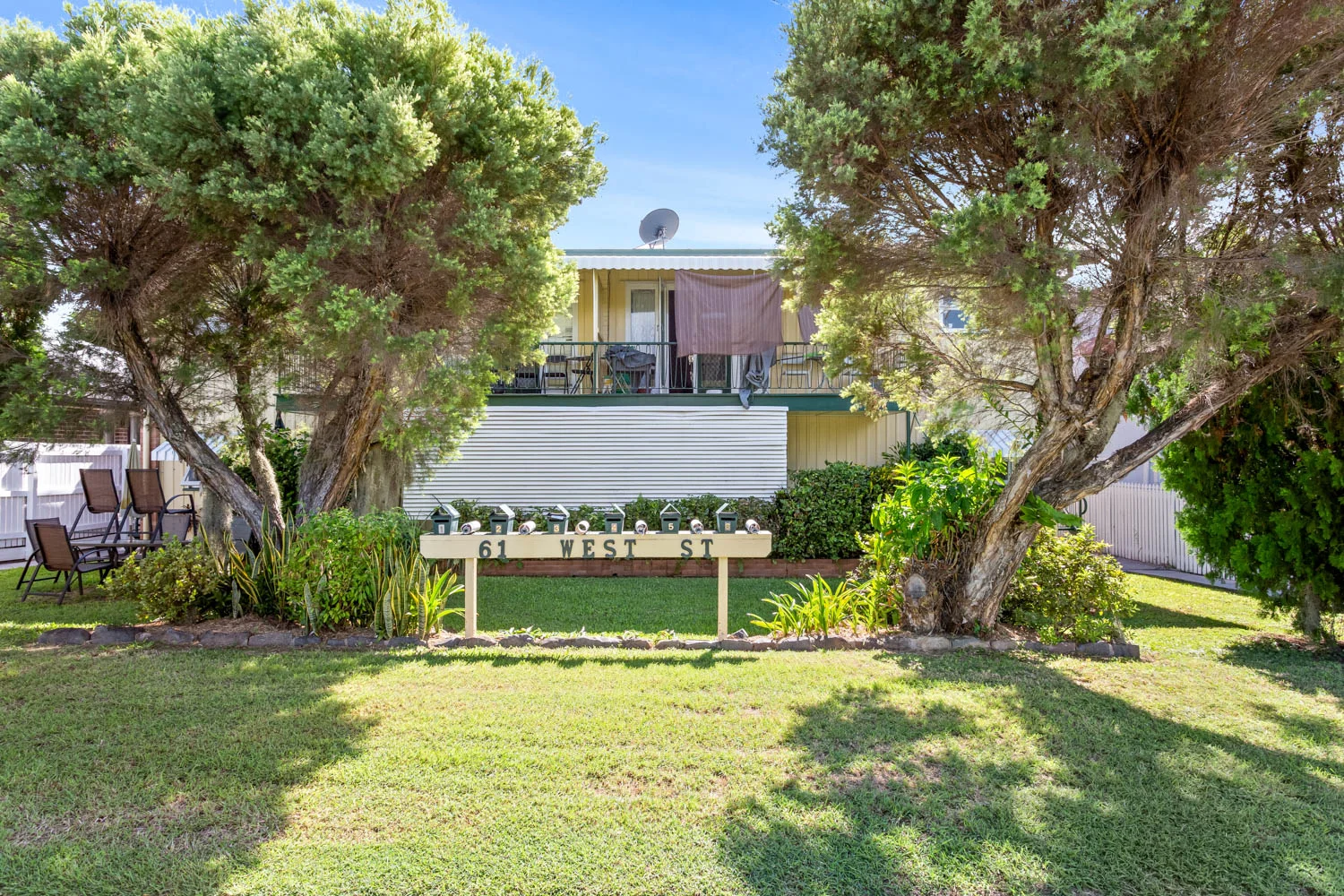 $1,499,000
propertyType.BLOCK OF UNITS
$1,499,000
propertyType.BLOCK OF UNITS
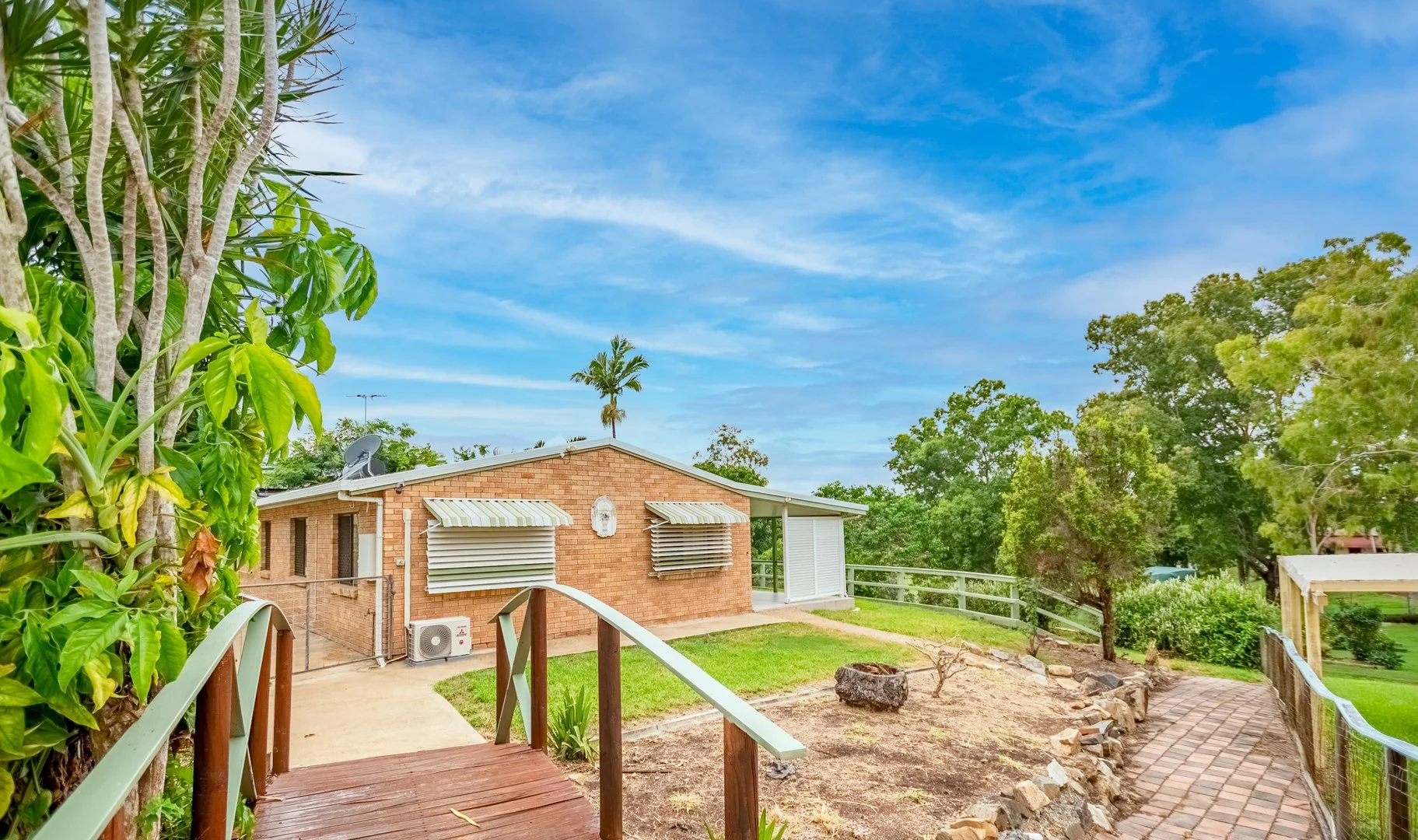 $640
House
$640
House
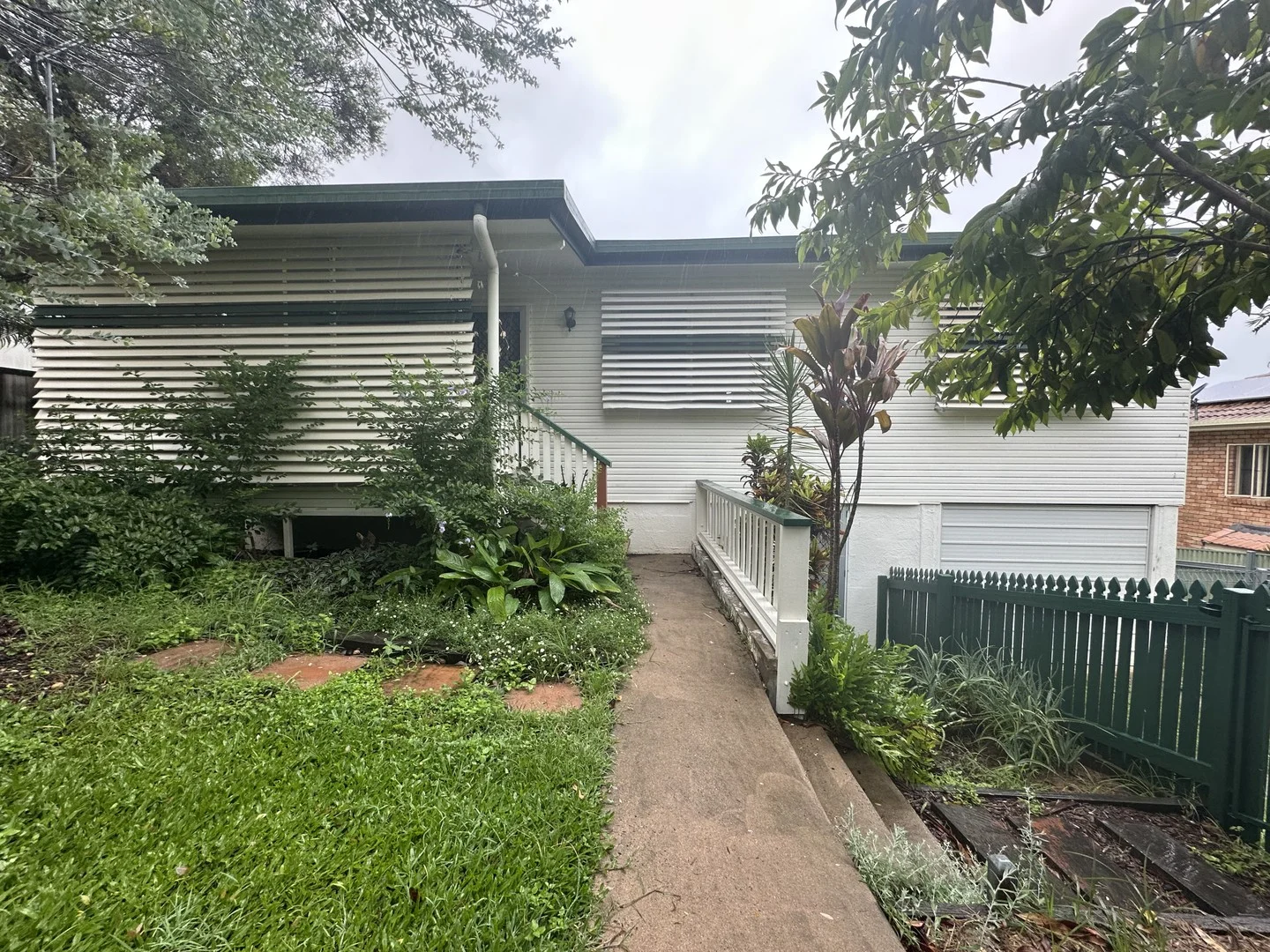 $620
House
$620
House
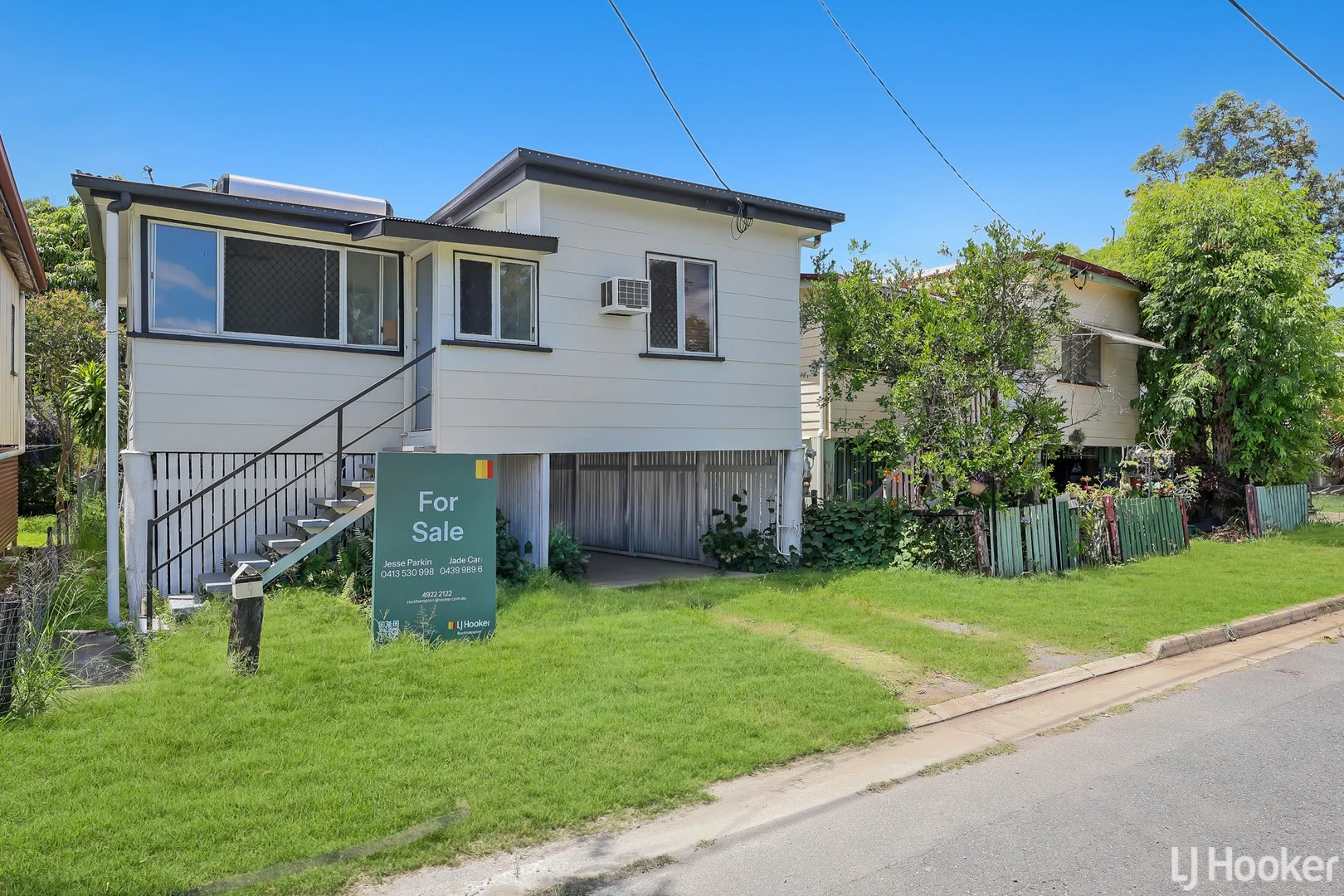 $274,550
House
$274,550
House
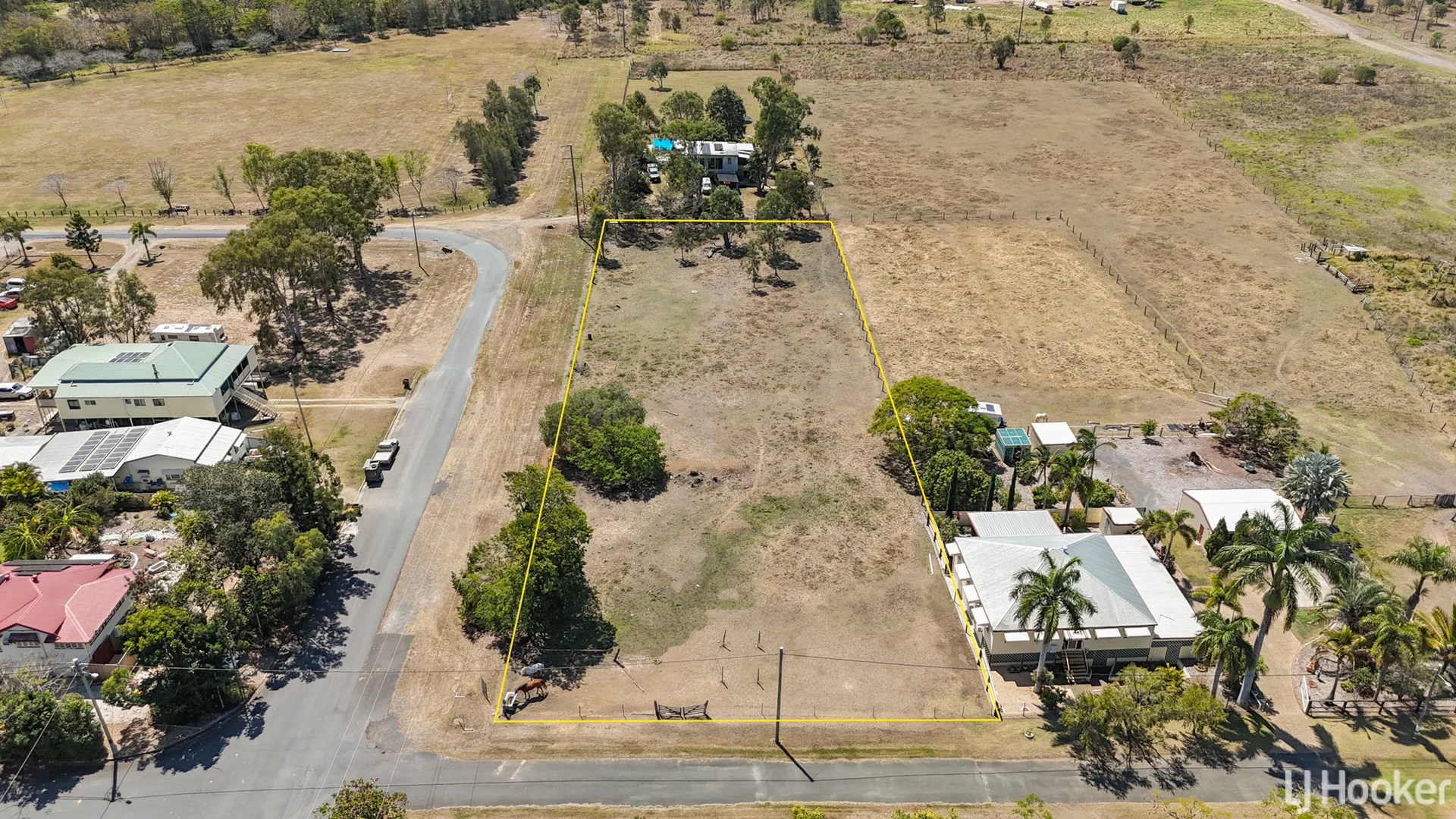 $139,000
Vacant Land
$139,000
Vacant Land
 $510
House
$510
House
 $413,250
House
$413,250
House