Overview
## 1. Overview
Undercliffe Public School is a public primary school serving the local community. It focuses on building an inclusive, supportive environment where students feel safe, motivated and connected to their peers and teachers.
Quick facts:
- School type: Public
- School size: Small–Medium
- Class size: Typically around 20–25 students
- Atmosphere/culture: Nurturing, inclusive, diverse
---
## 2. Academics & Learning
- Academic strengths: Strong focus on core literacy and numeracy, with opportunities in STEM, English and the arts to build well-rounded learners. Leadership development and language learning are pursued where available.
- Special programs: Gifted and talented education (where offered by the school) and accelerated learning opportunities; participation in targeted programs as available. NSW public primary schools generally do not follow an IB program; check the school for current offerings.
- NAPLAN / trends: NSW public primary schools report NAPLAN trends; data for individual schools varies year to year. Look for patterns in reading and numeracy improvements or stability over recent years.
- Student-teacher ratios: Class sizes typically around 20–25 students with a student-teacher ratio that supports individual and small-group attention.
- Support for diverse learners: EAL support and additional SEN/learning support assistance are provided through school-based teams to help students reach their learning goals.
---
## 3. Sports & Extracurricular Strengths
- Sports offered: Common primary options such as soccer, basketball, cricket, athletics and other team or field activities are typically available.
- Strong teams or achievements: Inter-school and district-level participation is common; achievements vary by year and year level.
- Music, arts, drama programs: Music and performing arts opportunities, including school productions or concerts, are often available to students.
- Clubs: Robotics, chess, coding and debating are frequently offered or encouraged, with offerings varying by year.
- Partnerships: Local club partnerships and district-level competitions provide broader opportunities for competition and development.
Note: Club availability can vary by year and cohort; check with the school for current offerings.
---
## 4. Wellbeing & Pastoral Care
- Anti-bullying approach: Clear anti-bullying policies and restorative approaches are typically in place to promote a safe and respectful school culture.
- House system: Many NSW public primary schools use a house system to foster belonging and healthy competition across year levels.
- Counsellors / wellbeing officers: School-based wellbeing staff or access to counselling support is provided to assist students with social, emotional and mental health needs.
- Transition support for new students: Welcome programs, buddy systems and orientation activities support smooth transitions for new students.
---
## 5. Facilities
- Sports grounds: Outdoor spaces suitable for physical education and team sports.
- Libraries: A school library supporting reading and research activities.
- Science labs: Dedicated spaces for science learning and experimentation.
- Music/performing arts centers: Rooms or spaces for music, drama and performance.
- Tech/innovation labs: Facilities to support digital learning and basic coding or tech activities.
- Cafeteria: On-site canteen or eating areas for students.
- Updated playgrounds: Play areas and equipment for recreation and physical activity.
---
## 6. School Values & Community Culture
- School values / mission: Emphasis on respect, responsibility, resilience and inclusion; a focus on developing confident, contributing citizens.
- Leadership style: Student voice and leadership opportunities are typically encouraged; adults support and guide leadership development.
- Behaviour expectations: Clear codes of conduct with consistent expectations; emphasis on restorative practices and positive behaviour support.
- Community reputation: Generally seen as a welcoming, family-friendly school with strong ties to local families.
- Diversity & inclusion: Committed to an inclusive environment that respects and supports diverse backgrounds and needs.
---
## 7. School Logistics & Daily Operations
- School hours: Typically 9:00 am–3:00 pm, with variations for mornings or early finish days; check the current timetable.
- Before/after school care: Often available through external providers located on or near school grounds (e.g., OSHClub or similar).
- Uniform requirements: Public school uniform policy; details provided by the school; generally mandatory.
- Transport: Access to local bus routes and public transport; car drop-off/pick-up zones; proximity to train or bus services may vary.
- Canteen availability: Canteen or food service available to students.
- Fees: Voluntary contributions and costs for specific activities; uniform and excursion-related costs may apply. Overall, NSW public schools operate with relatively low to moderate ancillary costs.
---
## 8. Enrolment & Admissions
11. What is the enrolment process and timeline?
- Check eligibility and catchment locality with the NSW Department of Education.
- Prepare required documents (proof of identity/birth, proof of residence, immunisation records, prior school reports if transferring).
- Submit enrolment through the official process (online portal or school intake). The school will typically notify you of the outcome within its processing window and may request additional information.
- Kindergarten intake and year-level enrollments have specific timelines set by the Department; confirm current deadlines with the school.
12. Is there a waiting list, and how does it work?
- If oversubscribed, a waiting list may operate with priority given to local catchment students and siblings of current students. The school will inform applicants of their status and any steps needed.
13. Are there any entry requirements, tests, or interviews?
- For general enrolment, there are usually no entry tests. Some programs (e.g., gifted/talented) may involve screening or selection processes and/or interviews. Most kindergarten admissions do not require testing beyond standard eligibility checks.
14. Does the school accept mid-year transfers?
- Mid-year transfers are possible if space is available and all NSW Department of Education transfer processes and documentation are completed (including current reports and immunisation details).
---
## 9. Frequently Asked Questions
- Why Parents Choose This School?
- A welcoming, community-focused environment with supportive staff and a focus on core literacy and numeracy, along with opportunities in sports, arts and clubs.
- What type of student thrives at this school?
- Students who respond well to a nurturing, inclusive setting and who enjoy participating in a range of academic, sports and creative activities.
- What opportunities are available for students to extend their skills (academics, sports, arts)?
- Extension in literacy and numeracy, participation in STEM activities, arts and performing arts, sports teams, robotics, coding, debating and other clubs depending on the term.
- How does the school communicate with parents?
- Regular newsletters, emails, parent-teacher meetings, and school portals or apps (as provided by the school) to share updates and student progress.
- What is the school’s approach to teaching and learning?
- Student-centered, differentiated instruction with emphasis on literacy and numeracy; integration of cross-curricular learning and use of age-appropriate digital tools.
- How does the school support students who need extra academic help?
- Targeted small-group support, learning support staff, EAL assistance and access to SEN services where appropriate.
- What support is available for academic challenges?
- Additional tutoring or targeted intervention plans, referrals to specialists as needed, and coordinated support through the school’s learning support teams.
- How does the school communicate with parents? (Repeated)
- See above: newsletters, meetings, portals, and direct contact with teachers.
- What are the class sizes and how much individual attention do students receive?
- Typical primary class sizes are around 20–25 students, with teacher-led instruction and additional support staff where available to provide individual or small-group attention.
- What extracurricular and sports opportunities are available?
- A range of sports, arts and clubs such as robotics, chess, coding and debating; inter-school activities and competitions as available.
- What facilities does the school offer (sports, science, arts)?
- Sports grounds, library, science labs, music/performing arts spaces, tech/innovation labs, canteen and updated playgrounds.
- What is the school’s approach to technology and digital learning?
- Emphasis on digital literacy and safe use of technology; integration of devices and interactive learning tools where appropriate.
- What transport and accessibility options are available?
- Access to local bus routes and public transport; car drop-off zones; accessible facilities where applicable.
- What are the typical school fees or additional costs?
- Voluntary contributions and costs for excursions, uniforms and some activities; exact figures vary by year and program.
---
## 10. Short Pros & Cons list
- Pros
- Strong sense of community and student support
- Inclusive culture with attention to diverse learner needs
- Range of academic, arts, sports and extracurricular opportunities
- Active wellbeing and pastoral care structures
- Local engagement and partnerships that enrich learning
- Cons
- Class sizes, while typical, can vary by year and availability
- Availability of certain programs or clubs may depend on funding and enrolments each year
- Mid-year or non-local transfers may face space and timing constraints
- Specific facilities or programs may change over time; always verify current offerings with the school
Note: This content is a general guide for families considering Undercliffe Public School. For precise, up-to-date information on enrolment, programs and facilities, please contact the school directly and refer to NSW Department of Education resources.



 $665,000
Apartment / Unit / Flat
$665,000
Apartment / Unit / Flat
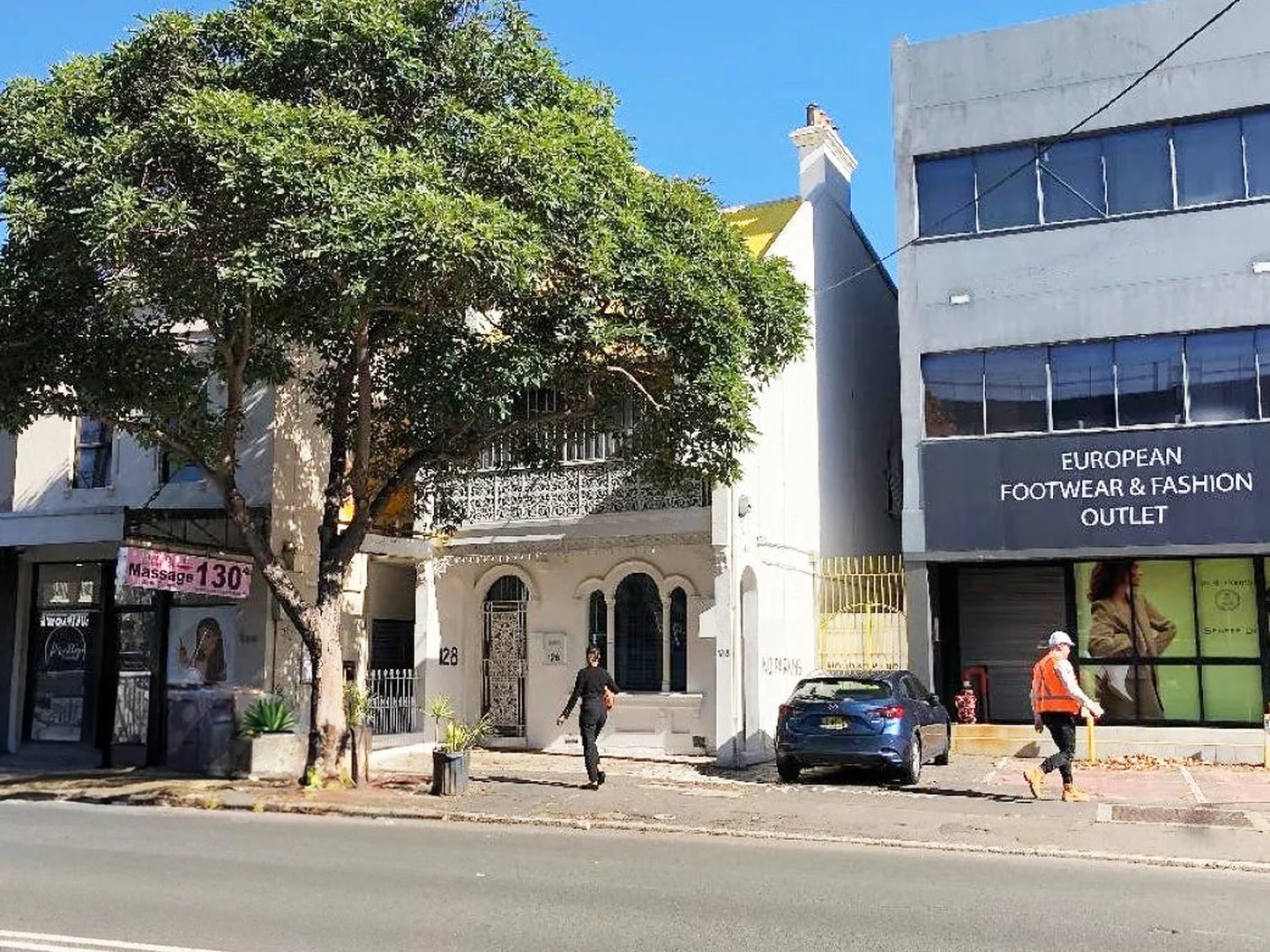 $3,900,000
House
$3,900,000
House
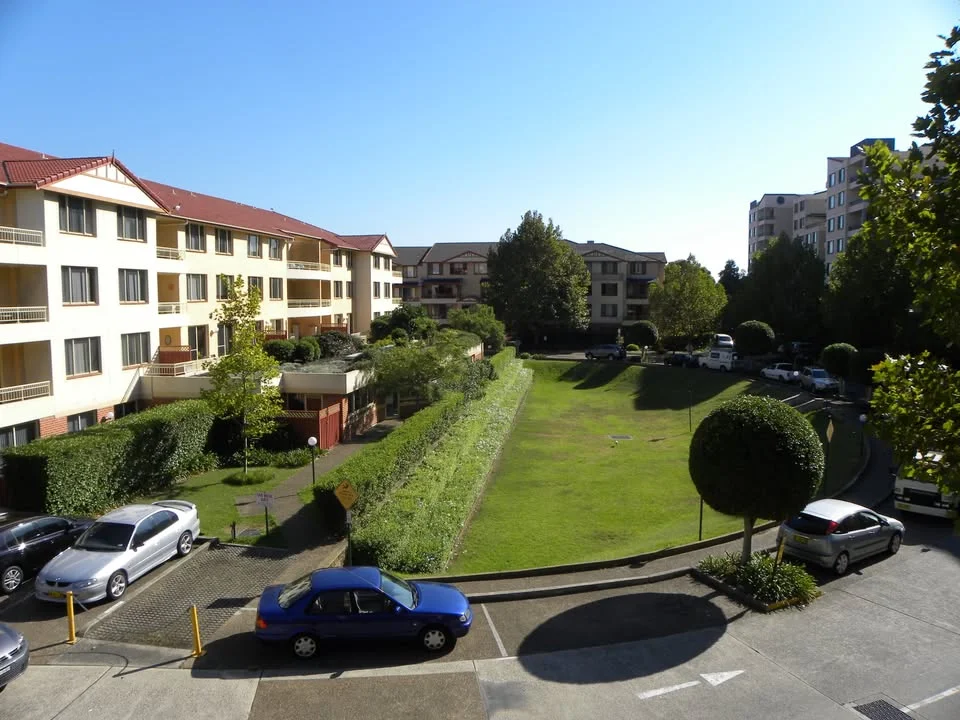 $990
Apartment / Unit / Flat
$990
Apartment / Unit / Flat
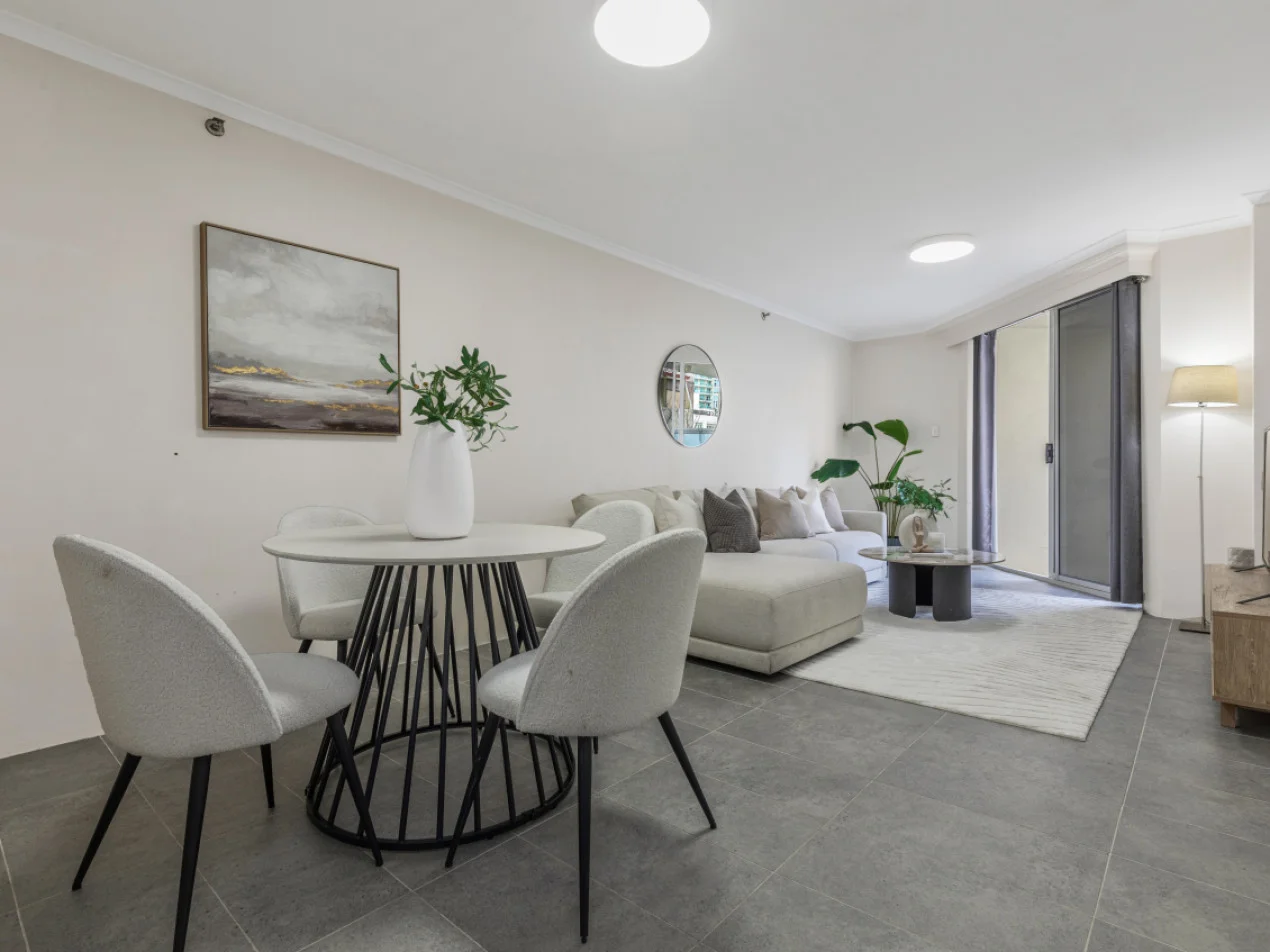 $640,000 - $675,000
Apartment / Unit / Flat
$640,000 - $675,000
Apartment / Unit / Flat
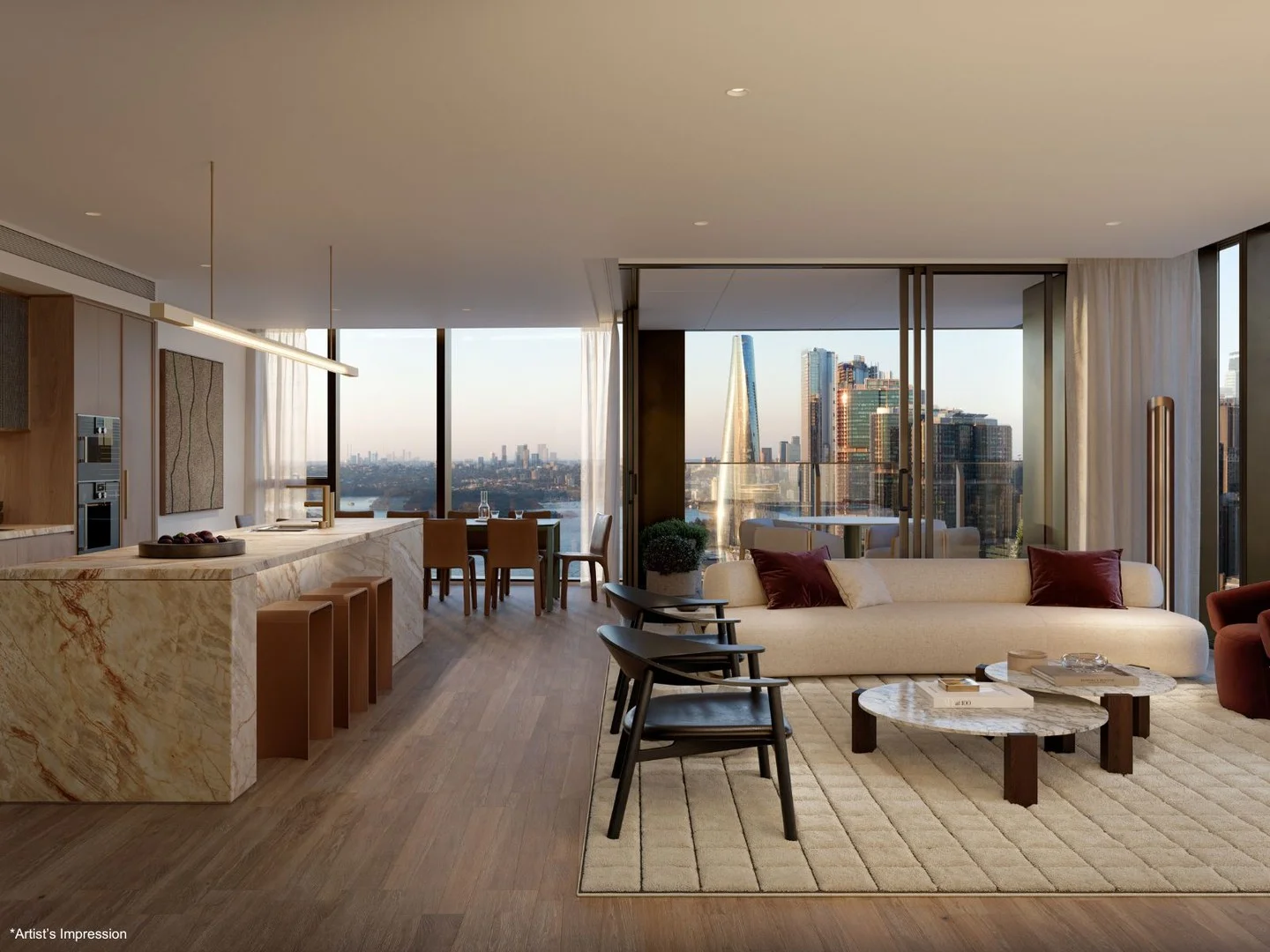 $12,980,000
propertyType.NEW APARTMENTS / OFF THE PLAN
$12,980,000
propertyType.NEW APARTMENTS / OFF THE PLAN
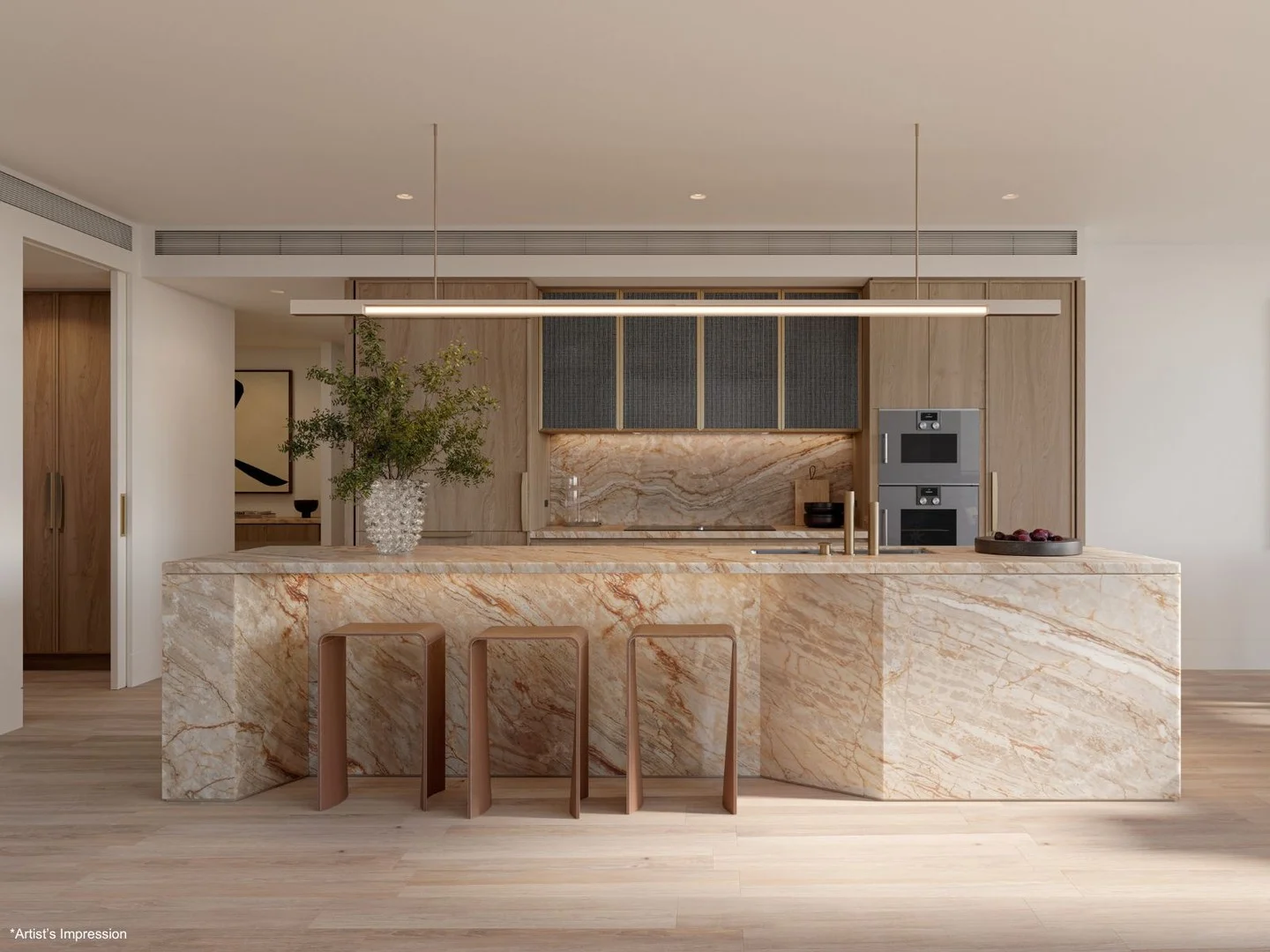 $6,225,000
propertyType.NEW APARTMENTS / OFF THE PLAN
$6,225,000
propertyType.NEW APARTMENTS / OFF THE PLAN
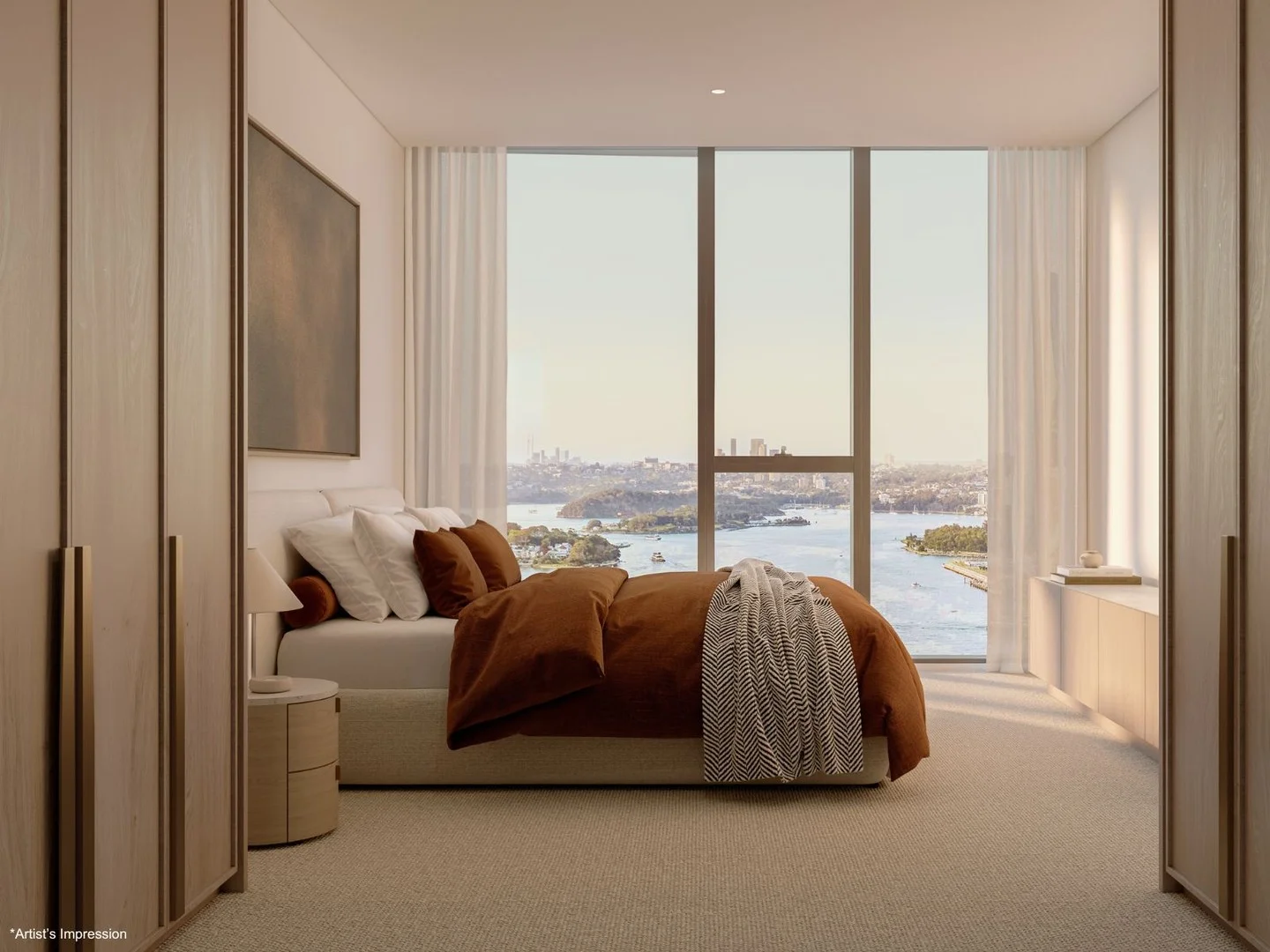 $8,630,000
propertyType.NEW APARTMENTS / OFF THE PLAN
$8,630,000
propertyType.NEW APARTMENTS / OFF THE PLAN
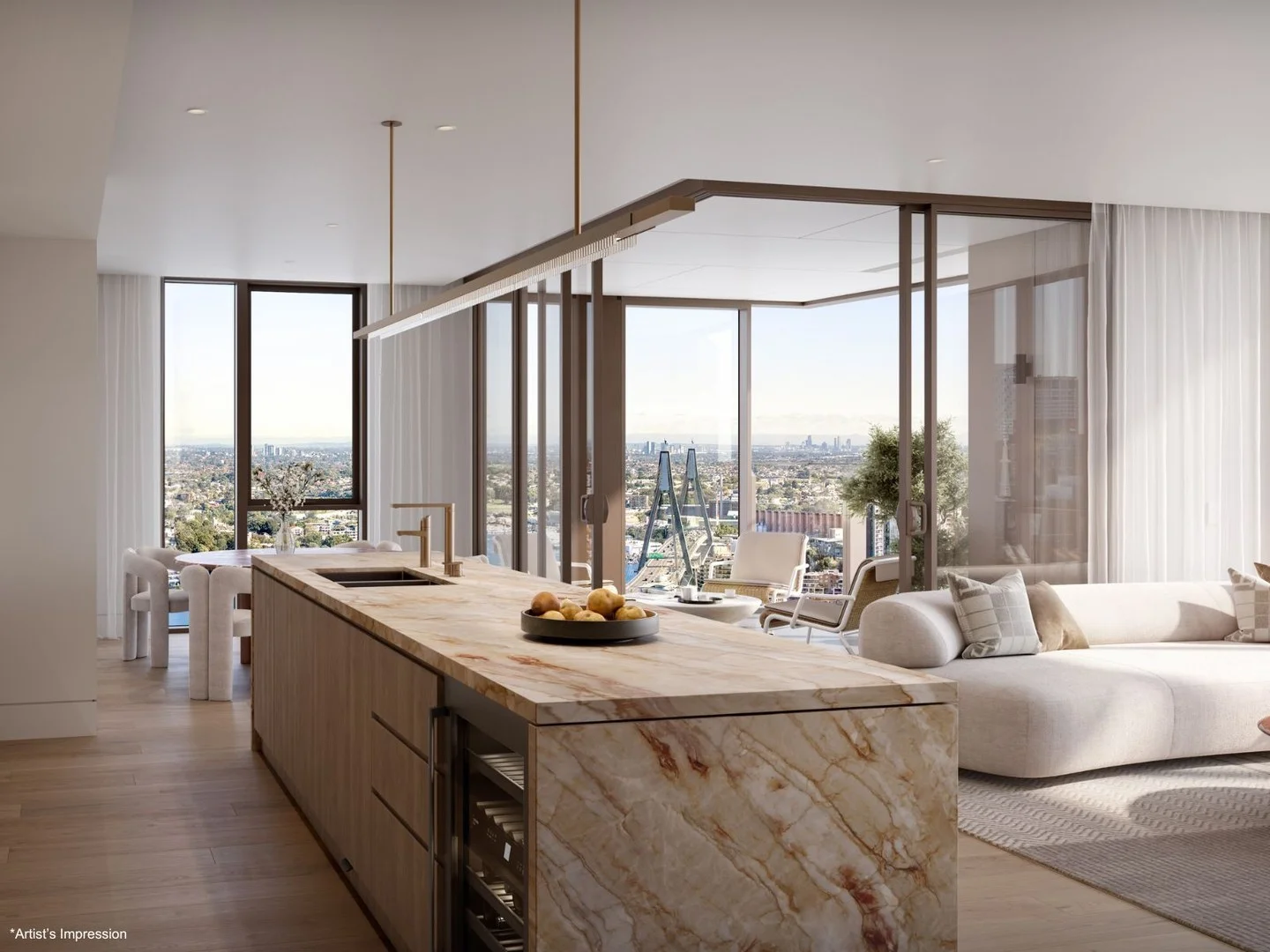 $9,020,000
propertyType.NEW APARTMENTS / OFF THE PLAN
$9,020,000
propertyType.NEW APARTMENTS / OFF THE PLAN
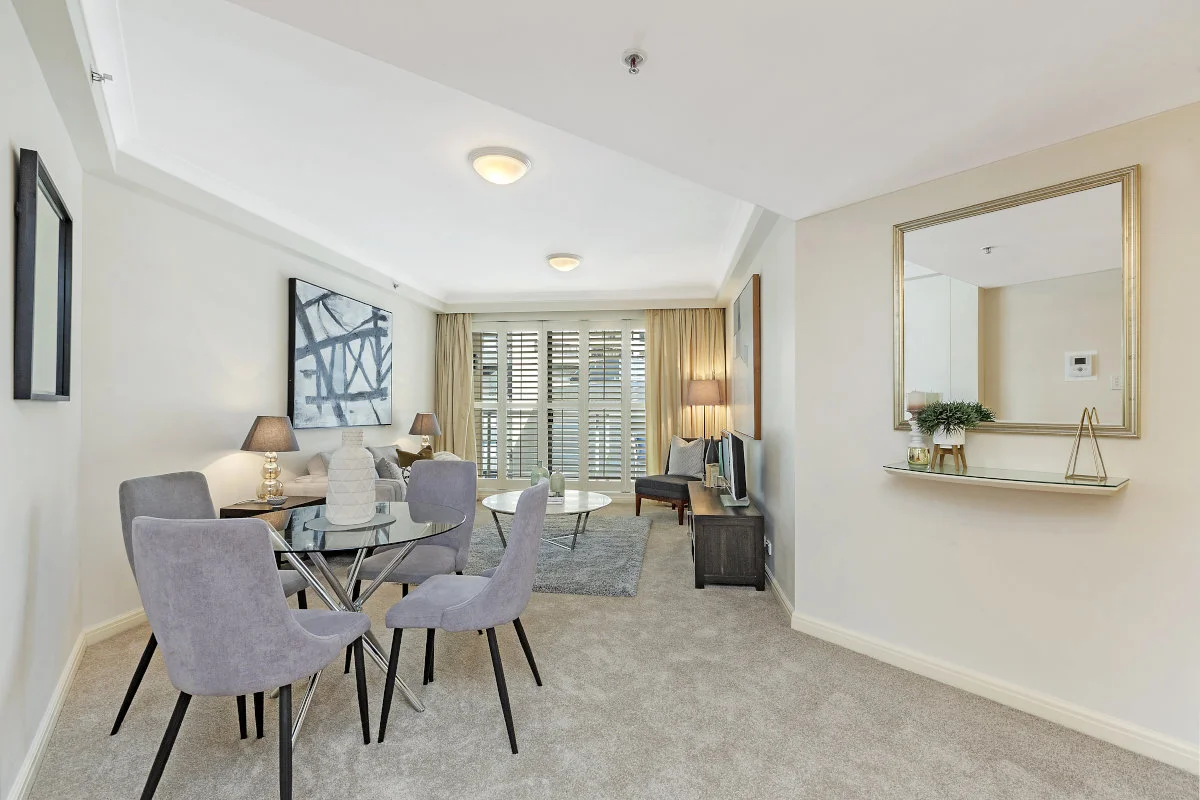 $660,000 - $725,000
Apartment / Unit / Flat
$660,000 - $725,000
Apartment / Unit / Flat


