Overview
## 1. Overview
Arncliffe West Infants is a public NSW Department of Education school serving the early years of primary education. The school operates in a small-to-medium campus with a close-knit community feel, prioritising a nurturing environment where young children can grow confidence and curiosity. Class sizes are kept manageable to support individualized attention, with an emphasis on inclusive participation and positive relationships.
The atmosphere is welcoming and inclusive, with a focus on supporting every child to thrive academically, socially, and emotionally. The school fosters a culture of respect, collaboration, and community involvement, helping families feel connected and supported as their children begin their schooling journey.
---
## 2. Academics & Learning
- Academic strengths: Strong focus on literacy and numeracy foundations, with opportunities to explore early STEM concepts and core subject areas in an engaging, age-appropriate way. Emphasis on developing confident communicators and critical thinkers from a young age.
- Special programs: EAL/D support and targeted literacy/numeracy interventions; inclusive education practices; opportunities for Gifted and Talented Education (where available) and differentiated learning pathways.
- NAPLAN / trends: NSW primary schools typically report year-to-year trends in literacy and numeracy; Arncliffe West Infants prioritises steady improvement through evidence-based teaching and targeted support. Up-to-date trend data is available through public NSW school performance data.
- Student-teacher ratios: Classes are designed to be small-to-medium in size, with a typical focus on around 18–24 students per class and age-appropriate teacher-led instruction. Support staff assist to provide targeted small-group help where needed.
- Support for diverse learners: Strong inclusion focus with EAL/D support, Special Education needs (SEN) considerations, Learning and Support staff, and individualized planning to help students access the curriculum.
---
## 3. Sports & Extracurricular Strengths
- Sports offered: Regular physical education and a range of school sports activities, with opportunities for participation in inter-school events and local competitions.
- Strong teams or achievements: Emphasis on participation, teamwork, and skill-building through school teams and clubs; achievements are celebrated in school community events.
- Music, arts, drama programs: Active music and performing arts offerings, including choir and simple drama/performing arts activities that showcase student work.
- Clubs: Robotics, coding, chess, debating, eco-club, and other student clubs supplement the curriculum and encourage inquiry and collaboration.
- Partnerships: Connections with local clubs and community groups to provide additional coaching, competitions, and enrichment opportunities outside the classroom.
---
## 4. Wellbeing & Pastoral Care
- Anti-bullying approach: Clear anti-bullying policies, restorative practices, and whole-school programs to promote respect, empathy, and safe online/offline behaviours.
- House system: A house system fosters teamwork and healthy competition, helping students build leadership, cooperation, and spirit across year levels.
- Counsellors / wellbeing officers: Access to school wellbeing staff or counsellors to support emotional health, social skills, and transition needs.
- Transition support for new students: Structured kindergarten transitions, buddy systems, campus tours, and orientation activities to help new students settle in smoothly.
---
## 5. Facilities
- Sports grounds: On-site play and sports facilities designed for active learning and physical development.
- Libraries: Well-stocked library supports literacy development and independent learning.
- Science labs: Age-appropriate science spaces to spark curiosity and hands-on exploration.
- Music/performing arts centers: Dedicated spaces for music and performance activities.
- Tech/innovation labs: Access to technology-rich spaces to support early digital literacy and project work.
- Cafeteria: On-site canteen or meal facilities supporting healthy eating.
- Updated playgrounds: Modern, safe play areas for exploration and physical play.
---
## 6. School Values & Community Culture
- School values / mission: A focus on respect, inclusion, resilience, and curiosity; building confident, responsible young learners.
- Leadership style: Student-centered and collaborative, with opportunities for student voice through classroom roles, clubs, and the house system.
- Behaviour expectations: Clear standards for conduct, with positive reinforcement, consistent routines, and restorative approaches when needed.
- Community reputation: A welcoming, family-friendly school community that emphasises partnership between home and school.
- Diversity & inclusion: Commitment to inclusive practices that support students from diverse backgrounds and with varying needs.
---
## 7. School Logistics & Daily Operations
- School hours: Typical school day runs during ordinary NSW school hours; details provided by the school at enrolment.
- Before/after school care: Access may be available through school-linked or community services; speak to the school about options.
- Uniform requirements: NSW public schools generally require school uniforms; details provided by the school (and uniform shop) at enrolment.
- Transport (train/bus routes): Transport options commonly include local bus services and public transport; families should check catchment and route specifics.
- Canteen availability: Canteen or lunch provisions commonly available or organized through school arrangements.
- Fees (low/medium/high ranges): Public schools do not charge tuition; there may be voluntary contributions and costs for uniforms, excursions, and activities, varying by year and program.
---
## 8. Enrolment & Admissions
11. What is the enrolment process and timeline?
- Enrolment typically follows NSW Department of Education guidelines. Gather required documents (proof of identity, proof of address, immunisation status, birth certificate, etc.). Submit through the school or regional enrolment process, with timelines aligned to the start of the school year. The school may host information sessions or orientation as part of the process.
12. Is there a waiting list, and how does it work?
- If a catchment seat is not available, a waiting list may operate. Priorities are usually based on enrolment policies, space availability, and catchment status. Parents are advised to contact the school for the current waiting list process and estimated timelines.
13. Are there any entry requirements, tests, or interviews?
- For most infant/primary intakes, entry tests are not required. Some schools may conduct a brief family interview or information session as part of the enrolment process and to understand student needs and supports.
14. Does the school accept mid-year transfers?
- Mid-year transfers may be possible if there is available space. Parents should contact the school early to discuss space, transition planning, and any required documents. Transitional support and buddy arrangements are commonly offered to new mid-year students.
---
## 9. Frequently Asked Questions
- Why Parents Choose This School?
- A welcoming, inclusive community with small-to-medium class sizes, strong literacy and numeracy focus, dedicated teachers, and supportive wellbeing programs.
- What type of student thrives at this school?
- Curious, kind, and collaborative learners who benefit from a nurturing environment, close teacher support, and opportunities to participate in clubs and activities.
- What opportunities are available for students to extend their skills (academics, sports, arts)?
- Extra-curricular clubs (robotics, coding, chess, debating), music and performing arts, and sport participation through PE and inter-school events, plus targeted literacy/numeracy supports.
- How does the school communicate with parents?
- Regular updates via newsletters, phone calls, emails, and parent-teacher interviews. Information is shared through school channels to keep families informed about learning and events.
- What is the school’s approach to teaching and learning?
- NSW curriculum-aligned instruction with a focus on literacy, numeracy, and inquiry-based learning, differentiation to meet diverse needs, and inclusive practices.
- How does the school support students who need extra academic help?
- Targeted interventions, small-group supports, EAL/D assistance, and access to learning support staff to help students access and engage with the curriculum.
- What support is available for academic challenges?
- Early identification, targeted in-class supports, and referrals to additional services where needed to help students keep pace with learning goals.
- How does the school communicate with parents? (Duplicate question)
- See above: newsletters, portals, calls, and interviews to keep families informed and involved.
- What are the class sizes and how much individual attention do students receive?
- Classes are designed to be small-to-medium, with teachers providing whole-class instruction plus opportunities for targeted small-group or one-to-one support as part of the learning program.
- What extracurricular and sports opportunities are available?
- A range of sports, including PE and inter-school events, plus clubs such as robotics, coding, chess, debating, and eco initiatives; music and arts programs are available too.
- What facilities does the school offer (sports, science, arts)?
- Sports grounds, library, science spaces, music/performing arts facilities, tech/innovation spaces, cafeteria, and modern playgrounds.
- What is the school’s approach to technology and digital learning?
- Integration of age-appropriate technology and digital learning within the curriculum, with emphasis on safe, responsible use and developing digital literacy from an early age.
- What transport and accessibility options are available?
- Local transport options (bus/public transport) and accessibility features typical of NSW primary settings; specifics vary by location and should be confirmed with the school during enrolment.
- What are the typical school fees or additional costs?
- Public schools do not charge tuition; there may be voluntary contributions and costs for uniforms, excursions, and activities. Check the school's information for exact amounts and options.
---
## 10. Short Pros & Cons list
Pros
- Public school with a supportive, close-knit community.
- Small-to-medium class sizes enabling targeted attention.
- Strong emphasis on literacy, numeracy, and early STEM concepts.
- Wide range of clubs and enrichment activities (robotics, coding, chess, arts, sport).
- Inclusive environment with EAL/D and SEN support.
Cons
- As an infants-focused public school, opportunities for later-stage specialty programs may be more limited than larger or independent schools.
- Some programs and facilities may be more modest compared with larger metropolitan schools; specifics vary by year and funding.
- Transport and after-school options depend on local arrangements and may require coordination with community services.
If you’d like, I can tailor any section to emphasize particular features you want highlighted or adjust the tone for a specific audience.







 $665,000
Apartment / Unit / Flat
$665,000
Apartment / Unit / Flat
 $990
Apartment / Unit / Flat
$990
Apartment / Unit / Flat
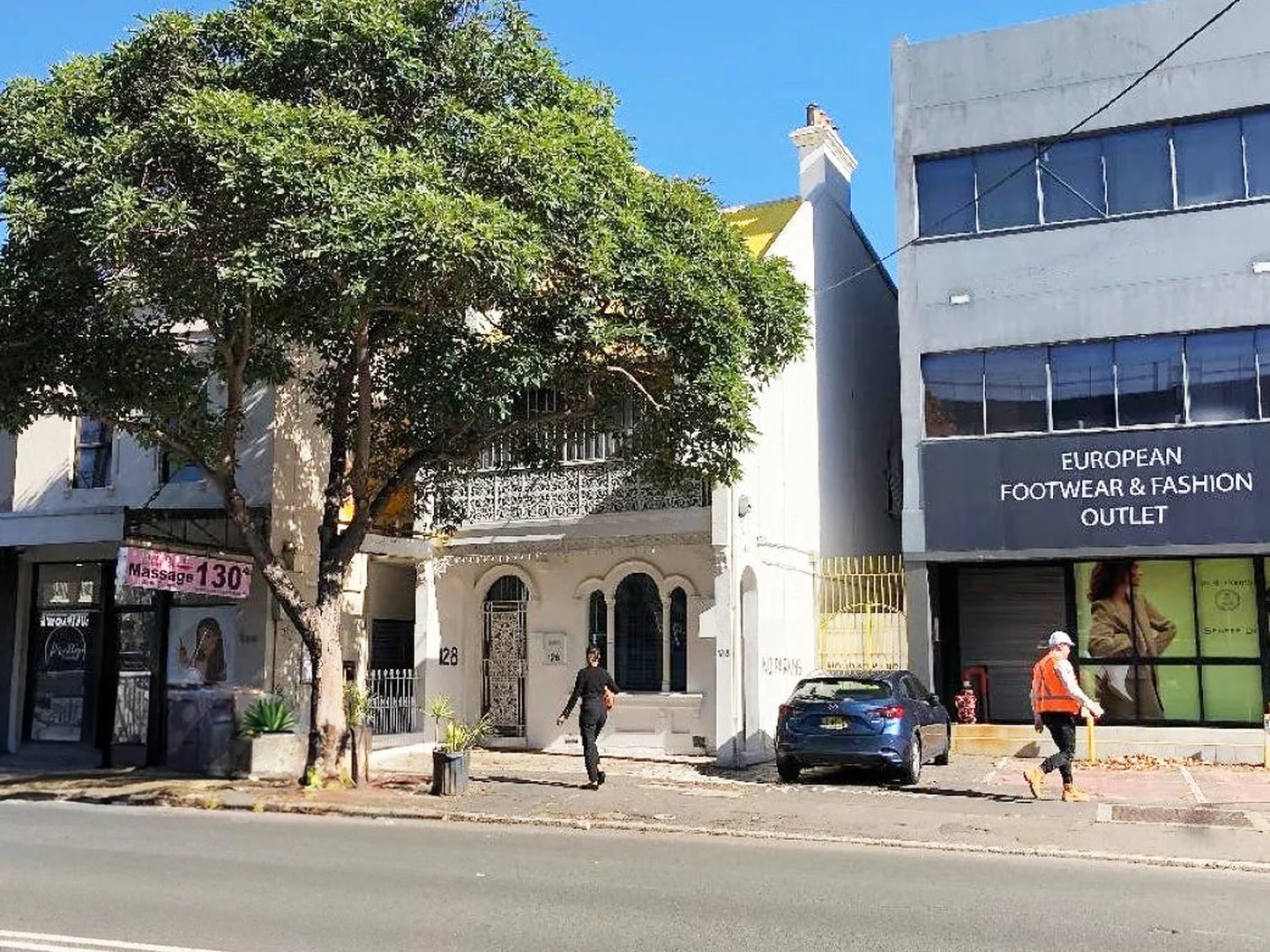 $3,900,000
House
$3,900,000
House
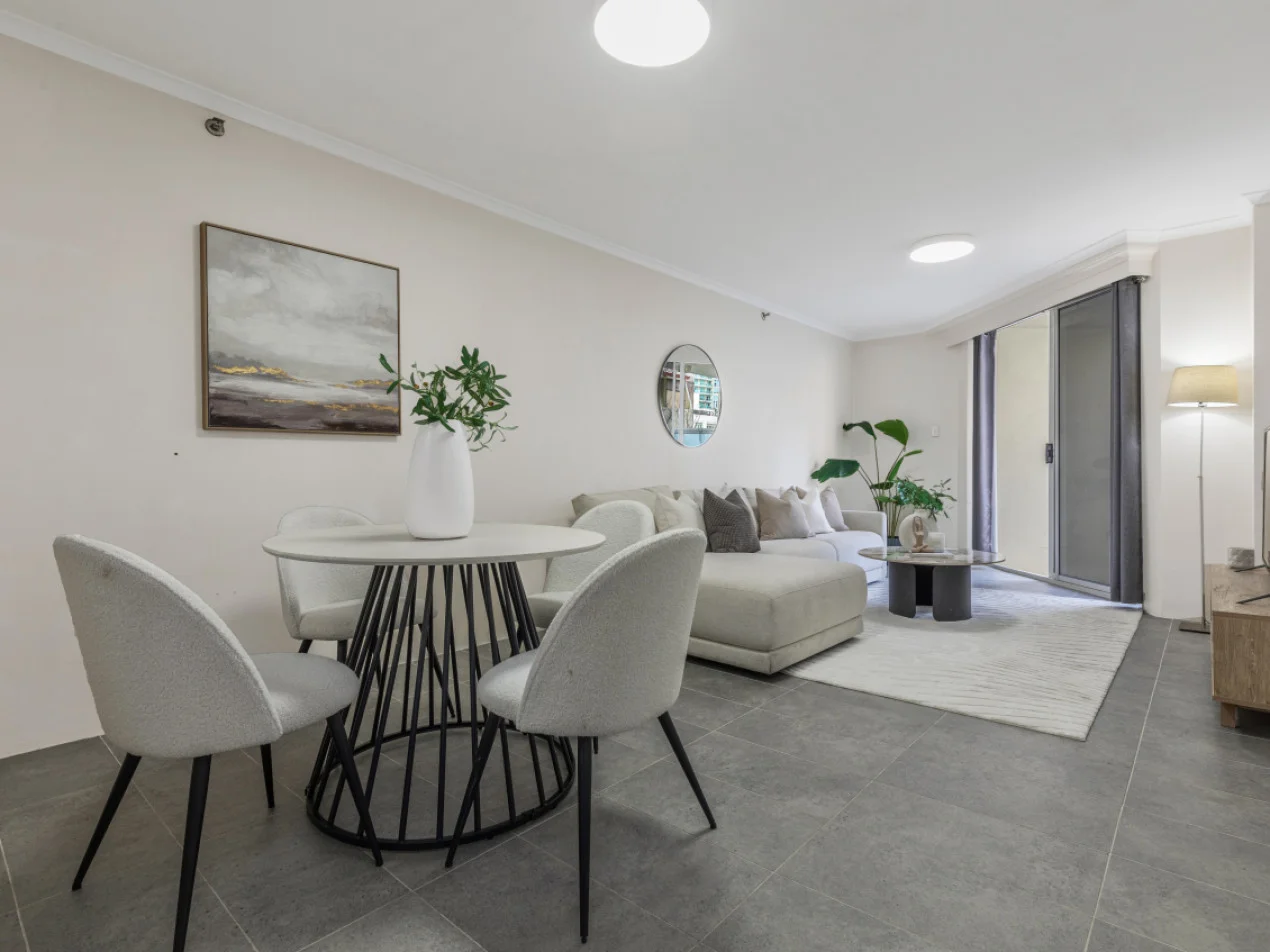 $640,000 - $675,000
Apartment / Unit / Flat
$640,000 - $675,000
Apartment / Unit / Flat
 $8,630,000
propertyType.NEW APARTMENTS / OFF THE PLAN
$8,630,000
propertyType.NEW APARTMENTS / OFF THE PLAN
 $12,980,000
propertyType.NEW APARTMENTS / OFF THE PLAN
$12,980,000
propertyType.NEW APARTMENTS / OFF THE PLAN
 $9,020,000
propertyType.NEW APARTMENTS / OFF THE PLAN
$9,020,000
propertyType.NEW APARTMENTS / OFF THE PLAN
 $6,225,000
propertyType.NEW APARTMENTS / OFF THE PLAN
$6,225,000
propertyType.NEW APARTMENTS / OFF THE PLAN
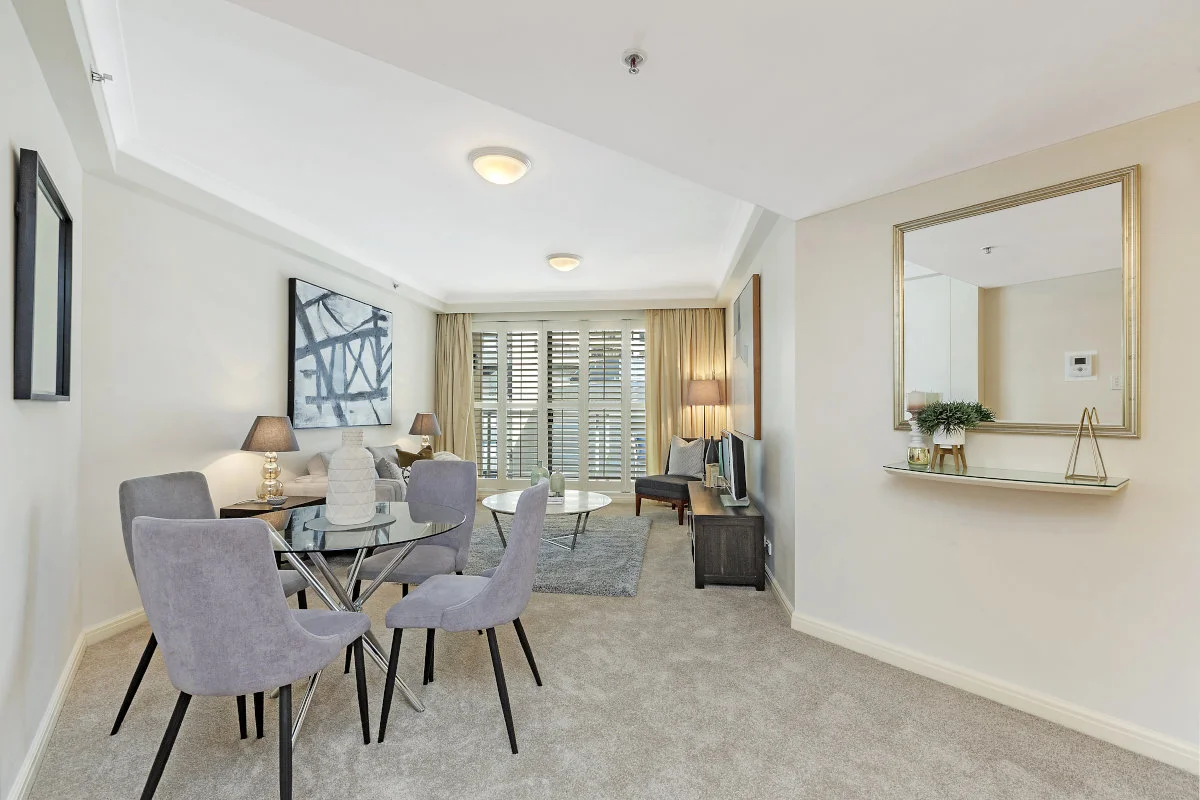 $660,000 - $725,000
Apartment / Unit / Flat
$660,000 - $725,000
Apartment / Unit / Flat


