Overview
## 1. Overview
Victoria Park Christian School is an independent Christian school providing a values‑based education for boys and girls across multiple year levels. The school emphasises a caring, inclusive culture with a focus on academic growth, spiritual development and community service. Class sizes are managed to support individual attention, with a learning environment that blends faith with real‑world learning.
The school is a medium‑sized community where students are encouraged to participate, think critically and develop character. The atmosphere aims to be nurturing and welcoming, while maintaining high expectations academically, spiritually and socially.
## 2. Academics & Learning
- Academic strengths: English literacy and communication, numeracy foundations, STEM integration and humanities. Leadership development and community service are woven into learning.
- Special programs: Christian Studies embedded in the curriculum; opportunities for accelerated learning or enrichment in select year levels; gifted and talented pathways where offered.
- NAPLAN / trends: Trends in recent years show stable performance with gradual improvement in key areas such as reading and numeracy; results are monitored year to year to guide targeted supports.
- Student‑teacher ratios: Approximately 1:12 to 1:16 overall, with slightly smaller ratios in early years to support foundational skills.
- Support for diverse learners: On‑site learning support and intervention; EAL/D assistance where needed; SEN support through dedicated staff and targeted programs.
## 3. Sports & Extracurricular Strengths
- Sports offered: A range of team and individual sports typical for the region, with participation encouraged across grades; pathways to interschool competition where available.
- Strong teams or achievements: Active participation in local interschool events and community competitions; a track record of developing athletes through positive coaching and teamwork.
- Music, arts, drama programs: Robust program offering instrumental music, choir, drama and creative arts to nurture performance and creative expression.
- Clubs: Robotics, coding, chess, debating and other academically oriented or creative clubs available to students seeking enrichment.
- Partnerships: Connections with local community and sports/arts programs to broaden opportunities and provide external competition or collaboration.
## 4. Wellbeing & Pastoral Care
- Anti‑bullying approach: Clear anti‑bullying policies with proactive education, student‑led initiatives and restorative practices.
- House system: House groups foster belonging, friendly competition and school spirit (House activities and events are part of the culture).
- Counsellors / wellbeing officers: Access to wellbeing staff or school counsellors to support emotional health and resilience.
- Transition support for new students: Induction programs, buddy systems and gradual onboarding to help new students settle in smoothly.
## 5. Facilities
- Sports grounds: On‑site playing fields or courts suitable for a range of physical activities.
- Libraries: Well‑resourced library supporting literacy, research and independent reading.
- Science labs: Modern science laboratories for hands‑on experiments and inquiry.
- Music/performing arts centers: Facilities for music education, rehearsals and small‑scale productions.
- Tech/innovation labs: Digital learning spaces or computer labs to support coding and technology projects.
- Cafeteria: On‑site dining area or canteen catering to student meals and snacks.
- Updated playgrounds: Safe, well‑maintained outdoor play and recreation spaces.
## 6. School Values & Community Culture
- School values / mission: A faith‑centric mission emphasising integrity, respect, service and personal responsibility.
- Leadership style: Student voice is encouraged; leadership opportunities within classrooms, clubs or service activities; collaborative and respectful culture.
- Behaviour expectations: Clear codes of conduct, consistent routines and restorative approaches to behavioural support.
- Community reputation: Known for a supportive, family‑friendly environment with active parent involvement and community engagement.
- Diversity & inclusion: Commitment to an inclusive environment that respects diverse backgrounds and faiths while upholding the school’s Christian ethos.
## 7. School Logistics & Daily Operations
- School hours: Typical start and finish times per year level; school calendar with term dates published annually.
- Before/after school care: Availability of supervision or care programs before and/or after school.
- Uniform requirements: Clear uniform policy with details on acceptable apparel and any seasonal variations.
- Transport (train/bus routes): Transportation options may include bus services or convenient drop‑off/pick‑up arrangements; specifics vary by year level and location.
- Canteen availability: Canteen or snack facilities available to students; policies on menu and payment.
- Fees (low/medium/high ranges): Fees fall in the mid‑range for independent Christian schools; additional costs may include uniforms, activities, excursions and resource charges.
## 8. Enrolment & Admissions
11. What is the enrolment process and timeline?
- Submit an initial application with required documentation (birth certificate, prior school reports, etc.).
- School review or contact for preferred intake year.
- Interview or meeting with key staff, and family tour where possible.
- Offer of enrolment and confirmation; payment of any deposits; placement is typically confirmed for the chosen intake year.
12. Is there a waiting list, and how does it work?
- Some year levels may have a waitlist depending on capacity. Applications are usually time‑stamped; offers are made based on availability, alignment with the year group, and space in each cohort.
13. Are there any entry requirements, tests, or interviews?
- Entry often includes an interview and review of prior academic performance and behavioural history. Some years may require a brief assessment or demonstration of ability; families are advised of specific requirements during the application process.
14. Does the school accept mid‑year transfers?
- Mid‑year transfers are considered where space is available. Prospective families should contact the admissions team early to discuss available placements, transfer documentation and any transitional support needed.
## 9. Frequently Asked Questions
- Why Parents Choose This School?
- A values‑based, supportive environment with a focus on character development, academic growth and strong community ties.
- What type of student thrives at this school?
- Students who are engaged, respectful, curious and open to a faith‑integrated, holistic learning approach.
- What opportunities are available for students to extend their skills (academics, sports, arts)?
- Enrichment in English and STEM, leadership opportunities, arts and music programs, sports pathways, and clubs such as robotics, coding, debating.
- How does the school communicate with parents?
- Regular newsletters, a parent portal or app, progress reports, parent‑teacher meetings and annual information nights.
- What is the school’s approach to teaching and learning?
- A faith‑based framework with evidence‑informed pedagogy, differentiated instruction, inquiry and project‑based learning, and strong literacy/numeracy foundations.
- How does the school support students who need extra academic help?
- Dedicated learning support staff, targeted interventions, EAL/D assistance and access to additional tutoring or resources as needed.
- What support is available for academic challenges?
- Early identification, personalised learning plans, specialist support staff and structured intervention programs.
- How does the school communicate with parents? (repeat)
- See above: newsletters, portal/app, teacher feedback and parent‑teacher interviews.
- What are the class sizes and how much individual attention do students receive?
- Primary class sizes typically around 18–24 students; secondary classes around 20–28; teachers provide regular feedback and targeted support to individual students where needed.
- What extracurricular and sports opportunities are available?
- A range of sports and physical activities, plus clubs such as robotics, coding, chess and debating; opportunities to perform in music and drama.
- What facilities does the school offer (sports, science, arts)?
- Sports grounds, libraries, science labs, performing arts spaces, technology and innovation labs, canteen and updated outdoor spaces.
- What is the school’s approach to technology and digital learning?
- Integrated technology in learning, age‑appropriate devices or bring‑your‑own‑device options, safe‑use policies, and teaching of digital citizenship.
- What transport and accessibility options are available?
- Bus routes or drop‑off arrangements where offered; accessible facilities and supported transitions for new students.
- What are the typical school fees or additional costs?
- Fees are in the mid‑range for independent schools; additional costs may include uniforms, excursions, textbooks and activity levies. Specific figures are provided in the annual fee schedule.
## 10. Short Pros & Cons list
- Pros
- Values‑based education with a caring, inclusive community
- Moderate class sizes enabling individual attention
- Broad range of academic, arts, sport and club options
- Strong wellbeing and pastoral care
- Clear communication channels with families
- Cons
- As an independent Christian school, the ethos is faith‑based and may not suit those seeking a secular program
- Fees are typical for independent schooling, with potential additional costs for excursions and activities
- Availability of places can vary by year level; some cohorts may have waitlists
- Transportation options may depend on location and route availability
If you’d like, I can tailor this draft more precisely to Victoria Park Christian School by incorporating exact figures, programs, and facilities from the school’s current materials. Just share any specifics you have (or allow me to compile them from the latest school publications), and I’ll refine the sections accordingly.











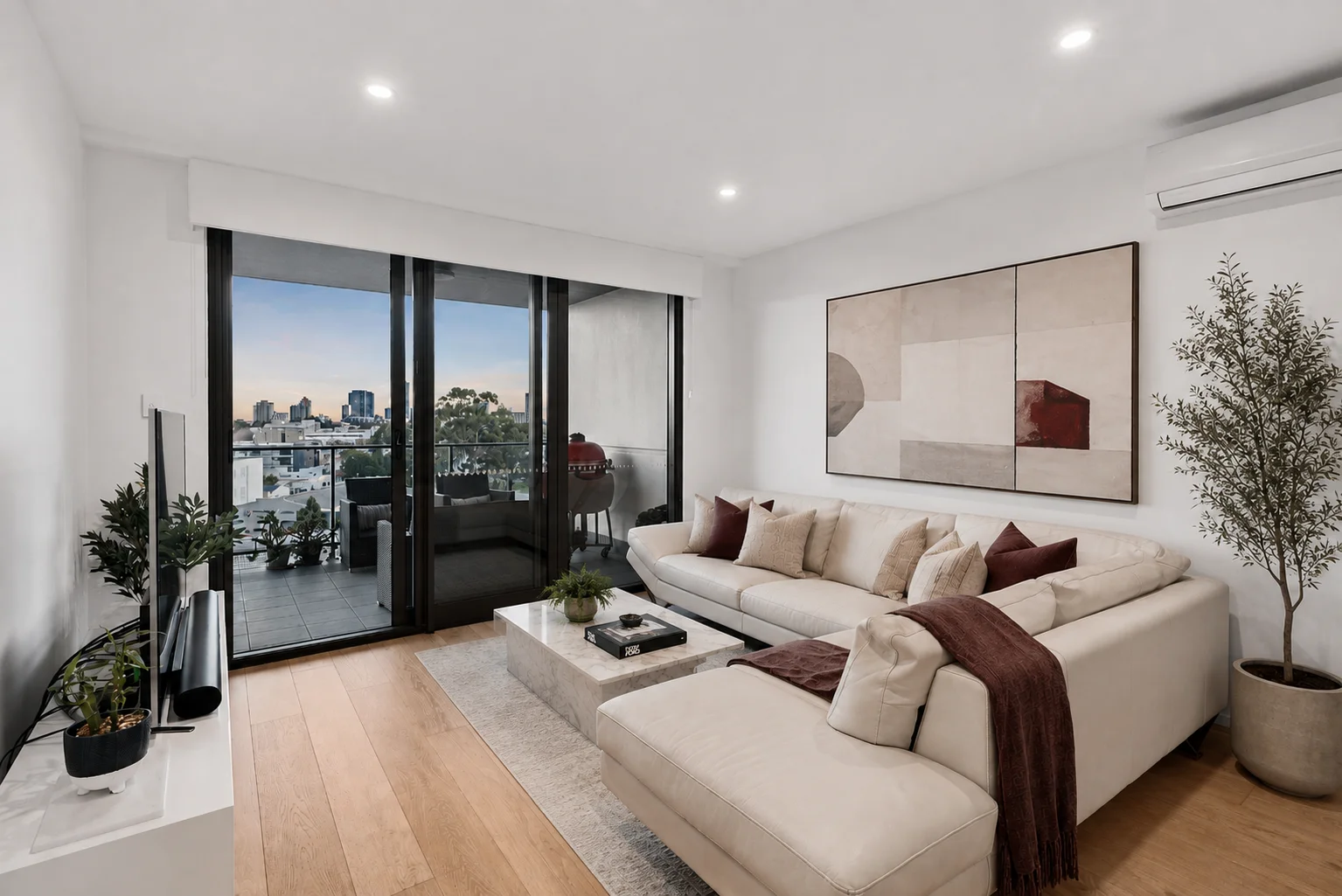 $700,000
Apartment / Unit / Flat
$700,000
Apartment / Unit / Flat
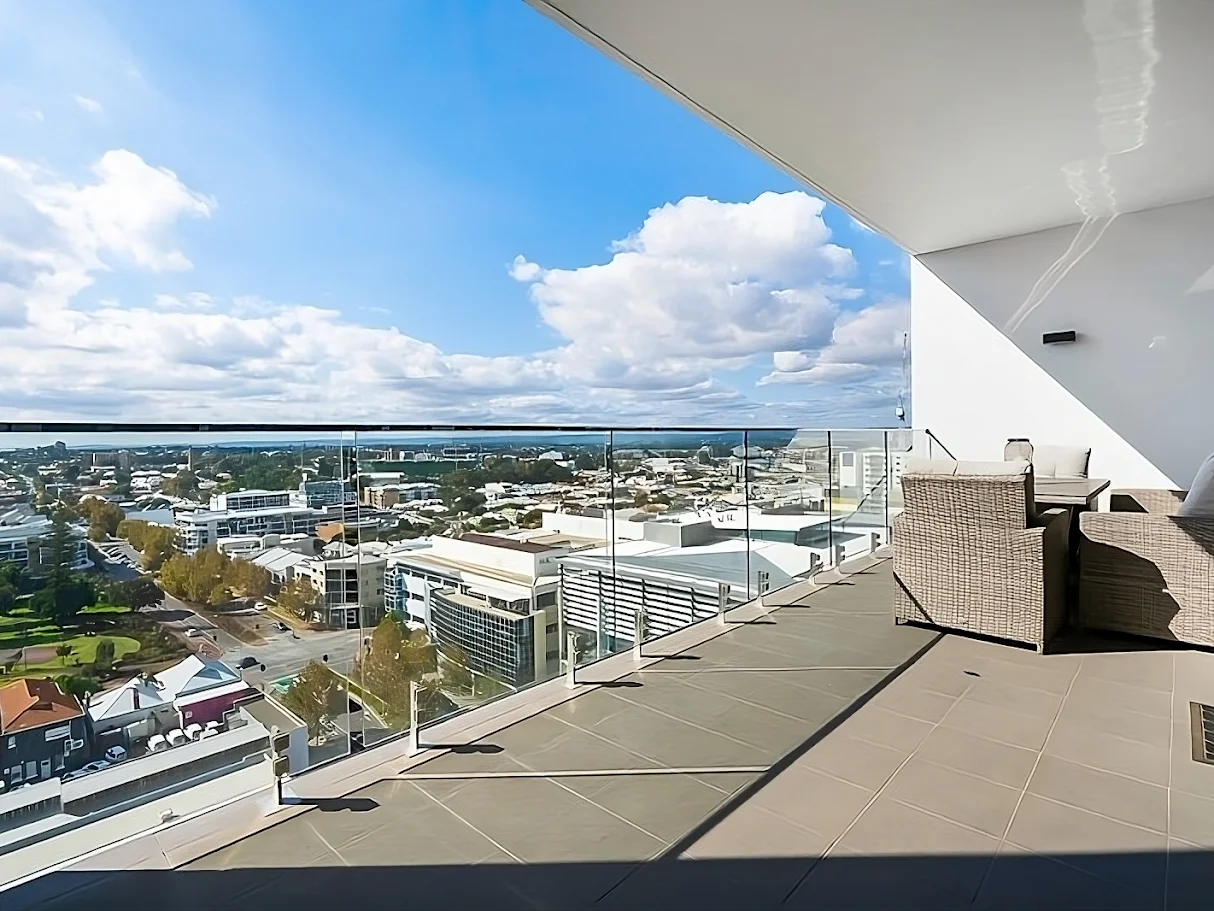 $580,000
Apartment / Unit / Flat
$580,000
Apartment / Unit / Flat
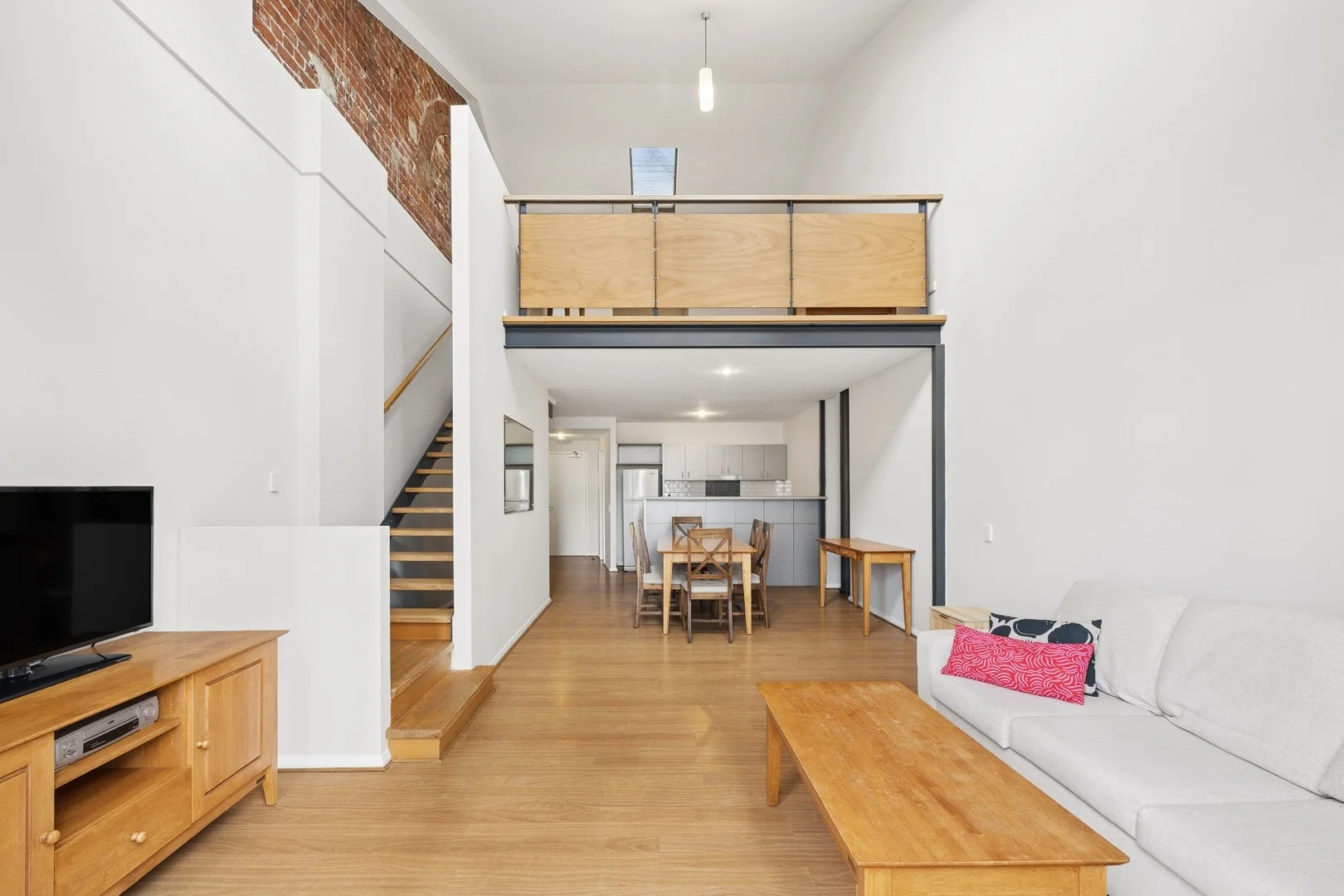 $549,000
Apartment / Unit / Flat
$549,000
Apartment / Unit / Flat
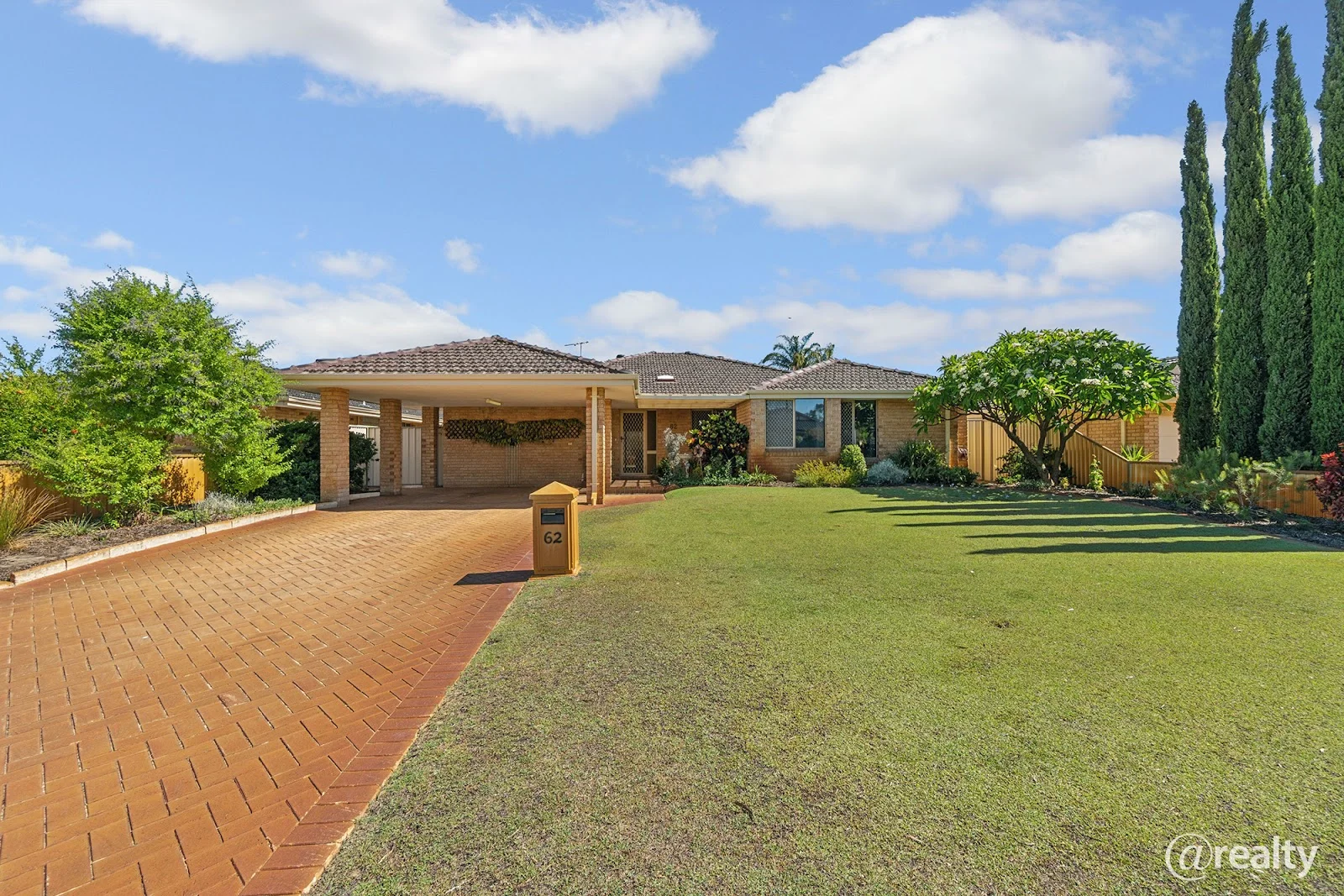 $1,099,000 - $1,153,950
House
$1,099,000 - $1,153,950
House
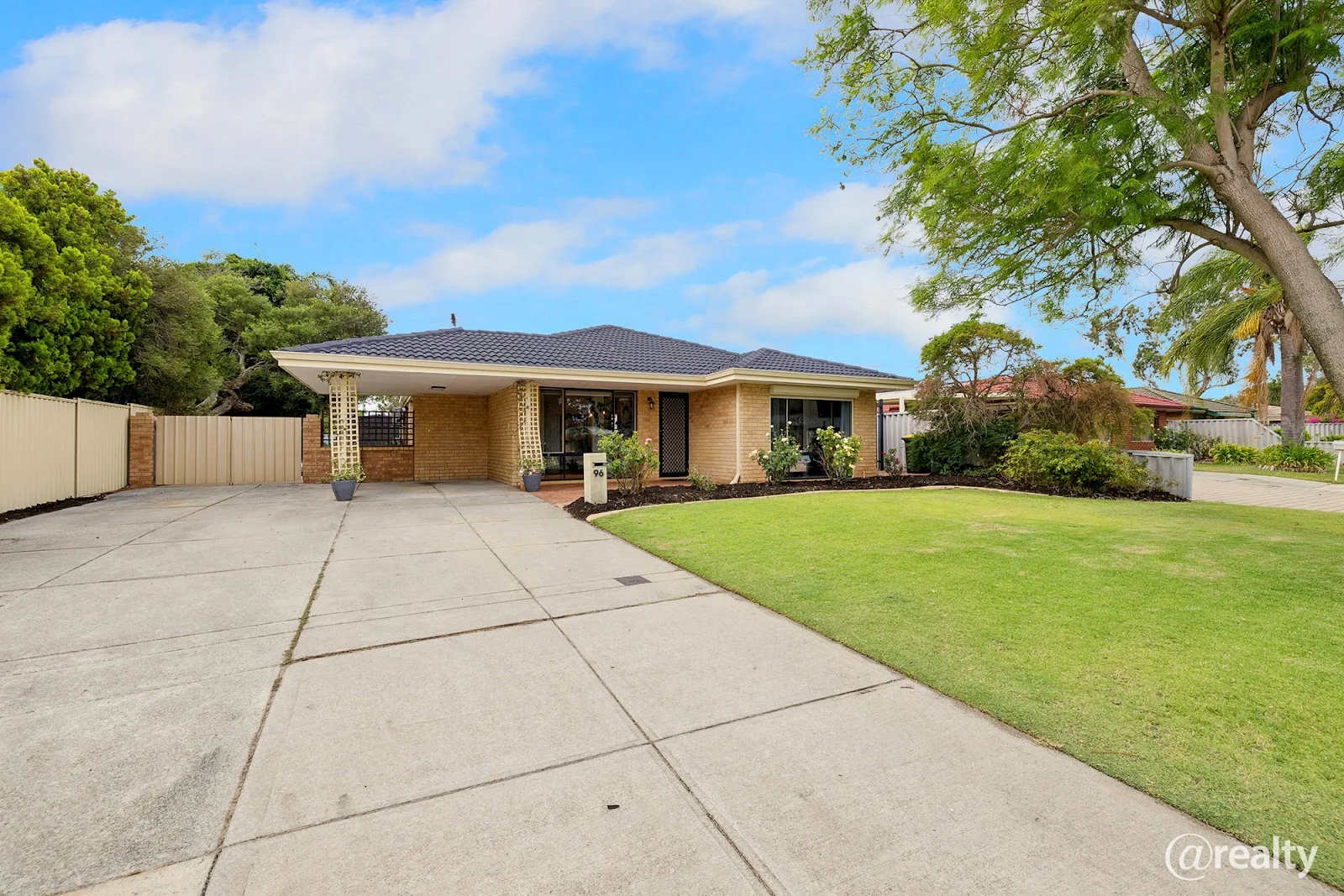 $899,000 - $943,950
House
$899,000 - $943,950
House
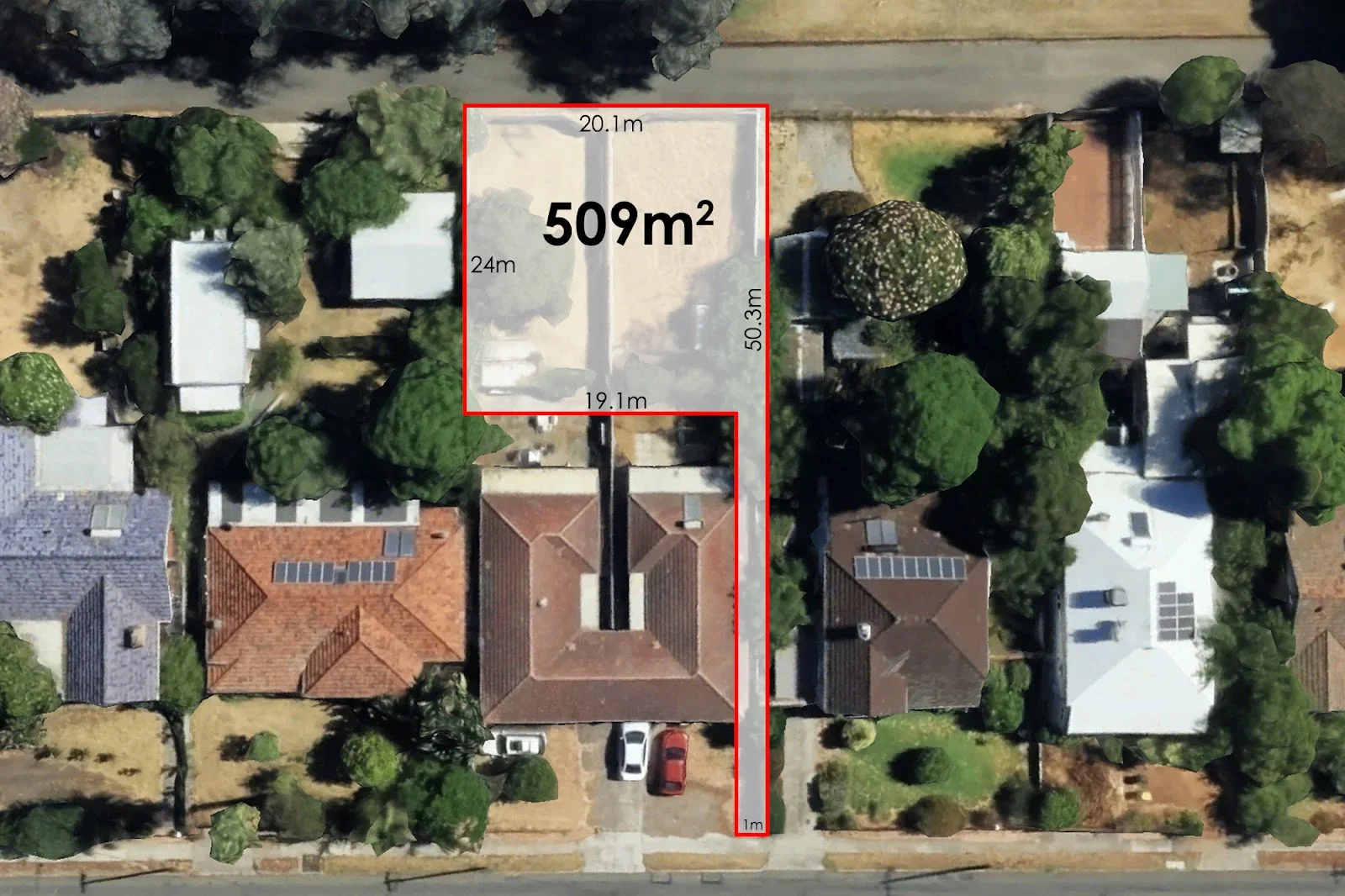 $480,000
Vacant Land
$480,000
Vacant Land