Overview
## 1. Overview
Victoria Road Primary School is a public primary school serving families in the Lilydale area. As a public school in Victoria, it focuses on inclusive education, student wellbeing, and strong community involvement.
- School type: Public
- School size: Medium
- Class size: Typically around 20–24 students per class
- Atmosphere: Inclusive, nurturing, community-focused
⸻
## 2. Academics & Learning
Victoria Road Primary School emphasises foundational skills and holistic development, with a focus on literacy and numeracy, plus opportunities to explore Science, Technology, Engineering and Mathematics (STEM) and digital learning.
- Academic strengths: Literacy and numeracy, with integrated STEM and digital learning experiences
- Special programs: Potential programs include English as an Additional Language (EAL) support, Gifted and Talented/extension activities, and targeted interventions as needed
- NAPLAN / trend considerations: Public reporting on NAPLAN trends is typically available via the state Department of Education; check the school’s annual or system-wide reports for year-over-year trends
- Student-teacher ratios: Class sizes and teacher support aim to balance whole-class instruction with small-group work; ratios align with state averages
- Support for diverse learners: EAL support and inclusive education approaches are commonly available to meet diverse learner needs
⸻
## 3. Sports & Extracurricular Strengths
Sports and extracurriculars are a key focus for many families, with activities designed to support physical development, teamwork and a range of interests.
- Sports offered: Team sports such as football, cricket, basketball, soccer, athletics, and swimming activities are commonly available
- Strong teams or achievements: Participation in inter-school events and local competitions; achievements vary by year
- Music, arts, drama programs: School-based music programs, choirs or ensembles, and drama activities are typically offered
- Clubs: Robotics, chess, coding, debating, and other interest clubs commonly run during lunchtimes or after school
- Partnerships: Collaboration with local clubs, community groups and regional competitions is possible to broaden opportunities
⸻
## 4. Wellbeing & Pastoral Care
Wellbeing and pastoral care are central to a positive school experience, with systems in place to support students’ social and emotional development.
- Anti-bullying approach: Clear policies, whole-school education, and student empowerment initiatives help promote respectful behaviour
- House system: A house or team structure is often used to foster belonging, events and friendly competition
- Counsellors / wellbeing officers: Access to school-based wellbeing staff or guidance personnel supports students and families
- Transition support for new students: Orientation activities, buddy systems and gradual onboarding help new students settle in
⸻
## 5. Facilities
Facilities showcase the physical learning environment and spaces that support a range of activities.
- Sports grounds
- Libraries
- Science labs
- Music/performing arts spaces
- Tech/innovation labs or makerspaces
- Canteen or canteen facilities
- Updated playgrounds
⸻
## 6. School Values & Community Culture
Families look for a school where values, culture and community are in focus.
- School values / mission: Emphasis on respect, responsibility, inclusion and lifelong learning
- Leadership style: Collaborative and student-involved approaches are common, with teacher and leadership support for student voice
- Behaviour expectations: Positive behaviour supports and clear expectations across the school
- Community reputation: Generally positive, with emphasis on an inclusive and engaged local culture
- Diversity & inclusion: Commitment to welcoming students from diverse backgrounds and ensuring access and participation
⸻
## 7. School Logistics & Daily Operations
Practical daily information helps families plan around school routines.
- School hours: Typically around 9:00 am–3:30 pm, with variations by year level; recess and lunch breaks included
- Before/after school care: OSHC or similar arrangements are often available, either on-site or via partner providers
- Uniform requirements: Uniforms are typically required, with details provided by the school
- Transport (train/bus routes): Public transport options (bus/train) serve the area; check local timetables and the school’s enrolment information for specifics
- Canteen availability: Canteen or lunch program is commonly available
- Fees (low/medium/high ranges): Public schools have no tuition; there are voluntary contributions and a Materials and Services Charge (MSC) to cover required resources and activities
⸻
## 8. Enrolment & Admissions
11. What is the enrolment process and timeline?
- Enrolment is typically handled through the local catchment process; families submit an official enrolment form within the designated windows, with documentation such as proof of age and residency. Timelines are set by the Department of Education and the school, and it’s important to apply within the stated periods for the upcoming intake year.
12. Is there a waiting list, and how does it work?
- Public primary schools may operate waitlists or offer placement based on catchment rules, siblings, and availability. The school will inform families of their position and any required steps.
13. Are there any entry requirements, tests, or interviews?
- Generally, primary school enrolments do not require entrance tests. Some schools may offer information sessions or brief orientations; interviews are uncommon for standard enrolment.
14. Does the school accept mid-year transfers?
- Mid-year transfers are possible in many cases, subject to space and the enrolment policies of the Department of Education and the school. Families should begin the process promptly and provide required documentation.
⸻
## 9. Frequently Asked Questions
- Why Parents Choose This School?
- A welcoming, inclusive environment with a focus on core literacy and numeracy, wellbeing support, and opportunities across sports, arts and clubs.
- What type of student thrives at this school?
- Students who respond well to a supportive, nurturing atmosphere, who value collaboration, and who engage across academics, arts and sport.
- What opportunities are available for students to extend their skills (academics, sports, arts)?
- A range of extended programs and activities such as reading and math support, STEM/digital learning, clubs (robotics, coding, chess, debating), music and drama, and inter-school sports.
- How does the school communicate with parents?
- Regular updates through newsletters, parent portals, notes home, and events; formal reporting and parent-teacher conferences are typically offered.
- What is the school’s approach to teaching and learning?
- A balanced approach that combines explicit instruction in literacy and numeracy with inquiry-based, hands-on learning and opportunities to develop digital literacy and critical thinking.
- How does the school support students who need extra academic help?
- Targeted interventions, small-group instruction, and access to supportive staff such as teachers, EAL and SEN support as needed.
- What support is available for academic challenges?
- Differentiated instruction, progress monitoring, and referrals to appropriate support services within the school or broader education system.
- How does the school communicate with parents? (Repeated)
- See above; multiple channels are used to keep families informed and engaged.
- What are the class sizes and how much individual attention do students receive?
- Class sizes are designed to balance whole-class instruction with opportunities for small-group and personalised support; individual attention varies by teacher, student needs, and year level.
- What extracurricular and sports opportunities are available?
- A range of sports, music/arts programs, and clubs such as robotics, coding, chess and debating, with opportunities to participate in inter-school events.
- What facilities does the school offer (sports, science, arts)?
- Facilities typically include sports grounds, libraries, science labs, performing arts spaces, tech/innovation spaces, a canteen, and updated playgrounds.
- What is the school’s approach to technology and digital learning?
- Integration of digital literacy across the curriculum, with access to devices and learning platforms to support collaborative and innovative learning.
- What transport and accessibility options are available?
- Public transport options are available in the area; families often use buses or trains, and the school supports accessibility needs as part of its inclusive practices.
- What are typical school fees or additional costs?
- As a public school, there is no tuition; there may be voluntary contributions and an MSC to cover essential resources and activities.
⸻
## 10. Short Pros & Cons list
- Pros
- Public, inclusive school environment with a focus on foundational skills and wellbeing
- Balanced mix of academics, sports, arts and clubs
- Support for diverse learners (e.g., EAL and SEN)
- Community-focused with opportunities for parent involvement
- Cons
- Specific programs and facilities can vary year to year; check current offerings
- Class sizes and resources depend on the year level and enrolment numbers
- Mid-year transfers depend on space and policy; timing matters for placement
⸻












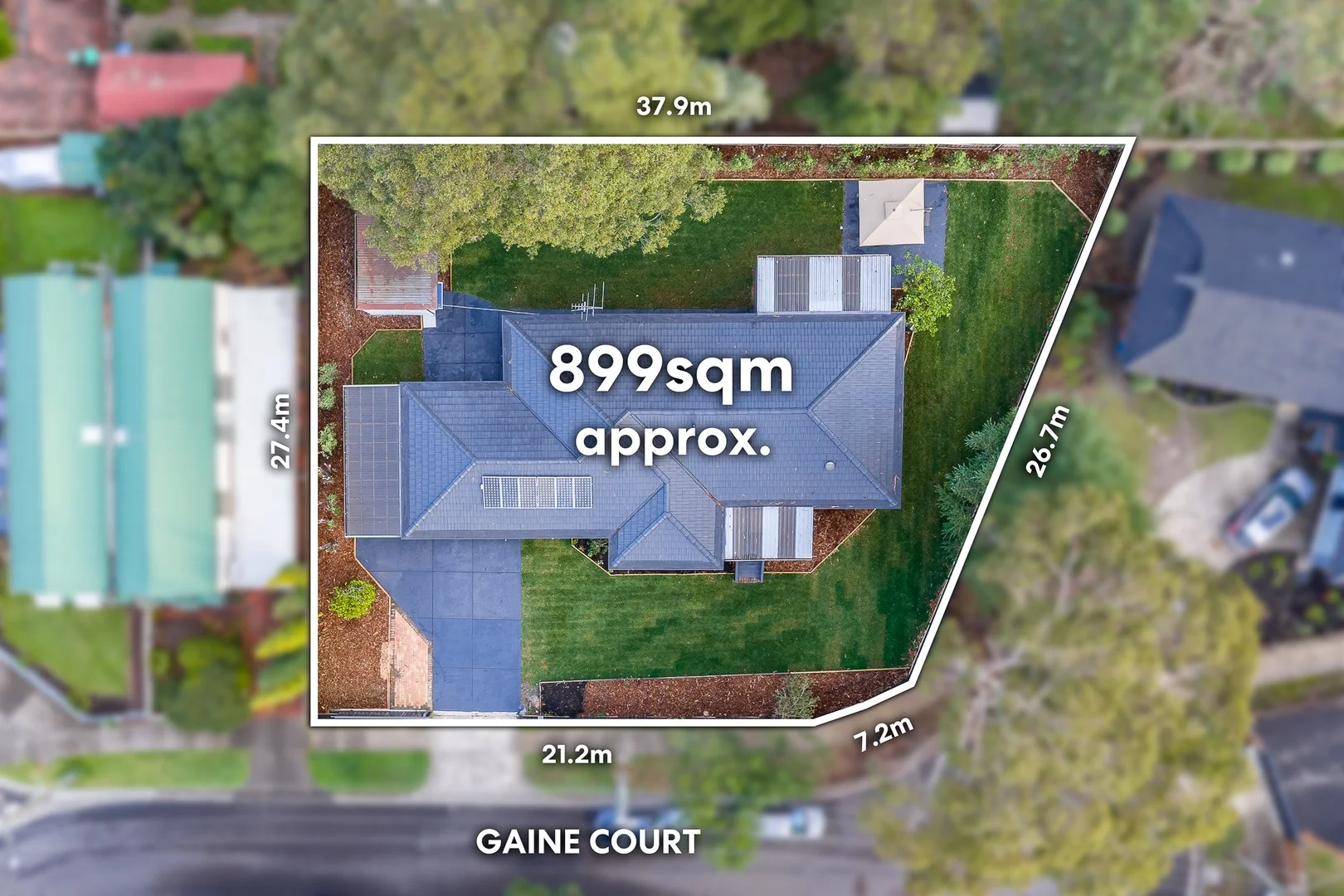 $990,000 - $1,080,000
House
$990,000 - $1,080,000
House
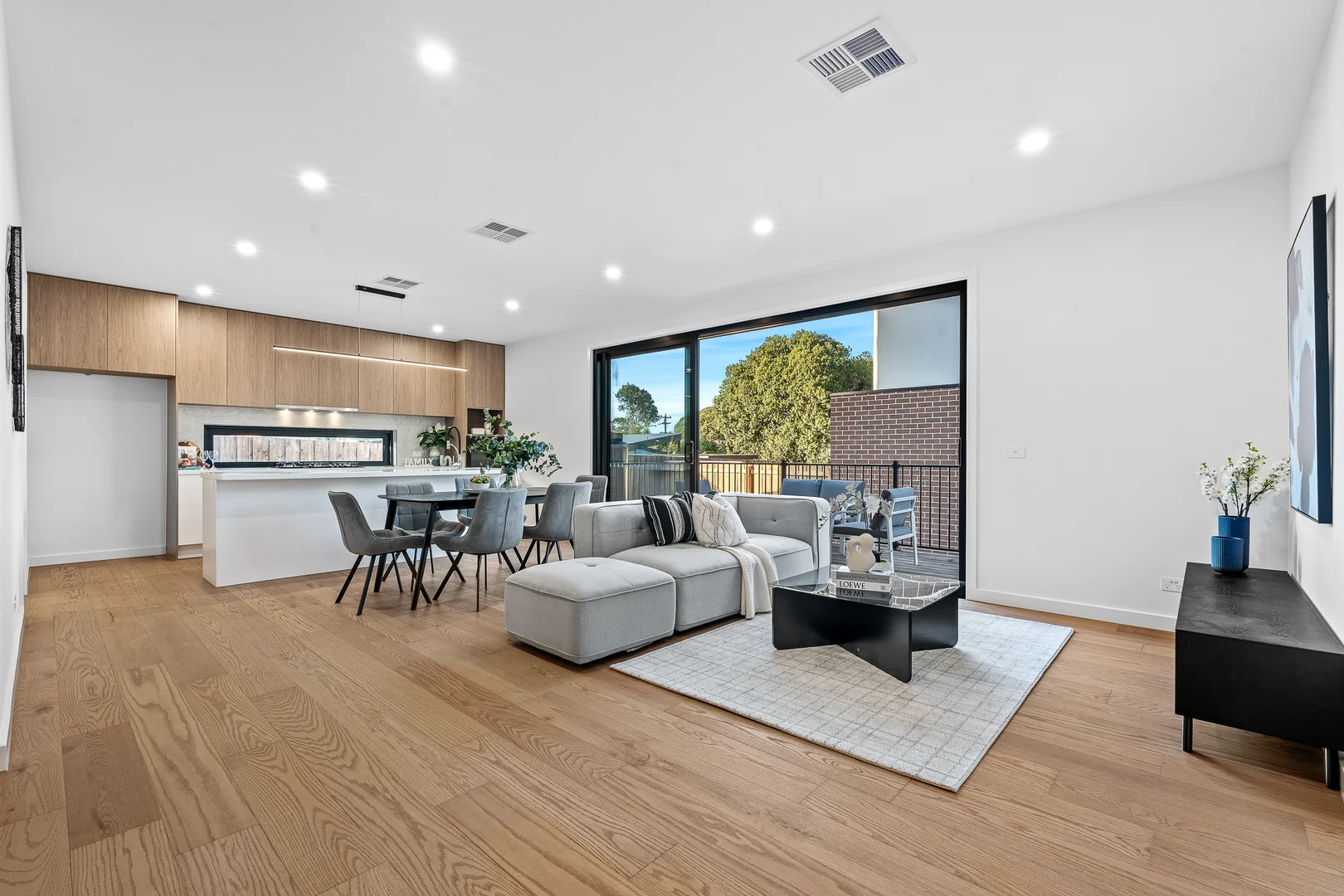 $990,000 - $1,080,000
Townhouse
$990,000 - $1,080,000
Townhouse
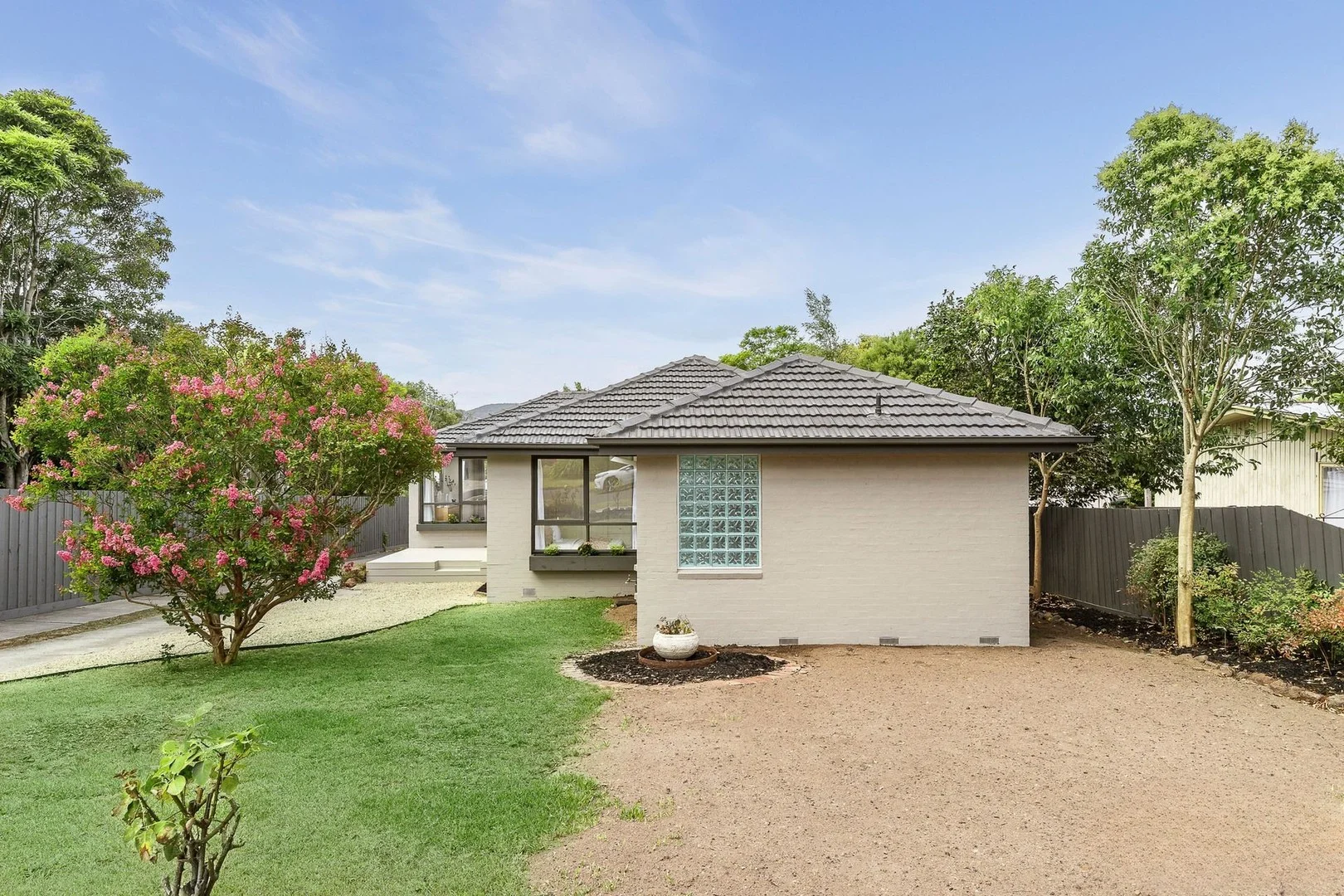 $700
Apartment / Unit / Flat
$700
Apartment / Unit / Flat
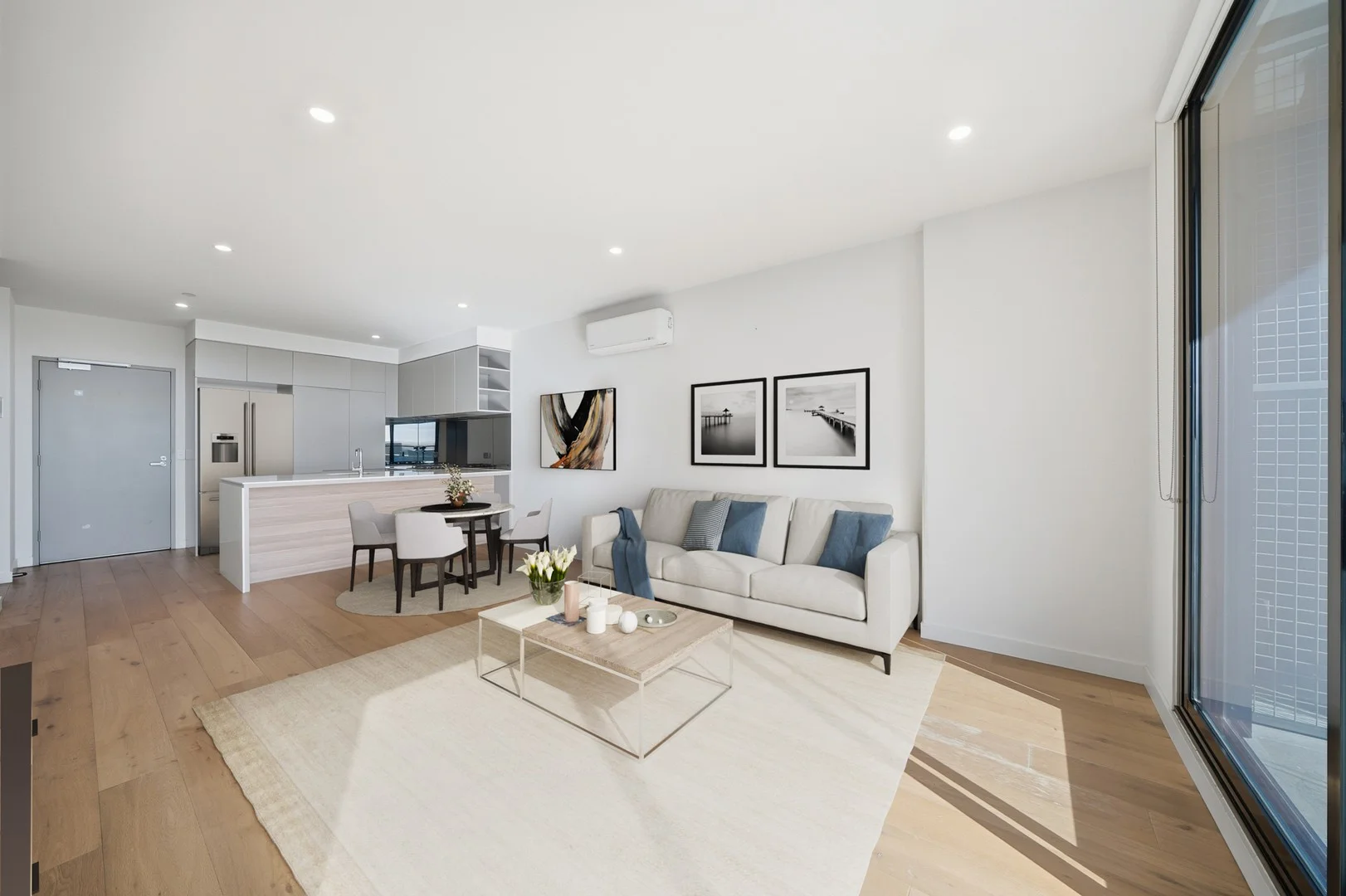 $500,000 - $550,000
Apartment / Unit / Flat
$500,000 - $550,000
Apartment / Unit / Flat
 $1,300,000
House
$1,300,000
House