Overview
## 1. Overview
The Victoria School of Languages Thornbury is a public, government secondary school that focuses on language education for students from across Victoria. It offers a broad range of world languages and emphasises a culturally rich, inclusive learning community. The school is designed to support language development as a core part of the curriculum, while still delivering a well-rounded education.
Size and atmosphere: medium-sized with class sizes typically in the low-to-mid 20s. The environment is generally nurturing, inclusive, and academically focused, with an emphasis on collaboration, curiosity, and cross-cultural learning.
## 2. Academics & Learning
- Academic strengths: strong emphasis on language acquisition and literacy, with multiple world languages offered. The school places value on English literacy as a foundation for academic success and global communication.
- Special programs: specialist language pathways and opportunities for extended study in languages, including options for accelerated language study where available. Exposure to culturally diverse content and international perspectives is a hallmark.
- NAPLAN trends: public data indicate positive trends in literacy (reading and writing) over recent years, with numeracy remaining solid. The school uses targeted literacy/numeracy support to sustain improvements.
- Student-teacher ratios: typically around 1:16 to 1:22, depending on year level and subject load.
- Support for diverse learners: strong EAL (English as an Additional Language) support, inclusive education practices, and access to learning support staff for diverse learning needs.
## 3. Sports & Extracurricular Strengths
- Sports offered: a range of inter-school sports such as basketball, netball, soccer, athletics, and cross-country participation is encouraged.
- Strong teams or achievements: students participate in district and inter-school competitions; there are opportunities to contribute to successful teams and programs.
- Music, arts, drama programs: active music and drama offerings, with ensembles and school productions that integrate language and cultural learning.
- Clubs: robotics, chess, coding, debating, and language-focused clubs provide enrichment beyond the classroom.
- Partnerships: connections with local community groups and cultural organisations support language exchange, competitions, and additional language-related activities.
## 4. Wellbeing & Pastoral Care
- Anti-bullying approach: clear policies and restorative practices are used to maintain a respectful, safe learning environment.
- House system: a house structure helps build community, belonging, and friendly competition.
- Counsellors / wellbeing officers: dedicated wellbeing staff and access to guidance services support students’ social and emotional needs.
- Transition support for new students: orientation programs, buddy systems, and targeted induction activities help new students settle in smoothly.
## 5. Facilities
- Sports grounds: on-site spaces for physical education and outdoor activities.
- Libraries: well-stocked libraries with access to language and literacy resources.
- Science labs: equipped laboratories for practical science learning.
- Music/performing arts centers: facilities for music instruction and performances.
- Tech/innovation labs: ICT and digital learning spaces to support language and cross-curricular projects.
- Cafeteria: on-site dining options for students.
- Updated playgrounds: modern and safe outdoor play/relaxation areas.
## 6. School Values & Community Culture
- School values / mission: a focus on respect, curiosity, inclusivity, and collaboration; language learning as a bridge to global citizenship.
- Leadership style: team-based, with opportunities for student leadership and involvement in school life.
- Behaviour expectations: clear behavioural frameworks built on mutual respect, responsibility, and positive conduct.
- Community reputation: valued for its diverse student body, language strengths, and contribution to intercultural understanding.
- Diversity & inclusion: proactive commitment to diversity, equity, and inclusion in all aspects of school life.
## 7. School Logistics & Daily Operations
- School hours: standard school day with start and end times set by the Department of Education; a typical day includes learning blocks, breaks, and wrap-up periods.
- Before/after school care: information on available care programs is provided by the school or local providers.
- Uniform requirements: school uniform policy in place; specifics provided on enrolment information.
- Transport (train/bus routes): public transport options with guidance on nearby bus/train routes and accessibility.
- Canteen availability: canteen or lunch facilities available, with options typical of Australian public schools.
- Fees (low/medium/high ranges): as a public school, core education is government-funded; there may be voluntary contributions, levies for materials, and optional extra-curricular costs.
## 8. Enrolment & Admissions
11. What is the enrolment process and timeline?
- Check eligibility through the Department of Education enrolment pages or the school’s admissions information.
- Complete the online application or formal enrolment form during the designated intake period.
- Submit required documents (e.g., birth details, immunisation status, proof of residence, any language background information).
- If applying for specific language pathways or programs, there may be additional steps (informational sessions, meeting with staff).
- The timeline varies by intake year (e.g., Year 7 entry) and by year; deadlines are published by the school or the Department of Education.
12. Is there a waiting list, and how does it work?
- Waiting lists can exist when year levels reach capacity. If on a waitlist, families are informed of expected timelines and the process for potential offers as places become available.
- Offers are typically made in line with Department policies and the school’s enrolment priorities.
13. Are there any entry requirements, tests, or interviews?
- For general enrolment, there are no compulsory entrance tests for most programs.
- Some language pathways or specialised programs may involve an information session or brief interview to assess suitability and placement, but this varies by year level and program.
14. Does the school accept mid-year transfers?
- Mid-year transfers are possible if places are available. Families interested in mid-year transfers should contact the school early to review space, placement, and any required documentation.
## 9. Frequently Asked Questions
- Why Parents Choose This School?
- A public, language-focused environment with diverse peers, strong language programs, and a culture of inclusion and academic opportunity.
- What type of student thrives at this school?
- Students with an interest in languages, curiosity about other cultures, collaborative learners, and those who respond well to a multilingual, global-minded approach.
- What opportunities are available for students to extend their skills (academics, sports, arts)?
- Extended language study, language clubs, cultural events, international and exchange opportunities where available; participation in sports, arts, drama, and debate through school programs.
- How does the school communicate with parents?
- Through newsletters, parent portals, emails, phone contact, parent-teacher meetings, and annual reporting; information is provided in accessible formats.
- What is the school’s approach to teaching and learning?
- Student-centered, language-rich, academically rigorous, with a focus on literacy, cultural understanding, and varied assessment methods to capture progress.
- How does the school support students who need extra academic help?
- EAL support, targeted literacy and numeracy assistance, learning support staff, and opportunities for small-group or one-on-one tutoring where needed.
- What support is available for academic challenges?
- Early identification processes, IEPs or equivalent plans where required, accommodations for assessments, and individualized guidance from teachers and support staff.
- How does the school communicate with parents? (reiterated)
- See above: multiple channels including portals, newsletters, meetings, and direct contact from teachers.
- What are the class sizes and how much individual attention do students receive?
- Class sizes typically range from around 18 to 22 students, with teacher-led instruction and opportunities for small-group or targeted support within the school day.
- What extracurricular and sports opportunities are available?
- Sports such as basketball, netball, soccer, athletics; music and drama programs; clubs like robotics, chess, coding, and debating; plus language-related activities and events.
- What facilities does the school offer (sports, science, arts)?
- Sports grounds, libraries, science laboratories, music/performing arts spaces, technology/innovation labs, canteen, and updated outdoor facilities.
- What is the school’s approach to technology and digital learning?
- Integration of ICT across the curriculum, digital learning platforms, and opportunities for students to engage with technology to support language and interdisciplinary learning.
- What transport and accessibility options are available?
- Access to public transport options (bus/train routes nearby), accessibility considerations, and information about travel planning and routes for families.
- What are the typical school fees or additional costs?
- Core public education is government-funded; there may be voluntary contributions, levies for materials, and optional costs for excursions or extra activities.
## 10. Short Pros & Cons list
- Pros
- Strong focus on language learning within a public school framework
- Diverse and inclusive student community
- Wide range of language options and cultural experiences
- Supportive wellbeing and transition programs
- Access to specialized facilities for science, arts, and technology
- Cons
- As a language-focused program, language emphasis may be most prominent; other subjects remain important but may feel secondary to language pathways for some students
- Availability of certain extracurriculars or advanced language tracks can vary by year level and student demand
- Transport and commuting considerations for families outside the immediate Thornbury area
If you’d like, I can tailor this further with more precise details from the school’s current enrolment materials or the Department of Education’s published data.











 $1,250,000
Apartment / Unit / Flat
$1,250,000
Apartment / Unit / Flat
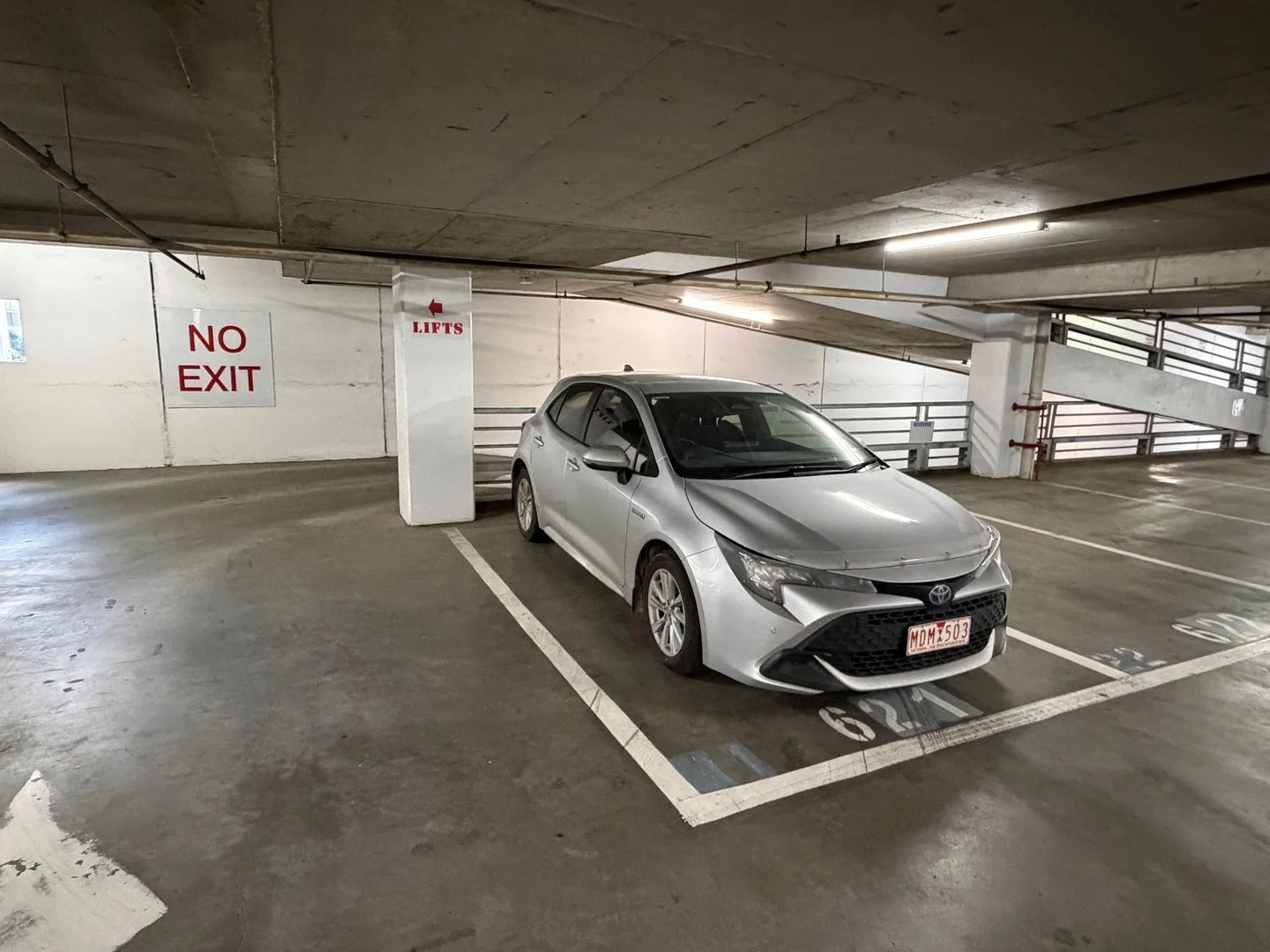 $27,500
propertyType.CAR SPACE
$27,500
propertyType.CAR SPACE
 $1,220,000 - $1,320,000
House
$1,220,000 - $1,320,000
House
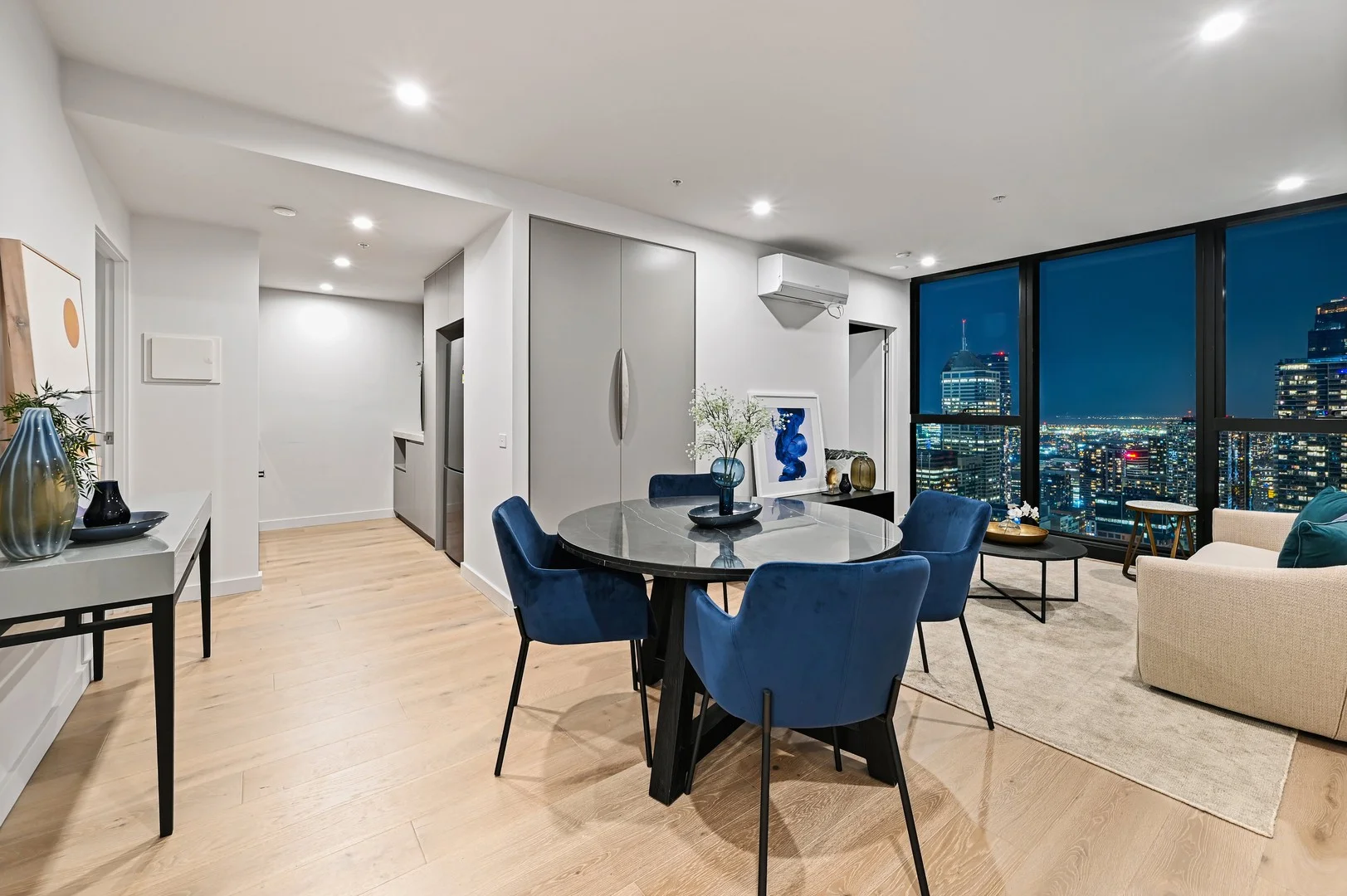 $943,000
propertyType.NEW APARTMENTS / OFF THE PLAN
$943,000
propertyType.NEW APARTMENTS / OFF THE PLAN
 $2,008,000
propertyType.NEW APARTMENTS / OFF THE PLAN
$2,008,000
propertyType.NEW APARTMENTS / OFF THE PLAN
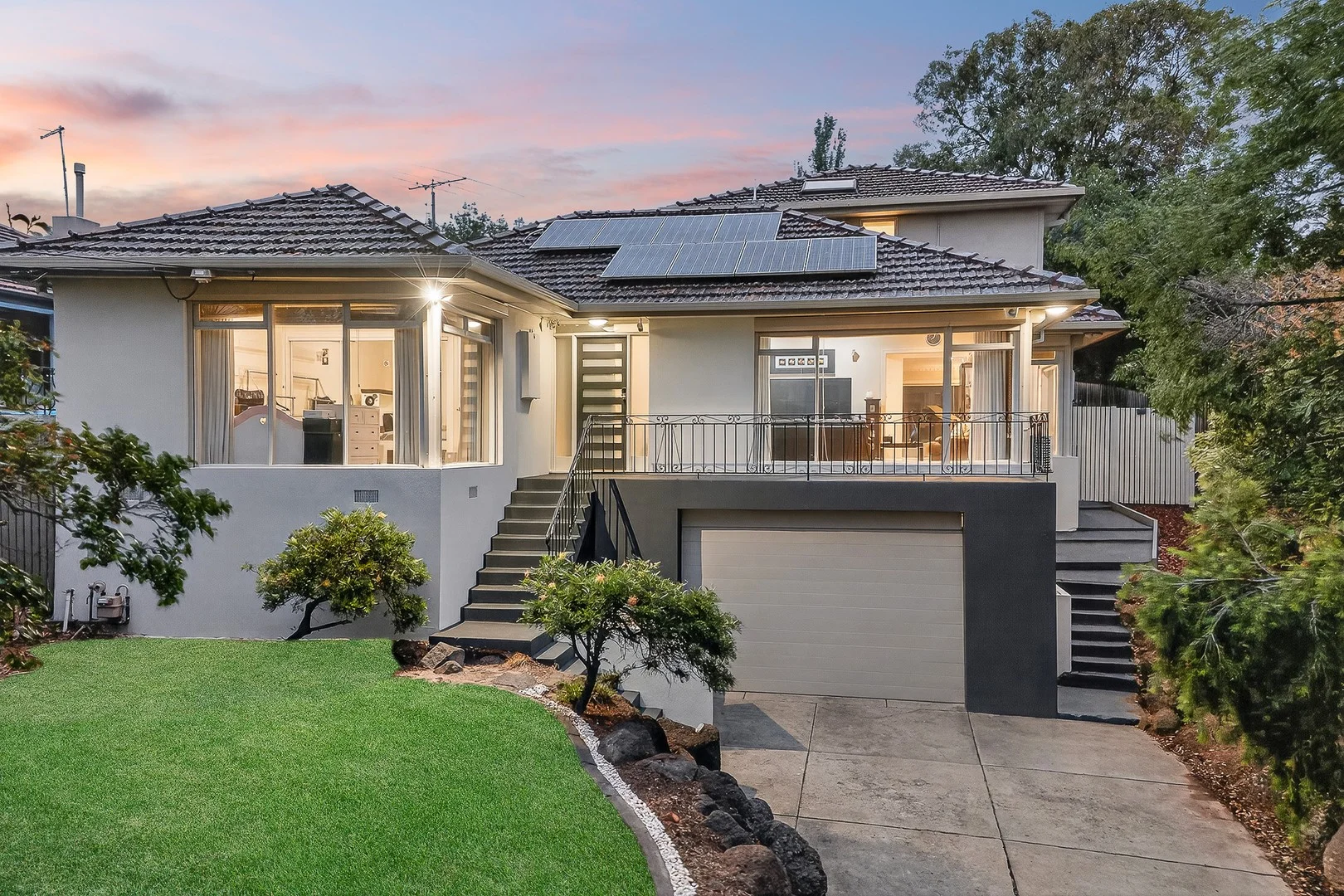 $1,350,000 - $1,450,000
House
$1,350,000 - $1,450,000
House
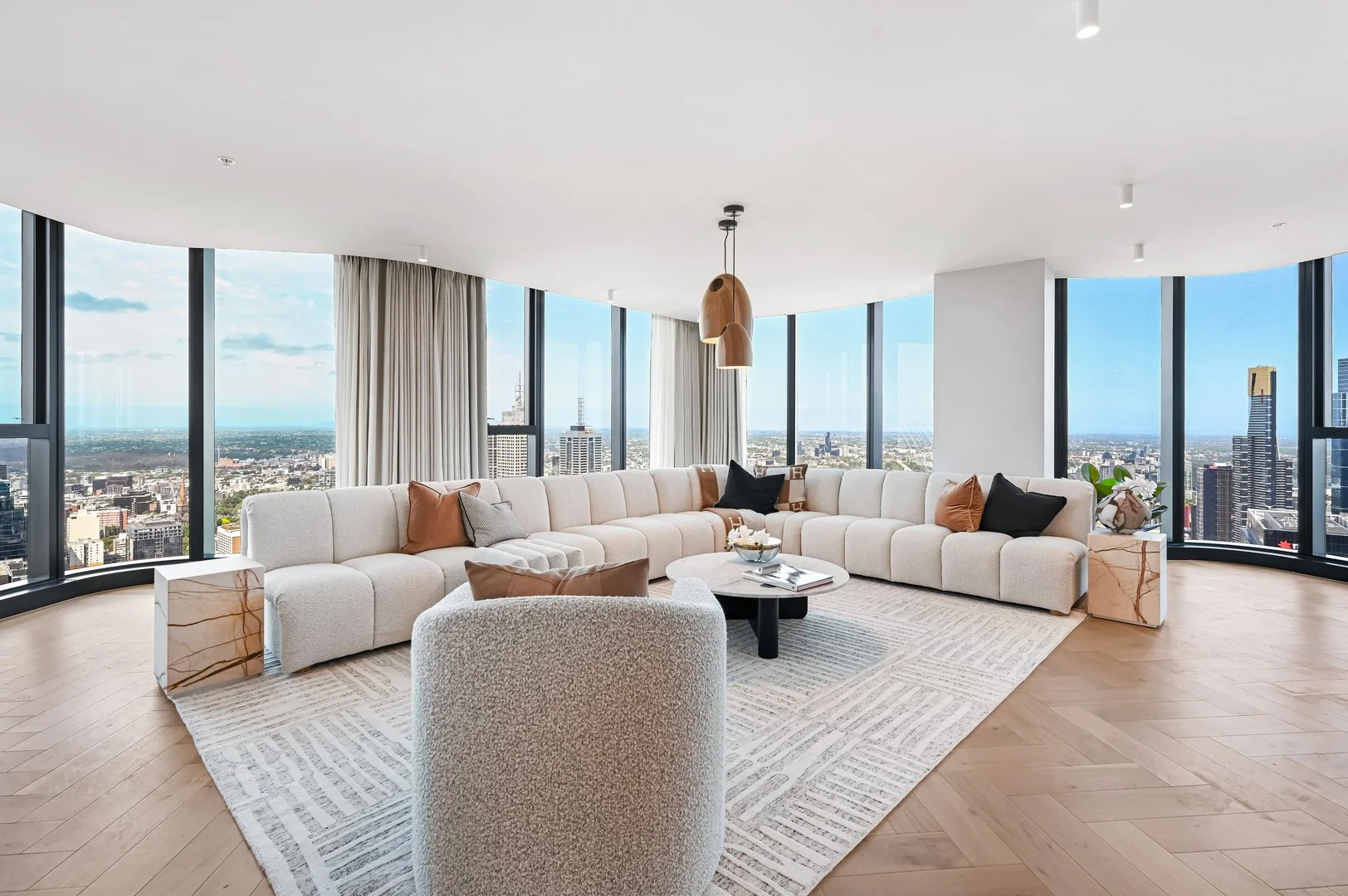 $5,512,000
propertyType.NEW APARTMENTS / OFF THE PLAN
$5,512,000
propertyType.NEW APARTMENTS / OFF THE PLAN
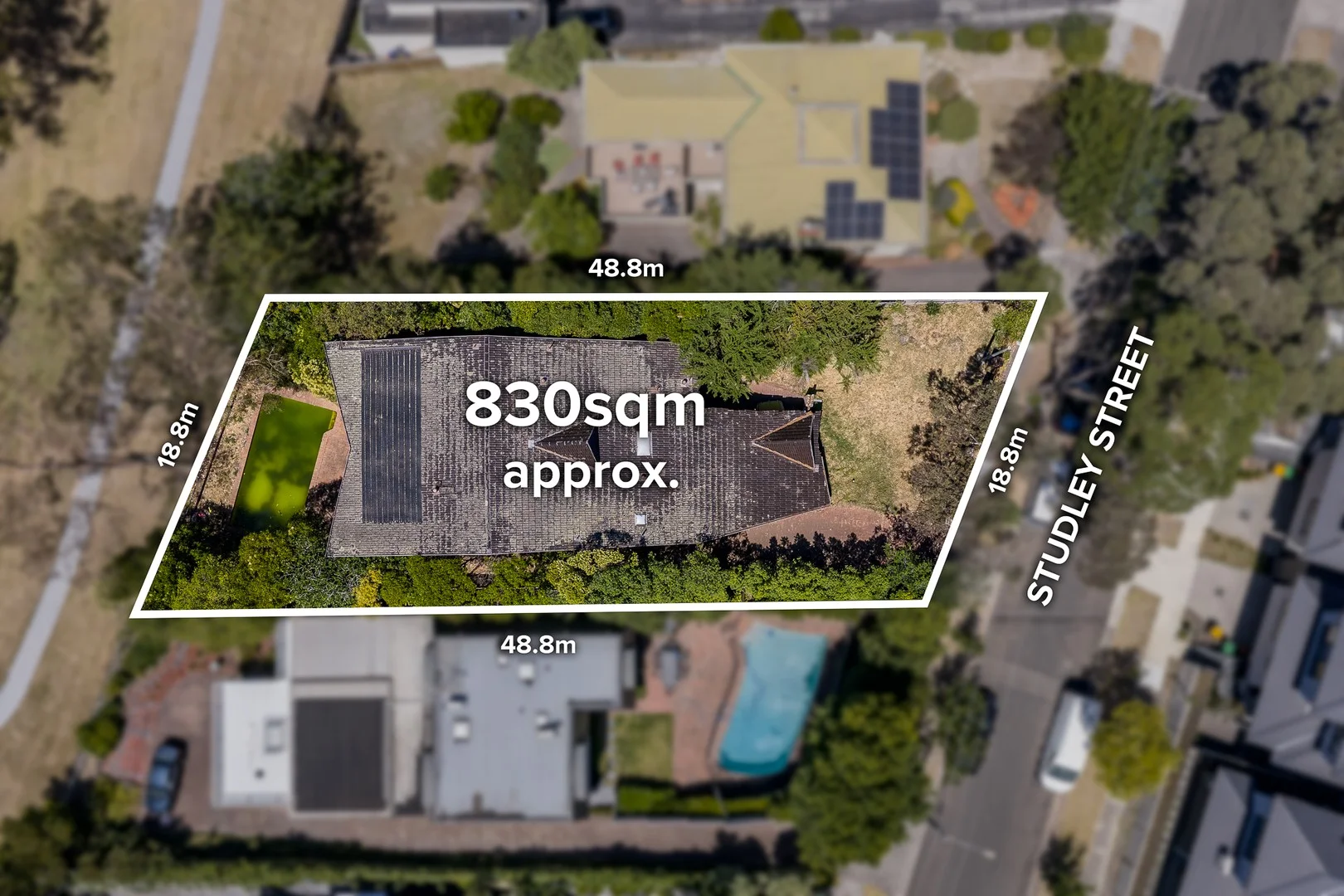 $1,400,000 - $1,500,000
House
$1,400,000 - $1,500,000
House
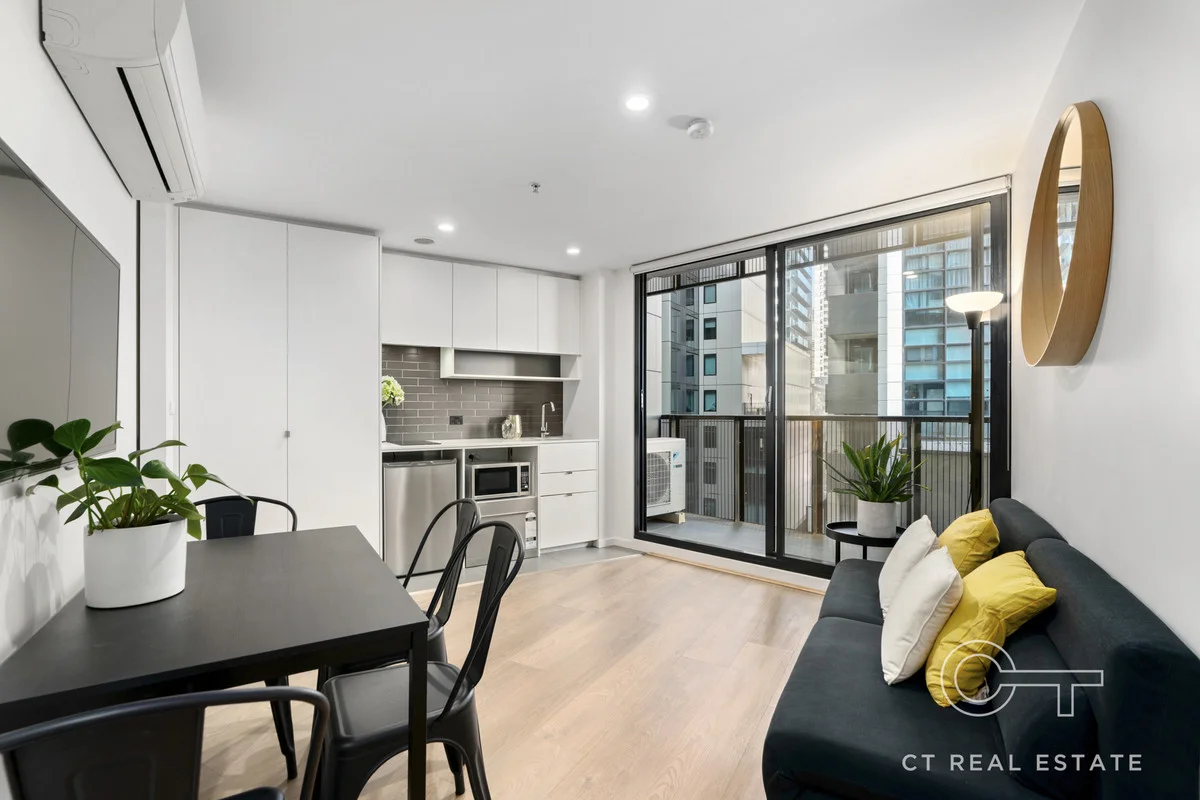 $360,000
Apartment / Unit / Flat
$360,000
Apartment / Unit / Flat