## 1. Overview
Watsonia Heights Primary School is a public, co-educational primary school serving families in the Greensborough area. As a mid-sized government school, it aims to provide a welcoming, inclusive learning environment where students can build strong foundations in literacy, numeracy and broader essential skills.
The school fosters a nurturing, supportive culture with emphasis on belonging, respect and community involvement. Classrooms are designed to be engaging and collaborative, helping students grow confidence, curiosity and resilience.
## 2. Academics & Learning
- Academic strengths: Focus on literacy and numeracy with opportunities to develop STEM thinking, language learning and leadership skills through integrated programs.
- Special programs: Gifted and talented extension opportunities and targeted learning support are offered to cater to diverse learner needs.
- NAPLAN / trends: The school tracks NAPLAN progress over time and uses data to guide teaching practices and targeted interventions to lift student outcomes.
- Student-teacher ratios: Typical class sizes and supports aim for a favorable student-teacher ratio (roughly in the low- to mid-20s per class, with additional teacher aide support where needed).
- Support for diverse learners: Strong EAL (English as an Additional Language) support and SEN (special educational needs) programs to help students access the curriculum and reach their potential.
## 3. Sports & Extracurricular Strengths
- Sports offered: A range of sports including team and individual activities; emphasis on participation, fitness and teamwork.
- Strong teams or achievements: School participation in inter-school events and district competitions helps develop teamwork and school spirit.
- Music, arts, drama programs: Active programs to develop musicality, creative performance and visual arts.
- Clubs: Robotics, coding, chess and debating are available to extend thinking, problem-solving and communication skills.
- Partnerships: Collaboration with local clubs, community groups and regional competitions to broaden opportunities outside the classroom.
## 4. Wellbeing & Pastoral Care
- Anti-bullying approach: Whole-school wellbeing programs and clear anti-bullying strategies promote a respectful and safe learning environment.
- House system: A house-based framework helps build belonging, healthy competition and leadership opportunities (where applicable).
- Counsellors / wellbeing officers: Access to wellbeing staff and support personnel to assist students with social, emotional and behavioural needs.
- Transition support for new students: Structured transitions for Prep and mid-year entrants to help students settle in quickly and feel confident.
## 5. Facilities
- Sports grounds: Onsite outdoor spaces designed for active learning and physical education.
- Libraries: A library resource centre supports reading, research and collaboration.
- Science labs: Dedicated spaces for practical science activities and experiments.
- Music/performing arts centers: Facilities to support music, drama and performances.
- Tech/innovation labs: ICT and hands-on technology spaces for coding, robotics and creative projects.
- Cafeteria: On-site canteen or approved arrangements to provide healthy meal and snack options.
- Updated playgrounds: Modern, age-appropriate playareas for recreation and physical development.
## 6. School Values & Community Culture
- School values / mission: Focus on respect, responsibility, resilience and teamwork as guiding principles.
- Leadership style: Opportunities for student leadership and input into school life, with a collaborative approach between staff, students and families.
- Behaviour expectations: Clear, consistently applied expectations that support a positive and safe learning environment.
- Community reputation: A welcoming school community with strong family involvement and ongoing communication.
- Diversity & inclusion: Commitment to inclusivity and celebrating diverse backgrounds within the school community.
## 7. School Logistics & Daily Operations
- School hours: Typically a daytime schedule aligned with state education timetables (start and finish times published by the school each year).
- Before/after school care: Availability of approved providers or partnerships for before and after school care.
- Uniform requirements: School uniform is standard; specifics are outlined by the school and Department of Education policy.
- Transport: Access via local bus routes and proximity to public transport; details on drop-off/pick-up arrangements are provided by the school.
- Canteen availability: Canteen or canteen services operate on designated days.
- Fees: Voluntary contributions and charges for materials, excursions and activities; overall costs are kept reasonable and are communicated to families.
## 8. Enrolment & Admissions
11. What is the enrolment process and timeline?
- Applications are typically submitted through the Department of Education’s processes for Victorian government schools. Prep enrolments have annual intake windows, with orientation or information sessions held for new families. Check the school’s current calendar for deadlines and steps.
12. Is there a waiting list, and how does it work?
- Waiting lists can occur, particularly for popular intakes. The school and DET allocate placements according to published priorities (e.g., catchment boundaries, sibling attendance) and denominated timelines.
13. Are there any entry requirements, tests, or interviews?
- Public primary schools in Victoria usually do not require entrance tests. Some placements may involve a brief discussion or meeting with families to support a smooth transition, but there is no formal academic testing as part of the enrolment.
14. Does the school accept mid-year transfers?
- Mid-year transfers are possible but must align with DET policies and placement availability. Families interested in a mid-year move should contact the school early to discuss options and required documentation.
## 9. Frequently Ask Questions
- “Why Parents Choose This School?”
- A welcoming, inclusive community with strong learning programs, supportive staff and a focus on student wellbeing and belonging.
- “What type of student thrives at this school?”
- Curious, collaborative and motivated learners who respond well to a supportive, structured environment with opportunities to explore academics, arts and sport.
- “What opportunities are available for students to extend their skills (academics, sports, arts)?”
- Extension and enrichment in literacy, numeracy and STEM; clubs in robotics, coding, chess and debating; music and drama programs; inter-school and local competitions.
- “How does the school communicate with parents?”
- Regular updates via newsletters, emails and a school app or portal; parent-teacher meetings and proactive communication about student progress and events.
- “What is the school’s approach to teaching and learning?”
- Student-centered, evidence-based teaching with differentiation to meet diverse needs; emphasis on literacy, numeracy and critical thinking through inquiry-based learning.
- “How does the school support students who need extra academic help?”
- Targeted interventions, small-group supports and EAL/SEN assistance to help students access the curriculum and improve outcomes.
- “What support is available for academic challenges?”
- Access to learning support staff, specialists and pastoral care to address academic and personal challenges as they arise.
- “How does the school communicate with parents?” (reiterated)
- See above: regular channels for timely and transparent information.
- “What are the class sizes and how much individual attention do students receive?”
- Class sizes are designed to be conducive to learning, with approximately 20–25 students per class and teacher aides or specialist support where needed to increase individual attention.
- “What extracurricular and sports opportunities are available?”
- A broad range of sport, music, arts and clubs such as robotics, coding, chess and debating, plus opportunities to participate in district and inter-school events.
- “What facilities does the school offer (sports, science, arts)?”
- Well-equipped facilities including sports grounds, library, science labs, performing arts spaces, technology and innovation labs, and an on-site canteen.
- “What is the school’s approach to technology and digital learning?”
- Technology is integrated to enhance learning with ICT resources, digital literacy activities and appropriate devices used to support curriculum goals.
- “What transport and accessibility options are available?”
- Proximity to public transport and local bus routes; clear drop-off/pick-up procedures and accessible facilities where applicable.
- “What are the typical school fees or additional costs?”
- There are voluntary contributions and charges for materials, excursions and optional activities; families are informed in advance about any costs.
## 10. Short Pros & Cons list
- Pros
- Public, community-focused school with inclusive culture
- Strong literacy and numeracy focus plus STEM opportunities
- Wide range of extracurriculars and clubs
- Support for diverse learners and wellbeing programs
- Modern facilities and active learning spaces
- Cons
- Class sizes can vary and may be larger in some year levels
- Some programs or clubs may have limited places and require early sign-up
- Annual costs for materials, excursions and optional activities can add up
- Transport options depend on local routes and may require planning for some families
 Free
Free












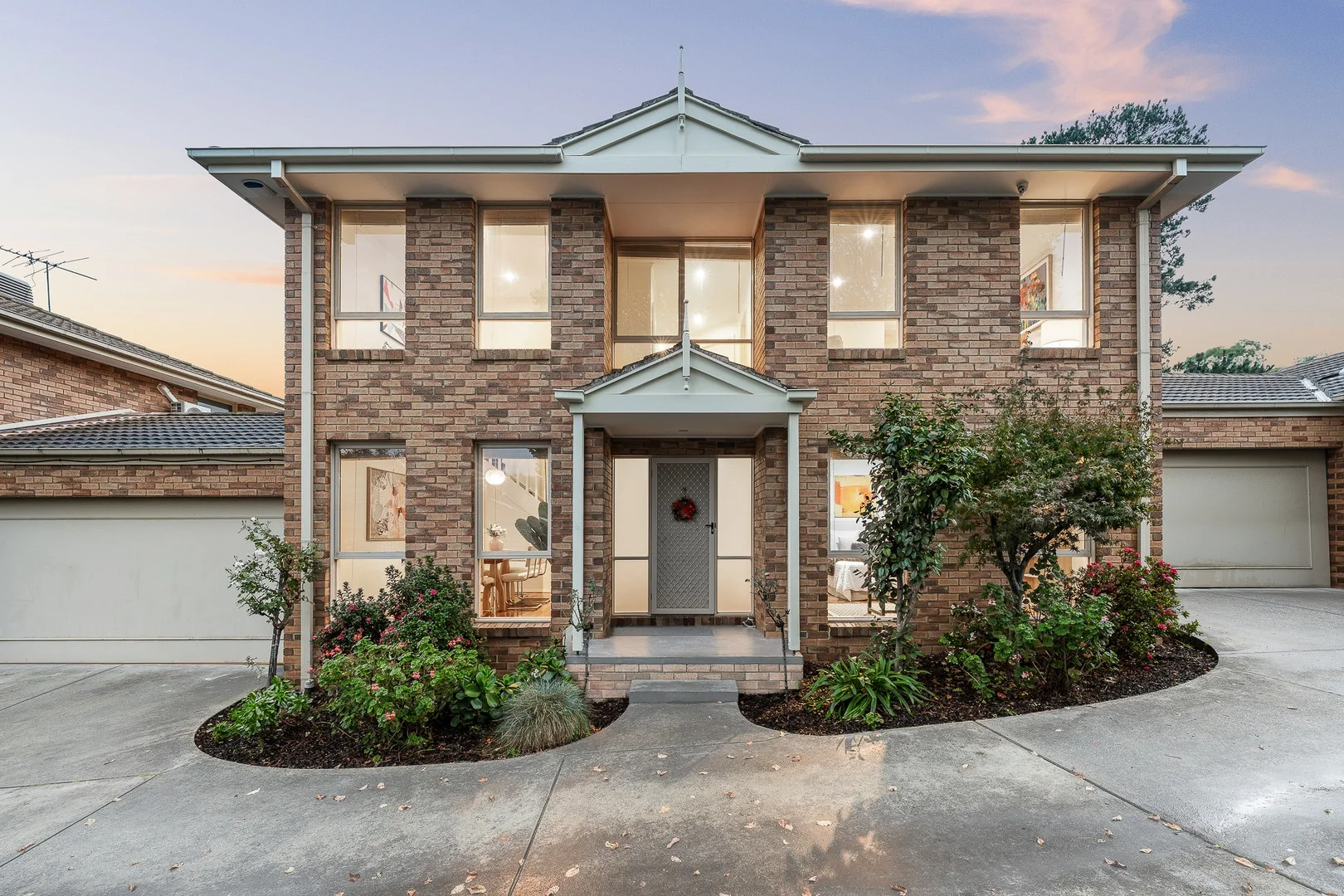
 $1,220,000 - $1,320,000
House
$1,220,000 - $1,320,000
House
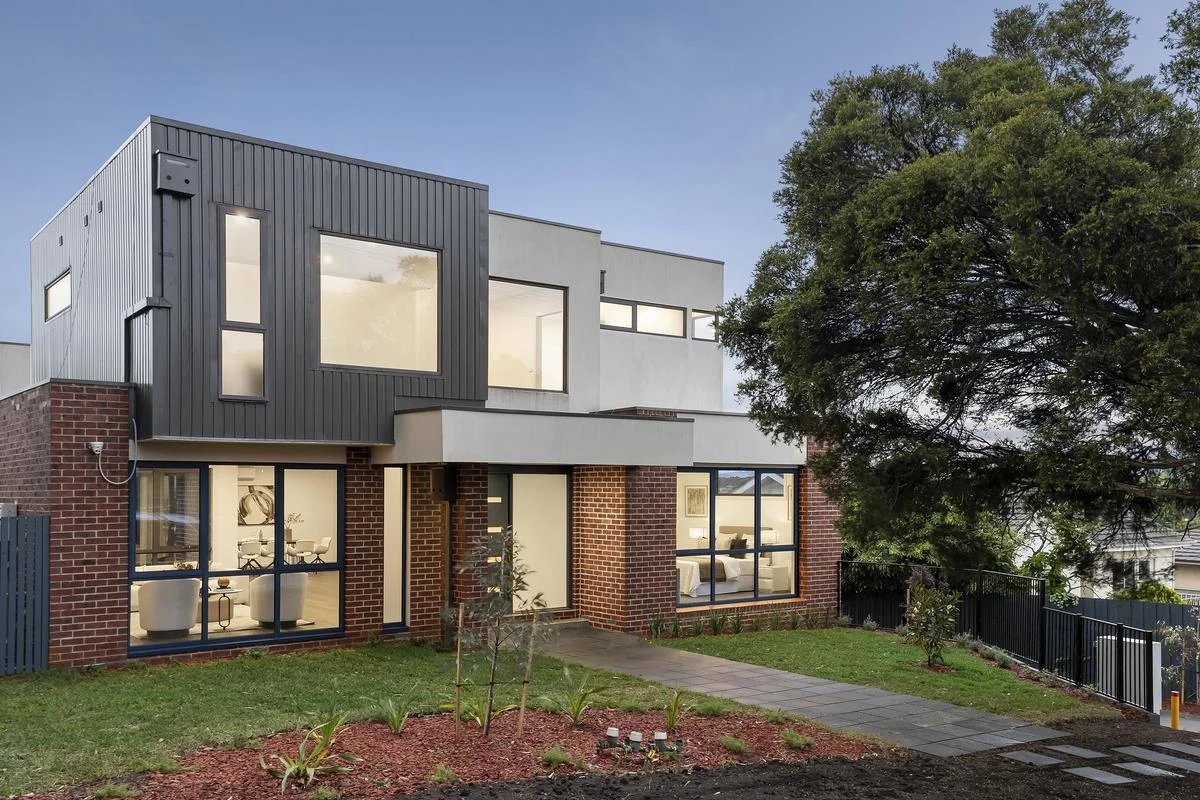
 $950,000 - $1,045,000
Apartment / Unit / Flat
$950,000 - $1,045,000
Apartment / Unit / Flat
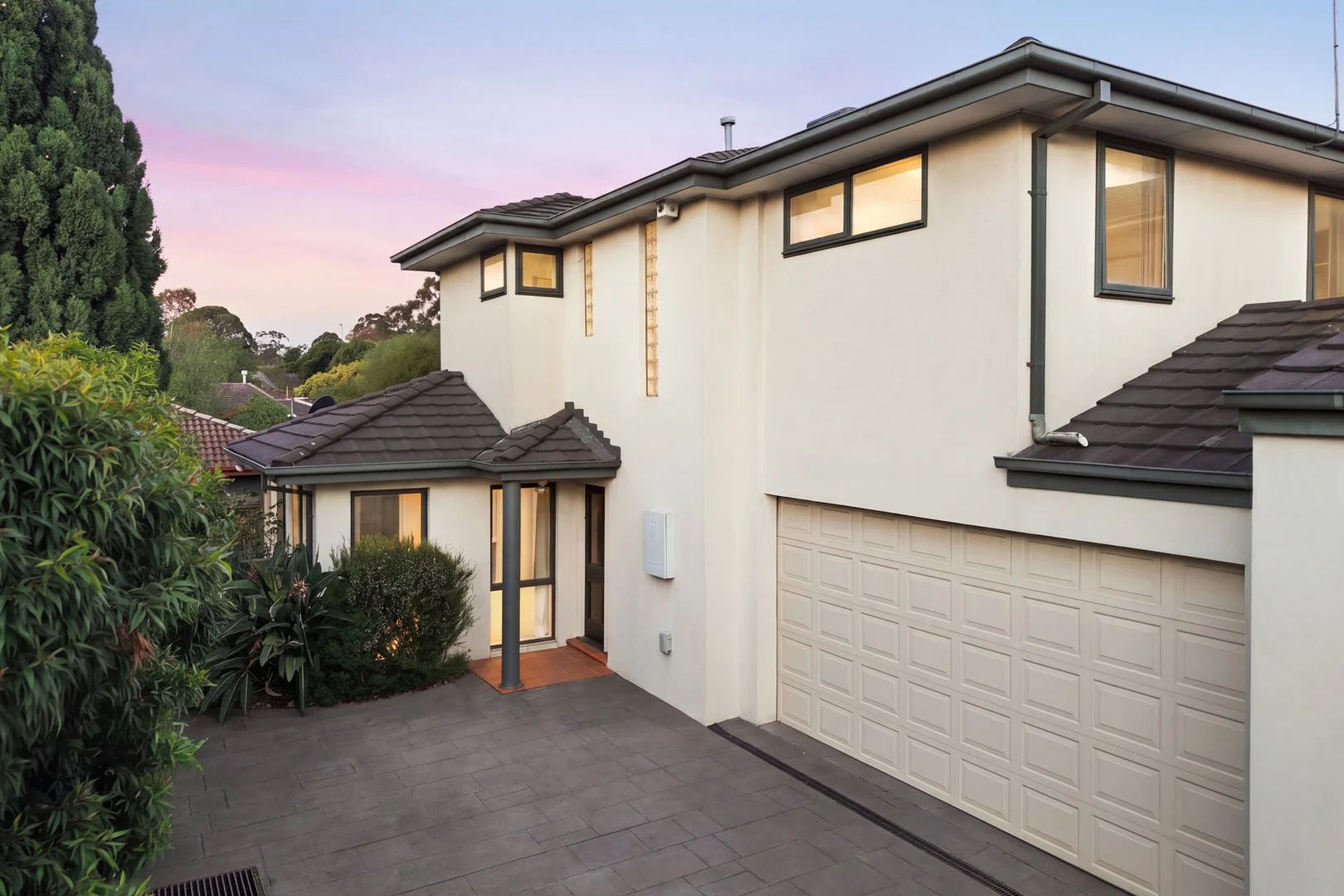
 $1,550,000 - $1,650,000
Townhouse
$1,550,000 - $1,650,000
Townhouse
 $900,000 - $990,000
Townhouse
$900,000 - $990,000
Townhouse
 $920,000
Townhouse
$920,000
Townhouse
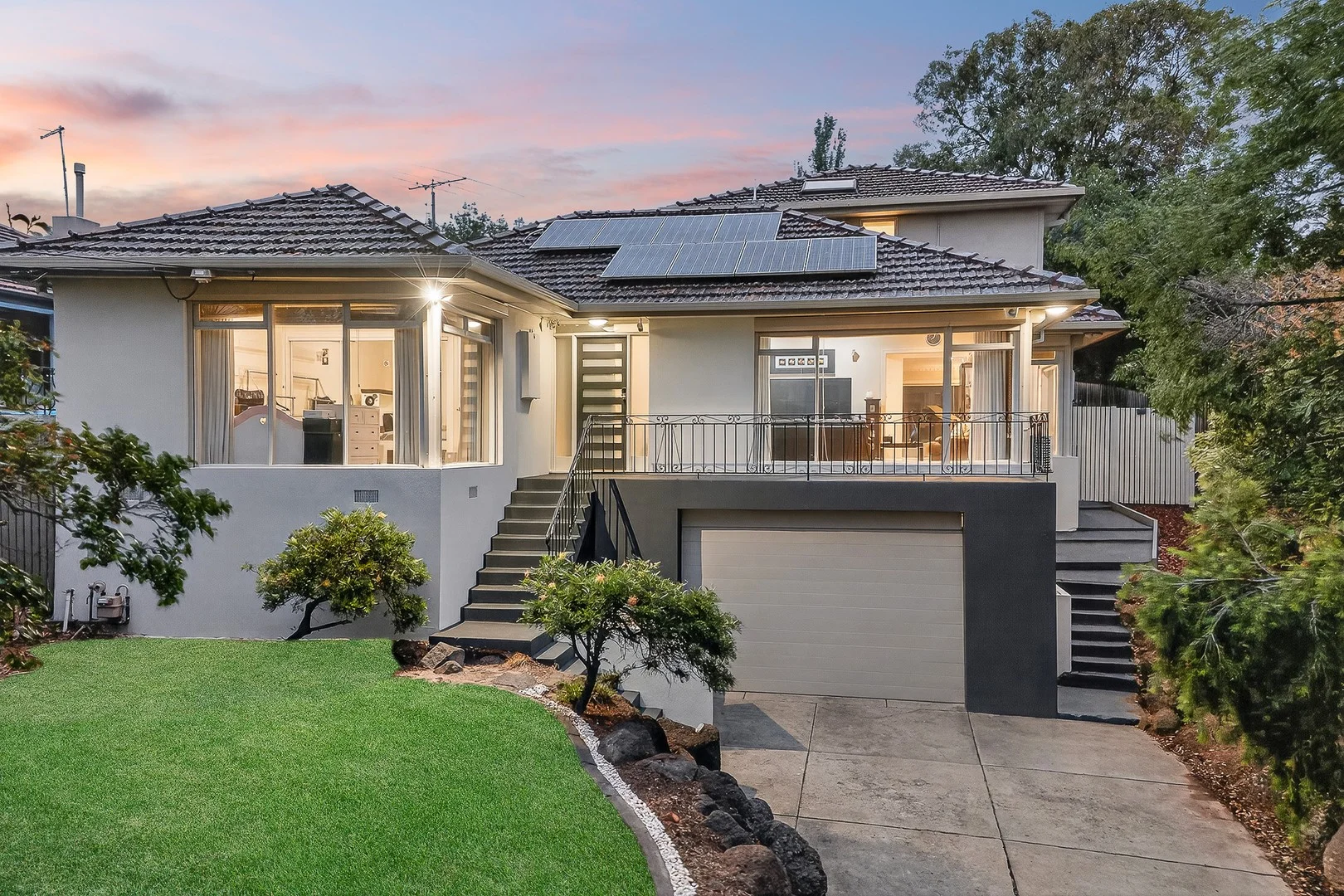 $1,350,000 - $1,450,000
House
$1,350,000 - $1,450,000
House
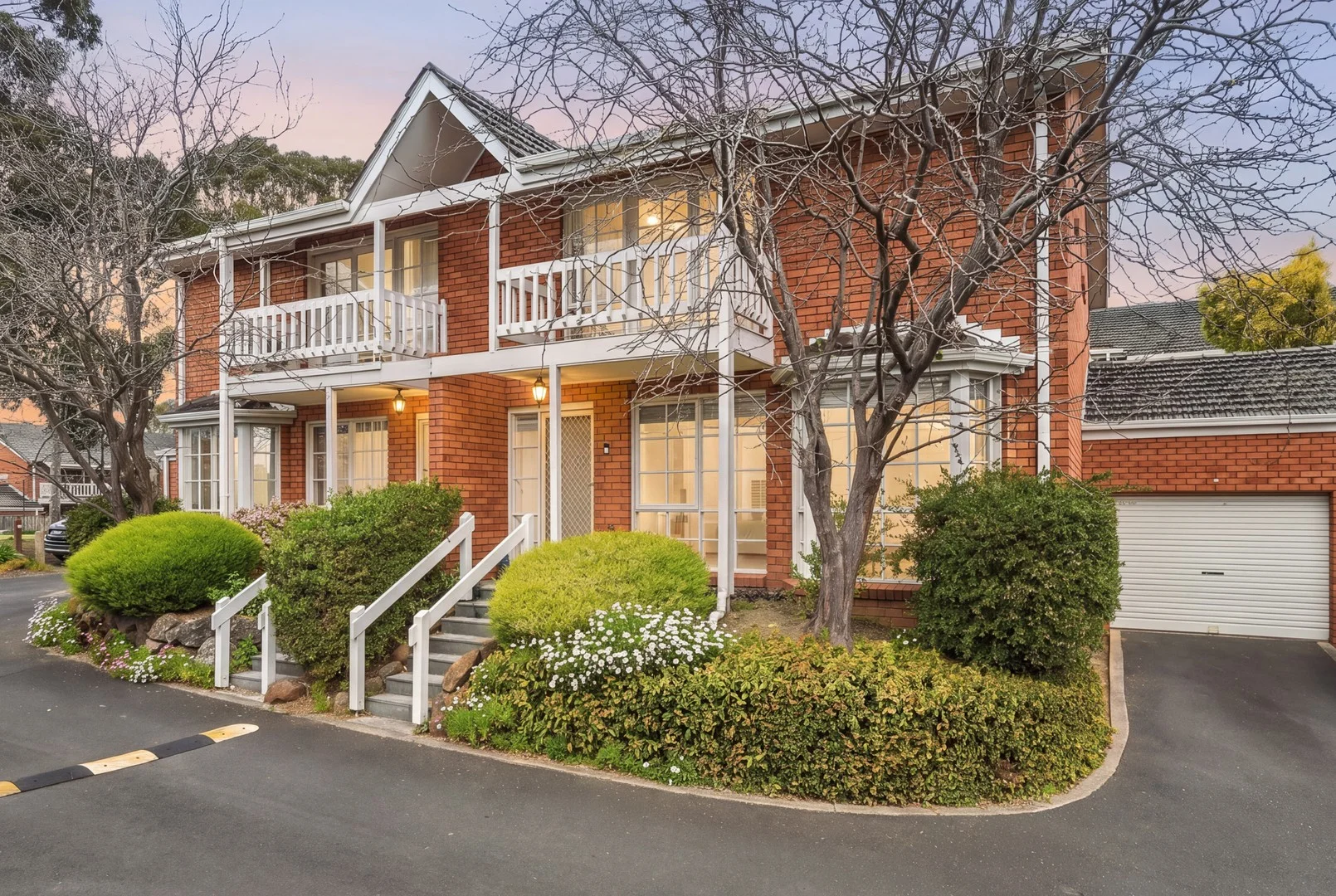 $795,000
Apartment / Unit / Flat
$795,000
Apartment / Unit / Flat
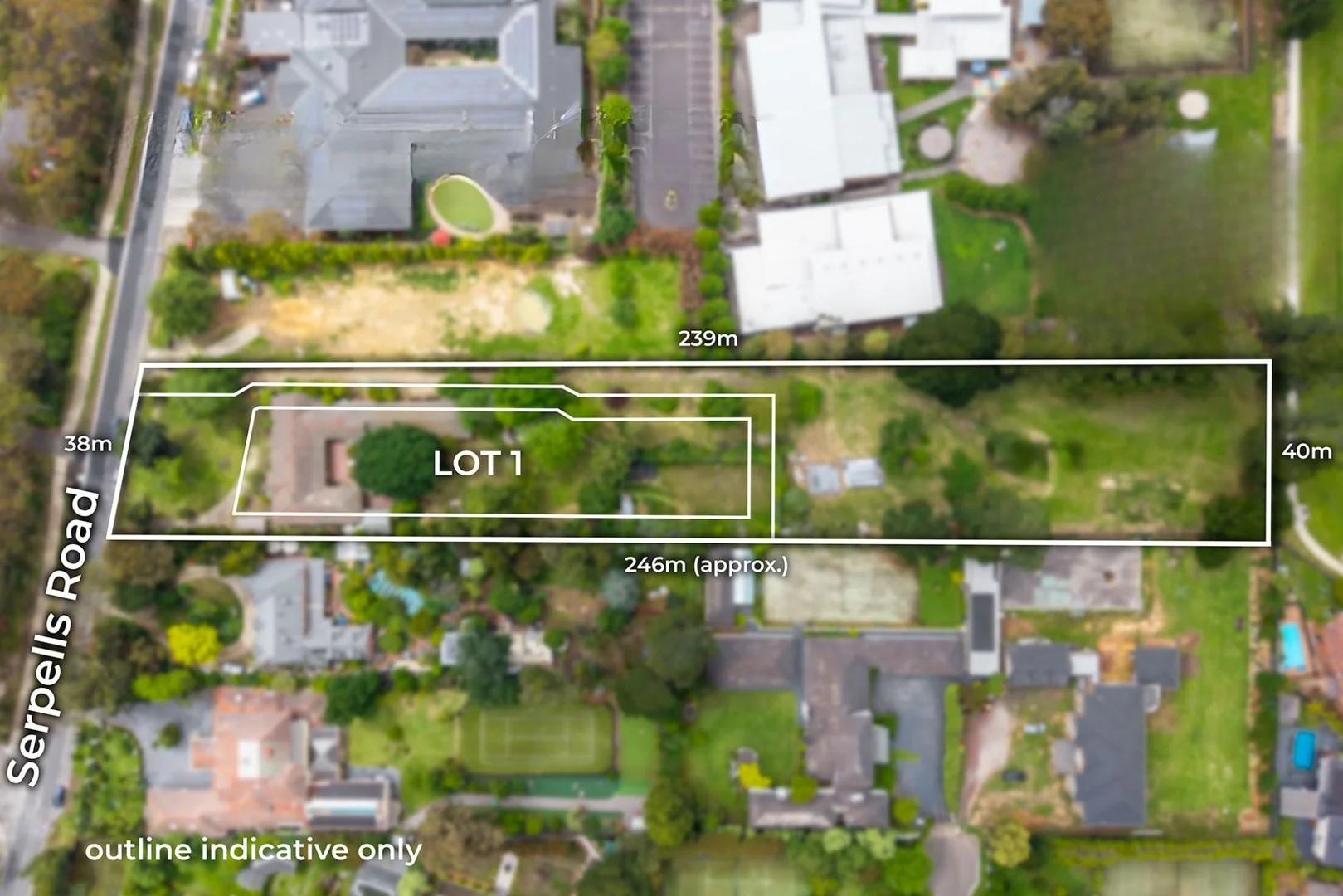 $5,600,000
House
$5,600,000
House
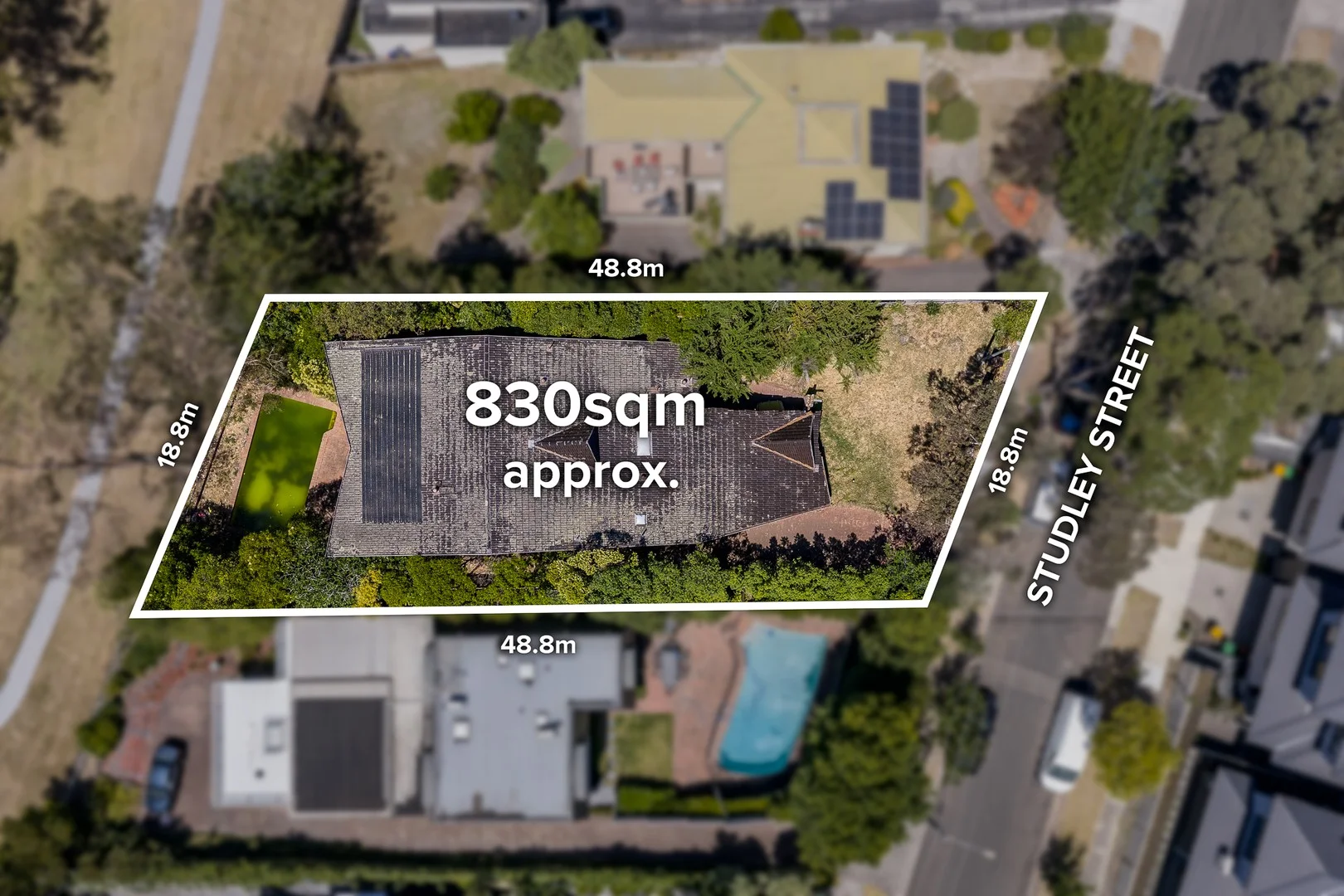 $1,400,000 - $1,500,000
House
$1,400,000 - $1,500,000
House


