Overview
## Overview
Westbourne College is a private independent school in Sydney’s Ultimo area, offering a comprehensive education that emphasises holistic development alongside strong academics. The school aims to prepare students for further study and life beyond school through a balanced program that values inquiry, responsibility, and community involvement.
The school tends to be medium to large in size with class sizes typically in the low to mid-20s. The atmosphere is generally described as academic and inclusive, with a nurturing culture that supports personal growth, resilience, and teamwork.
⸻
## Academics & Learning
- Academic strengths: Strong emphasis on STEM and English, with leadership development and language studies woven into the curriculum.
- Special programs: Accelerated learning options and gifted/talented programs to challenge capable students.
- NAPLAN trends: The school tracks NAPLAN progress over time and focuses on continuous improvement through targeted teaching strategies.
- Student-teacher ratios: Small to medium class sizes designed to foster personalised feedback and support.
- Support for diverse learners: Dedicated support for EAL learners and students with SEN, with differentiated instruction and targeted intervention when needed.
⸻
## Sports & Extracurricular Strengths
- Sports offered: A broad range of team and individual sports (e.g., soccer, basketball, swimming, athletics, and other school-level activities).
- Strong teams or achievements: Regular participation in local competitions with opportunities to contribute to school-level championship runs.
- Music, arts, drama programs: Active music ensembles, drama productions, and performing arts opportunities throughout the year.
- Clubs: Robotics, chess, coding, debating, and other interest-based clubs to develop skills beyond the classroom.
- Partnerships: Connections with local clubs and competitions to broaden experiences (e.g., regional leagues and coding/tech events).
⸻
## Wellbeing & Pastoral Care
- Anti-bullying approach: Proactive policies and programs to promote respectful behaviour and a safe school environment.
- House system: A house structure to encourage belonging, mentoring, and healthy competition across year groups.
- Counsellors / wellbeing officers: Access to qualified staff focused on student wellbeing, mental health, and resilience.
- Transition support: Structured onboarding for new students, including orientation activities and mentoring to ease transitions between year levels.
⸻
## Facilities
- Sports grounds: On-site fields and courts supporting physical education and team sports.
- Libraries: Well-resourced libraries with spaces for study, collaboration, and quiet reading.
- Science labs: Modern science facilities for hands-on experiments across disciplines.
- Music/performing arts centers: Dedicated spaces for rehearsals, concerts, and productions.
- Tech/innovation labs: Digital design, coding, and maker spaces to foster creativity and practical skills.
- Cafeteria: On-site dining and catering facilities for students.
- Updated playgrounds: Safe and age-appropriate play and recreational areas.
⸻
## School Values & Community Culture
- School values / mission: A focus on academic excellence, integrity, and community contribution, embedded across curriculum and activities.
- Leadership style: Distributed leadership with teacher and student input, promoting student voice and responsibility.
- Behaviour expectations: Clear standards for respectful conduct, with consistent consequences and recognition for positive behaviour.
- Community reputation: Built on a reputation for commitment to student development, involvement, and supportive networks.
- Diversity & inclusion: Emphasis on an inclusive environment that respects diverse backgrounds and perspectives.
⸻
## School Logistics & Daily Operations
- School hours: Regular daytime schedule with structured start and finish times.
- Before/after school care: Availability of supervision and activities outside regular hours.
- Uniform requirements: Clear uniform policy aligned with school values and identity.
- Transport (train/bus routes): Access to public transport options and potential school transport arrangements.
- Canteen availability: On-site canteen or vending options supporting healthy choices.
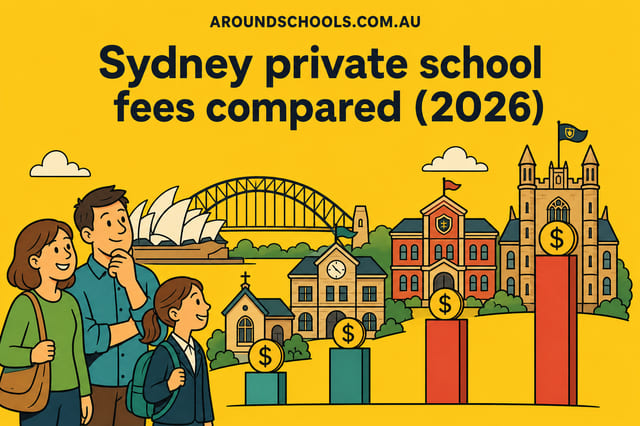
- Fees (low/medium/high ranges): Fees fall within the typical range for private independent schools; particular costs vary by year level and program.
⸻
## Enrolment & Admissions
11. What is the enrolment process and timeline?
- Begin with an enquiry and information session, followed by an application. Depending on year level, there may be steps such as shortlisting, assessments or interviews, and a calendar of milestones (dates for applications, assessments, and offer releases).
12. Is there a waiting list, and how does it work?
- There can be a waiting list for certain year levels. Offers are typically prioritised based on age/grade placement, sibling considerations, and space availability. Families may be notified if a place opens up or if a place becomes available later in the year.
13. Are there any entry requirements, tests, or interviews?
- Entry may involve documentation (previous reports, school references), interviews with students and families, and, for some year levels, relevant assessments to gauge readiness and fit.
14. Does the school accept mid-year transfers?
- Mid-year transfers may be possible subject to space and meeting entry requirements. Families should contact the admissions team early to discuss timing and requirements.
⸻
## Frequently Asked Questions
- Why Parents Choose This School?
- A private independent environment that values academic rigor, wellbeing, and community involvement, with a balanced program across academics, arts, and sport.
- What type of student thrives at this school?
- Students who are motivated, collaborative, and eager to engage across a range of subjects and activities, while benefiting from supportive teacher guidance and a strong sense of belonging.
- What opportunities are available for students to extend their skills (academics, sports, arts)?
- A structured mix of accelerated learning options, leadership programs, wide-ranging clubs (robotics, coding, debating), sports teams, and performing arts productions.
- How does the school communicate with parents?
- Regular updates through newsletters, email, a parent portal, and scheduled parent-teacher conferences; proactive outreach when concerns arise.
- What is the school’s approach to teaching and learning?
- Student-centred, differentiated instruction with emphasis on critical thinking, practical application, and ongoing feedback to support growth.
- How does the school support students who need extra academic help?
- Targeted tutoring, EAL and SEN support, and timely intervention strategies to help students catch up or advance.
- What support is available for academic challenges?
- Access to learning support staff, personalised learning plans, and collaboration between teachers, families, and specialists.
- How does the school communicate with parents? (Repeated)
- See above: newsletters, portal, emails, and meetings.
- What are the class sizes and how much individual attention do students receive?
- Classes are designed to be small to medium in size to enable regular teacher feedback and individual attention.
- What extracurricular and sports opportunities are available?
- A diverse lineup across sport, music, drama, and clubs such as robotics, chess, coding, and debating.
- What facilities does the school offer (sports, science, arts)?
- Modern sports facilities, libraries, science labs, performing arts spaces, and tech/innovation labs.
- What is the school’s approach to technology and digital learning?
- Integrated digital learning with equipped classrooms, online platforms for assignments and feedback, and responsible use education.
- What transport and accessibility options are available?
- Access to public transport options and potential school-arranged transport; consider accessibility needs and planning with the admissions team.
- What are the typical school fees or additional costs?
- Fees fall within the mid-to-high range for independent schools; exact costs depend on year level and programs selected.
⸻
## Short Pros & Cons
- Pros
- Private independent environment with a holistic approach
- Small to medium class sizes supporting personalized attention
- Broad program across academics, arts, and sports
- Strong wellbeing and pastoral care
- Modern facilities and resources
- Cons
- Tuition costs inherent to private independent schooling
- Competitive admission processes and potential waiting lists
- Busy schedules with a wide range of activities may be demanding for some students
- Transport logistics can vary depending on location and route
⸻












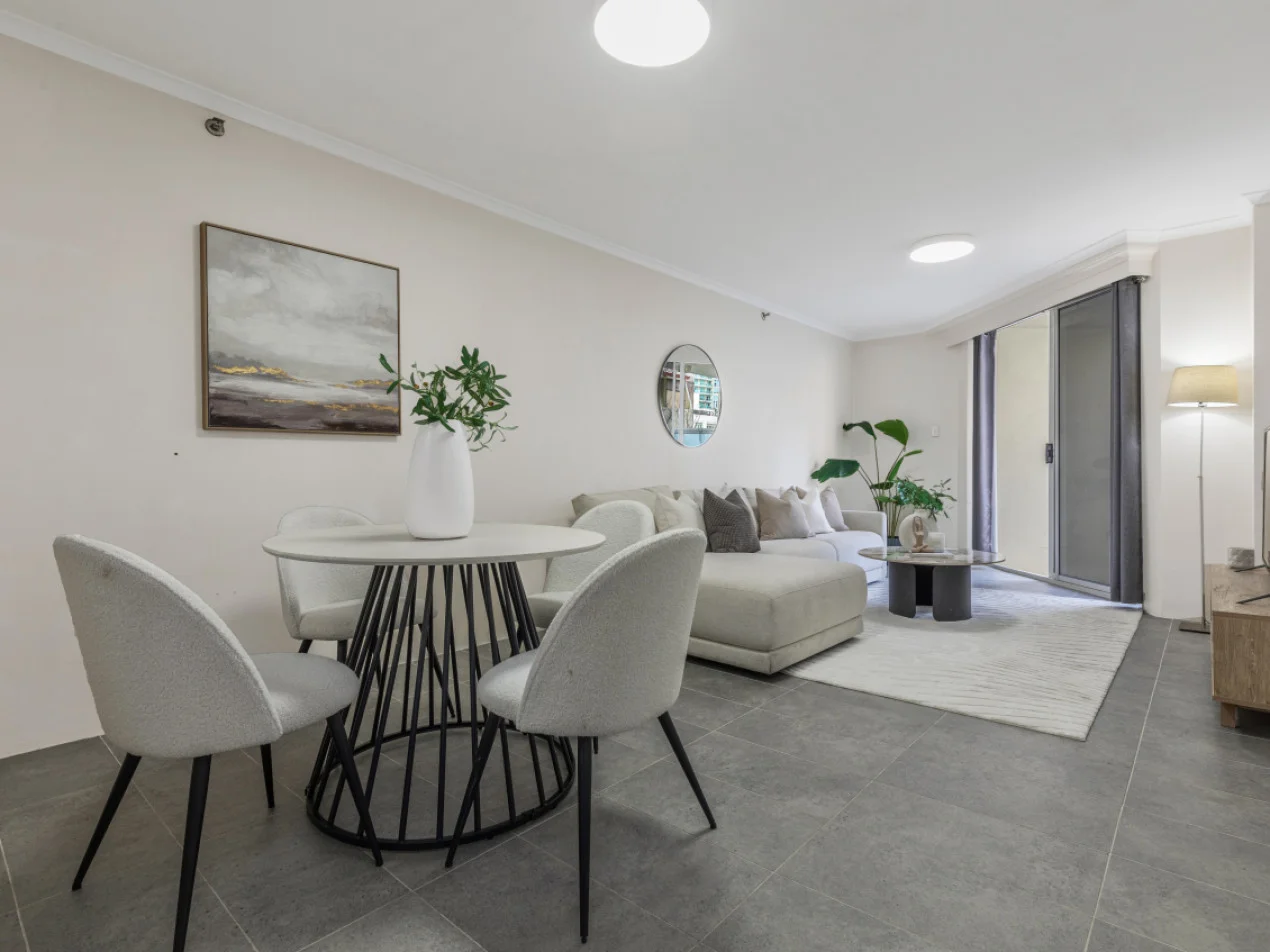 $640,000 - $675,000
Apartment / Unit / Flat
$640,000 - $675,000
Apartment / Unit / Flat
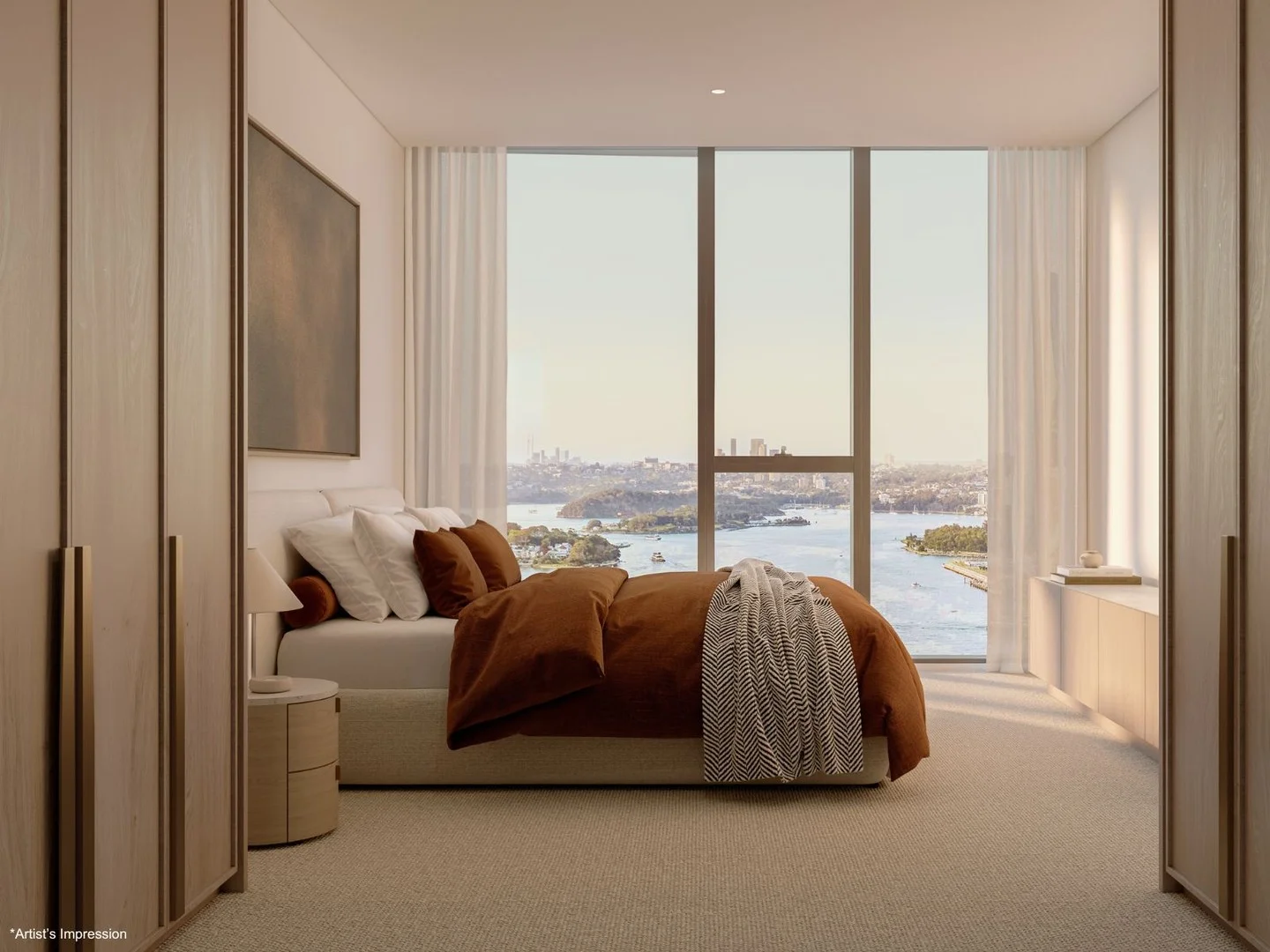 $8,630,000
propertyType.NEW APARTMENTS / OFF THE PLAN
$8,630,000
propertyType.NEW APARTMENTS / OFF THE PLAN
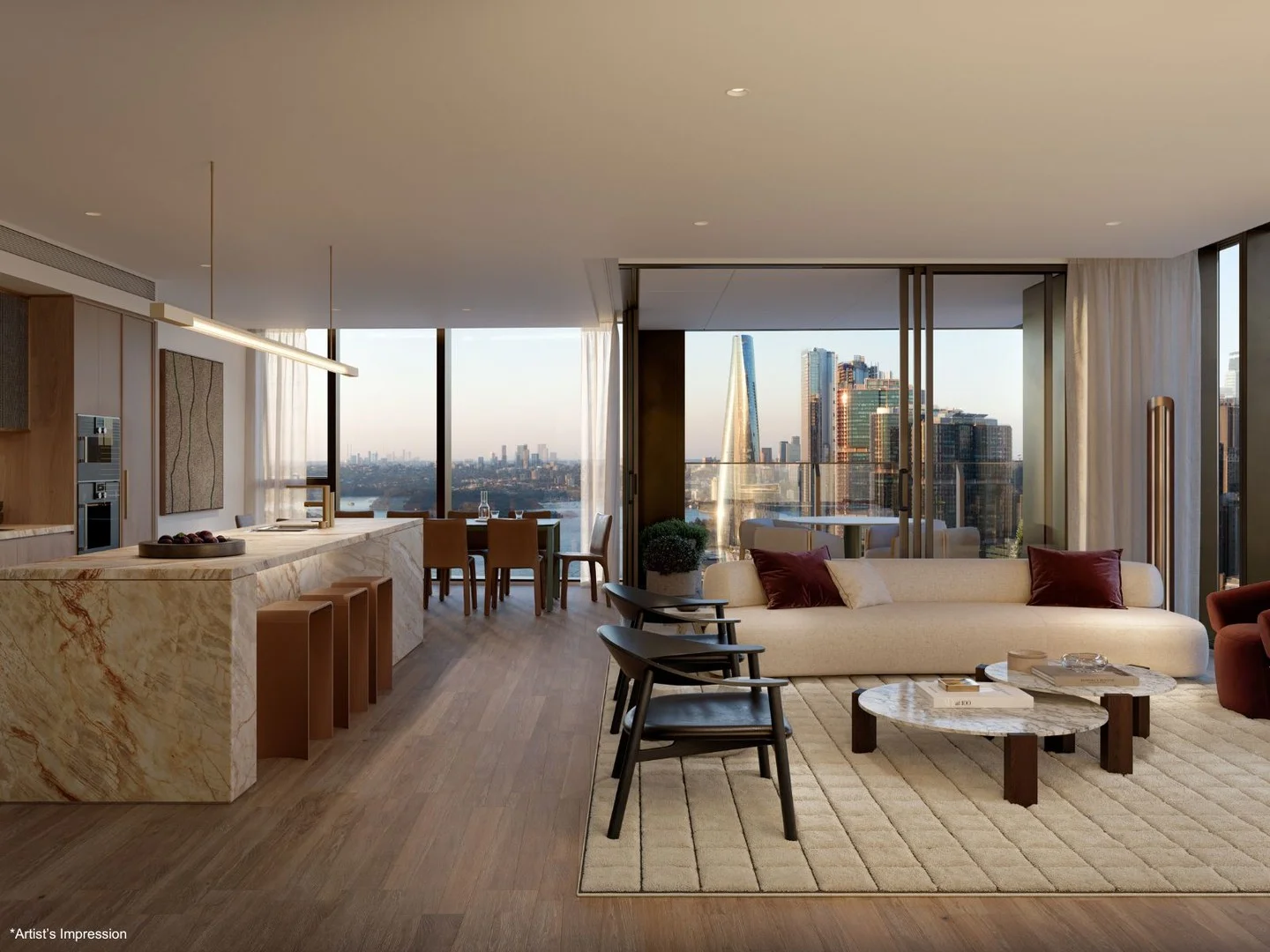 $12,980,000
propertyType.NEW APARTMENTS / OFF THE PLAN
$12,980,000
propertyType.NEW APARTMENTS / OFF THE PLAN
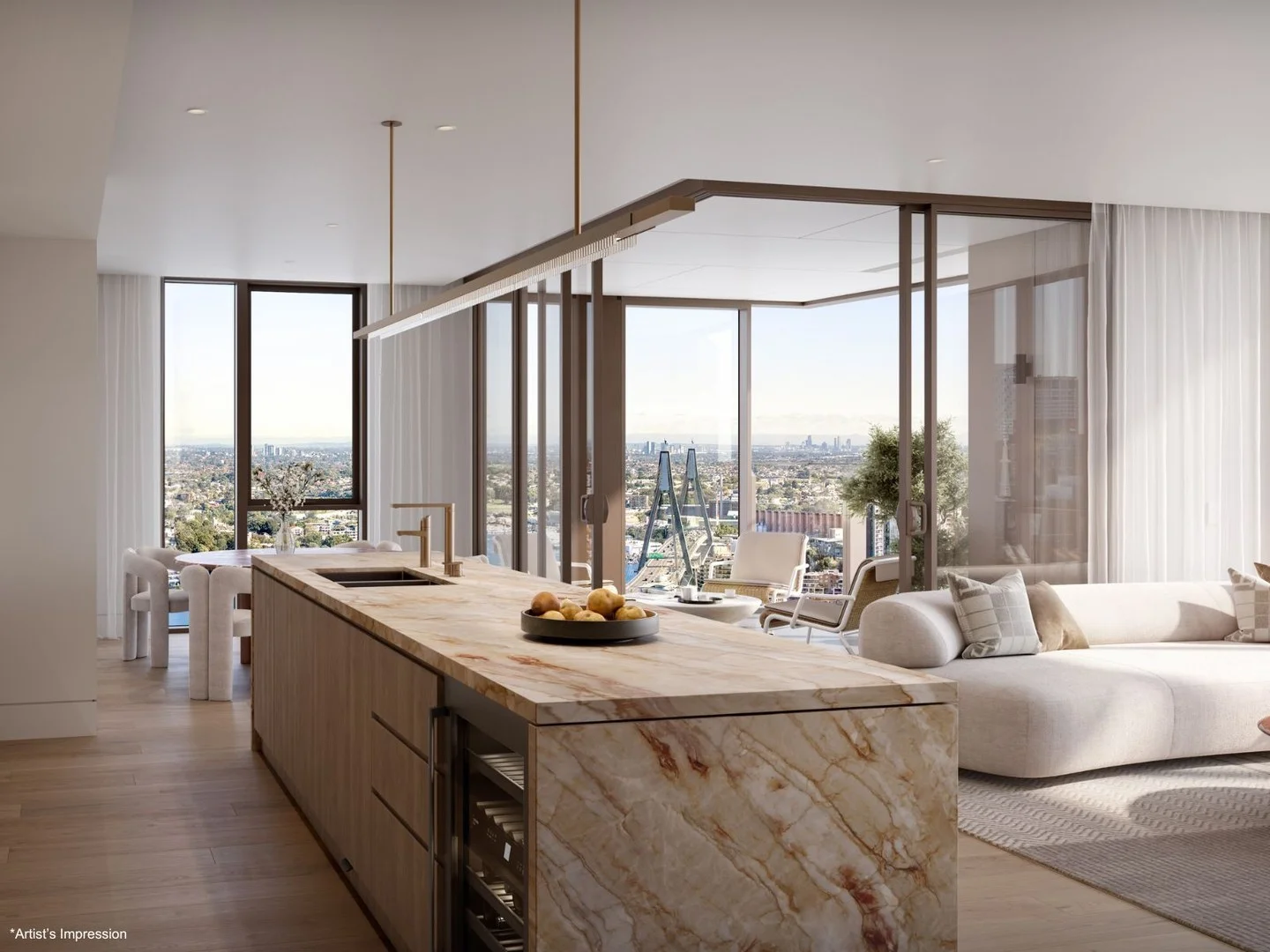 $9,020,000
propertyType.NEW APARTMENTS / OFF THE PLAN
$9,020,000
propertyType.NEW APARTMENTS / OFF THE PLAN
 $6,225,000
propertyType.NEW APARTMENTS / OFF THE PLAN
$6,225,000
propertyType.NEW APARTMENTS / OFF THE PLAN
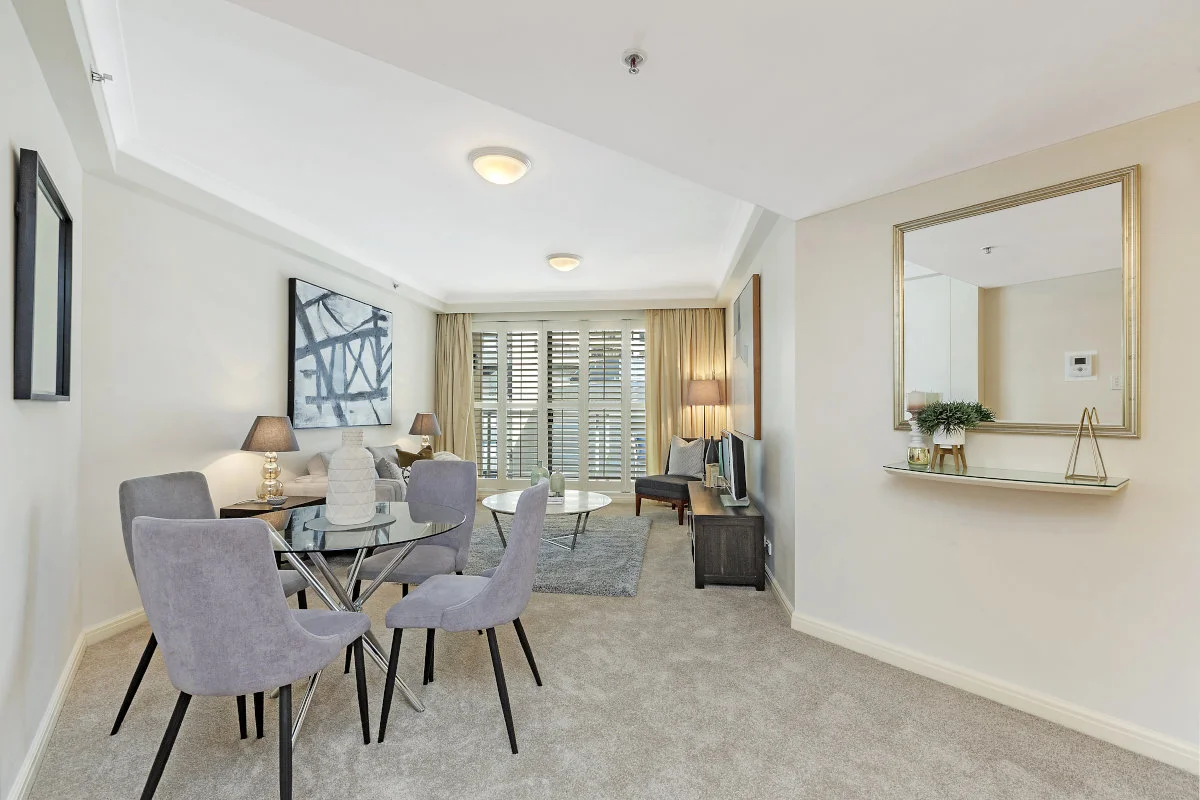 $660,000 - $725,000
Apartment / Unit / Flat
$660,000 - $725,000
Apartment / Unit / Flat
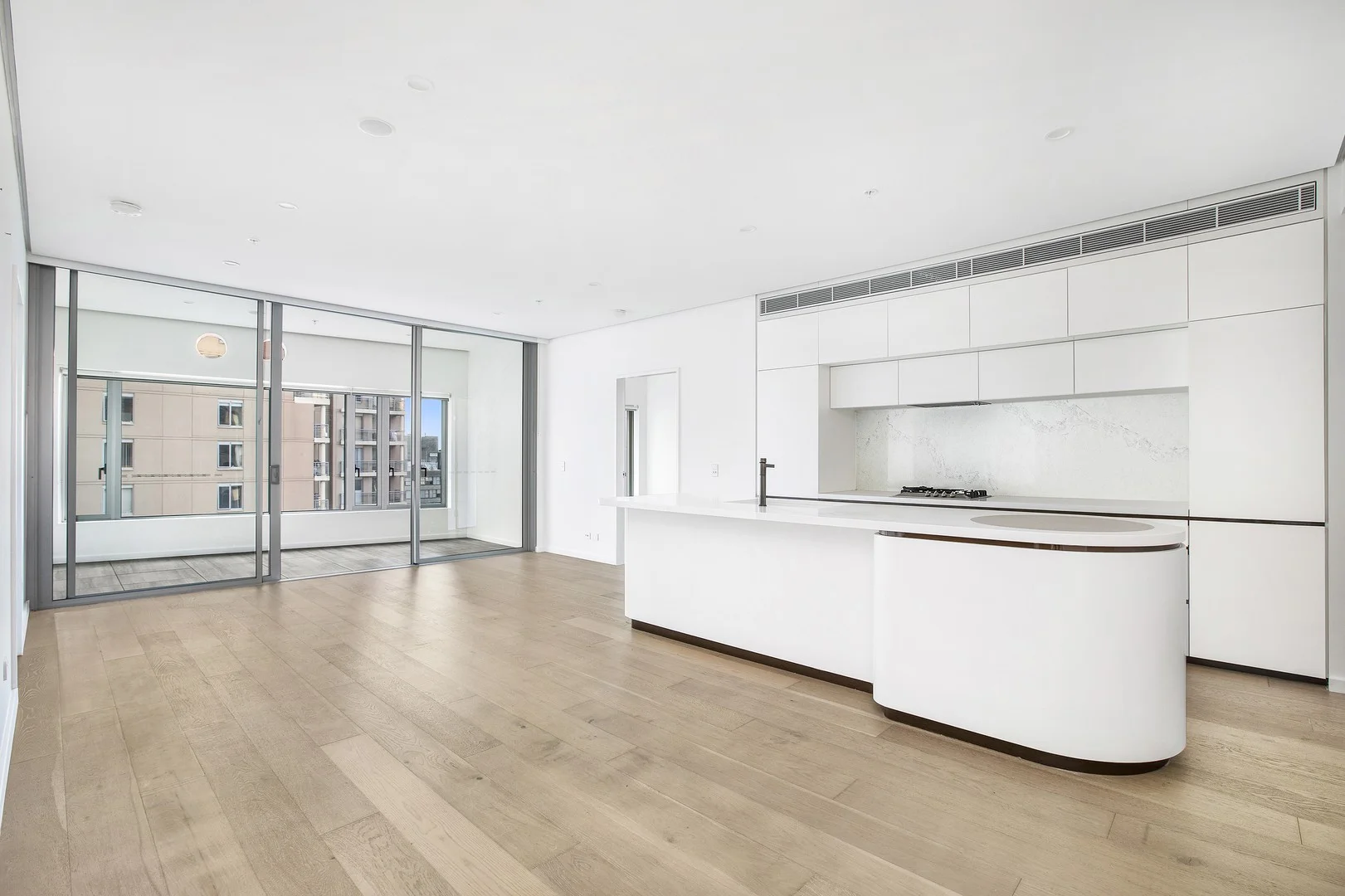 $2,250,000
Apartment / Unit / Flat
$2,250,000
Apartment / Unit / Flat
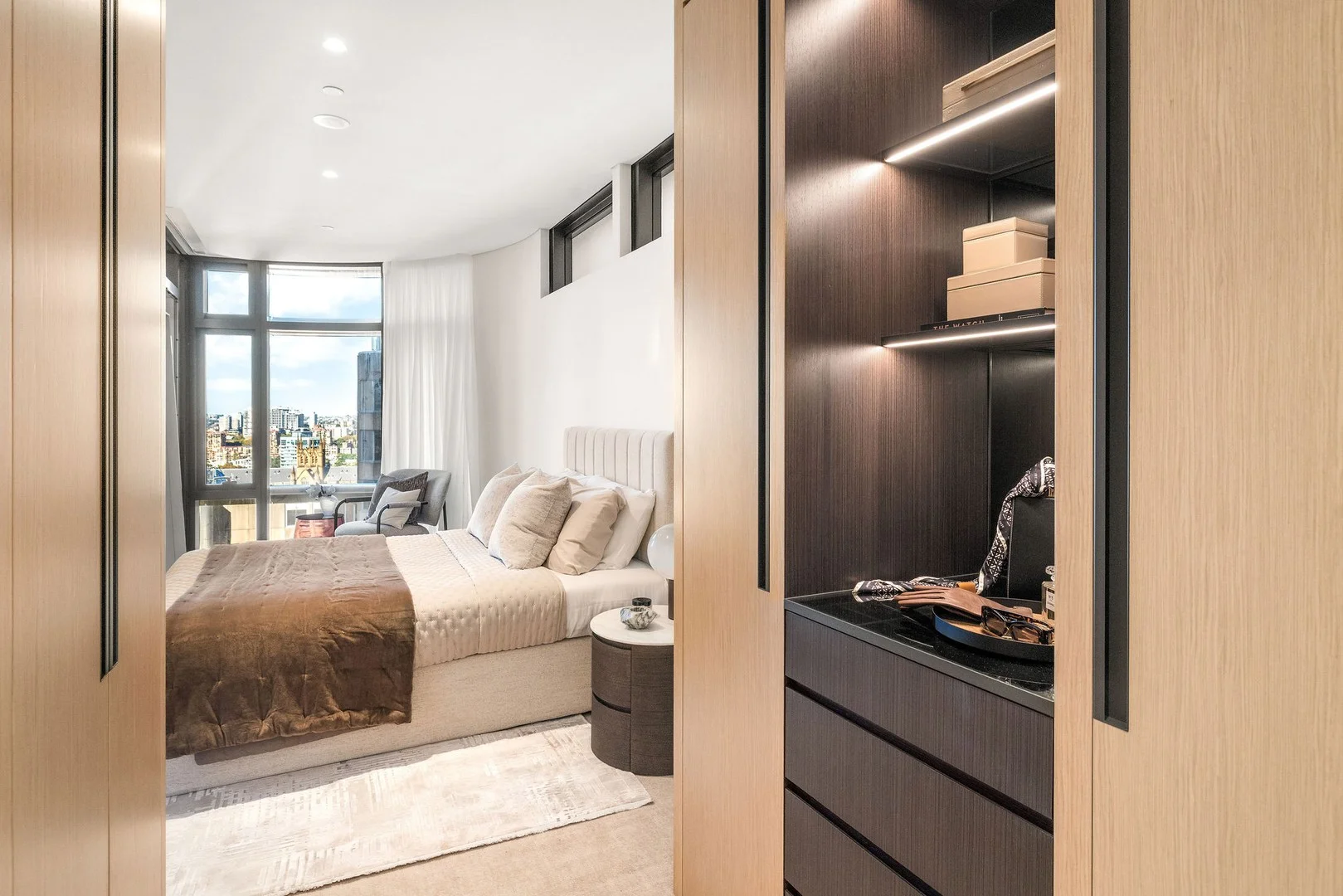 $2,745,000
propertyType.NEW APARTMENTS / OFF THE PLAN
$2,745,000
propertyType.NEW APARTMENTS / OFF THE PLAN
 $26,550,000
propertyType.NEW APARTMENTS / OFF THE PLAN
$26,550,000
propertyType.NEW APARTMENTS / OFF THE PLAN