Overview
## 1. Overview
The school is an independent/private high school with a global focus, welcoming students from diverse backgrounds. It operates with a medium-sized campus that supports a strong sense of community and belonging. Class sizes are typically small to medium, allowing teachers to tailor learning experiences and keep students engaged. The atmosphere is academically rigorous yet nurturing, inclusive, and sports- and arts-friendly, with an emphasis on leadership and personal growth.
Overall, the school promotes a balanced culture that values curiosity, respect, and achievement. Students are encouraged to pursue academic excellence while developing character, teamwork, and community involvement.
⸻
## 2. Academics & Learning
- Academic strengths: STEM (mathematics, science, technology), strong English/humanities programs, and robust language offerings. The school emphasizes critical thinking, writing, and real-world problem solving.
- Special programs: IB Diploma Programme (DP) or other accelerated learning options; gifted and talented pathways; targeted leadership and service opportunities.
- NAPLAN trends: Over the past few years, steady year-on-year improvement in reading and numeracy with performance around or above state benchmarks; data is published in annual reports.
- Student-teacher ratios: Approximately 1:12 to 1:16, enabling more individualized guidance and timely feedback.
- Support for diverse learners: Dedicated EAL support, SEN coordination, inclusive education practices, and transition planning for students joining from different education systems.
⸻
## 3. Sports & Extracurricular Strengths
- Sports offered: soccer, basketball, cricket, rugby, tennis, swimming, athletics, and multi-sport programs; opportunities for both team and individual competition.
- Strong teams or achievements: Competitive regional programs with club-level success and participation in inter-school competitions.
- Music, arts, drama programs: School ensembles, choir, theatre productions, and opportunities for solo and group performances.
- Clubs: Robotics, chess, coding, debating, environmental/climate action groups, and language clubs.
- Partnerships: Collaborations with local sports academies, external coaches, and participation in regional and national competitions and festivals.
⸻
## 4. Wellbeing & Pastoral Care
- Anti-bullying approach: Clear anti-bullying policies, student-led campaigns, digital safety education, and restorative practices.
- House system: A house structure that fosters belonging, leadership opportunities, and peer mentoring.
- Counsellors / wellbeing officers: Access to experienced school counsellors and wellbeing staff for academic and personal support.
- Transition support for new students: Comprehensive orientation, peer buddy programs, and targeted onboarding to help students settle in quickly.
⸻
## 5. Facilities
- Sports grounds
- Libraries
- Science labs
- Music/performing arts centers
- Tech/innovation labs
- Cafeteria
- Updated playgrounds
- Auditorium or performance spaces
- Computer labs and media/video production facilities
⸻
## 6. School Values & Community Culture
- School values / mission: Emphasis on excellence, integrity, respect, curiosity, and inclusion; a mission to develop well-rounded, confident graduates.
- Leadership style: Collaborative and distributed leadership, with student leadership opportunities and teacher mentorship.
- Behaviour expectations: Clear code of conduct, consistent routines, and emphasis on respect, responsibility, and accountability.
- Community reputation: Positive perceptions of a welcoming, active parent and alumni network and a growing reputation for academic and co-curricular achievement.
- Diversity & inclusion: Commitment to inclusive practices, support for EAL students, and programs that celebrate cultural diversity.
⸻
## 7. School Logistics & Daily Operations
- School hours: Typical daily schedule starts around 8:30am and ends around 3:15pm, with occasional after-school activities.
- Before/after school care: Available or accommodated through supervised programs.
- Uniform requirements: School uniform is mandatory, with guidelines for daily wear and sport-specific attire.
- Transport (train/bus routes): Access via local public transport routes and school-supported bus services where available.
- Canteen availability: On-site canteen offering a range of healthy breakfast and lunch options.
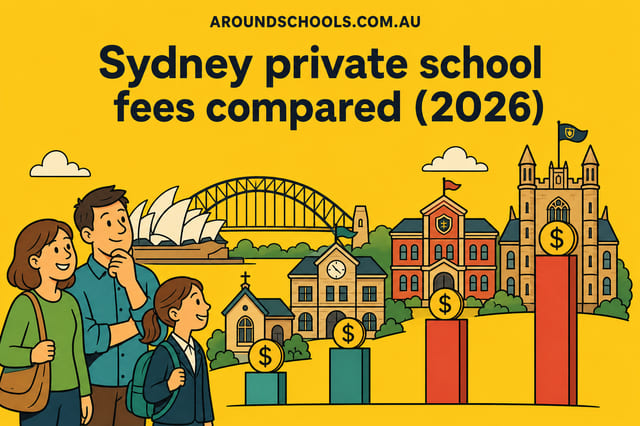
- Fees (low/medium/high ranges): Fees are in the mid-to-high range for private/independent high schools, with additional costs for activities, uniforms, and optional programs.
⸻
## 8. Enrolment & Admissions
11. What is the enrolment process and timeline?
- Step-by-step: Submit an online application, provide required documents (transcripts, identification, language proficiency if applicable), participate in an initial assessment and interview, and complete any specified supports or tests. Offers are issued after review, with onboarding steps following acceptance. Timeline ranges from several weeks to several months depending on cycle and placement availability.
12. Is there a waiting list, and how does it work?
- Yes, there can be a waiting list when places are limited. Applicants are typically placed on the list after submission, with positions allocated based on priority criteria (sibling preference, availability, documentation completeness) and availability. Families may be contacted as spots open.
13. Are there any entry requirements, tests, or interviews?
- Entry requirements commonly include previous school records, language proficiency checks for EAL learners, and an interview or assessment to gauge fit, motivation, and readiness. Some programs may include a short math/English assessment.
14. Does the school accept mid-year transfers?
- Mid-year transfers are possible if places are available and records from the current school can be obtained and reviewed. Students may need a bridging plan or assessment to align with the current curriculum.
⸻
## 9. Frequently Asked Questions
- Why Parents Choose This School?
- The school offers a strong balance of academics, wellbeing, and diverse opportunities in a supportive, inclusive environment.
- What type of student thrives at this school?
- Students who are curious, hardworking, collaborative, and engaged in both academics and extracurriculars typically excel here.
- What opportunities are available for students to extend their skills (academics, sports, arts)?
- Robust STEM and language programs, leadership pathways, IB/accelerated options, competitive sports teams, performing arts programs, robotics, debating, and coding clubs.
- How does the school communicate with parents?
- Regular newsletters, online portals, scheduled parent-teacher meetings, and open days; emergency notices via digital channels.
- What is the school’s approach to teaching and learning?
- Student-centered and evidence-based practices with emphasis on critical thinking, project-based learning, and differentiated instruction.
- How does the school support students who need extra academic help?
- Targeted tutoring, small-group sessions, EAL/SEN support, and progress-monitoring systems.
- What support is available for academic challenges?
- Dedicated counselors, academic advising, and intervention plans; ongoing progress checks with teachers.
- How does the school communicate with parents? (Repeat)
- See above: regular updates, portals, and meetings to keep families informed.
- What are the class sizes and how much individual attention do students receive?
- Class sizes are typically around 20–24 students, with opportunities for individual feedback and teacher support through advisory periods and after-school availability.
- What extracurricular and sports opportunities are available?
- A broad range of sports, arts, music, robotics, coding, debating, leadership programs, and clubs.
- What facilities does the school offer (sports, science, arts)?
- Comprehensive facilities including sports grounds, libraries, science labs, performing arts centers, tech/innovation labs, and a canteen.
- What is the school’s approach to technology and digital learning?
- Integrated technology across learning, with digital literacy, coding, and responsible online behavior prioritized; use of student devices where appropriate.
- What transport and accessibility options are available?
- Access via local public transport and school bus services where available; provisions for accessibility and support for students with special transport needs.
- What are the typical school fees or additional costs?
- Fees fall into the mid-to-high range for private/independent schools, with potential additional costs for uniforms, trips, and optional programs.
⸻
## 10. Short Pros & Cons list
- Pros
- Strong academics across STEM, English, and languages
- Supportive wellbeing framework and inclusive culture
- Wide range of extracurriculars, sports, and performing arts
- Modern facilities and dedicated student support
- Clear values and collaborative leadership style
- Cons
- Tuition and fees may be higher than public options
- Limited places can lead to waiting lists or selective admissions
- After-school activities may require transportation logistics for some families
⸻












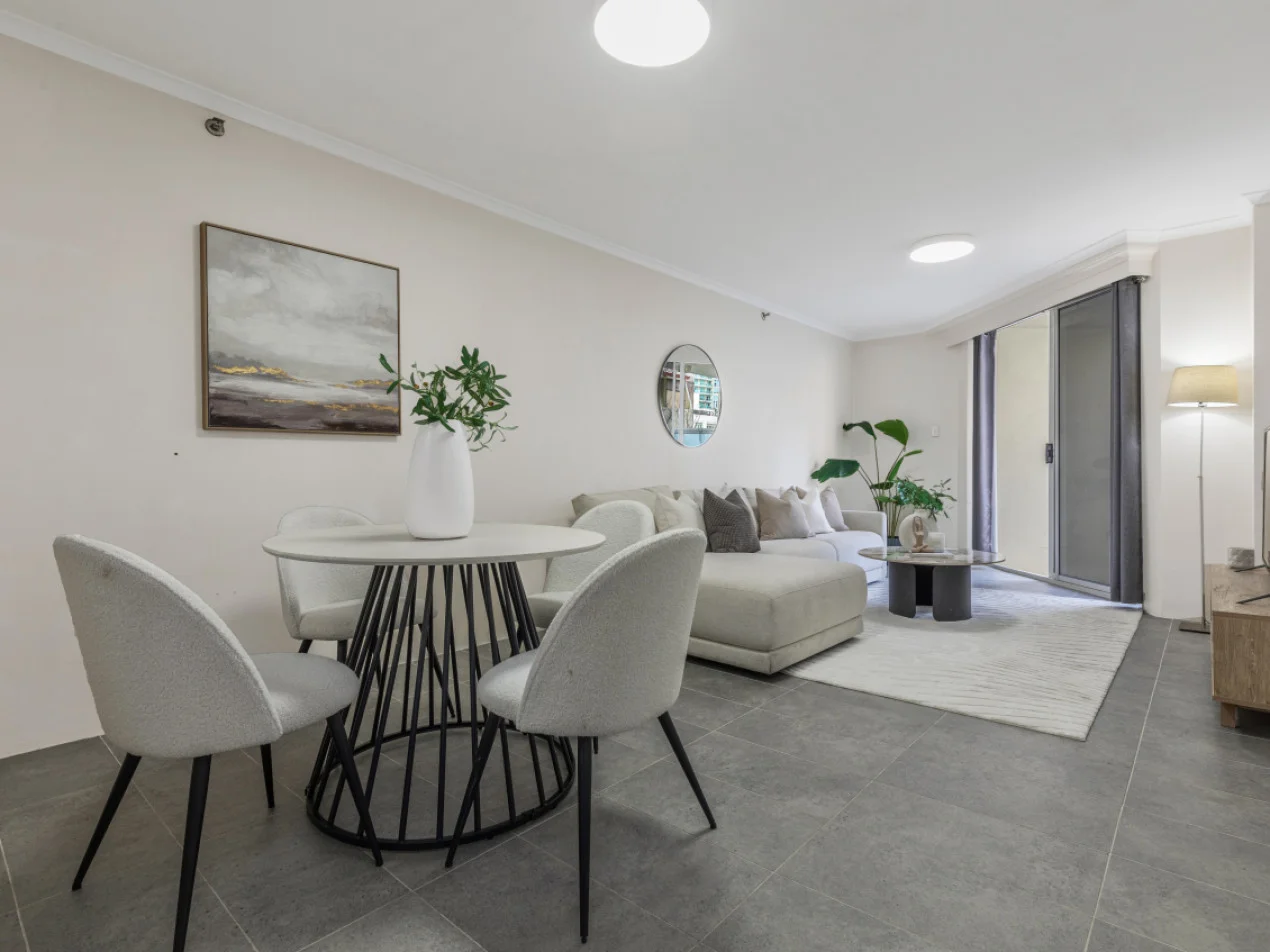 $640,000 - $675,000
Apartment / Unit / Flat
$640,000 - $675,000
Apartment / Unit / Flat
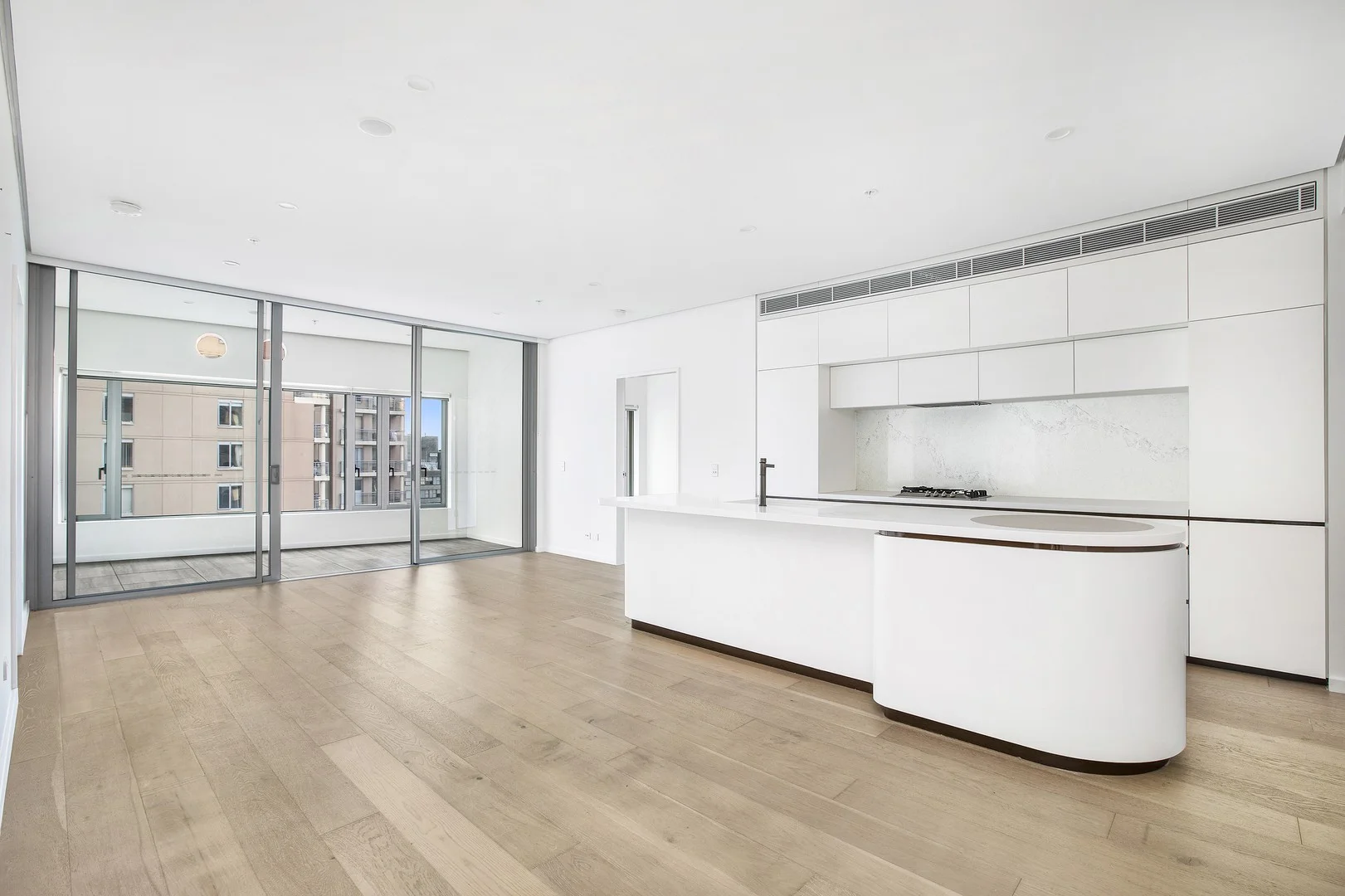 $2,250,000
Apartment / Unit / Flat
$2,250,000
Apartment / Unit / Flat
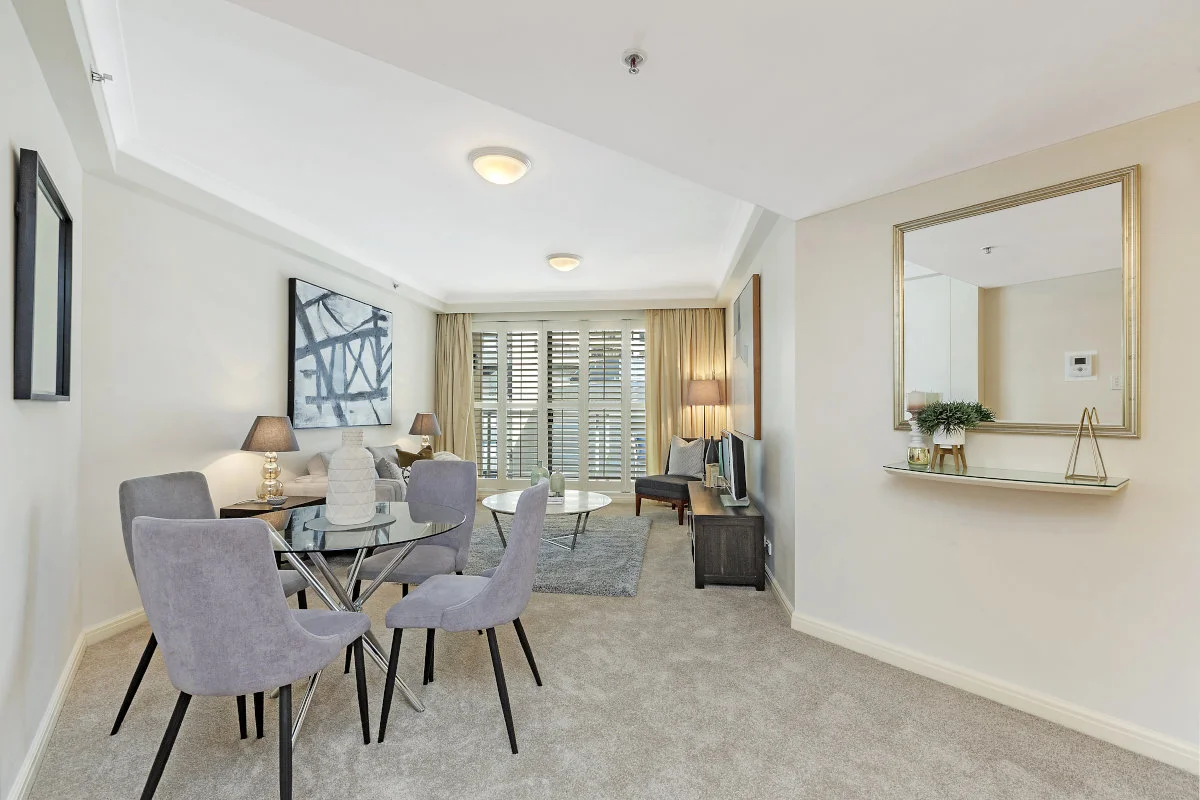 $660,000 - $725,000
Apartment / Unit / Flat
$660,000 - $725,000
Apartment / Unit / Flat
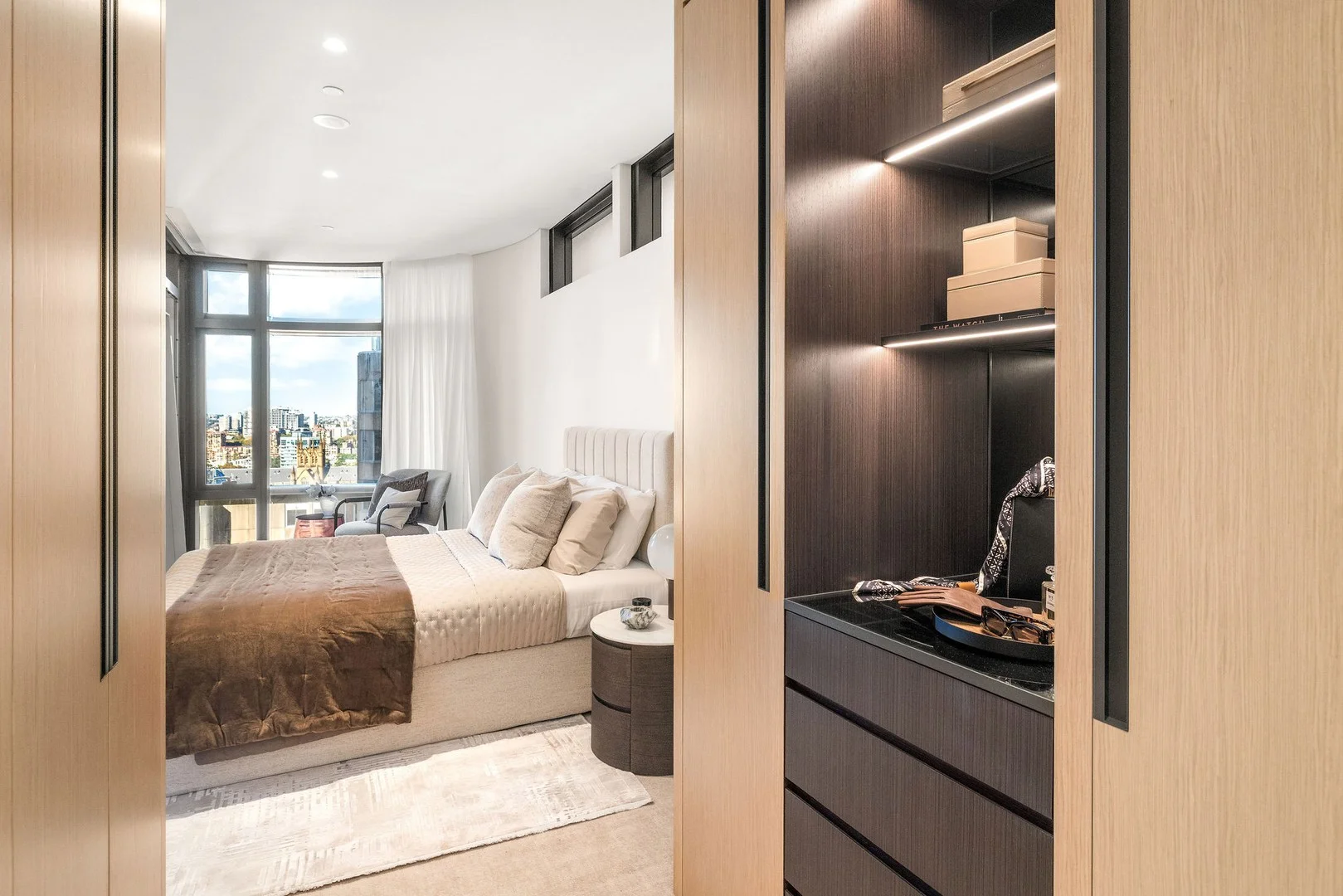 $2,745,000
propertyType.NEW APARTMENTS / OFF THE PLAN
$2,745,000
propertyType.NEW APARTMENTS / OFF THE PLAN
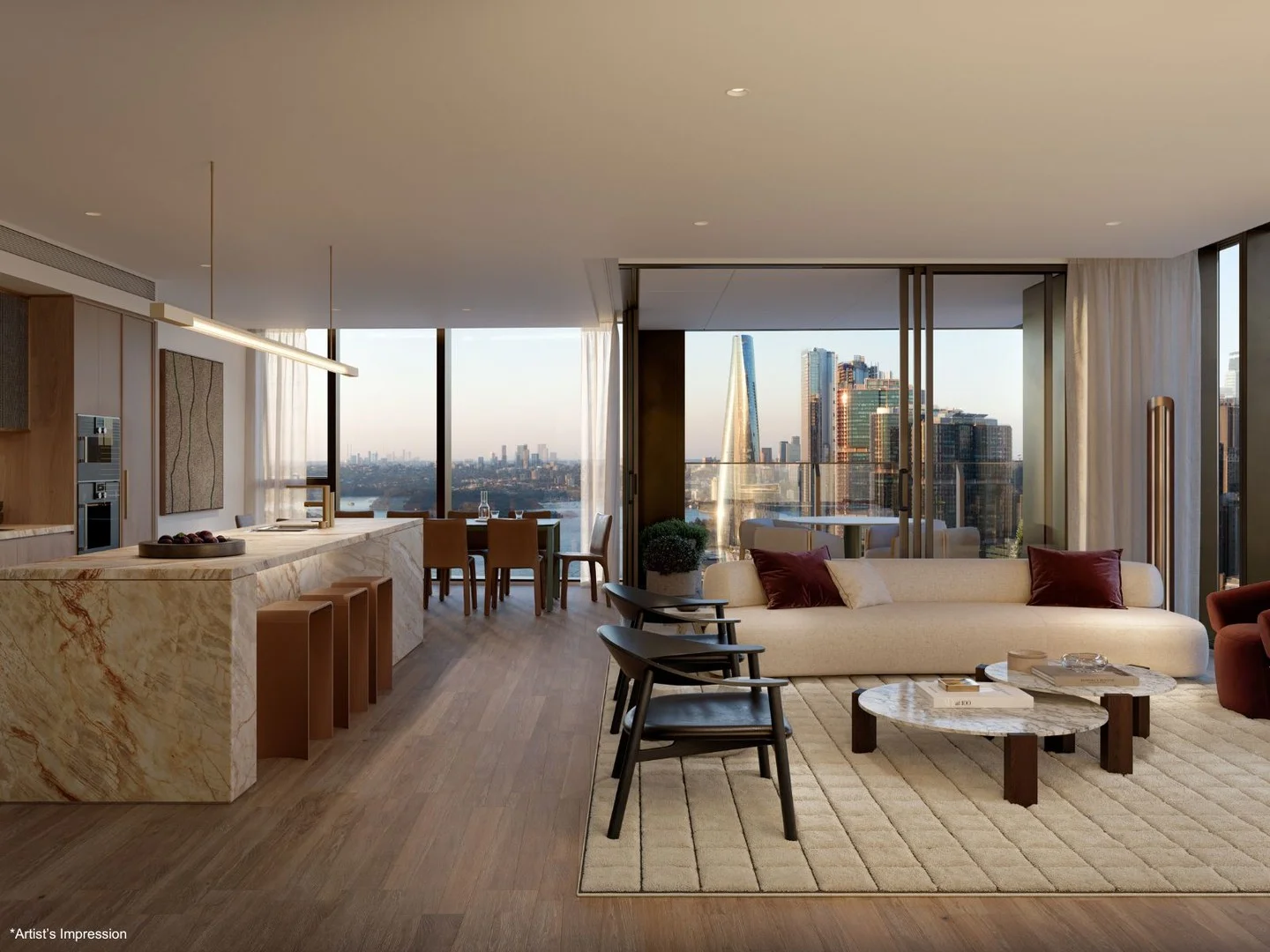 $12,980,000
propertyType.NEW APARTMENTS / OFF THE PLAN
$12,980,000
propertyType.NEW APARTMENTS / OFF THE PLAN
 $6,225,000
propertyType.NEW APARTMENTS / OFF THE PLAN
$6,225,000
propertyType.NEW APARTMENTS / OFF THE PLAN
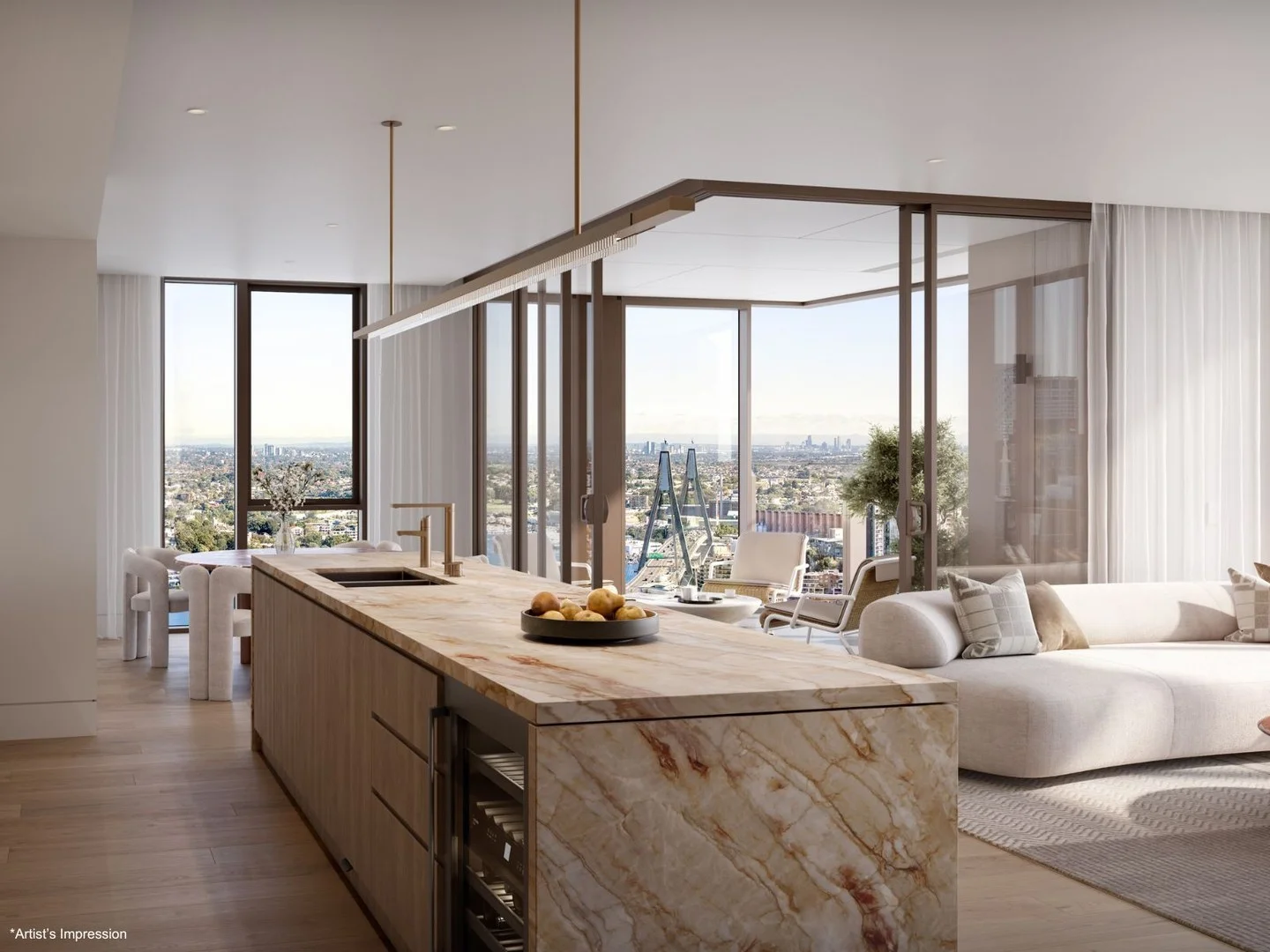 $9,020,000
propertyType.NEW APARTMENTS / OFF THE PLAN
$9,020,000
propertyType.NEW APARTMENTS / OFF THE PLAN
 $8,630,000
propertyType.NEW APARTMENTS / OFF THE PLAN
$8,630,000
propertyType.NEW APARTMENTS / OFF THE PLAN
 $26,550,000
propertyType.NEW APARTMENTS / OFF THE PLAN
$26,550,000
propertyType.NEW APARTMENTS / OFF THE PLAN