## 1. Overview
International Grammar School (IGS) is an independent, co-educational day school in Sydney’s Ultimo area, NSW. The school emphasizes a broad, inquiry-based education with strong emphasis on languages, arts, and global thinking. It operates as an independent/private institution with a diverse and academically focused culture.
- School type: Independent/private
- School size: Medium
- Class size: Approximately 18–22 students per class
- Atmosphere/culture: Diverse, inclusive, academically rigorous with strong emphasis on languages, arts, and global citizenship
## 2. Academics & Learning
IGS offers a comprehensive academic program designed to develop critical thinking, creativity, and strong communication skills.
- Academic strengths: Languages (multiple modern languages), English/literacy, STEM/STEAM foundations, leadership development, and global citizenship
- Special programs: International Baccalaureate (IB) Diploma Programme for senior years; opportunities for accelerated/advanced learning and gifted/talented pathways
- NAPLAN / trends: Consistently strong performance with positive year-over-year trends in reading, writing, and numeracy; above-state-average trends in key areas
- Student-teacher ratios: Typically around 1:8 to 1:12, enabling regular teacher accessibility and small-group support
- Support for diverse learners: EAL supports for students learning English, targeted SEN/study support, and inclusive learning programs
## 3. Sports & Extracurricular Strengths
IGS offers a broad range of activities to complement academics and develop teamwork, discipline, and creativity.
- Sports offered: Soccer, basketball, netball, cricket, tennis, swimming, athletics, and cross-country
- Strong teams or achievements: Participation in inter-school competitions with notable regional/seasonal results
- Music, arts, drama programs: Robust performing arts program including choir, ensembles, theatre productions, and instrumental study
- Clubs: Robotics, chess, coding, debating, science clubs, and language/cultural clubs
- Partnerships: Collaborations with local clubs, community organizations, and competition circuits to broaden opportunities
Most parents in Australia and the UK focus on these areas for boys aged 10–14, and IG S supports a balanced emphasis on both sport and the arts.
## 4. Wellbeing & Pastoral Care
IGS places student wellbeing at the center of the school experience, with proactive support structures.
- Anti-bullying approach: Clear anti-bullying policies, preventive programs, and a strong culture of respect
- House system: House-based activities and competitions to foster belonging and positive peer relationships
- Counsellors / wellbeing officers: Dedicated school counsellors and wellbeing staff to support students’ social-emotional health
- Transition support for new students: Orientation programs, buddy systems, and pastoral care teams to ease transitions
## 5. Facilities
Facilities are designed to support a broad curriculum and engaging student life.
- Sports grounds: On-site and nearby facilities for field and court activities
- Libraries: Well-resourced libraries with digital access and study spaces
- Science labs: Modern laboratories for biology, chemistry, and physics
- Music/performing arts centers: Rehearsal spaces, recital rooms, and performance venues
- Tech/innovation labs: Computer labs, maker spaces, and media/studio facilities
- Cafeteria: On-site canteen offering healthy options
- Updated playgrounds: Age-appropriate outdoor spaces and play areas
## 6. School Values & Community Culture
IGS seeks to cultivate curious, respectful, and globally minded students.
- School values / mission: Emphasis on inquiry, respect, inclusion, and excellence; emphasis on languages and global perspectives
- Leadership style: Collaborative and student-centered, with strong teacher mentorship
- Behaviour expectations: Clear codes of conduct emphasizing integrity, empathy, and responsibility
- Community reputation: Positive reputation for academic rigor, arts and languages, and inclusive community
- Diversity & inclusion: Valuing and supporting a diverse student body with inclusive programs and practices
## 7. School Logistics & Daily Operations
Key logistics help families plan around school life.
- School hours: Typically a daytime schedule with occasional after-school activities
- Before/after school care: Available or arranged through school-supported programs
- Uniform requirements: Formal school uniform with guidance on daily wear and accessories
- Transport (train/bus routes): Access to public transport routes; information provided to families about available bus/train options
- Canteen availability: Canteen or cafe services on site
- Fees (low/medium/high ranges): Private/independent school fees generally in the medium-to-high range
## 8. Enrolment & Admissions
11. What is the enrolment process and timeline?
- Submit application with required documentation (birth certificate, previous school records, immunisation if applicable)
- Information session or interview/assessment as part of the process
- Shortlisting and invitation for assessments/interviews (as applicable)
- Offer of enrolment and confirmation steps, including payment of any deposits and agreed terms
12. Is there a waiting list, and how does it work?
- Waiting lists are common when spaces are limited; families may be asked to participate in a rolling waitlist with periodic updates on eligibility and openings
13. Are there any entry requirements, tests, or interviews?
- Entry typically includes completion of an application, academic records, and an interview or assessment; language assessments may be used for EAL considerations; prior academic performance is reviewed
14. Does the school accept mid-year transfers?
- Mid-year transfers are considered when spaces exist; subject alignment and transcript review are part of the transfer process
## 9. Frequently Asked Questions
- Why Parents Choose This School?
- A balance of rigorous academics, strong languages and arts, and a supportive learning environment that emphasizes global citizenship and personalized attention.
- What type of student thrives at this school?
- Students who are curious, motivated, collaborative, and open to exploring languages, arts, and interdisciplinary learning.
- What opportunities are available for students to extend their skills (academics, sports, arts)?
- IB Diploma pathways, accelerated or advanced coursework, strong performing arts programs, sports teams, robotics, debating, and language clubs.
- How does the school communicate with parents?
- Regular updates via newsletters, parent portals, events, and open communication with teachers and pastoral staff.
- What is the school’s approach to teaching and learning?
- Inquiry-based, student-centered learning that integrates core academics with languages, arts, and real-world projects.
- How does the school support students who need extra academic help?
- Targeted literacy/numeracy support, EAL assistance, learning support staff, and small-group tutoring where needed.
- What support is available for academic challenges?
- Access to counselors, learning support teams, and parent-teacher collaboration to address challenges early.
- How does the school communicate with parents? (Repeated)
- See above: regular updates, parent portals, and direct lines to teachers and coordinators.
- What are the class sizes and how much individual attention do students receive?
- Class sizes typically around 18–22, with additional small-group time and targeted support as needed.
- What extracurricular and sports opportunities are available?
- A wide range of sports, music/theatre, robotics, chess, coding, debating, and language clubs.
- What facilities does the school offer (sports, science, arts)?
- Modern facilities across sports grounds, libraries, science labs, performing arts spaces, and tech/innovation labs.
- What is the school’s approach to technology and digital learning?
- Integration of digital tools across subjects, with access to computer labs or devices to support inquiry-based learning.
- What transport and accessibility options are available?
- Public transport options and school guidance on routes; arrival/departure protocols for accessibility.
- What are the typical school fees or additional costs?
- Fees fall in the private/independent school range; additional costs may include uniforms, trips, and activity fees.
## 10. Short Pros & Cons list
Pros
- Strong language and arts emphasis within a rigorous academic framework
- Inclusive, diverse, and globally minded culture
- Comprehensive support for students through counsellors and learning support
- Broad range of extracurriculars (sports, music, robotics, debating)
- Modern facilities that support a well-rounded education
Cons
- Private school fees may be higher than community or state schools
- Smaller campus footprint compared to large public systems
- Admission can be competitive with a waiting list during peak years
- High coursework intensity may require careful balance for some students
If you’d like, I can tailor these sections with more precise details or adjust the tone to be more formal or more conversational.

 $60+
$60+










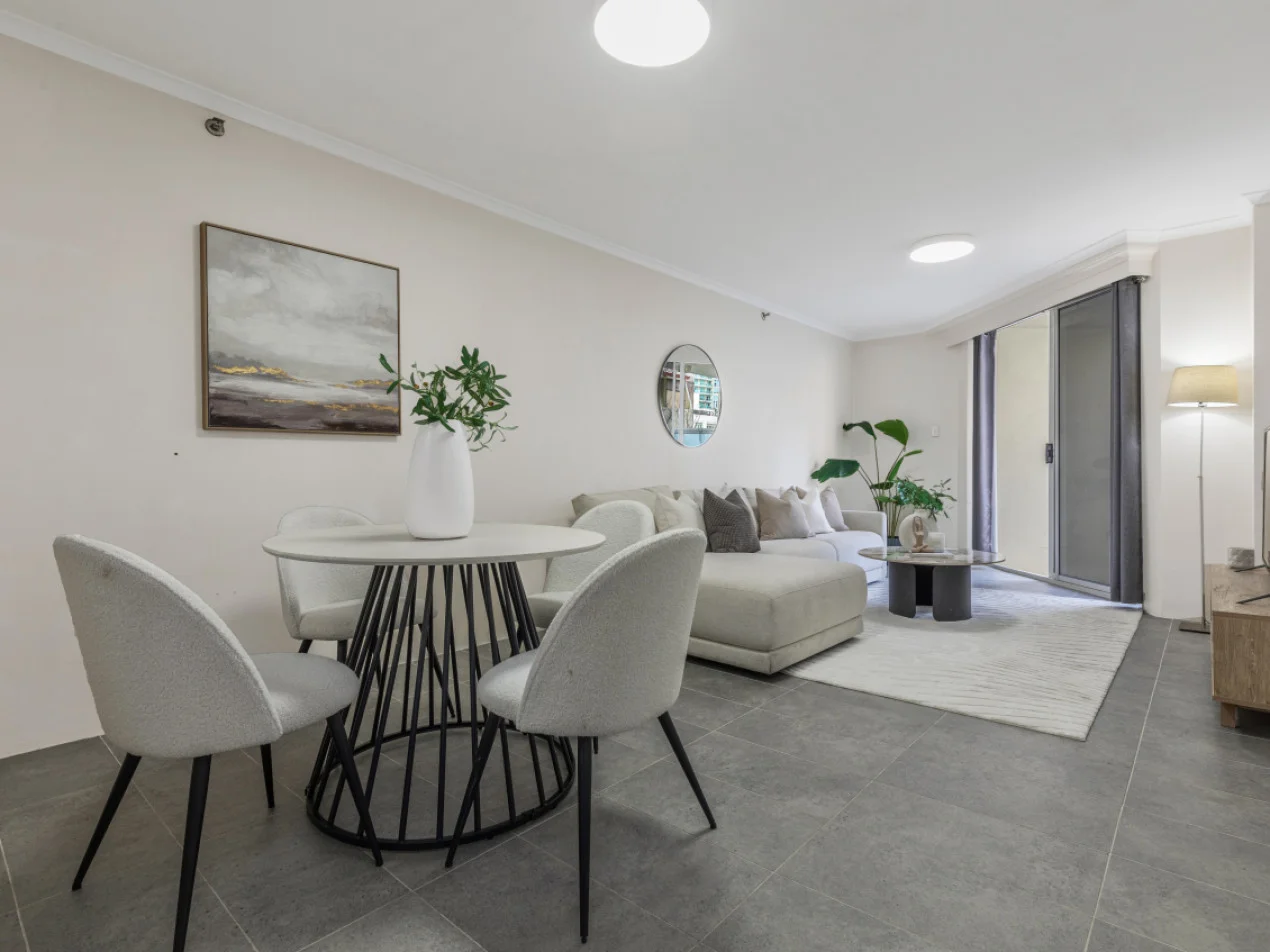 $640,000 - $675,000
Apartment / Unit / Flat
$640,000 - $675,000
Apartment / Unit / Flat
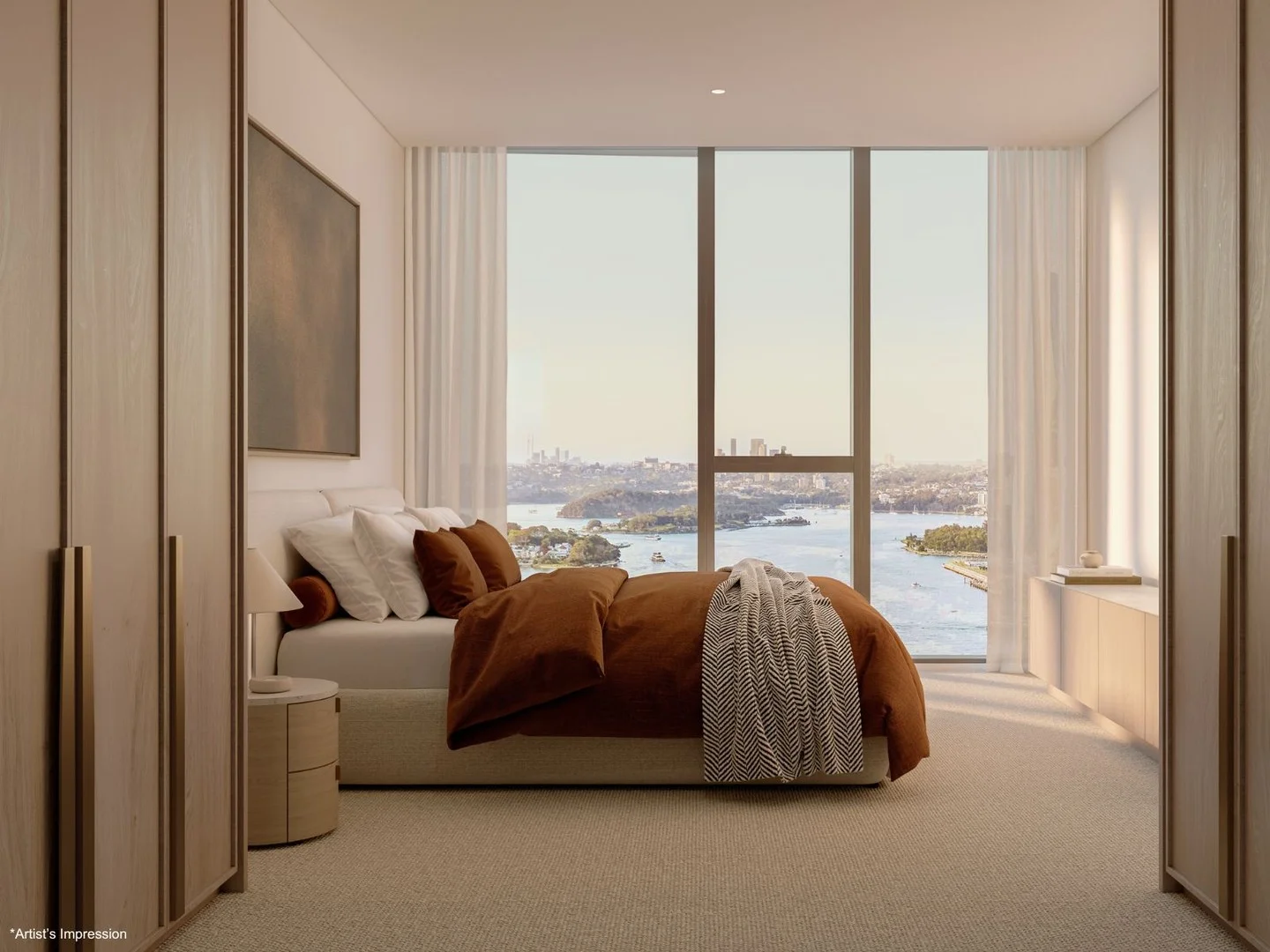 $8,630,000
propertyType.NEW APARTMENTS / OFF THE PLAN
$8,630,000
propertyType.NEW APARTMENTS / OFF THE PLAN
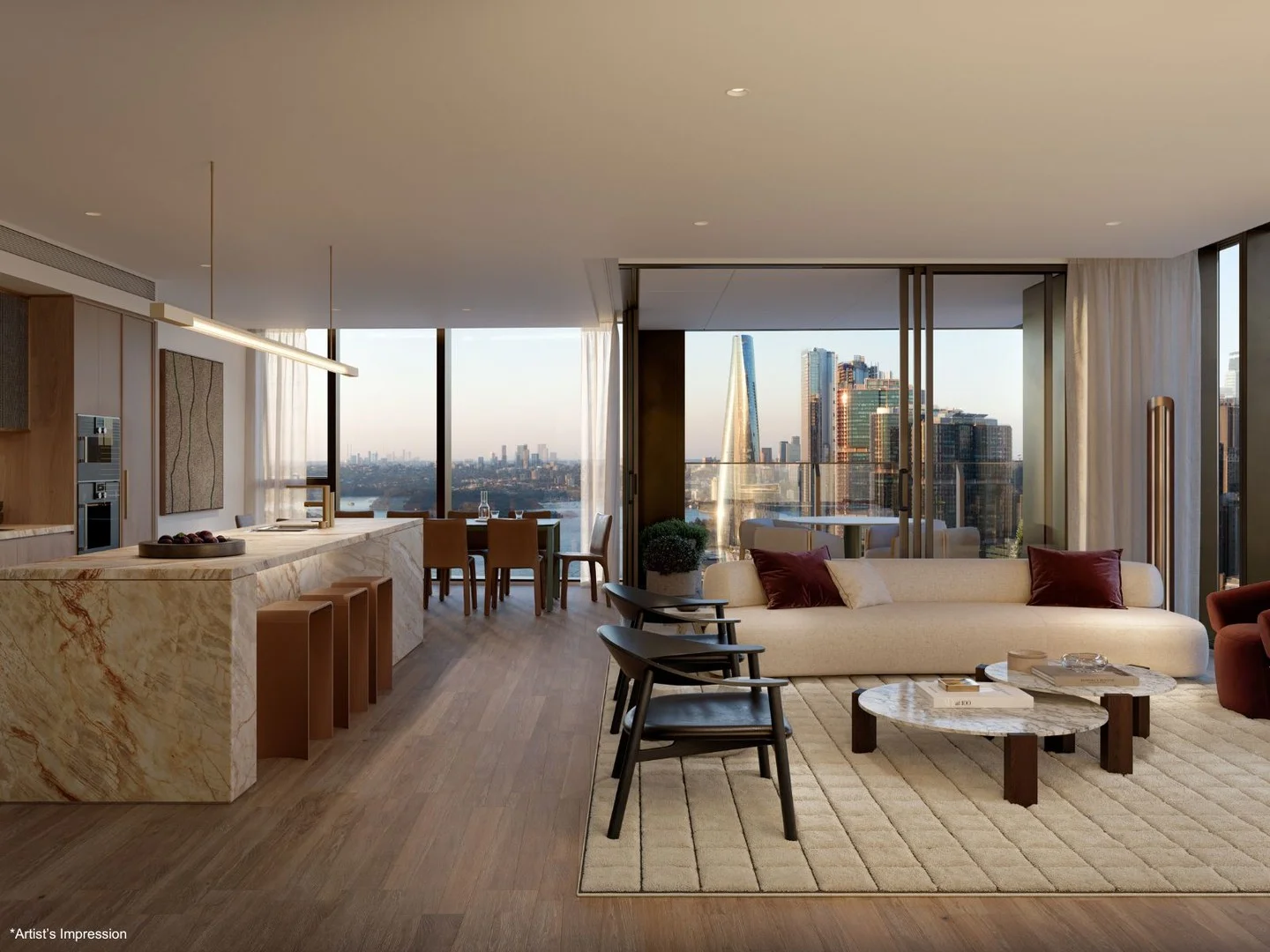 $12,980,000
propertyType.NEW APARTMENTS / OFF THE PLAN
$12,980,000
propertyType.NEW APARTMENTS / OFF THE PLAN
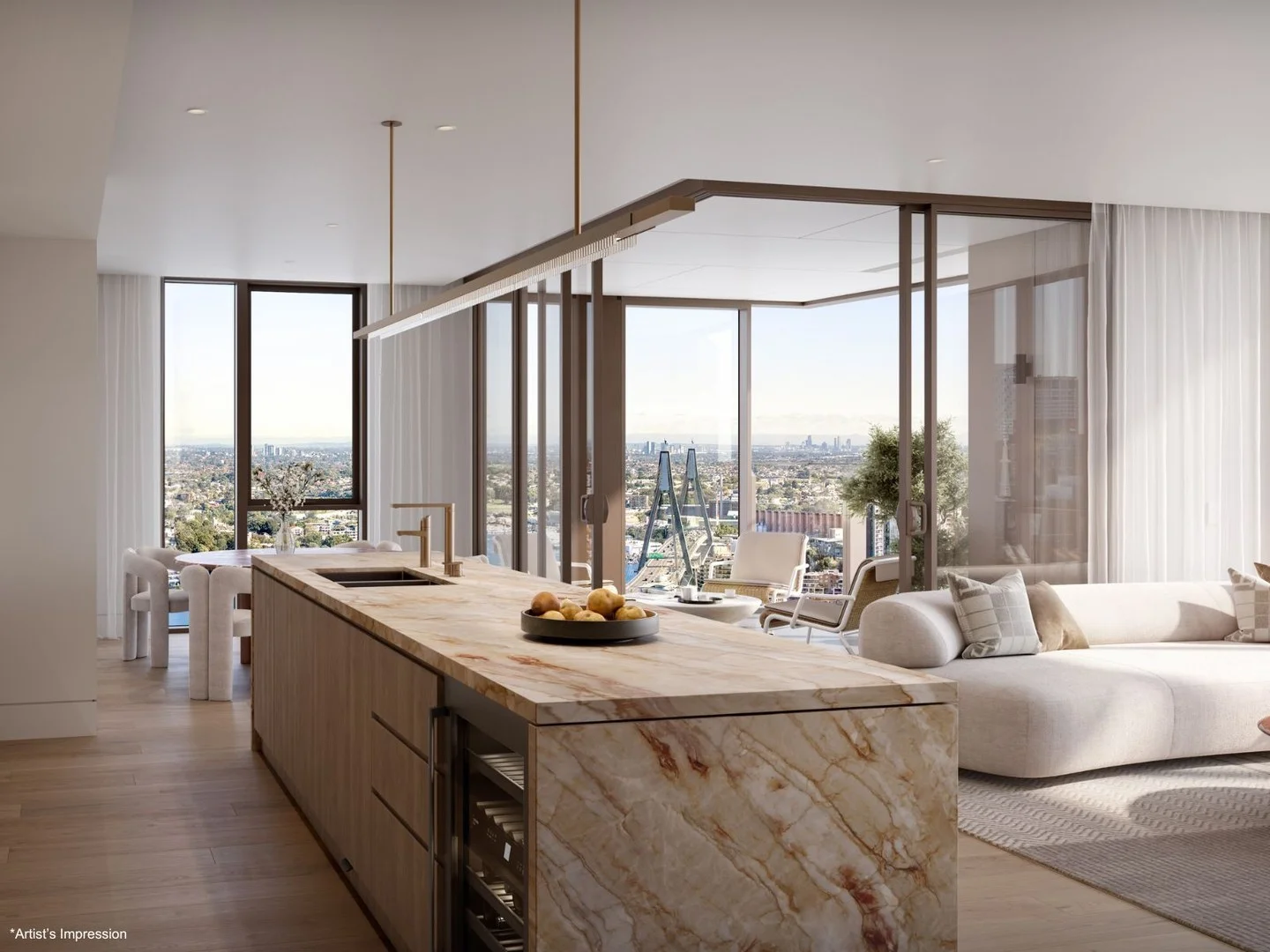 $9,020,000
propertyType.NEW APARTMENTS / OFF THE PLAN
$9,020,000
propertyType.NEW APARTMENTS / OFF THE PLAN
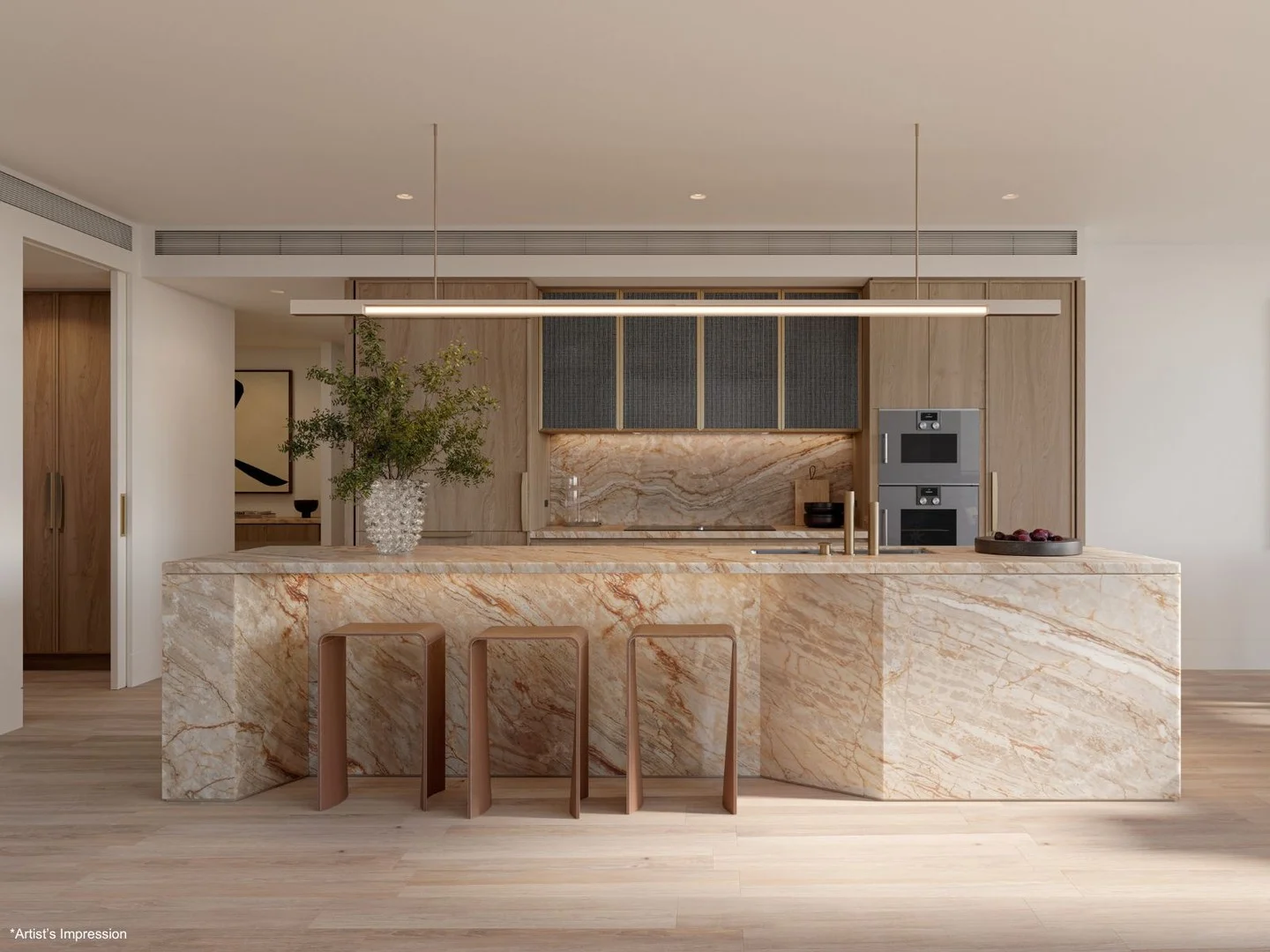 $6,225,000
propertyType.NEW APARTMENTS / OFF THE PLAN
$6,225,000
propertyType.NEW APARTMENTS / OFF THE PLAN
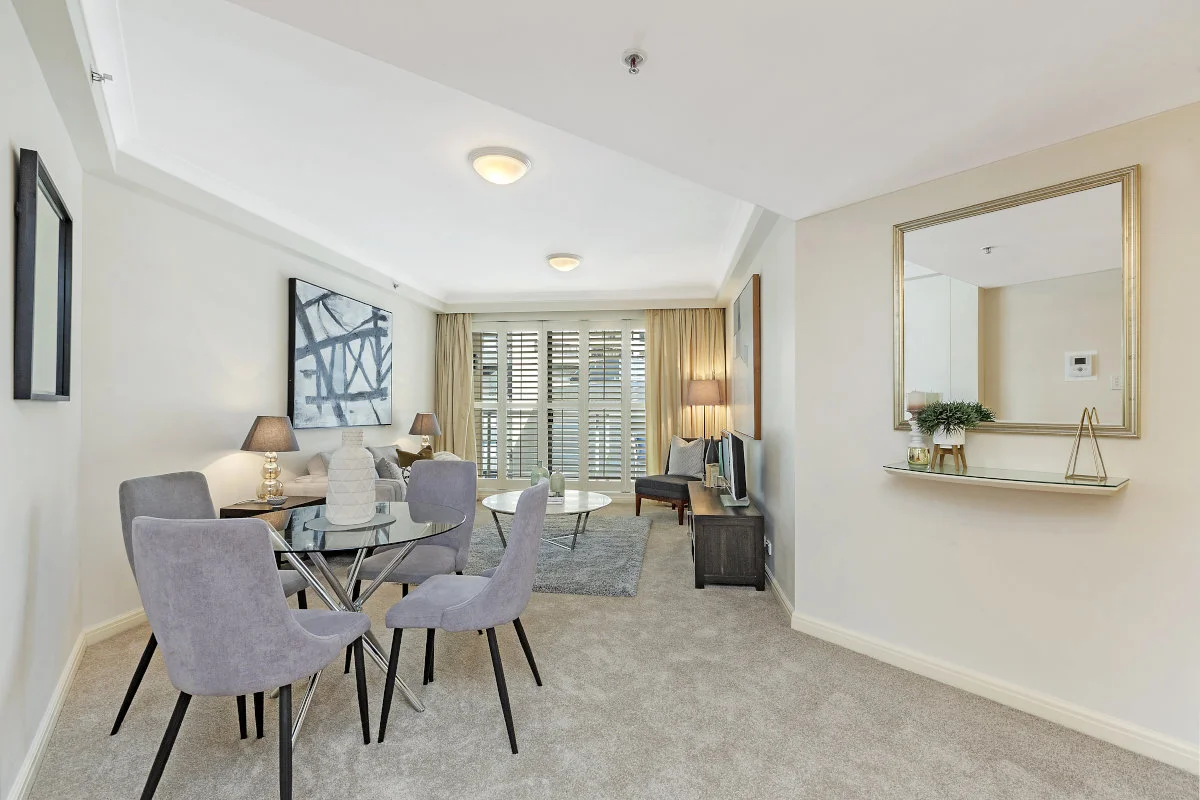 $660,000 - $725,000
Apartment / Unit / Flat
$660,000 - $725,000
Apartment / Unit / Flat
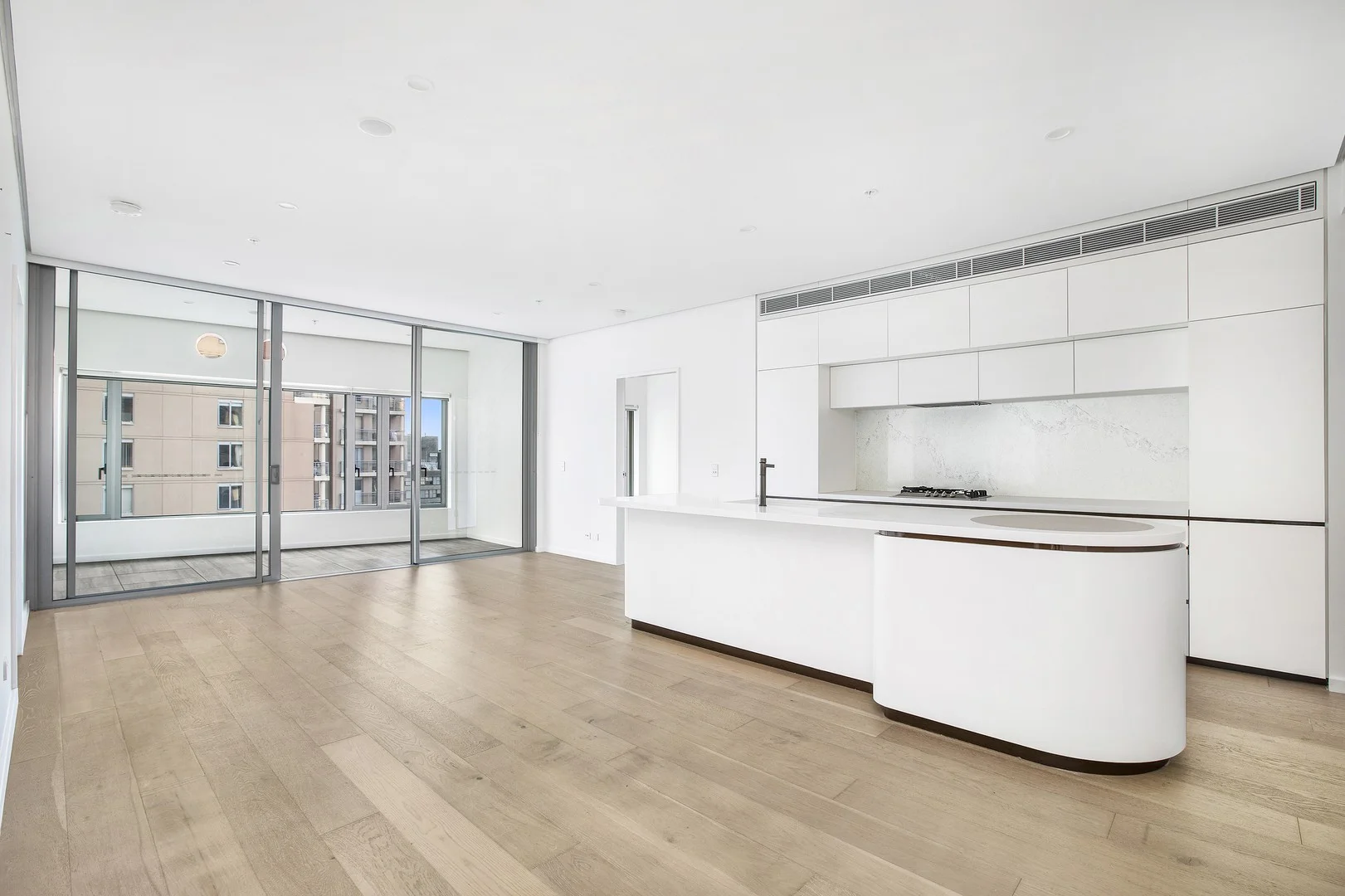 $2,250,000
Apartment / Unit / Flat
$2,250,000
Apartment / Unit / Flat
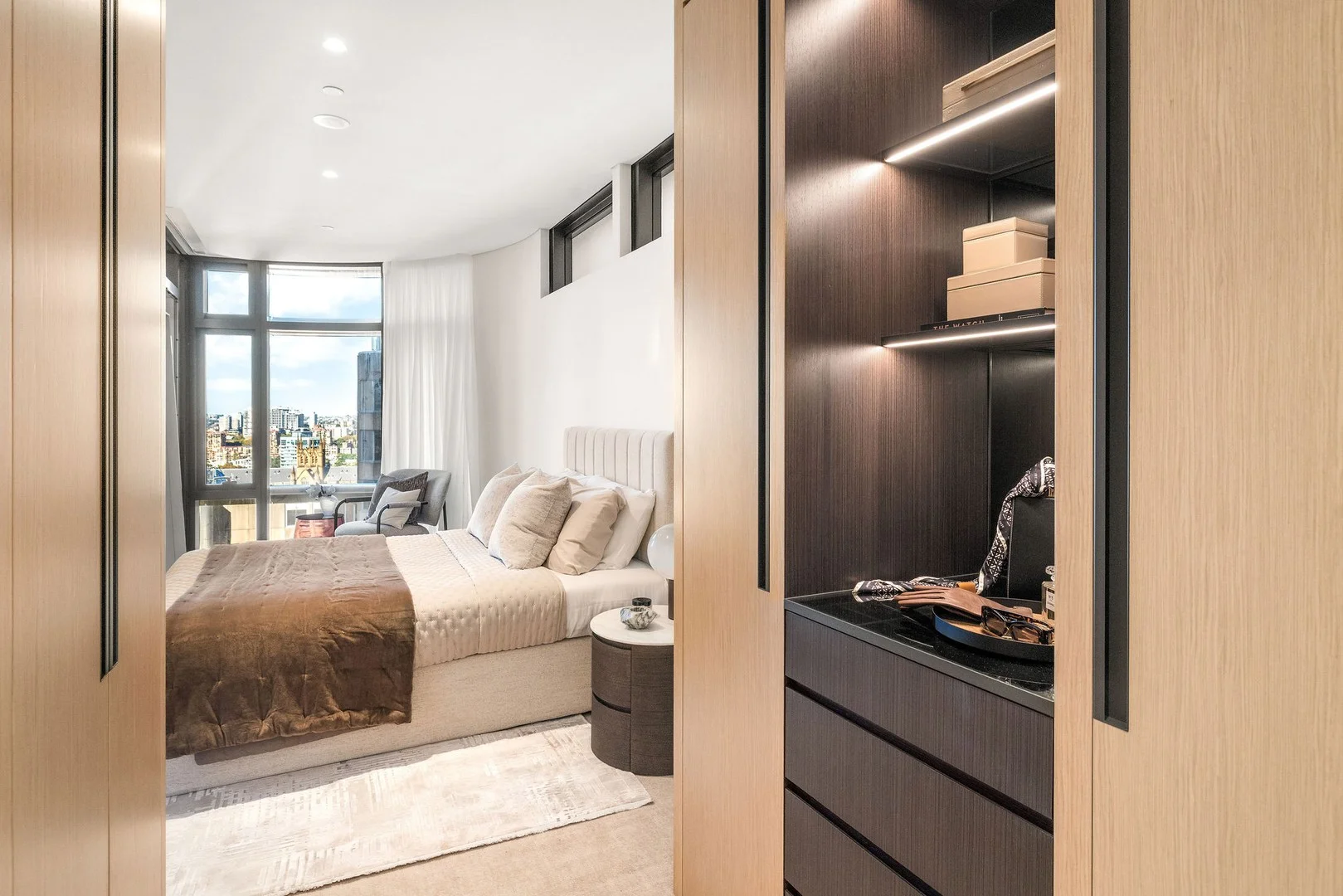 $2,745,000
propertyType.NEW APARTMENTS / OFF THE PLAN
$2,745,000
propertyType.NEW APARTMENTS / OFF THE PLAN
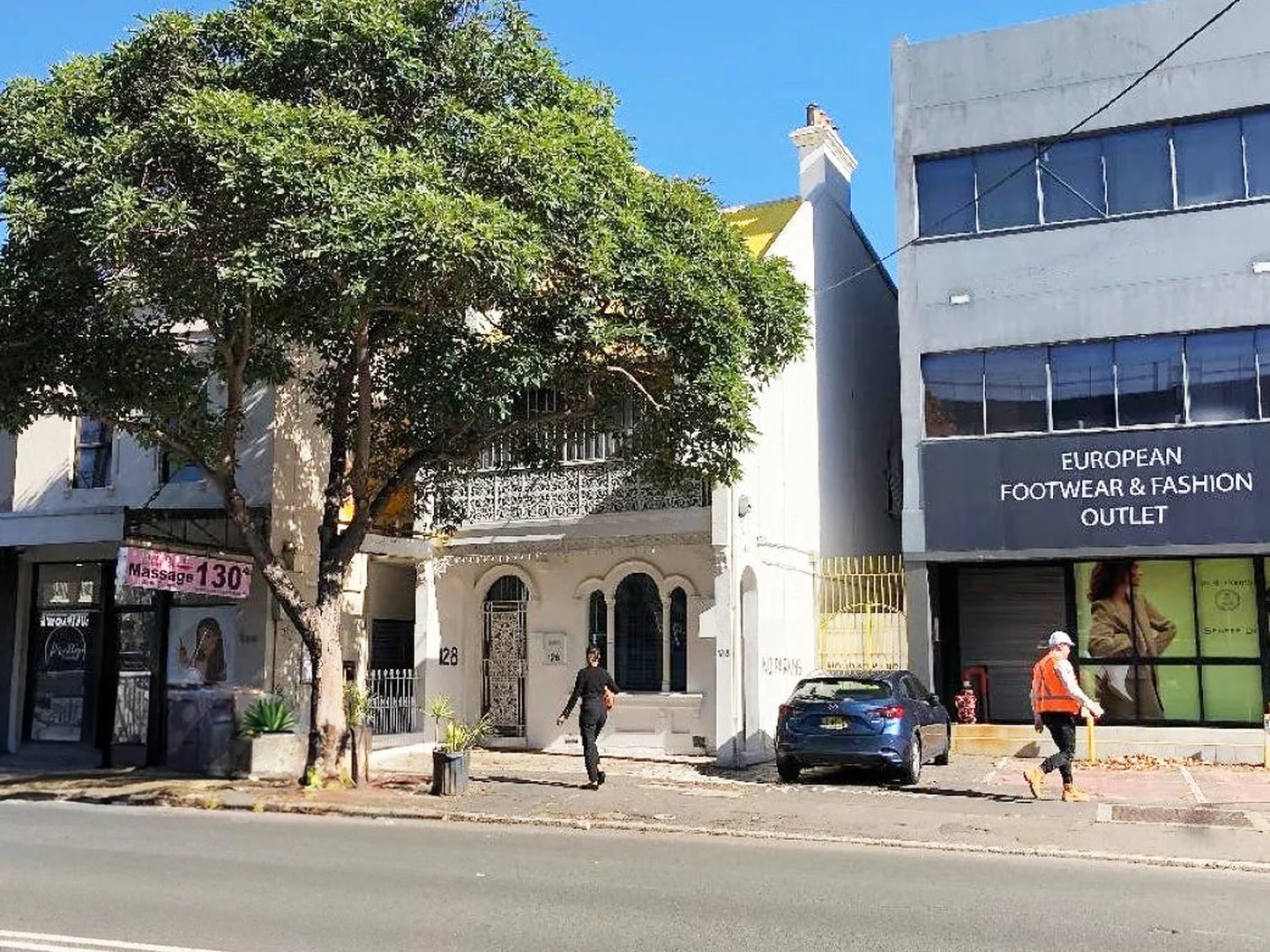 $3,900,000
House
$3,900,000
House


