Overview
Al-Faisal College Auburn is an independent private school offering the New South Wales curriculum with an Islamic education ethos. It is a co-educational campus that serves families seeking a values-based, community-focused learning environment. The school tends to be medium-to-large in size, welcoming students from diverse cultural and religious backgrounds while maintaining a strong sense of belonging and shared purpose.
- School type: Independent/private
- School size: Medium to large
- Atmosphere/culture: Diverse, inclusive, nurturing, with an academic emphasis and strong faith-based values
Academics & Learning
Al-Faisal College Auburn emphasises a balanced curriculum that integrates Australian learning standards with Islamic studies and Arabic language where relevant. The school aims to develop not only academic proficiency but also character, leadership, and global awareness.
- Academic strengths: English, Mathematics and Science (STEM focus), Arabic language, and Islamic studies; emphasis on literacy and critical thinking; leadership development embedded in school life
- Special programs: NSW curriculum pathways with opportunities for accelerated learning and leadership programs; gifted and talented provisions where available
- Support for diverse learners: EAL (English as an Additional Language) support, primary and secondary learning support, and targeted assistance for students needing extra help
Extracurricular life is a key feature for many families, with a focus on sport, arts, and clubs that foster teamwork, confidence, and diverse interests.
- Sports offered: Soccer, basketball, cricket, athletics, and other inter-school activities; emphasis on participation and development
- Strong teams or achievements: Competitive inter-school participation with opportunities to represent the school in regional events
- Music, arts, drama programs: Choirs, instrumental music, drama productions, and performing arts activities
- Clubs: Robotics, chess, coding, debating, public speaking, and other academic/interest clubs
- Partnerships: Local community clubs and competitions; connections with coding/robotics programs and regional inter-school events
Most parents skim this section, particularly for ages 10–14, so the emphasis is on clear pathways to sport, arts, and clubs that align with student interests.
Wellbeing & Pastoral Care
A strong wellbeing and pastoral framework helps families feel confident about the school’s care and support systems.
- Anti-bullying approach: Clear anti-bullying policies, restorative practices, and proactive wellbeing education
- House system: House structure to foster teamwork, belonging, and healthy competition
- Counsellors / wellbeing officers: Access to school counsellors or wellbeing staff to support social, emotional, and academic needs
- Transition support for new students: Orientation, buddy programs, and targeted transition support to help students settle in
Facilities
Facilities are a major consideration; the Auburn campus typically features spaces that support a broad curriculum and co-curricular activities.
- Sports grounds
- Libraries
- Science labs
- Music/performing arts centres
- Tech/innovation labs
- Cafeteria
- Updated playgrounds
Visually engaging spaces help students engage in hands-on learning and creative pursuits.
Families look for a school whose culture aligns with their expectations for character, leadership, and community involvement.
- School values / mission: Values-led education focusing on respect, responsibility, resilience, and integrity within a faith-informed context
- Leadership style: Inclusive, student-centered, and participatory; student leadership opportunities
- Behaviour expectations: Clear codes of conduct emphasizing respect for self and others
- Community reputation: Welcoming to families from diverse backgrounds; supportive school community
- Diversity & inclusion: Emphasis on inclusion and respect for cultural and religious differences
School Logistics & Daily Operations
Practical daily logistics help families plan around school life.
- School hours: Typical school day starts around 8:00–8:30 am and finishes around 3:00 pm; some before/after care options may be available
- Before/after school care: Available in many cases; check current provision for Auburn campus
- Uniform requirements: Standard school uniform with modest dress; sports uniform for PE; hijab options as appropriate
- Transport (train/bus routes): Local public transport options and possible school shuttle arrangements; verify current routes and times
- Canteen availability: On-site or designated canteen facilities may be available
- Fees (low/medium/high ranges): Fees generally fall in the medium to high range for independent schools; confirm with the campus for current schedules and any additional costs (uniforms, trips, activities)
Enrolment & Admissions
- What is the enrolment process and timeline?
- Submit an application with required documentation (birth certificate, immunisation records, academic history where applicable)
- Shortlisting and invitation to a family interview; may include student interaction or assessments
- Offer of enrolment and completion of any required forms; orientation and onboarding steps
- Is there a waiting list, and how does it work?
- Waiting lists are common when capacity is reached; placement may be influenced by family alignment with school values, availability, and priority categories (e.g., siblings, local catchment)
- Are there any entry requirements, tests, or interviews?
- Entry typically involves an interview with families and possibly an age-appropriate assessment or discussion to understand learning needs and fit with the school culture
- Does the school accept mid-year transfers?
- Yes, subject to space availability and a smooth transition plan; transfer documents, transcripts, and ongoing coordination with current and new schools are usually required
Frequently Asked Questions
- Why Parents Choose This School?
- Values-based education, supportive community, integration of Islamic studies with NSW curriculum, and a focus on well-rounded development
- What type of student thrives at this school?
- Students who value character development, faith-informed education, and an environment that supports academic growth and leadership
- What opportunities are available for students to extend their skills (academics, sports, arts)?
- Leadership opportunities, clubs (robotics, coding, debating), inter-school sports, music and performing arts programs
- How does the school communicate with parents?
- Regular newsletters, parent portals, emails, school app notifications, and parent-teacher meetings
- What is the school’s approach to teaching and learning?
- Student-centered, curriculum-aligned with NSW standards, emphasis on inquiry, digital learning tools, and integration of Islamic studies
- How does the school support students who need extra academic help?
- EAL support, targeted learning support staff, small-group assistance, and personalized plans
- What support is available for academic challenges?
- Access to learning support and counseling services; collaboration with families to create improvement plans
- How does the school communicate with parents?
- See above (regular updates through multiple channels)
- What extracurricular and sports opportunities are available?
- Sports, robotics, coding, chess, debating, music and drama programs, and inter-school activities
- What facilities does the school offer (sports, science, arts)?
- Sports facilities, libraries, science labs, performing arts spaces, tech/innovation labs, canteen, and playgrounds
- What is the school’s approach to technology and digital learning?
- Integrated ICT across the curriculum, use of learning management systems and digital tools to support learning
- What transport and accessibility options are available?
- Public transport access and potential school transport options; confirm current routes and accessibility with the campus
- What are the typical school fees or additional costs?
- Fees generally in the medium-to-high range for independent schools; includes uniforms and activities with possible additional costs for trips and extras
Short Pros & Cons list
Pros
- Values-based education integrated with NSW curriculum
- Supportive wellbeing and pastoral care
- Broad range of clubs, sports, and arts activities
- Inclusive community with diverse backgrounds
Cons
- Fees are higher than public options; additional costs for uniforms, trips, and activities
- Availability can vary; waiting lists may apply during peak intake periods
- Transfer of students mid-year depends on space and alignment with program
- Specific programs (e.g., IB) may not be offered; check pathway options for senior years

 Free
Free











 $36,000,000 - $39,500,000
Vacant Land
$36,000,000 - $39,500,000
Vacant Land
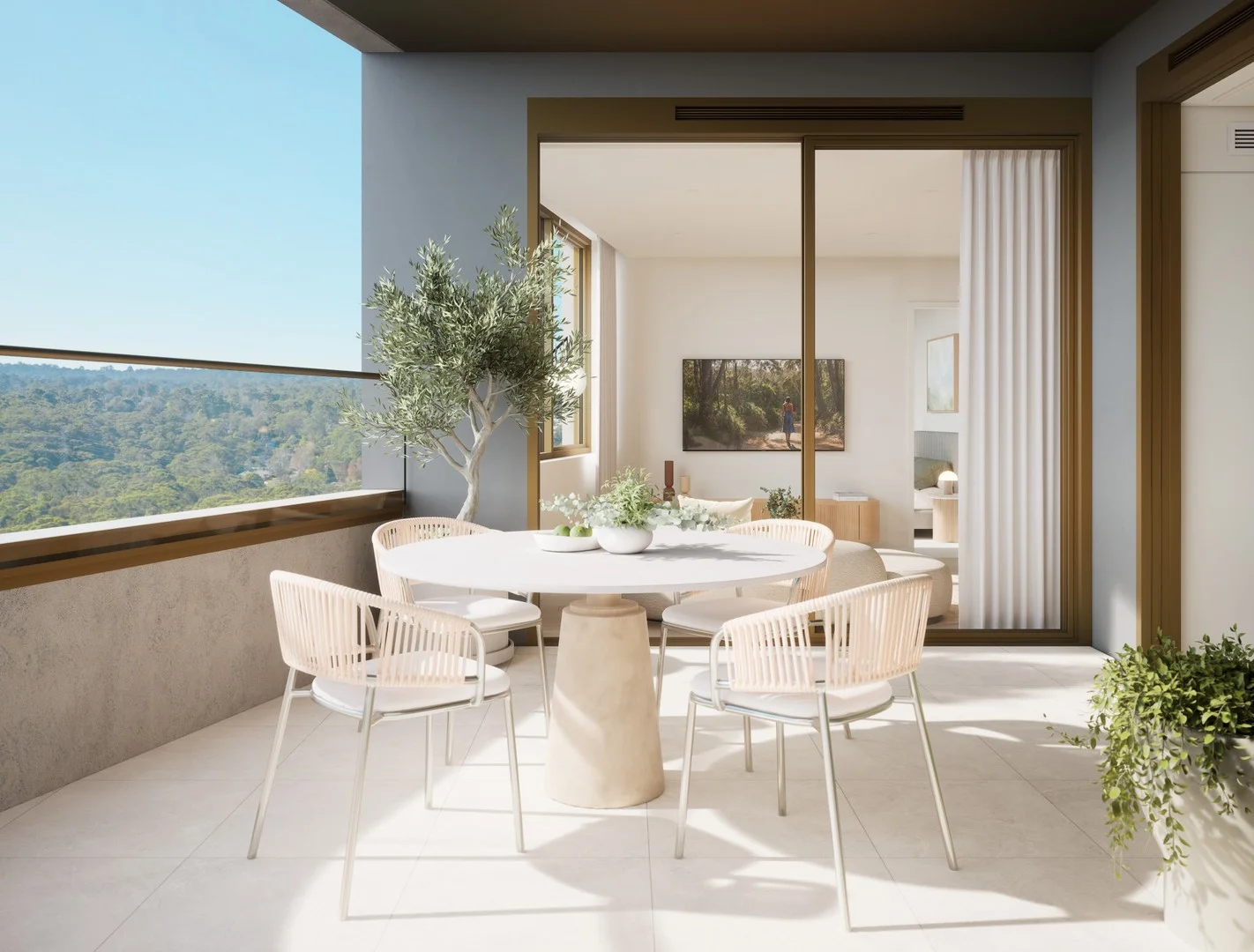 $1,525,000
Apartment / Unit / Flat
$1,525,000
Apartment / Unit / Flat
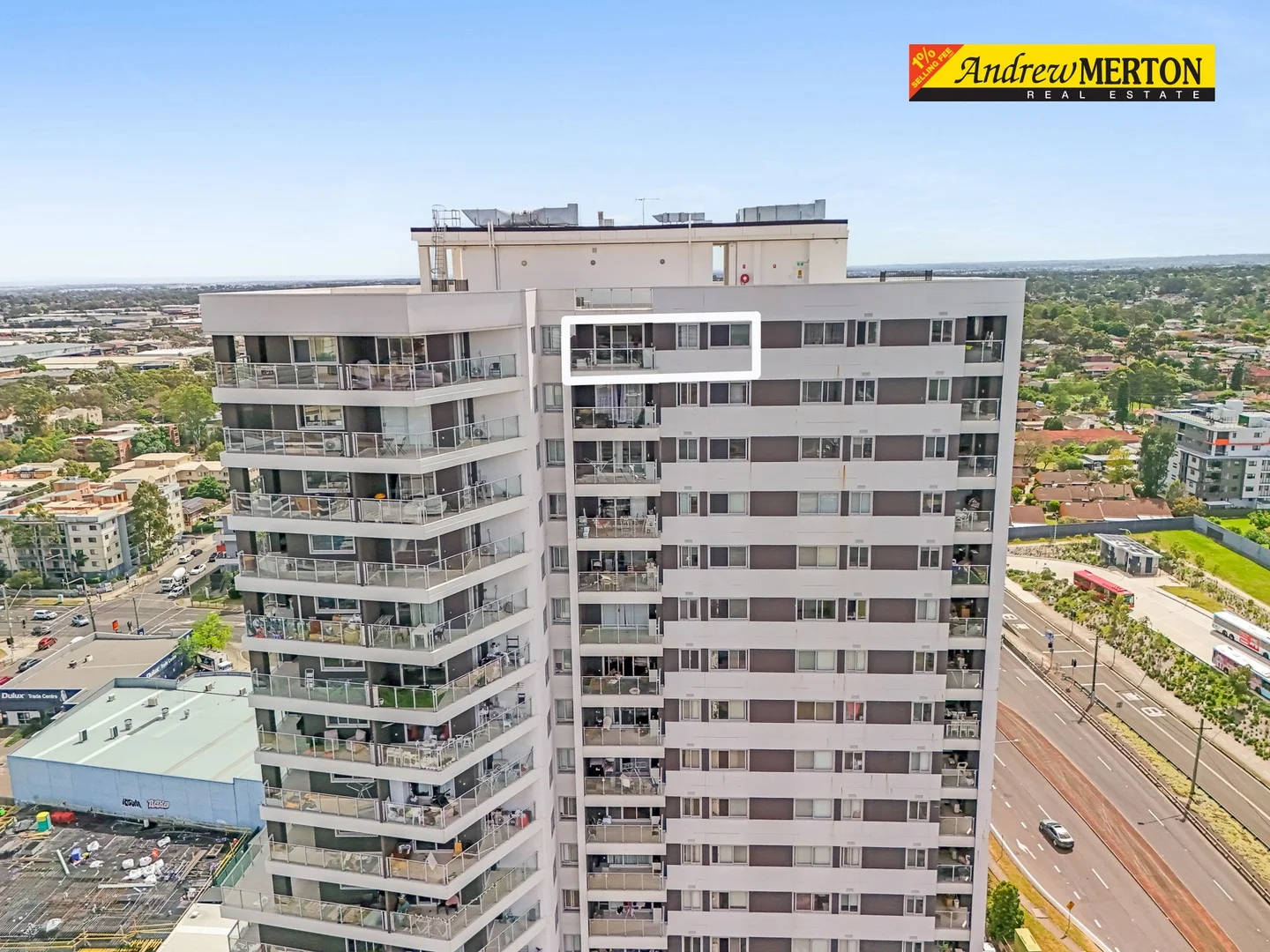 $399,900
Apartment / Unit / Flat
$399,900
Apartment / Unit / Flat
 $450,000 - $470,000
Apartment / Unit / Flat
$450,000 - $470,000
Apartment / Unit / Flat