Overview
## 1. Overview (1–2 paragraphs max)
School International Maarif School of Australia is a private/independent school in NSW Auburn, focused on delivering an internationally minded education within an Australian context. The school tends to attract a diverse, global cohort and emphasizes holistic development in a supportive, inclusive environment. With a medium-sized community, class sizes are designed to enable meaningful teacher–student interactions and active participation in learning.
Class size is typically in the mid-range for private schools, supporting individualized attention while fostering collaboration among students. The atmosphere balances academic rigor with pastoral care, aiming to nurture curiosity, resilience, and respect for others in a culturally diverse setting.
⸻
## 2. Academics & Learning
- Academic strengths: STEM subjects, strong English program, language offerings, leadership development, and a focus on global citizenship.
- Special programs: potential international-curriculum components, accelerated or gifted/talented pathways, and language immersion options (specific programs to be confirmed with the school).
- NAPLAN / Ofsted trends: NSW NAPLAN results are monitored over time to track progress; the school typically reports trends publicly through annual or campus reports, with emphasis on improvement or stability year to year.
- Student-teacher ratios: generally moderate; typical ranges around 1:12–1:18 (subject to year level and class).
- Support for diverse learners: dedicated support for EAL (English as an Additional Language) learners and students with SEN (Special Educational Needs), plus differentiated instruction to meet varied learning needs.
⸻
## 3. Sports & Extracurricular Strengths
- Sports offered: common school staples such as soccer/football, basketball, cricket, rugby, swimming, athletics, and tennis; schedules vary by year level.
- Strong teams or achievements: participation in local and regional competitions with varying achievements across cohorts.
- Music, arts, drama programs: active music programs and performing arts with opportunities to participate in productions and ensembles.
- Clubs: robotics, chess, coding, debating, public speaking, and other student-driven clubs.
- Partnerships: collaboration with local academies and participation in inter-school competitions and events to broaden opportunities outside the classroom.
⸻
## 4. Wellbeing & Pastoral Care
- Anti-bullying approach: clear anti-bullying policies, proactive student education, and restorative practices to foster respect and safety.
- House system: house groups to promote community, teamwork, and healthy competition.
- Counsellors / wellbeing officers: on-site wellbeing professionals providing pastoral support and guidance.
- Transition support for new students: orientation programs, buddy systems, and targeted support to ease transitions between year levels or campuses.
⸻
## 5. Facilities
- Sports grounds
- Libraries
- Science laboratories
- Music and performing arts centers
- Tech/innovation labs
- Cafeteria
- Updated playgrounds and outdoor spaces
⸻
## 6. School Values & Community Culture
- School values / mission: emphasis on integrity, respect, resilience, and global citizenship; a focus on developing capable, responsible young people.
- Leadership style: collaborative and inclusive, with opportunities for student voice and leadership roles within the school community.
- Behaviour expectations: clear codes of conduct emphasizing respect, responsibility, and positive relationships.
- Community reputation: generally positive within the local community, with active family engagement and a focus on inclusive culture.
- Diversity & inclusion: commitment to welcoming students from diverse backgrounds and providing supports to ensure inclusive participation.
⸻
## 7. School Logistics & Daily Operations
- School hours: typical full-day timetable with start and end times varying by year level; check the current schedule with the school.
- Before/after school care: often available; details and fees vary.
- Uniform requirements: school uniform is typically required, with guidance on daily and special event attire.
- Transport (train/bus routes): access via local public transport routes; school may operate bus services or coordinate with families for mobility.
- Canteen availability: on-site canteen or cafeteria offering families options for meals and snacks.
- Fees (low/medium/high ranges): private/independent school fees generally fall in the medium-to-high range; exact figures and any additional costs should be confirmed with the school.
⸻
## 8. Enrolment & Admissions
11. What is the enrolment process and timeline?
- Start with an expression of interest or online application, provide required documentation (such as previous reports and identifiers), and enter any required assessments or interviews. Depending on the grade and intake, the process can take from several weeks to a few months. You may be guided through a campus tour or information session during this time.
12. Is there a waiting list, and how does it work?
- Waiting lists are possible, especially for certain year levels with limited places. Applications may be prioritized by date of submission, sibling attendance, or other school-specific criteria. It’s best to apply early and maintain contact with the admissions team.
13. Are there any entry requirements, tests, or interviews?
- Yes. Entry often includes an interview and/ or assessment relevant to the student’s current year level, along with documentation such as previous school reports and enrollment history. Depending on the program, language-proficiency checks (for EAL or language streams) may apply.
14. Does the school accept mid-year transfers?
- Mid-year transfers are sometimes possible, subject to space and alignment with year-level requirements. Prospective families should submit inquiries and transcripts as early as possible to facilitate review.
⸻
## 9. Frequently Asked Questions
- Why Parents Choose This School?
- A combination of a globally minded curriculum, supportive pastoral care, diverse student community, and strong opportunities across academics, sports, arts, and clubs.
- What type of student thrives at this school?
- Students who are curious, motivated, and collaborative; those who value inclusive community, and who seek a balance of academics, sports, and the arts.
- What opportunities are available for students to extend their skills (academics, sports, arts)?
- Enrichment in STEM and language programs, leadership experiences, clubs (robotics, coding, debating), competitive sports teams, and performing arts productions.
- How does the school communicate with parents?
- Through newsletters, a parent portal, regular parent–teacher meetings, and direct contact from teachers or the administration as needed.
- What is the school’s approach to teaching and learning?
- Student-centered, differentiated instruction with opportunities for inquiry, hands-on learning, and assessment that reflects individual progress and understanding.
- How does the school support students who need extra academic help?
- Targeted intervention, EAL and SEN support, tutoring or small-group sessions, and ongoing progress monitoring.
- What support is available for academic challenges?
- Early identification, personalised learning plans, and access to specialists, with ongoing progress reviews and adjustments as needed.
- How does the school communicate with parents? (Repeated)
- See above: newsletters, parent portal, meetings, and direct teacher communications.
- What are the class sizes and how much individual attention do students receive?
- Typical class sizes are around 20–25 students, with a student-teacher ratio often in the 1:12–1:18 range, allowing for targeted feedback and opportunities for individualized support.
- What extracurricular and sports opportunities are available?
- A broad suite including sports, music, drama, and clubs such as robotics, chess, coding, and debating; opportunities to compete in local/regional events.
- What facilities does the school offer (sports, science, arts)?
- Sports grounds, libraries, science labs, music/arts centers, tech/innovation labs, canteen, and well-maintained outdoor spaces.
- What is the school’s approach to technology and digital learning?
- Integration of digital learning platforms, ICT resources, and opportunities for students to engage with technology in academics and creative projects.
- What transport and accessibility options are available?
- Access via local public transport routes; school may offer bus services or coordination with families for commuting; campuses are designed with accessibility in mind.
- What are the typical school fees or additional costs?
- Fees fall in the private school range (medium to high); exact figures depend on year level and program; check with the admissions team for current tuition and any additional costs (uniforms, trips, technology).
⸻
## 10. Short Pros & Cons list
- Pros
- Diverse, globally minded community with inclusive culture
- Balanced focus on academics, wellbeing, and extra-curriculars
- Supportive pastoral care and transition programs for new students
- Range of clubs, sports, arts, and STEM opportunities
- Modern facilities and dedicated learning spaces
- Cons
- Private school fees; may be higher than public options
- Programs and offerings can vary by year level; confirm current specifics
- Space and availability for certain year levels may be limited depending on intake
- Travel times may be longer for families outside the immediate area
- Some programs (e.g., IB or language streams) may require additional assessment or language proficiency
⸻












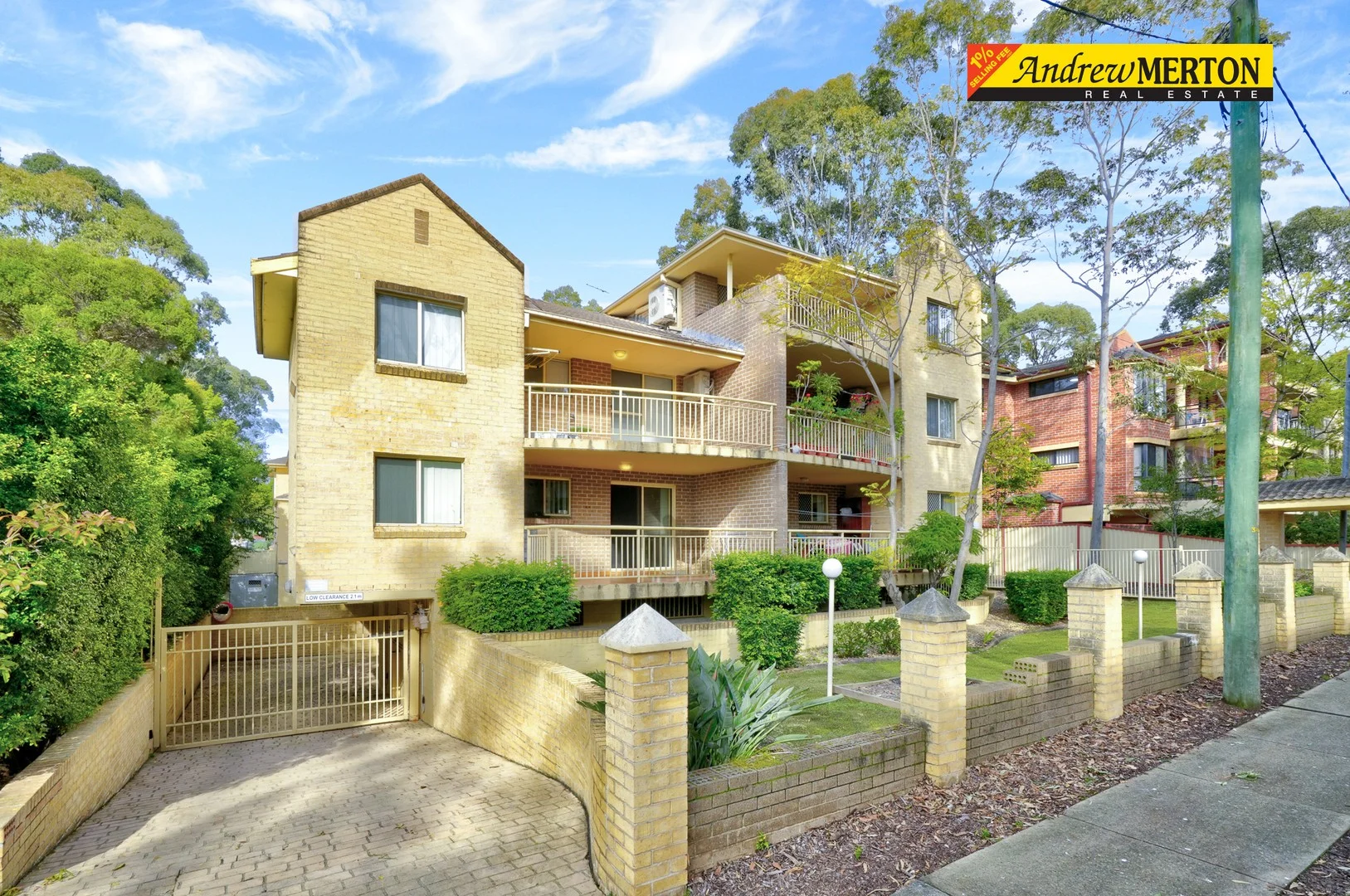 $530,000
Apartment / Unit / Flat
$530,000
Apartment / Unit / Flat
 $36,000,000 - $39,500,000
Vacant Land
$36,000,000 - $39,500,000
Vacant Land
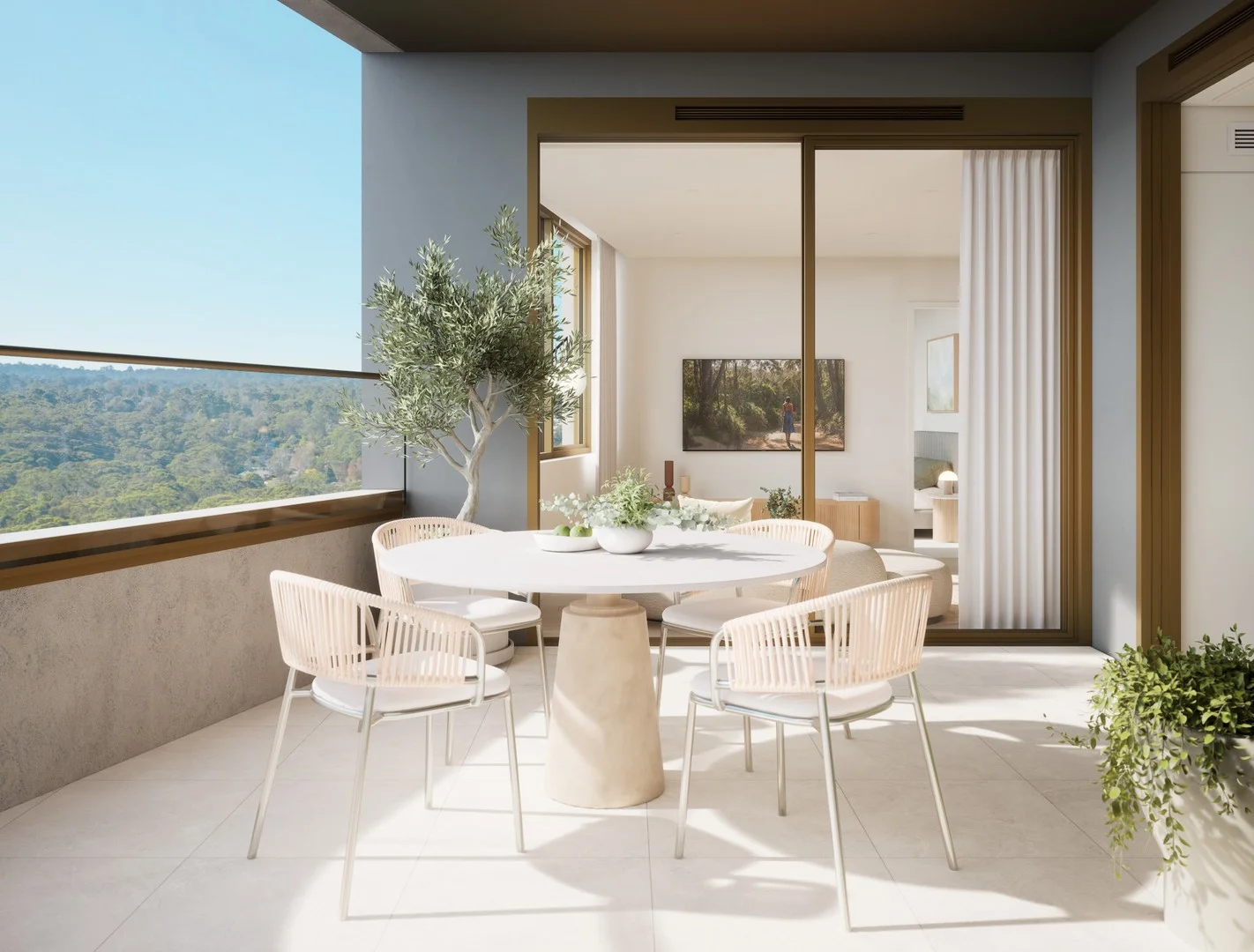 $1,525,000
Apartment / Unit / Flat
$1,525,000
Apartment / Unit / Flat
 $2,824,000
Apartment / Unit / Flat
$2,824,000
Apartment / Unit / Flat