Overview
Trinity Catholic College Auburn is a co-educational Catholic secondary school within the NSW Catholic Education system. The college is large in size, serving a diverse student community across the secondary years, with a strong emphasis on faith-based values, academic aspiration, and pastoral care. The atmosphere is aimed at being inclusive and welcoming, with a focus on fostering resilience, service, and personal growth alongside academic achievement.
Class sizes are typically in the mid-20s, enabling teachers to provide attentive instruction while maintaining a broad range of opportunities for students. The college emphasises a supportive, family-like culture where students are encouraged to participate in faith formation, leadership activities, and community service as part of daily school life.
Academics & Learning
- Academic strengths: English, Mathematics and Science are core strengths, with robust programs in STEM and humanities. Religious education integrates with general learning, and leadership development is encouraged across year groups.
- Special programs: Pathways for ATAR/excellence planning, leadership and student voice programs, and opportunities for accelerated or extended learning within core subjects.
- Support for diverse learners: Dedicated support for diverse learners, including EAL (English as an Additional Language) assistance and SEN (Special Educational Needs) support, with access to learning support staff and tailored plans.
- Sports offered: Football (soccer), basketball, rugby league, cricket, netball, athletics, swimming, tennis, and other common school sport programs.
- Strong teams or achievements: Competitive participation in local and inter-school competitions, with emphasis on student development, teamwork, and fair play.
- Music, arts, drama programs: Active music ensembles and performing arts offerings, regular arts events, and opportunities to participate in school productions and showcases.
- Clubs: Robotics, chess, coding, debating, science clubs, and other extracurricular interest groups.
- Partnerships: Connections with local clubs and community organizations for competitions, coaching, and joint events to broaden student experiences beyond the classroom.
Wellbeing & Pastoral Care
- Anti-bullying approach: Clear anti-bullying policies supported by a whole-school approach, with mediation and timely intervention to maintain a respectful environment.
- House system: House groups provide a sense of belonging, leadership opportunities, and positive competition; house mentors and captains support student engagement.
- Counsellors / wellbeing officers: Access to school counsellors and wellbeing coordinators to support emotional health, study stress, and transition needs.
- Transition support for new students: Orientation programs, buddy systems, and targeted induction activities to help new students settle in smoothly.
Facilities
- Sports grounds: On-site playing fields and courts for routine PE and inter-school sport.
- Libraries: Well-equipped library with study spaces and resources.
- Science labs: Modern science laboratories for practical work across biology, chemistry, and physics.
- Music/performing arts centers: Dedicated spaces for rehearsals, music rooms, and performance activities.
- Tech/innovation labs: Digital media, design, and technology spaces to support STEM and creative projects.
- Cafeteria: On-site canteen serving a range of healthy meals and snacks.
- Updated playgrounds: Well-maintained outdoor spaces for recreation and social interaction.
- School values / mission: Grounded in Catholic education principles, focusing on faith, service, integrity, and respect; emphasis on developing principled, compassionate, and capable young people.
- Leadership style: Collaborative and student-centered, with opportunities for student leadership and voice in school life.
- Behaviour expectations: Clear expectations around respect, responsibility, safety, and contribution to the school community.
- Community reputation: Known for a welcoming, faith-informed environment with strong family and parish links, and a commitment to inclusive education.
- Diversity & inclusion: Active efforts to welcome students from diverse backgrounds and to create an inclusive culture where every student can thrive.
School Logistics & Daily Operations
- School hours: Typically a school day running from morning to afternoon (e.g., around 8:30 am to 3:15 pm), with schedules that may vary by year level.
- Before/after school care: Availability of wraparound care options or partnerships to support families outside standard hours.
- Uniform requirements: Regular school uniform with seasonal options; clear guidelines for appearance and grooming.
- Transport (train/bus routes): Accessible by public transport with nearby bus routes and stop options; information on bus routes and travel planning is provided by the school.
- Canteen availability: On-site canteen offering a range of meal options and snacks.
- Fees (low/medium/high ranges): Fees align with NSW Catholic systemic schools and are presented as a moderate cost, with typical annual charges for tuition and resources; families may be eligible for subsidies or fee assistance as applicable.
Enrolment & Admissions
- What is the enrolment process and timeline?
- Applications are typically submitted to the school via the Queensland/NSW Catholic Education Office process (or the school’s admissions portal). The process generally includes submitting required documents (e.g., birth records, academic reports, family/parish details), attending information sessions, and meeting key dates for applications, interviews, and offer rounds. Timelines vary by intake year (often Year 7 admissions in NSW), with ongoing updates provided by the admissions team.
- Is there a waiting list, and how does it work?
- Yes, there can be a waiting list when year-level seats are filled. Waiting lists are managed by the admissions office, with priority given to factors such as siblings already enrolled, parish affiliations, and the order of completed applications. Prospective families are advised to apply early to maximise placement opportunities.
- Are there any entry requirements, tests, or interviews?
- Entry often involves a combination of documentation, an interview or information session, and consent for a school-based assessment if applicable. For Catholic schools, there may be a faith/family context discussion, and schools may request references or a pastoral recommendation as part of the process.
- Does the school accept mid-year transfers?
- Mid-year transfers are possible, subject to vacancies and completing the standard enrolment process. Parents considering a mid-year move should contact the admissions team promptly to check availability and outline transfer requirements.
Frequently Asked Questions
- Why Parents Choose This School?
- A values-driven education with strong pastoral care, inclusive culture, solid academics, and ample extracurricular opportunities within a supportive, faith-based community.
- What type of student thrives at this school?
- Motivated students who value community, upholding respectful conduct, and who wish to engage in both academic subjects and faith-involved activities.
- What opportunities are available for students to extend their skills (academics, sports, arts)?
- Advanced coursework or ATAR pathways, leadership roles, STEM and arts clubs, inter-school sport, music ensembles, drama productions, debating, robotics, and coding clubs.
- How does the school communicate with parents?
- Regular updates via email, a school app or portal, newsletters, parent-teacher meetings, and timely responses from pastoral and academic staff.
- What is the school’s approach to teaching and learning?
- A balanced approach combining robust core academics with faith-informed education, personalised support for diverse learners, and opportunities for practical, collaborative, and project-based learning.
- How does the school support students who need extra academic help?
- Targeted learning support, EAL assistance, SEN support, structured tutoring, and intervention strategies within the classroom or through a dedicated learning support team.
- What support is available for academic challenges?
- Academic mentoring, homework help programs, adjustment of learning plans, and access to counsellors or wellbeing staff to support study habits and wellbeing.
- How does the school communicate with parents? (Repeated)
- See above: regular digital updates, meetings, and accessible staff.
- What extracurricular and sports opportunities are available?
- A broad range of sports (e.g., football, basketball, rugby league, cricket, netball, athletics), plus music, drama, and clubs such as robotics, chess, coding, and debating.
- What facilities does the school offer (sports, science, arts)?
- Sports grounds, libraries, science labs, music/performing arts spaces, tech/innovation labs, a canteen, and updated outdoor play areas.
- What is the school’s approach to technology and digital learning?
- Integration of digital tools across subjects, with computing, design/tech labs, and opportunities for students to engage in coding and digital projects.
- What transport and accessibility options are available?
- Access via public transport with nearby bus/train routes; travel planning support is typically available through the school.
- What are the typical school fees or additional costs?
- Fees align with NSW Catholic systemic schools, described as moderate. Additional costs may apply for trips, extracurricular activities, and supplies, with potential fee assistance options.
Short Pros & Cons list
- Strong values-driven Catholic education with pastoral care
- Large, diverse student body with broad academic and extracurricular offerings
- Good teacher contact time and emphasis on student well-being
- Wide range of clubs, sports, arts, and leadership opportunities
- Support for diverse learners (EAL and SEN)
- Large school environment can feel busy; some students may prefer a smaller setting
- Uniforms and campus routines can require adjustment for new students
- Fees are in the moderate range for NSW Catholic schools, which may be a constraint for some families
- Popular programs can have competition for spots (e.g., certain clubs or leadership roles)

 Free
Free










 $36,000,000 - $39,500,000
Vacant Land
$36,000,000 - $39,500,000
Vacant Land
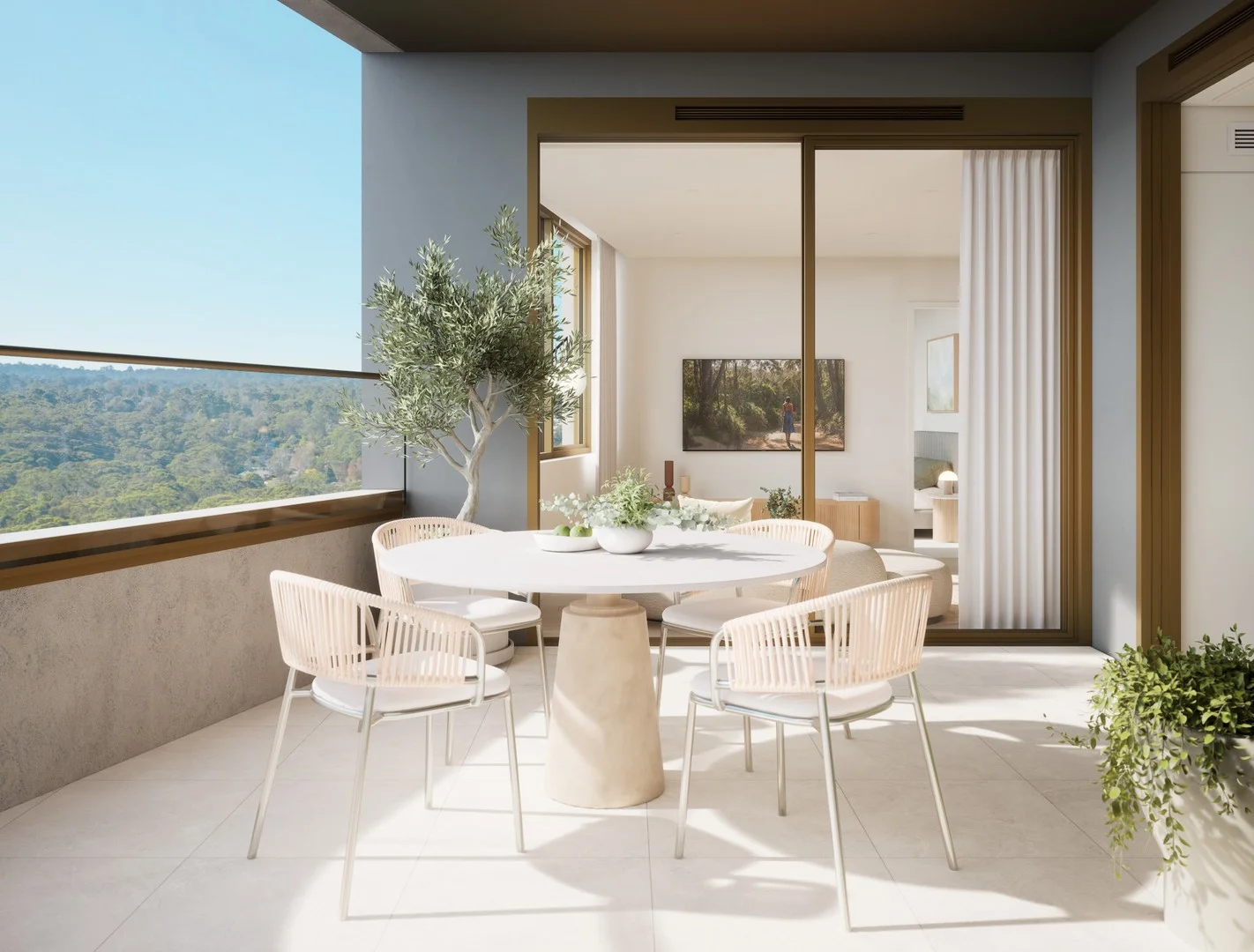 $1,525,000
Apartment / Unit / Flat
$1,525,000
Apartment / Unit / Flat
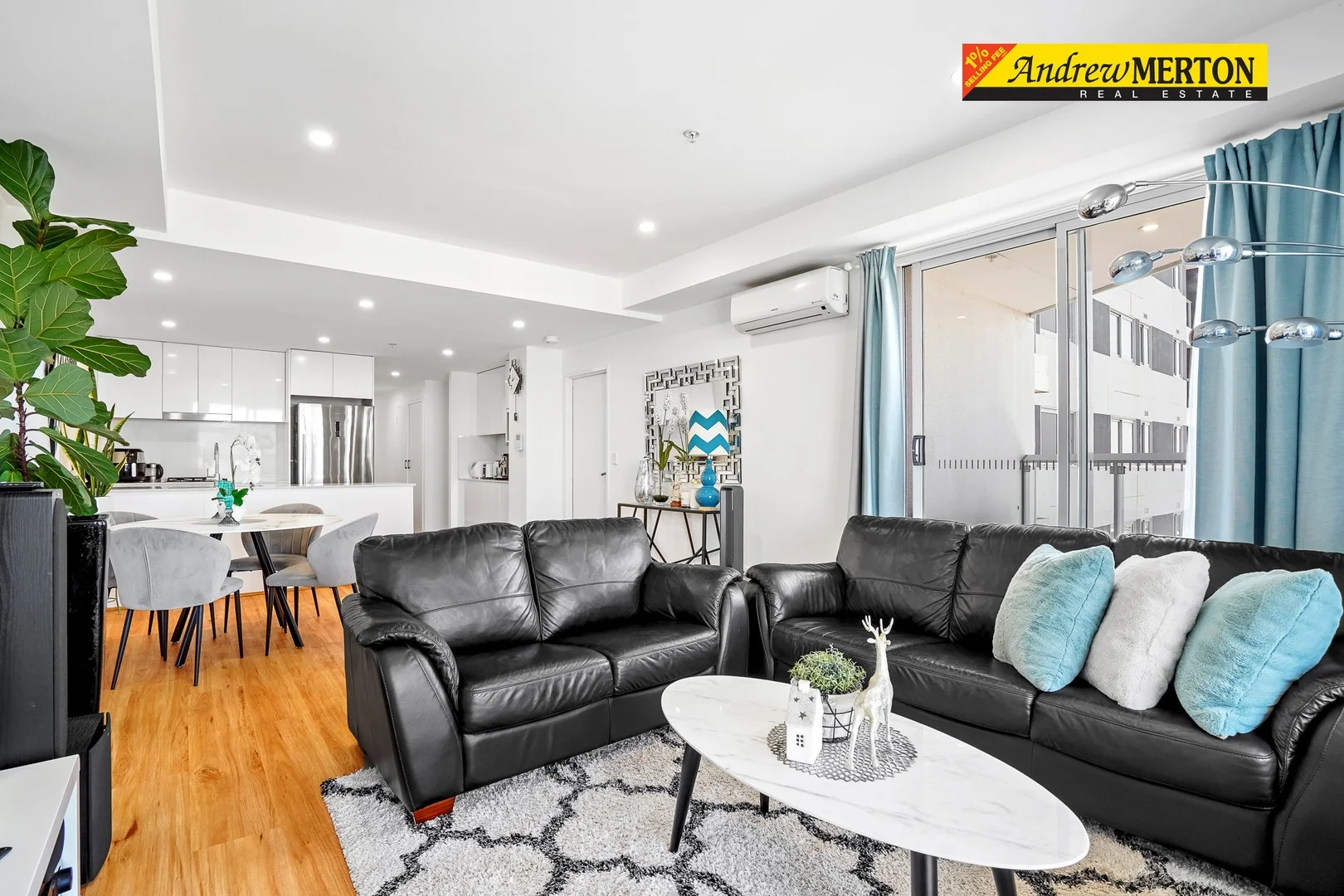 $450,000 - $470,000
Apartment / Unit / Flat
$450,000 - $470,000
Apartment / Unit / Flat
 $399,900
Apartment / Unit / Flat
$399,900
Apartment / Unit / Flat