Overview
## Overview
Alpha Omega Senior College is a private/independent secondary school serving the Auburn area with a focus on preparing students for life beyond school through strong academics, character development, and structured support. The college emphasizes a values-driven environment that blends rigorous learning with pastoral care to help students grow as confident, responsible young people.
- School type: Independent/private (Christian-inspired ethos)
- School size: Medium
- Class size: Approximately 18–22 students per class
- Atmosphere/culture: Nurturing, academically focused, inclusive, with an emphasis on community and leadership
⸻
## Academics & Learning
- Academic strengths: English and literacy, STEM subjects (maths and science), leadership development, and language studies.
- Special programs: Accelerated/extension options for high-achieving students; gifted and talented pathways; targeted support for secondary-level examination aims.
- NAPLAN trends: Consistently improving performance in key literacy and numeracy areas over recent years, with continued emphasis on growth and mastery rather than single-score outcomes.
- Student-teacher ratios: Generally favorable, supporting more individualized attention (roughly 1:12–1:16 in many classes).
- Support for diverse learners: EAL (English as an Additional Language) support available; SEN (Special Educational Needs) support and inclusive education practices; access to learning support staff.
⸻
## Sports & Extracurricular Strengths
- Sports offered: Basketball, football (soccer), athletics, swimming, cricket, netball, and tennis; teams compete in regional school leagues.
- Strong teams or achievements: Notable participation and success across several inter-school competitions; emphasis on teamwork, discipline, and development.
- Music, arts, drama programs: Robust music program with ensembles; drama and theatre productions; opportunities to engage in performing arts.
- Clubs: Robotics, coding, chess, debating, robotics competitions, language clubs, and community service clubs.
- Partnerships: Connections with local sports academies and arts programs; participation in regional competitions and showcases.
⸻
## Wellbeing & Pastoral Care
- Anti-bullying approach: Proactive, zero-tolerance stance with clear reporting mechanisms, student-led initiatives, and staff training.
- House system: House-based activities and pastoral care structure to foster belonging and healthy competition.
- Counsellors / wellbeing officers: Access to school-based counsellors and wellbeing staff for personal, social, and academic support.
- Transition support for new students: Orientation programs, buddy systems, and family onboarding to ease transitions between year levels or from other schools.
⸻
## Facilities
- Sports grounds: Well-maintained fields and outdoor courts for multiple sports.
- Libraries: Modern library with study spaces and digital resources.
- Science labs: Well-equipped science laboratories for Chemistry, Physics, and Biology.
- Music/performing arts centers: Dedicated spaces for music rehearsal, ensembles, and drama productions.
- Tech/innovation labs: Computer rooms and maker/design labs supporting digital learning and project work.
- Cafeteria: On-site canteen offering a range of healthy meals and snacks.
- Updated playgrounds: Safe outdoor spaces with updated play and recreation areas.
⸻
## School Values & Community Culture
- School values / mission: Emphasis on respect, integrity, inclusion, and service; a mission to develop well-rounded, responsible citizens.
- Leadership style: Participative and servant leadership culture, with student input in clubs, events, and mentoring programs.
- Behaviour expectations: Clear codes of conduct centered on respect, responsibility, and positive relationships.
- Community reputation: Positive reputation for supportive community involvement, parent engagement, and student well-being.
- Diversity & inclusion: Commitment to diversity and inclusive practices across curriculum, clubs, and events.
⸻
## School Logistics & Daily Operations
- School hours: Typical instructional day from morning to mid-afternoon, with structured breaks.
- Before/after school care: Availability of supervised programs or activities outside normal hours.
- Uniform requirements: Set of required daily uniform items; details provided by the school uniform policy.
- Transport: Information on available bus routes or public transport access; guidance for parents on commuting options.
- Canteen availability: On-site canteen with convenient meal options.
- Fees: Generally in the medium-to-high range for private/independent schools; detailed fee schedules provided by the school.
⸻
## Enrolment & Admissions
11. What is the enrolment process and timeline?
- Parents typically submit a completed application form along with required documents (birth certificate/passport, immunisation records, previous school reports). There is an application deadline, followed by an interview or assessment if required. The timeline often includes an intake year for Year 11 and Year 12, with occasional mid-year spaces depending on availability.
12. Is there a waiting list, and how does it work?
- If spaces are limited, a waiting list may be established. Applicants are usually placed on the list based on submission date, alignment with eligibility criteria, and availability. Regular updates are provided by the admissions team.
13. Are there any entry requirements, tests, or interviews?
- Entry may involve an interview or discussion with a member of the leadership or admissions team. Some programs may include short assessments or portfolios to understand academic strengths and learning needs. Documentation such as previous school reports is typically requested.
14. Does the school accept mid-year transfers?
- Mid-year transfers may be considered if space permits and if the student’s coursework can align with the current grade level. Transfer processes generally require a review of prior academic records and a transition plan.
⸻
## Frequently Asked Questions
- Why Parents Choose This School?
- A supportive, values-driven environment with a focus on both academics and personal development, plus strong wellbeing support and small-class attention.
- What type of student thrives at this school?
- Students who are motivated, collaborative, and open to participating in a range of academic and extracurricular activities; those who value community and character development.
- What opportunities are available for students to extend their skills (academics, sports, arts)?
- Accelerated or extension options in core subjects, leadership roles in clubs, high-quality arts and music programs, competitive sports teams, and participation in local competitions and showcases.
- How does the school communicate with parents?
- Regular written updates, parent-teacher meetings, a digital portal for grades and notices, and timely responses from staff when needed.
- What is the school’s approach to teaching and learning?
- A blend of traditional instruction and student-centered, inquiry-based learning with emphasis on critical thinking, collaboration, and real-world application.
- How does the school support students who need extra academic help?
- Targeted learning support, tutoring, EAL or SEN services, and coordinated plans between teachers, counsellors, and families.
- What support is available for academic challenges?
- Access to learning support staff, time management coaching, mentoring, and personalized plans to help students catch up and progress.
- How does the school communicate with parents? (Repeat)
- See above: regular updates, meetings, and digital platforms for ongoing communication.
- What are the class sizes and how much individual attention do students receive?
- Class sizes typically around 18–22 students, with ample opportunities for individual feedback through teacher-student interactions and targeted support.
- What extracurricular and sports opportunities are available?
- A broad range of sports, clubs (robotics, coding, debating, chess), arts programs, and community service activities.
- What facilities does the school offer (sports, science, arts)?
- Sports grounds, science labs, libraries, music/performing arts spaces, and tech/innovation labs, plus a canteen and suitable social spaces.
- What is the school’s approach to technology and digital learning?
- Integration of digital tools across learning, computer labs, and opportunities for project-based and online learning to build digital literacy.
- What transport and accessibility options are available?
- Information on bus routes and public transport access, with supports for students commuting to and from school.
- What are the typical school fees or additional costs?
- Fees are set by the school and can vary by program and year level; detailed breakdowns are provided by the admissions team.
⸻
## Short Pros & Cons list
- Pros
- Supportive pastoral care and small-class environments
- Broad range of academic and extracurricular options
- Values-driven culture with emphasis on inclusion and leadership
- Modern facilities and resources to support learning
- Cons
- Private/independent school fees; may require ongoing financial planning
- Competition for limited spaces in high-demand cohorts
- Structured schedules may feel intense for some students seeking a more relaxed pace
⸻












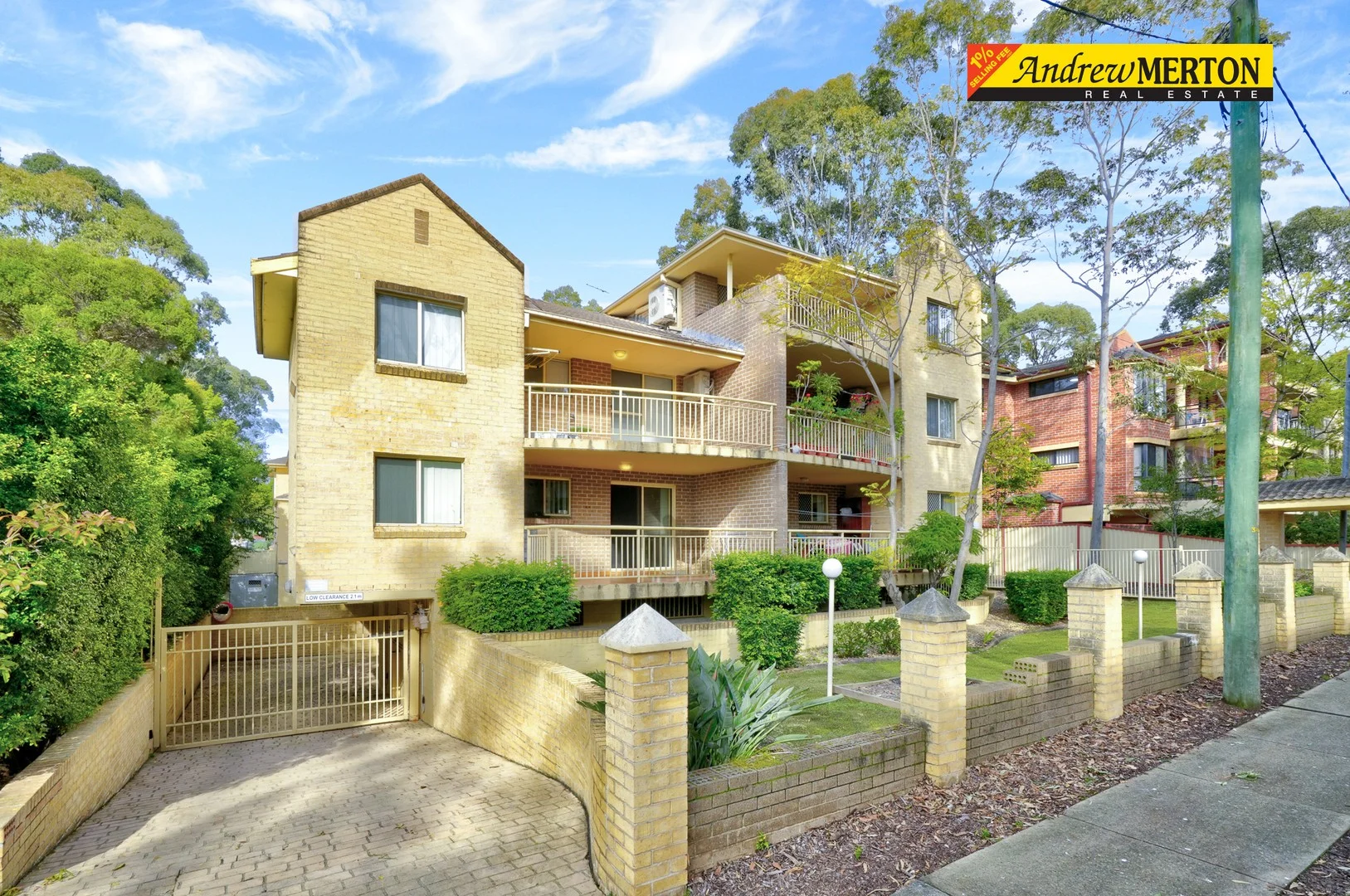 $530,000
Apartment / Unit / Flat
$530,000
Apartment / Unit / Flat
 $36,000,000 - $39,500,000
Vacant Land
$36,000,000 - $39,500,000
Vacant Land
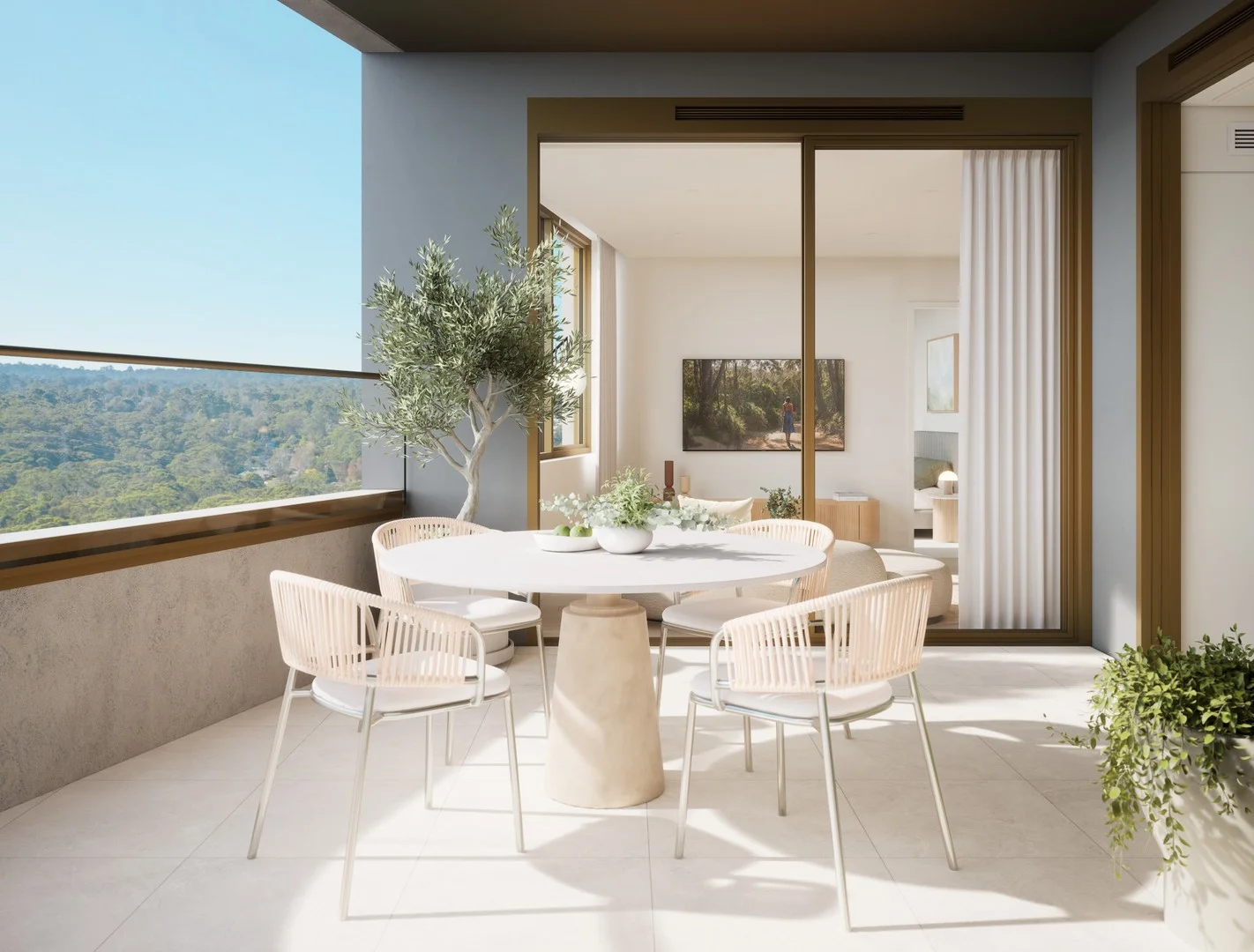 $1,525,000
Apartment / Unit / Flat
$1,525,000
Apartment / Unit / Flat
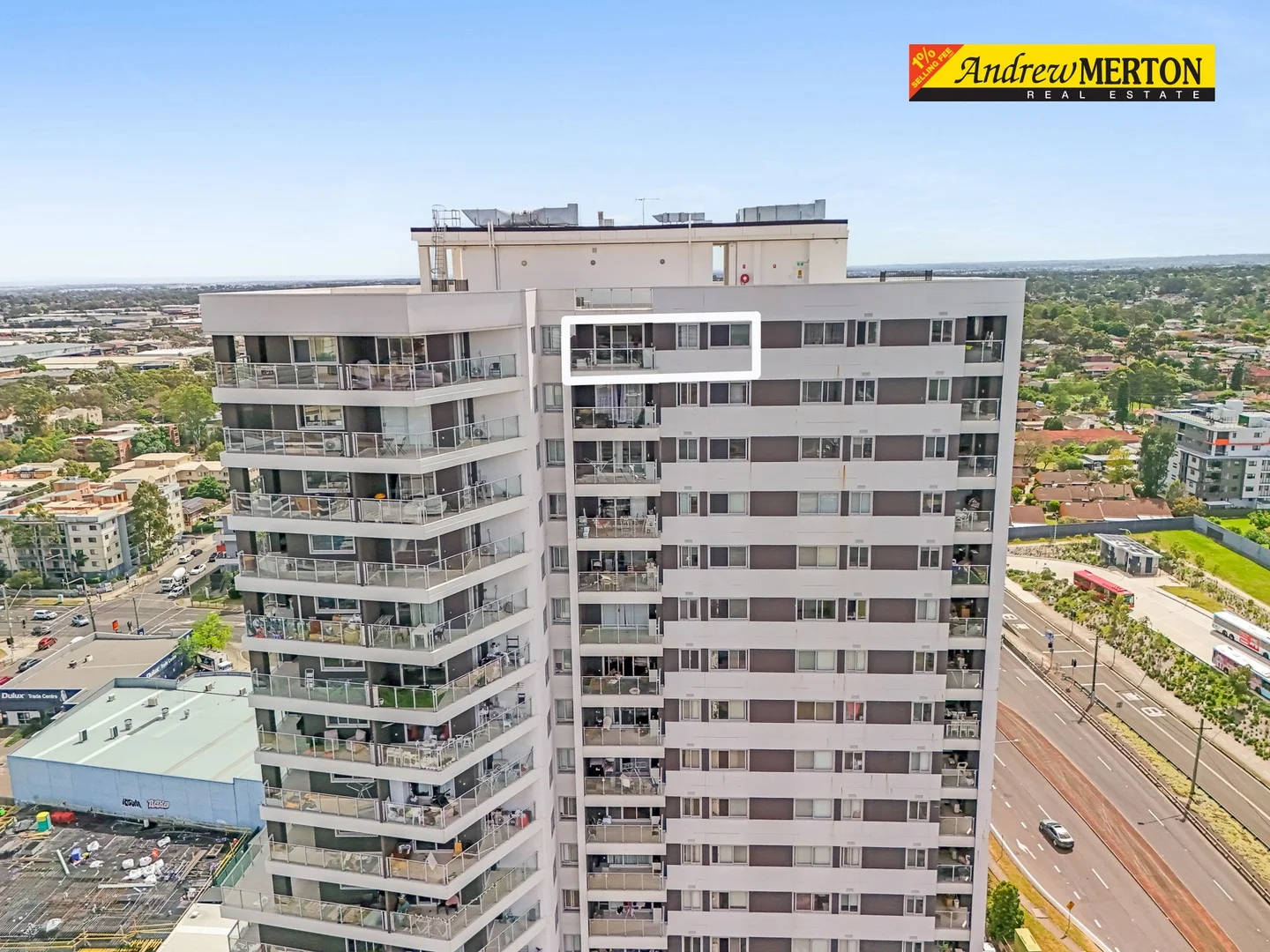 $399,900
Apartment / Unit / Flat
$399,900
Apartment / Unit / Flat
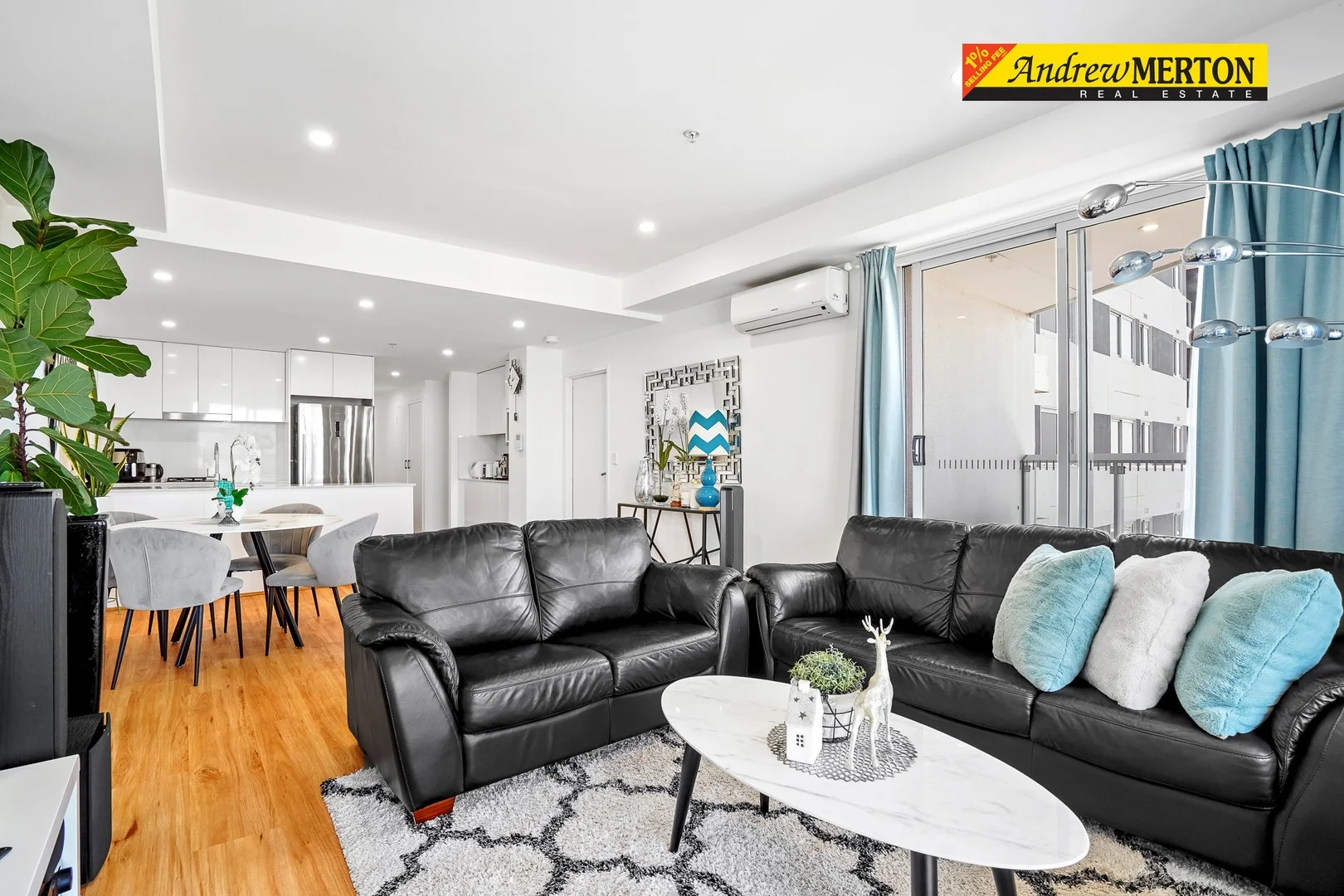 $475,000
Apartment / Unit / Flat
$475,000
Apartment / Unit / Flat