## 1. Overview
Brisbane Girls Grammar School is an independent private day school for girls, offering a rigorous academic program within a supportive, inclusive community. The school combines traditional values with contemporary learning to prepare students for success in all facets of life. It is a mid-to-large sized school with enrolments that foster a collaborative and vibrant school culture.
Class sizes are typically in the low 20s, allowing for strong teacher attention and personalised feedback. The atmosphere emphasises academic excellence, leadership development, and a balanced approach to sport, arts, and service, creating a nurturing environment where girls are encouraged to aim high and support one another.
---
## 2. Academics & Learning
- Academic strengths: The school has strong programs across STEM, English and literature, languages, and humanities, with a clear emphasis on high-level thinking, research skills, and rigorous assessment.
- Special programs: Gifted and talented pathways, accelerated learning options, and senior studies designed to maximise student readiness for tertiary study. The school provides opportunities for extended projects and leadership development within the curriculum.
- NAPLAN trends: Consistently above state averages with a history of improvement in key areas such as reading, writing, and numeracy, reflecting strong foundational skills and targeted support where needed.
- Student-teacher ratios: Favourable ratios support frequent feedback and tailored learning plans; teachers work to differentiate instruction to meet diverse student needs.
- Support for diverse learners: Robust support for diverse learners, including English as an Additional Language (EAL) programs and targeted SEN (special educational needs) services, along with learning support staff integrated into student programs.
---
## 3. Sports & Extracurricular Strengths
- Sports offered: Netball, hockey, basketball, swimming, tennis, athletics, cross-country, and other co-curricular physical activities are part of the program.
- Strong teams or achievements: Consistent participation and success in interschool competitions, with many students gaining selection into school representative teams and regional events.
- Music, arts, drama programs: Comprehensive music ensembles, choir, drama productions, and opportunities to perform in school and community contexts.
- Clubs: Robotics, coding, chess, debating, and other academic and interest-based clubs to extend skills beyond the classroom.
- Partnerships: Collaborations with local clubs, societies, and competitions to broaden opportunities in sport, the arts, and STEM disciplines.
Most parents find this section particularly helpful for students aged 10–14, who often capitalize on a combination of sport, arts, and STEM clubs.
---
## 4. Wellbeing & Pastoral Care
- Anti-bullying approach: Clear anti-bullying policies with proactive education, reporting, and support pathways; emphasis on a respectful and inclusive culture.
- House system: A house structure supports mentoring, friendship groups, and cross-year activities, fostering belonging and healthy competition.
- Counsellors / wellbeing officers: On-site counselling and wellbeing staff provide confidential support, guidance, and resilience-building programs.
- Transition support for new students: Orientation programs, buddy systems, and peer mentoring help new students adjust to the school community and routines.
This section is designed to build trust with families by showing a holistic approach to student wellbeing.
---
## 5. Facilities
- Sports grounds: Well-maintained playing fields, courts, and facilities suitable for a range of sports.
- Libraries: Well-stocked library spaces that support study, research, and quiet reading.
- Science labs: modern laboratories equipped for biology, chemistry, physics, and integrated STEM work.
- Music/performing arts centers: Dedicated spaces for rehearsals, performances, and productions.
- Tech/innovation labs: Modern classrooms and labs designed for circuitry, coding, robotics, and maker-space activities.
- Cafeteria: On-site canteen serving a variety of healthy options.
- Updated playgrounds: Age-appropriate outdoor spaces and play areas that support active break times.
The visuals are designed to be simple and engaging, helping parents picture everyday student life.
---
## 6. School Values & Community Culture
- School values / mission: A values-led learning community focused on integrity, curiosity, respect, and service, with leadership development embedded throughout the student experience.
- Leadership style: Student leadership opportunities through councils, committees, and project-based roles, guided by supportive staff mentors.
- Behaviour expectations: Clear codes of conduct centered on respect, responsibility, and resilience; consistent enforcement with opportunities for restorative practice.
- Community reputation: A long-standing reputation for academic strength, well-rounded opportunities, and a welcoming, inclusive school culture.
- Diversity & inclusion: Active commitment to diversity and inclusion, with programs and supports to ensure all students feel valued and able to participate fully.
---
## 7. School Logistics & Daily Operations
- School hours: Typically aligned with a standard school day, with start and finish times published by the school each year.
- Before/after school care: After-school care and supervision options are available to accommodate working families.
- Uniform requirements: Official school uniform with specified items and distinctions for different year levels and activities.
- Transport (train/bus routes): Access via public transport and school bus services where available; proximity to major Brisbane routes assists regular commuting.
- Canteen availability: On-site canteen or meal services offering meals and snacks.
- Fees (low/medium/high ranges): Fees are in the higher end of the spectrum for independent private education, reflecting comprehensive programs, facilities, and staffing.
---
## 8. Enrolment & Admissions
11. What is the enrolment process and timeline?
- Applications typically open ahead of the academic year for entry at various year levels. The process usually involves online submission of an application, submission of required documents (academic records, birth certificate or ID, and any additional school-specific forms), followed by an assessment or entrance test, interviews, and a formal offer if space is available. Once offered, families complete enrollment paperwork and confirm their place, with timelines varying by year level and term.
12. Is there a waiting list, and how does it work?
- Yes, there is a waiting list when spaces are full. Applicants are placed on the list in order of application and date received, with priority given to siblings or specific entry points if applicable. Availability depends on year level and cohort demand; the school will communicate expected timelines where possible.
13. Are there any entry requirements, tests, or interviews?
- Entrance assessments or interviews are commonly part of the process, along with review of academic records, reports, and supporting documents. The exact tests or interview formats vary by year level. The school may assess numeracy, literacy, and general readiness, and may request a short information session with parents.
14. Does the school accept mid-year transfers?
- Mid-year transfers are considered subject to space availability and timing. Families interested in mid-year placement should contact the admissions team early to discuss suitability, required documentation, and any transfer-specific steps.
---
## 9. Frequently Ask Questions
- Why Parents Choose This School?
- Parents value the school’s strong academic record, supportive pastoral care, broad co-curricular options, and a culture that fosters leadership and service. The combination of high expectations with a nurturing environment helps students grow academically and personally.
- What type of student thrives at this school?
- A motivated, curious, and collaborative student who values high-quality teaching, active participation in clubs and sport, and service to others often thrives here. The school supports both high achievers and students who are developing their strengths across a range of areas.
- What opportunities are available for students to extend their skills (academics, sports, arts)?
- Students can engage in accelerated or enriched courses, gifted and talented pathways, leadership programs, music ensembles, drama productions, sports squads, robotics and coding clubs, debating, and partnerships with local arts and science communities.
- How does the school communicate with parents?
- Regular communications include newsletters, a parent portal, emails, evening information sessions, and parent-teacher meetings. Updates on student progress and school events are shared through multiple channels to keep families informed.
- What is the school’s approach to teaching and learning?
- The approach emphasises high expectations, inquiry-based learning, differentiation to meet diverse student needs, and strong literacy and numeracy foundation. Teachers use evidence-based strategies and ongoing assessment to guide instruction.
- How does the school support students who need extra academic help?
- Access to Learning Support, EAL programs, and SEN services, along with targeted tutoring, study skills development, and collaboration between teachers and support staff to create individualised plans.
- What support is available for academic challenges?
- Structured interventions, personalised learning plans, mentoring, and access to wellbeing staff to address any barriers to learning, including time management and organisation.
- How does the school communicate with parents? (Repeated)
- See above: regular updates via newsletters, portals, emails, and parent-teacher meetings to ensure clear, timely information about student progress and school news.
- What are the class sizes and how much individual attention do students receive?
- Class sizes are typically in the low 20s, with a strong student-teacher ratio that supports frequent feedback and personalised attention to help students progress.
- What extracurricular and sports opportunities are available?
- A broad range of sports (netball, hockey, basketball, swimming, tennis, athletics, etc.), music ensembles, drama, debating, robotics, coding, chess, and other clubs to suit diverse interests.
- What facilities does the school offer (sports, science, arts)?
- Modern sports grounds, well-equipped science laboratories, libraries, performing arts and music facilities, tech/innovation labs, a canteen, and updated outdoor spaces.
- What is the school’s approach to technology and digital learning?
- Technology is embedded in teaching and learning through dedicated labs, digital literacy programs, and age-appropriate use of devices and online platforms to support collaboration, research, and creativity.
- What transport and accessibility options are available?
- Access via public transport and school-assisted transport options where offered; provisions to support students with accessibility needs and safe, reliable commuting options are standard.
- What are typical school fees or additional costs?
- Fees are in the private school range, reflecting comprehensive programs, facilities, and staff. Additional costs may include uniforms, camps, trips, and elective activity fees.
---
## 10. Short Pros & Cons list
- Pros
- Independent/private school with a strong academic reputation
- Supportive wellbeing framework and pastoral care
- Broad range of co-curriculars across sport, arts, and STEM
- Engaged parent communications and community culture
- Good student-teacher ratios enabling personalised attention
- Cons
- Fee level is higher than public options
- Competitive environment may be challenging for some students
- Limited spaces mean potential waiting lists for popular year levels
- Travel time for families depending on location and transport options











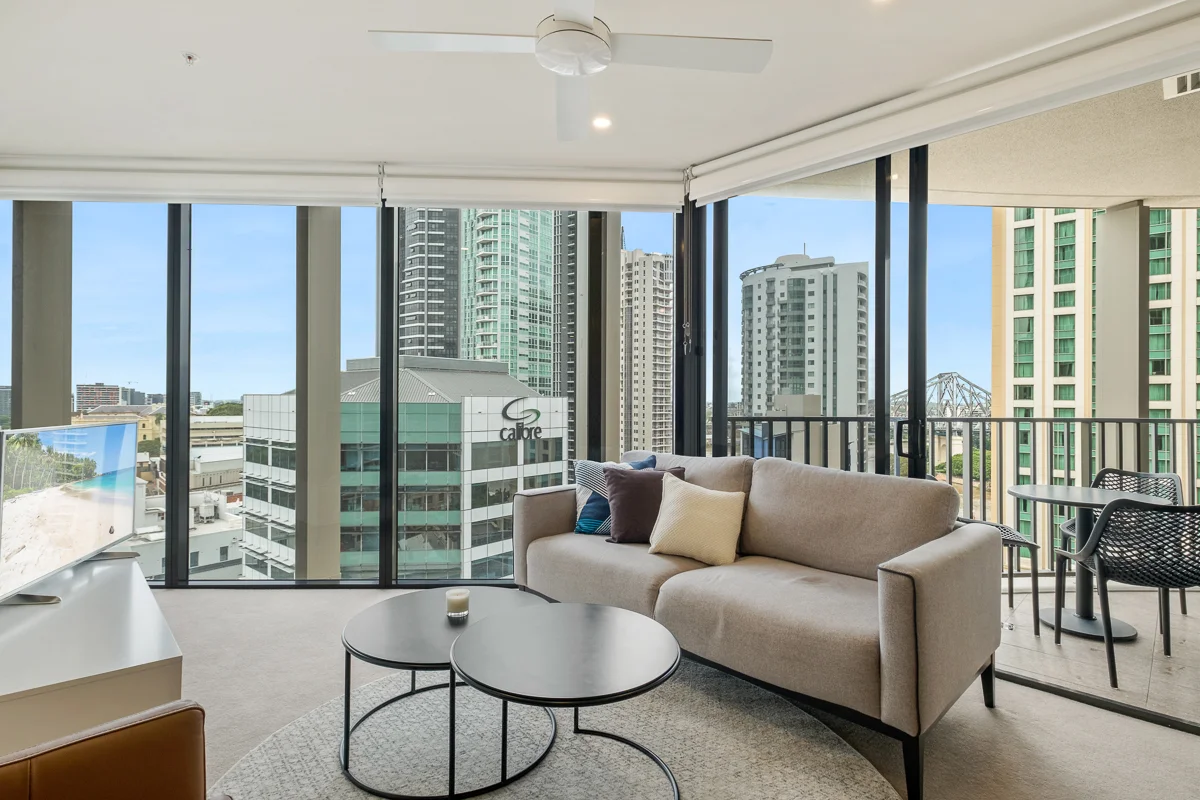 $950,000
Apartment / Unit / Flat
$950,000
Apartment / Unit / Flat
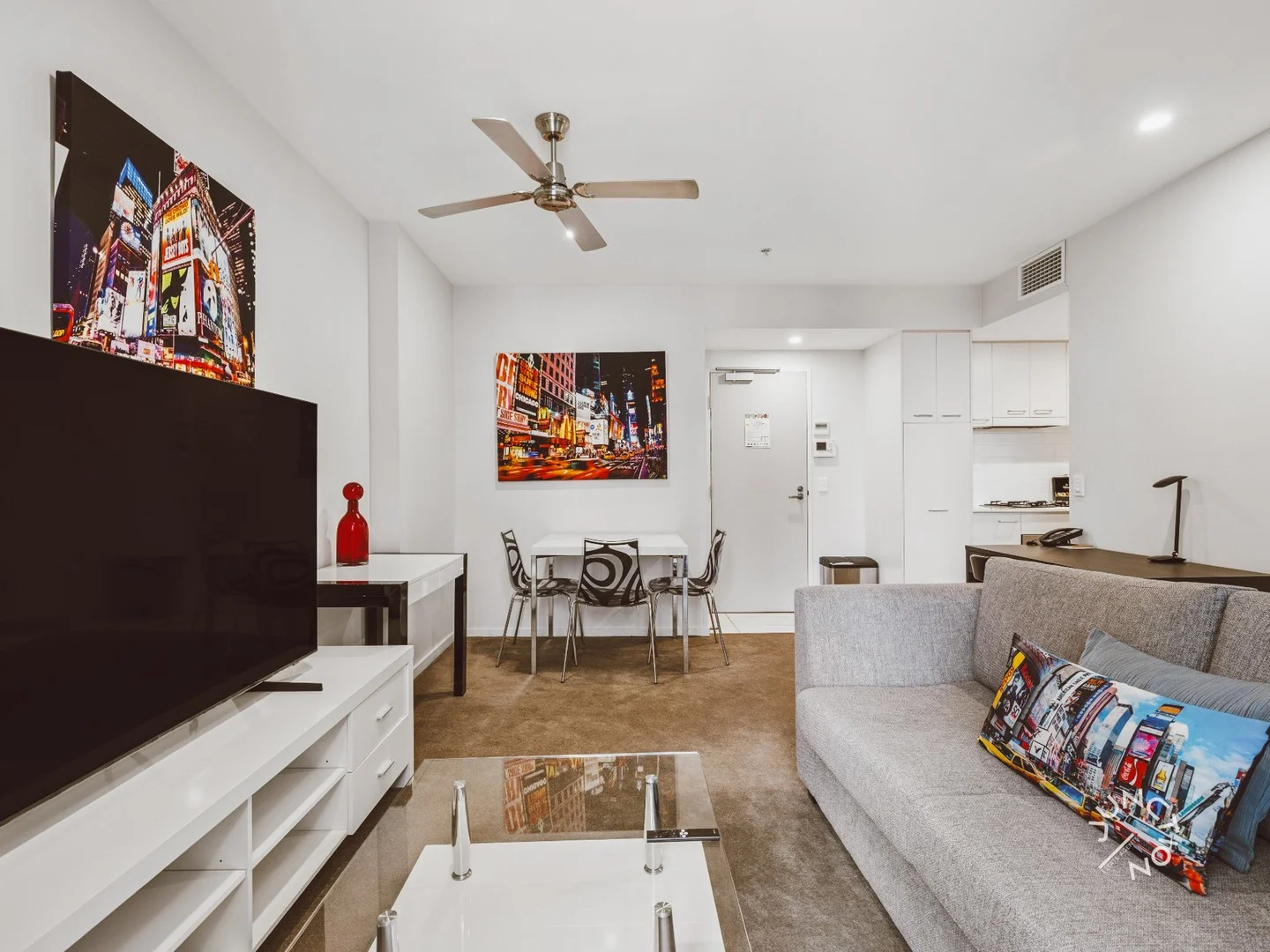 $523,200 - $566,800
Apartment / Unit / Flat
$523,200 - $566,800
Apartment / Unit / Flat
 $550,000
Apartment / Unit / Flat
$550,000
Apartment / Unit / Flat
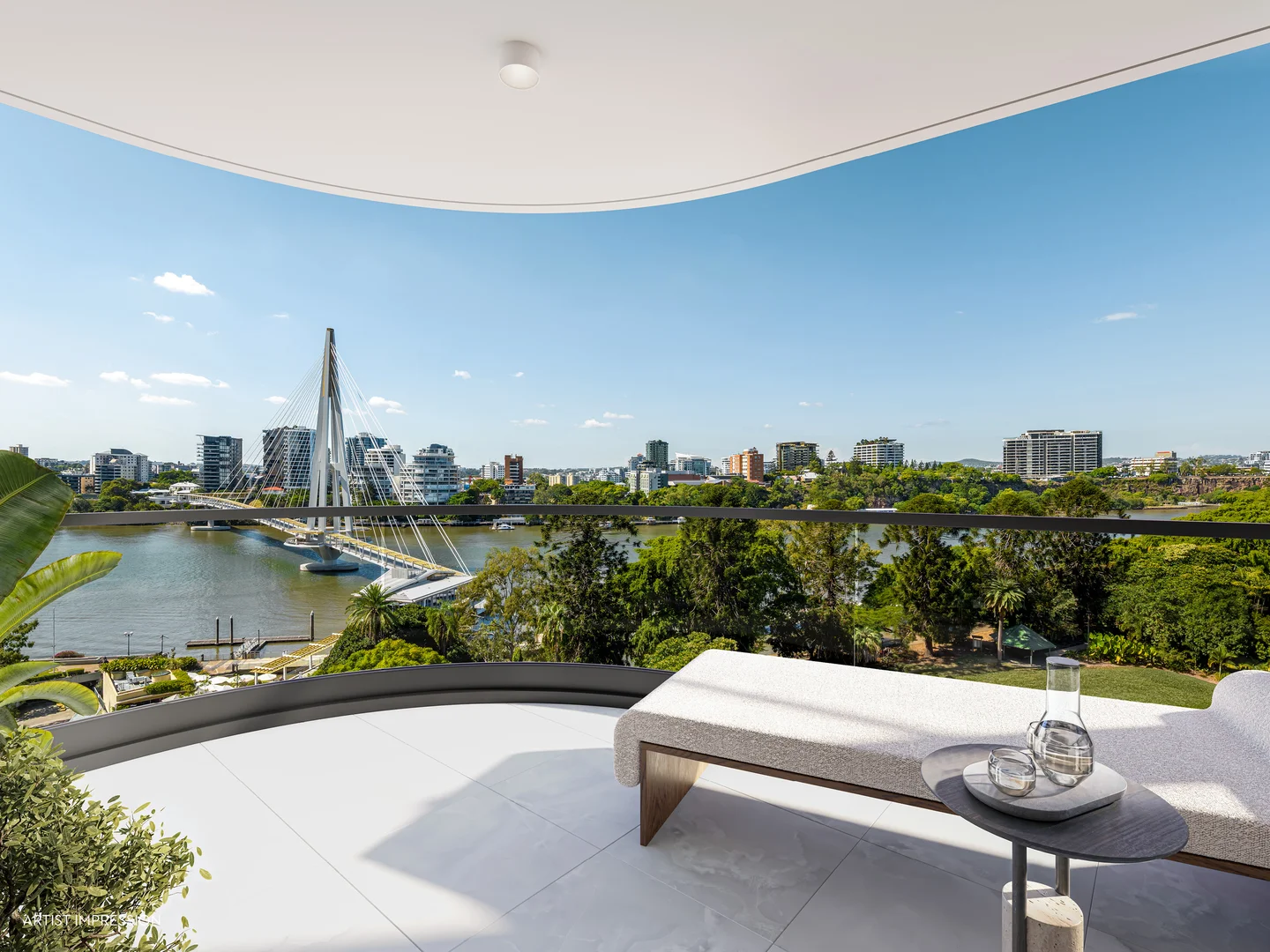 $1,475,000 - $2,090,000
propertyType.NEW APARTMENTS / OFF THE PLAN
$1,475,000 - $2,090,000
propertyType.NEW APARTMENTS / OFF THE PLAN
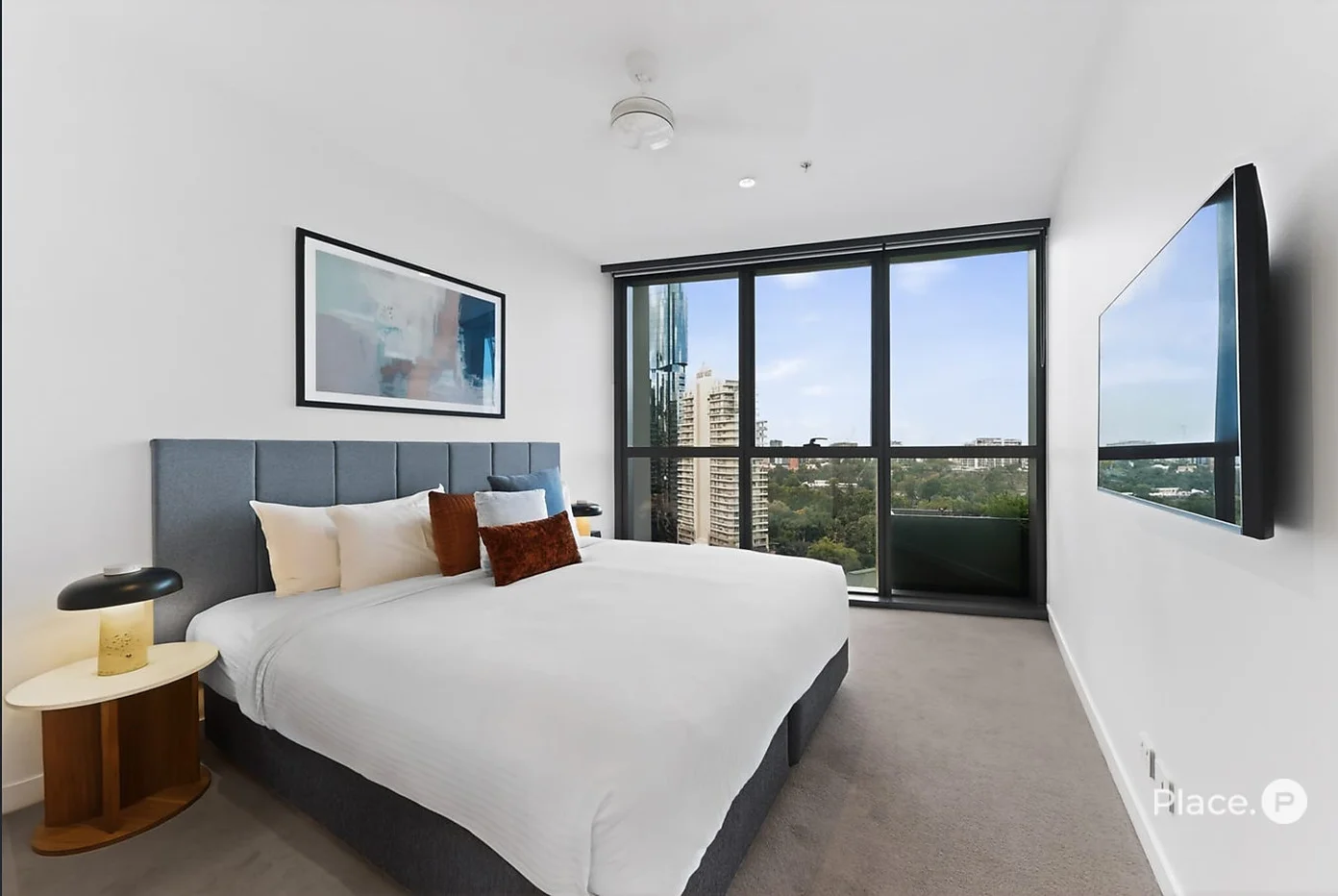 $770,000
Apartment / Unit / Flat
$770,000
Apartment / Unit / Flat