## 1. Overview
All Saints' College Bull Creek is an independent Anglican day school offering co-educational education from early learning through Year 12. The college combines academic rigour with values-based education in a medium-sized community, designed to foster close relationships between students, teachers and families. Class sizes are typically in the low-to-mid 20s, enabling teachers to know students well and tailor support as needed. The atmosphere is nurturing and inclusive, emphasising leadership, service and well-being alongside strong scholarly achievement.
The school aims to prepare students for success in university and life beyond school walls, with opportunities across academics, arts, sport and community involvement. This creates a balanced environment where students can pursue their interests while developing character, resilience and a sense of responsibility to others.
---
## 2. Academics & Learning
- Academic strengths: English and literacy, STEM disciplines (Maths/Science/Technology), and leadership development. A broad language program supports communication skills and cultural awareness.
- Special programs: Gifted and Talented pathways, accelerated learning options where appropriate, and university‑bound planning to support VET/ATAR trajectories.
- NAPLAN trends: Steady and improving performance trends across core domains in recent years, with continued focus on English and numeracy growth.
- Student-teacher ratios: Generally around 1:12 to 1:15, enabling meaningful feedback and support in class.
- Support for diverse learners: EAL support, inclusive practices, and targeted SEN/Learning Support programs to assist students who need extra help.
---
## 3. Sports & Extracurricular Strengths
- Sports offered: A broad program typically includes football (soccer), basketball, netball, cricket, tennis, athletics, swimming and other school‑based codes as appropriate to the season and age group.
- Strong teams or achievements: Competitive inter‑school teams with participation in regional and district competitions; emphasis on teamwork, discipline and fair play.
- Music, arts, drama programs: Active music ensembles (bands/choirs), theatre and drama productions, and opportunities to perform in school events.
- Clubs: Robotics, chess, coding, debating and other interest‑based clubs to extend skills beyond the classroom.
- Partnerships: Local clubs and associations for sport, music, STEM or arts, plus inter-school competitions and showcases to broaden experience.
For boys aged 10–14, there are typically ample opportunities to engage in team sport, leadership roles, and middle-years clubs to build confidence and school connection.
---
## 4. Wellbeing & Pastoral Care
- Anti-bullying approach: Clear policies and proactive, whole‑school education to promote respectful relationships and safe, inclusive environments.
- House system: A house structure fosters belonging, peer support and healthy, positive competition across years.
- Counsellors / wellbeing officers: Access to dedicated wellbeing staff and school counsellors to support mental health, stress management and personal development.
- Transition support for new students: Orientation programs, buddy systems and targeted induction activities to help transfers settle in quickly and feel part of the community.
---
## 5. Facilities
- Sports grounds: On-site facilities supporting team sport, physical education and recreation.
- Libraries: Well-stocked libraries with spaces for study and collaboration.
- Science labs: Modern laboratories designed for practical experiments and STEM learning.
- Music/performing arts centers: Dedicated spaces for ensembles, rehearsals and performances.
- Tech/innovation labs: Modern ICT and maker spaces to support design thinking and project work.
- Cafeteria: On‑site dining facilities for students.
- Updated playgrounds: Safe, well‑maintained outdoor play and learning spaces.
---
## 6. School Values & Community Culture
- School values / mission: A values-led education emphasising respect, integrity, compassion, excellence and service.
- Leadership style: Collaborative and student‑centred, with opportunities for student voice, leadership roles and community involvement.
- Behaviour expectations: Clear codes of conduct and consistent routines that promote responsibility, kindness and accountability.
- Community reputation: Recognised for a welcoming, supportive culture that balances high academic expectations with care for each student’s well-being.
- Diversity & inclusion: Commitment to inclusive practices and celebrating differences within the school community.
---
## 7. School Logistics & Daily Operations
- School hours: Typical start and finish times aligned with primary and secondary cohorts; exact times communicated each year.
- Before/after school care: Availability of supervised care and activities outside normal hours.
- Uniform requirements: Clear uniform guidelines with seasonal options; appropriate footwear and accessories as per the school policy.
- Transport (train/bus routes): School bus services and public transport options available to various catchment areas; details provided by the school.
- Canteen availability: On-site canteen or meal provision with various food options.
- Fees (low/medium/high ranges): Fees positioned in the mid-to-high range for independent schooling; detailed fee schedules provided by the admissions team.
---
## 8. Enrolment & Admissions
11. What is the enrolment process and timeline?
- Inquiries are welcomed year-round. The process typically involves submitting an application with required documentation (birth certificate, immunisation records, academic references), followed by an interview/meeting with parents and the student, and an assessment if required for certain year levels. Offers are issued once eligibility and fit are confirmed. There is usually an enrolment deposit to secure a place, and an orientation process is provided before the start of the year. Timelines vary by intake and year level, but many families complete the process within 6–12 weeks.
12. Is there a waiting list, and how does it work?
- Waiting lists can apply for popular year levels or intake periods. Placement on the waitlist is typically by date of application and availability. Sibling priority may apply in some cases. Applicants on the waitlist are kept updated about expected timelines and any changes in enrolment status.
13. Are there any entry requirements, tests, or interviews?
- Most years involve an interview with the family and student to assess fit with the school’s values and culture. Some year levels may require an academic or ability assessment, and schools may request previous report cards or references. Medical/immunisation records and proof of age may also be required.
14. Does the school accept mid-year transfers?
- Yes, subject to space and placement requirements. Mid-year transfers usually involve a review of the student’s academic records, a placement assessment if needed, and a smooth transition plan to align with the current cohort’s timetable and content.
---
## 9. Frequently Asked Questions
- Why do parents choose this school?
- Values-based education, strong academics, supportive wellbeing culture, and a balanced program that includes arts, sport and leadership opportunities.
- What type of student thrives at this school?
- Motivated, curious and community-minded students who seek a well-rounded education with opportunities to lead, contribute and explore their interests.
- What opportunities are available to extend skills (academics, sports, arts)?
- Advanced/ATAR pathways, gifted and talented supports, a wide range of sports teams, music ensembles, drama productions, STEM clubs and debating, plus leadership roles and community service.
- How does the school communicate with parents?
- Regular progress updates, parent-teacher conferences, newsletters, online portals for class news and resources, and staff accessibility during designated times.
- What is the school’s approach to teaching and learning?
- Inquiry-based learning, differentiated instruction to meet diverse needs, a focus on critical thinking, collaboration and real-world application of knowledge.
- How does the school support students who need extra academic help?
- Targeted learning support, intervention programs, EAL assistance and access to learning support staff and counselors.
- What support is available for academic challenges?
- Additional tutoring, modified tasks where appropriate, extended time or assistive strategies, and ongoing progress monitoring.
- How does the school communicate with parents? (Repeated)
- See above: regular updates, conferences, portals, and accessible staff.
- What are the class sizes and how much individual attention do students receive?
- Class sizes are generally in the low-to-mid 20s, with ongoing teacher feedback and opportunities for individual consultation outside class time.
- What extracurricular and sports opportunities are available?
- A broad program across sports, arts, music, drama and a range of clubs such as robotics, chess, coding, debating, and other interests.
- What facilities does the school offer (sports, science, arts)?
- Comprehensive facilities including sports grounds, libraries, science labs, music/performing arts spaces, tech/innovation labs and on-site canteen.
- What is the school’s approach to technology and digital learning?
- Emphasis on digital literacy, responsible use, and integrated technology across the curriculum to support learning, collaboration and creativity.
- What transport and accessibility options are available?
- School bus services and proximity to public transport, with arrangements to support families in accessing the campus.
- What are the typical school fees or additional costs?
- Fees fall into the mid-to-high range for independent schooling; additional costs may include uniforms, books, camps and activity levies. The admissions team can provide a current, detailed fee schedule.
---
## 10. Short Pros & Cons list
- Pros
- Values-based, supportive culture with strong emphasis on well-being.
- Balanced program combining academics, arts, sport and leadership.
- Moderate class sizes enabling meaningful teacher attention.
- Comprehensive facilities and resources across K–12.
- Cons
- Fee level reflects independent schooling, which may be higher than public options.
- Popular intake periods can result in waitlists for some year levels.
- As with many private schools, selective programs may have limited capacity in certain streams.
- Availability of specific extra-curricular activities can vary by year and cohort.
If you’d like, I can tailor these sections with more precise details from the school’s current prospectus or admissions materials.












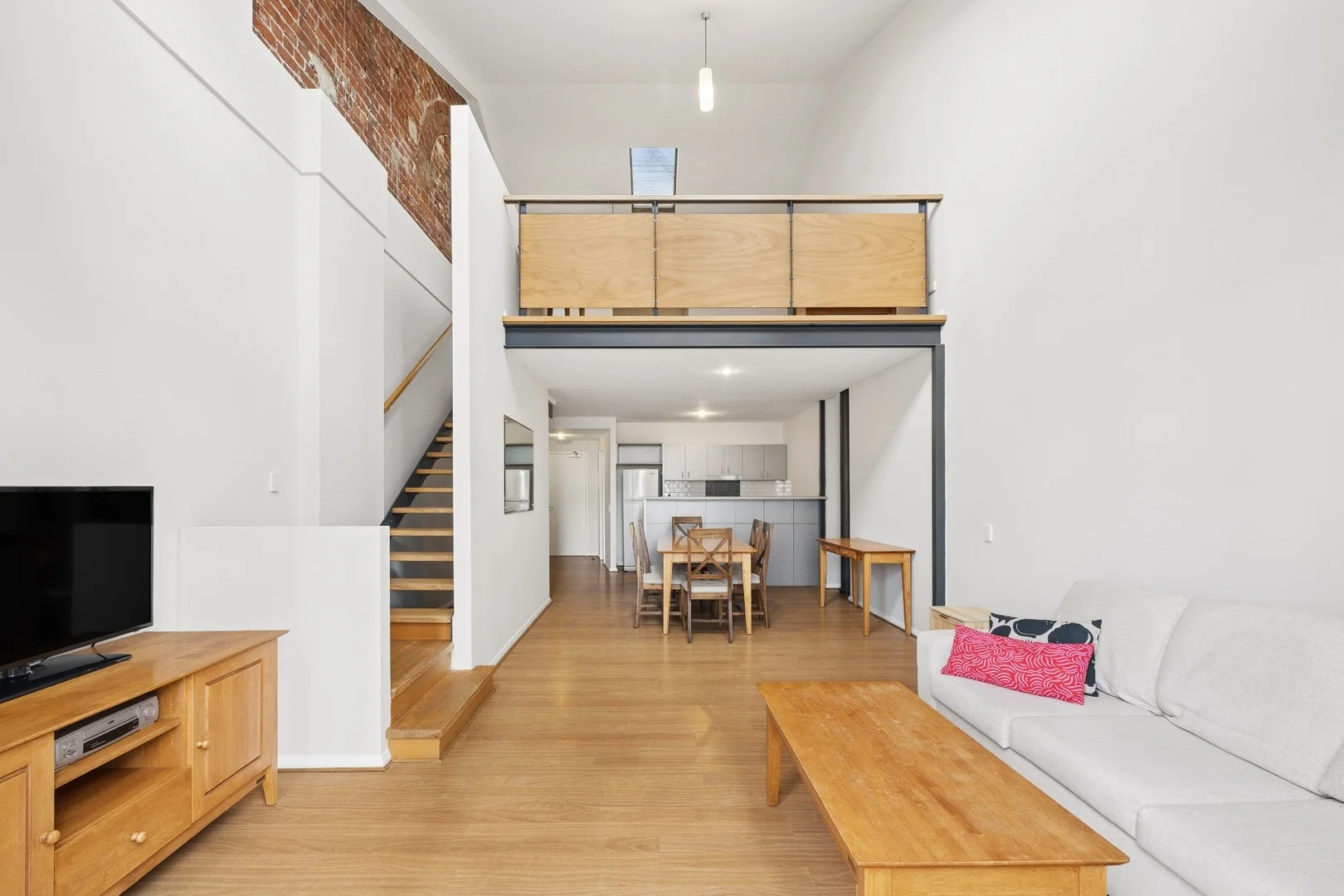 $549,000
Apartment / Unit / Flat
$549,000
Apartment / Unit / Flat
 $580,000
Apartment / Unit / Flat
$580,000
Apartment / Unit / Flat
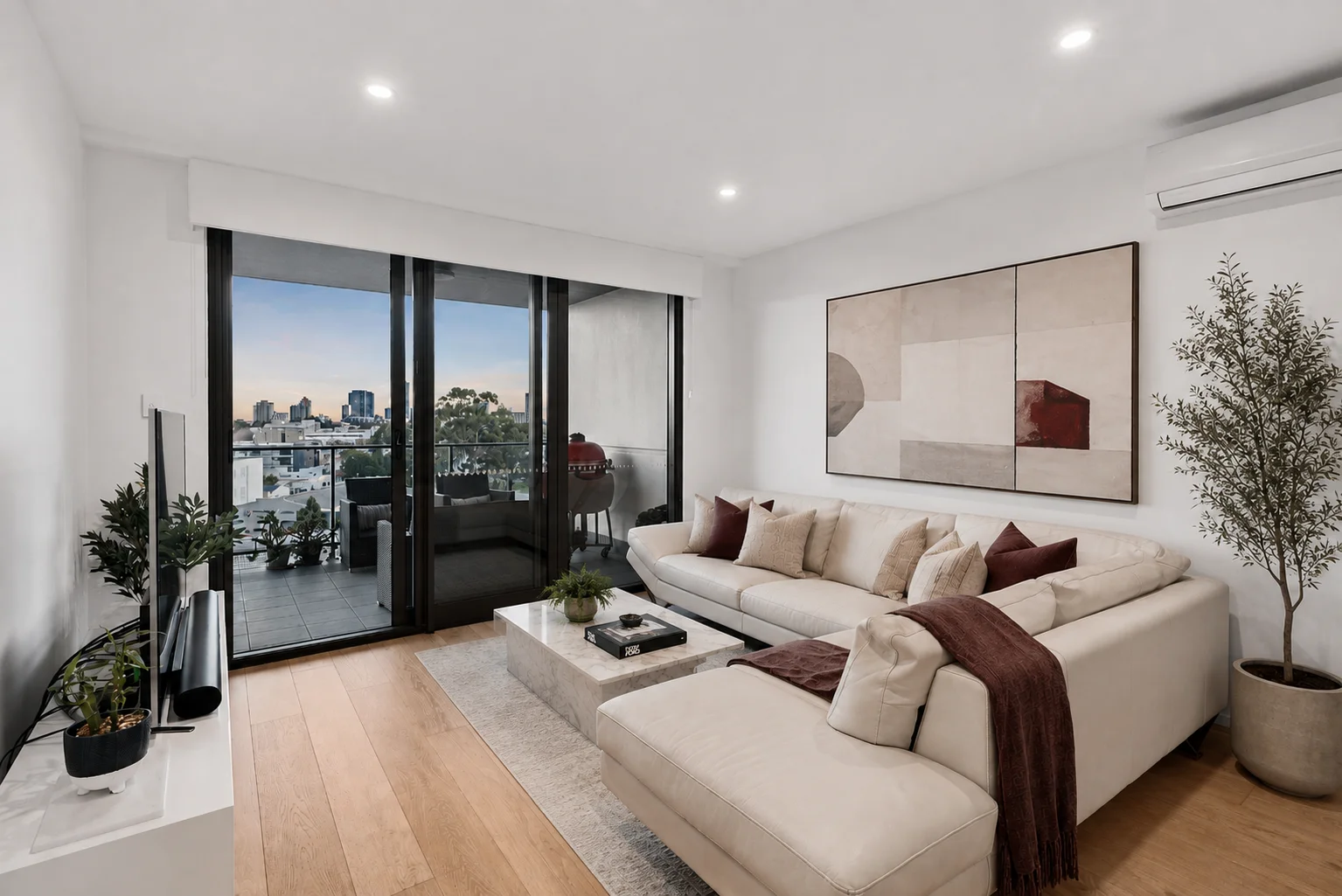 $700,000
Apartment / Unit / Flat
$700,000
Apartment / Unit / Flat


