## 1. Overview
Rossmoyne Senior High School is a public co-educational high school governed by the Western Australian Department of Education. The school is known for its strong academic culture, wide range of programs, and active student life. It typically serves a large student body with a diverse range of interests and abilities, fostering an atmosphere that values academic achievement, sports, arts, and community involvement.
School size is large, with class sizes commonly in the mid-20s to low-30s range. The campus emphasizes an inclusive, supportive environment where students are encouraged to pursue excellence across academics, arts, and sport.
⸻
## 2. Academics & Learning
- Academic strengths: Strong emphasis on STEM, English literacy, leadership development, and languages, with opportunities for extension and achievement across disciplines.
- Special programs: Access to accelerated learning options and pathways for high-achieving students; pathways that support gifted and talented learners.
- NAPLAN / trends: History of strong performance relative to state averages in reading and numeracy, with steady year-to-year improvement trends.
- Student-teacher ratios: Typically around 1:20 to 1:25, allowing meaningful student engagement and feedback.
- Support for diverse learners: Dedicated support for EAL students and a broad SEN support framework to assist students with varying learning needs.
⸻
## 3. Sports & Extracurricular Strengths
- Sports offered: Broad program across team and individual sports, with opportunities for participation in regional and school-level competitions.
- Strong teams or achievements: Competitive school teams with presence in regional events; focus on skill development, teamwork, and competitive spirit.
- Music, arts, drama programs: Robust music and performing arts offerings, ensembles, and opportunities to perform in school productions.
- Clubs: Robotics, chess, coding, debating, and other student-led clubs to develop skills beyond the classroom.
- Partnerships: Connections with local clubs, academies, and regional competitions to extend student opportunities in sports, STEM, arts, and performance.
⸻
## 4. Wellbeing & Pastoral Care
- Anti-bullying approach: Clear policies and reporting pathways; proactive programs to build a respectful and safe school environment.
- House system: House-based activities and competitions to foster belonging and healthy rivalry.
- Counsellors / wellbeing officers: Access to school counsellors and wellbeing staff to support social-emotional health and transition.
- Transition support for new students: Orientation activities, buddy programs, and targeted support to help new students adjust.
⸻
## 5. Facilities
- Sports grounds: Full athletic facilities suitable for training and fixtures.
- Libraries: Well-stocked library spaces supporting study, research, and reading for pleasure.
- Science labs: Modern laboratories for chemistry, biology, physics, and integrated science activities.
- Music/performing arts centers: Dedicated spaces for music ensembles, drama, and productions.
- Tech/innovation labs: Creative tech spaces and ICT facilities supporting coding, robotics, and digital projects.
- Cafeteria: On-site canteen offering a range of meal and snack options.
- Updated playgrounds: Well-maintained outdoor spaces for breaks and recreation.
⸻
## 6. School Values & Community Culture
- School values / mission: A focus on respect, integrity, excellence, and collaboration, with a mission to develop well-rounded individuals.
- Leadership style: Collaborative and student-centered, encouraging leadership opportunities across academics, sport, and the arts.
- Behaviour expectations: Clear codes of conduct emphasizing respect, responsibility, and positive engagement.
- Community reputation: Strong reputation within the local community for academic achievement, student well-being, and involvement.
- Diversity & inclusion: Commitment to an inclusive environment that values diverse backgrounds and perspectives.
⸻
## 7. School Logistics & Daily Operations
- School hours: Typical day runs from morning start through afternoon dismissal; exact times align with WA state schedules.
- Before/after school care: Availability of supervision and programs before and after school hours.
- Uniform requirements: School uniform policy requiring standard attire for daily wear and activities.
- Transport (train/bus routes): Access to public transport options with school-provided travel guidance; bus routes often coordinated through local networks.
- Canteen availability: On-site canteen or food service supporting daily meals and snacks.
- Fees (low/medium/high ranges): Public high schools generally have modest fees beyond standard stationery and activity costs; specifics provided by the school.
⸻
## 8. Enrolment & Admissions
### 11. What is the enrolment process and timeline?
Enrolment is managed in line with the Western Australian Department of Education processes. Parents typically start by confirming eligibility (in-zone vs. out-of-zone) and submitting required documents through the Department’s enrolment channels. The school will advise on timelines for applications, offer dates, and any information sessions. Timelines can vary by year and intake, so it’s best to check the school or Department of Education calendars for current windows.
### 12. Is there a waiting list, and how does it work?
In-zone applicants are usually given priority enrolment. If the school reaches capacity from in-zone applicants, out-of-zone applications may be placed on a waiting list or considered as spaces become available, subject to space and policy guidelines. The school communicates status and next steps as part of the enrolment process.
### 13. Are there any entry requirements, tests, or interviews?
Public high schools in this system typically do not require entrance exams. Entry is primarily based on residency (in-zone/out-of-zone) and documentation. Some programs or reflects may involve information sessions or brief introductory tours, but standard academic testing for admission is not common. Any school-specific requirements will be communicated during the enrolment process.
### 14. Does the school accept mid-year transfers?
Mid-year transfers are considered when there is available space and appropriate documentation. Parents should apply via the standard enrolment channels, and the school will coordinate transition arrangements, including any necessary assessment, timetable alignment, and support for a smooth start.
⸻
## 9. Frequently Asked Questions
- “Why Parents Choose This School?”
- A blend of strong academics, broad extracurricular options, supportive wellbeing programs, and a welcoming community culture.
- “What type of student thrives at this school?”
- Students who are motivated across academics, sports, arts, and leadership, and who value a structured environment with supportive staff.
- “What opportunities are available for students to extend their skills (academics, sports, arts)?”
- Acceleration/extension opportunities, leadership roles, STEM and coding clubs, music ensembles, drama productions, and regional competition participation.
- “How does the school communicate with parents?”
- Regular updates via newsletters, notices, parent portals, and meetings; transparency about events, student progress, and policy changes.
- “What is the school’s approach to teaching and learning?”
- A mix of core curriculum with opportunities for inquiry-based learning, collaboration, and differentiation to support diverse learners.
- “How does the school support students who need extra academic help?”
- Targeted tutoring, study support programs, SEN and EAL assistance, and teacher collaborations to adapt learning plans.
- “What support is available for academic challenges?”
- Access to counsellors, learning support staff, and tailored intervention strategies to help students meet goals.
- “What transport and accessibility options are available?”
- Information on public transport routes, school bus programs, and guidance on travel planning for families.
- “What are the typical school fees or additional costs?”
- Public high schools have standard charges for certain activities, materials, and excursions; specifics are provided by the school and Department of Education.
- “What facilities does the school offer (sports, science, arts)?”
- Comprehensive facilities including sports grounds, libraries, science labs, music/performing arts spaces, and tech/innovation labs.
- “What is the school’s approach to technology and digital learning?”
- Integration of digital tools and resources to support learning, with emphasis on digital literacy and responsible use.
- “What is the enrolment process and timeline for new families?”
- See Section 8 (Enrolment & Admissions) for a summary of steps, timelines, and documentation.
- “What are the class sizes and how much individual attention do students receive?”
- Typical class sizes are in the mid-20s to low-30s, with teacher support and opportunities for guidance outside class time.
- “How does the school support students who need extra academic help?”
- Targeted tutoring, learning support services, and individualized plans to help students reach their goals.
⸻
## 10. Short Pros & Cons list
- Pros:
- Strong academic culture with broad opportunities across STEM, languages, arts, and leadership.
- Wide range of extracurriculars, including robotics, debating, music, and sports.
- Robust wellbeing and pastoral care with a house system and counsellor support.
- Comprehensive facilities supporting science, technology, arts, and recreation.
- Active community reputation and emphasis on inclusion and diversity.
- Cons:
- Large school size means peak-year crowds; some students may prefer smaller environments.
- Uniforms and schedule logistics require adherence to established policies.
- High demand can lead to competitive selection for certain programs or activities; some spaces may have waitlists depending on year and capacity.
⸻














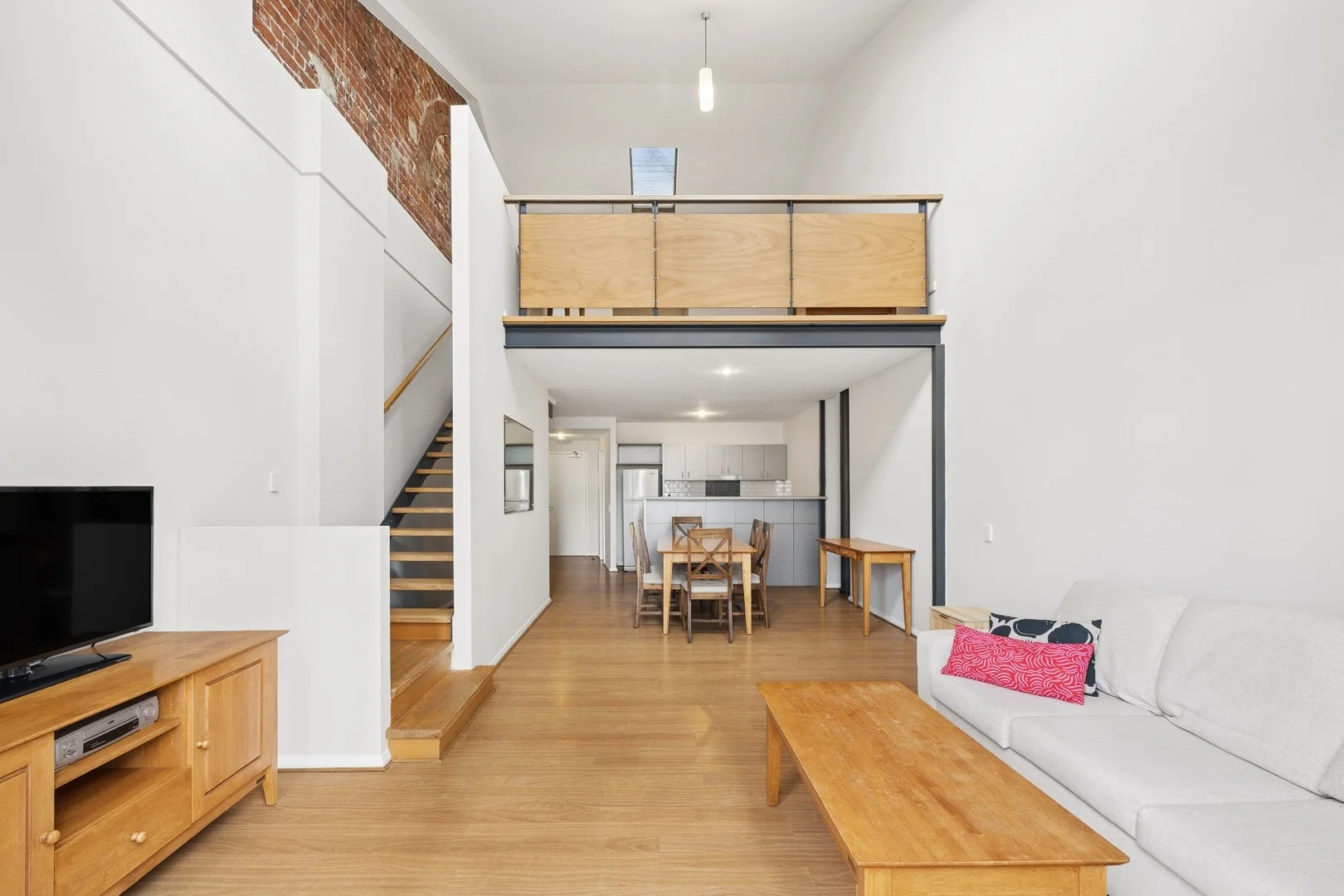 $549,000
Apartment / Unit / Flat
$549,000
Apartment / Unit / Flat
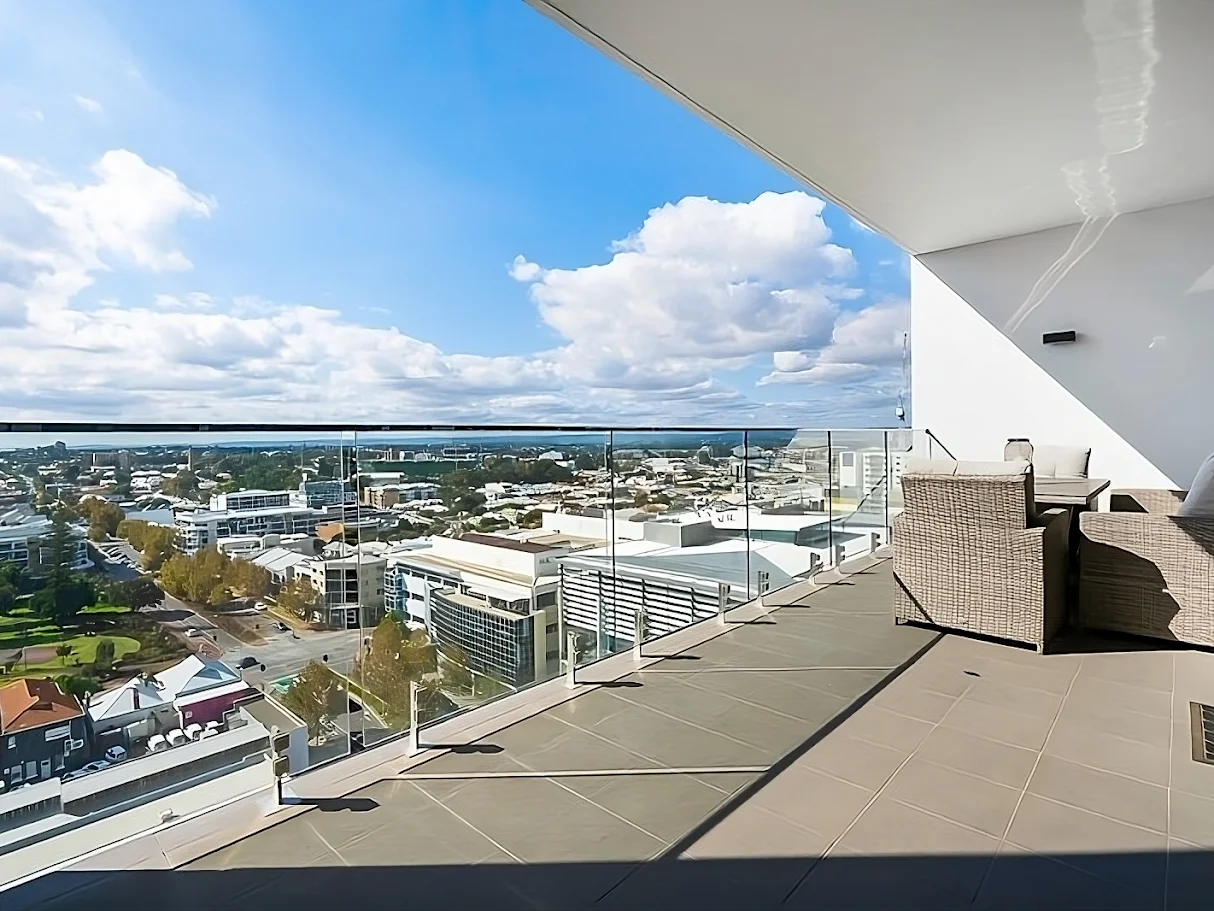 $580,000
Apartment / Unit / Flat
$580,000
Apartment / Unit / Flat
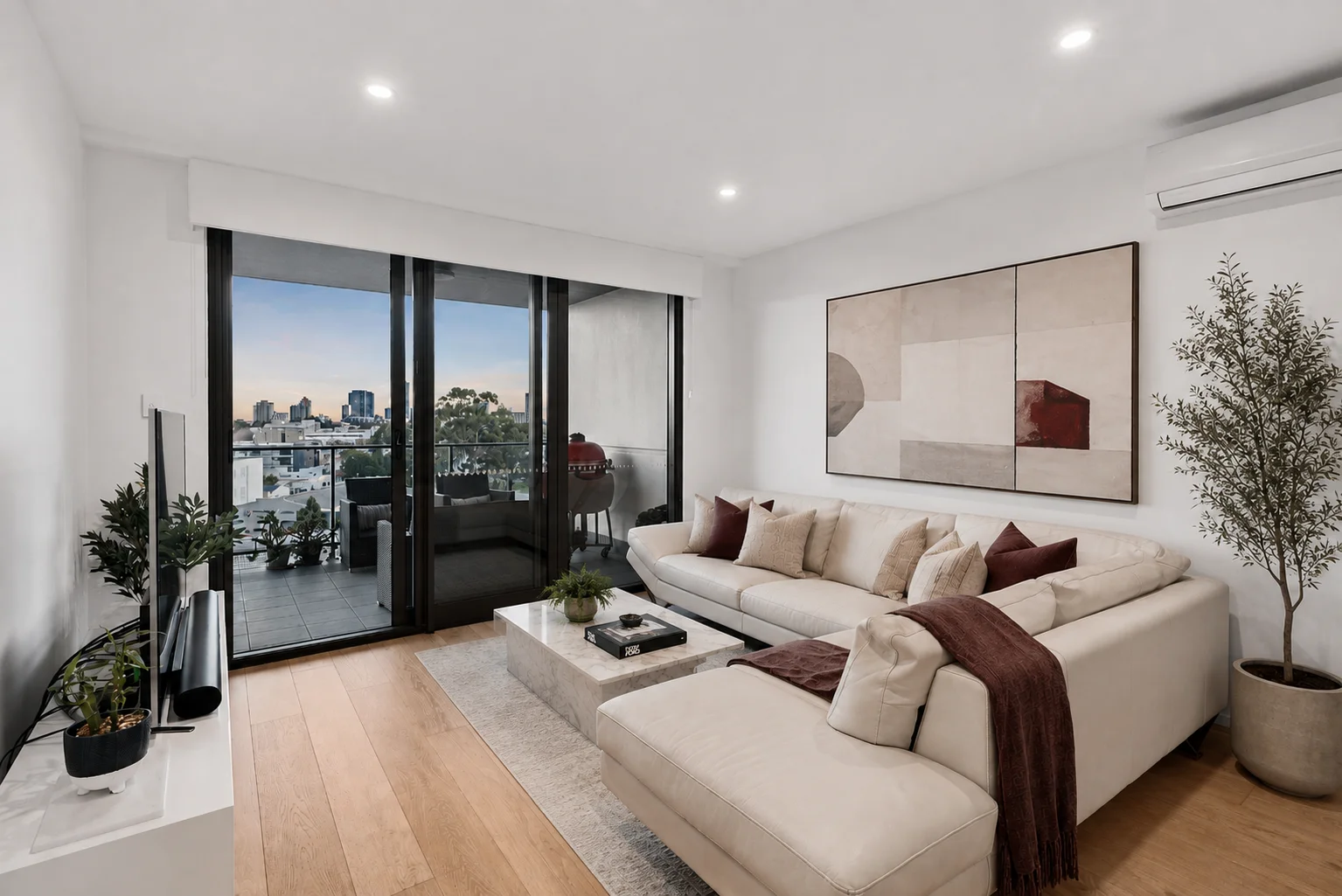 $700,000
Apartment / Unit / Flat
$700,000
Apartment / Unit / Flat


