# Overview
Oberthur Primary School is a public (state) co-educational primary school serving the Bull Creek area. It focuses on delivering a welcoming, inclusive learning environment for students from Kindergarten through Year 6, with a medium-sized school community that fosters strong connections between students, families and staff. Class sizes are typically in the mid-20s, supporting opportunities for individual attention within a collaborative, supportive atmosphere.
The school emphasises a balanced approach to learning, combining essential literacy and numeracy foundations with programs in science, technology, arts and physical education. The culture is nurturing and inclusive, aiming to develop confident, responsible learners who contribute positively to the school and broader community.
# Academics & Learning
- Academic strengths: strong focus on literacy and numeracy, with emphasis on STEM exploration, creative arts, and language development; leadership opportunities woven into student life.
- Special programs: enrichment and extension options for high achievers; targeted support for diverse learners including EAL/D and students with additional needs.
- NAPLAN / trends: the school tracks NAPLAN progress over time and shares trends via annual reporting; families can review year-by-year progress to gauge improvements in reading, writing and numeracy.
- Student-teacher ratios: typically around 1:20 to 1:24, allowing for some small-group instruction and targeted support.
- Support for diverse learners: robust support structures including EAL/D assistance, Learning Support Plans, and access to specialist staff to assist students with a range of learning needs.
# Sports & Extracurricular Strengths
- Sports offered: a range of inter-school and intra-school sports such as soccer, netball, basketball, cricket, athletics and cross-country.
- Strong teams or achievements: active participation in inter-school events with opportunities for podium finishes and school-wide sports days; emphasis on teamwork and sportsmanship.
- Music, arts, drama: structured music programs and opportunities for performing arts, including choirs and school productions.
- Clubs: robotics, coding, chess, debating, science clubs and other STEM/social clubs to extend student interests.
- Partnerships: involvement with local clubs and regional competitions to provide competitions and placement opportunities outside the classroom.
# Wellbeing & Pastoral Care
- Anti-bullying approach: clear anti-bullying policies, positive behaviour framework, and a focus on student safety and respectful relationships.
- House system: house-based activities and events to build belonging and healthy competition.
- Counsellors / wellbeing officers: access to school-based wellbeing staff or counsellors to support social-emotional learning and student welfare.
- Transition support for new students: orientation activities, buddy programs and targeted transition support to help students settle into the school community.
# Facilities
- Sports grounds: on-site grounds enabling outdoor sport and active play.
- Libraries: well-equipped library supporting reading for pleasure and research skills.
- Science labs: dedicated spaces for practical science investigations.
- Music/performing arts centers: facilities to support music education and drama productions.
- Tech/innovation labs: spaces for digital learning, coding and hands-on projects.
- Cafeteria: on-site canteen offering daily meals and snacks.
- Updated playgrounds: modern, age-appropriate play areas and outdoor learning spaces.
# School Values & Community Culture
- School values / mission: a focus on respect, responsibility, inclusion and excellence in learning, with student voice and leadership encouraged.
- Leadership style: distributed leadership with teacher and student input shaping school programs and routines.
- Behaviour expectations: consistent codes of conduct, positive behaviour supports and restorative approaches to discipline.
- Community reputation: known for a friendly, engaged school community with active parent involvement through P&C and volunteer opportunities.
- Diversity & inclusion: welcoming environment for families from diverse backgrounds, with inclusive practices and support programs.
# School Logistics & Daily Operations
- School hours: published hours typical for WA primary schools; day generally runs from the start of the morning session to mid-afternoon.
- Before/after school care: availability often supported by OSHC services or local providers; check school specifics.
- Uniform requirements: uniform dress code compulsory; details provided by the school.
- Transport: access to local bus routes and public transport; drop-off/pick-up arrangements managed to support safe access.
- Canteen availability: canteen or snacks/meal options available on site or via school programs.
- Fees: public primary schools in Western Australia do not charge tuition; there may be voluntary contributions and costs for materials, activities, uniforms or specific programs.
# Enrolment & Admissions
11. What is the enrolment process and timeline?
- Enrolment typically involves submitting an application through the relevant school or district portal, providing proof of identity and residence, and completing any required school-specific forms. Timelines vary by year level and catchment policies; applicants are advised to check the school’s enrolment calendar and Department of Education guidance for current windows.
12. Is there a waiting list, and how does it work?
- Waiting lists may apply when vacancies are limited. Applications are usually recorded by date of submission, with prioritisation typically given to catchment residents. The school will inform families of waitlist status and potential vacancies as they arise.
13. Are there any entry requirements, tests, or interviews?
- Entry requirements generally include residence within the school’s catchment and age/grade eligibility. Some schools may conduct brief interviews or introductory meetings for new students, especially for Year 6 transitions or late-year moves. Specific requirements are communicated by the school.
14. Does the school accept mid-year transfers?
- Mid-year transfers are considered based on vacancies and student readiness; families should contact the school as early as possible to discuss placement and any required documentation.
# Frequently Ask Questions
- Why Parents Choose This School?
- A welcoming, inclusive community with supportive staff, solid literacy and numeracy programs, and a well-rounded offering across sports, arts and technology.
- What type of student thrives at this school?
- Curious, motivated students who enjoy a balanced program, teamwork in sports and clubs, and opportunities to engage in both academics and the arts.
- What opportunities are available for students to extend their skills (academics, sports, arts)?
- Enrichment and extension options, STEM and coding clubs, robotics, chess, debate, music and drama programs, and regular inter-school and local competitions.
- How does the school communicate with parents?
- Through newsletters, school website updates, parent-teacher meetings, a student portal or app, and direct contact from teachers and administrators.
- What is the school’s approach to teaching and learning?
- Student-centered, evidence-based practices with differentiated instruction, emphasis on core literacy and numeracy, and integration of STEM, arts and physical education.
- How does the school support students who need extra academic help?
- Access to learning support staff, EAL/D support, targeted intervention programs, and individual or small-group plans as needed.
- What support is available for academic challenges?
- Additional tutoring, targeted interventions, and collaboration between teachers, specialists and families to adapt learning plans.
- How does the school communicate with parents? (duplicate)
- See above: newsletters, portals, meetings, and direct contact.
- What are the class sizes and how much individual attention do students receive?
- Class sizes are typically around 20–25 students with opportunities for targeted support and small-group instruction.
- What extracurricular and sports opportunities are available?
- A range of sports (soccer, netball, basketball, athletics, etc.), music/drama programs, and clubs such as robotics, coding, chess and debating.
- What facilities does the school offer (sports, science, arts)?
- Sports grounds, library, science labs, music/performing arts spaces, tech/innovation labs, canteen and updated playgrounds.
- What is the school’s approach to technology and digital learning?
- Emphasis on digital literacy, coding and responsible use of technology; use of digital platforms to support learning and communication.
- What transport and accessibility options are available?
- Access to local bus routes and public transport; school arrangements to support safe drop-off/pick-up; accessibility considerations are addressed as part of the school’s planning.
- What are the typical school fees or additional costs?
- No tuition for public primary schooling; possible costs for uniforms, voluntary contributions, and specific activities or programs.
# Short Pros & Cons list
- Pros
- Strong sense of community and supportive staff
- Balanced academic program with focus on literacy, numeracy, and STEM
- Inclusive environment with diverse learner support
- Wide range of extracurriculars, sports, arts and clubs
- Modern facilities and safe, welcoming campuses
- Cons
- As a public school, vacancies may affect mid-year transfers or result in waitlists
- Uniforms and some optional activities introduce unavoidable costs
- Class sizes, while typical, may still feel crowded in peak periods depending on intake
- Availability of certain specialized programs can vary by year and cohort









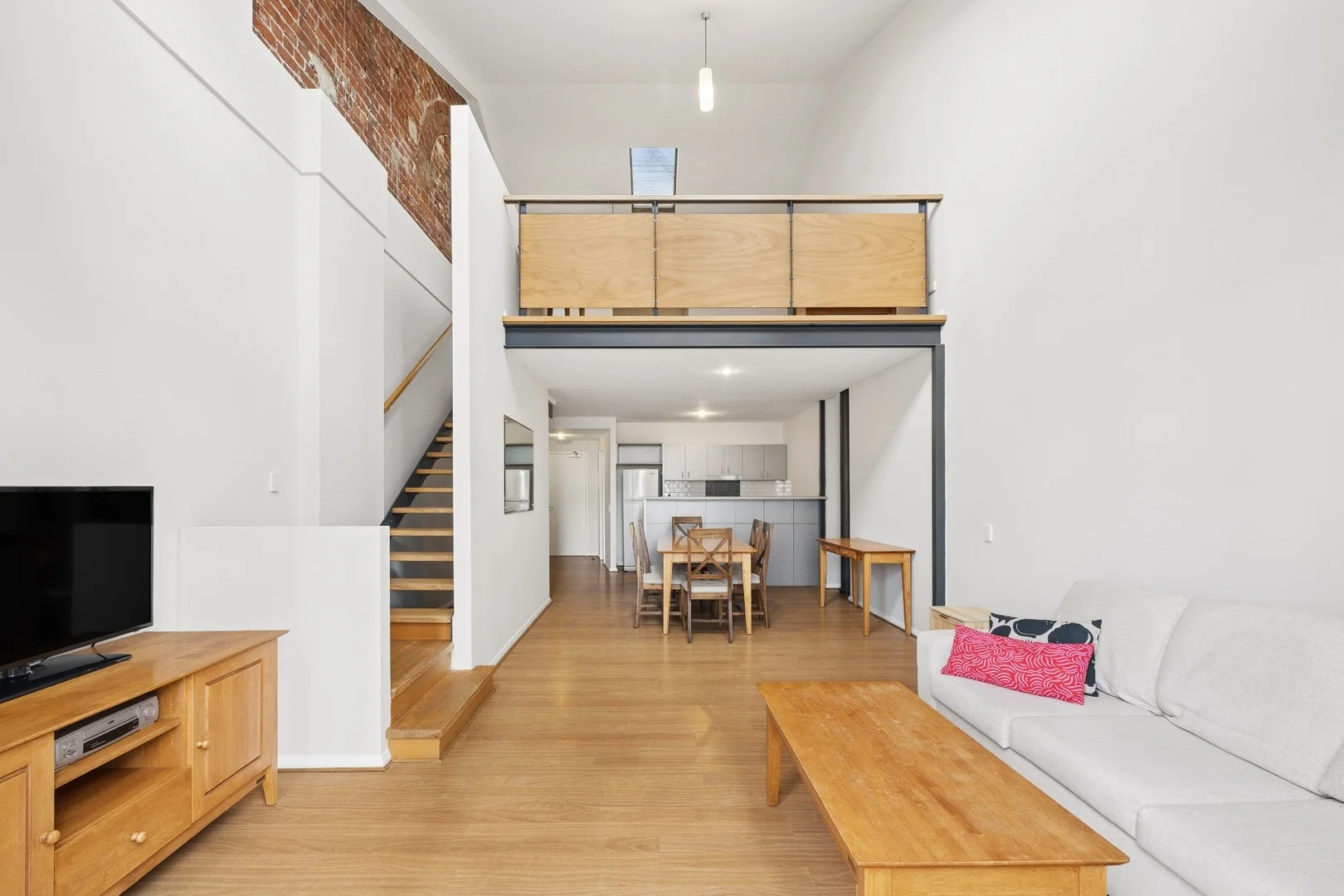 $549,000
Apartment / Unit / Flat
$549,000
Apartment / Unit / Flat
 $580,000
Apartment / Unit / Flat
$580,000
Apartment / Unit / Flat
 $700,000
Apartment / Unit / Flat
$700,000
Apartment / Unit / Flat


