## 1. Overview (1–2 paragraphs max)
Flinders Park Primary School is a public primary school serving families in Flinders Park and surrounding suburbs. The school focuses on inclusive, community-minded learning with a strong emphasis on student well-being, curiosity and active participation in everyday learning. With a medium-sized cohort, classes typically have around 20–26 students, allowing teachers to provide more individualized support while encouraging collaboration among peers. The atmosphere is welcoming, respectful and student-centered, fostering a culture where every child can participate and grow.
⸻
## 2. Academics & Learning
- Academic strengths: English literacy and numeracy are prioritized, with solid STEM integration and opportunities for leadership and inquiry-based learning. The school also supports the development of digital literacy and creative thinking across year levels.
- Special programs: Targeted enrichment and Gifted & Talented opportunities are available to provide accelerated or advanced learning experiences for eligible students.
- NAPLAN / trends: Over recent years, the school has shown steady progress in literacy and numeracy with outcomes generally on par with or above regional averages.
- Student-teacher ratios: Typically around 1:20–1:25, depending on year level and class composition, enabling more individualized attention.
- Support for diverse learners: Strong support for EAL students and students with additional learning needs, including dedicated learning support staff and in-class adjustments.
⸻
## 3. Sports & Extracurricular Strengths
- Sports offered: Soccer, netball, basketball, AFL, cricket, athletics, and swimming are commonly available, with opportunities for participation across the year.
- Strong teams or achievements: Regular participation in inter-school sport with school teams competing at district levels and strong performances in school sport events and carnivals.
- Music, arts, drama programs: Active music and performing arts programs, including choir and ensembles, plus opportunities to participate in drama productions.
- Clubs: Robotics, coding, chess, debating and other age-appropriate clubs support creative and strategic thinking outside the classroom.
- Partnerships: Collaboration with local clubs and community organizations for competitions and enrichment programs, helping students engage beyond school grounds.
⸻
## 4. Wellbeing & Pastoral Care
- Anti-bullying approach: Whole-school policies and programs promote respectful behavior, with clear steps for reporting and resolving concerns.
- House system: House groups support pastoral care, teamwork, leadership opportunities and healthy competition through school events.
- Counselors / wellbeing officers: Access to wellbeing staff to support social, emotional, and mental health needs; regular check-ins and wellbeing activities.
- Transition support for new students: Structured orientation, buddy programs and targeted transition activities help new students settle in smoothly.
⸻
## 5. Facilities
- Sports grounds: External fields and courts for a range of sports and physical activities.
- Libraries: Well-resourced library spaces supporting literacy, research and independent reading.
- Science labs: Dedicated spaces for hands-on science experiments and STEM exploration.
- Music/performing arts centers: Dedicated areas for rehearsal, performance and music education.
- Tech/innovation labs: Facilities supporting digital learning, coding and design thinking.
- Cafeteria: On-site canteen or food facilities supporting healthy options.
- Updated playgrounds: Modern, engaging play areas to promote active breaks and outdoor learning.
⸻
## 6. School Values & Community Culture
- School values / mission: A focus on respect, responsibility, resilience and inclusivity, with the school mission driving everyday learning and interactions.
- Leadership style: Student voice is encouraged through representative roles and leadership opportunities; teachers act as facilitators to guide inquiry and collaboration.
- Behaviour expectations: Clear codes of conduct and positive behaviour for learning are emphasized, with consistent routines and restorative approaches where needed.
- Community reputation: Known for a welcoming and supportive school community with active parent involvement and positive partnerships.
- Diversity & inclusion: Commitment to an inclusive environment that respects diverse backgrounds and learning needs.
⸻
## 7. School Logistics & Daily Operations
- School hours: Regular school day follows a consistent timetable with start and finish times typical for primary schools.
- Before/after school care: OSHC or similar arrangements are available to support families outside standard hours.
- Uniform requirements: Standard uniform policy with school polo or shirt, navy or tailored bottoms, hat for outdoor activities, and sports uniform on designated days.
- Transport (train/bus routes): Public transport access and school-sponsored drop-off/pick-up arrangements are common; proximity to bus routes and stops is typically convenient.
- Canteen availability: On-site or nearby canteen/café options for lunches and snacks on school days.
- Fees (low/medium/high ranges): As a public school, there are no tuition fees, with some voluntary contributions and optional activity charges that are usually modest.
⸻
## 8. Enrolment & Admissions
11. What is the enrolment process and timeline?
- Enrolment typically involves submitting documentation through the school or local education authority, with timelines set by the Department for Education. Families are advised to apply early, particularly if the school serves a defined catchment area, and to attend any available information sessions or orientation activities.
12. Is there a waiting list, and how does it work?
- If a year level is oversubscribed, a waiting list may operate. Places are often allocated based on catchment priority, availability, and ties to siblings, with the process outlined by the education authority.
13. Are there any entry requirements, tests, or interviews?
- Primary school enrolment generally does not involve entrance tests. You may need to provide proof of address, immunisation records and necessary documentation. Some schools may conduct informal orientations or readiness conversations, but formal testing is uncommon at this level.
14. Does the school accept mid-year transfers?
- Yes, mid-year transfers are possible subject to space and placement availability. Documentation like transcripts or reports may be requested to support a smooth transition.
⸻
## 9. Frequently Ask Questions
- Why Parents Choose This School?
- A welcoming, inclusive culture with strong literacy and numeracy foundations, plus a wide range of enrichment opportunities and robust wellbeing supports.
- What type of student thrives at this school?
- Curious, collaborative learners who value a supportive community, regular feedback, and opportunities to participate in sports, arts and clubs.
- What opportunities are available for students to extend their skills (academics, sports, arts)?
- Enrichment programs for gifted and talented students, leadership opportunities, sports teams, music and drama programs, robotics and coding clubs, and arts activities.
- How does the school communicate with parents?
- Regular newsletters, dashboards and parent-teacher meetings, with updates via email, the school website or preferred communication channels.
- What is the school’s approach to teaching and learning?
- Student-centered, inquiry-based learning with a strong emphasis on literacy, numeracy, digital literacy and real-world applications.
- How does the school support students who need extra academic help?
- Targeted interventions, learning support staff, EAL and SEN accommodations, and small-group or in-class assistance as needed.
- What support is available for academic challenges?
- Access to learning support, progress monitoring and adjustments to pacing, plus opportunities for additional coaching or tutoring as appropriate.
- How does the school communicate with parents? (Repeat)
- Through regular updates, parent-teacher conferences, and accessible channels such as email and school portals.
- What are the class sizes and how much individual attention do students receive?
- Class sizes typically around 20–26 students, with teachers providing targeted instruction and opportunities for small-group engagement.
- What extracurricular and sports opportunities are available?
- A broad range of sports, clubs (robotics, coding, chess, debating) and arts programs, plus inter-school competition and community partnerships.
- What facilities does the school offer (sports, science, arts)?
- Comprehensive facilities including sports grounds, libraries, science labs, music/performing arts spaces and tech/innovation labs.
- What is the school’s approach to technology and digital learning?
- Integrated digital literacy across the curriculum with access to devices, coding and design-based learning activities.
- What transport and accessibility options are available?
- Access to public transport routes and school-supported transport options where available; proximity to stops and safe access for families.
- What are typical school fees or additional costs?
- No tuition fees for public schooling; some voluntary contributions and charges for activities or personal resources, typically modest.
⸻
## 10. Short Pros & Cons list
- Pros
- Inclusive, supportive culture with strong wellbeing and student voice
- Solid literacy and numeracy focus with varied enrichment options
- Broad range of extracurriculars including sports, arts and clubs
- Accessible facilities (science, music, tech labs) and modern learning spaces
- Positive community partnerships and active parent involvement
- Cons
- Being a mid-sized public school, demand can lead to wait-list pressures in some year levels
- Uniform and optional activity costs can add up for families
- Transport options rely on public routes or OSHC arrangements in some cases
- Availability of mid-year placements depends on space and readiness for transition
⸻








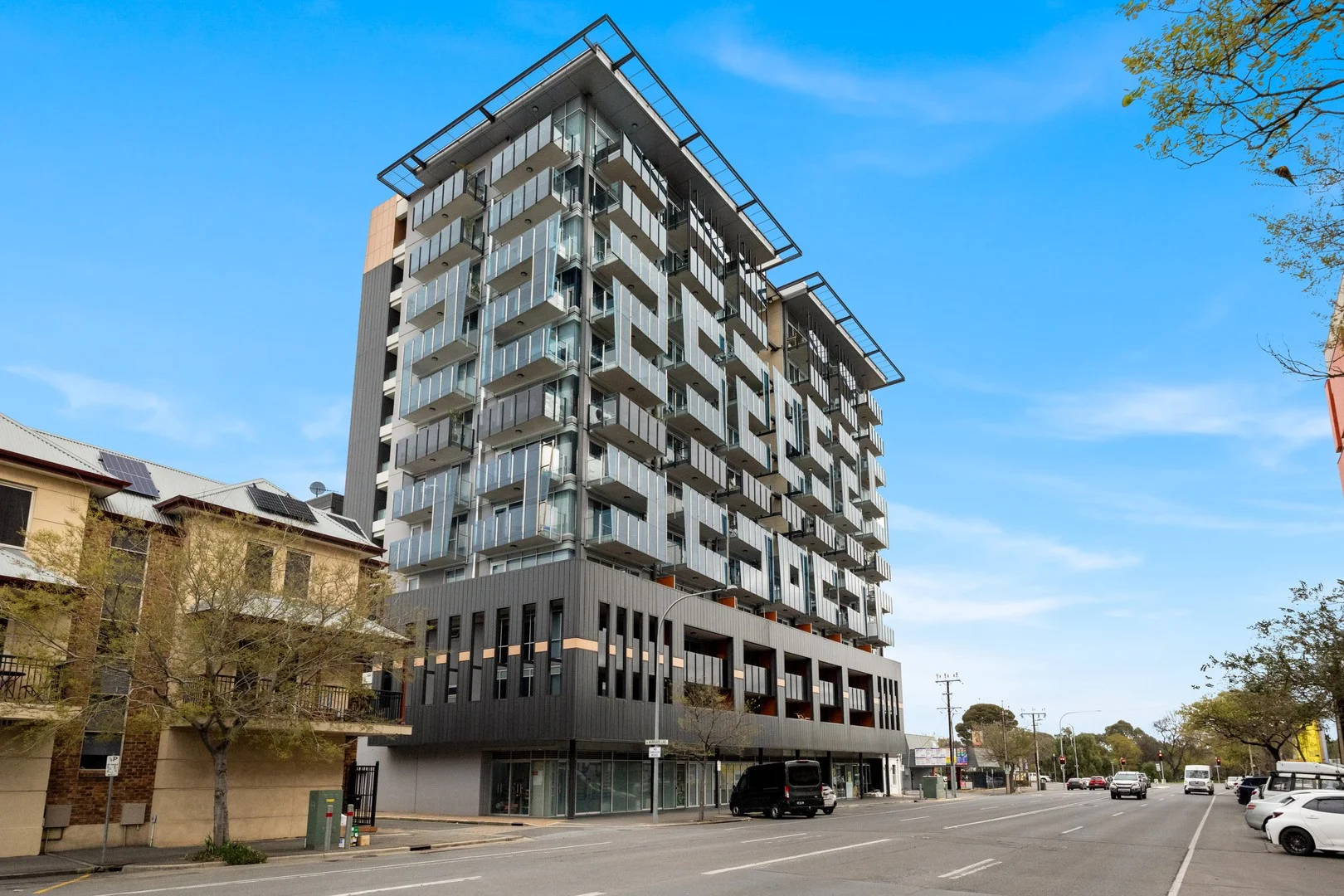 $1,100,000
Apartment / Unit / Flat
$1,100,000
Apartment / Unit / Flat
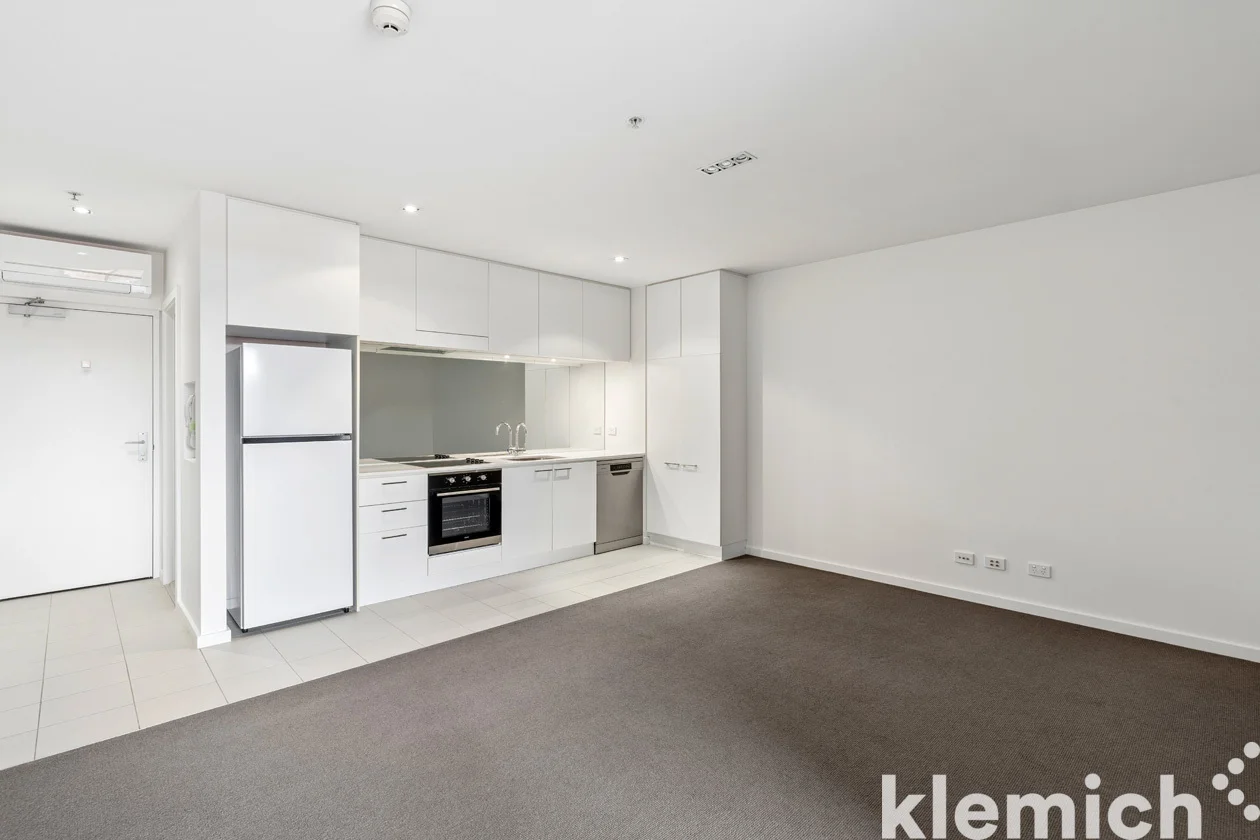 $440,000
Apartment / Unit / Flat
$440,000
Apartment / Unit / Flat
 $935,000
Apartment / Unit / Flat
$935,000
Apartment / Unit / Flat
 $557,000
Apartment / Unit / Flat
$557,000
Apartment / Unit / Flat
 $588,000
Apartment / Unit / Flat
$588,000
Apartment / Unit / Flat
 $1,056,000
Apartment / Unit / Flat
$1,056,000
Apartment / Unit / Flat
 $775,000
House
$775,000
House
 $545,000
Apartment / Unit / Flat
$545,000
Apartment / Unit / Flat