# Overview
Torrensville Primary School is a public, co-educational primary school serving families in the Torrensville area of Adelaide, SA. The school focuses on creating a warm, inclusive learning environment where students are encouraged to collaborate, think creatively and strive for their personal best. With a medium-sized campus and a strong commitment to wellbeing and practical learning, the school aims to support diverse learners across the early years through to Year 7.
Class sizes are typical for public primary schools in South Australia, generally around 20–25 students, with a student-teacher mix that supports targeted teaching and classroom management. The atmosphere is nurturing and inclusive, balancing academic focus with opportunities for sport, arts and clubs.
# Academics & Learning
- Academic strengths: Strong emphasis on literacy and numeracy foundations, integrated STEM activities, and opportunities to develop leadership and communication skills. Emphasis on critical thinking and problem-solving across the primary years.
- Special programs: Access to gifted and talented pathways, targeted literacy/numeracy support, and coding/robotics initiatives. EAL/D support available for students learning English as an additional language or dialect.
- NAPLAN trends: Steady improvements in Reading and Numeracy over recent years, with ongoing focus on Writing and Language Conventions through targeted classroom strategies and small-group interventions.
- Student-teacher ratios: Typical class sizes around 20–25 students; overall student-teacher ratios commonly in the mid-teens to low twenties, enabling more targeted teaching.
- Support for diverse learners: Dedicated EAL/D and SEN support, inclusive education practices, and classroom differentiation to meet a range of learning needs.
# Sports & Extracurricular Strengths
- Sports offered: Soccer, netball, Australian rules football (AFL), basketball, cricket, athletics, and cross-country events; physical education is integrated across the year.
- Strong teams or achievements: Participation in district and inter-school events with opportunities to contribute to school-level teams and teams achieving positive results at local competitions.
- Music, arts, drama programs: Vocal and instrumental music programs, school choir, plus opportunities in drama and performing arts through school productions and showcases.
- Clubs: Robotics, coding, chess, debating, and other interest clubs designed to extend student curiosity beyond the classroom.
- Partnerships: Collaboration with local community clubs and participation in district competitions to broaden exposure to sport, coding and creative arts.
# Wellbeing & Pastoral Care
- Anti-bullying approach: Clear anti-bullying policies, proactive wellbeing programs, and peer mentoring to foster a safe and respectful ethos.
- House system: House-based activities and competitions to build belonging and teamwork (four houses shared across the school).
- Counsellors / wellbeing officers: Access to school-based wellbeing staff and counselors to support social-emotional development.
- Transition support for new students: Buddy programs, orientation sessions, and targeted supports to help students settle into the school community.
# Facilities
- Sports grounds: On-site playing fields and hard courts for a range of sports.
- Libraries: A well-stocked library with reading programs and spaces for group study.
- Science labs: Dedicated science spaces for hands-on experiments and inquiry-led learning.
- Music/performing arts centers: Music rooms and performance spaces to support musical and dramatic activities.
- Tech/innovation labs: Computer lab and digital learning spaces for coding and technology projects.
- Cafeteria: School canteen providing healthy meal options and snacks.
- Updated playgrounds: Modern, well-maintained play areas for break times and physical activities.
# School Values & Community Culture
- School values / mission: Emphasis on respect, inclusion, resilience, and excellence; a mission focused on preparing confident, capable learners.
- Leadership style: Student voice and leadership opportunities through class roles, school council or similar programs; collaborative leadership with staff and families.
- Behaviour expectations: Clear positive behaviour framework with consistent routines and recognition for positive choices.
- Community reputation: Known for strong links with families and local community partners; active involvement in school events and celebrations.
- Diversity & inclusion: Commitment to welcoming students from diverse backgrounds with inclusive practices and language support where needed.
# School Logistics & Daily Operations
- School hours: Typically around 9:00 am–3:15 pm, with variations for early years or specific programs.
- Before/after school care: OSHC or similar wrap-around care options available to families.
- Uniform requirements: School uniform standard; practical and court-friendly attire for daily activities.
- Transport (train/bus routes): Access to local bus routes; vicinity to public transport options common for SA primary schools.
- Canteen availability: Canteen operates daily with healthier options available.
- Fees (low/medium/high ranges): Public school with minimal compulsory fees; expectations around voluntary contributions and costs for uniforms, excursions, and some optional activities; overall considered moderate.
# Enrolment & Admissions
11. What is the enrolment process and timeline?
- Enrolment applications are submitted through the school or relevant SA Education department processes. Gather required documents (proof of age, residency details, immunisation records, and any special placement information). After submission, the school reviews applications, offers places where available, and may invite families to orientation sessions. Timelines vary by year and intake, with interest often strongest for the start of each school year.
12. Is there a waiting list, and how does it work?
- Yes, there can be a waiting list for out-of-area applicants or when class numbers are full. Waiting lists are typically managed by date of application and available space, with priority often given to siblings of current students or residents within the local catchment.
13. Are there any entry requirements, tests, or interviews?
- Most public primary schools do not require entrance tests. You may need to provide documentation and complete standard enrolment checks. Some schools may conduct brief intake discussions or interviews with families to support smooth transitions, but formal testing is uncommon for general primary entry.
14. Does the school accept mid-year transfers?
- Mid-year transfers are possible if there is space, subject to the school’s capacity and enrolment policies. Families should contact the school directly to discuss availability, required documentation, and placement timelines.
# Frequently Asked Questions
- Why Parents Choose This School?
Parents often cite a welcoming atmosphere, strong literacy and numeracy programs, supportive staff, inclusive culture, and opportunities for involvement in sports, arts and clubs.
- What type of student thrives at this school?
Students who are curious, cooperative and motivated to learn across core academics, sport, arts and community activities typically do well. The school supports diverse learners and values ongoing improvement.
- What opportunities are available for students to extend their skills (academics, sports, arts)?
There are pathways in literacy and numeracy enhancement, STEM-related activities, coding/robotics clubs, music and drama programs, and sport teams. Leadership roles and clubs provide avenues to extend talents beyond the classroom.
- How does the school communicate with parents?
Regular newsletters, emails, parent-teacher meetings, a school app or portal for updates, and open channels with teachers and administration to discuss student progress and events.
- What is the school’s approach to teaching and learning?
A mix of whole-class instruction, targeted small-group teaching, differentiated work within classrooms, and inquiry-based learning to promote critical thinking and independent learning.
- How does the school support students who need extra academic help?
Targeted in-class differentiation, pull-out or small-group support, EAL/D and SEN programs, and intervention planning to address specific learning needs.
- What support is available for academic challenges?
Access to teachers and learning support staff, additional practice resources, and opportunities to revisit concepts through remediation or extension activities.
- How does the school communicate with parents? (duplicate)
See above: newsletters, portal, emails, and scheduled meetings to keep families informed and involved.
- What are the class sizes and how much individual attention do students receive?
Class sizes typically range 20–25 students, with teachers providing targeted instruction and some level of individual or small-group attention during lessons and interventions.
- What extracurricular and sports opportunities are available?
Sports such as soccer, netball, AFL, basketball, cricket and athletics; clubs in robotics, coding, chess, debating; music and drama programs; opportunities to attend inter-school events and competitions.
- What facilities does the school offer (sports, science, arts)?
Sports grounds, library, science labs, music/performing arts spaces, tech/innovation labs, cafeteria, and updated playgrounds.
- What is the school’s approach to technology and digital learning?
Integrated digital learning with computer/tech labs, coding activities, and responsible use of technology to support learning across subjects.
- What transport and accessibility options are available?
Local bus routes and access to public transport are available; the school supports accessibility needs and works with families on transport arrangements.
- What are the typical school fees or additional costs?
As a public school, compulsory costs are limited; there are voluntary contributions and optional activities with associated charges. Uniforms and essential items are typically the main ongoing costs.
# Short Pros & Cons list
- Pros
- Public, inclusive environment with strong focus on literacy and numeracy
- Support for diverse learners (EAL/D and SEN)
- Broad extracurriculars (sport, music, clubs, coding, robotics)
- Welcoming community and family involvement
- Well-rounded facilities supporting science, arts and technology
- Cons
- Class sizes in the 20–25 range may limit targeted attention at peak times
- Availability of mid-year transfers depends on space
- Some specialised programs (e.g., advanced sciences or separate language offerings) may be limited compared with larger schools
- Uniform and optional costs can add up for families on tight budgets








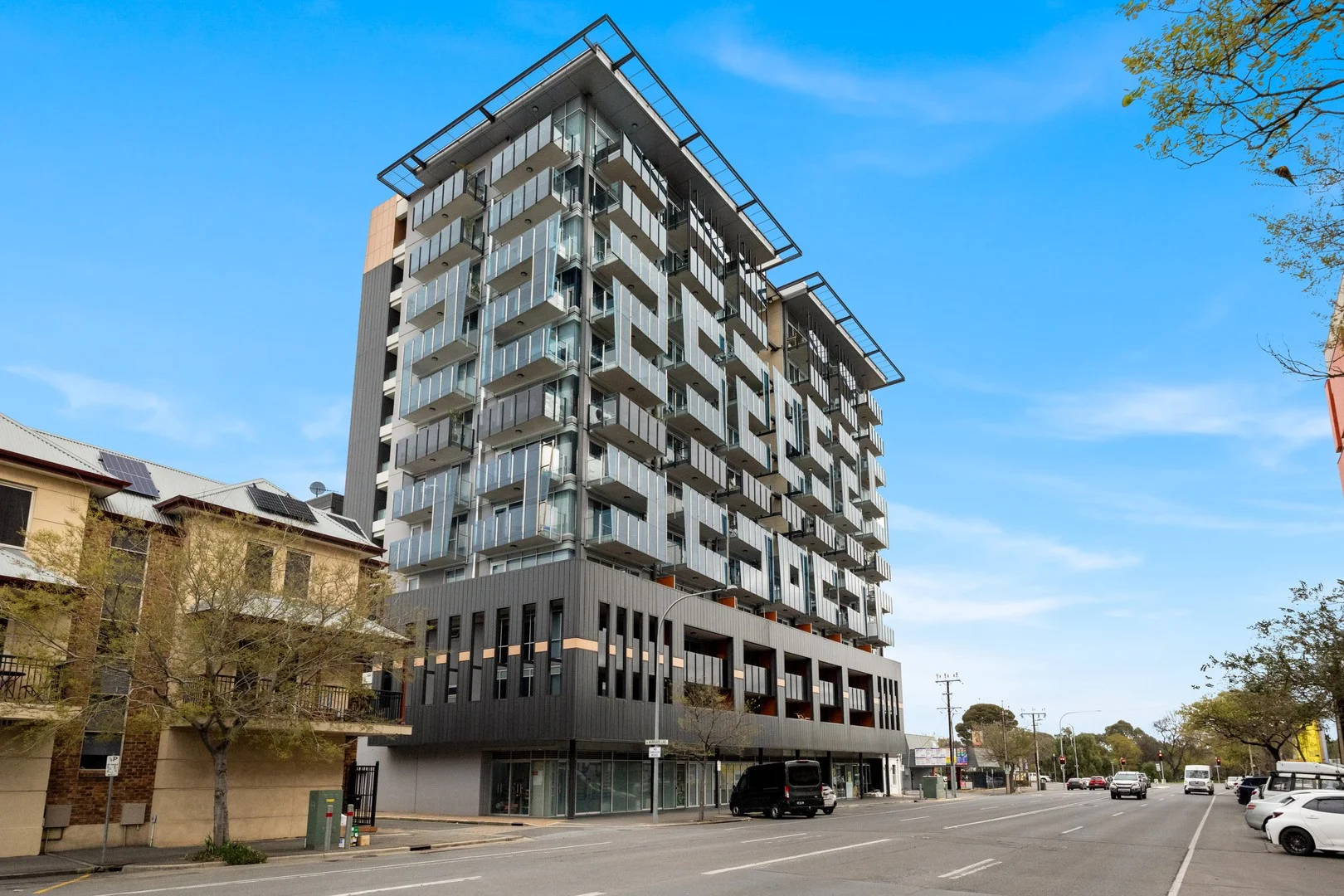 $1,100,000
Apartment / Unit / Flat
$1,100,000
Apartment / Unit / Flat
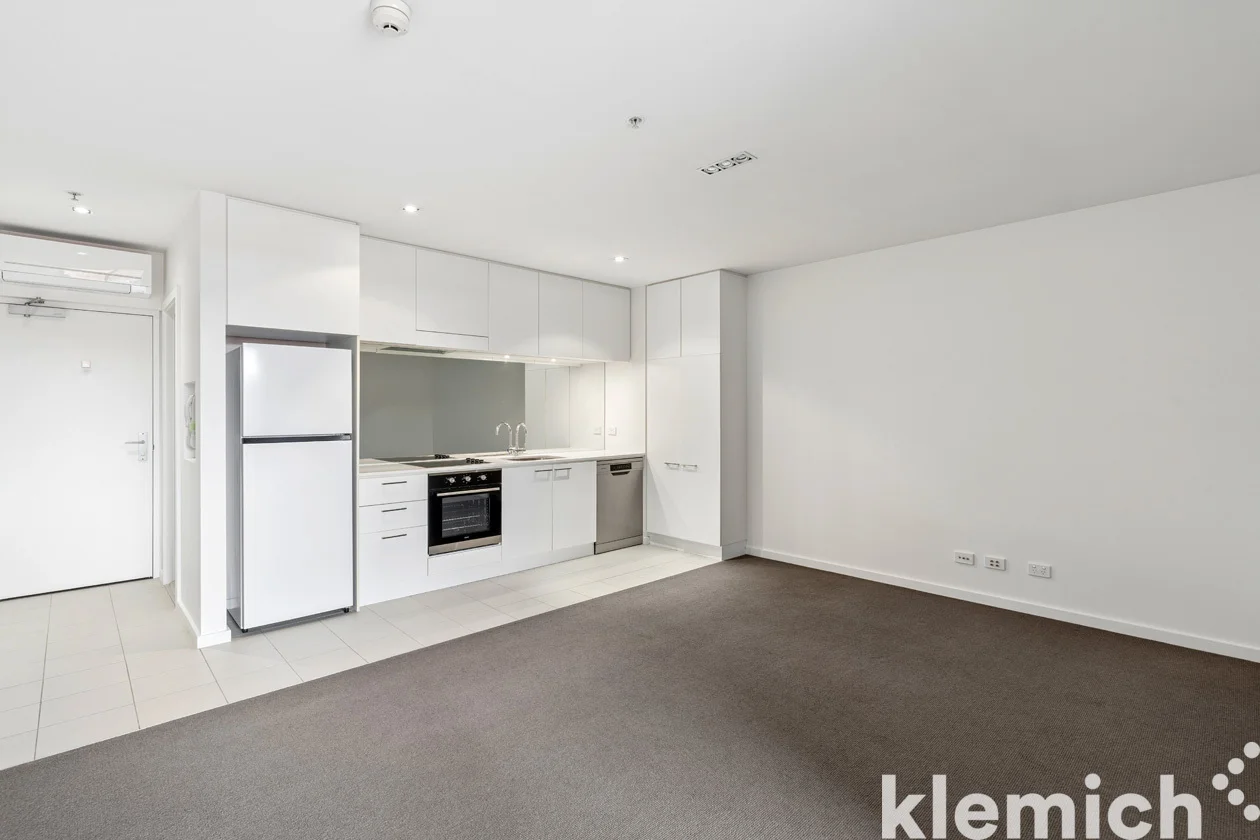 $440,000
Apartment / Unit / Flat
$440,000
Apartment / Unit / Flat
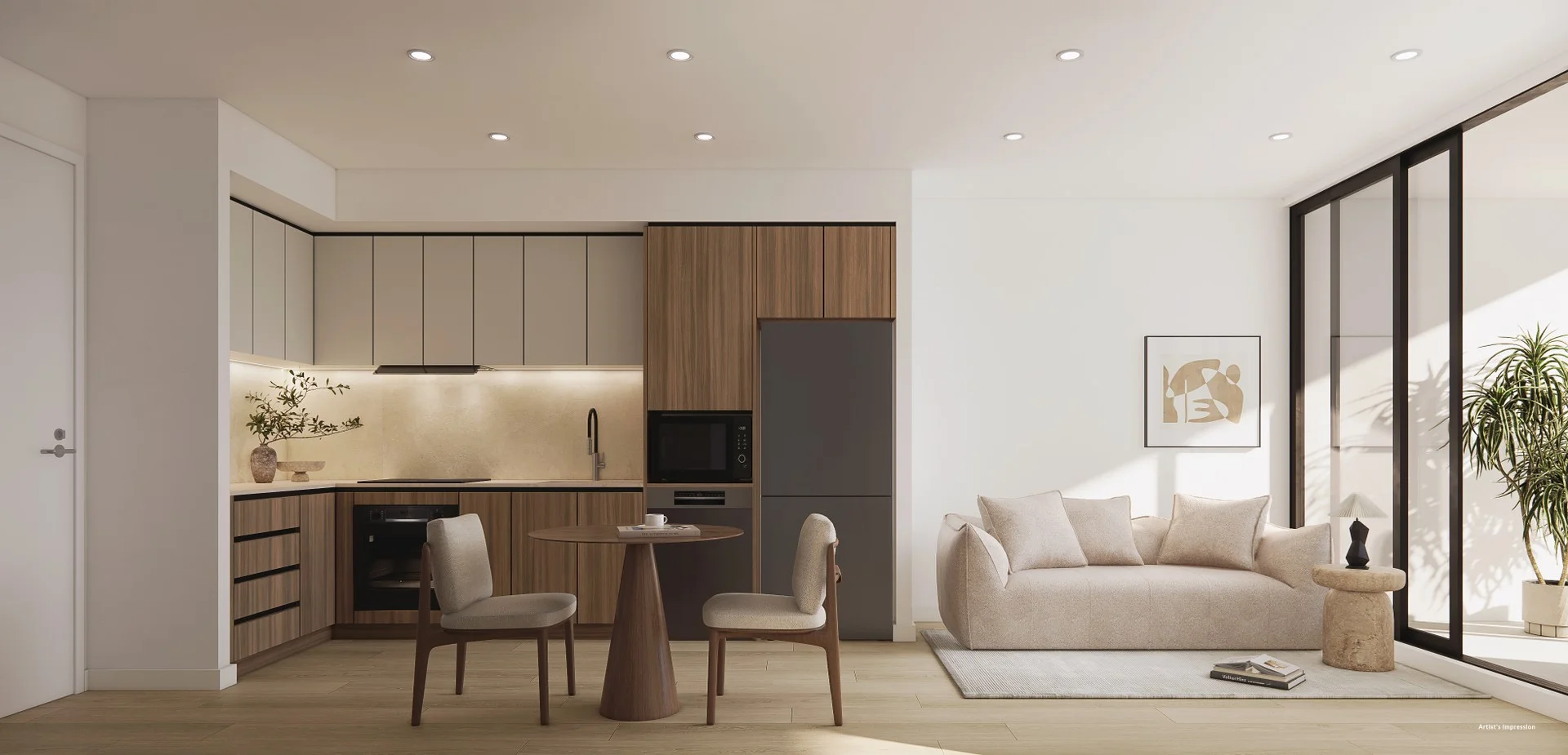 $588,000
Apartment / Unit / Flat
$588,000
Apartment / Unit / Flat
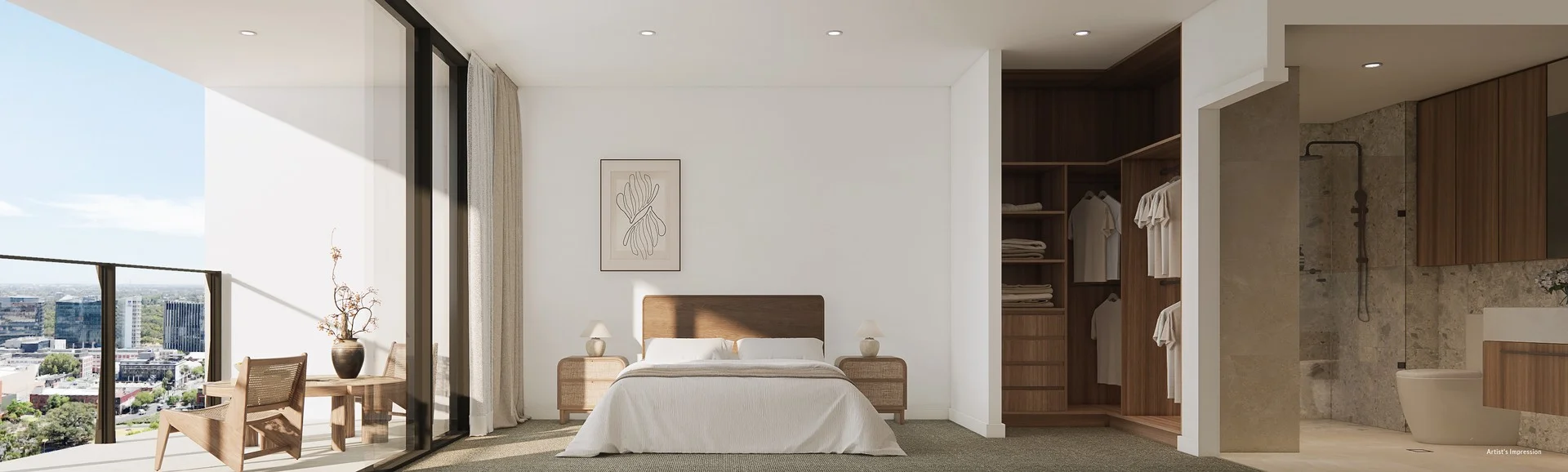 $1,056,000
Apartment / Unit / Flat
$1,056,000
Apartment / Unit / Flat
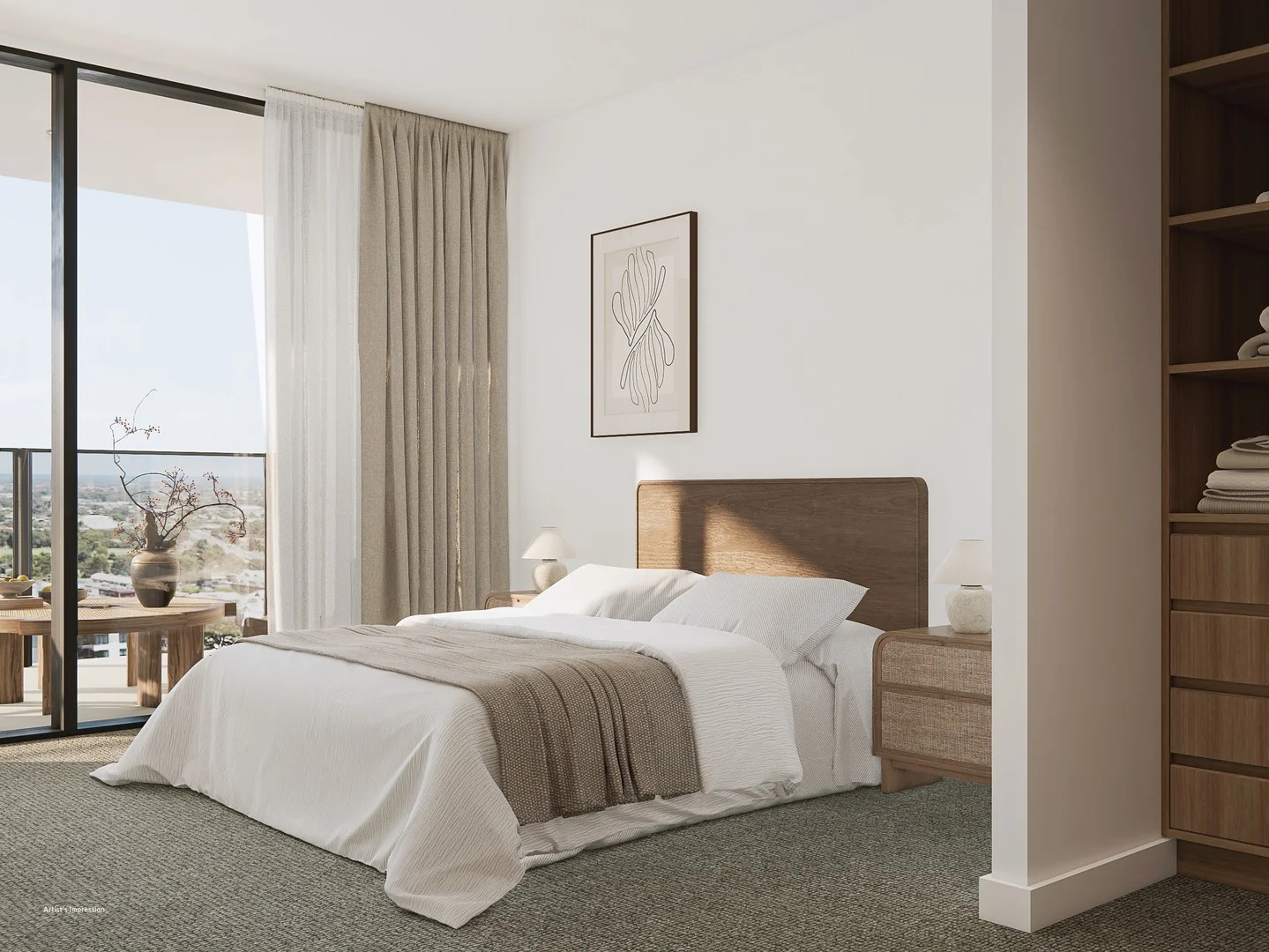 $935,000
Apartment / Unit / Flat
$935,000
Apartment / Unit / Flat
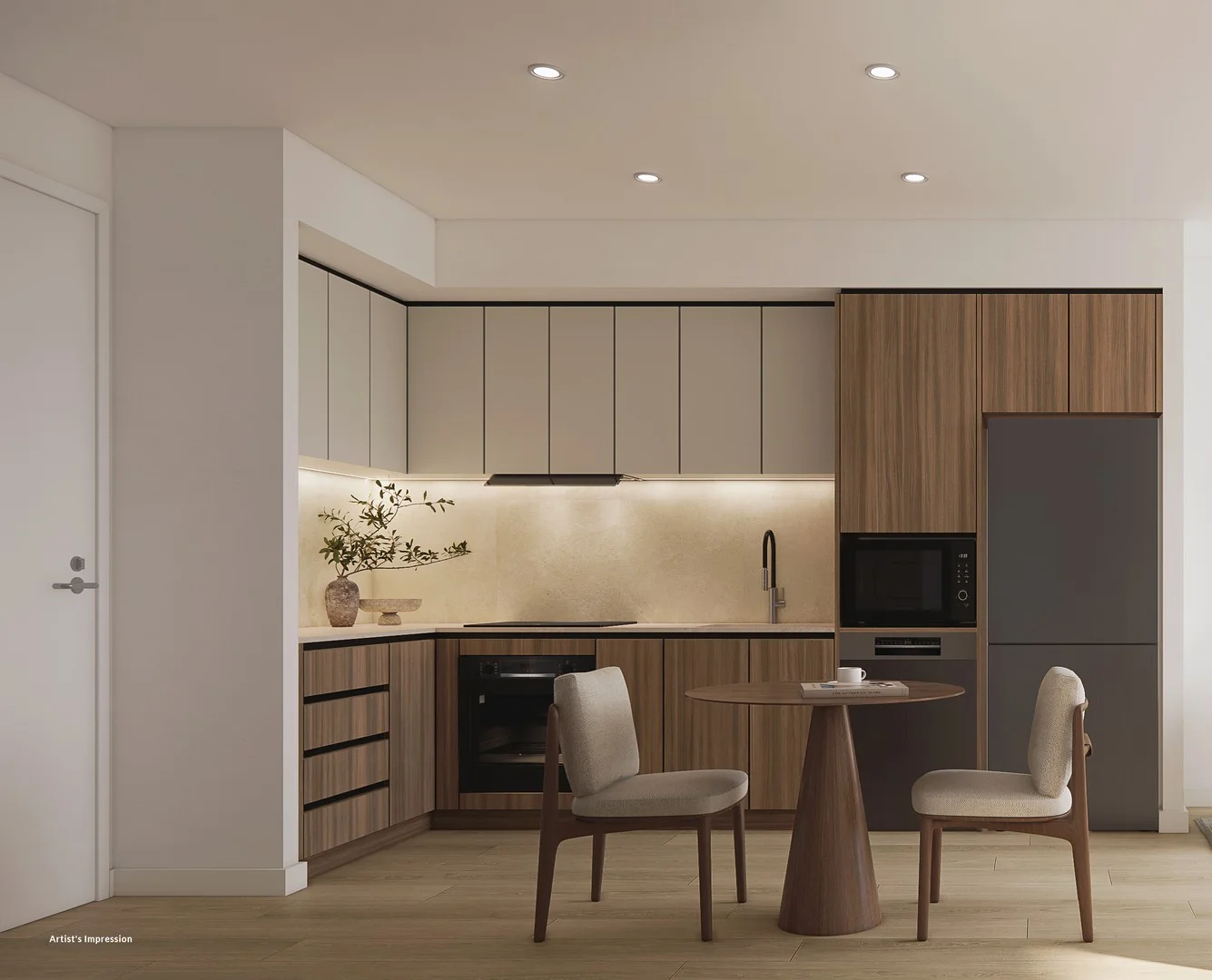 $557,000
Apartment / Unit / Flat
$557,000
Apartment / Unit / Flat
 $775,000
House
$775,000
House
 $545,000
Apartment / Unit / Flat
$545,000
Apartment / Unit / Flat