Overview
# 1. Overview
St Francis Xavier's Catholic Primary School Arncliffe is a Catholic, co-educational primary school serving families in Arncliffe and surrounding areas. The school emphasizes faith-based education within a nurturing, inclusive community and aims to support students to grow as confident learners and good citizens.
- School type: Catholic
- School size: Medium
- Class size: Typically in the low 20s per class
- Atmosphere/culture: Nurturing, inclusive, with a focus on faith-based values and community
---
# 2. Academics & Learning
- Academic strengths: Strong emphasis on English and Maths with a solid literacy and numeracy program; emphasis on fundamental skills across the curriculum; supportive environment for learning in line with Catholic education.
- Special programs: Opportunities for targeted learning support, extension/gifted and talented activities, and a focus on technology and critical thinking across subjects.
- NAPLAN / trends: Trends typically show steady or improving performance in reading and numeracy over recent years, with schools often highlighting progress in student outcomes.
- Student-teacher ratios: Small to medium class sizes with supportive teacher-to-student ratios; additional learning support staff available as needed.
- Support for diverse learners: EAL (English as an Additional Language) and SEN (Special Education Needs) support, inclusive education practices, and individualized learning approaches.
---
# 3. Sports & Extracurricular Strengths
- Sports offered: Common primary offerings include soccer, cricket, rugby league, netball, athletics, and general physical education activities; participation in district/zone events.
- Strong teams or achievements: Opportunities to compete in inter-school sports and local competitions; emphasis on teamwork and fair play.
- Music, arts, drama programs: Access to music and performing arts activities, choir or instrumental programs, and drama opportunities as part of the broader curriculum.
- Clubs: Robotics, coding, chess, debating and other enrichment clubs may be available or run as after-school programs.
- Partnerships: Connections with local community and sporting clubs, and involvement in regional or diocesan activities and competitions.
---
# 4. Wellbeing & Pastoral Care
- Anti-bullying approach: Clear anti-bullying policies and programs, with proactive behaviour support and a positive school climate.
- House system: A house or community group system to foster belonging, teamwork, and friendly competition.
- Counsellors / wellbeing officers: Access to wellbeing staff or school counsellors to support student social-emotional health.
- Transition support for new students: Orientation activities, buddy programs, and structured transition processes to help new students settle in.
---
# 5. Facilities
- Sports grounds: On-site sports facilities and grounds for PE and outdoor activities.
- Libraries: A library for study, reading and research.
- Science labs: Dedicated spaces for science activities and investigations.
- Music/performing arts centers: Facilities for music and performing arts experiences.
- Tech/innovation labs: Technology spaces or makerspaces to support digital learning and creativity.
- Cafeteria: On-site canteen or food service options for students.
- Updated playgrounds: Modern playground equipment and outdoor learning spaces.
---
# 6. School Values & Community Culture
- School values / mission: Catholic ethos underpinning daily learning, with emphasis on respect, responsibility, service, and community.
- Leadership style: Collaborative and student-inclusive leadership, with opportunities for student voice and involvement in school life.
- Behaviour expectations: Positive behaviour policies focused on respect, responsibility, and supportive relationships.
- Community reputation: Family-friendly, welcoming to parish and local communities, with a focus on fostering a supportive school community.
- Diversity & inclusion: Commitment to diversity and inclusive practices, welcoming students from varied backgrounds.
---
# 7. School Logistics & Daily Operations
- School hours: Core school day typically runs during standard primary hours; before/after school care often available.
- Before/after school care: OSHC or similar programs commonly offered.
- Uniform requirements: School uniform required (consistent with Catholic primary school norms) with specified items and purchasing guidelines.
- Transport (train/bus routes): Transport options available depending on location; bus routes and public transport access commonly used by families in the area.
- Canteen availability: Canteen or snack options typically available.
- Fees (low/medium/high ranges): Voluntary contributions and ancillary costs (uniforms, excursions, activities) are common; overall fee ranges are generally mid to low for local Catholic primary settings.
---
# 8. Enrolment & Admissions
11. What is the enrolment process and timeline?
- Submit an enrolment application within the school’s specified window.
- Provide required documents (birth certificate, immunisation records, baptism certificate, parish details, and proof of residency where requested).
- Attend information sessions/open days and complete any family interviews if part of the process.
- Offers and placements are issued according to the school’s timelines and in line with parish/school priorities.
12. Is there a waiting list, and how does it work?
- Yes, there is typically a waiting list when applications exceed places.
- Priorities often include siblings, parishioners, and proximity; offers are made in date order of application and according to available space.
13. Are there any entry requirements, tests, or interviews?
- Generally, primary school entry does not involve academic testing.
- Some schools may include a family interview or information session to understand applicant alignment with the school’s values and community.
- Supporting documents (catholic identity, baptism) may be requested for prioritised consideration.
14. Does the school accept mid-year transfers?
- Yes, subject to vacancy availability.
- Transfer requires documentation (previous school report, immunisation records, and any applicable enrolment forms) and a smooth transition plan to support ongoing student progress.
---
# 9. Frequently Asked Questions
- Why Parents Choose This School?
- A faith-based, nurturing environment with a supportive community and strong focus on literacy, numeracy, and holistic development.
- What type of student thrives at this school?
- Students who respond well to a values-driven, inclusive setting with emphasis on community, faith, and personal growth.
- What opportunities are available for students to extend their skills (academics, sports, arts)?
- Access to extension programs, after-school clubs (robotics, coding, chess, debating), sports participation, and performing arts activities.
- How does the school communicate with parents?
- Regular newsletters, emails, parent portals or apps, and school meetings; clear channels for feedback and inquiries.
- What is the school’s approach to teaching and learning?
- Balanced approach combining core literacy and numeracy with faith-based education, technology integration, and differentiated instruction.
- How does the school support students who need extra academic help?
- Targeted learning support, EAL/SEN services, and access to learning support staff.
- What support is available for academic challenges?
- Individual or small-group support plans, specialist staff involvement, and collaboration with families to monitor progress.
- How does the school communicate with parents? (Duplicate question merged)
- See above: regular updates, parent portals, and direct contact with teachers and leadership.
- What are the class sizes and how much individual attention do students receive?
- Class sizes are in the low 20s; teacher-to-student ratios allow for targeted feedback and support.
- What extracurricular and sports opportunities are available?
- A range of sports, clubs (robotics, coding, chess, debating), music and performing arts programs, and inter-school competitions.
- What facilities does the school offer (sports, science, arts)?
- Sports grounds, library, science labs, music/arts spaces, technology labs, canteen, and updated outdoor play areas.
- What is the school’s approach to technology and digital learning?
- Integrated technology across the curriculum with appropriate devices and digital learning tools, alongside digital citizenship education.
- What transport and accessibility options are available?
- Local transport options (bus/train routes where applicable), with accessible entry and family-friendly drop-off/pick-up arrangements.
- What are the typical school fees or additional costs?
- Voluntary contributions and standard costs for uniforms, excursions, and additional activities; overall costs are in the low-to-mid range for comparable Catholic primary schools.
---
# 10. Short Pros & Cons list
Pros
- Catholic values and a faith-based community-centered approach
- Nurturing and inclusive environment with strong support for diverse learners
- Medium class sizes allowing more individual attention
- Broad range of extracurricular activities and clubs
- Positive emphasis on wellbeing, pastoral care, and student support
Cons
- As with many schools, fees and uniform costs are an ongoing consideration
- Availability of some programs may depend on the year and enrollment levels
- Competition for places if oversubscribed; waiting lists can occur during intake periods
---
Note: For the most precise and up-to-date enrolment details, timelines, and program offerings, please refer to the school’s official enrolment information and contact the school directly.









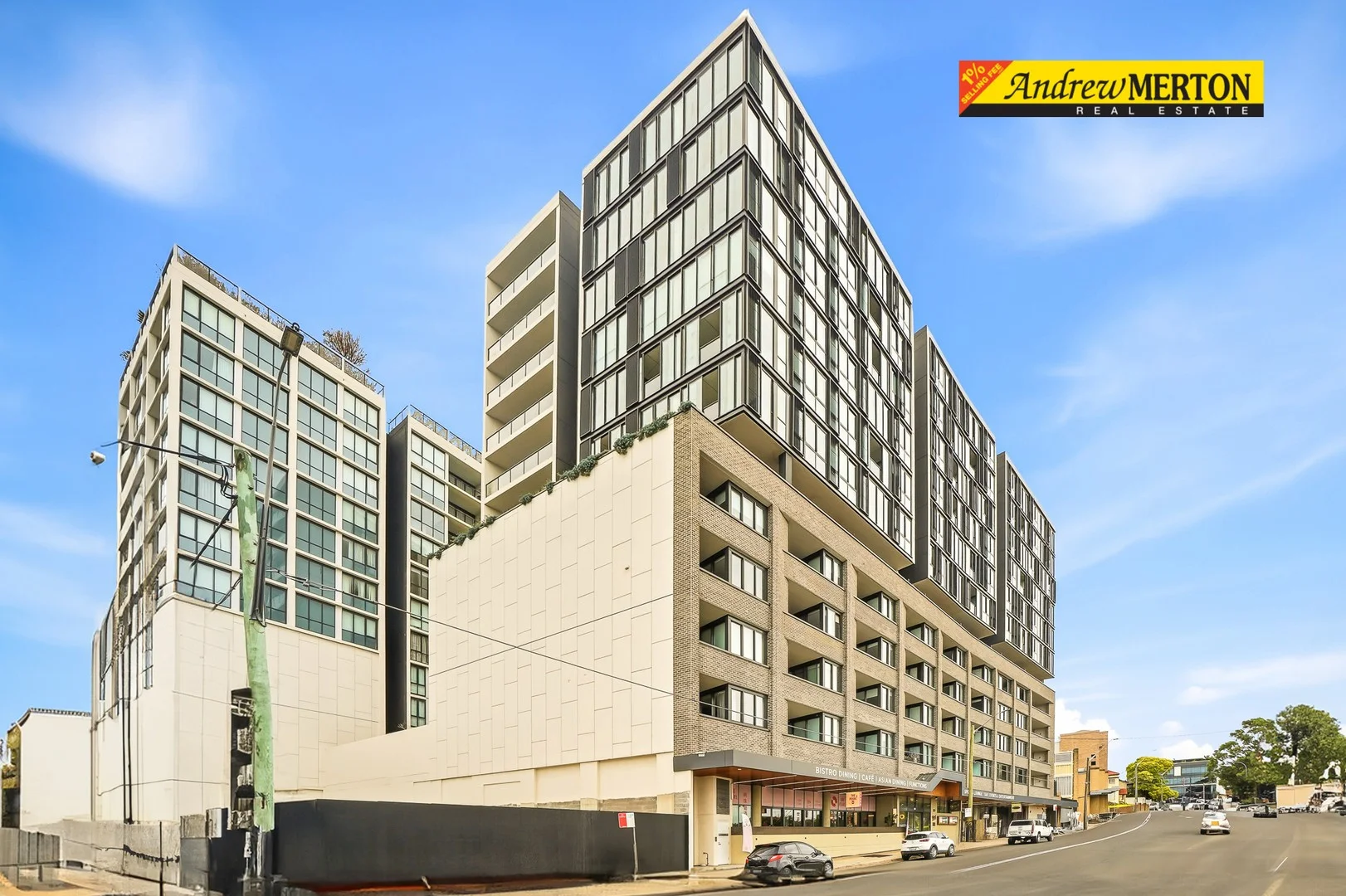 $665,000
Apartment / Unit / Flat
$665,000
Apartment / Unit / Flat
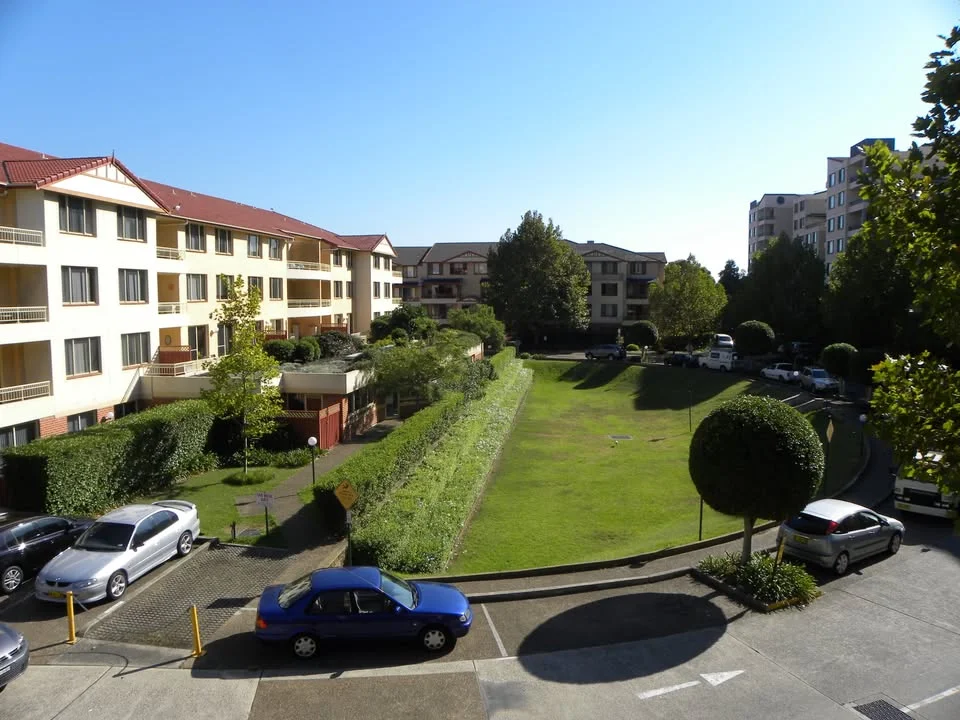 $990
Apartment / Unit / Flat
$990
Apartment / Unit / Flat
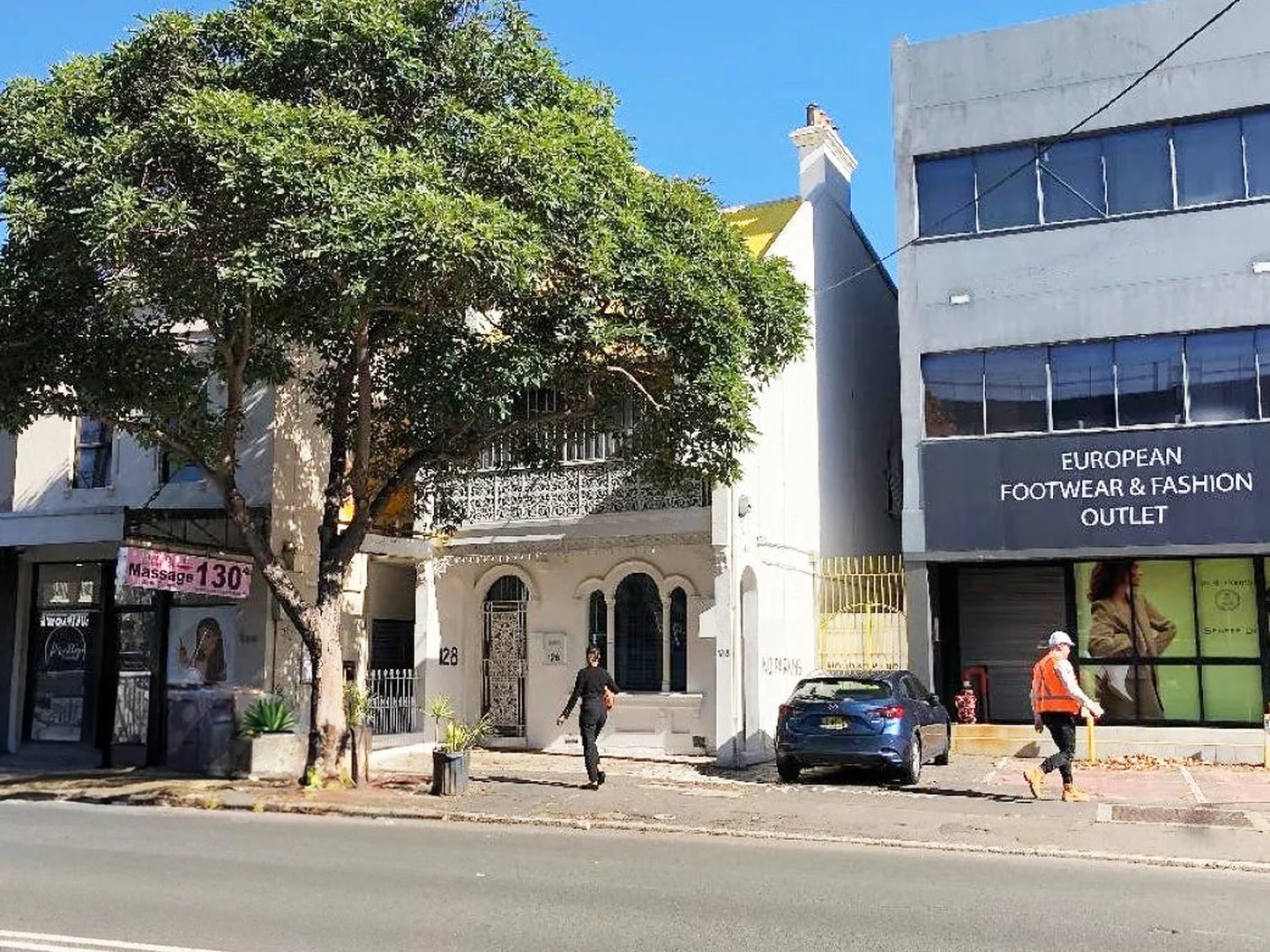 $3,900,000
House
$3,900,000
House
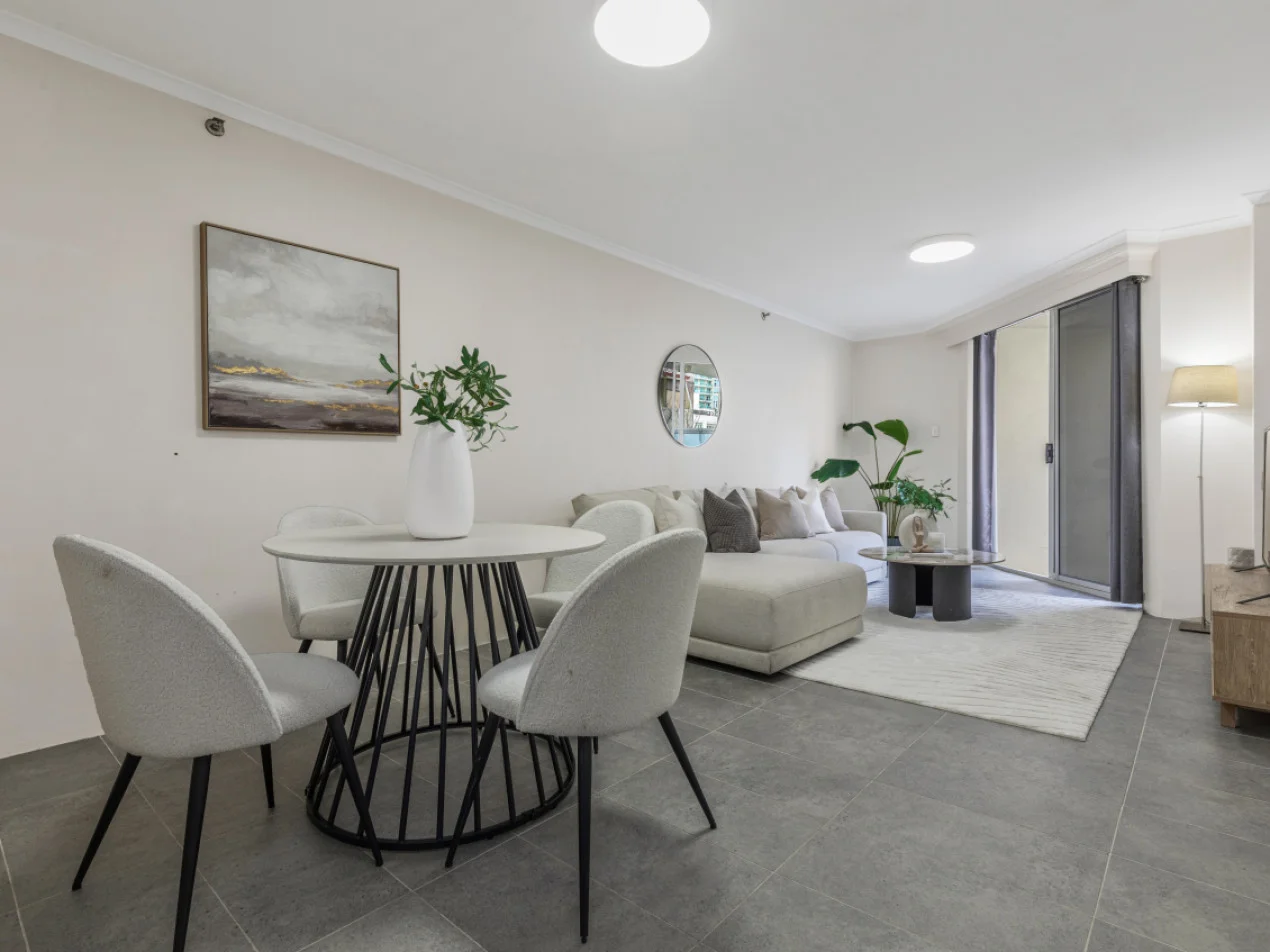 $640,000 - $675,000
Apartment / Unit / Flat
$640,000 - $675,000
Apartment / Unit / Flat
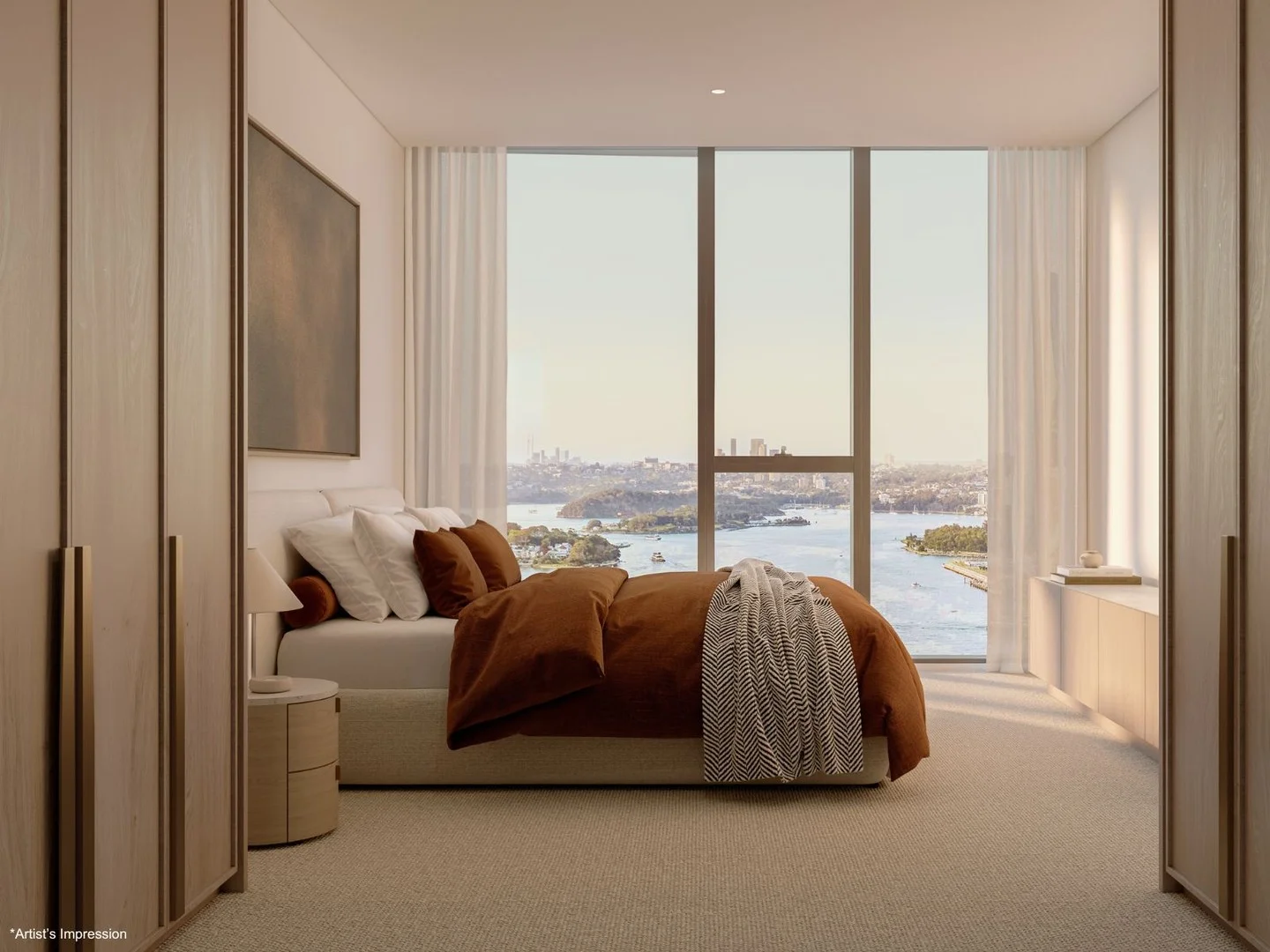 $8,630,000
propertyType.NEW APARTMENTS / OFF THE PLAN
$8,630,000
propertyType.NEW APARTMENTS / OFF THE PLAN
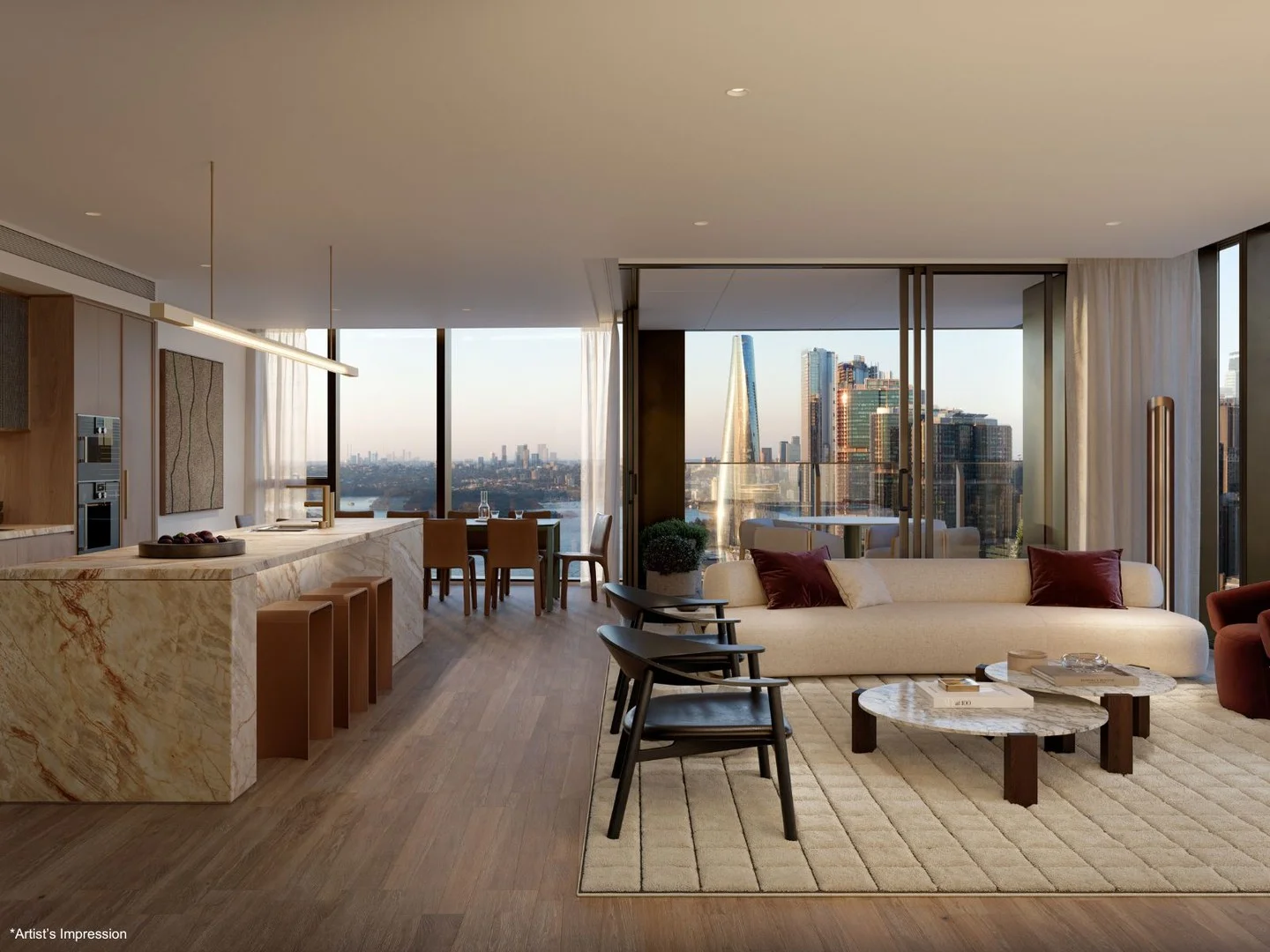 $12,980,000
propertyType.NEW APARTMENTS / OFF THE PLAN
$12,980,000
propertyType.NEW APARTMENTS / OFF THE PLAN
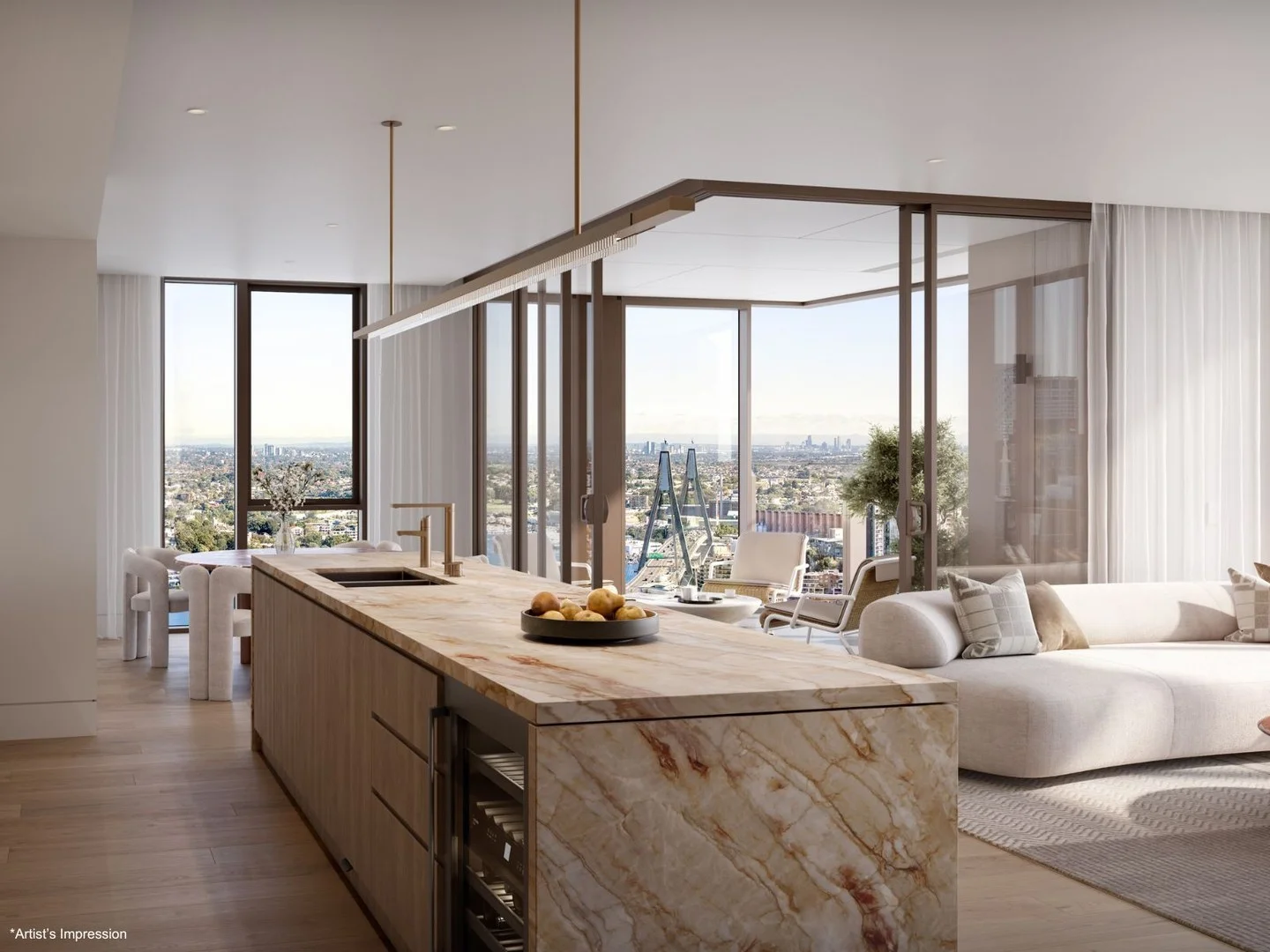 $9,020,000
propertyType.NEW APARTMENTS / OFF THE PLAN
$9,020,000
propertyType.NEW APARTMENTS / OFF THE PLAN
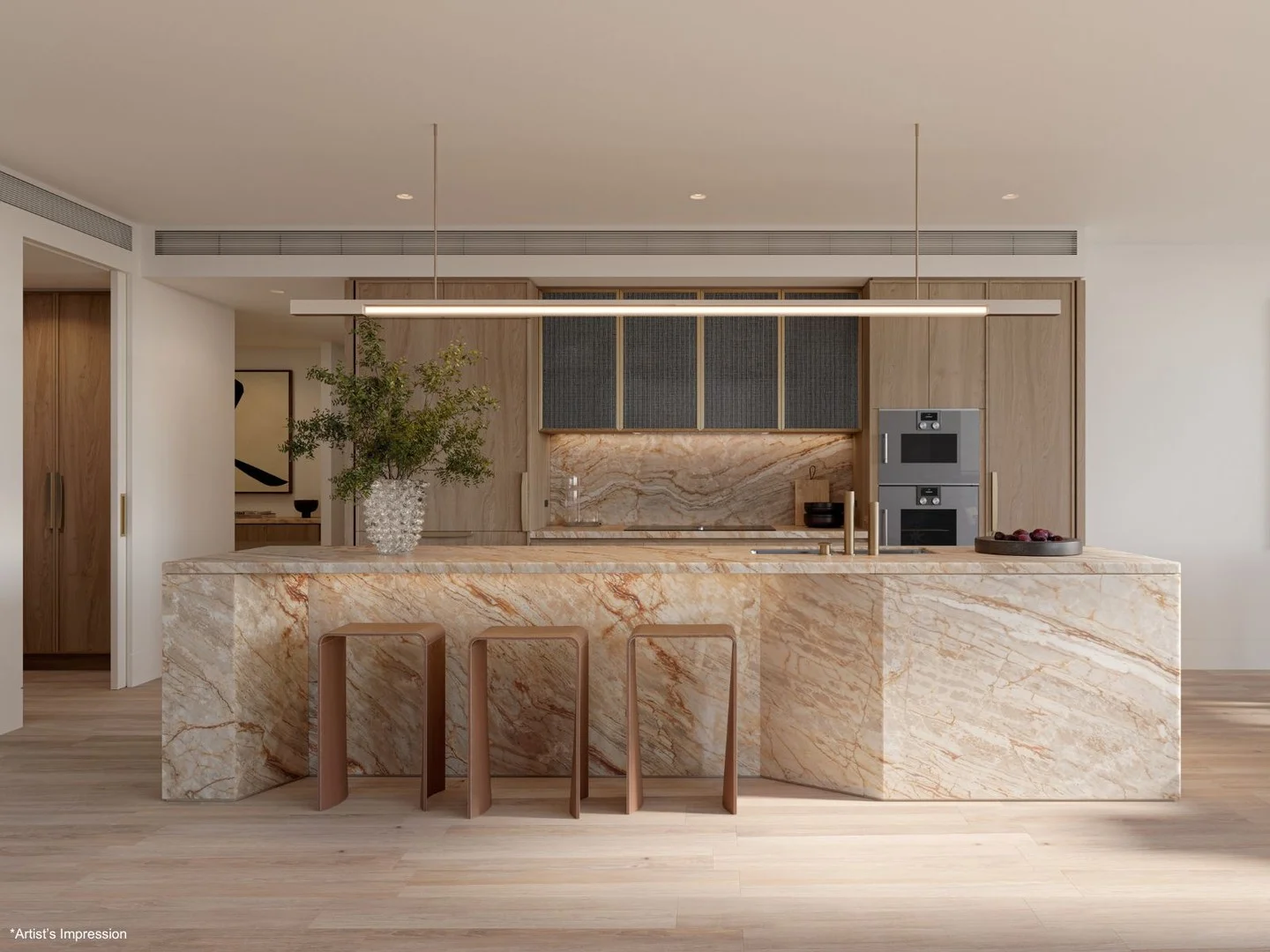 $6,225,000
propertyType.NEW APARTMENTS / OFF THE PLAN
$6,225,000
propertyType.NEW APARTMENTS / OFF THE PLAN
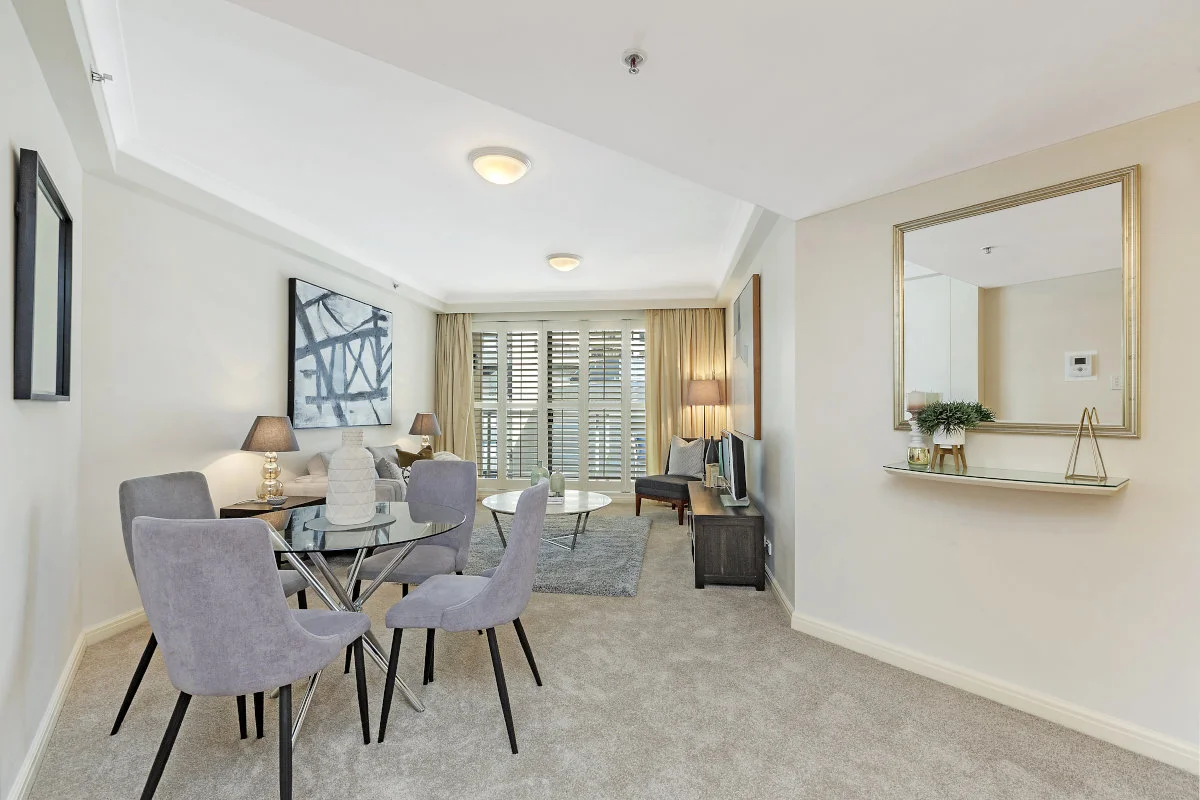 $660,000 - $725,000
Apartment / Unit / Flat
$660,000 - $725,000
Apartment / Unit / Flat


