Overview
## Overview
School Australia Street Infants School is a public (government-funded) campus serving early primary years with a focus on Kindergarten to Year 2. The school combines a small-to-medium campus feel with a warm, welcoming environment that fosters curiosity, trust, and positive relationships among students, families, and staff.
The atmosphere here is nurturing and inclusive, with a strong emphasis on collaborative learning and caring for others. Class sizes are typically around 20–22 students, supporting attentive teaching and individual attention within a close-knit community.
⸻
## Academics & Learning
- Academic strengths: Foundation in literacy and numeracy, with a growing emphasis on inquiry-based learning, early science exploration, and the development of critical thinking. There is a clear pathway for language development and a focus on building confidence in speaking, reading, and writing from a young age.
- Special programs: Reading Recovery/early literacy interventions, English as an Additional Language (EAL) support, and opportunities for Gifted & Talented (G&T) students as they progress to higher year levels.
- NAPLAN / trends: NAPLAN is not applicable for current Kindergarten–Year 2 students. The school tracks progress through internal assessments and termly progress checks, and uses data from students as they enter Year 3 to inform teaching and support. Historically, there is a pattern of steady literacy and numeracy growth as cohorts advance.
- Student-teacher ratios: Roughly 1:15 to 1:20, enabling more targeted support and differentiated instruction.
- Support for diverse learners: Strong focus on inclusive education with EAL support, SEN coordination, targeted small-group interventions, and collaboration with specialist services as needed.
⸻
## Sports & Extracurricular Strengths
- Sports offered: Soccer, basketball, cricket, athletics, and playground-based physical education activities tailored for younger students.
- Strong teams or achievements: Participation in local inter-school events and district-level activities; opportunities to celebrate progress and teamwork even if formal competition varies by year.
- Music, arts, drama programs: Regular focus on music appreciation, classroom performance opportunities, and age-appropriate drama and classroom performances; involvement in school productions and assemblies.
- Clubs: Robotics, coding, chess, debate, and other age-appropriate clubs that promote problem-solving, collaboration, and creativity.
- Partnerships: Collaborations with local community clubs and organizations for sport, coding, and arts activities, plus opportunities to participate in district competitions and showcases.
⸻
## Wellbeing & Pastoral Care
- Anti-bullying approach: Explicit anti-bullying messages, taught through whole-school programs and restorative practices; clear reporting processes and ongoing supervision.
- House system: House groups (e.g., Red, Blue, Green, Yellow) to promote teamwork, healthy competition, and sense of belonging.
- Counsellors / wellbeing officers: Access to a school wellbeing team or counsellor to support social-emotional learning, resilience, and individual needs.
- Transition support for new students: Welcome buddy programs, orientation sessions, parent information evenings, and tailored onboarding to ease transitions into the school community.
⸻
## Facilities
- Sports grounds
- Libraries
- Science labs
- Music/performing arts spaces
- Tech/innovation labs
- Canteen
- Updated playgrounds
⸻
## School Values & Community Culture
- School values / mission: Respect, inclusion, integrity, and collaboration underpin daily practice and school decisions.
- Leadership style: Distributed leadership with strong teacher collaboration and opportunities for student voice in age-appropriate ways.
- Behaviour expectations: Clear, positive behaviour standards supported by restorative approaches and consistent routines.
- Community reputation: A welcoming and engaged school community with active parent involvement and partnerships.
- Diversity & inclusion: Emphasis on an inclusive culture, language support, and accessibility for all families.
⸻
## School Logistics & Daily Operations
- School hours: Typically a morning-to-afternoon schedule aligned with NSW public primary hours; precise start/end times are published each year.
- Before/after school care: Available through on-site or nearby providers; details provided at enrolment.
- Uniform requirements: School uniform worn daily with guidance on acceptable wear and seasonal adjustments.
- Transport (train/bus routes): Accessible via local public transport; school supports safe drop-off/pick-up and public transport information is provided to families.
- Canteen availability: Canteen services operate with kid-friendly menus and healthy options.
- Fees (low/medium/high ranges): Public schools have no tuition fees; families may incur minor costs for excursions, voluntary contributions, uniform, and certain activities.
⸻
## Enrolment & Admissions
11. What is the enrolment process and timeline?
- Check catchment eligibility and ensure residence within the school’s designated area.
- Prepare required documents (proof of age/identity, residence, immunisation, and, if applicable, care arrangements).
- Submit an enrolment application through the NSW Department of Education process or the school’s admissions portal.
- Await confirmation of placement and receive an offer; complete any required NSW paperwork and attend orientation.
- Begin schooling at the start of the term or as advised by the school.
12. Is there a waiting list, and how does it work?
- Waiting lists can apply if the school is oversubscribed. Placement follows catchment priority, then availability. Families are kept informed of their status and expected timelines.
13. Are there any entry requirements, tests, or interviews?
- There are typically no entrance exams for Kindergarten; for later intake or special circumstances, schools may conduct brief interviews or discussions with parents to understand the child’s needs and ensure appropriate support is in place.
14. Does the school accept mid-year transfers?
- Yes, subject to space and alignment of available places. Mid-year transfers are arranged in consultation with the school to minimise disruption and ensure a smooth onboarding process.
⸻
## Frequently Asked Questions
- Why Parents Choose This School?
- A strong literacy and numeracy foundation, small class sizes, a nurturing and inclusive environment, and active family involvement.
- What type of student thrives at this school?
- Curious, kind, collaborative learners who respond well to a supportive, small-team atmosphere and are eager to participate in early-years activities.
- What opportunities are available for students to extend their skills (academics, sports, arts)?
- Access to early literacy and numeracy enrichment, basic STEM and coding activities, arts and drama opportunities, sports clubs, and inter-school events as students progress.
- How does the school communicate with parents?
- Regular updates via newsletters and emails, parent-teacher meetings, an online portal, and open-access communication channels with teachers and administration.
- What is the school’s approach to teaching and learning?
- Student-centred, differentiated instruction with a mix of direct teaching, guided inquiry, and hands-on activities to build foundational skills.
- How does the school support students who need extra academic help?
- Targeted interventions (e.g., reading support, small-group instruction), EAL and SEN support, progress monitoring, and referrals to appropriate services as needed.
- What support is available for academic challenges?
- Individual or small-group supports, differentiated lesson plans, and collaborative planning between teachers, families, and specialists.
- How does the school communicate with parents? (duplicate)
- See above: newsletters, notices, meetings, and portal updates.
- What are the class sizes and how much individual attention do students receive?
- Typical class sizes around 20–22 students with opportunities for targeted teacher interactions and small-group support.
- What extracurricular and sports opportunities are available?
- Sports such as soccer, basketball, cricket, and athletics; clubs in robotics, coding, chess, debating; music and arts programs.
- What facilities does the school offer (sports, science, arts)?
- Library, science labs, performing arts spaces, music facilities, tech/innovation areas, canteen, and updated playgrounds.
- What is the school’s approach to technology and digital learning?
- Age-appropriate digital literacy integrated into learning, use of devices and educational platforms, and a focus on safe, responsible online use.
- What transport and accessibility options are available?
- Access to public transport nearby, clear drop-off/pick-up arrangements, and accessible facilities; information provided to families.
- What are the typical school fees or additional costs?
- No tuition fees for public schooling; modest costs for excursions, uniforms, and optional activities.
⸻
## Short Pros & Cons list
- Pros
- Strong early-years literacy and numeracy focus
- Small-to-medium school size with low class sizes
- Nurturing, inclusive culture with strong parent involvement
- Comprehensive wellbeing and anti-bullying approach
- Broad range of clubs, sports, and arts opportunities
- Accessible facilities and community partnerships
- Cons
- Limited to early primary (Kindergarten–Year 2); students progress to other campuses for older years
- Extracurricular offerings may vary year to year based on staffing and funding
- Mid-year transfers may be constrained by space and placement availability
⸻










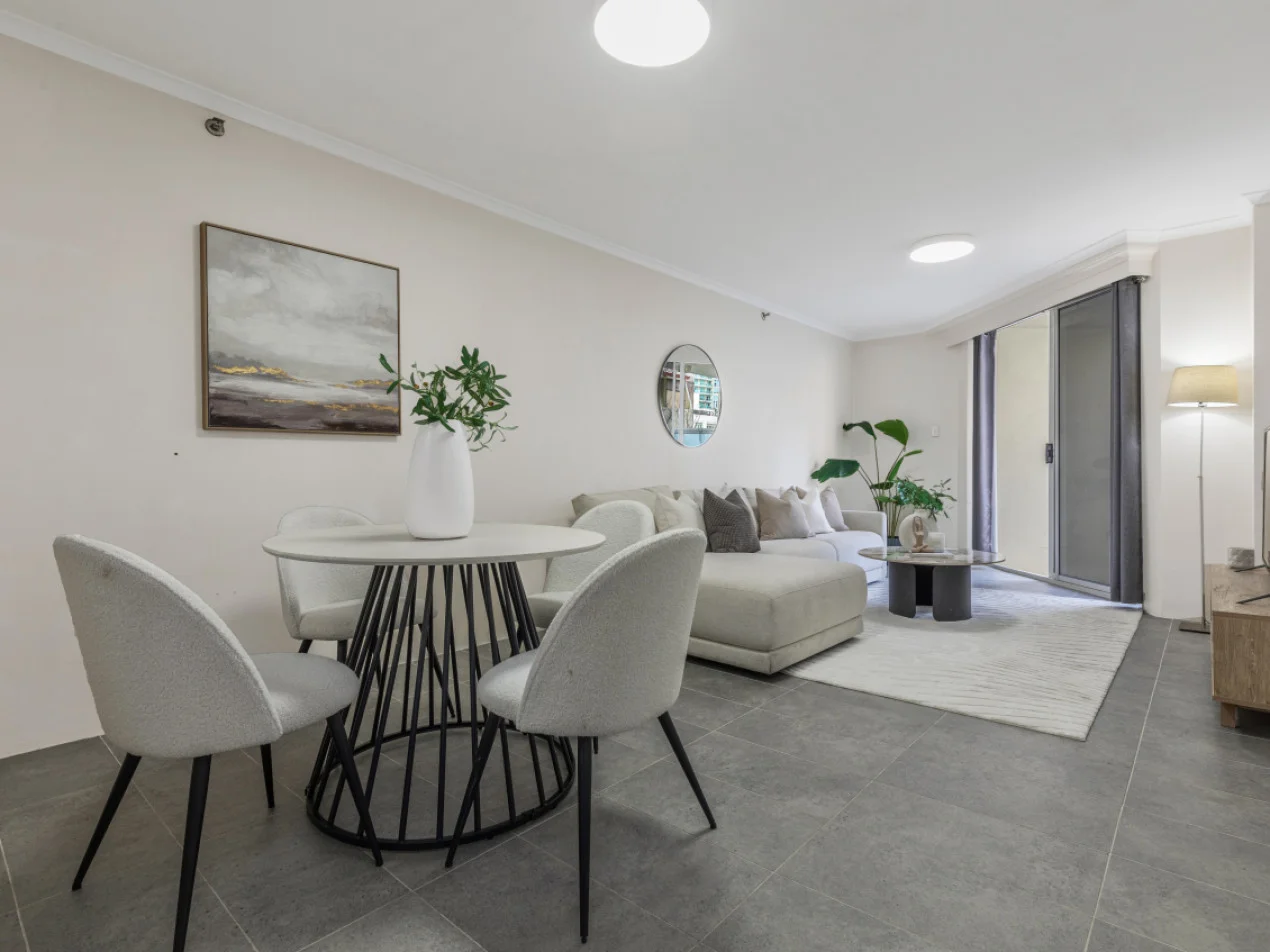 $640,000 - $675,000
Apartment / Unit / Flat
$640,000 - $675,000
Apartment / Unit / Flat
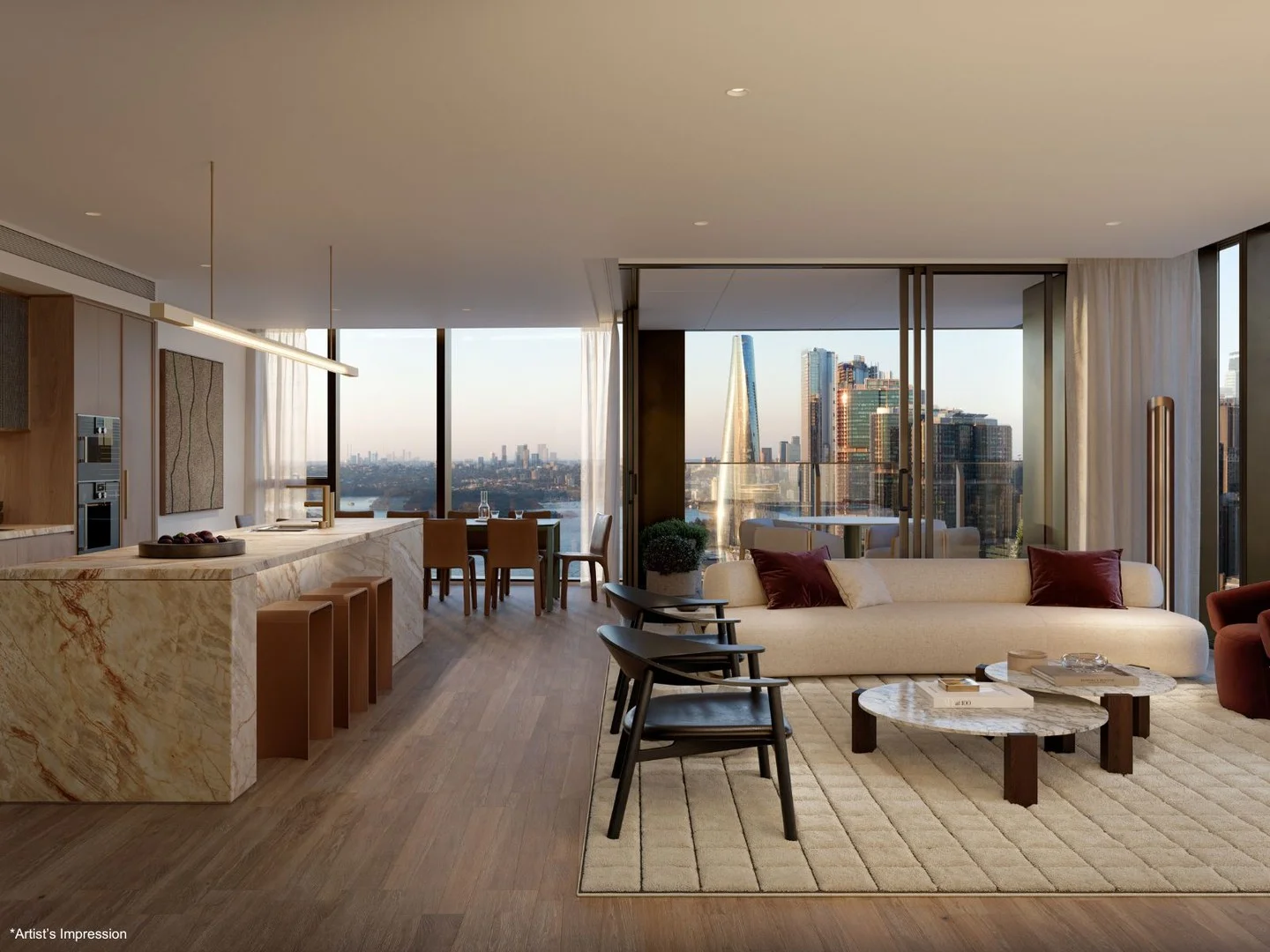 $12,980,000
propertyType.NEW APARTMENTS / OFF THE PLAN
$12,980,000
propertyType.NEW APARTMENTS / OFF THE PLAN
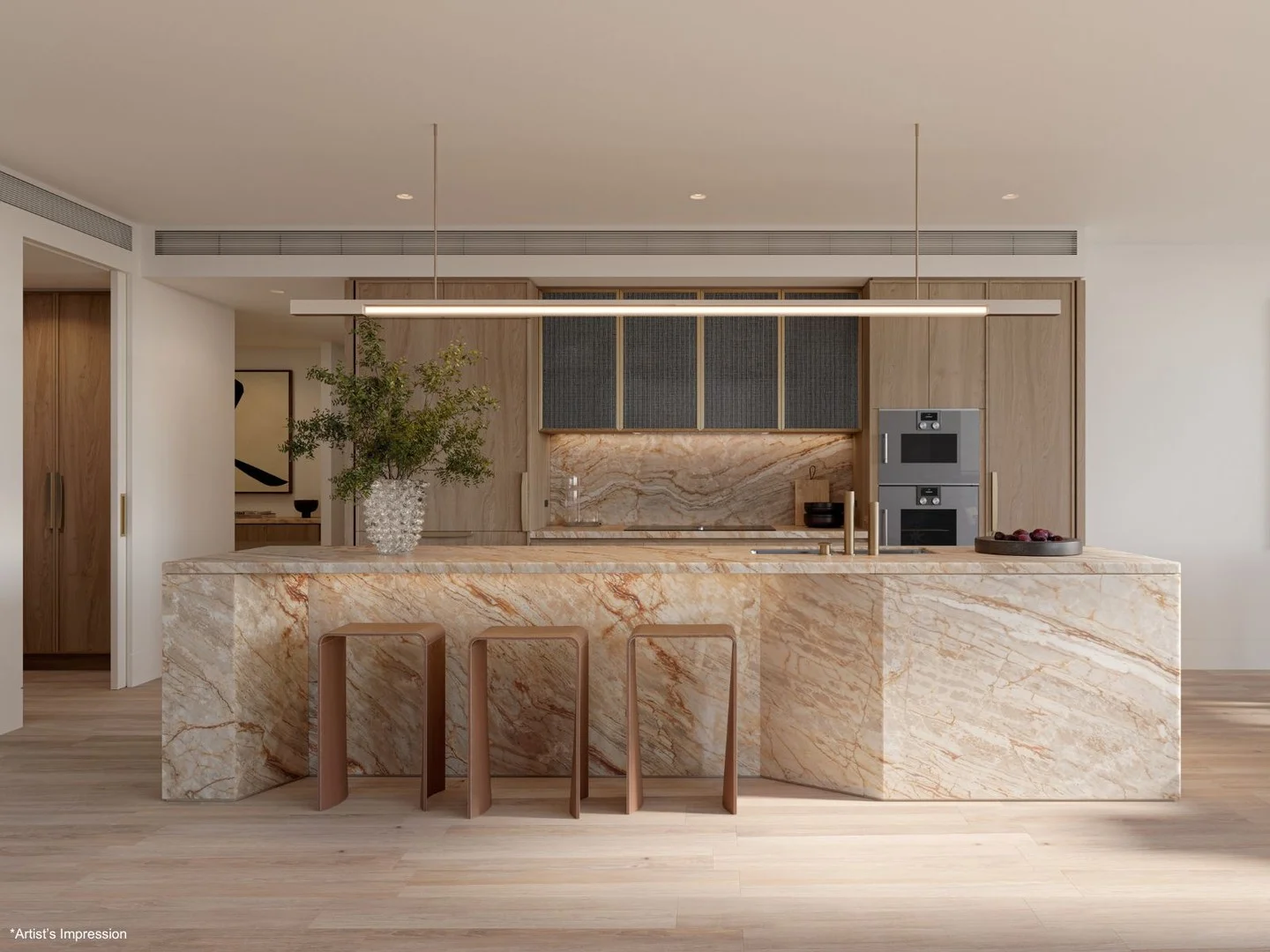 $6,225,000
propertyType.NEW APARTMENTS / OFF THE PLAN
$6,225,000
propertyType.NEW APARTMENTS / OFF THE PLAN
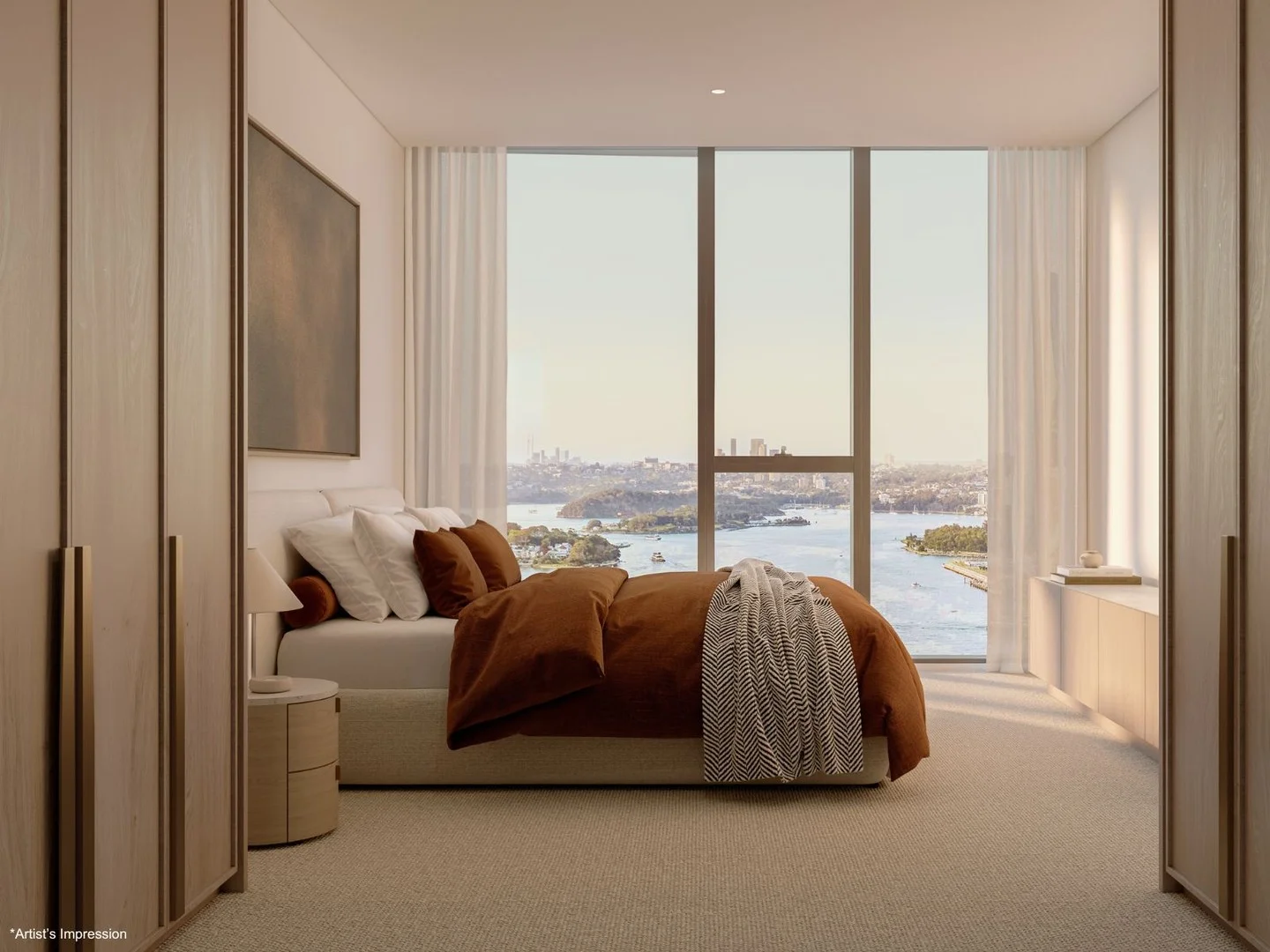 $8,630,000
propertyType.NEW APARTMENTS / OFF THE PLAN
$8,630,000
propertyType.NEW APARTMENTS / OFF THE PLAN
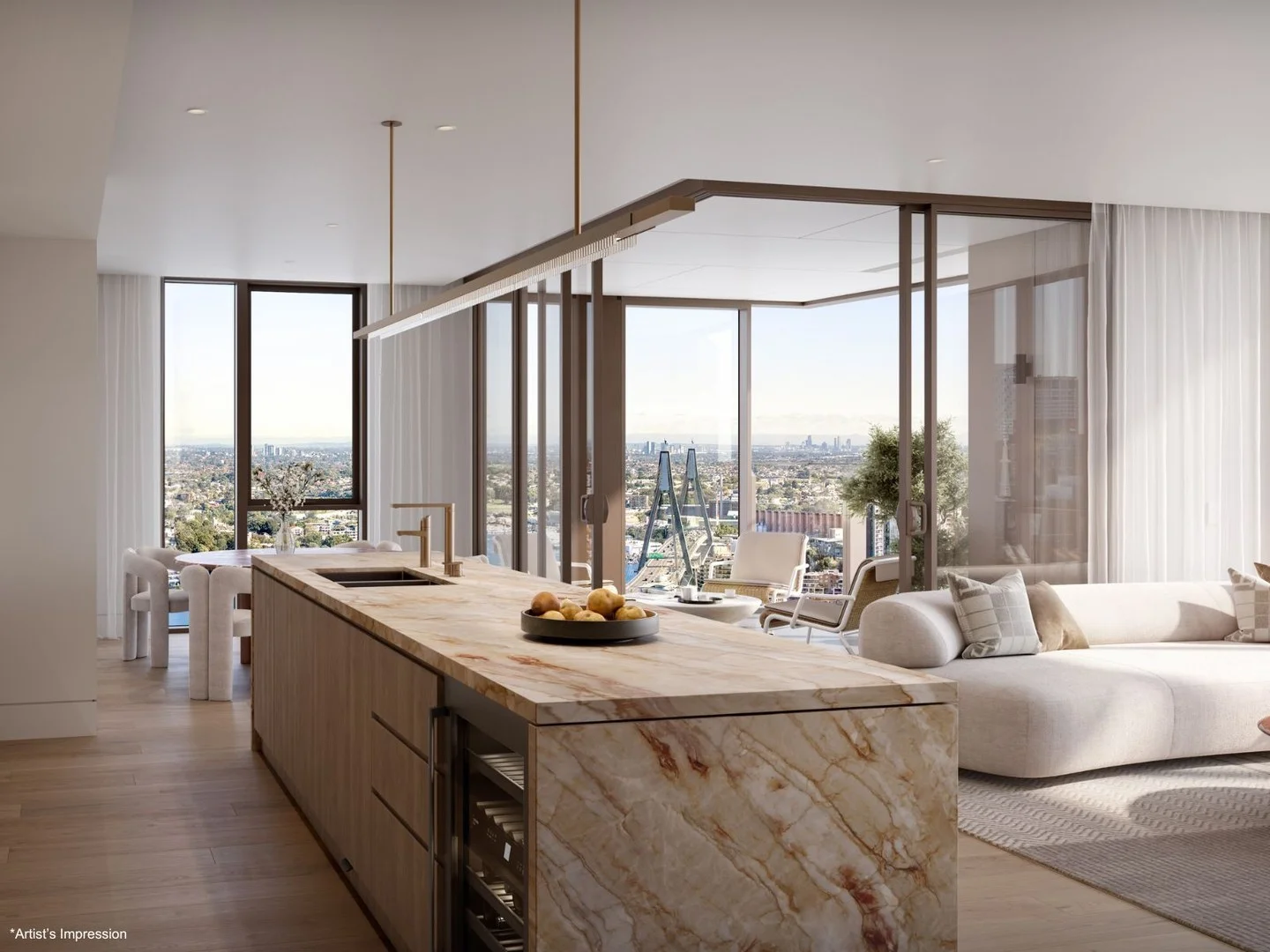 $9,020,000
propertyType.NEW APARTMENTS / OFF THE PLAN
$9,020,000
propertyType.NEW APARTMENTS / OFF THE PLAN
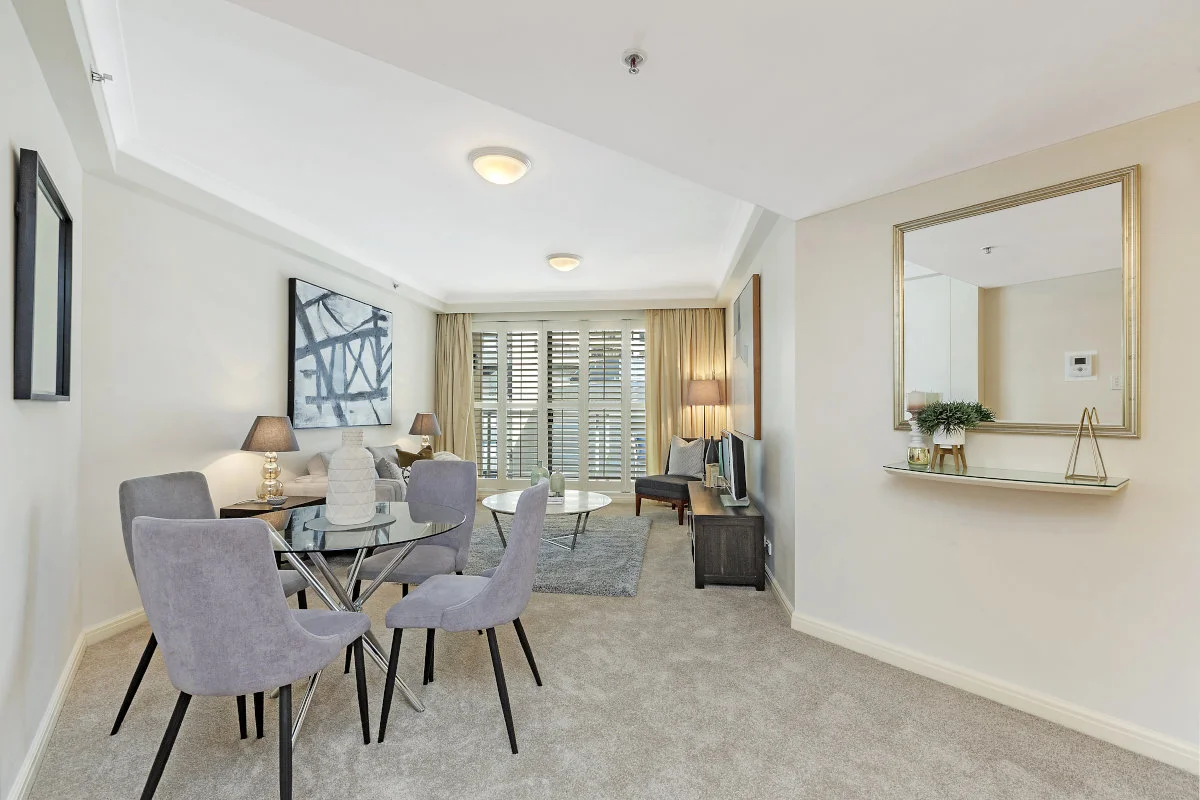 $660,000 - $725,000
Apartment / Unit / Flat
$660,000 - $725,000
Apartment / Unit / Flat
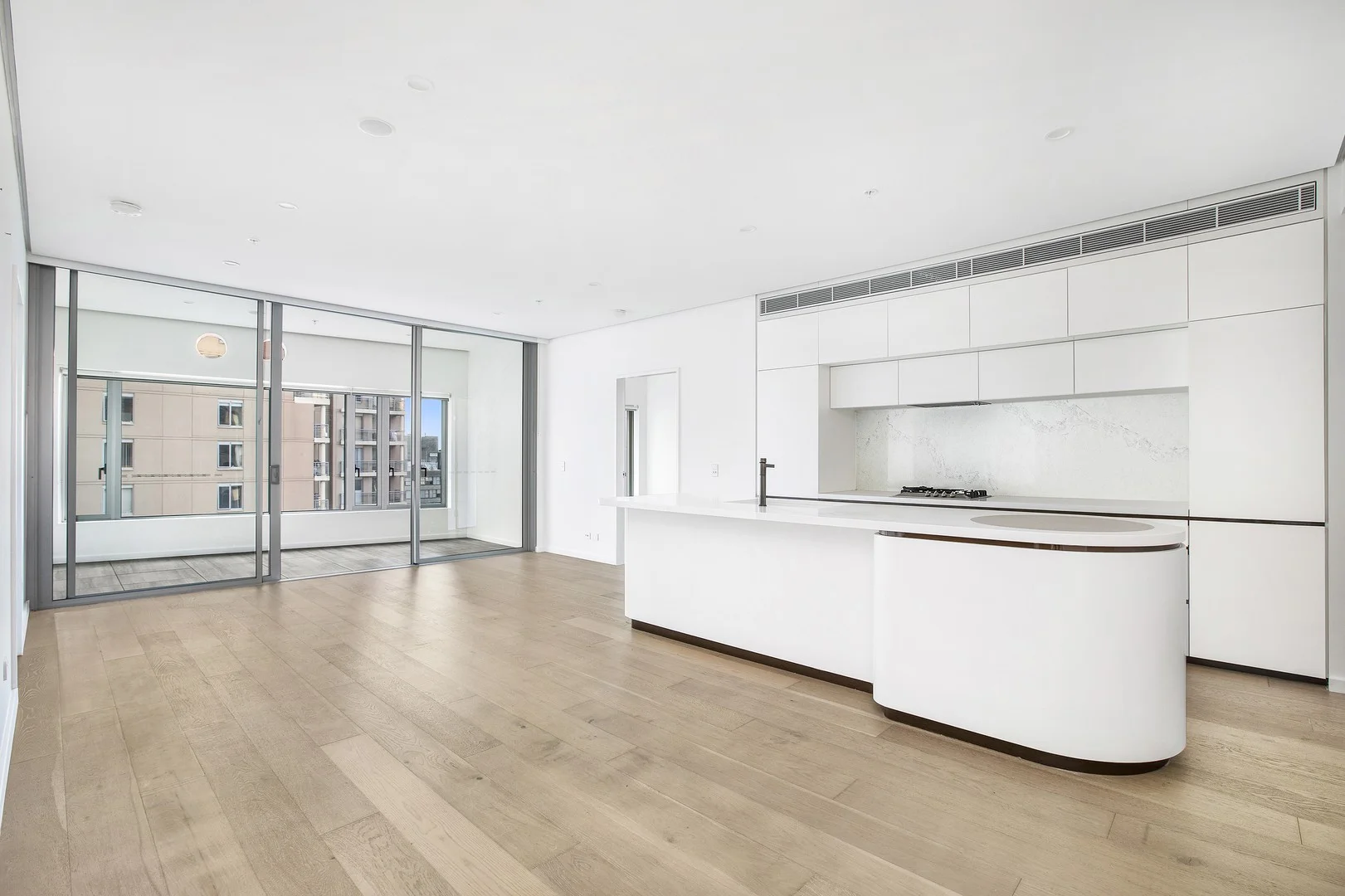 $2,250,000
Apartment / Unit / Flat
$2,250,000
Apartment / Unit / Flat
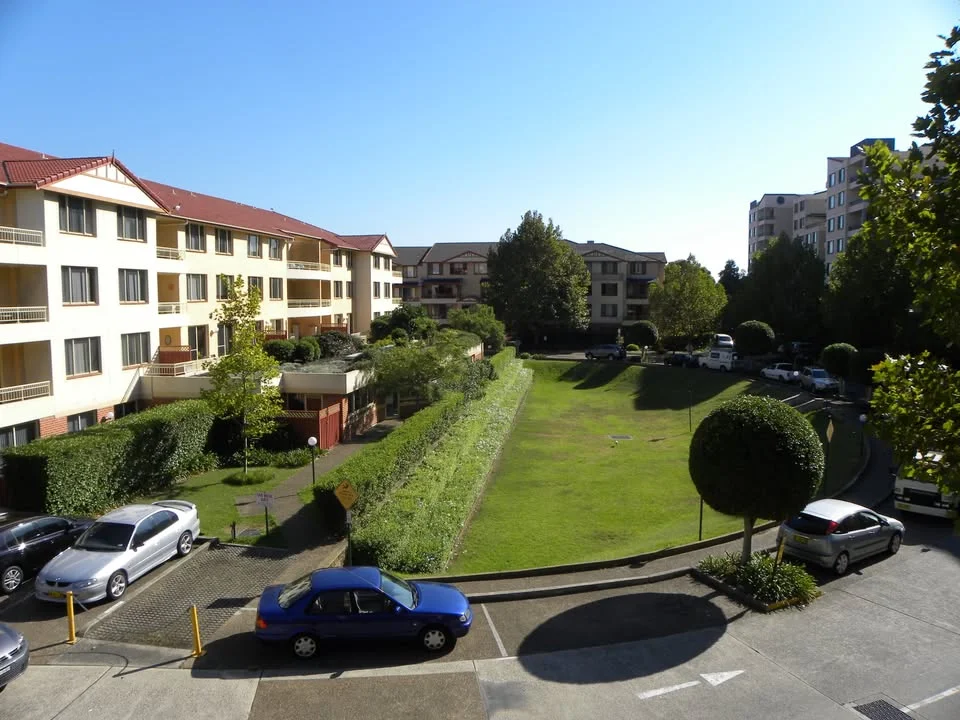 $990
Apartment / Unit / Flat
$990
Apartment / Unit / Flat
 $933,000
Apartment / Unit / Flat
$933,000
Apartment / Unit / Flat