## Overview
Newtown High School of the Performing Arts is a public, co-educational NSW high school with a strong performing arts focus. Entry for the arts program is typically by audition, reflecting the school’s blend of rigorous academic study and dedicated arts training. The school aims to balance high academic expectations with opportunities to excel in music, dance, drama, and visual arts, creating a creative and disciplined learning environment.
As a medium-sized public school, it supports a diverse student body and fosters an inclusive, arts-forward culture. Class sizes are generally in the low- to mid-20s, with facilities designed to support both classroom learning and practical arts work, including dedicated spaces for music, dance, drama, and visual arts.
```
## Academics & Learning
- Academic strengths: Strong English and literacy foundations, solid maths and science programs, with a pathway that integrates performing arts into the broader curriculum. Students can pursue rigorous academic study alongside specialist arts training, promoting creativity and critical thinking.
- Special programs: Performing Arts program (with audition-based entry for the arts stream). Opportunities for accelerated or enhanced learning within the HSC/ATAR framework, plus potential pathways for gifted and talented students.
- NAPLAN trends: Consistent performance in literacy and numeracy with year-on-year improvements in targeted cohorts; ongoing focus on literacy and numeracy across the school to support arts-based learning and general academic achievement.
- Student-teacher ratios: Typical ratios around 1:15–1:22, with practical arts classes often structured to allow more focused teacher support in ensembles, studios, and laboratories.
- Support for diverse learners: Strong EAL and SEN support, access to a learning support team, targeted interventions, and resources to help students succeed in both academic and arts pathways.
```
## Sports & Extracurricular Strengths
- Sports offered: Basketball, netball, soccer, athletics, swimming and other school-level programs typical of NSW public high schools; teams participate in local inter-school competitions as part of a broad activity calendar.
- Strong teams or achievements: Participation in inter-school events and regional competitions; a track record of collaborative performances and ensembles that compete or showcase at local arts events.
- Music, arts, drama programs: Broad music program (ensembles, choirs, bands), drama and dance programs, and visual arts electives that feed into school productions and performances.
- Clubs: Robotics, chess, coding, debating, and other co-curricular clubs that run alongside performing arts activities.
- Partnerships: Connections with local arts organisations, theatres, and cultural venues for performances, masterclasses, and competitions; opportunities to engage with external artists and academies.
```
## Wellbeing & Pastoral Care
- Anti-bullying approach: Clear anti-bullying policies and programs, with staff training and student education to promote a respectful, inclusive culture.
- House system: If applicable, a house or pastoral care framework to support student belonging and leadership opportunities (where implemented by the school).
- Counsellors / wellbeing officers: Access to guidance counsellors and wellbeing staff who support mental health, resilience, and social-emotional learning.
- Transition support for new students: Orientation programs, buddy systems, and targeted transitions to help new students settle in, especially for those entering through audition-based streams.
```
## Facilities
- Sports grounds: On-site or nearby facilities to support physical education and sports activities.
- Libraries: Well-stocked library with study spaces and digital resources.
- Science labs: Modern laboratory spaces for biology, chemistry, physics and related STEM activities.
- Music/performing arts centers: Dedicated rehearsal spaces, music rooms, dance studios, drama spaces, and performance venues.
- Tech/innovation labs: Computer and media labs to support digital learning, coding, and media production.
- Cafeteria: On-site canteen or dining facilities for students.
- Updated playgrounds: Well-maintained outdoor spaces for breaks and casual activities.
```
## School Values & Community Culture
- School values / mission: A culture of excellence in both arts and academics, grounded in creativity, discipline, respect, and collaboration.
- Leadership style: Student leadership opportunities (e.g., student council or arts ensembles) complemented by supportive staff leadership.
- Behaviour expectations: Clear codes of conduct emphasizing respect, responsibility, and inclusivity; consistent norms across classrooms, studios, and common areas.
- Community reputation: Known for nurturing creative talents while maintaining high academic standards; inclusive and collaborative, with strong ties to the local arts community.
- Diversity & inclusion: Emphasis on celebrating diverse talents, backgrounds, and perspectives within a safe, supportive environment.
```
## School Logistics & Daily Operations
- School hours: Typical NSW school day starting mid-morning to mid-afternoon; exact timetable may vary by year and program.
- Before/after school care: May be offered through external providers or the school community, with details available from the administration.
- Uniform requirements: NSW public high school uniform policy with sport/arts uniforms for particular activities; generally a required dress code with options for performance days.
- Transport (train/bus routes): Accessible by public transport (nearby rail and bus services) with information available from the school and transport authorities.
- Canteen availability: On-site canteen or school dining facilities offering meals and snacks.
- Fees (low/medium/high ranges): Public schools have standard parental contributions and activity costs; fees vary by program, with additional costs for performances, instrument use, or trips.
```
## Enrolment & Admissions
11. What is the enrolment process and timeline?
- Enrolment is managed through the NSW Department of Education. For the performing arts stream, entry is typically by audition. The process generally includes submitting applications through the department’s selective/high-school pathways, performing auditions, and then receiving placement offers. Timelines vary each year, with applications opening in the year prior to entry and offers made later in the year.
12. Is there a waiting list, and how does it work?
- Yes, there can be a waiting list for places, particularly for the selective arts stream. The waiting list is managed by the Department of Education in consultation with the school, and spots become available as families accept offers or withdraw.
13. Are there any entry requirements, tests, or interviews?
- Yes. Entry often requires an audition for the performing arts program, plus meeting any academic eligibility requirements set by the department. Some years may include short interviews or portfolio reviews as part of the audition process.
14. Does the school accept mid-year transfers?
- Mid-year transfers are possible if there are vacancies and the transfer process is approved by the Department of Education and the school. Availability can be limited, so prospective families should contact the school early to discuss options.
```
## Frequently Ask Questions
- Why Parents Choose This School?
- A strong blend of rigorous academics and dedicated performing arts training in a public school setting; opportunities to develop both creative and academic talents in a supported environment.
- What type of student thrives at this school?
- Students who are passionate about performing arts and committed to academic study; those who enjoy teamwork, discipline, and contributing to school productions and ensembles.
- What opportunities are available for students to extend their skills (academics, sports, arts)?
- Performing arts ensembles (music, dance, drama, visual arts), theatre productions, masterclasses, leadership roles, and a range of academic subjects within the HSC/ATAR framework; clubs and sport offerings supplement the experience.
- How does the school communicate with parents?
- Through newsletters, emails, parent portals, notices, and scheduled parent-teacher interviews; information evenings and updates around school activities are common.
- What is the school’s approach to teaching and learning?
- A student-centred approach that integrates arts with academics, promoting inquiry, collaboration, creative problem-solving, and practical application through ensembles and performances.
- How does the school support students who need extra academic help?
- Learning support programs, targeted tutoring, EAL and SEN services, and access to specialists within the school’s support teams.
- What support is available for academic challenges?
- Additional tutoring, mentoring, differentiated instruction, and access to the learning support team and counsellors to identify and address barriers to learning.
- How does the school communicate with parents?
- See above: regular updates via newsletter and portal, plus formal meetings and events to discuss student progress.
- What are the class sizes and how much individual attention do students receive?
- Class sizes typically in the low-to-mid 20s, with additional individualized support available in smaller group settings within practical arts classes and targeted programs.
- What extracurricular and sports opportunities are available?
- A range of clubs (robotics, chess, coding, debating) plus sports teams (basketball, netball, soccer, athletics, swimming) and strong performing arts groups (bands, choirs, theatre productions).
- What facilities does the school offer (sports, science, arts)?
- Performing arts centers, music rooms, dance studios, drama spaces, science labs, libraries, tech/innovation labs, and general teaching facilities.
- What is the school’s approach to technology and digital learning?
- Integration of technology across the curriculum, access to computer labs and digital resources, and use of learning management systems to support teaching and communication.
- What transport and accessibility options are available?
- Public transport access (train and bus routes), with information about accessibility and any school-specific arrangements; ramp access and suitable facilities for students with additional needs.
- What are the typical school fees or additional costs?
- As a public school, standard parental contributions apply, with additional costs for items such as uniforms, performances, instrument use, trips, or extra activities.
```
## Short Pros & Cons list
- Pros
- Public, selective high school with strong performing arts programs
- Balanced focus on academics and arts, with broad extracurricular options
- Supportive wellbeing and inclusive culture
- Access to specialized facilities for music, dance, drama, and visual arts
- Cons
- Audition-based entry can limit immediate access for non-arts-focused students
- Holiday and extra-curricular commitments around performances may require time management
- Competition for places in the arts stream can mean a waiting period for entry or transfers
- Transport logistics can depend on public transit routes and location
 $60+
$60+








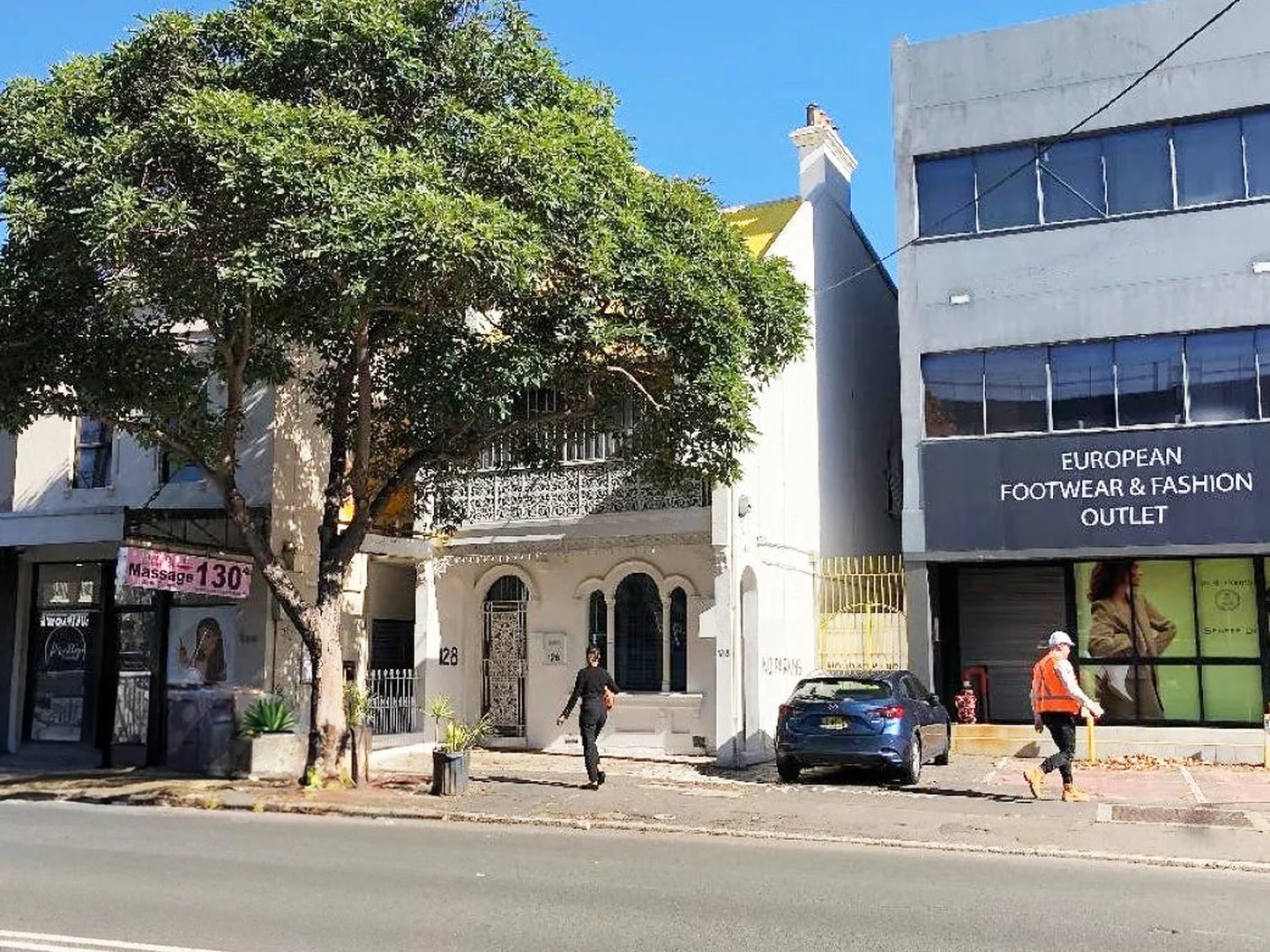 $3,900,000
House
$3,900,000
House
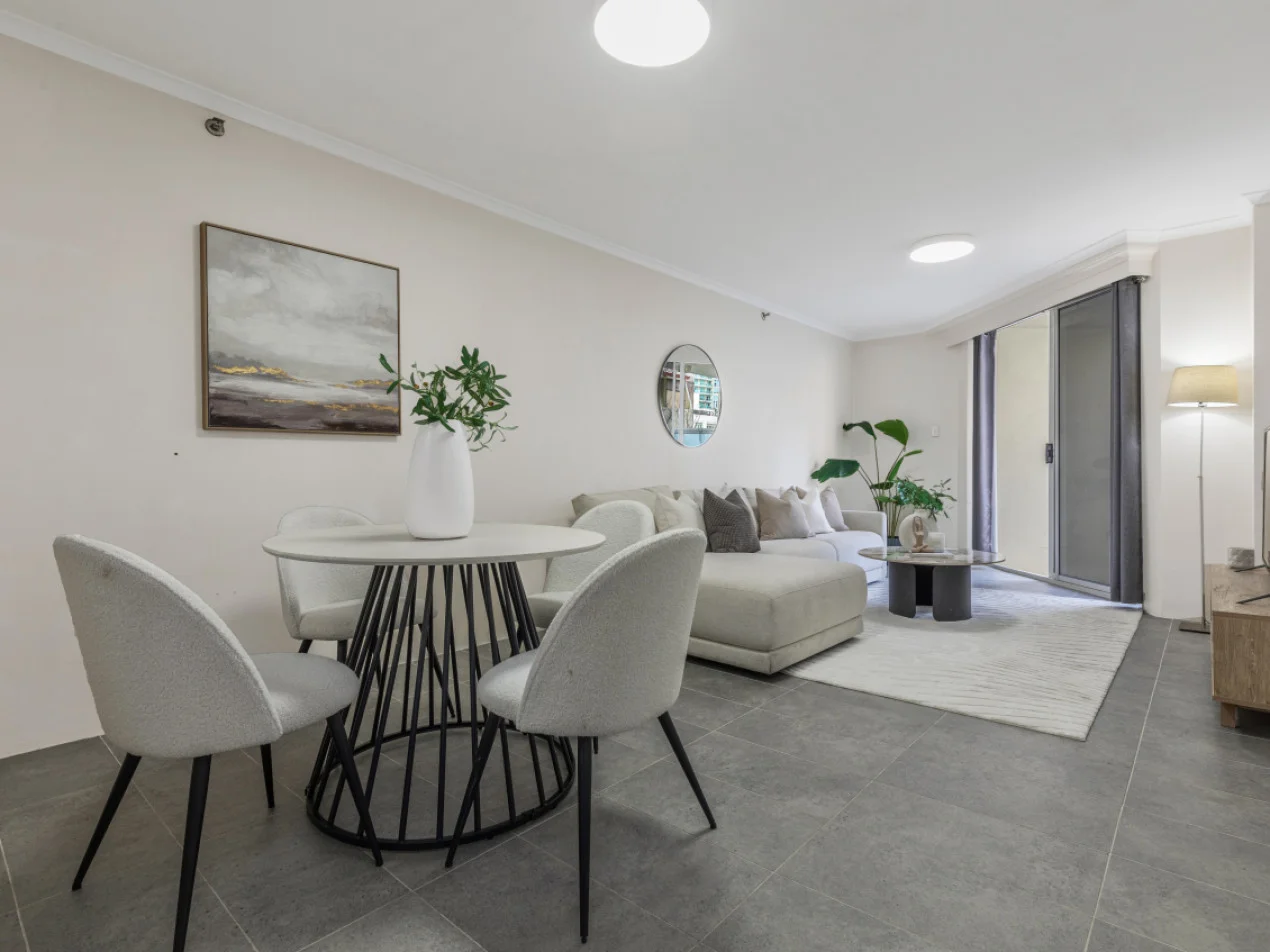 $640,000 - $675,000
Apartment / Unit / Flat
$640,000 - $675,000
Apartment / Unit / Flat
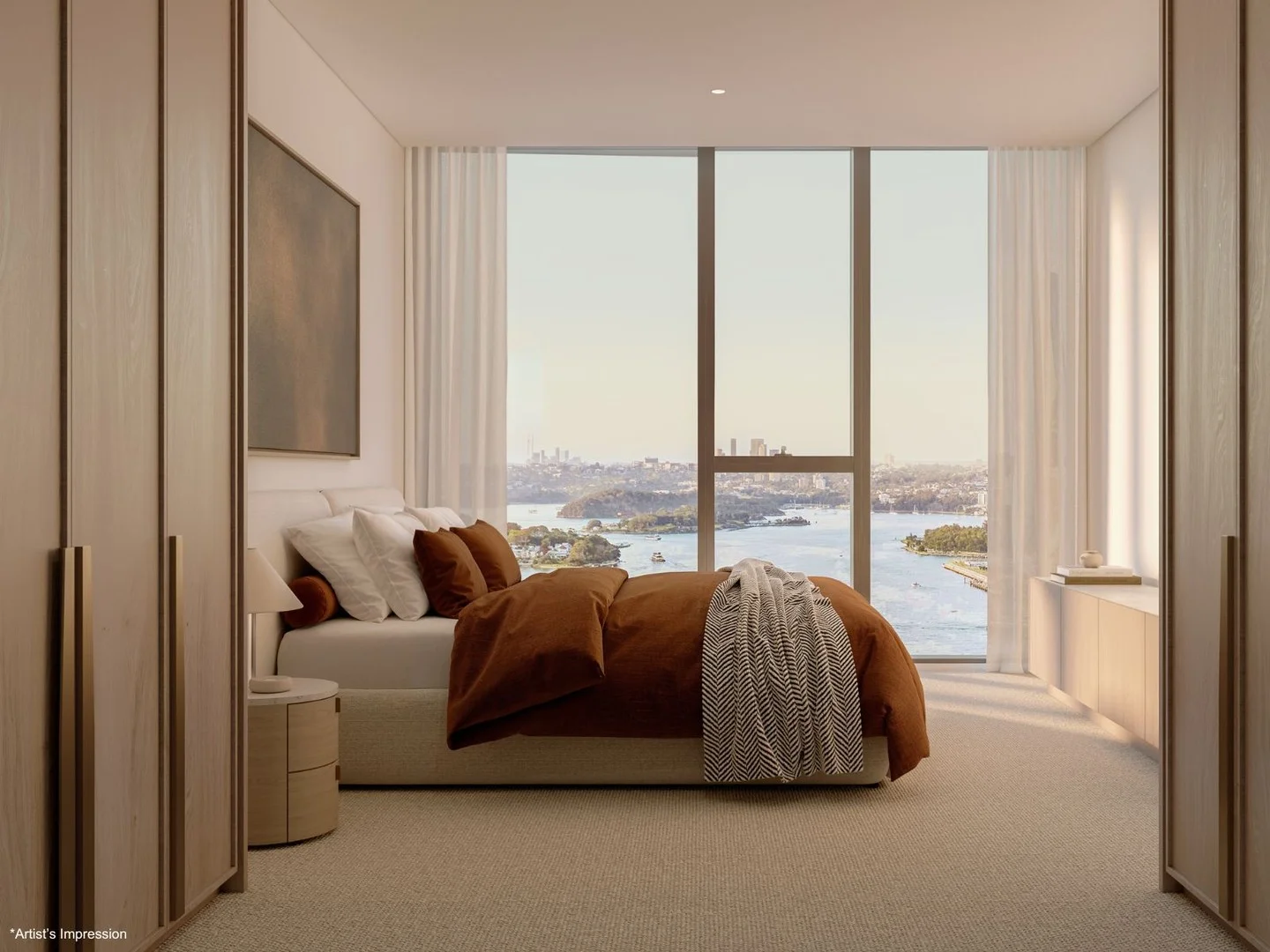 $8,630,000
propertyType.NEW APARTMENTS / OFF THE PLAN
$8,630,000
propertyType.NEW APARTMENTS / OFF THE PLAN
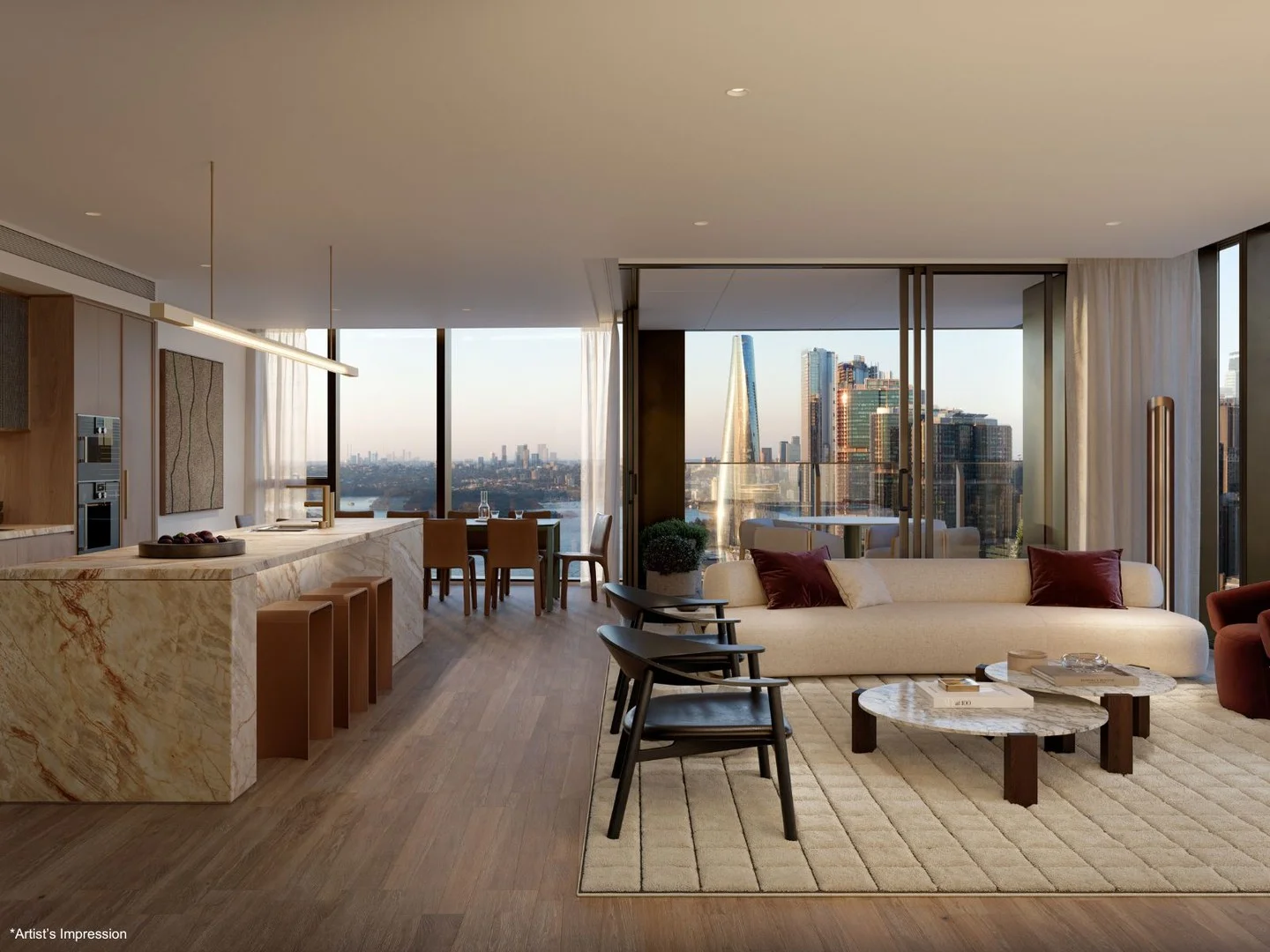 $12,980,000
propertyType.NEW APARTMENTS / OFF THE PLAN
$12,980,000
propertyType.NEW APARTMENTS / OFF THE PLAN
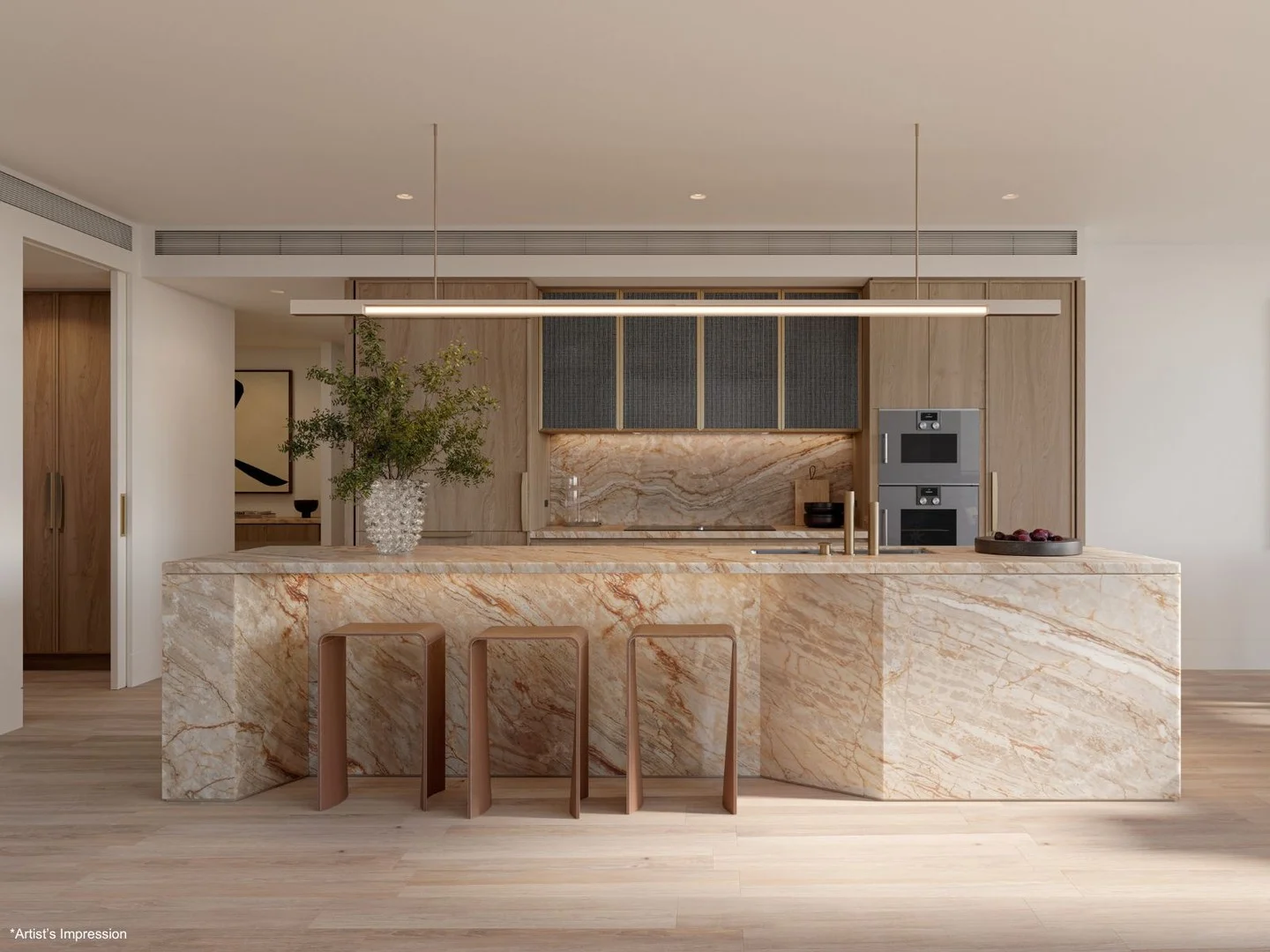 $6,225,000
propertyType.NEW APARTMENTS / OFF THE PLAN
$6,225,000
propertyType.NEW APARTMENTS / OFF THE PLAN
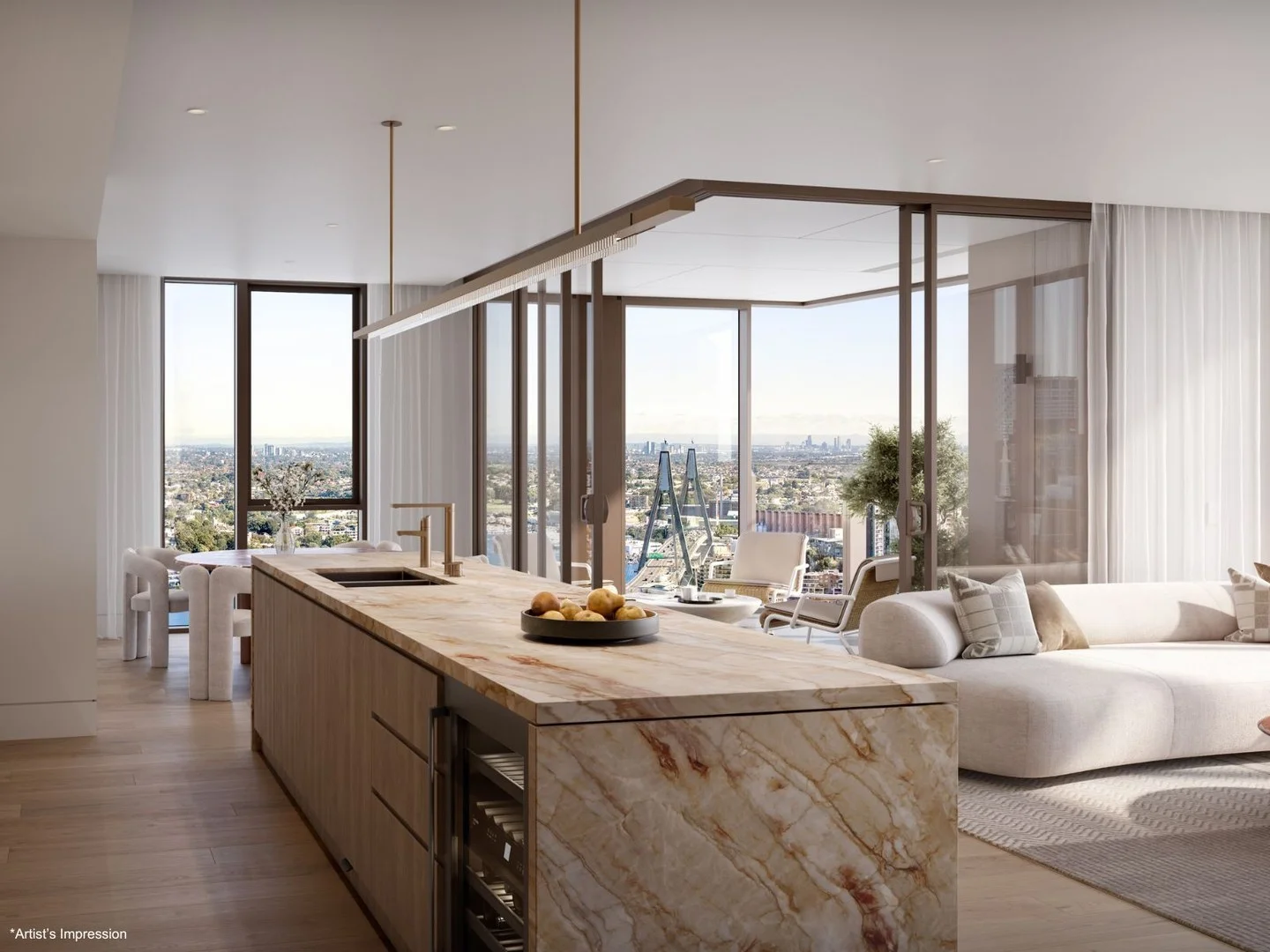 $9,020,000
propertyType.NEW APARTMENTS / OFF THE PLAN
$9,020,000
propertyType.NEW APARTMENTS / OFF THE PLAN
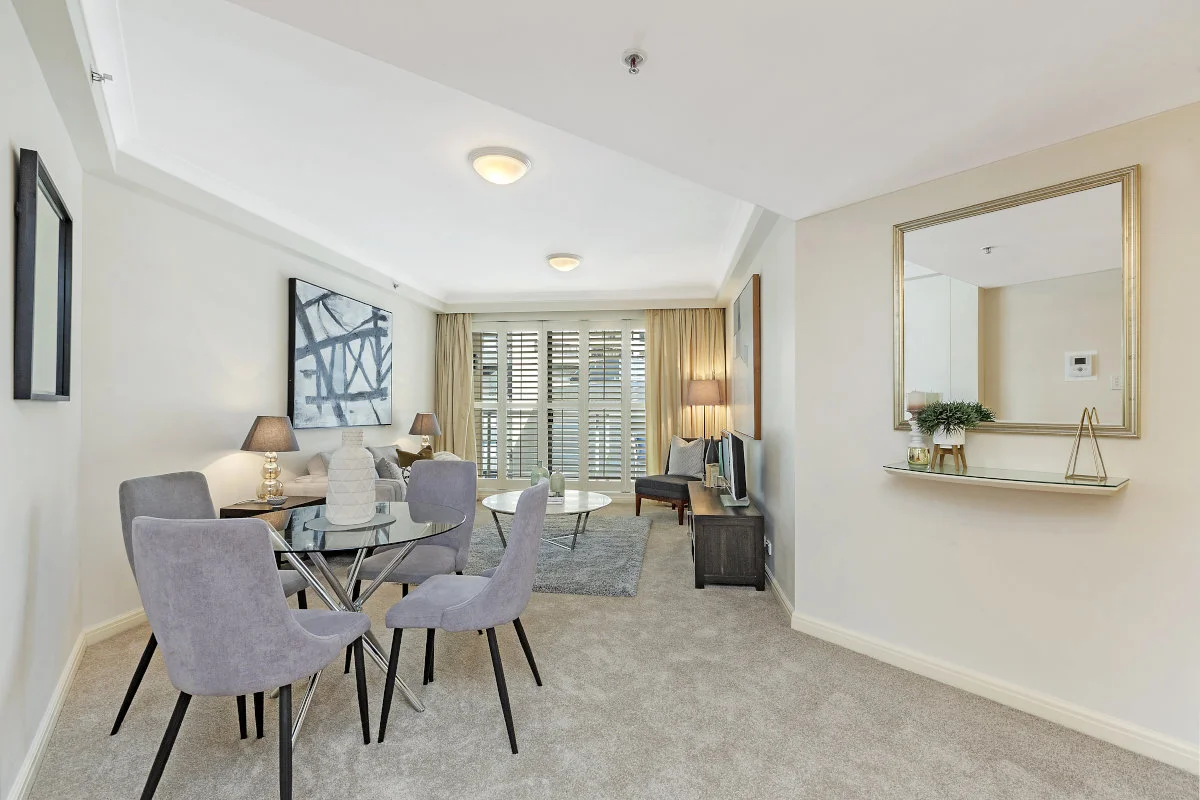 $660,000 - $725,000
Apartment / Unit / Flat
$660,000 - $725,000
Apartment / Unit / Flat
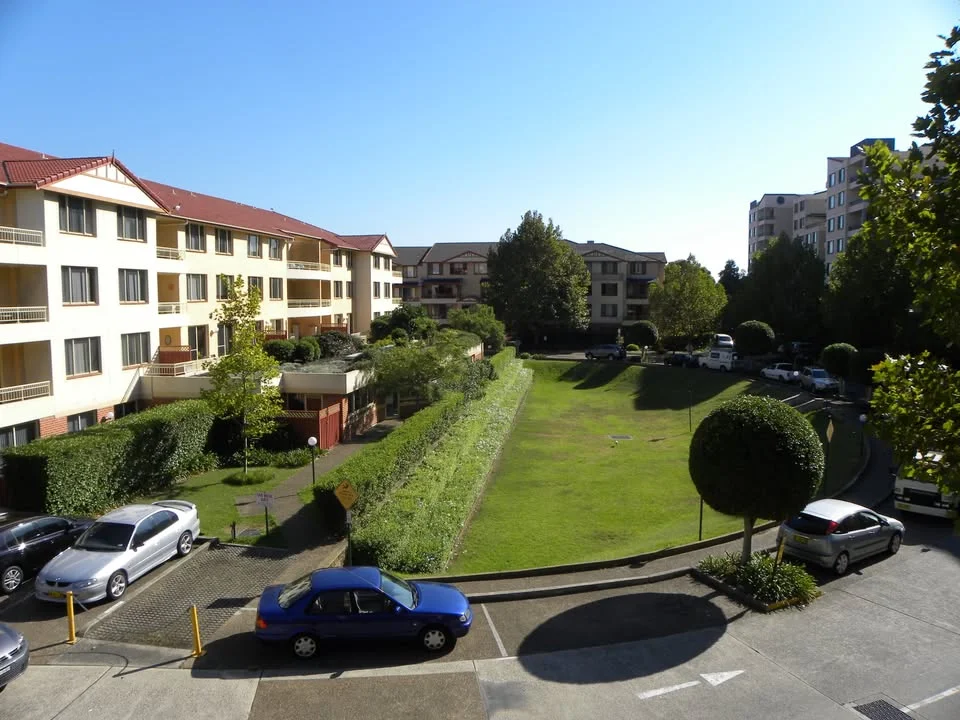 $990
Apartment / Unit / Flat
$990
Apartment / Unit / Flat
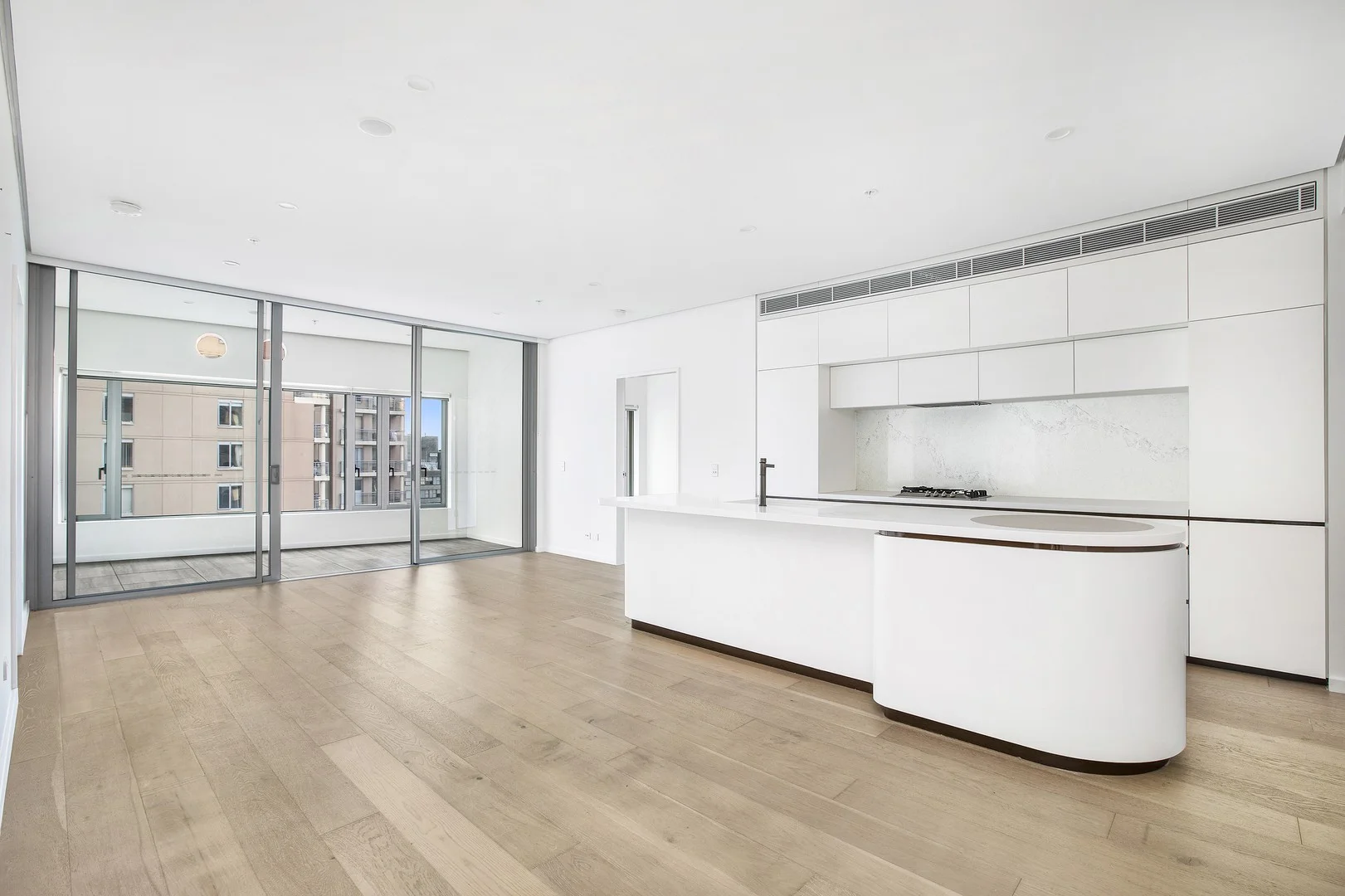 $2,250,000
Apartment / Unit / Flat
$2,250,000
Apartment / Unit / Flat


