Overview
## 1. Overview
St Mary’s Catholic Primary School, Erskineville is a Catholic, co-educational primary school that serves families in the inner Sydney area. The school emphasises faith-informed learning, community involvement, and holistic development for children.
The school is small-to-medium in size with class sizes typically around 20–25 students. The atmosphere is nurturing, inclusive, and community-focused, supporting students to grow academically, spiritually and socially.
---
## 2. Academics & Learning
- Academic strengths: strong literacy and numeracy foundations, solid Religious Education integrated with NSW syllabus, and opportunities in music and the arts. There is an emphasis on developing leadership and communication skills through student-led initiatives.
- Special programs: religious formation and faith-based learning are woven into daily teaching; opportunities for student leadership and accelerated learning where appropriate.
- NAPLAN / trends: trends over recent years have shown steady performance with strengths in reading and numeracy; results generally align with or sit above state-level expectations for similar school contexts.
- Student-teacher ratios: typical class sizes around 20–25 students with ratios that allow for attentive teaching and student support.
- Support for diverse learners: inclusive education approach with EAL (English as an Additional Language) support and SEN (Special Education Needs) programs to support varied learner needs.
---
## 3. Sports & Extracurricular Strengths
- Sports offered: soccer, basketball, netball, cricket, athletics, and swimming are commonly available activities.
- Strong teams or achievements: the school encourages participation in local inter-school events and Catholic school competitions, with ongoing development of teams across age groups.
- Music, arts, drama programs: active music and performing arts programs, including choir and opportunities to participate in school productions.
- Clubs: robotics, chess, coding, debating, and other curriculum-linked clubs are available to extend student curiosity and skills.
- Partnerships: connections with local clubs and participation in diocesan or inter-school events provide broader opportunities and competition exposure.
---
## 4. Wellbeing & Pastoral Care
- Anti-bullying approach: a whole-school focus on safety, respect and positive behaviour, with clear anti-bullying policies and supportive processes.
- House system: a house structure to foster belonging, teamwork and healthy competition among students.
- Counsellors / wellbeing officers: access to wellbeing support and staff members dedicated to student welfare and mental health.
- Transition support for new students: orientation programs, buddy systems and gradual onboarding to help new students settle in smoothly.
---
## 5. Facilities
- Sports grounds: accessible outdoor spaces for PE, games and athletics.
- Libraries: a library that supports reading and research activities.
- Science labs: dedicated spaces for hands-on science learning.
- Music/performing arts centers: spaces to rehearse and perform music and drama.
- Tech/innovation labs: modern ICT/Technology spaces to support digital learning.
- Cafeteria: on-site canteen or lunch service options to support daily meals.
- Updated playgrounds: well-maintained outdoor play areas for breaks and recreation.
---
## 6. School Values & Community Culture
- School values / mission: faith-based education that emphasises respect, service, integrity and community.
- Leadership style: collaborative and student-inclusive, with opportunities for student voice and choice in appropriate contexts.
- Behaviour expectations: clear codes of conduct emphasizing respect, responsibility and care for others.
- Community reputation: generally regarded as a welcoming, family-oriented parish school with strong community ties.
- Diversity & inclusion: commitment to an inclusive environment that values diverse backgrounds and experiences.
---
## 7. School Logistics & Daily Operations
- School hours: typical day runs during standard school hours, with arrangements for before/after school care.
- Before/after school care: available options to support working families.
- Uniform requirements: formal school uniform and sport/activities uniform as part of everyday routine.
- Transport (train/bus routes): convenient access to public transport options (local trains and bus routes) with organised drop-off and pick-up practices.
- Canteen availability: canteen or lunch-ordering options available on site on designated days.
- Fees (low/medium/high ranges): fees are mid-range for inner-city Catholic primary schools; exact fees vary by year and program and are provided by the school’s enrolment team.
---
## 8. Enrolment & Admissions
11. What is the enrolment process and timeline?
- Applications generally start with an expression of interest, followed by documentation submission, an information session or interview, and confirmation of enrolment. Timelines vary by year level and vacancies.
12. Is there a waiting list, and how does it work?
- Waiting lists are common when vacancies are limited; enrolment is typically managed by date of application and other school-specific criteria.
13. Are there any entry requirements, tests, or interviews?
- Most primary enrolments involve an information session or family interview and submission of required documents. Formal testing is not typically required for all entrants, but the school may conduct assessments or speak with families as part of the process.
14. Does the school accept mid-year transfers?
- Mid-year transfers are considered where vacancies exist, subject to the school’s admissions process and capacity at the time.
---
## 9. Frequently Ask Questions
- Why Parents Choose This School?
- A faith-based, community-focused environment with supportive teachers, small-to-medium class sizes and a focus on holistic development.
- What type of student thrives at this school?
- Students who value a caring, inclusive community, active participation in learning, and opportunities in both academics and co-curricular activities.
- What opportunities are available for students to extend their skills (academics, sports, arts)?
- Strengths in literacy and numeracy, leadership opportunities, music and drama programs, sports, robotics, coding and debating clubs, and opportunities to participate in inter-school events.
- How does the school communicate with parents?
- Regular updates through newsletters, emails, parent-teacher meetings, and digital platforms; open channels for feedback and involvement.
- What is the school’s approach to teaching and learning?
- Curriculum aligned with NSW syllabuses, integrated religious education, focus on literacy and numeracy, student engagement, and inclusive support for diverse learners.
- How does the school support students who need extra academic help?
- Access to targeted support within the classroom, EAL and SEN services, and differentiated instruction to meet varied learning needs.
- What support is available for academic challenges?
- On-site wellbeing and academic support staff, tailored interventions, and collaboration with families to plan progress.
- How does the school communicate with parents? (Repeated)
- See above: newsletters, emails, meetings, and digital platforms; ongoing opportunities to engage in your child’s learning.
- What are the class sizes and how much individual attention do students receive?
- Class sizes typically around 20–25 students, with teachers able to provide targeted guidance and small-group support.
- What extracurricular and sports opportunities are available?
- A range of sports (soccer, basketball, netball, cricket, athletics, swimming), plus clubs in robotics, chess, coding, and debating, and music/arts programs.
- What facilities does the school offer (sports, science, arts)?
- Sports grounds, library, science labs, music/drama spaces, tech/innovation labs, canteen, and updated playgrounds.
- What is the school’s approach to technology and digital learning?
- Integration of ICT and digital learning across the curriculum with dedicated spaces for technology and opportunities to develop digital literacy.
- What transport and accessibility options are available?
- Proximity to public transport with convenient train/bus routes and appropriate drop-off/pick-up arrangements.
- What are the typical school fees or additional costs?
- Fees are mid-range for inner-city Catholic primary schools; exact costs are provided by the school during the enrolment process.
---
## 10. Short Pros & Cons list
- Pros
- Catholic, values-driven education in a close-knit community
- Small-to-medium class sizes supporting individual attention
- Strong focus on literacy, numeracy and holistic development
- Broad range of co-curriculars: sports, music, arts, and clubs
- Support for diverse learners and a clear wellbeing framework
- Cons
- Limited capacity may mean waiting lists for certain year levels
- Location in inner-city area could impact commute times during peak periods
- Fees fall in the mid-range; families considering affordability should review annual costs
- Availability of mid-year transfers depends on vacancies










 $990
Apartment / Unit / Flat
$990
Apartment / Unit / Flat
 $933,000
Apartment / Unit / Flat
$933,000
Apartment / Unit / Flat
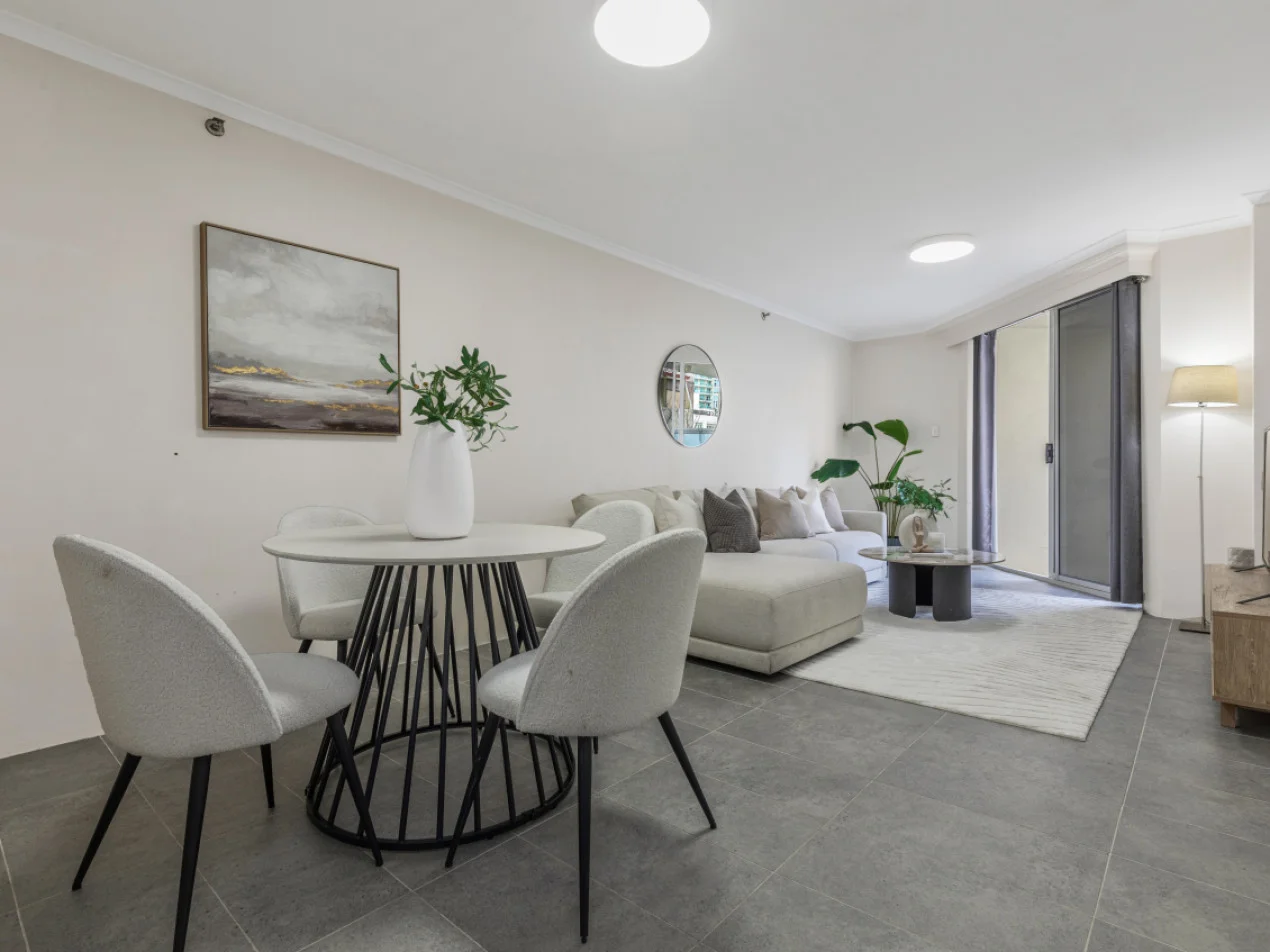 $640,000 - $675,000
Apartment / Unit / Flat
$640,000 - $675,000
Apartment / Unit / Flat
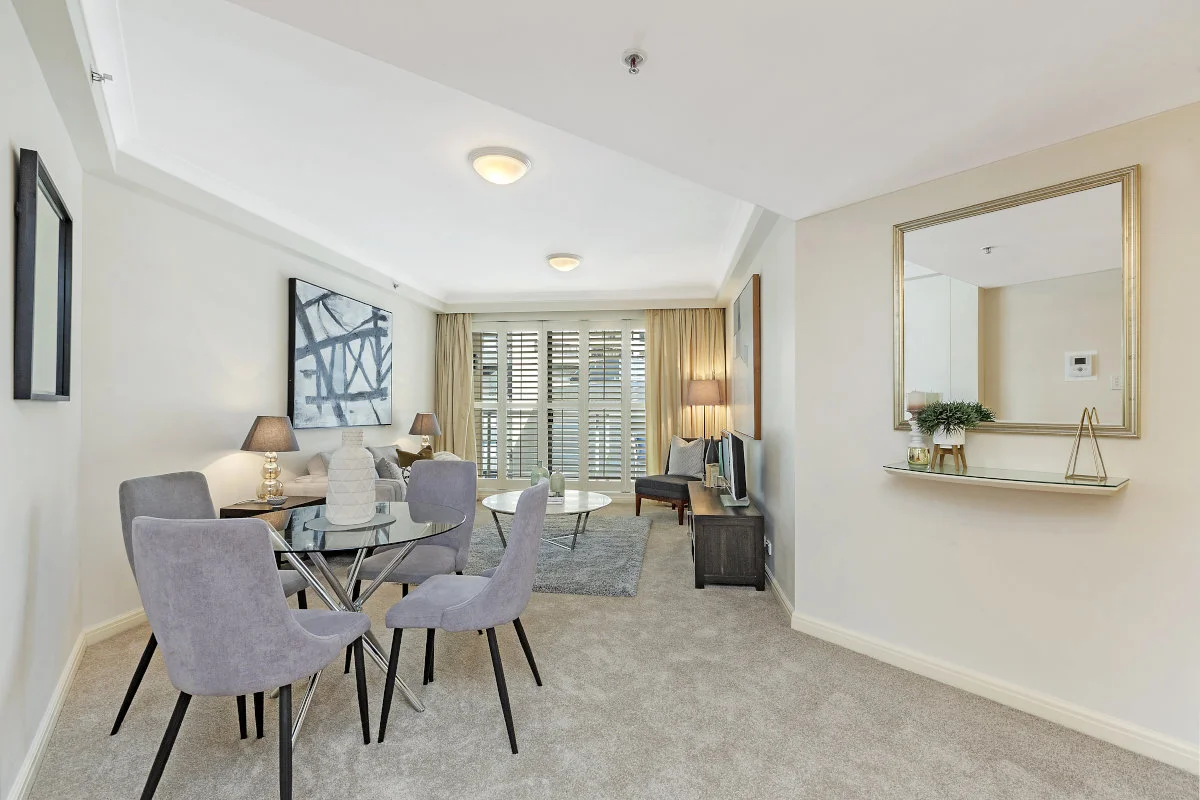 $660,000 - $725,000
Apartment / Unit / Flat
$660,000 - $725,000
Apartment / Unit / Flat
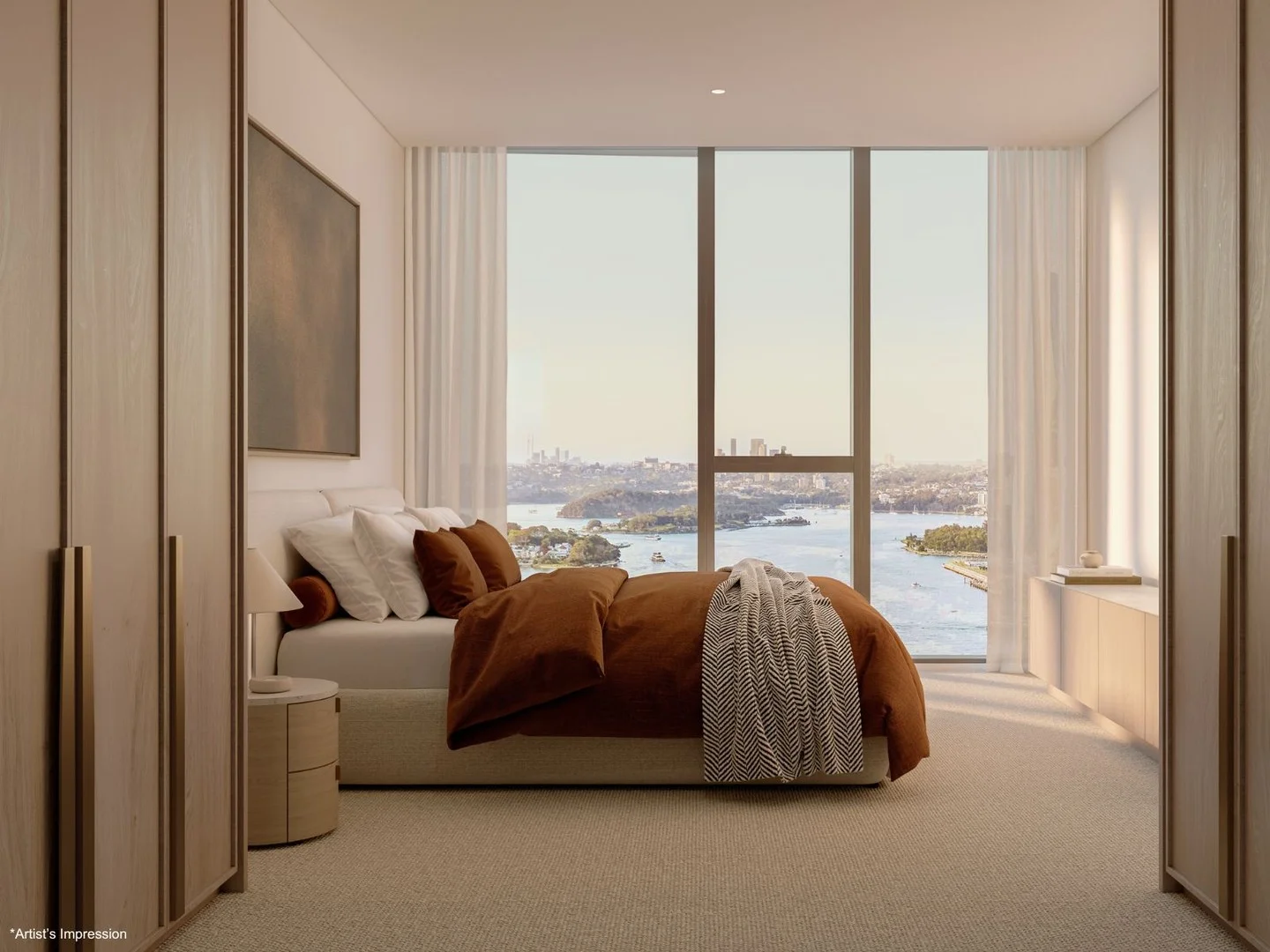 $8,630,000
propertyType.NEW APARTMENTS / OFF THE PLAN
$8,630,000
propertyType.NEW APARTMENTS / OFF THE PLAN
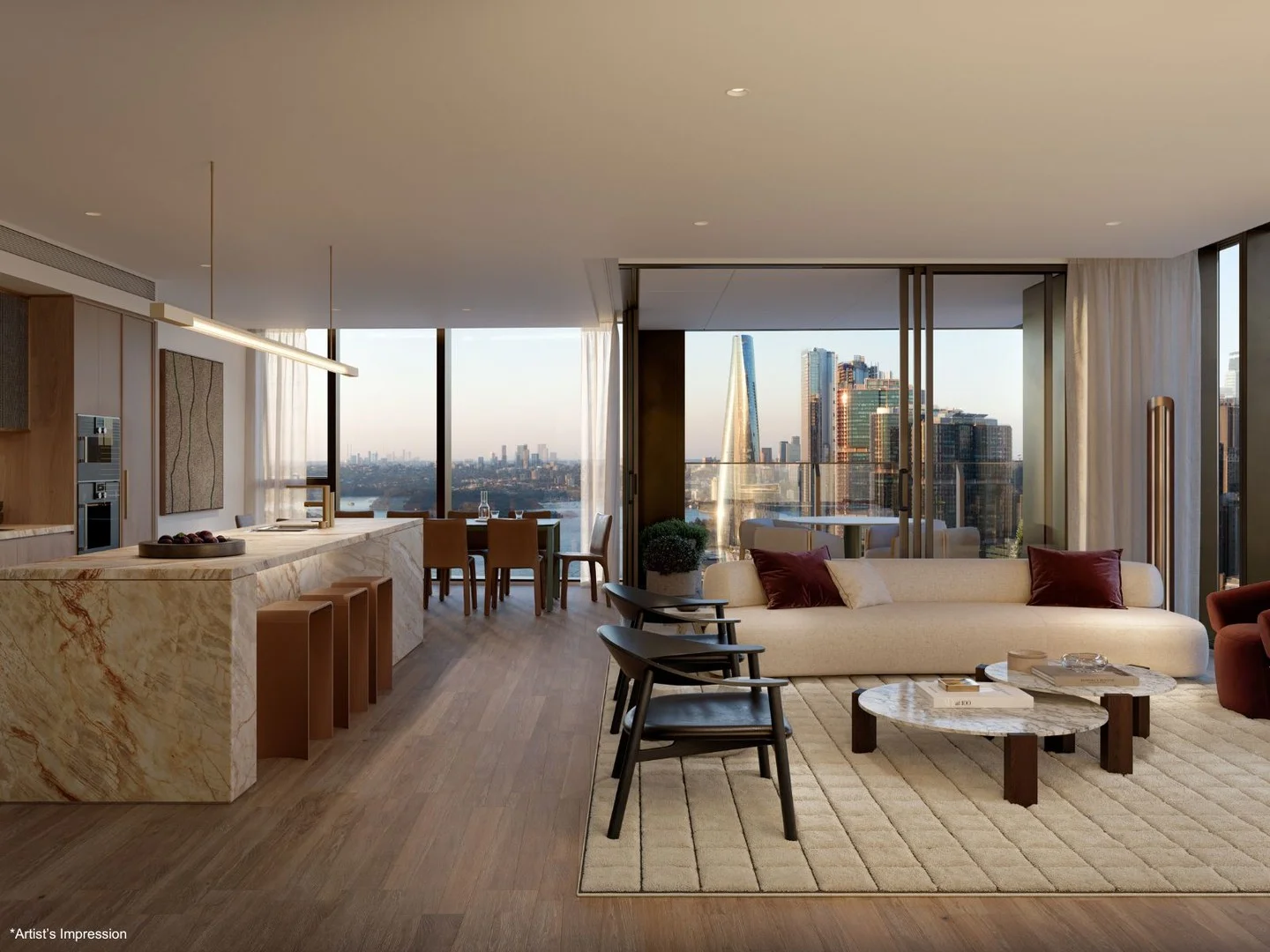 $12,980,000
propertyType.NEW APARTMENTS / OFF THE PLAN
$12,980,000
propertyType.NEW APARTMENTS / OFF THE PLAN
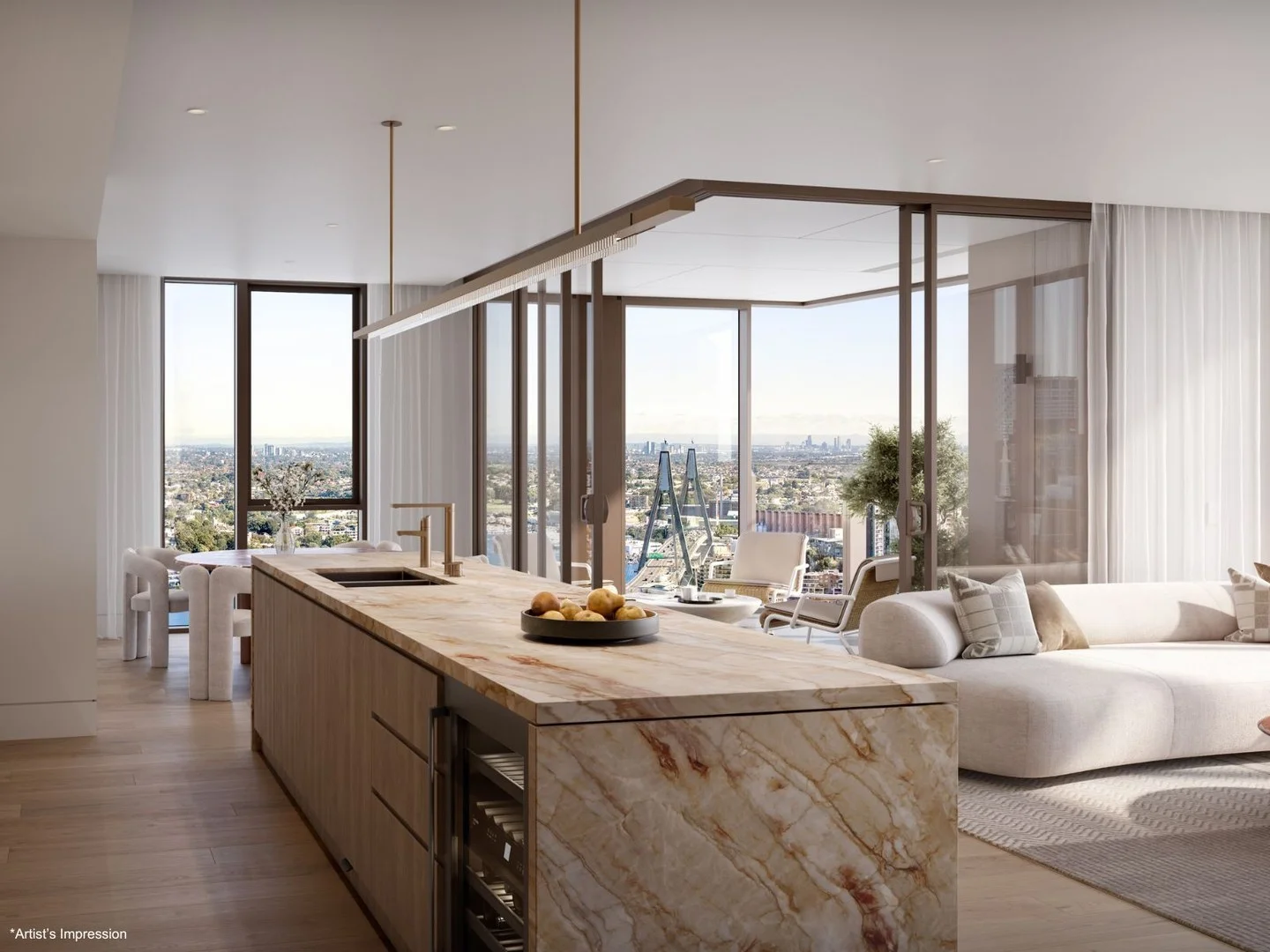 $9,020,000
propertyType.NEW APARTMENTS / OFF THE PLAN
$9,020,000
propertyType.NEW APARTMENTS / OFF THE PLAN
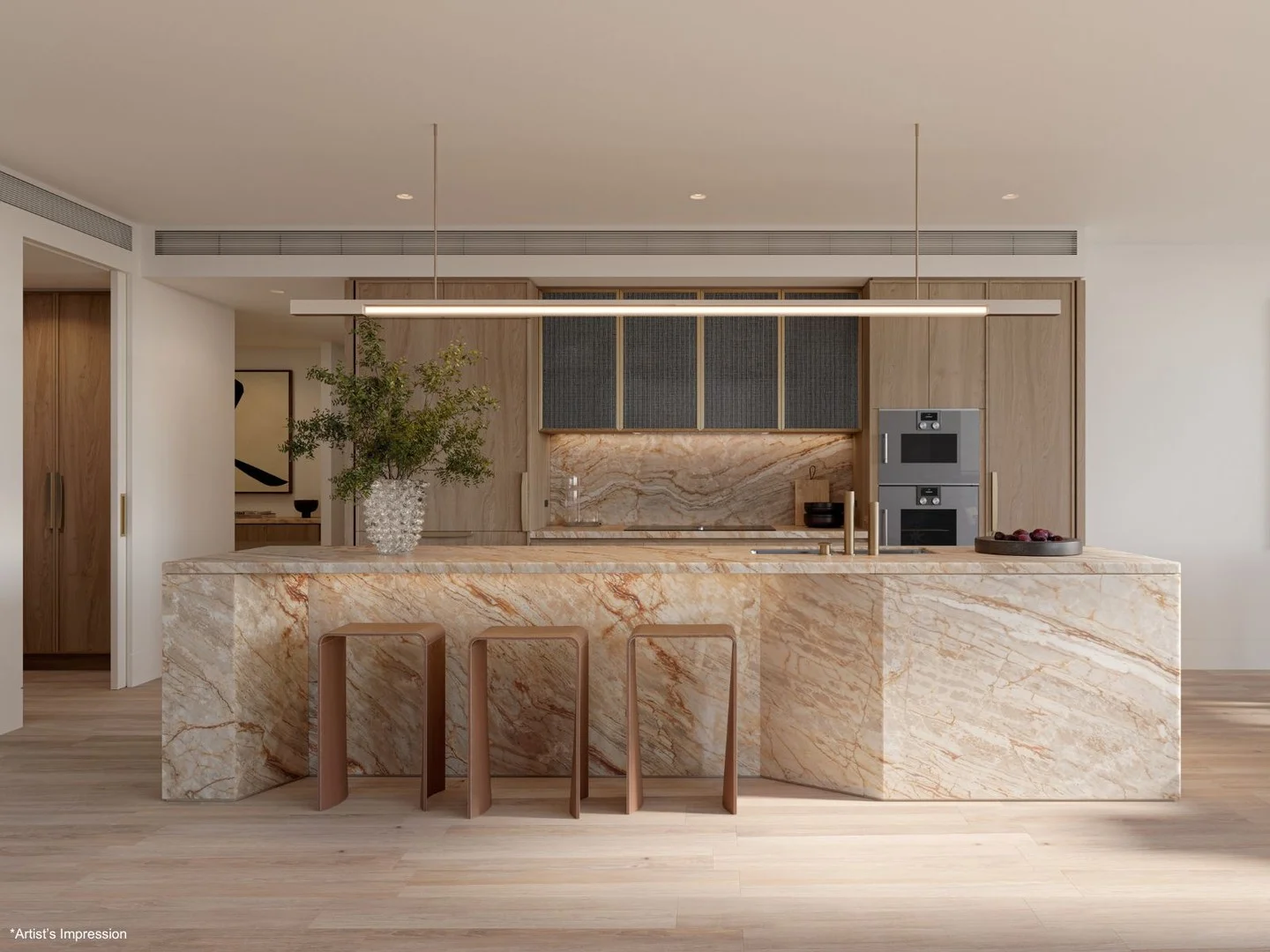 $6,225,000
propertyType.NEW APARTMENTS / OFF THE PLAN
$6,225,000
propertyType.NEW APARTMENTS / OFF THE PLAN
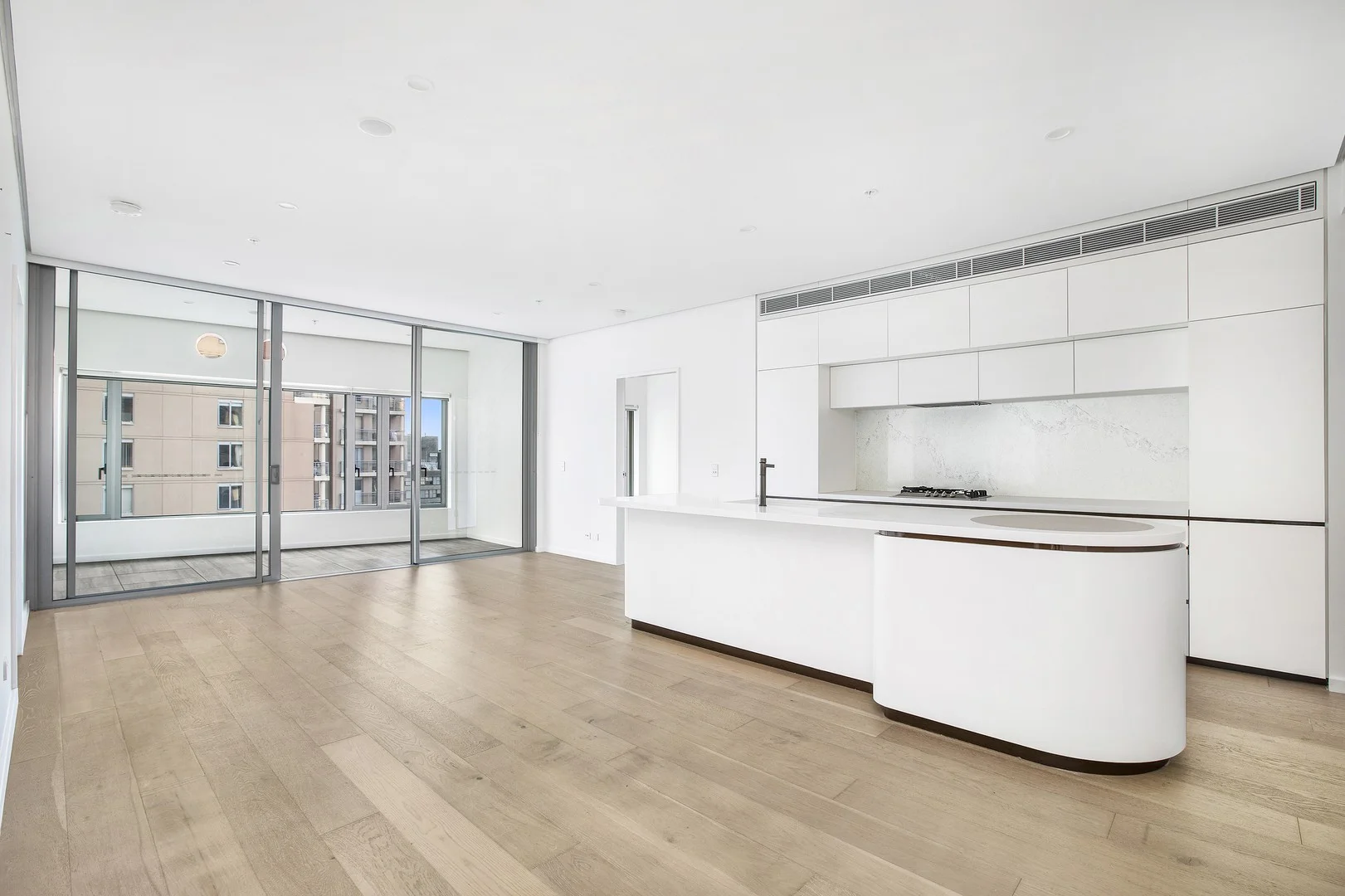 $2,250,000
Apartment / Unit / Flat
$2,250,000
Apartment / Unit / Flat