## Overview
East Sydney Community Based High School is a public, co-educational high school located in Darlinghurst, inner Sydney. It operates with a strong focus on community involvement and supporting students from diverse backgrounds. The school emphasises a balanced approach to academics and personal development, fostering a sense of belonging within a medium-sized school community.
The school size is medium, with approximately 800–1,000 students across year groups. Class sizes typically sit in the mid-20s, allowing for relatively small groups and more individual attention. The atmosphere is inclusive and supportive, combining a culture of academic effort with a emphasis on student wellbeing, community participation, and practical learning.
---
## Academics & Learning
- Academic strengths: STEM, English, and language learning are core strengths, with a focus on enquiry-based projects and real-world applications.
- Special programs: Gifted and Talented opportunities, accelerated learning pathways for capable students, and targeted English as an Additional Language (EAL) support.
- NAPLAN trends: Over the past few years, reading and numeracy trends show steady improvement, with writing remaining strong; overall results are typically around or above state averages.
- Student-teacher ratios: Approximately 1:22–1:24, enabling approachable teachers and meaningful classroom interaction.
- Support for diverse learners: Dedicated EAL/D support, inclusive education practices, and a structured learning support team for students with SEN needs.
---
## Sports & Extracurricular Strengths
- Sports offered: Soccer, basketball, rugby league, cricket, netball, athletics, and swimming programs during appropriate terms.
- Strong teams or achievements: Active participation in regional and zone competitions with competitive teams and strong student involvement across codes.
- Music, arts, drama programs: School ensembles (band/orchestra), choir, drama productions, and community theatre partnerships.
- Clubs: Robotics, coding, chess, debating, and environmental/sustainability clubs.
- Partnerships: Connections with local sports clubs, community organisations, and regional competitions to provide additional opportunities and pathways.
Most parents in this cohort study sections like this for quick comparisons about athletic and extracurricular balance for children aged 10–14.
---
## Wellbeing & Pastoral Care
- Anti-bullying approach: Clear anti-bullying policies, restorative practices, and student-led wellbeing initiatives.
- House system: A house framework fosters belonging, healthy competition, and peer support across year groups.
- Counsellors / wellbeing officers: Accessible school counsellors and wellbeing staff provide confidential support and guidance.
- Transition support for new students: Orientation programs, buddy systems, and targeted transition activities to help new students settle in smoothly.
---
## Facilities
- Sports grounds: On-site fields and courts for a range of games and PE activities.
- Libraries: A well-stocked library with study spaces and digital resources.
- Science labs: Modern laboratories supporting practical experiments across disciplines.
- Music/performing arts centers: Dedicated spaces for rehearsals, performances, and recordings.
- Tech/innovation labs: Computer labs and makerspaces for coding, robotics, and design projects.
- Cafeteria: On-site canteen offering a range of healthy meal options.
- Updated playgrounds: Safe, age-appropriate outdoor spaces and seating areas for breaks and socialising.
---
## School Values & Community Culture
- School values / mission: A mission centred on learning, respect, inclusion, and service to the community.
- Leadership style: Collaborative leadership that encourages student voice, staff collaboration, and parent partnerships.
- Behaviour expectations: Clear conduct expectations built on respect, responsibility, and integrity; restorative approaches to conflict.
- Community reputation: A positive reputation for inclusivity, practical learning pathways, and local engagement.
- Diversity & inclusion: Strong emphasis on diversity, cultural awareness, and equitable access to opportunities for all students.
---
## School Logistics & Daily Operations
- School hours: Typical day runs from around 9:00 am to 3:15 pm, with some after-school activities and programs offered.
- Before/after school care: After-school supervision and activity options are available through on-site or partner programs.
- Uniform requirements: School uniform policy in place (standardised navy/blue tones with designated shirts and bottoms; tie optional for some years).
- Transport (train/bus routes): Bus routes and public transport options are available nearby; many students use local buses or trains to reach the school from various parts of Sydney.
- Canteen availability: Canteen or canteen services operate daily with a variety of meal options.
- Fees (low/medium/high ranges): Public school contributions are modest (voluntary contributions and activities costs apply), with uniform and activity expenses typically in the low-to-medium range.
---
## Enrolment & Admissions
11. What is the enrolment process and timeline?
- Begin by checking your eligibility within the NSW Department of Education catchment and enrolment guidelines. Complete the school’s enrolment form, provide required documents (birth certificate, immunisation records, proof of address, and any relevant custody or residential details). For Year 7 intake, enrolment windows are typically announced in advance; offers are issued within the typical school-year cycle, with priority given to students within the local catchment. In some cases, in-year transfers are considered if places are available.
12. Is there a waiting list, and how does it work?
- If no places are currently available, applicants may be placed on a waiting list. The school will inform families if a place becomes available and how the process to secure an offer will proceed. Availability often depends on catchment policies, sibling priority, and space in the relevant year group.
13. Are there any entry requirements, tests, or interviews?
- Generally, public high school enrolment does not require entrance tests or formal interviews for standard entry. Some programs or pathways (like Gifted & Talented or a language immersion option) may involve additional assessment or documentation, but routine enrolments focus on eligibility, documentation, and process completion.
14. Does the school accept mid-year transfers?
- Yes, mid-year transfers are sometimes possible if space exists and the due process with the NSW Department of Education is satisfied. Parents should contact the school early to discuss space availability, transition plans, and any required documentation.
---
## Frequently Asked Questions
- Why Parents Choose This School?
Families appreciate the school’s inclusive culture, balanced approach to academics and wellbeing, and strong ties to the local community.
- What type of student thrives at this school?
Students who enjoy collaborative learning, value a diverse environment, and benefit from practical, project-based activities tend to thrive here.
- What opportunities are available for students to extend their skills (academics, sports, arts)?
There are Gifted & Talented programs, accelerated learning pathways, advanced STEM projects, robust sports teams, and performing arts opportunities.
- How does the school communicate with parents?
Regular updates via email, a school app or portal, newsletters, and scheduled parent-teacher interviews.
- What is the school’s approach to teaching and learning?
A mix of explicit instruction, inquiry-based learning, differentiation for diverse learners, and emphasis on real-world applications.
- How does the school support students who need extra academic help?
A dedicated learning support team, targeted interventions, EAL/D assistance, and access to after-school tutoring or support sessions.
- What support is available for academic challenges?
Individual or small-group tutoring, specialist SEN support, and targeted academic plans where needed.
- How does the school communicate with parents?
See above: regular updates, parent portals, and meetings.
- What are the class sizes and how much individual attention do students receive?
Typical class sizes are around 22–28 students, with teachers able to provide targeted support and feedback within the class and through advisory or mentoring time.
- What extracurricular and sports opportunities are available?
A broad range of sports, music and arts programs, clubs (robotics, coding, chess, debating), and partnerships to broaden opportunities.
- What facilities does the school offer (sports, science, arts)?
Modern sports facilities, science labs, music and performing arts spaces, and technology/innovations labs.
- What is the school’s approach to technology and digital learning?
Emphasis on digital literacy, access to devices and software for learning, and integration of technology across subjects.
- What transport and accessibility options are available?
Nearby public transport options (buses/trains) and accessible building features to support all students.
- What are the typical school fees or additional costs?
Public school contributions are modest; there may be costs for uniforms, voluntary systems, and certain activities or excursions.
---
## Short Pros & Cons list
- Pros:
- Inclusive, diverse school culture with strong community ties
- Balanced focus on academics, wellbeing, and extracurriculars
- Strong STEM and language learning opportunities
- Supportive facilities and well-equipped classrooms
- Accessible transport options and local partnerships
- Cons:
- As a public, urban school, demand can be high and spaces may be limited
- Some specialist programs may have limited availability or entry requirements
- Uniform and certain activity costs can add to annual expenses
- Mid-year transfer availability depends on space and administrative timelines
 $95+
$95+












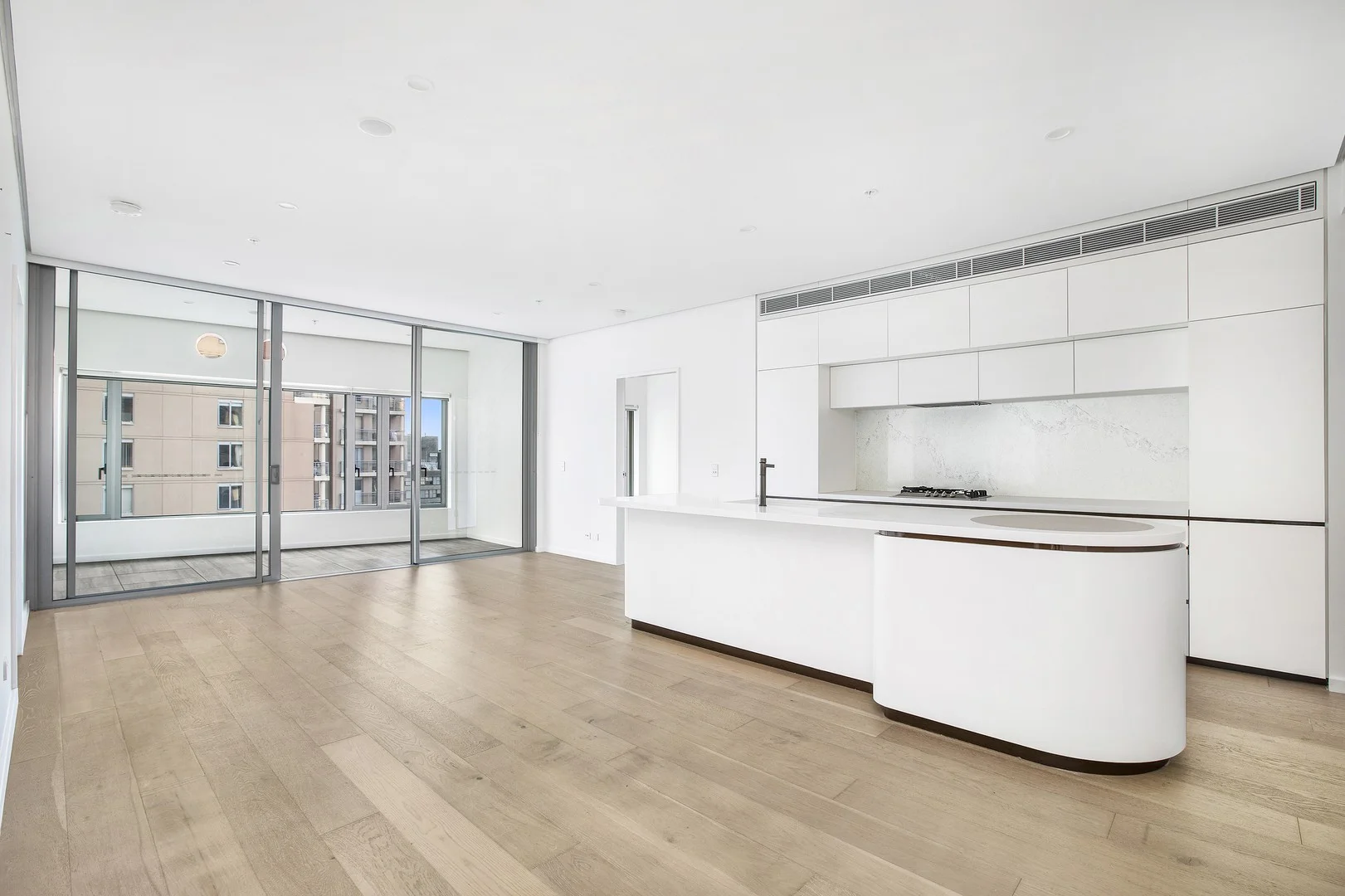 $2,250,000
Apartment / Unit / Flat
$2,250,000
Apartment / Unit / Flat
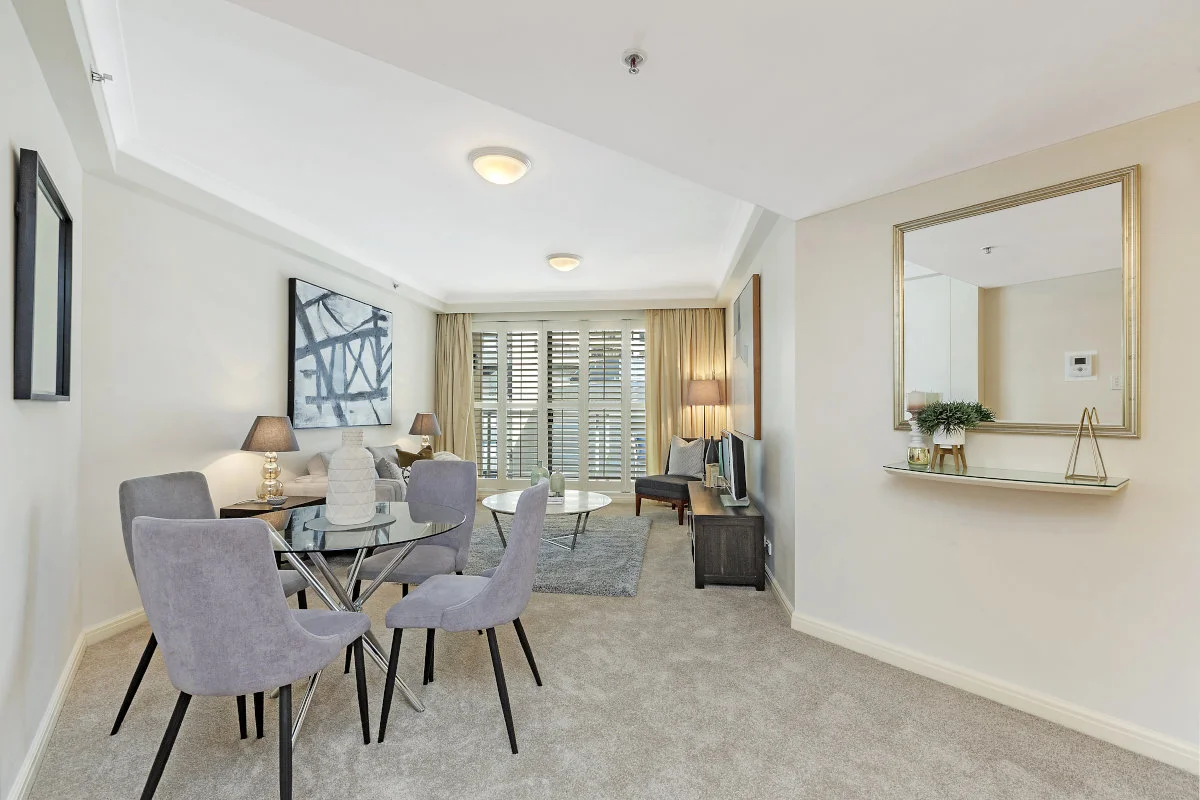 $660,000 - $725,000
Apartment / Unit / Flat
$660,000 - $725,000
Apartment / Unit / Flat
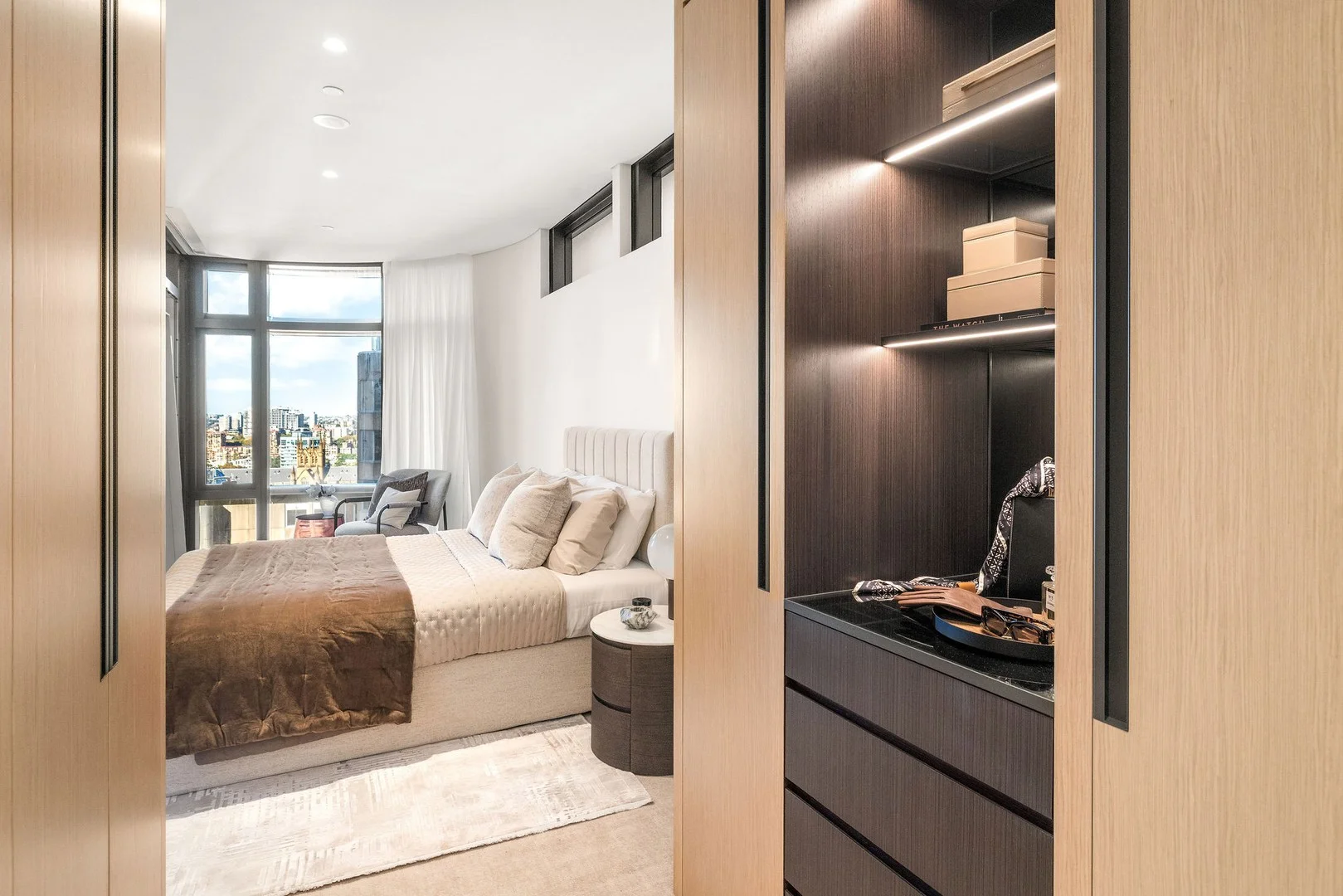 $2,745,000
propertyType.NEW APARTMENTS / OFF THE PLAN
$2,745,000
propertyType.NEW APARTMENTS / OFF THE PLAN
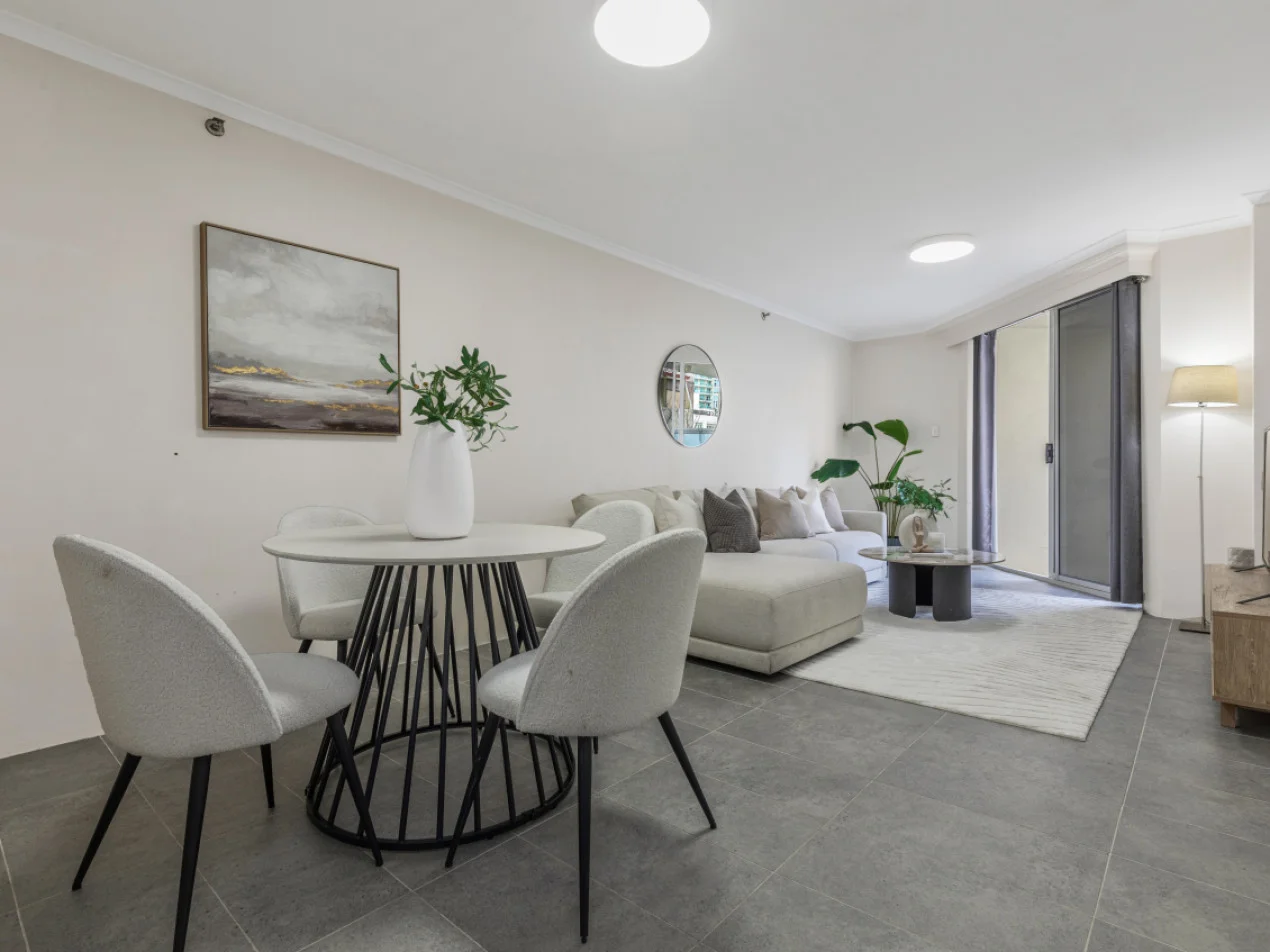 $640,000 - $675,000
Apartment / Unit / Flat
$640,000 - $675,000
Apartment / Unit / Flat
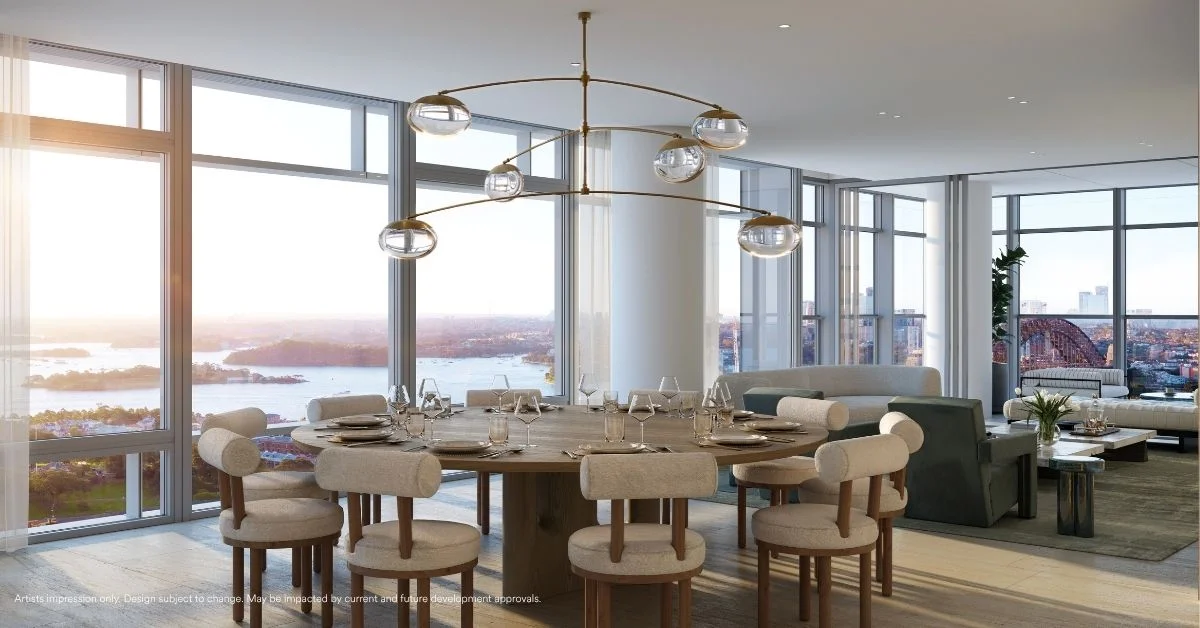 $26,550,000
propertyType.NEW APARTMENTS / OFF THE PLAN
$26,550,000
propertyType.NEW APARTMENTS / OFF THE PLAN
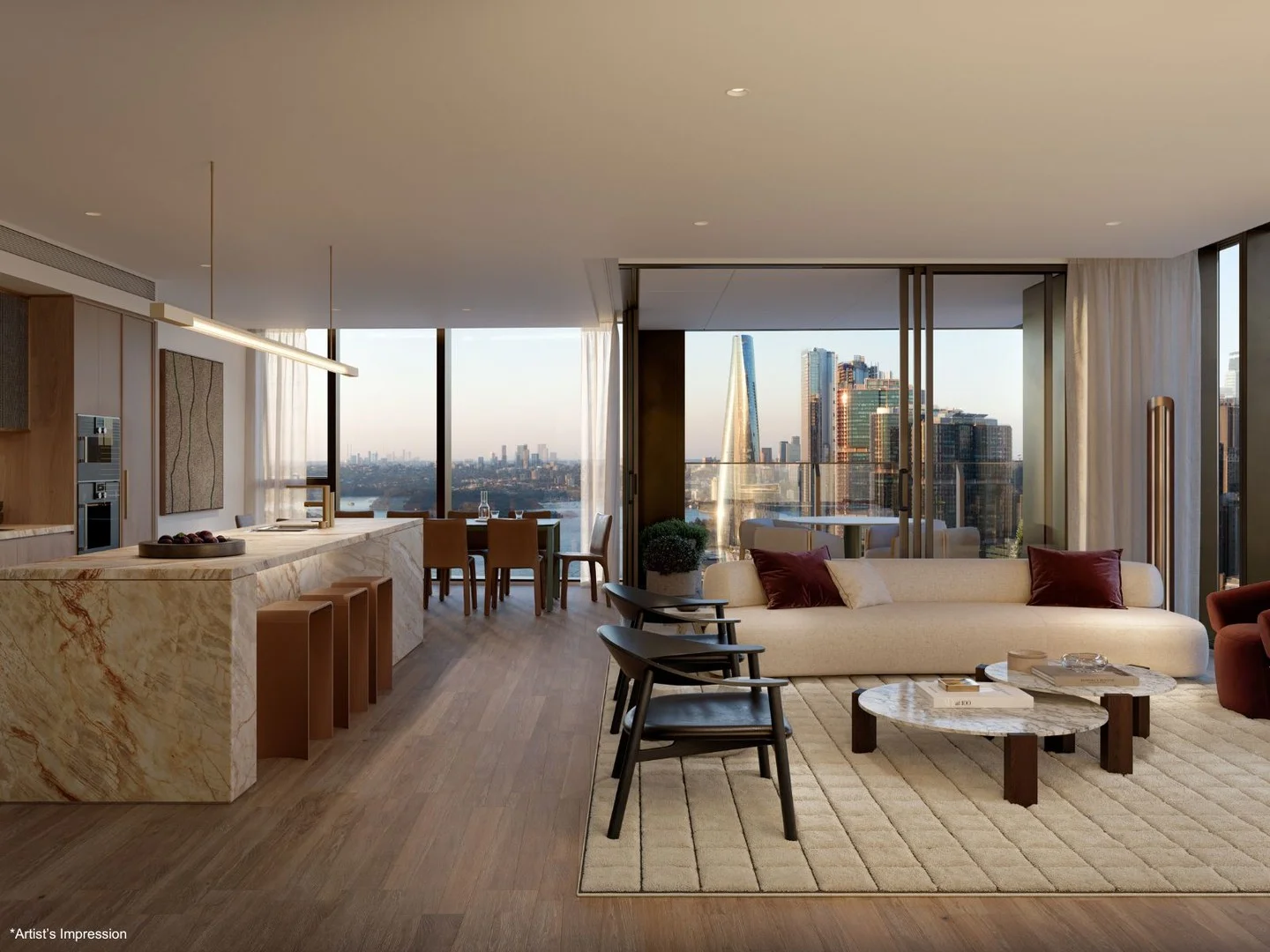 $12,980,000
propertyType.NEW APARTMENTS / OFF THE PLAN
$12,980,000
propertyType.NEW APARTMENTS / OFF THE PLAN
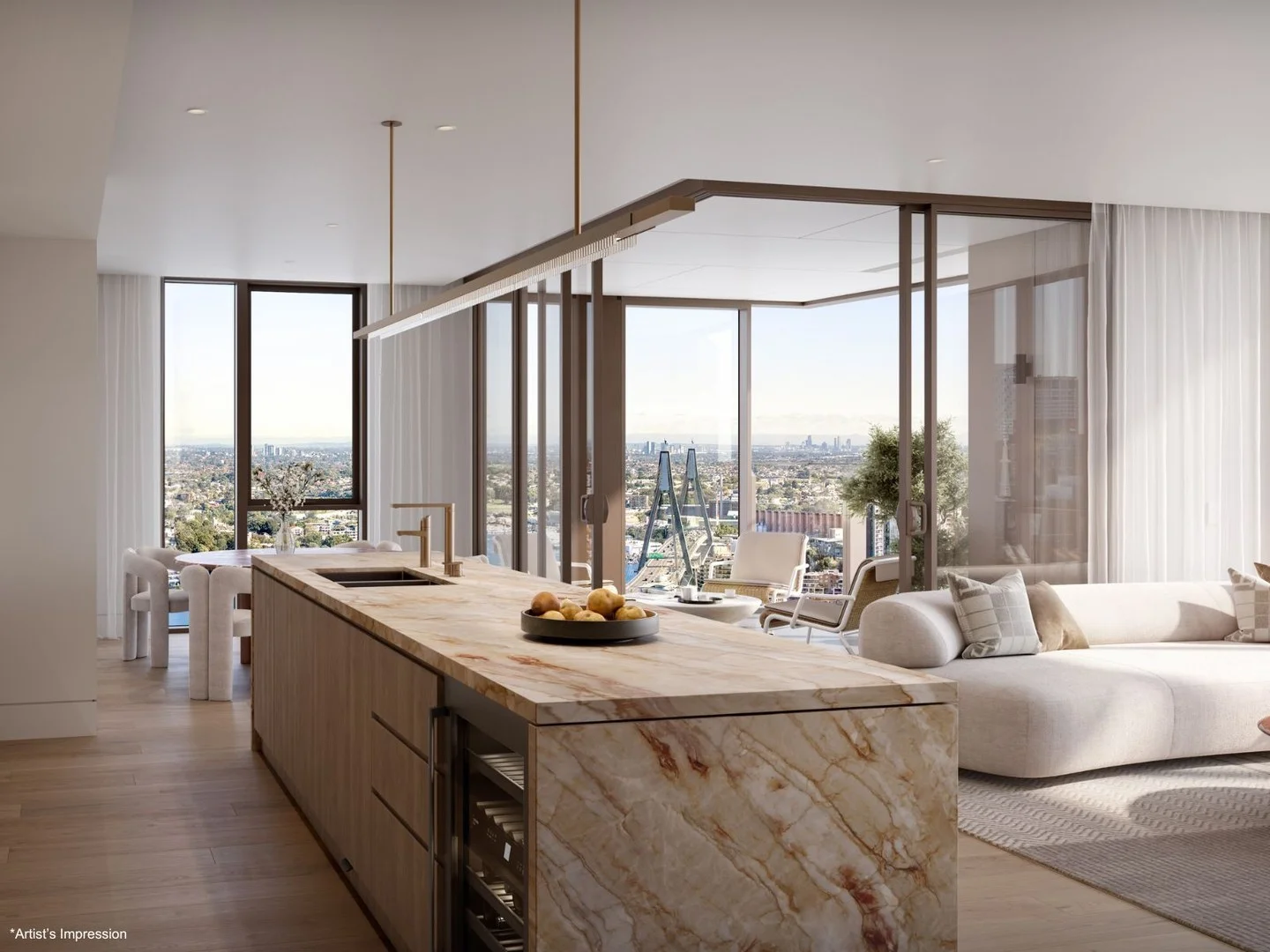 $9,020,000
propertyType.NEW APARTMENTS / OFF THE PLAN
$9,020,000
propertyType.NEW APARTMENTS / OFF THE PLAN
 $8,630,000
propertyType.NEW APARTMENTS / OFF THE PLAN
$8,630,000
propertyType.NEW APARTMENTS / OFF THE PLAN
 $6,225,000
propertyType.NEW APARTMENTS / OFF THE PLAN
$6,225,000
propertyType.NEW APARTMENTS / OFF THE PLAN


