## 1. Overview
Sydney Grammar School is an independent Anglican day school for boys, offering a comprehensive K–12 education with a strong emphasis on academic excellence, leadership, and service. The school aims to develop well-rounded young men who are prepared for tertiary study, responsible citizenship, and meaningful contributions to society.
The school is medium-sized, with class sizes that typically sit in the mid-teens to low twenties. The atmosphere blends traditional values with a culture of high expectations, rigorous scholarship, and supportive pastoral care, creating an environment that is both challenging and nurturing.
⸻
## 2. Academics & Learning
- Academic strengths: Renowned for strong performance across STEM, English, languages, and the humanities, with an emphasis on critical thinking, writing, and problem-solving. Leadership development and public speaking are integrated into the learning culture.
- Special programs: Offers scholarships and opportunities for Gifted & Talented students, along with accelerated pathways and leadership development programs to extend high-achieving students.
- NAPLAN / trends: Consistently performs above state averages with a positive trajectory over time, reflecting sustained improvements and a strong teaching framework.
- Student-teacher ratios: Favourable ratios that support close teacher attention, personalized feedback, and collaborative learning in both junior and senior years.
- Support for diverse learners: Dedicated EAL support and learning assistance for students with SEN, including targeted interventions and access to specialist staff.
⸻
## 3. Sports & Extracurricular Strengths
- Sports offered: Rugby, cricket, basketball, soccer, tennis, rowing, swimming, athletics, and other traditional school sport options.
- Strong teams or achievements: Competitive teams with notable results in inter-school competitions; strong traditions in rugby and other core sports.
- Music, arts, drama programs: Active music program with ensembles and choral groups; regular theatre productions and performing arts opportunities.
- Clubs: Robotics, chess, coding, debating, and other academic and hobby clubs to broaden skills beyond the classroom.
- Partnerships: Participation in local and inter-school competitions, with opportunities to engage with external academies and specialty programs in sports and the arts.
⸻
## 4. Wellbeing & Pastoral Care
- Anti-bullying approach: Clear policies and reporting channels, with restorative approaches and ongoing education to promote respect and inclusion.
- House system: House-based structure for pastoral care, mentoring, and friendly competition to foster belonging and community.
- Counsellors / wellbeing officers: Access to school counsellors and wellbeing staff for academic, social, and emotional support.
- Transition support for new students: Orientation programs, buddy systems, and targeted transition assistance to help new students settle in smoothly.
⸻
## 5. Facilities
- Sports grounds: Comprehensive on-site sports facilities supporting rugby, cricket, swimming, and athletics.
- Libraries: Well-equipped libraries with study spaces and research resources.
- Science labs: Modern science laboratories for chemistry, biology, and physics with hands-on learning.
- Music/performing arts centers: Dedicated spaces for music ensembles, drama, and performances.
- Tech/innovation labs: Technology and innovation spaces for coding, robotics, and digital projects.
- Cafeteria: On-site dining facilities serving a range of options.
- Updated playgrounds: Modern outdoor spaces for recreation and activity.
Visually engaging and easy to navigate, these facilities support a balanced program of academics, arts, sports, and wellbeing.
⸻
## 6. School Values & Community Culture
- School values / mission: A commitment to excellence, integrity, service, and respectful leadership; emphasis on character as part of academic success.
- Leadership style: Shared leadership opportunities for students alongside committed staff; mentorship and community involvement are encouraged.
- Behaviour expectations: Clear expectations around respect, effort, responsibility, and sportsmanship; consistent enforcement and positive reinforcement.
- Community reputation: Strong and trusted community with active parental involvement and a proud alumni network.
- Diversity & inclusion: Inclusive environment that welcomes students from diverse backgrounds and supports equitable access to opportunities.
⸻
## 7. School Logistics & Daily Operations
- School hours: Typical day runs from morning to mid-afternoon, with after-school activity options available.
- Before/after school care: Availability of before- and after-school care programs or supervision.
- Uniform requirements: Formal school uniform for regular days; sport and activities uniform for physical education and certain events.
- Transport (train/bus routes): Access via public transport and school-arranged bus routes; well-supported drop-off/pick-up procedures.
- Canteen availability: On-site canteen or lunch options provided on campus.
- Fees (low/medium/high ranges): Fees are positioned toward the higher end of the market, reflecting the breadth of programs, facilities, and staffing.
⸻
## 8. Enrolment & Admissions
11. What is the enrolment process and timeline?
- Submit the online enrolment/application form with required documents (academic reports, recommendations, identity documents).
- Complete entrance assessments and/or interviews as part of the selective process.
- Attend any information nights or open days.
- If offered a place, confirm by the deadline and arrange payment of deposit; follow-up steps for enrolment finalize.
12. Is there a waiting list, and how does it work?
- Yes, there is a waiting list. Placement is typically determined by date of application, year level availability, and the school’s assessment of fit. The list can lengthen or shorten depending on vacancies and intake year.
13. Are there any entry requirements, tests, or interviews?
- Entrance tests (e.g., general ability, mathematics, reading comprehension) and an interview are common components.
- Additional assessments may apply for scholarships or specific programs; references and prior school reports may be requested.
14. Does the school accept mid-year transfers?
- Mid-year transfers are considered where space exists and upon completion of the school’s admissions process, with appropriate documentation and transition planning.
⸻
## 9. Frequently Asked Questions
- Why Parents Choose This School?
Parents choose for strong academic results, a tradition of excellence, leadership development, supportive pastoral care, and a well-rounded program that integrates academics, arts, and sport.
- What type of student thrives at this school?
Students who are curious, motivated, and prepared for a rigorous, inclusive environment tend to thrive, particularly those who value leadership opportunities, teamwork, and contributing to a strong school community.
- What opportunities are available for students to extend their skills (academics, sports, arts)?
Extended opportunities include advanced coursework, scholarships, leadership programs, and a broad range of clubs and competitions in sport, music, drama, robotics, coding, and debating.
- How does the school communicate with parents?
Communication channels include regular emails, newsletters, a parent portal/app, scheduled information evenings, and meetings with teachers and leaders as needed.
- What is the school’s approach to teaching and learning?
The approach emphasizes rigor, inquiry-based learning, high expectations, and strong teacher support; students are encouraged to develop independent learning habits and critical thinking.
- How does the school support students who need extra academic help?
Support includes learning support staff, targeted interventions, tutoring options, EAL support, and tailored student plans.
- What support is available for academic challenges?
Students facing difficulties can access academic coaching, specialist support, and teacher-guided strategies to help them regain momentum.
- How does the school communicate with parents? (repeated)
See above: emails, newsletters, parent portal/app, information nights, and parent-teacher meetings.
- What are the class sizes and how much individual attention do students receive?
Class sizes are typically in the low-teens to mid-20s, with teachers providing individualized feedback and opportunities for small-group learning.
- What extracurricular and sports opportunities are available?
A wide range of sports (including rugby, cricket, basketball) and numerous clubs (robotics, coding, chess, debating) alongside music and drama programs.
- What facilities does the school offer (sports, science, arts)?
Comprehensive facilities in sports, science labs, libraries, music/performing arts centers, tech/innovation labs, and dining/cafeteria spaces.
- What is the school’s approach to technology and digital learning?
Emphasis on digital literacy, safe online practice, coding and robotics, and integrated technology to support learning across subjects.
- What transport and accessibility options are available?
Access via public transport and school-run bus routes, with straightforward drop-off/pick-up arrangements and accessible facilities.
- What are the typical school fees or additional costs?
Fees are on the higher end, reflecting the breadth of programs, facilities, and staffing; additional costs may include uniforms, excursions, and optional activities.
⸻
## 10. Short Pros & Cons list
Pros
- Strong academic culture with a track record of high achievement
- Broad leadership opportunities and character development
- Rich co-curricular program across sports, arts, and clubs
- Supportive wellbeing and pastoral care
- Modern facilities across science, technology, arts, and sports
Cons
- Higher fee level relative to some peers
- Competitive environment may feel intense for some students
- Single-sex setting may not suit families seeking co-education
- Busy schedule with significant out-of-class commitments required for full participation


 $95+
$95+












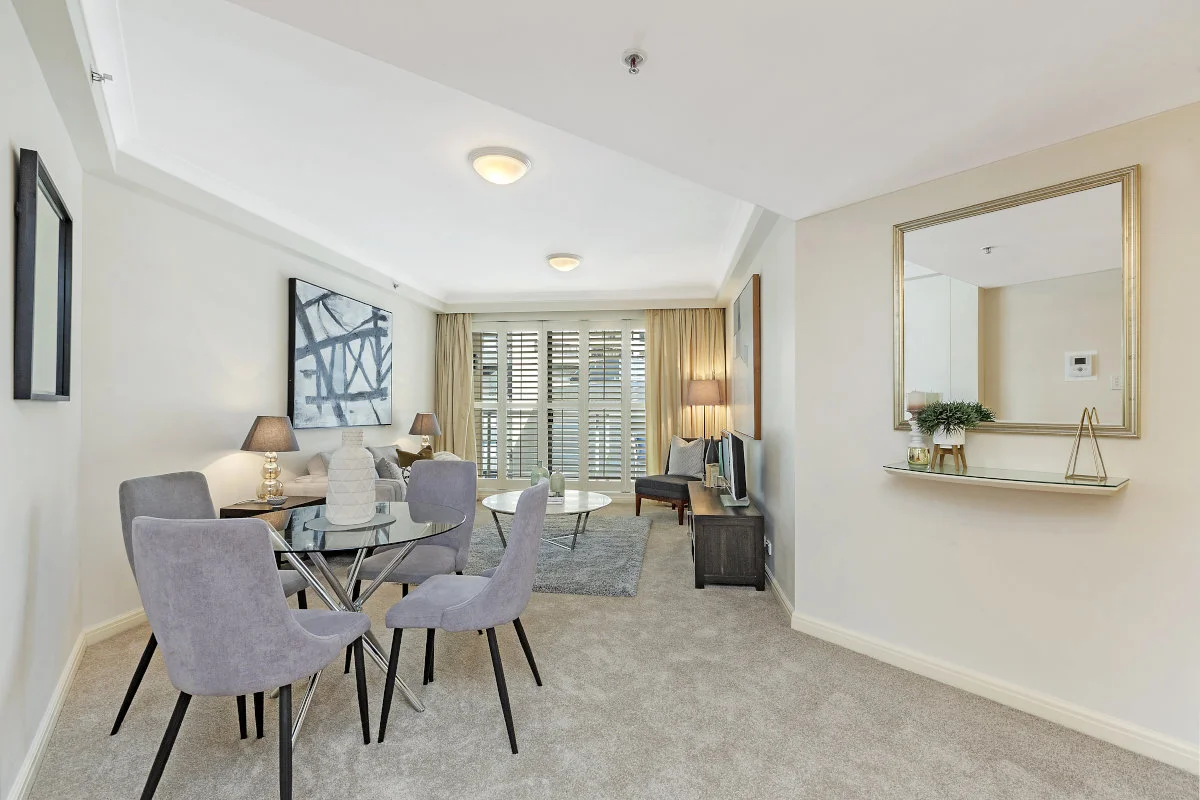 $660,000 - $725,000
Apartment / Unit / Flat
$660,000 - $725,000
Apartment / Unit / Flat
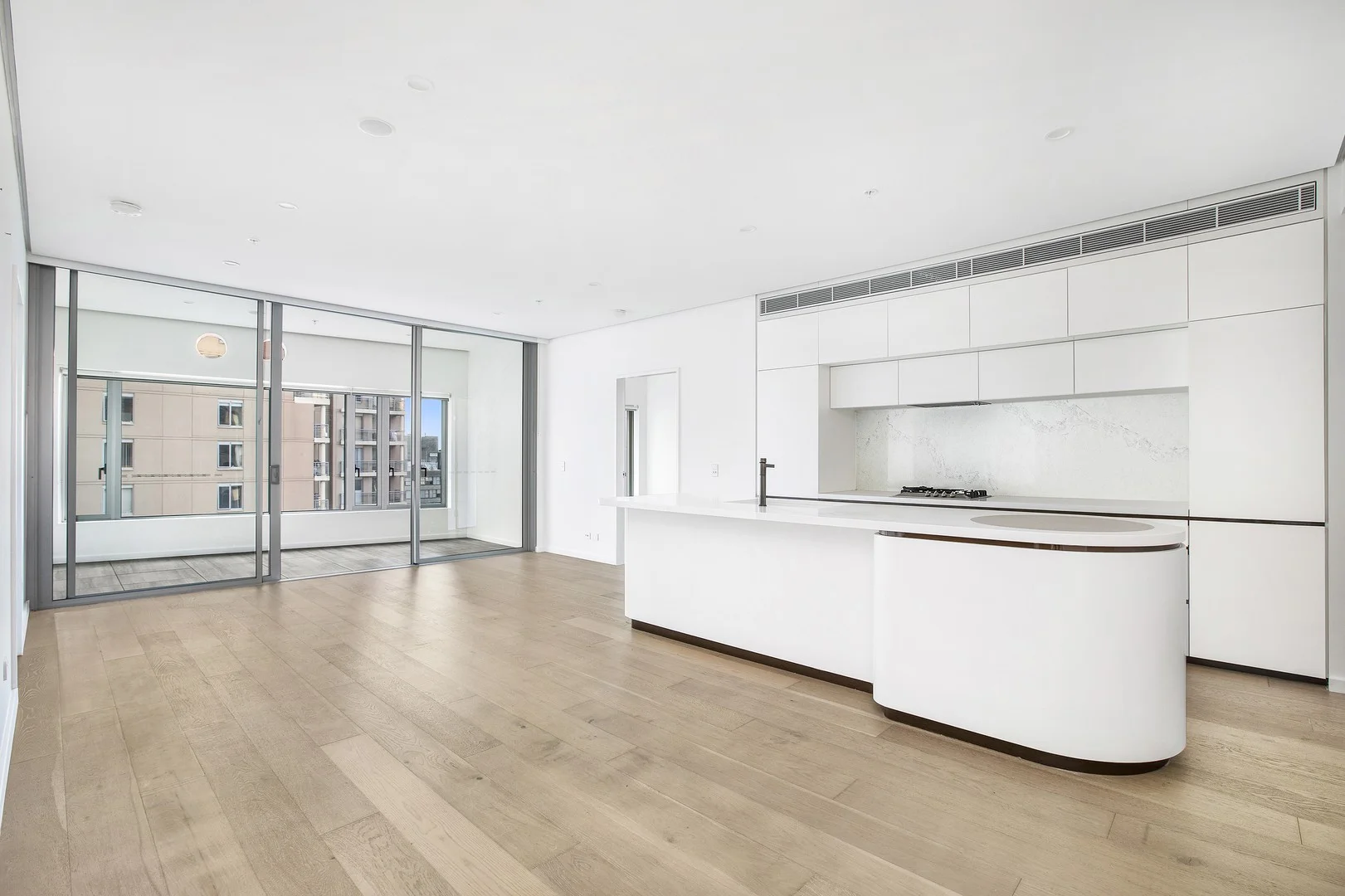 $2,250,000
Apartment / Unit / Flat
$2,250,000
Apartment / Unit / Flat
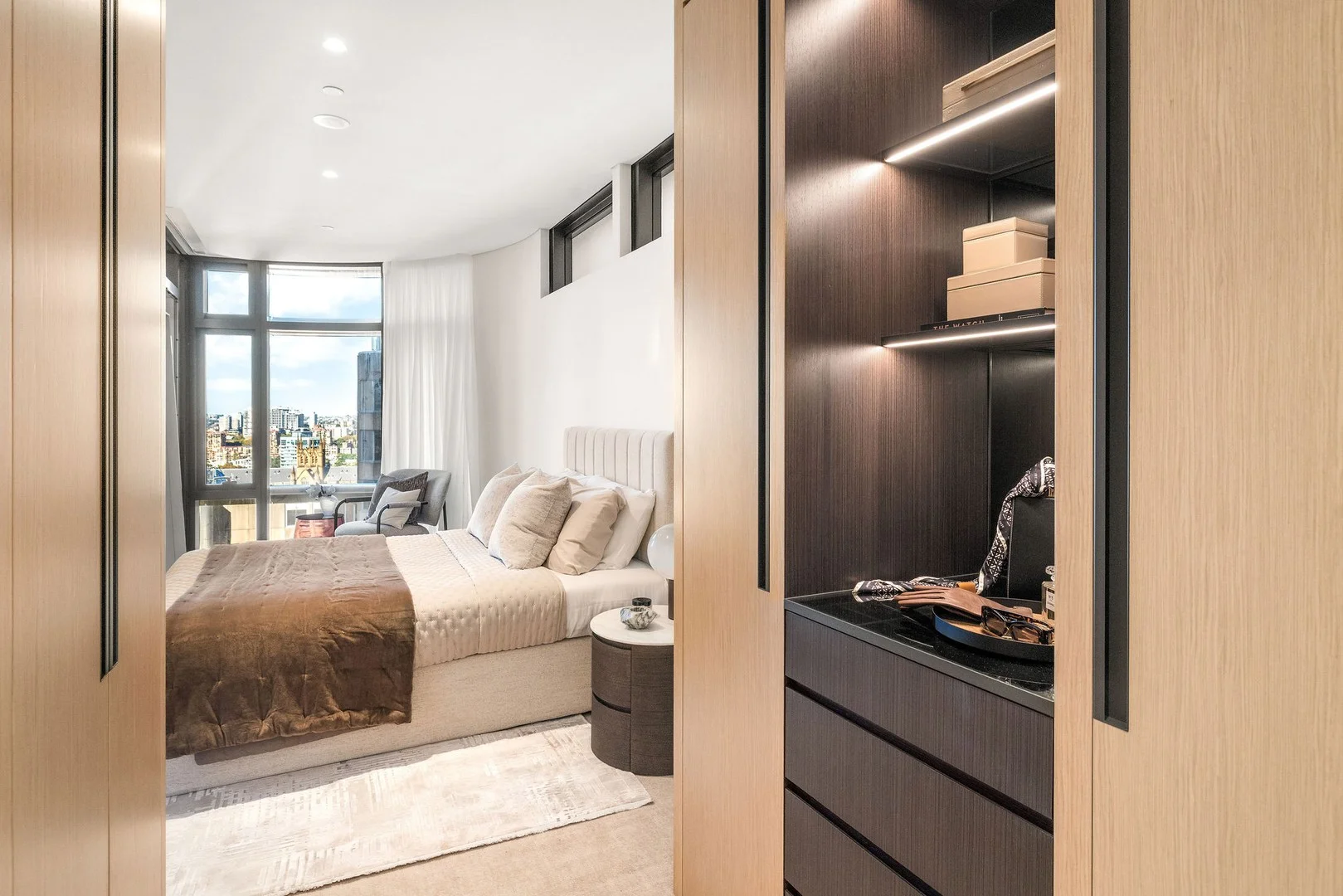 $2,745,000
propertyType.NEW APARTMENTS / OFF THE PLAN
$2,745,000
propertyType.NEW APARTMENTS / OFF THE PLAN
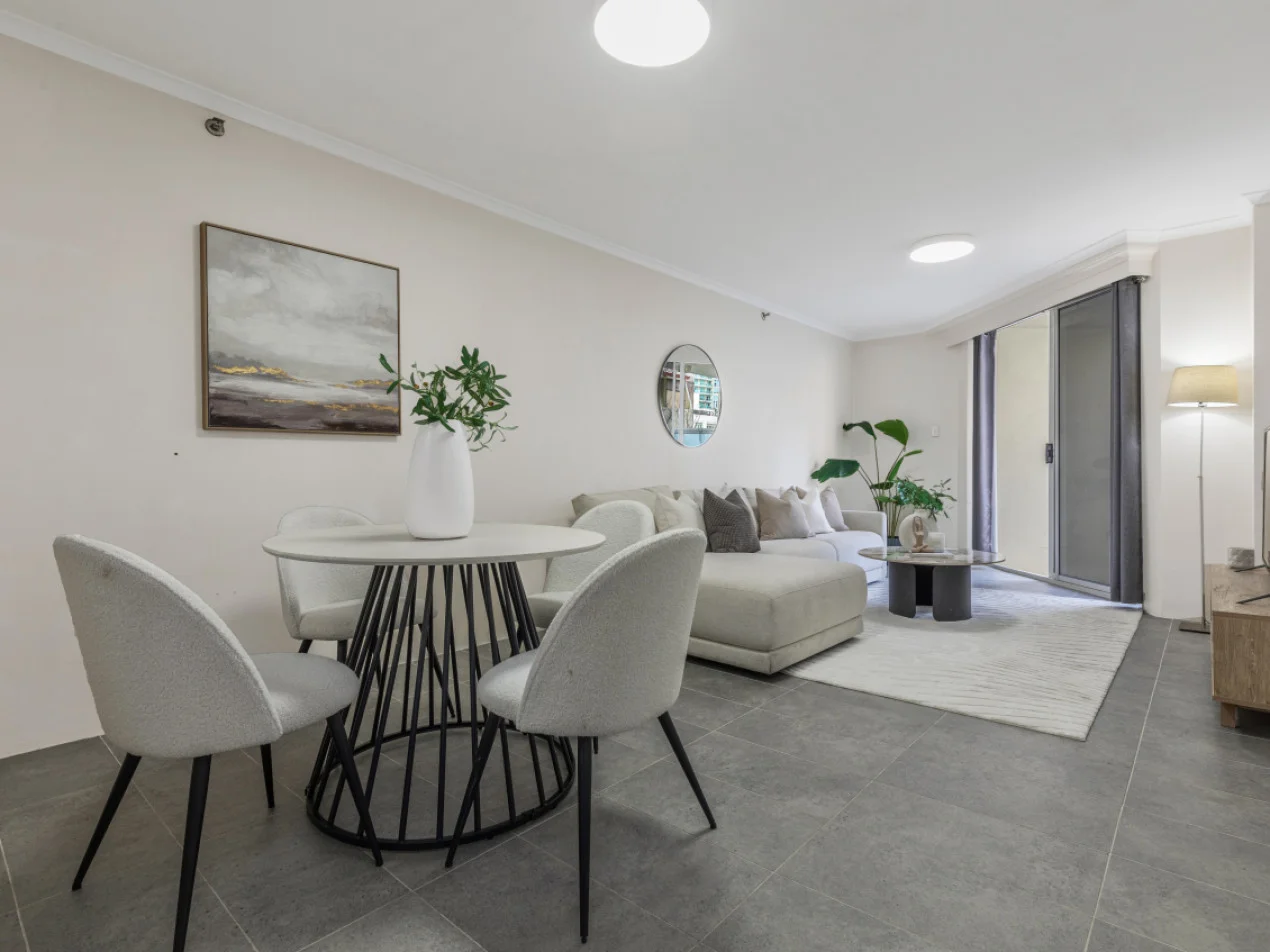 $640,000 - $675,000
Apartment / Unit / Flat
$640,000 - $675,000
Apartment / Unit / Flat
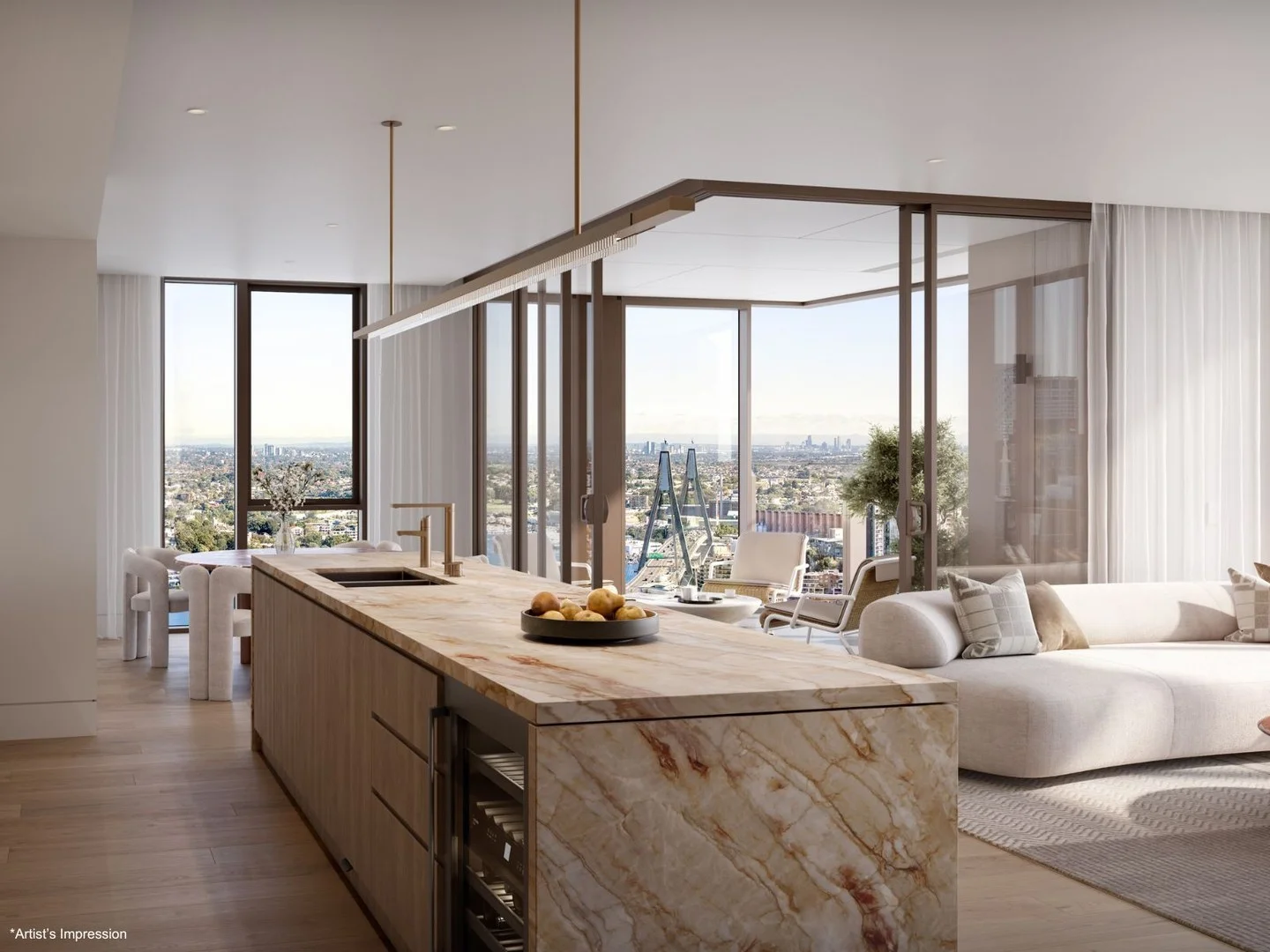 $9,020,000
propertyType.NEW APARTMENTS / OFF THE PLAN
$9,020,000
propertyType.NEW APARTMENTS / OFF THE PLAN
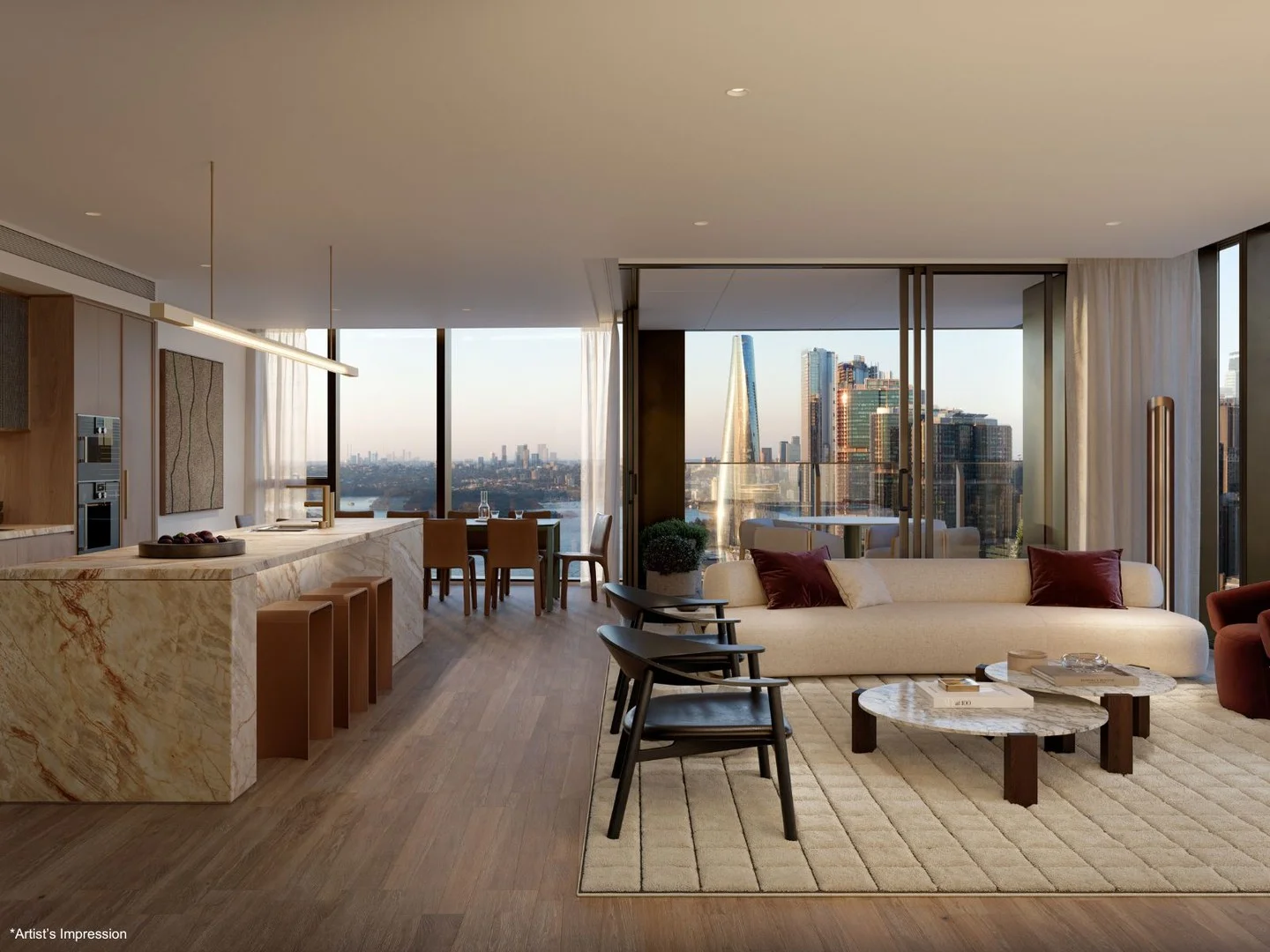 $12,980,000
propertyType.NEW APARTMENTS / OFF THE PLAN
$12,980,000
propertyType.NEW APARTMENTS / OFF THE PLAN
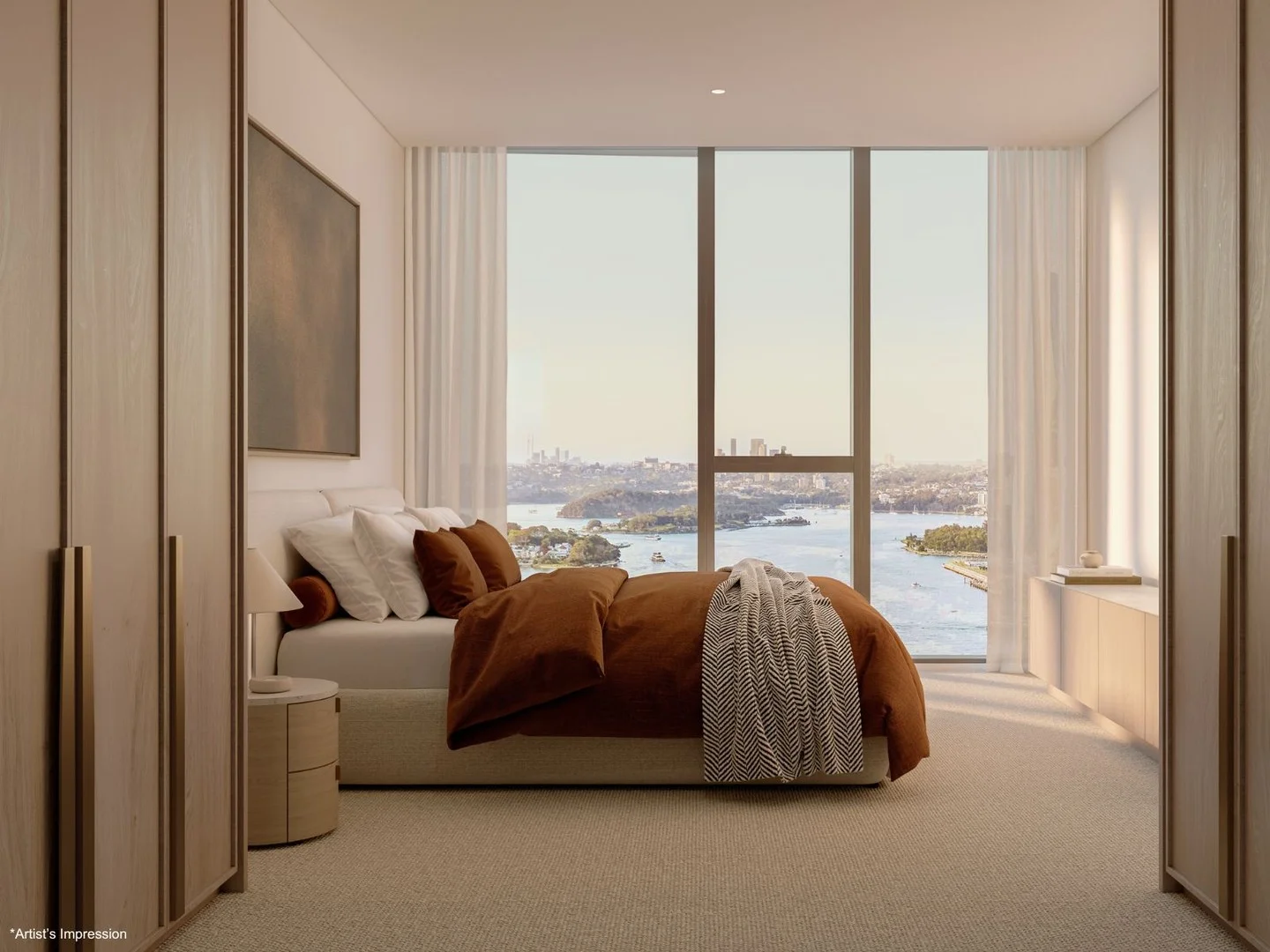 $8,630,000
propertyType.NEW APARTMENTS / OFF THE PLAN
$8,630,000
propertyType.NEW APARTMENTS / OFF THE PLAN
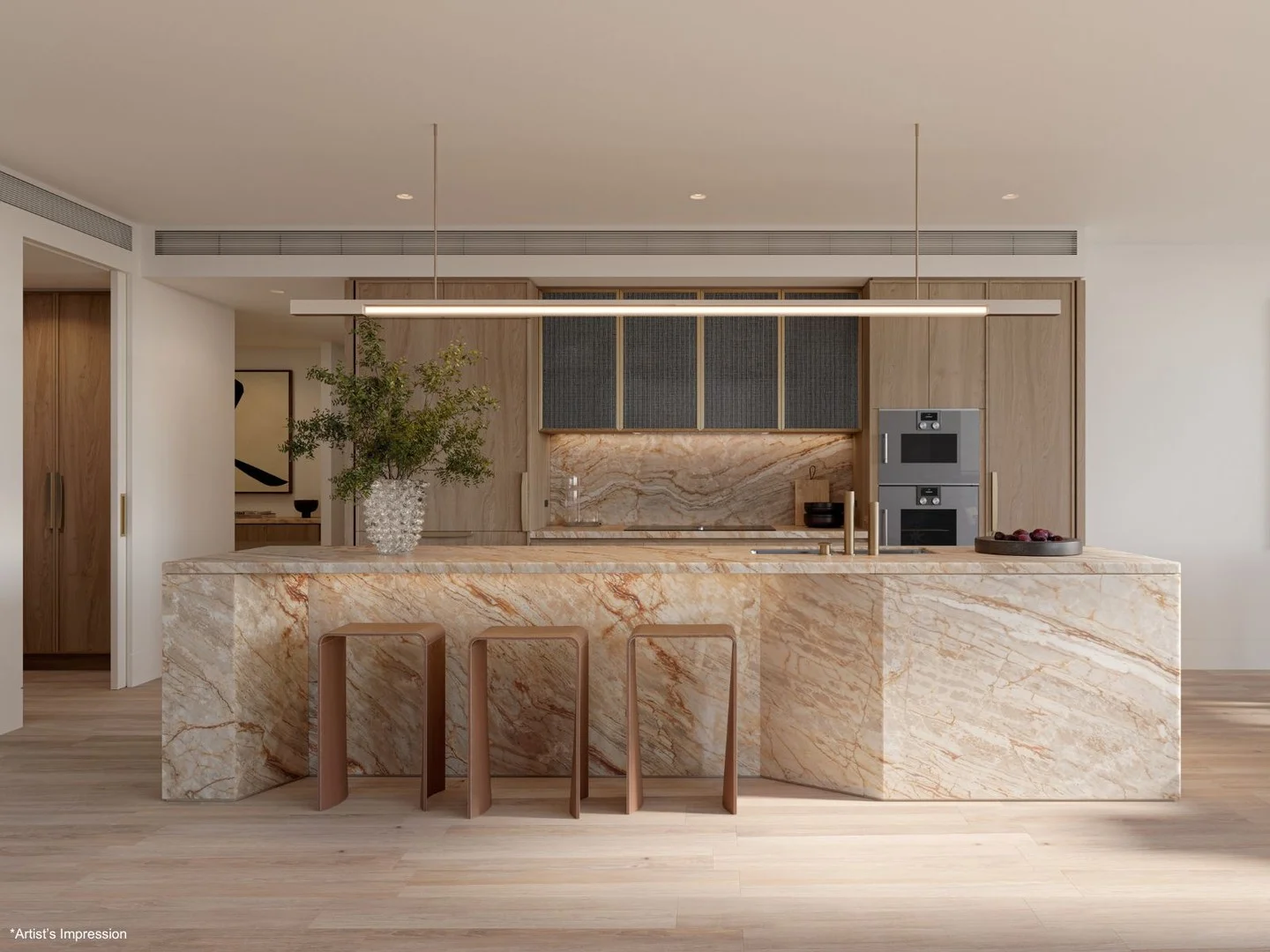 $6,225,000
propertyType.NEW APARTMENTS / OFF THE PLAN
$6,225,000
propertyType.NEW APARTMENTS / OFF THE PLAN
 $26,550,000
propertyType.NEW APARTMENTS / OFF THE PLAN
$26,550,000
propertyType.NEW APARTMENTS / OFF THE PLAN


