 Government secondary school in Bacchus Marsh
Bacchus Marsh College
Bacchus Marsh, VIC 3340
Bacchus Marsh College is a public, co-educational secondary school serving students in the Bacchus Marsh region.
About Bacchus Marsh College
Read the full description
Overview
Bacchus Marsh College is a public, co-educational secondary school serving students in the Bacchus Marsh region. As a Victorian Department of Education school, it offers a comprehensive pathway through secondary years with a focus on academic achievement, wellbeing, and community.
Size-wise, the college is a medium-sized regional high school. Class sizes are typically in the early-to-mid 20s, which supports manageable student-teacher interaction and active participation. The atmosphere is generally nurturing and inclusive, with a culture that balances academic effort with student wellbeing, leadership opportunities, and a strong sense of community.
Academics & Learning
- Academic strengths: The college emphasises core subjects such as STEM, English, and humanities, with opportunities to develop leadership and critical thinking across the curriculum. Languages and cross-curricular literacy are incorporated to build well-rounded learners.
- Special programs: The school offers pathways aligned to the Victorian Curriculum and VCE, with opportunities for extension and enrichment where appropriate. Gifted and talented programs or accelerative options are typically available within the broader curriculum framework.
- Support for diverse learners: Strong support for diverse learners exists, including EAL (English as an Additional Language) support and SEN (special educational needs) services, plus targeted intervention programs when needed.
Sports & Extracurricular Strengths
- Sports offered: A broad program typically includes football (AFL), soccer, netball, basketball, cricket, athletics, and swimming, with opportunities to try and compete across a range of sports.
- Strong teams or achievements: The college runs competitive interschool teams and participates in regional competitions; success can vary by year, with ongoing emphasis on development, teamwork, and sportsmanship.
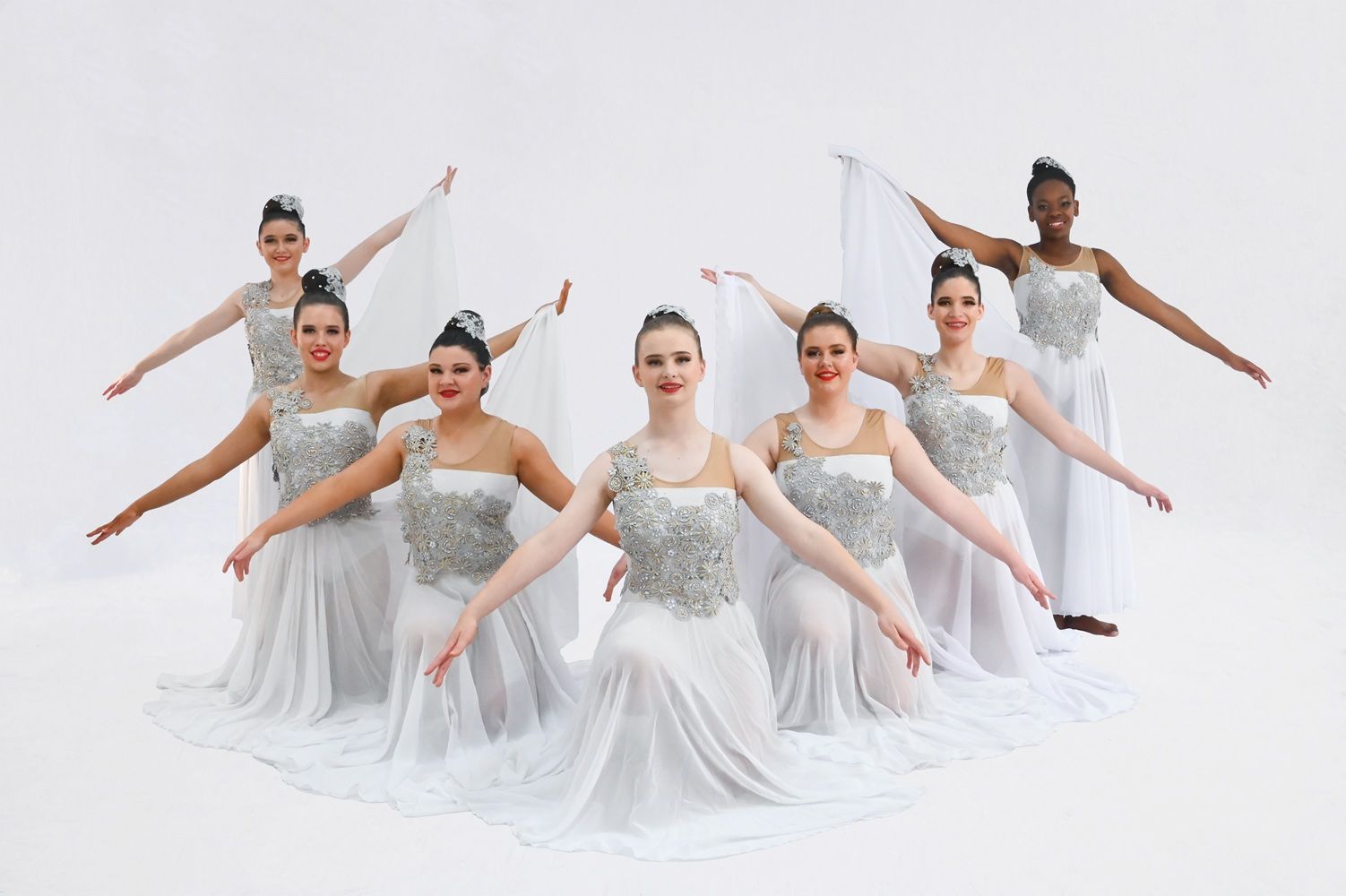
- Music, arts, drama programs: Vocal and instrumental music programs, choirs, and drama productions are part of the co-curricular scene, along with opportunities to participate in performances and cultural events.
- Clubs: Robotics, coding, chess, and debating clubs are commonly available, supporting STEM and humanities interests outside the classroom.
- Partnerships: The college maintains local partnerships with community clubs, sporting academies, and regional competitions to broaden opportunities for students.
Wellbeing & Pastoral Care
- Anti-bullying approach: The school enforces a zero-tolerance stance on bullying, with clear policies, student education, and restorative practices to support safe relationships.
- House system: A house structure is used to build belonging, organise events, and foster healthy competition and teamwork among students.
- Counsellors / wellbeing officers: Dedicated wellbeing staff and school counsellors are available to support academic stress, social-emotional needs, and transition periods.
- Transition support for new students: Induction programs, buddy systems, and targeted orientation help new students settle in smoothly and build connections quickly.
Facilities
- Sports grounds: On-site sporting fields and courts support physical education and extracurricular sport.
- Libraries: A library provides study space, resources, and quiet areas for reading and preparation.
- Science labs: Well-equipped science laboratories support practical experiments and coursework.
- Music/performing arts centers: Dedicated spaces for rehearsal and performance enhance music and drama programs.
- Tech/innovation labs: Modern spaces support design, technology, and digital learning initiatives.
- Cafeteria: On-site canteen with daily options for students.
- Updated playgrounds: Well-maintained outdoor spaces for break times and recreation.
School Values & Community Culture
- School values / mission: The college emphasises respect, inclusion, achievement, and community involvement as part of its educational mission.
- Leadership style: A collaborative leadership approach encourages student voice, staff partnership, and active engagement with school improvement initiatives.
- Behaviour expectations: Clear expectations around conduct, respect, and responsibility are communicated to students and reinforced consistently.
- Community reputation: The school is recognised locally as a supportive, inclusive environment that works to help students reach their potential.
- Diversity & inclusion: The college values diversity and provides inclusive opportunities and supports to a broad spectrum of learners.
School Logistics & Daily Operations
- School hours: The school day typically runs from around 9:00 am to 3:30 pm, with the possibility of slight variations by year level or timetable.
- Before/after school care: Programs or approved providers may offer before/after school care options for families needing extended coverage.
- Uniform requirements: A school uniform is generally required, with details provided by the school and uniform suppliers.
- Transport (train/bus routes): Students commonly use a combination of bus services and regional public transport; there are also established car-parking areas for families and staff.
- Canteen availability: A canteen or tuck shop operates on-site to provide daily meal and snack options.
- Fees (low/medium/high ranges): Being a public school, there are no tuition fees for standard education; families may encounter low to moderate costs for materials, excursions, and optional activities.
Enrolment & Admissions
- What is the enrolment process and timeline?
- Enrolment is typically submitted to the school with required documents (proof of residency, immunisation records, birth certificate, and custody/guardian information if applicable). Timelines depend on the intake year and availability; completing enrolment early is advised to secure a place.
- Is there a waiting list, and how does it work?
- If the year level is oversubscribed, a waiting list may operate. Places are offered based on the school’s enrolment policies, which may consider catchment boundaries and available vacancies.
- Are there any entry requirements, tests, or interviews?
- For a standard public admission, there are generally no entrance tests or interviews required. Selective-entry pathways would involve separate processes; Bacchus Marsh College as a regional public high school typically does not require tests for general enrolment.
- Does the school accept mid-year transfers?
- Mid-year transfers are possible if there are vacancies. Parents should contact the school directly to discuss eligibility, paperwork, and available placement.
Frequently Asked Questions
- Why Parents Choose This School?
- A supportive, inclusive environment with a strong emphasis on wellbeing, academic pathways, and community involvement.
- What type of student thrives at this school?
- Students who value a balanced approach to academics, sport, arts, and social development within a collaborative community.
- What opportunities are available for students to extend their skills (academics, sports, arts)?
- A range of elective and co-curricular options across STEM, English, languages, arts, sports, and leadership; clubs such as robotics, coding, debate; and pathways through VCE with opportunities for higher-level study and leadership roles.
- How does the school communicate with parents?
- Regular updates through newsletters, the school website, email communications, and parent-teacher meetings. Digital platforms and notice boards help keep families informed about events and student progress.
- What is the school’s approach to teaching and learning?
- A curriculum aligned to the Victorian standards, with supportive teaching practices, collaborative learning, and targeted interventions to assist students in reaching their goals.
- How does the school support students who need extra academic help?
- Access to targeted literacy and numeracy support, EAL and SEN services, and monitoring by teachers and wellbeing staff to tailor assistance.
- What support is available for academic challenges?
- In-class differentiation, small-group or one-on-one support, and referral to guidance services as needed.
- How does the school communicate with parents? (duplicate)
- See above: newsletters, emails, school app/portal, and face-to-face meetings when required.
- What extracurricular and sports opportunities are available?
- A broad scope including sports teams (various codes), music, drama, robotics, coding, chess, and debating.
- What facilities does the school offer (sports, science, arts)?
- Sports grounds, libraries, science labs, music/performing arts spaces, tech/innovation labs, a canteen, and updated outdoor spaces.
- What is the school’s approach to technology and digital learning?
- Integration of digital tools to support learning, with access to devices and online resources as part of the curriculum.
- What transport and accessibility options are available?
- Access to regional bus services, public transport options, and on-site parking; school facilities are designed to be accessible for students.
- What are the typical school fees or additional costs?
- As a public school, standard tuition is not charged; there may be costs associated with materials, excursions, and optional activities.
Short Pros & Cons
- Pros
- Public, community-focused environment with a balanced approach to academics, sport, and arts. - Supportive wellbeing framework and inclusive culture. - Range of co-curricular opportunities (STEM, arts, clubs, sports). - Strong emphasis on student leadership and transition support.
- Cons
- As a regional public school, resources may be more limited compared to metropolitan campuses. - Availability of certain programs and activities can vary year to year based on staffing and enrollment. - Transport options depend on regional services; families may need to rely on bus routes or coordinated transport.
A few things parents ask
Does Bacchus Marsh College have a catchment area?
Yes. Bacchus Marsh College serves the following official intake zone: Bacchus Marsh College (secondary, 2026). Living inside a zone makes this your designated local public school. Whether a place is offered depends on the state’s enrolment policy and the year you apply — it is not a guarantee, and where current students live does not define the boundary. Use the AroundSchools catchment checker to see whether your address falls inside it, then verify with the state education department’s own tool.
What type of school is Bacchus Marsh College?
Bacchus Marsh College is a Government, Co-ed school in Bacchus Marsh, VIC, offering Secondary year levels.
Is Bacchus Marsh College a public or private school?
Bacchus Marsh College is a public school. It is government-funded and part of the VIC public education system, so it is generally free for local students to attend, aside from voluntary contributions and levies.
How does Bacchus Marsh College perform academically?
The stored historical averages for Bacchus Marsh College include a median VCE study score of around 24.9. Stored annual exam results: 2011–2025. The period used for historical averages is not recorded. These figures do not represent current-year results; check the school’s latest published results. Source: Senior secondary completion and achievement information, © Victorian Curriculum and Assessment Authority (VCAA).
Where is Bacchus Marsh College located?
Bacchus Marsh College is located at Grant St, Bacchus Marsh VIC 3340 Australia, Bacchus Marsh, VIC, 3340.
Results
Stored annual exam results: 2011–2025. The period used for historical averages is not recorded. These figures do not represent current-year results; check the school’s latest published results.
Historical averages (period not recorded)
24.9
Median Study Score
Source: Senior secondary completion and achievement information, © Victorian Curriculum and Assessment Authority (VCAA).
Compare with nearby schools
The closest schools to Bacchus Marsh College, side by side. Fees appear where a school publishes them; activities and events are what is listed on AroundSchools within a short drive of each school.
| School | Distance | Sector | Gender | Years | Fees / yr | Kids' activities within 2 km | Events within 3 km |
|---|---|---|---|---|---|---|---|
| Bacchus Marsh CollegeThis school | Here | Government | Co-ed | Secondary | — | 15 | 0 |
| Bacchus Marsh Primary School | 1.0 km | Government | Co-ed | Primary | — | 14 | 0 |
| St Bernard's Parish Primary School | 1.1 km | Catholic | Co-ed | Primary | $1,280 | 15 | 0 |
| Bacchus Marsh Grammar School | 1.8 km | Independent | Co-ed | Primary · Secondary | $7,745 – $15,592 | 8 | 0 |
| Pentland Primary School | 2.9 km | Government | Co-ed | Primary | — | 6 | 0 |
| Darley Primary School | 2.9 km | Government | Co-ed | Primary | — | 5 | 0 |
| Coimadai Primary School | 8.3 km | Government | Co-ed | Primary | — | 0 | 0 |
Sorted by distance, not ranked. Check whether your address is in the catchment
Make a little more of the trip
Parks, playgrounds and libraries near the school.
Kids' activities nearby
Classes and clubs listed within a short drive of the school.
Schools nearby
The closest schools, nearest first.