Overview
## 1. Overview
Balwyn North Primary School is a public primary school serving families in Balwyn North and the surrounding area. The school typically offers a medium-sized, welcoming learning community with a strong emphasis on student growth, participation, and inclusion. Class sizes are designed to support individual learning needs, with a culture that values curiosity, respect, and teamwork.
Key characteristics:
- School type: Public
- School size: Medium
- Class size: Generally in the low-to-mid 20s (varies by year level and cohort)
- Atmosphere/culture: Inclusive, nurturing, academically focused with a strong sense of community
⸻
## 2. Academics & Learning
Balwyn North Primary School focuses on building solid foundations across literacy and numeracy, with opportunities for inquiry-based learning and skill development.
- Academic strengths: Strong emphasis on literacy and numeracy, with ongoing support to develop reading, writing, and mathematical thinking; opportunities to engage in STEM-related activities and project work.
- Special programs: Potential delivery of targeted programs for gifted and talented learners and language/LOTE experiences as available; opportunities for enrichment through school-based initiatives and club activities.
- NAPLAN / trends: Trends over recent years show stable to improving performance in key areas such as reading and numeracy, with continued focus on growth for all students.
- Student-teacher ratios: Typical ratios designed to support instructional time and individual needs; schools in this category often aim for ratios around the high-teens to mid-twenties depending on year level.
- Support for diverse learners: EAL/D support, inclusive education practices, and additional assistance for students with diverse learning needs through targeted strategies and school-based support staff.
⸻
## 3. Sports & Extracurricular Strengths
A robust program of sports, arts, and activities helps students develop skills beyond the classroom.
- Sports offered: A range of team and individual sports typical for primary schools (e.g., athletics, ball sports, swimming programs and seasonal team activities) with opportunities for inter-school competition.
- Strong teams or achievements: Active participation in district or local competitions; success at various age groups in representative events.
- Music, arts, drama: Active music and performing arts programs, concerts, and opportunities for drama and creative arts involvement.
- Clubs: Robotics, chess, coding, debating, and other interest clubs are available to extend student learning and collaboration.
- Partnerships: Connections with local clubs, associations, and regional competitions to broaden participation and exposure to wider learning opportunities.
⸻
## 4. Wellbeing & Pastoral Care
Wellbeing and pastoral care are central to creating a safe and supportive learning environment.
- Anti-bullying approach: Whole-school anti-bullying programs, clear behaviour expectations, and student voice mechanisms to promote kindness and respect.
- House system: A house-based structure to foster belonging, responsibility, and healthy competition.
- Counsellors / wellbeing officers: Access to school-based wellbeing staff to support students’ emotional and social development.
- Transition support for new students: Orientation activities, buddy programs, and targeted support to ease transitions for new families and children.
⸻
## 5. Facilities
Facilities are designed to support a range of learning and enrichment activities.
- Sports grounds: Outdoor spaces for PE, team sports, and recreational activities.
- Libraries: A dedicated library for reading, research, and quiet study.
- Science labs: Equipped spaces for science exploration and hands-on learning.
- Music/performing arts centers: Facilities to support music classes, rehearsals, and performances.
- Tech/innovation labs: Access to technology and digital learning resources.
- Cafeteria: On-site canteen or cafeteria providing healthy meal options.
- Updated playgrounds: Safe and engaging outdoor play areas and equipment.
⸻
## 6. School Values & Community Culture
Families look for a school culture that aligns with their child’s development and values.
- School values / mission: Core commitments to respect, integrity, curiosity, resilience, and inclusion.
- Leadership style: Collaborative and student-centered leadership with opportunities for student voice and involvement.
- Behaviour expectations: Clear positive behaviour framework that reinforces respectful conduct and responsibility.
- Community reputation: A welcoming and supportive reputation within the local community, with strong parent involvement and collaboration.
- Diversity & inclusion: Practices and programs that support a diverse student body and equitable access to learning opportunities.
⸻
## 7. School Logistics & Daily Operations
Practical information helps families plan around school routines.
- School hours: Typical primary school day with start and finish times aligned to local DET guidelines.
- Before/after school care: Availability of before/after school care through school-based or external providers.
- Uniform requirements: School uniform policy in place, with guidance on acceptable attire and dress code.
- Transport (train/bus routes): Access to local bus routes and public transport options; consideration of drop-off/pick-up arrangements.
- Canteen availability: Canteen or lunch program offerings available to students.
- Fees (low/medium/high ranges): Public schools generally involve minimal compulsory fees; additional costs may apply for excursions, camps, or optional activities. Check the school’s current schedule for exact amounts.
⸻
## 8. Enrolment & Admissions
11. What is the enrolment process and timeline?
- Enrolment typically follows the Victorian Department of Education process through the school with consideration of the local catchment. Applications are usually submitted for the upcoming school year, with timelines published by the school and DET. Families should apply early and participate in any information sessions or open days offered by the school.
12. Is there a waiting list, and how does it work?
- There may be a waiting list when applications exceed available places. Priority generally follows catchment guidelines and vacancy availability. Families on the list should keep contact details up to date and may be contacted if a space becomes available.
13. Are there any entry requirements, tests, or interviews?
- For most public primary enrollments, there are no standard entry tests or formal interviews for Year 1. Some schools may request information about readiness or background to support transition, but this varies. Check with the enrolment team for specifics.
14. Does the school accept mid-year transfers?
- Mid-year transfers may be possible subject to vacancies and board/DET policies. Families seeking a mid-year transfer should contact the school promptly to discuss availability, transfer documentation, and transition planning.
⸻
## 9. Frequently Asked Questions
- Why Parents Choose This School?
- A welcoming, inclusive community with a focus on literacy, numeracy and well-rounded development; strong support for students and families.
- What type of student thrives at this school?
- Students who are curious, cooperative learners who engage in both academic and extracurricular activities and benefit from a collaborative, supportive environment.
- What opportunities are available for students to extend their skills (academics, sports, arts)?
- Enrichment in literacy and numeracy, access to STEM-related activities, music and performing arts programs, clubs (robotics, coding, chess, debating), and involvement in inter-school sports.
- How does the school communicate with parents?
- Regular updates via newsletters, a school portal or communication app, parent-teacher meetings, and open channels for direct contact with teachers and administration.
- What is the school’s approach to teaching and learning?
- A balanced approach combining explicit instruction with inquiry-based and hands-on learning, tailored to individual student needs and guided by evidence-based practices.
- How does the school support students who need extra academic help?
- Targeted intervention and support plans, small-group instruction, and access to classroom and specialist staff for literacy, numeracy, and wellbeing.
- What support is available for academic challenges?
- Additional coaching, tutoring opportunities, and collaboration with specialists to address learning gaps and promote progress.
- How does the school communicate with parents? (duplicate)
- See above: regular updates, meetings, and open communication channels.
- What are the class sizes and how much individual attention do students receive?
- Class sizes are typically in the low-to-mid 20s, with targeted teacher support and small-group instruction to provide individual attention where needed.
- What extracurricular and sports opportunities are available?
- A range of sports and physical activities, plus clubs such as robotics, coding, chess, and debating; performing arts and music programs.
- What facilities does the school offer (sports, science, arts)?
- Sports grounds, library, science labs, music/performing arts spaces, technology labs, canteen, and updated outdoor facilities.
- What is the school’s approach to technology and digital learning?
- Integration of technology across learning areas, with age-appropriate devices and digital literacy goals to support collaboration and inquiry.
- What transport and accessibility options are available?
- Access to local bus routes and public transport; practical guidance on drop-off/pick-up and accessibility considerations for families.
- What are the typical school fees or additional costs?
- As a public school, core instruction does not have tuition; there may be costs for excursions, camps, and optional activities. Exact figures are provided by the school at the time of enrolment.
⸻
## 10. Short Pros & Cons list
- Pros
- Public, community-focused environment with a nurturing culture
- Balanced emphasis on academics and wellbeing
- Range of extracurriculars and clubs to broaden student experience
- Support for diverse learners and inclusive practices
- Facilities that support a variety of learning and creative activities
- Cons
- Class sizes, while reasonable, may vary by year level and cohort
- Availability of vacancies can depend on catchment demand and year-to-year enrolment
- Some specialist programs may require participation in school-specific schedules and activities
⸻








 $1,250,000
Apartment / Unit / Flat
$1,250,000
Apartment / Unit / Flat
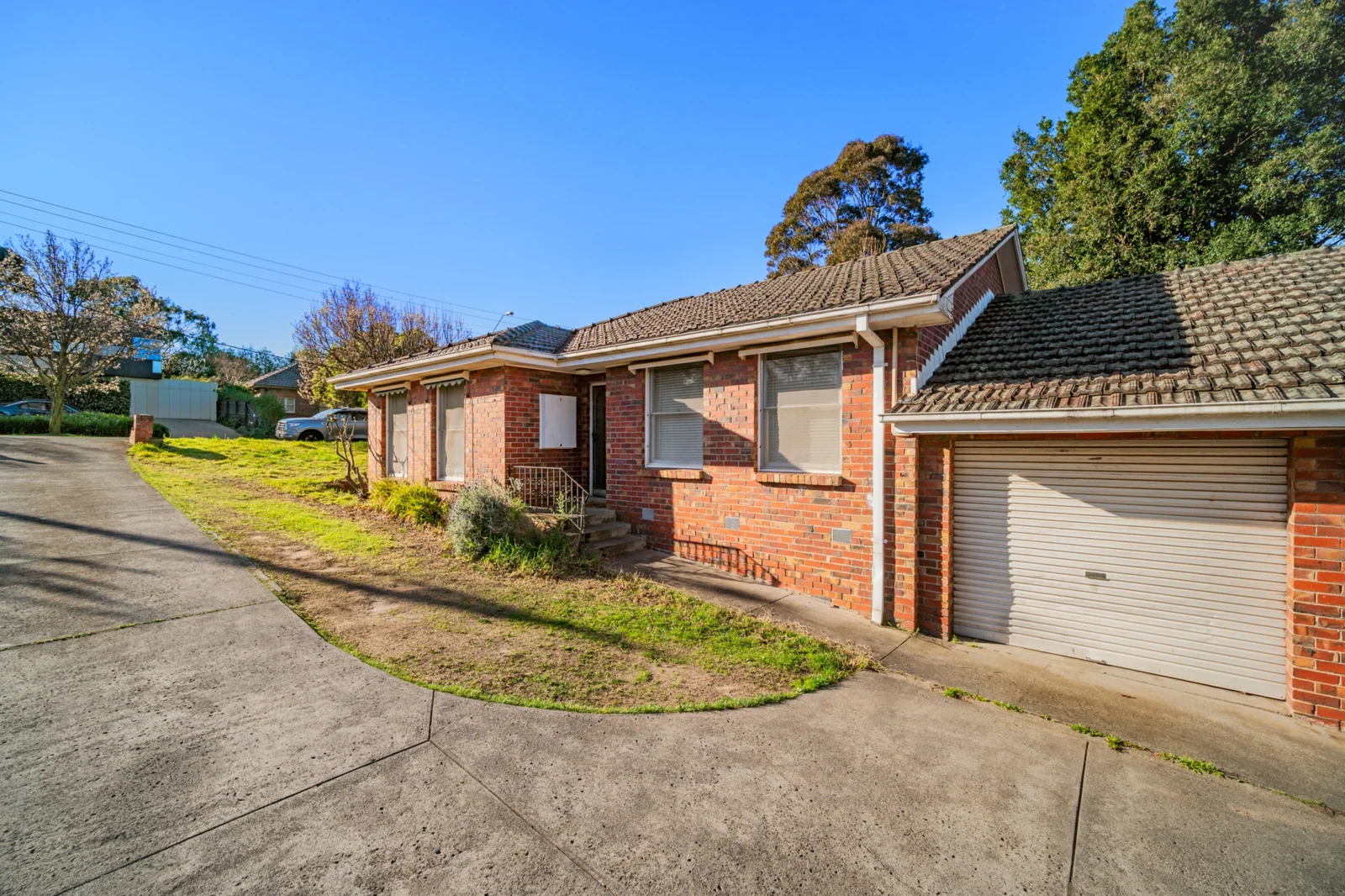 $580
Apartment / Unit / Flat
$580
Apartment / Unit / Flat
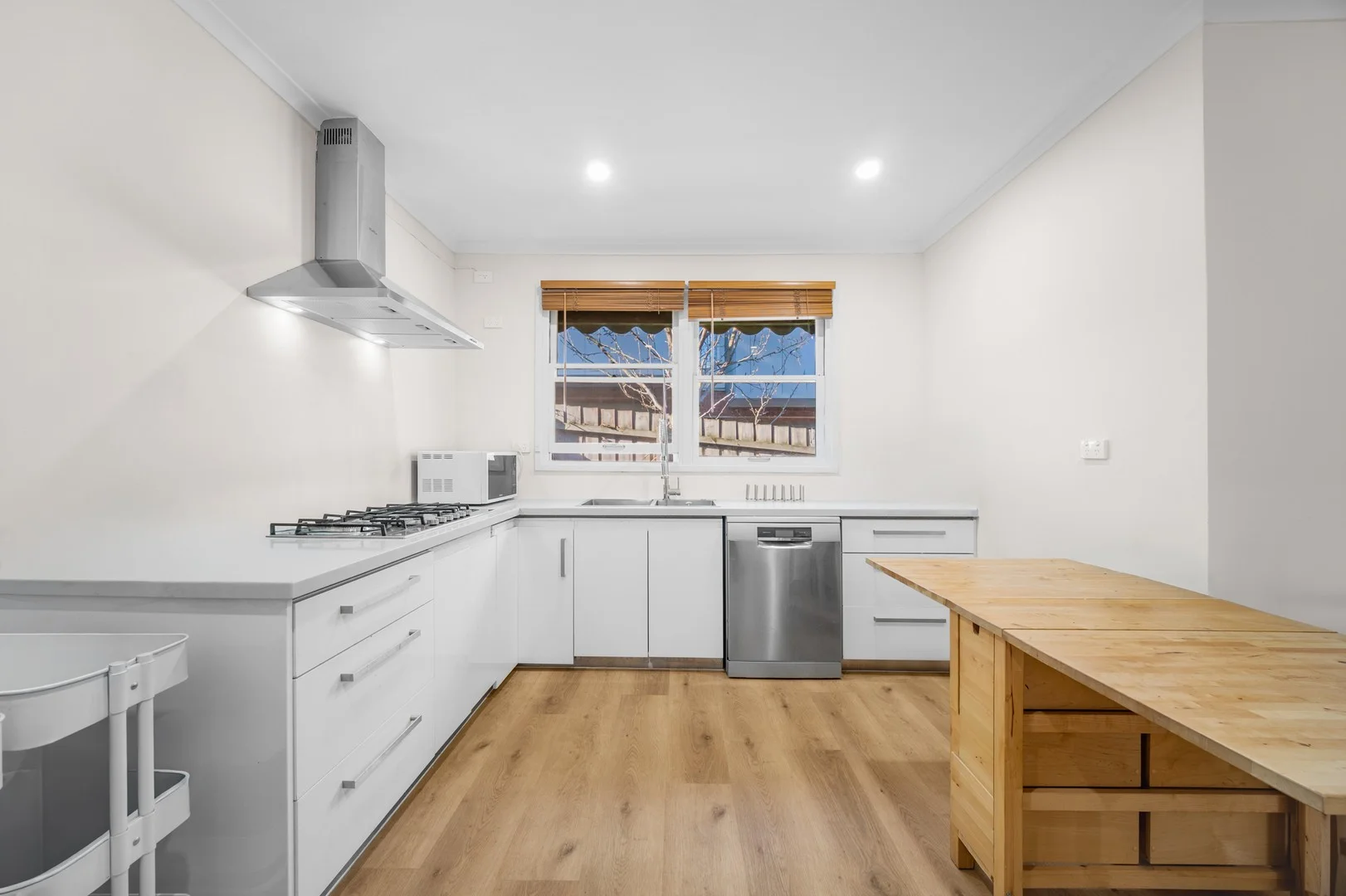 $680
Apartment / Unit / Flat
$680
Apartment / Unit / Flat
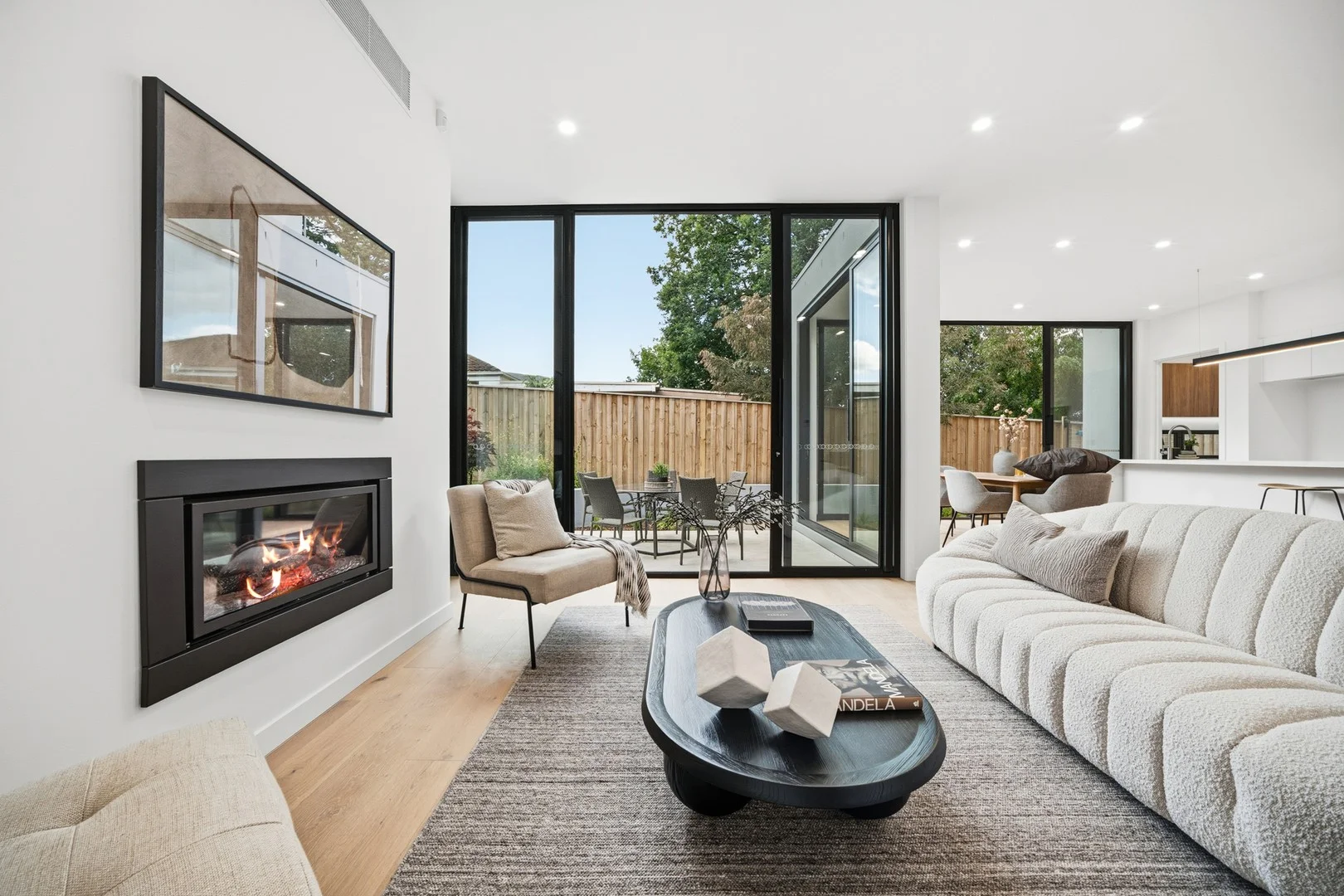 $1,750,000
Townhouse
$1,750,000
Townhouse
 $1,600,000 - $1,750,000
House
$1,600,000 - $1,750,000
House
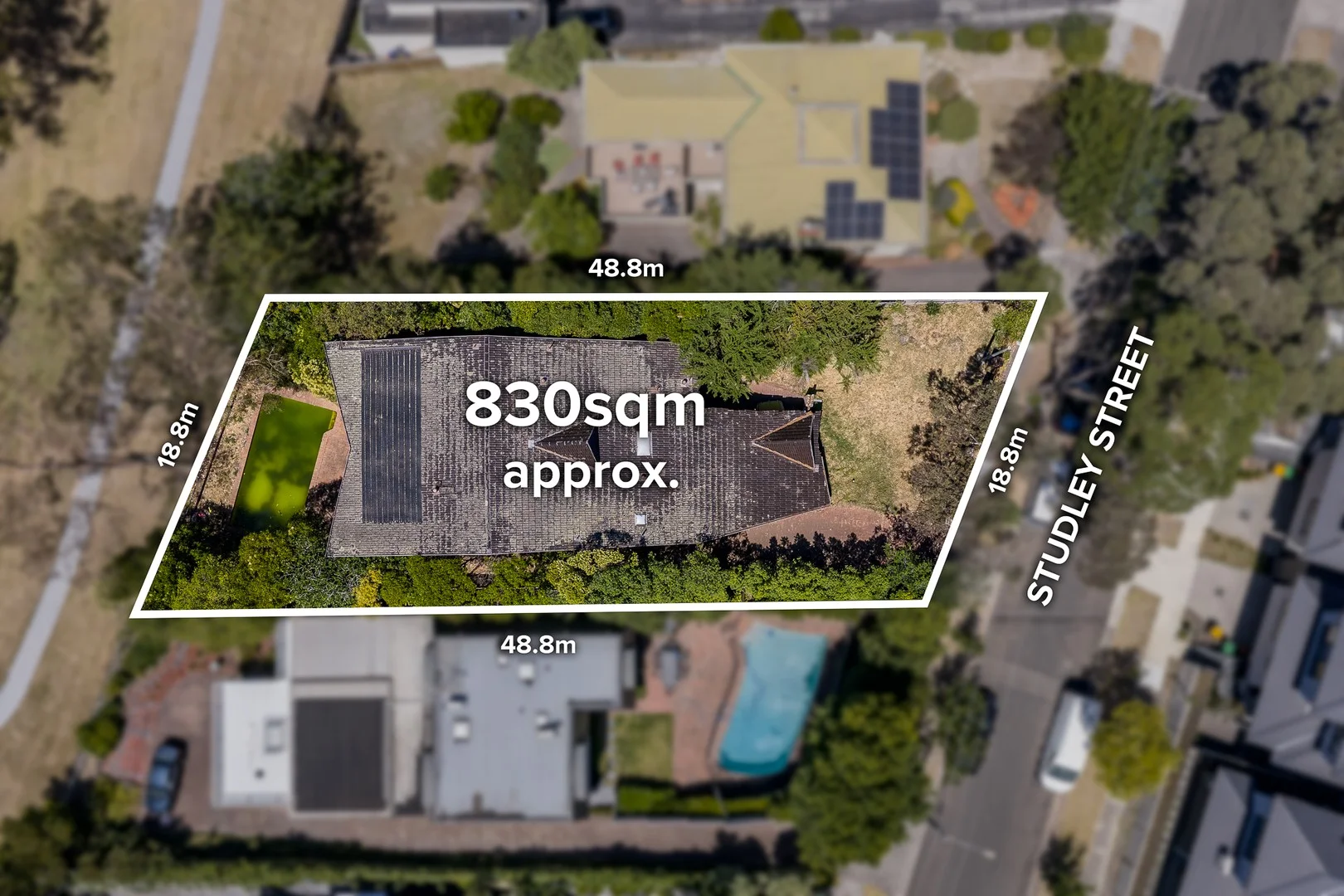 $1,400,000 - $1,500,000
House
$1,400,000 - $1,500,000
House
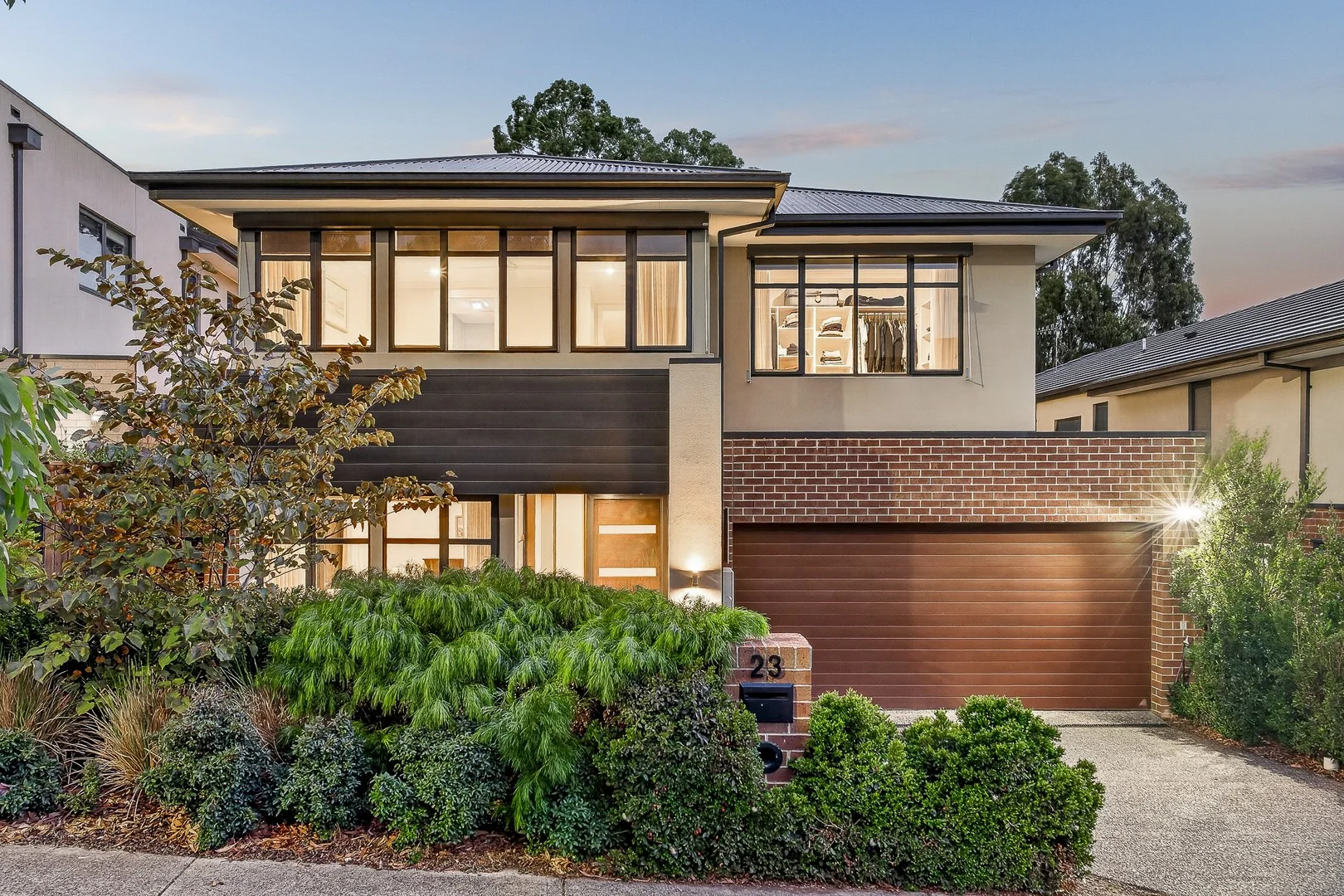 $1,780,000 - $1,880,000
House
$1,780,000 - $1,880,000
House
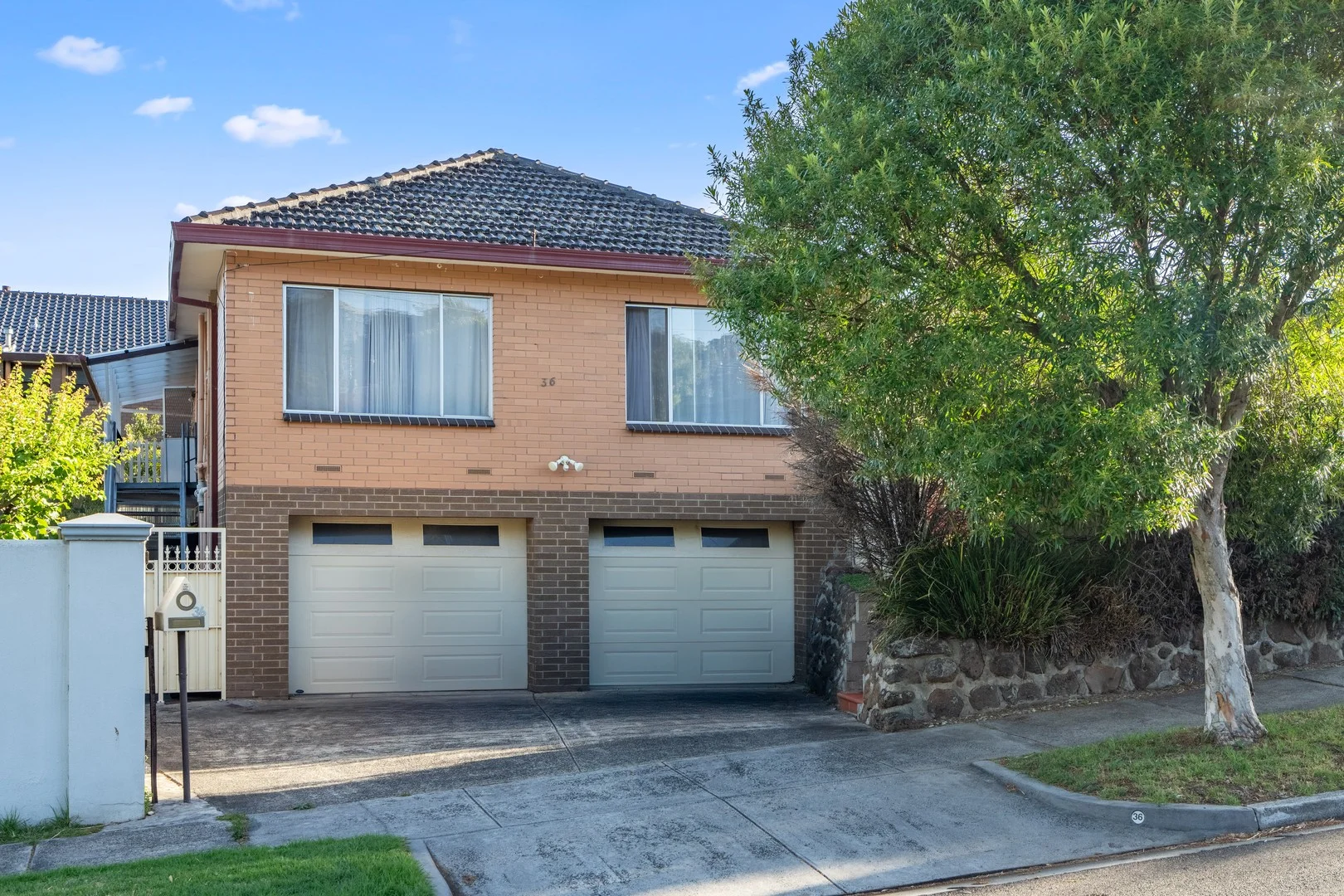 $140
Studio
$140
Studio
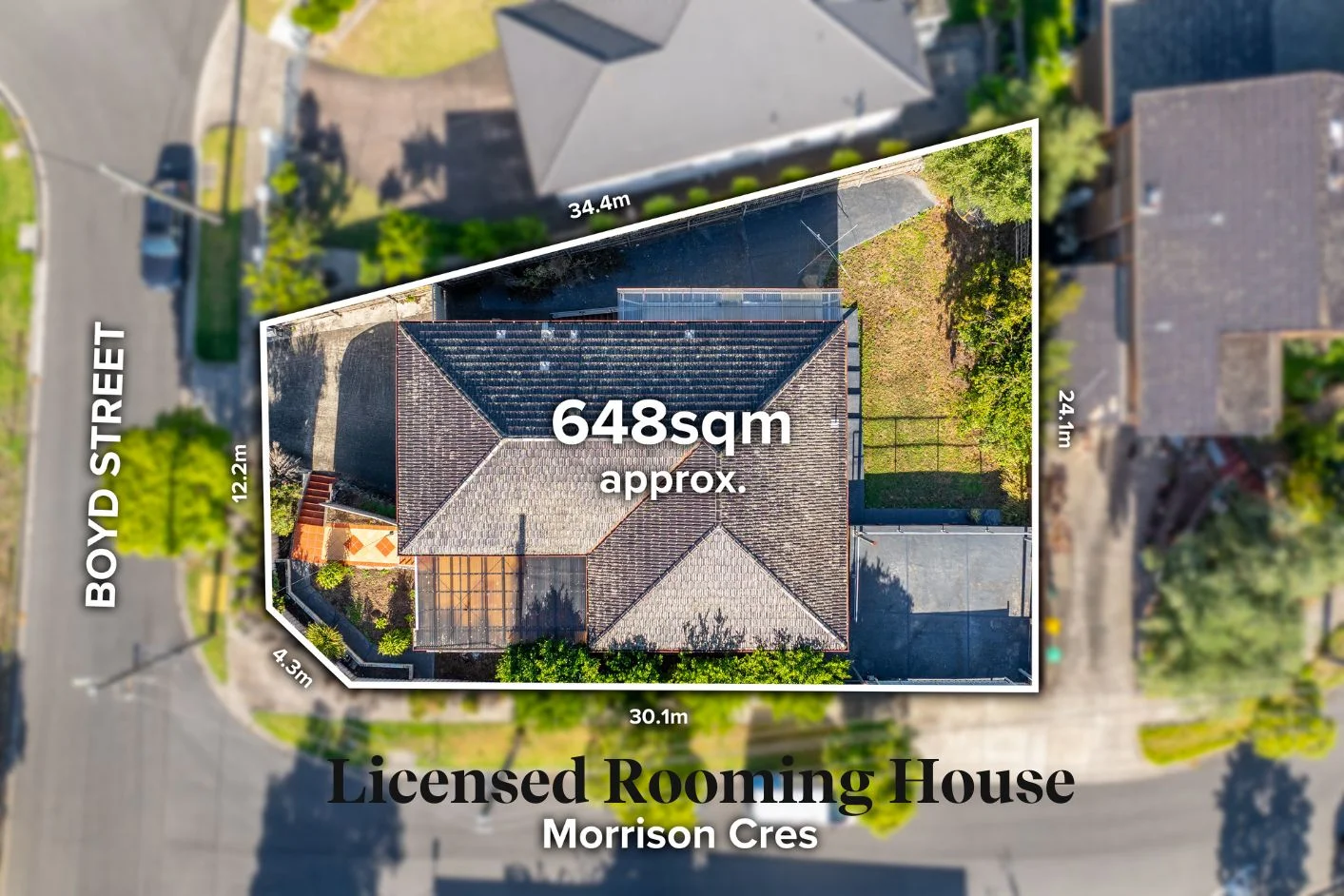 $1,780,000
House
$1,780,000
House