Overview
## 1. Overview
St Bede's Balwyn North is a Catholic primary school that fosters a faith-based, values-driven education in a supportive community. The school aims to nurture curious, caring, and confident learners within a medium-sized environment where every child is known and valued.
The atmosphere is warm and inclusive, with class sizes typically in the low-to-mid range for primary schools. Students experience a balanced program that combines strong academic focus with pastoral care and opportunities to participate in a wide range of activities beyond the classroom.
---
## 2. Academics & Learning
- Academic strengths: The school emphasises strong literacy and numeracy foundations, with a focus on developing critical thinking and communication skills. There are opportunities to engage with STEM activities, creative arts, and language study as part of a well-rounded curriculum.
- Special programs: Religious education and faith formation are integrated into daily life. There are opportunities for leadership development, elective extensions, and skill-building activities to stretch capable students.
- NAPLAN / trends: Over recent years, the school has shown steady progress in reading and numeracy, with results typically aligning with state averages and demonstrating year-to-year improvements rather than isolated peaks.
- Student-teacher ratios: Class sizes are designed to be conducive to learning with attentive teacher support; typical ratios sit in the low-to-mid range for primary schools, enabling meaningful teacher-student interaction.
- Support for diverse learners: The school provides learning support for diverse learners, including targeted interventions, EAL/D assistance, and SEN considerations to help all students access the curriculum and participate fully.
---
## 3. Sports & Extracurricular Strengths
- Sports offered: A range of team and individual sports are available, including basketball, netball, cricket, football/soccer, and swimming programs, with opportunities to compete in interschool events.
- Strong teams or achievements: The school participates in local and district-level competitions, celebrating teamwork, sportsmanship, and achievement across seasons.
- Music, arts, drama programs: A vibrant music program includes choir and instrumental lessons, with opportunities to participate in ensembles and school productions. Drama and arts activities are encouraged as part of a well-rounded education.
- Clubs: Robotics, chess, coding clubs, debating, and other inquiry-based activities support practical problem-solving and critical thinking.
- Partnerships: The school often engages with local community and sporting groups for pathways, competitions, and enrichment experiences that extend learning beyond the classroom.
---
## 4. Wellbeing & Pastoral Care
- Anti-bullying approach: A proactive, school-wide anti-bullying policy supports a respectful culture, with clear expectations, classroom programs, and restorative approaches when issues arise.
- House system: A house framework runs through pastoral and co-curricular life, promoting belonging, friendly competition, teamwork, and leadership opportunities.
- Counsellors / wellbeing officers: Access to wellbeing staff supports students’ emotional and social development, with a focus on resilience, collaboration, and healthy friendships.
- Transition support for new students: Orientation activities, buddy programs, and targeted transition support help new students settle into school life smoothly.
---
## 5. Facilities
- Sports grounds: Adequate outdoor spaces for physical activities and games.
- Libraries: A well-stocked library supports reading for pleasure and research across year levels.
- Science labs: Dedicated science spaces that enable hands-on investigations.
- Music/performing arts centers: Facilities for music tuition, rehearsals, and performances.
- Tech/innovation labs: Modern spaces for digital learning, coding, and technology-enabled projects.
- Cafeteria: On-site canteen or meal provisions supporting healthy eating options.
- Updated playgrounds: Safe, well-maintained play areas for downtime and active play.
---
## 6. School Values & Community Culture
- School values / mission: ACatholic ethos underpins the school’s mission, emphasising faith, service, respect, compassion, and integrity.
- Leadership style: A collaborative leadership approach supports student voice, teacher collaboration, and family involvement.
- Behaviour expectations: Clear expectations around respect, responsibility, and resilience guide student behaviour and school interactions.
- Community reputation: The school is recognised for its welcoming community, active parent involvement, and commitment to inclusive education.
- Diversity & inclusion: The school values diversity and works to ensure all students feel included and supported.
---
## 7. School Logistics & Daily Operations
- School hours: Typical start and end times align with primary school norms, with a structured daily timetable.
- Before/after school care: Availability of after-care or wrap-around services through on-site or partner providers.
- Uniform requirements: Prescribed school uniform, with seasonal adjustments, and guidelines for footwear, hats, and accessories.
- Transport (train/bus routes): Local bus options and proximity to public transport are considered for ease of access and commuting.
- Canteen availability: An on-site or approved canteen/pantry offering healthy meal options and snacks.
- Fees (low/medium/high ranges): Fees are in the moderate range for regional Catholic primary schools, with typical additional costs for uniforms, excursions, and activities.
---
## 8. Enrolment & Admissions
- 11. What is the enrolment process and timeline?
- Applications are submitted through the school's enrolment process, with key dates for open enrolment periods, information sessions, and deadlines for applying to the intake year. Families are notified of decisions within the established timeline.
- 12. Is there a waiting list, and how does it work?
- Yes, there is a waiting list. Allocation follows the school’s enrolment policy, with priorities such as local catchment, siblings, and Catholic family eligibility, and space availability in the year level.
- 13. Are there any entry requirements, tests, or interviews?
- Entry typically involves a formal application and documentation. There may be a brief interview or meeting with the family and child as part of the process, but there is generally no standalone examination.
- 14. Does the school accept mid-year transfers?
- Mid-year transfers may be possible subject to space and alignment with the student’s needs and the school’s capacity, with a transfer process coordinated by the enroment team.
---
## 9. Frequently Asked Questions
- Why Parents Choose This School?
- A welcoming Catholic community, strong values, solid academics, supportive pastoral care, and engagement in a range of extracurriculars.
- What type of student thrives at this school?
- Students who value faith-based education, positive relationships, active participation in learning, and opportunities to contribute to the school community.
- What opportunities are available for students to extend their skills (academics, sports, arts)?
- Extensions in literacy and numeracy, leadership roles, sports teams, music ensembles, drama performances, robotics, coding clubs, and debating.
- How does the school communicate with parents?
- Regular newsletters, parent portals, notices, emails, and scheduled parent-teacher conferences keep families informed about progress and events.
- What is the school’s approach to teaching and learning?
- Student-centered learning with differentiation, hands-on activities, inquiry-based tasks, and integration of faith and values into daily learning.
- How does the school support students who need extra academic help?
- Targeted interventions, small-group support, EAL/D assistance, and SEN planning to help students access the curriculum.
- What support is available for academic challenges?
- Access to teachers and support staff for tailored strategies, monitoring progress, and adjusting learning plans as needed.
- How does the school communicate with parents? (reiterated)
- See above: newsletters, portals, emails, and conferences.
- What are the class sizes and how much individual attention do students receive?
- Class sizes are designed to be manageable, with opportunities for individual or small-group instruction and teacher-led support.
- What extracurricular and sports opportunities are available?
- A range of sports (team and individual), music programs, drama, and clubs such as robotics, chess, coding, and debating.
- What facilities does the school offer (sports, science, arts)?
- Sports grounds, library, science labs, music/performing arts spaces, tech/innovation labs, canteen, and well-maintained playgrounds.
- What is the school’s approach to technology and digital learning?
- Integrated digital learning with access to devices, coding, digital projects, and responsible use education.
- What transport and accessibility options are available?
- Local transport options, proximity to bus routes, and supportive arrangements for drop-off/pick-up.
- What are the typical school fees or additional costs?
- Fees follow the standard range for Catholic primary schools in the area, with additional costs for uniforms, excursions, and activities.
---
## 10. Short Pros & Cons list
- Pros
- Strong Catholic values and pastoral care in a close-knit community
- Balanced focus on academics, faith formation, and wellbeing
- Moderate class sizes enabling individualized attention
- Broad range of extracurriculars and performing arts
- Support for diverse learners and a structured transition program
- Cons
- As with many Catholic schools, enrolment may be subject to catchment and religious considerations
- Uniforms and associated costs can be a recurring expense
- Availability of mid-year transfers depends on space and policy
- Some specialized programs may have limited capacity or require competitive entry for certain extensions
Note: This overview is designed to help families understand the school’s typical strengths and offerings. For precise details, timelines, and current programs, please contact the school directly.








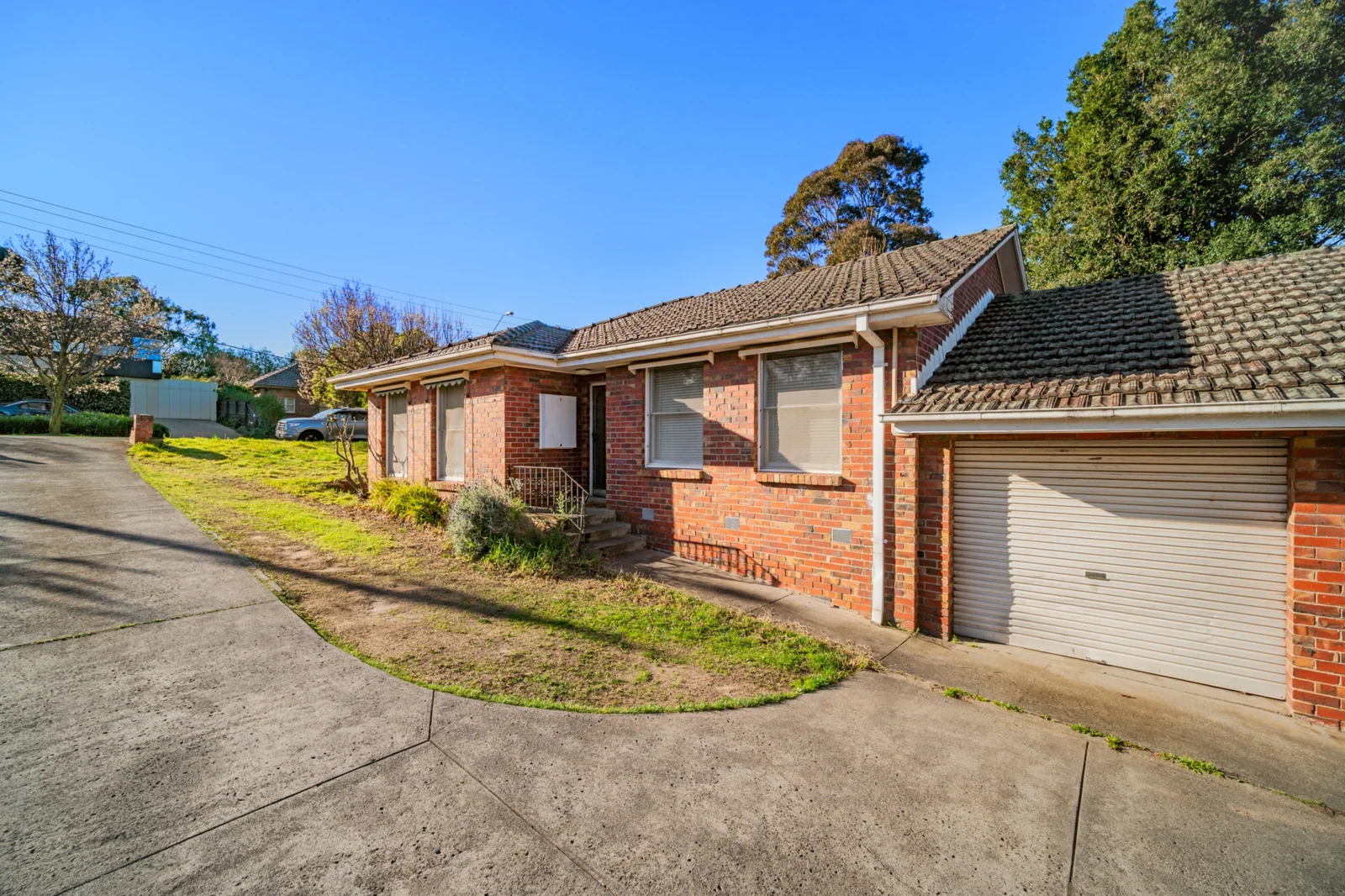
 $1,250,000
Apartment / Unit / Flat
$1,250,000
Apartment / Unit / Flat
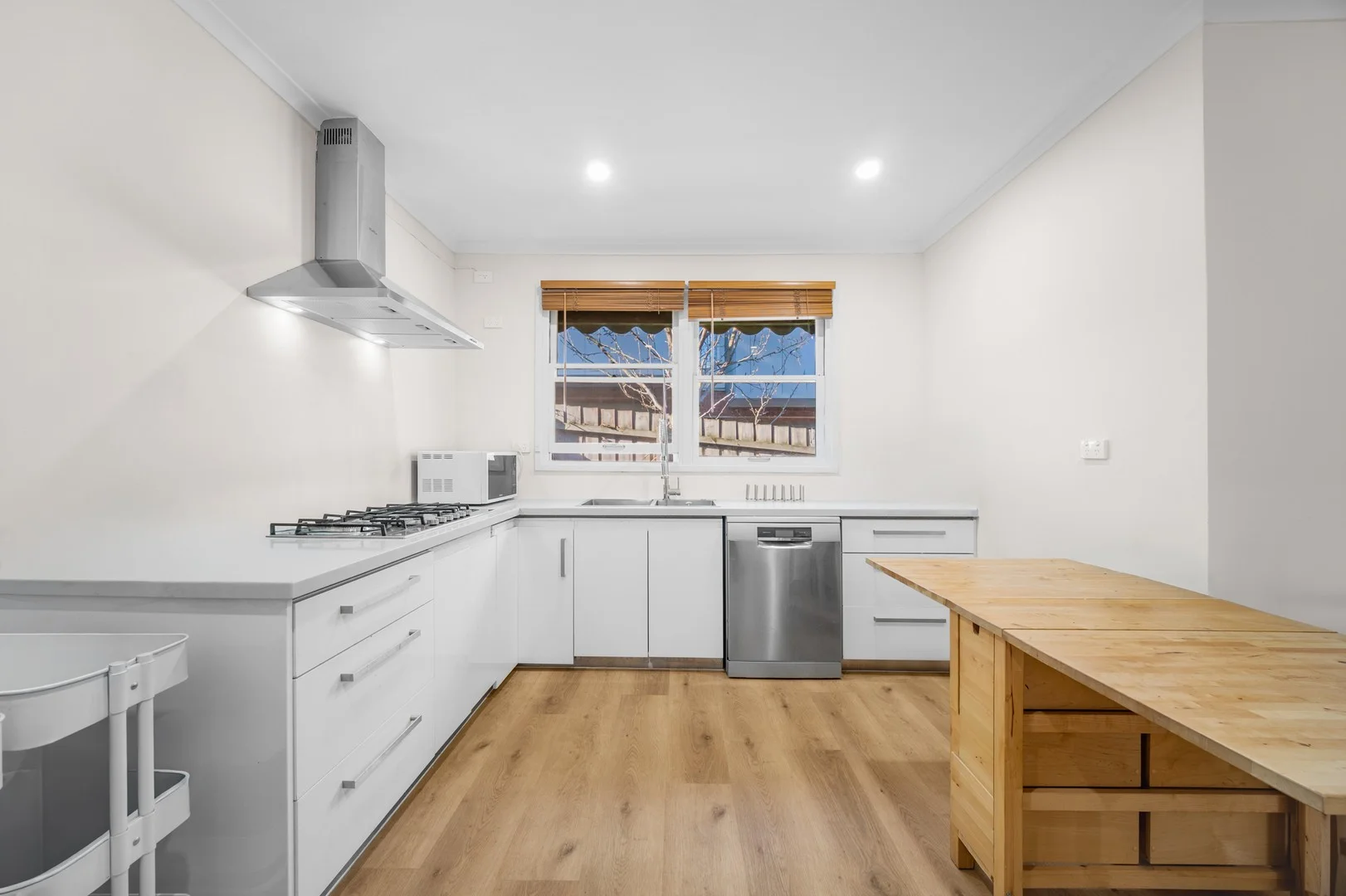
 $580
Apartment / Unit / Flat
$580
Apartment / Unit / Flat
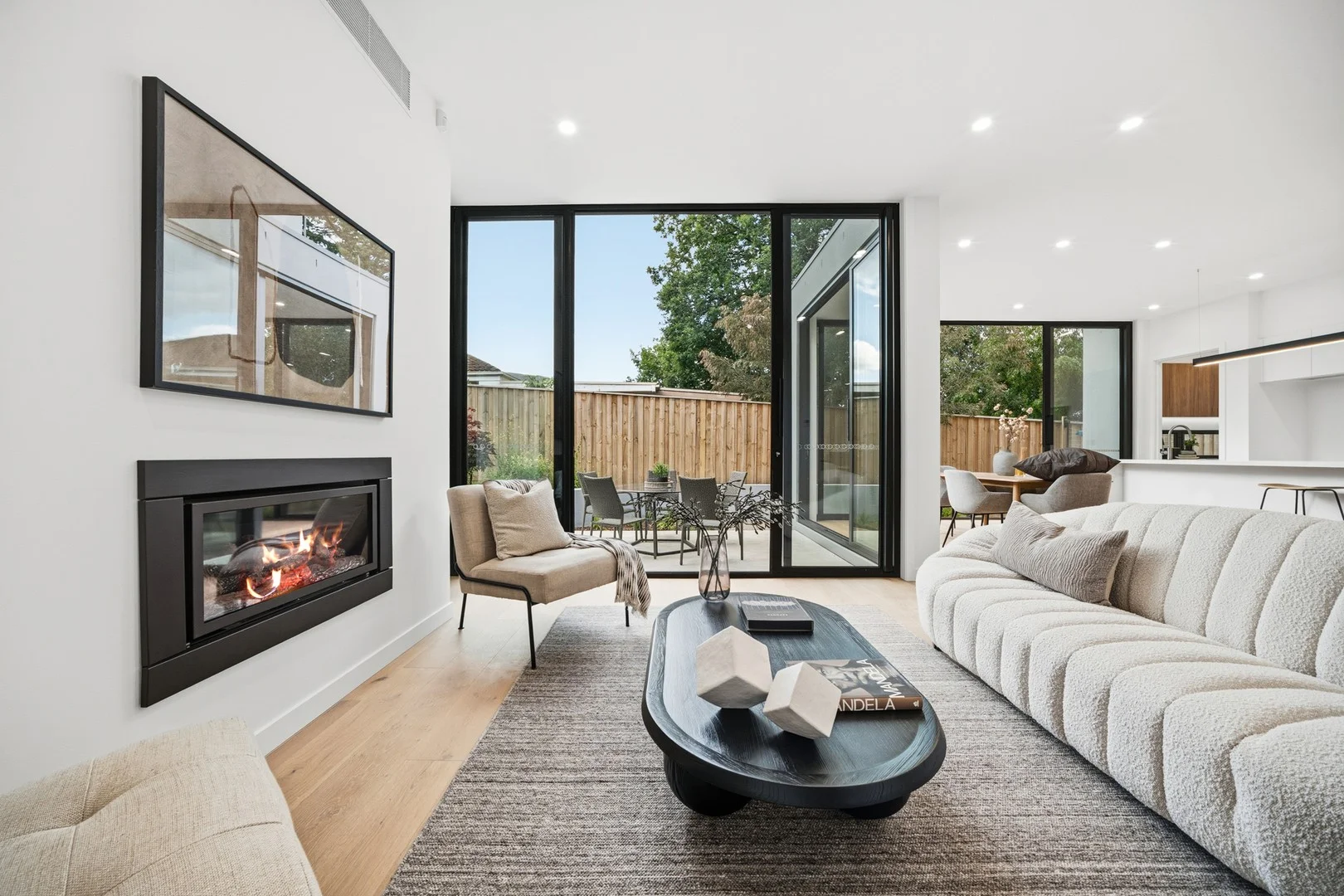
 $680
Apartment / Unit / Flat
$680
Apartment / Unit / Flat
 $1,750,000
Townhouse
$1,750,000
Townhouse
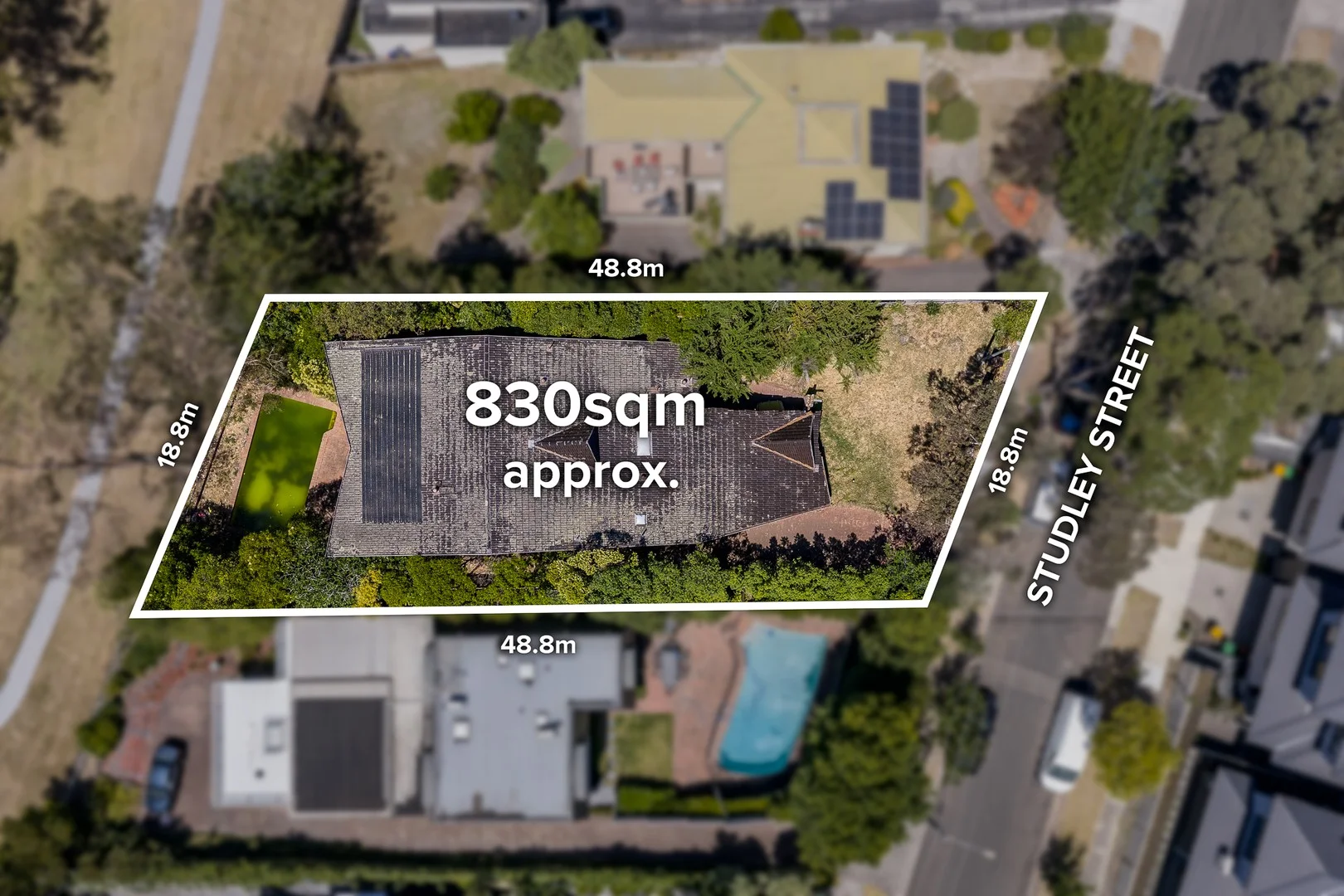
 $1,600,000 - $1,750,000
House
$1,600,000 - $1,750,000
House
 $1,400,000 - $1,500,000
House
$1,400,000 - $1,500,000
House
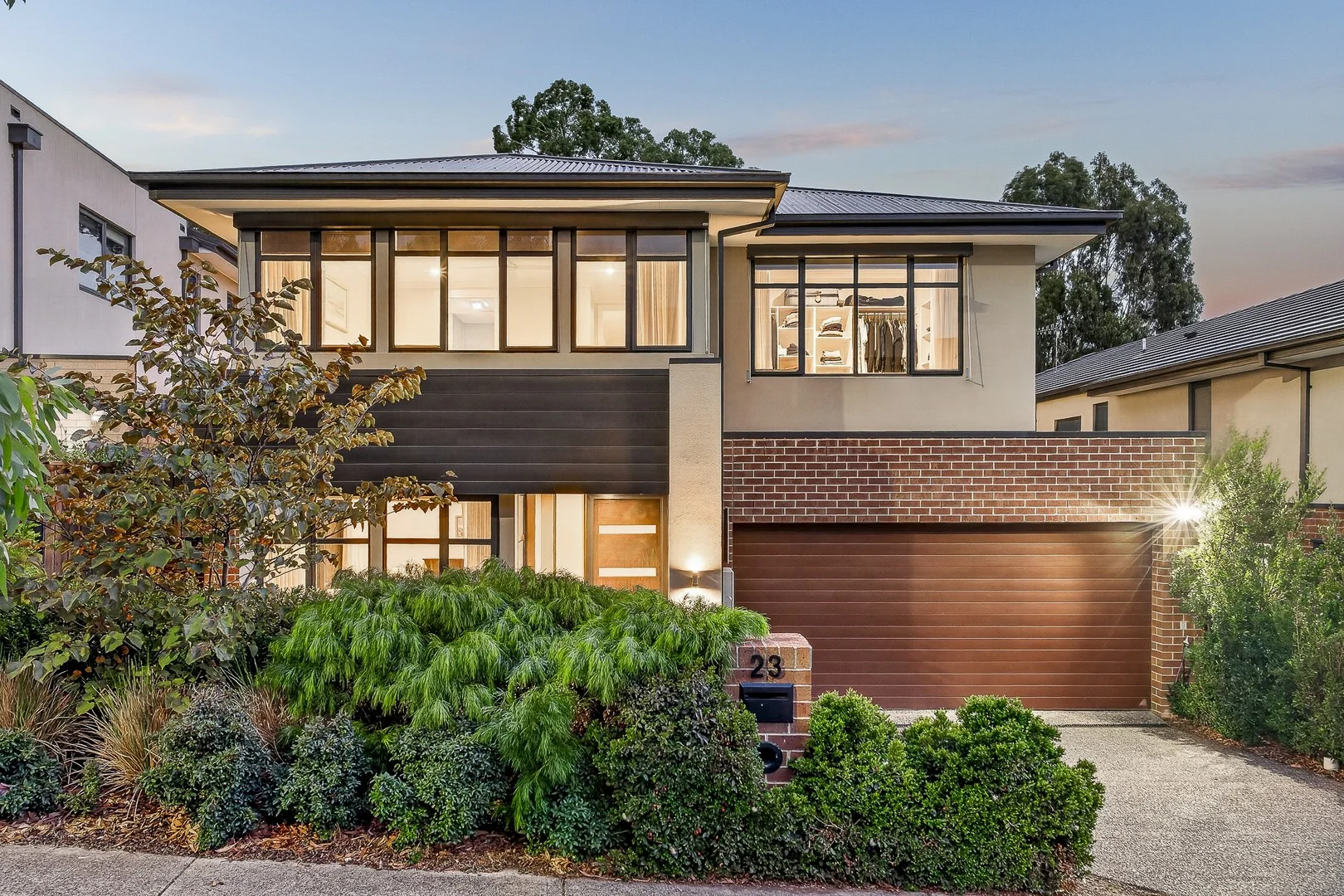 $1,780,000 - $1,880,000
House
$1,780,000 - $1,880,000
House
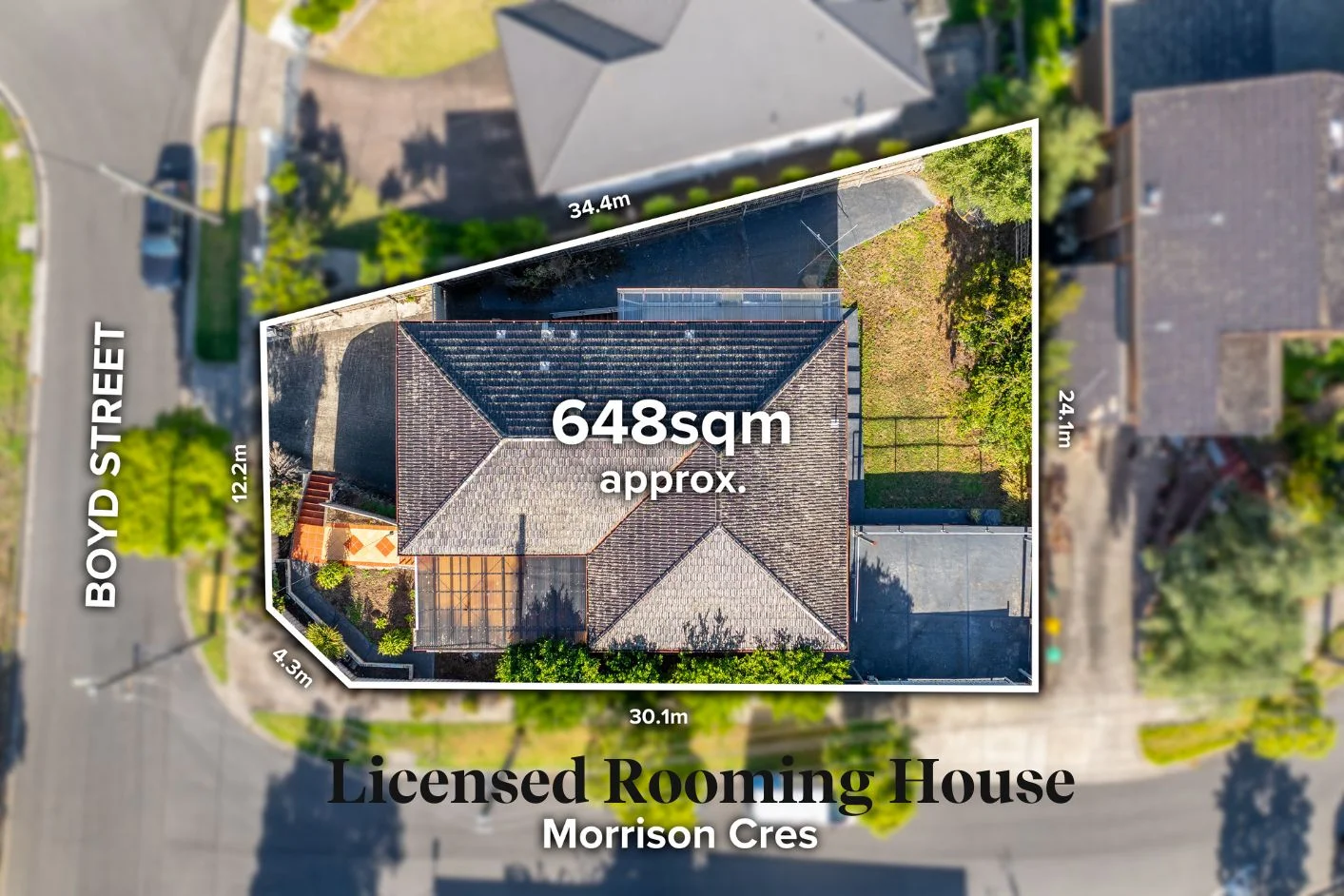 $1,780,000
House
$1,780,000
House
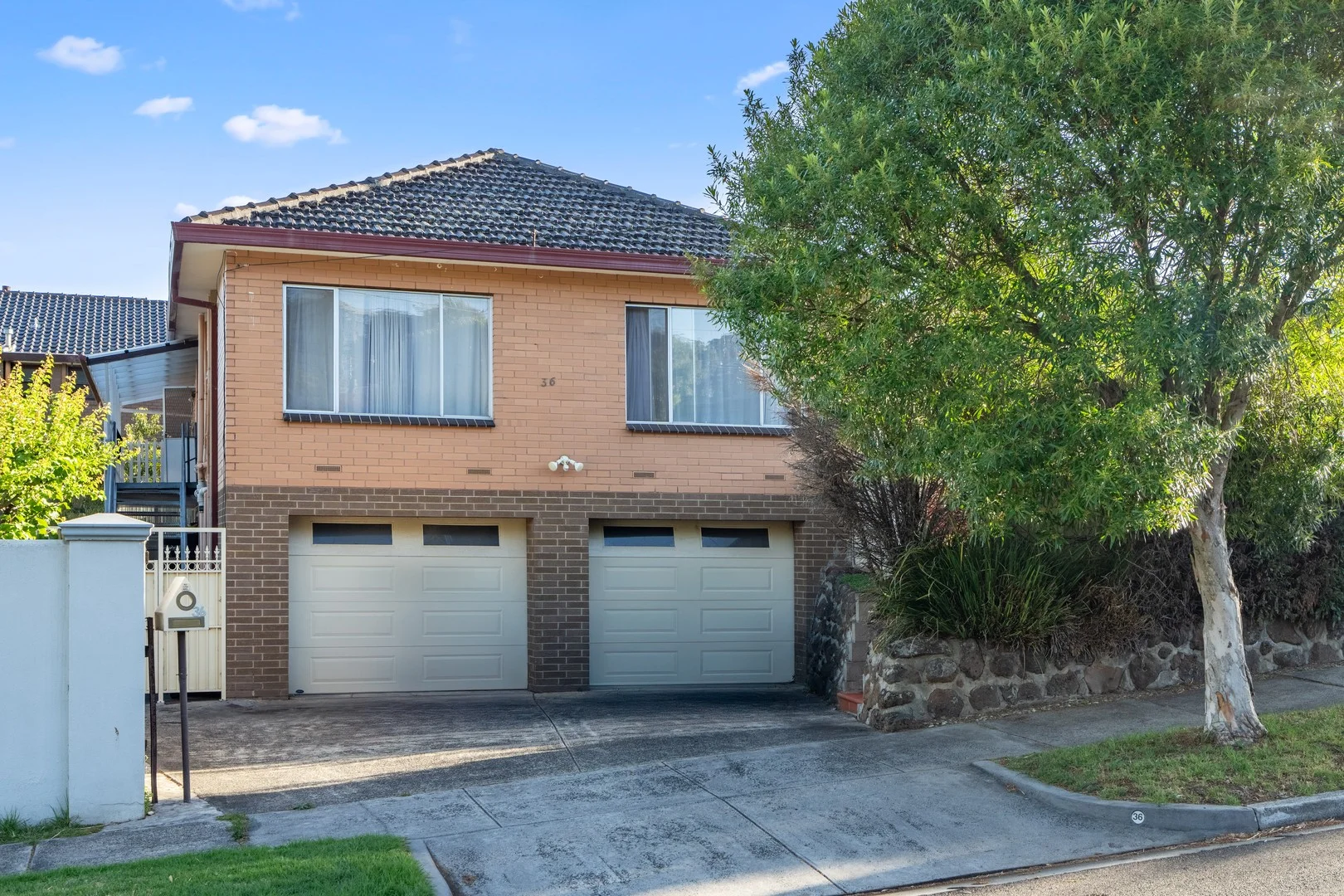 $140
Studio
$140
Studio