## 1. Overview
Kew High School is a public (government) co-educational secondary school serving students in years 7–12. As a mid-to-large sized school, it offers a broad range of academic and pastoral supports designed to meet diverse learner needs and interests. Class sizes are typically in the low-to-mid 20s, enabling more targeted teaching while still fostering a dynamic, collaborative classroom environment. The atmosphere is generally inclusive and academically oriented, with a strong emphasis on student wellbeing, community involvement, and active participation in sport, arts, and leadership activities.
The school fosters an environment that is welcoming to students from a range of backgrounds. It emphasises high expectations and supportive relationships, aiming to balance rigorous learning with opportunities for creative expression and personal growth. Overall, the culture is nurturing, diverse, and focused on developing capable, responsible young people who contribute positively to their communities.
## 2. Academics & Learning
- Academic strengths: English and literacy, mathematics, science, and languages (with programs in Australian and global perspectives). The school also supports student leadership development and college-wide learning initiatives that promote critical thinking and collaboration.
- Special programs: VCE pathways, opportunities for enriched learning and advanced coursework, and access to vocational education and training (VET) options. Gifted and Talented programs and extension activities may be available to eligible students.
- NAPLAN / trends: The school has pursued steady improvement in NAPLAN literacy and numeracy outcomes over recent years, with ongoing emphasis on individual student growth and targeted support where needed.
- Student-teacher ratios: Generally favourable, with teacher-to-student ratios around the mid-teens (approximate 1:13–1:16 in many classes), enabling meaningful teacher support and feedback.
- Support for diverse learners: EAL support and inclusive education programs, with access to learning support staff and personalized learning plans to assist students with additional learning needs.
## 3. Sports & Extracurricular Strengths
- Sports offered: A broad program including basketball, soccer, netball, cricket, athletics, swimming, tennis, and other team and individual sports across the year.
- Strong teams or achievements: Competitive inter-school teams and ongoing participation in regional events; school houses help foster participation and healthy competition.
- Music, arts, drama programs: Active music ensembles, choirs, and drama productions; opportunities in performing arts and related creative activities.
- Clubs: Robotics, chess, coding, debating, and other academic or interest-based clubs to support curious and engaged students.
- Partnerships: Local club partnerships and participation in regional competitions help extend opportunities beyond the classroom.
## 4. Wellbeing & Pastoral Care
- Anti-bullying approach: Clear anti-bullying policies and programs, a culture of respect, and student-led initiatives to promote inclusion and safety.
- House system: A house-based pastoral structure to support connection, mentoring, and wellbeing across year levels.
- Counselors / wellbeing officers: Qualified counselors and wellbeing staff available to support students with social, emotional, and academic needs.
- Transition support for new students: Orientation programs, buddy systems, and structured transition support to help new students settle in smoothly.
## 5. Facilities
- Sports grounds: On-site spaces for outdoor sport and activity.
- Libraries: Central library and learning resources to support study and research.
- Science labs: Modern science facilities to support hands-on experimentation.
- Music/performing arts centers: Dedicated spaces for music ensembles, drama, and performance activities.
- Tech/innovation labs: Contemporary learning spaces for technology and design-related work.
- Cafeteria: On-site dining facilities to support everyday meals and social time.
- Updated playgrounds: Well-maintained outdoor areas for recreation and break times.
## 6. School Values & Community Culture
- Values / mission: A focus on respect, excellence, inclusion, integrity, and community responsibility to guide student growth and conduct.
- Leadership style: Distributed leadership with student voice opportunities, peer leadership, and teacher mentoring to support proactive learning.
- Behaviour expectations: Clear codes of conduct and consistent expectations across all year levels to foster a safe and respectful environment.
- Community reputation: Positive reputation within the local community for academic effort, wellbeing support, and active student involvement.
- Diversity & inclusion: Welcomes students from diverse backgrounds and prioritises inclusive practices and opportunities for all learners.
## 7. School Logistics & Daily Operations
- School hours: Typical school day runs within standard Victorian schedules, with start and finish times aligned to the state calendar (check the exact times on the current school calendar).
- Before/after school care: Some supervision or activity options before and after school, with arrangements often coordinated with local providers or school programs.
- Uniform requirements: School uniform policy in place, with specified attire for everyday wear and sport.
- Transport: Accessible by public transport; details on bus and tram/train routes are available through local transport authorities.
- Canteen availability: On-site canteen or lunch facilities offering daily meal and snack options.
- Fees: Government secondary schools generally have modest fees for materials and activities; some optional or extra costs for specific programs or activities may apply.
## 8. Enrolment & Admissions
11. What is the enrolment process and timeline?
- Apply through the school’s enrolment process (and the state education department guidelines). You’ll typically submit documentation (birth certificate, immunisation, proofs of residency, etc.), with timelines that align to annual intake cycles. Offers are usually communicated according to the school’s intake timetable and any zone considerations.
12. Is there a waiting list, and how does it work?
- For out-of-area applications or when demand exceeds places, some form of allocation process or ballot may apply. In-area (neighbourhood) places are prioritized, and waiting lists may be maintained for late applications or overflow.
13. Are there any entry requirements, tests, or interviews?
- Most enrolments do not require entrance exams. In some cases, interviews or information sessions may occur for out-of-area applicants or for special programs, but there is no general entry test for standard enrolment.
14. Does the school accept mid-year transfers?
- Mid-year transfers are possible if a place is available and the transfer follows the state process and school procedures. Applicants should liaise with the school administration promptly to arrange enrolment and onboarding.
## 9. Frequently Asked Questions
- Why Parents Choose This School?
- A balance of solid academics, supportive wellbeing programs, diverse extracurricular options, and strong community ties.
- What type of student thrives at this school?
- Students who are motivated to learn, participate in activities across academics, sport, arts, and community life, and value supportive relationships with staff and peers.
- What opportunities are available for students to extend their skills (academics, sports, arts)?
- Access to advanced coursework, VCE pathways, gifted and talented enrichment, sports teams, performing arts programs, and various clubs ( robotics, coding, debating, etc.).
- How does the school communicate with parents?
- Regular updates through newsletters, a student management system, parent information sessions, and direct communication from teachers and wellbeing staff. (Check the school’s official channels for specifics.)
- What is the school’s approach to teaching and learning?
- A combination of rigorous academic programs, targeted student support, and opportunities for collaboration, problem-solving, and independent learning.
- How does the school support students who need extra academic help?
- Dedicated learning support, EAL assistance, targeted intervention programs, and individual learning plans as needed.
- What support is available for academic challenges?
- Access to teachers, learning support staff, tutoring or catch-up sessions, and interventions designed to address literacy and numeracy needs.
- How does the school communicate with parents? (Repeated)
- See above; ongoing channels include meetings, digital platforms, and formal reports.
- What are the class sizes and how much individual attention do students receive?
- Class sizes typically in the low-to-mid 20s, with teacher support and opportunities for individual feedback and small-group instruction.
- What extracurricular and sports opportunities are available?
- A wide range of sports, performing arts, music, robotics, coding, chess, debating, and other clubs to suit diverse interests.
- What facilities does the school offer (sports, science, arts)?
- Sports grounds, libraries, science labs, music/performing arts facilities, tech/innovation labs, a canteen, and updated outdoor spaces.
- What is the school’s approach to technology and digital learning?
- Integration of technology across learning, with digital resources, online collaboration tools, and access to appropriate devices and software as part of the curriculum.
- What transport and accessibility options are available?
- Public transport options (bus, tram/train connections) and accessible routes; check local transport authorities for the latest routes and schedules.
- What are the typical school fees or additional costs?
- Basic fees for materials and activities; optional or additional costs for specific programs, camps, or activities may apply.
## 10. Short Pros & Cons list
- Pros
- Public school with broad academic and extracurricular offerings
- Strong wellbeing and pastoral care framework
- Inclusive, diverse, and respectful school culture
- Solid facilities for science, arts, and technology
- Positive opportunities for student leadership and community involvement
- Cons
- Large school environment may feel busy to some students
- Out-of-area applicants may face a competitive admissions process
- Some programs or activities may require additional fees or voluntary contributions
- Transport times and routes depend on local public transport services
If you’d like, I can tailor these sections with more precise details once you provide or confirm specific data from the school (enrolment numbers, exact class sizes, current program names, or any recent facility upgrades).
 Free
Free








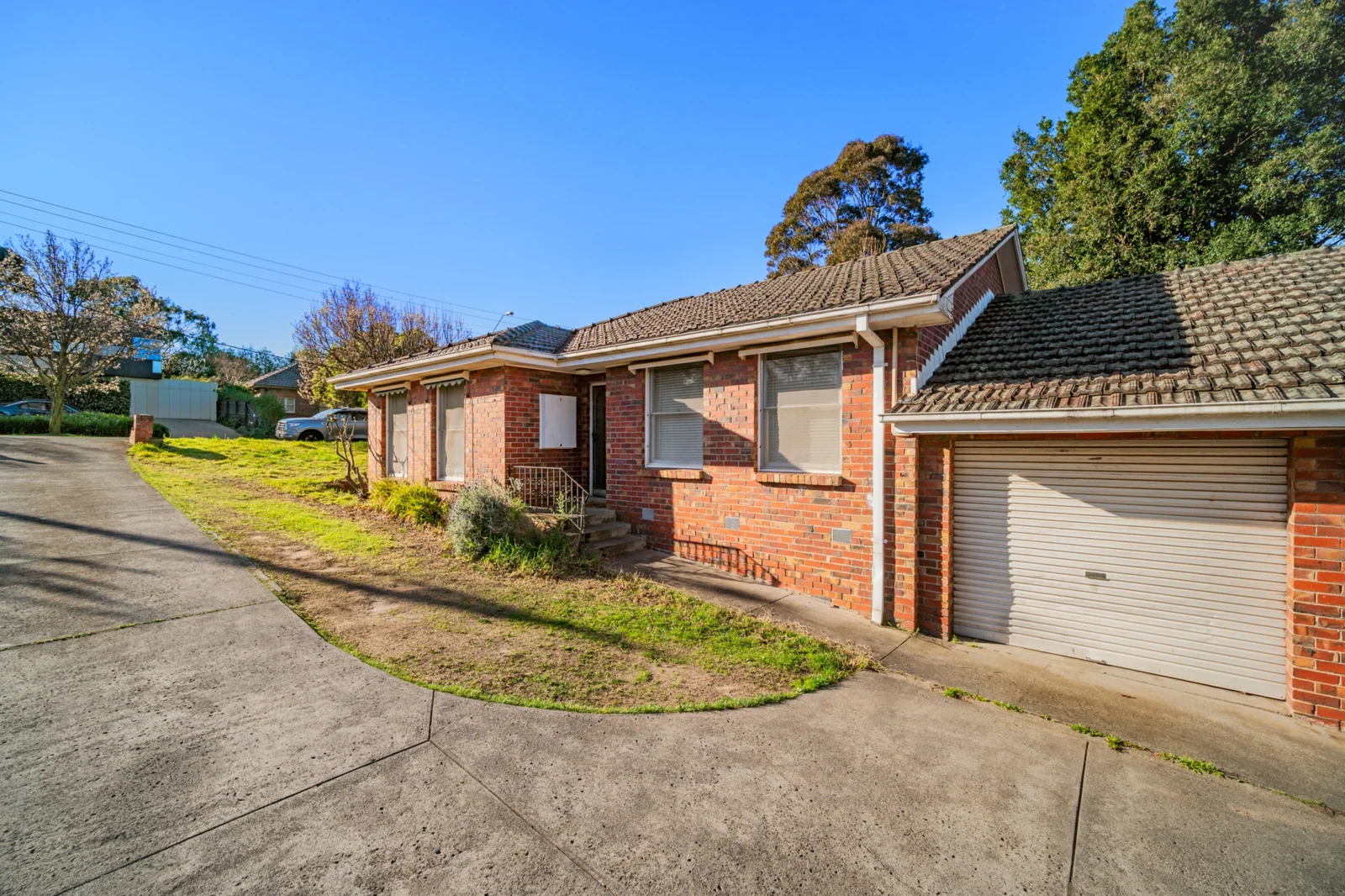
 $1,250,000
Apartment / Unit / Flat
$1,250,000
Apartment / Unit / Flat
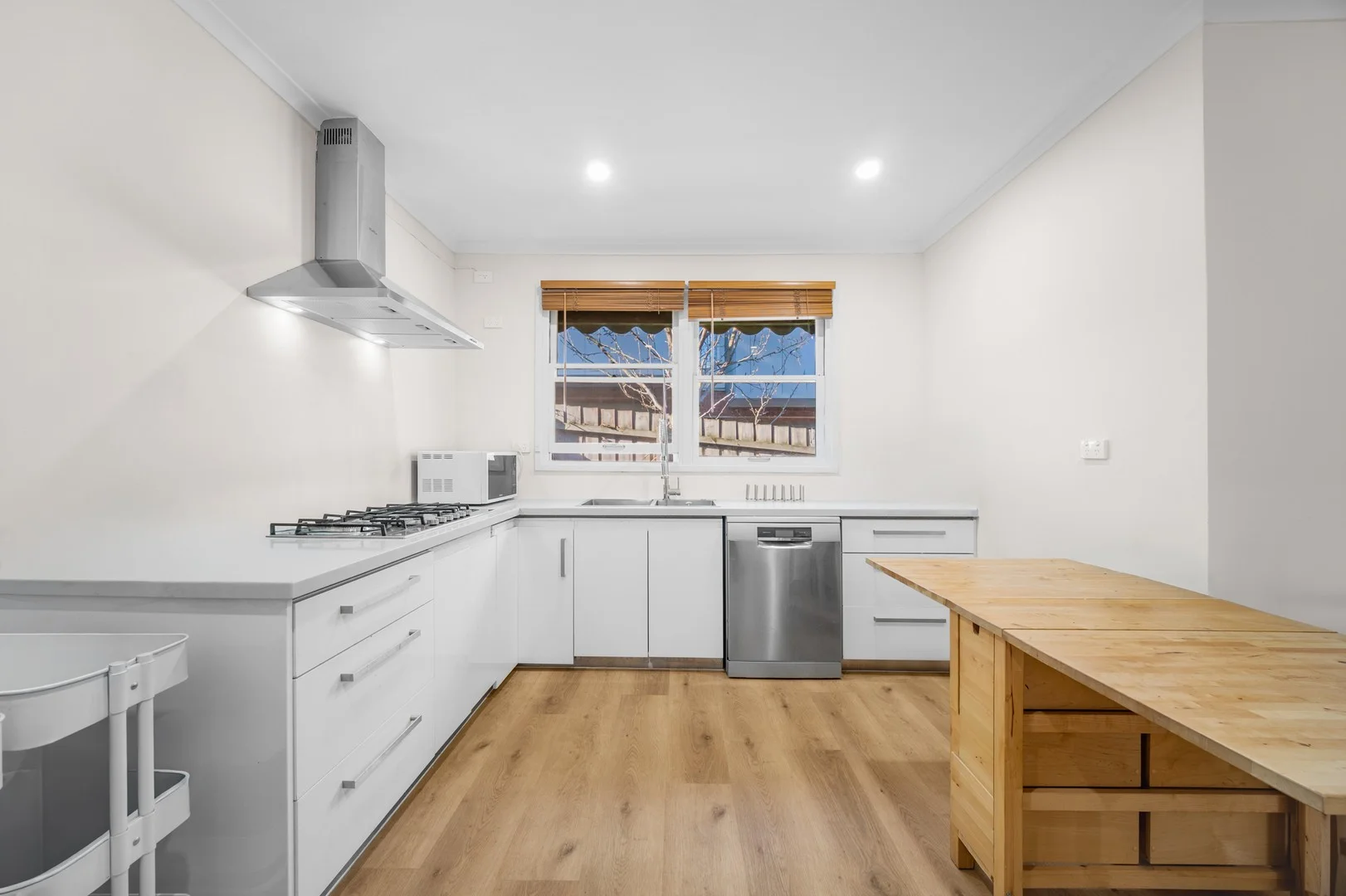
 $580
Apartment / Unit / Flat
$580
Apartment / Unit / Flat
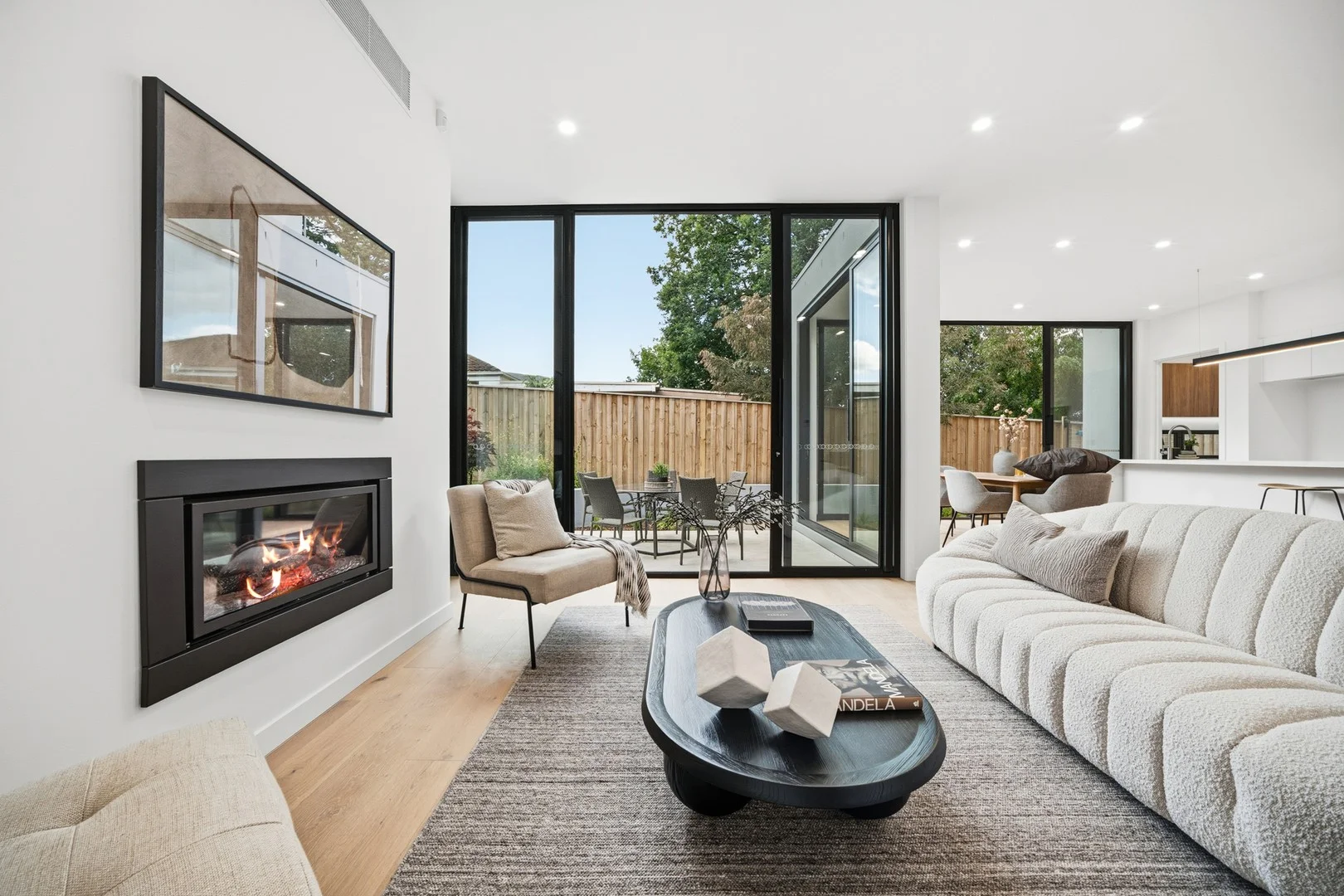
 $680
Apartment / Unit / Flat
$680
Apartment / Unit / Flat
 $1,750,000
Townhouse
$1,750,000
Townhouse
 $1,600,000 - $1,750,000
House
$1,600,000 - $1,750,000
House
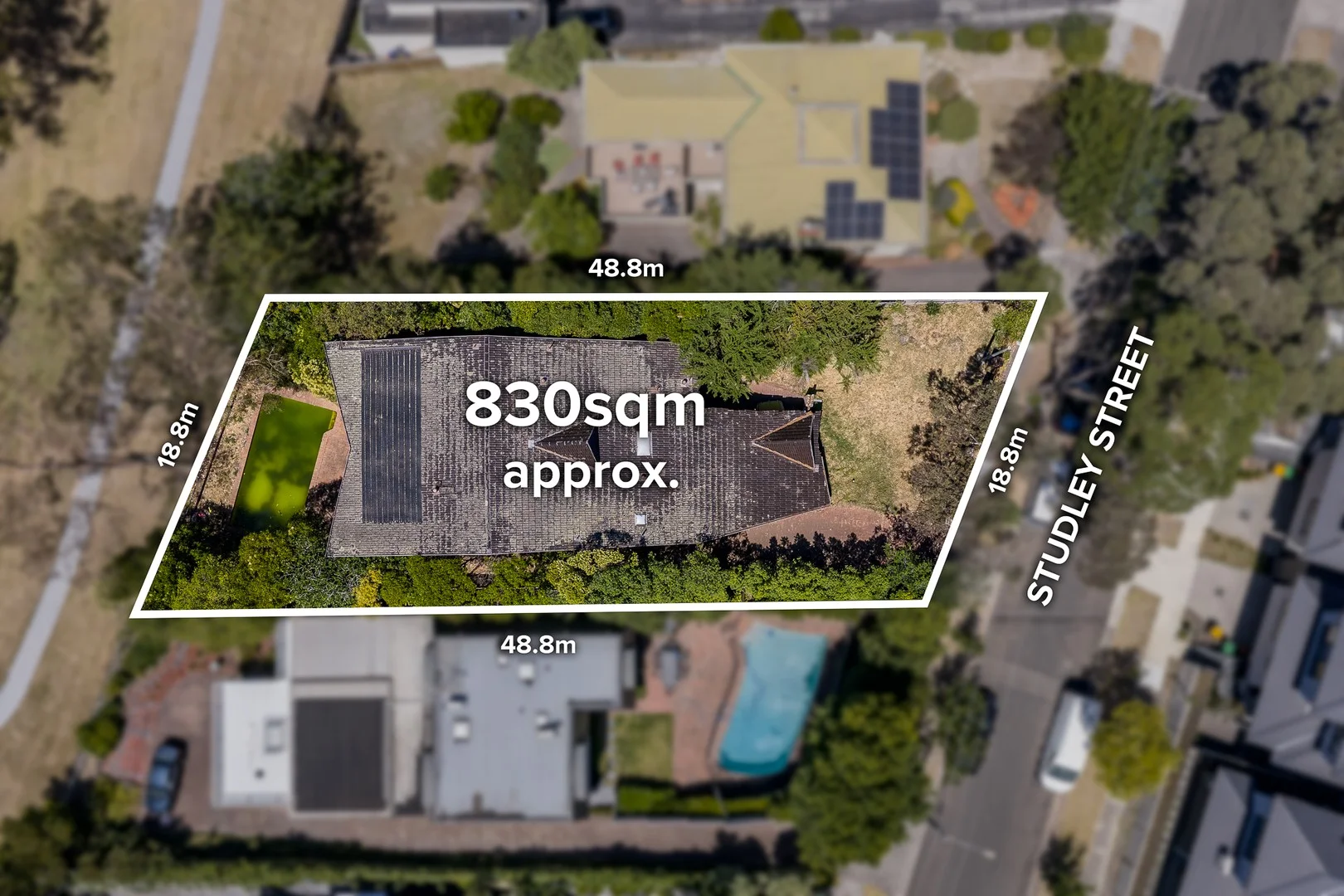 $1,400,000 - $1,500,000
House
$1,400,000 - $1,500,000
House
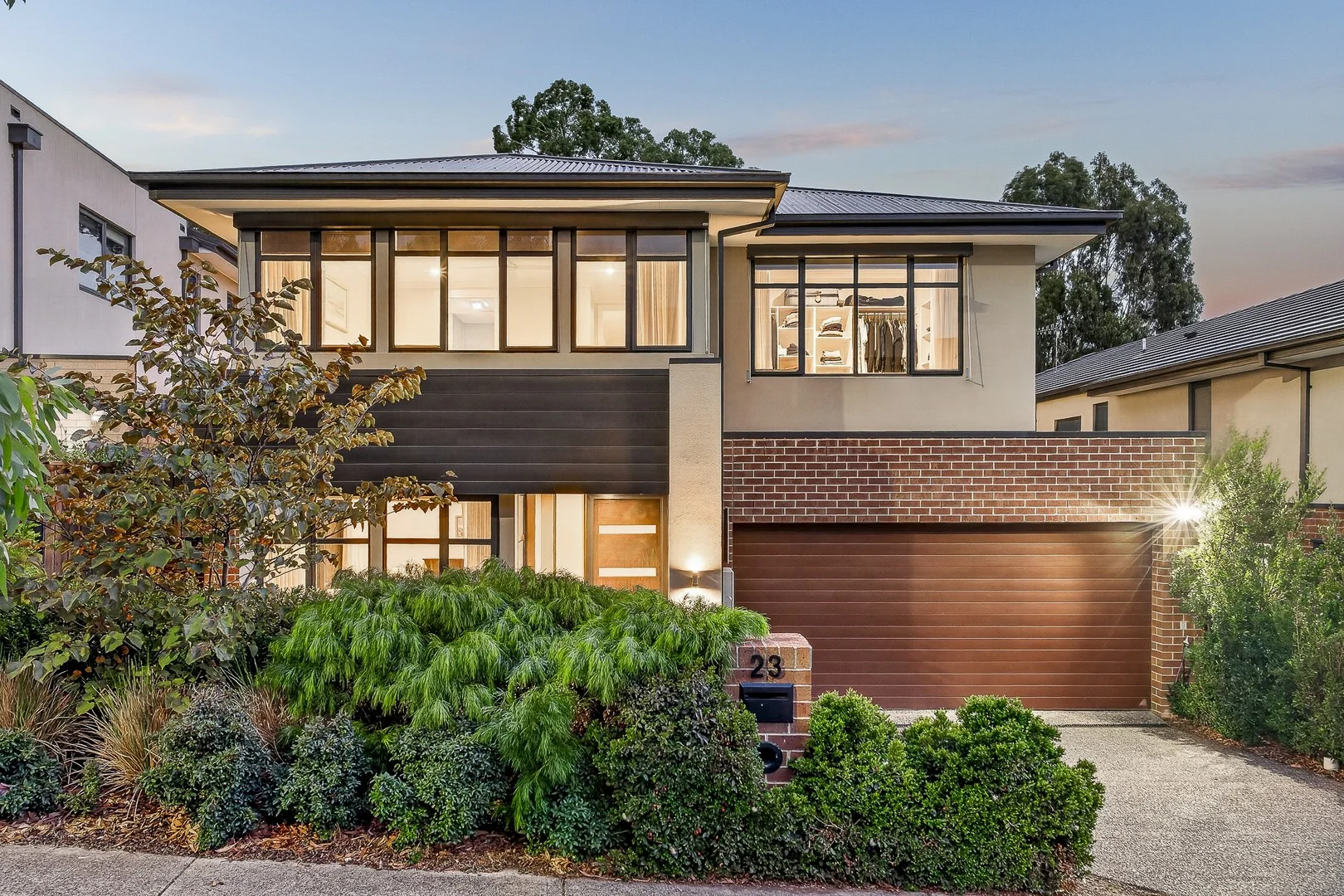 $1,780,000 - $1,880,000
House
$1,780,000 - $1,880,000
House
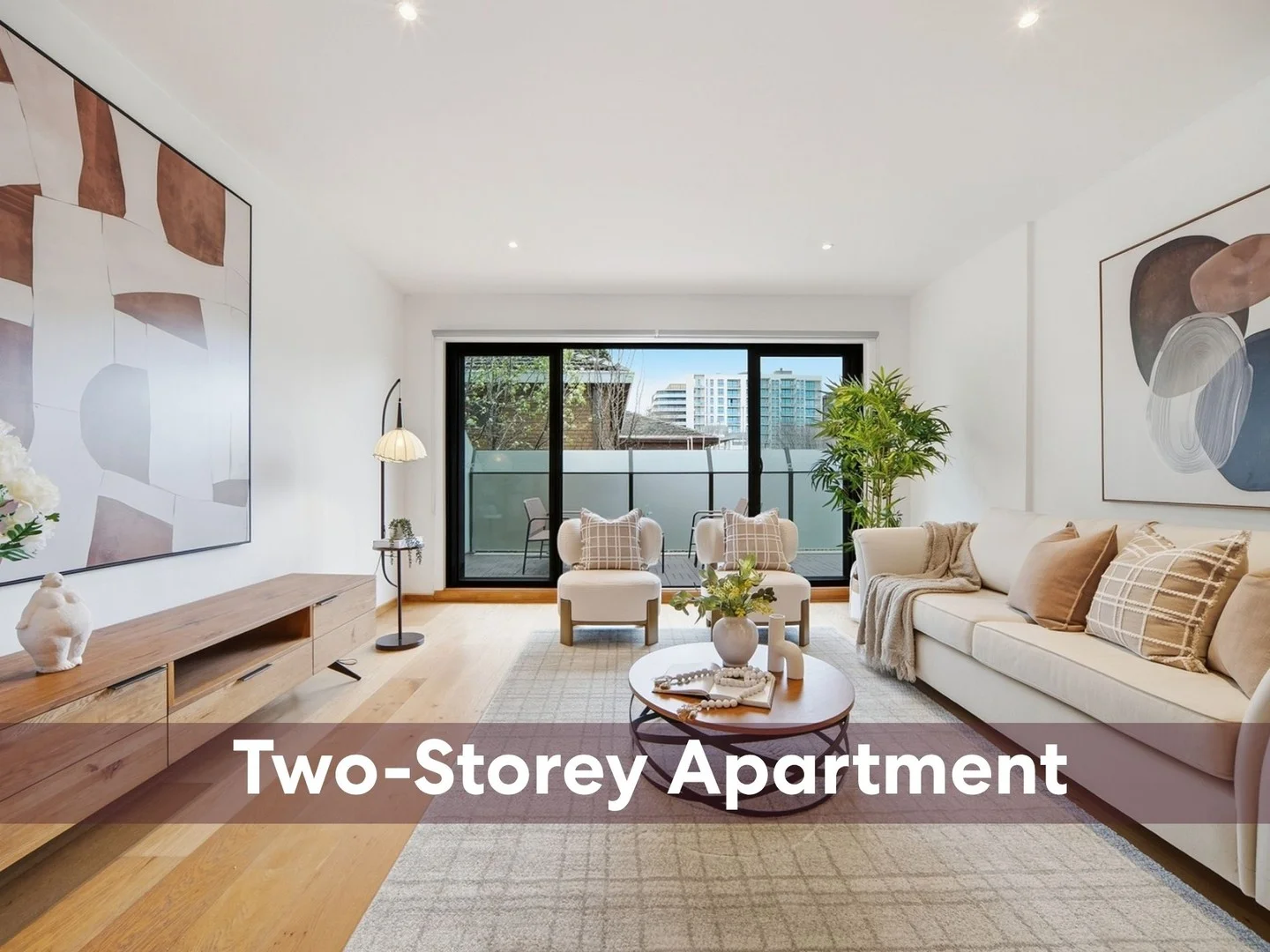 $590,000
Apartment / Unit / Flat
$590,000
Apartment / Unit / Flat
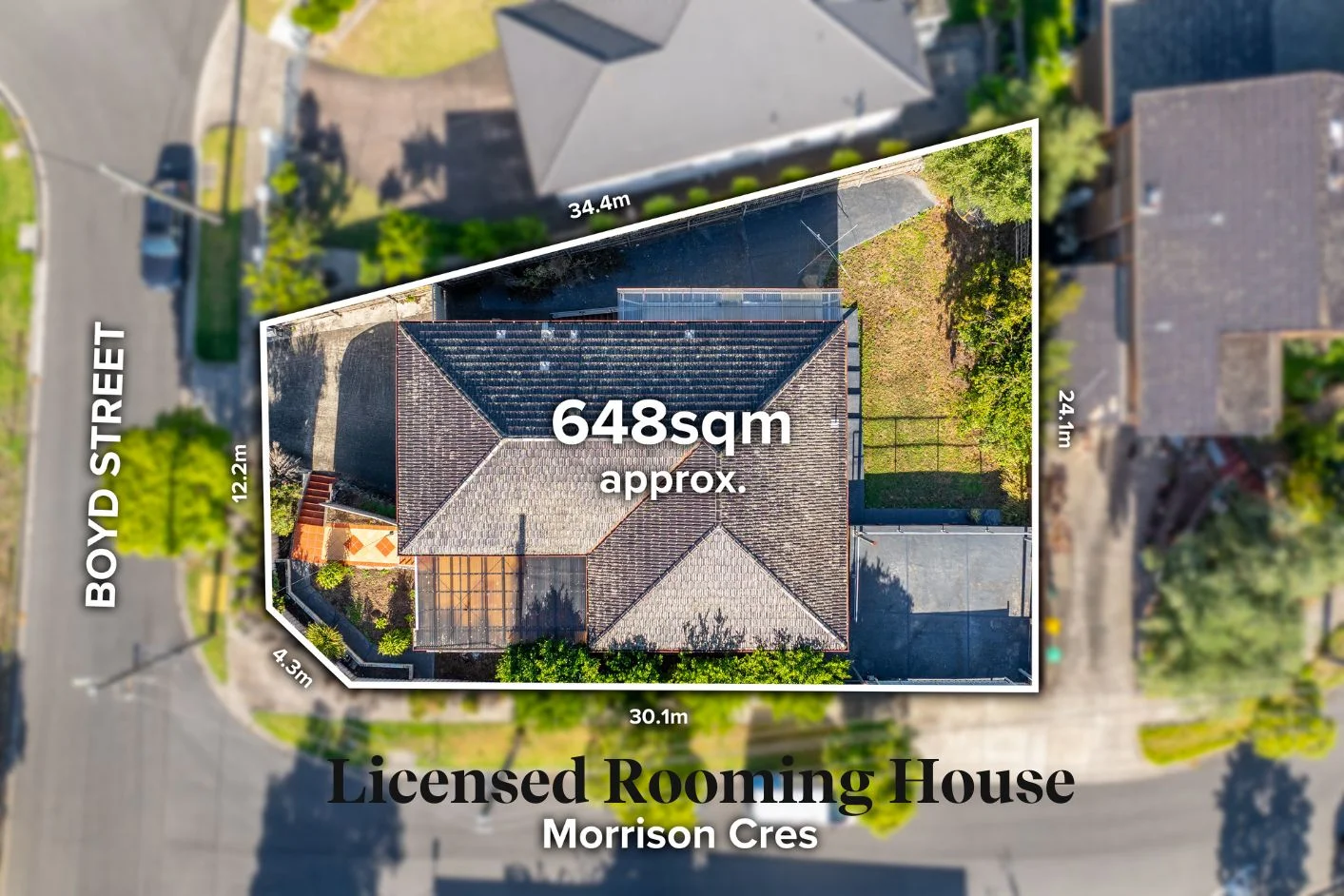 $1,780,000
House
$1,780,000
House


