Overview
## 1. Overview (1–2 paragraphs max)
Banksia Road Public School is a public, co-educational primary school serving the Greenacre area. It focuses on inclusive, practical learning that supports students to develop academically, socially and emotionally within a diverse local community.
The school is typically medium-to-large in size for NSW public primary schools, with class sizes in the mid-20s. The atmosphere is welcoming and supportive, emphasising respect, collaboration and a positive “can-do” culture that helps students feel safe to learn and take on new challenges.
⸻
## 2. Academics & Learning
- Academic strengths: A strong emphasis on literacy and numeracy, with opportunities to explore STEM concepts, arts and languages through integrated learning experiences.
- Special programs: Programs to support gifted and talented learners, coding/technology activities, and targeted English as an Additional Language (EAL) support. Inclusive education approaches underpin support for students with diverse learning needs.
- NAPLAN / Ofsted trends: NSW public schools share performance trends publicly; Banksia Road Public School typically shows steady performance with ongoing literacy and numeracy improvement efforts. For current trend data, refer to the NSW School Performance Dashboard.
- Student-teacher ratios: NSW public primary schools generally operate with student-teacher ratios around 1:20 to 1:25, with additional specialist staff supporting classroom programs.
- Support for diverse learners: Active EAL support, inclusive education practices, learning support, and Individual Learning Plans (ILPs) to assist students with additional needs.
⸻
## 3. Sports & Extracurricular Strengths
- Sports offered: A broad suite of team and individual sports typical for NSW primary schools (e.g., soccer, basketball, athletics, cricket, softball/rounders, netball). The program supports participation in inter-school and school-based events.
- Strong teams or achievements: The school participates in local inter-school competitions and aims to develop teamwork, resilience and sportspersonship across age groups.
- Music, arts, drama programs: A focus on music and performing arts through classroom programs and school events; opportunities to participate in choirs or ensembles.
- Clubs: Robotics, coding, chess, debating and other clubs are commonly offered or facilitated, providing enrichment beyond core academics.
- Partnerships: Engagement with local community groups, sporting associations or educational partnerships to expand access to competitions, clinics and enrichment activities.
⸻
## 4. Wellbeing & Pastoral Care
- Anti-bullying approach: Whole-school anti-bullying and positive behavior programs, with clear expectations and supportive intervention when needed.
- House system: A house-based structure supports belonging, leadership opportunities and healthy competition in a positive, inclusive way.
- Counsellors / wellbeing officers: Access to school wellbeing staff for pastoral care, social-emotional learning and student support.
- Transition support for new students: Orientation activities, buddy systems, teacher/staff introductions and tailored supports to help new students settle in quickly.
⸻
## 5. Facilities
- Sports grounds: On-site spaces for physical education, games and outdoor activities.
- Libraries: Central library with resources to support reading, research and independent learning.
- Science labs: Dedicated spaces for science experiments and practical learning.
- Music/performing arts centers: Facilities or dedicated spaces for music and drama activities and performances.
- Tech/innovation labs: Access to technology-enabled learning spaces and digital-creation activities.
- Cafeteria: On-site canteen or cafeteria providing student meals and snacks.
- Updated playgrounds: Modern playground equipment and outdoor learning areas.
⸻
## 6. School Values & Community Culture
- School values / mission: Clear focus on respect, responsibility, inclusion and resilience, with a mission to develop confident, curious, contributing learners.
- Leadership style: Collaborative and distributed leadership with teachers, specialists and students contributing to school improvement and student opportunities.
- Behaviour expectations: Explicit codes of conduct aligned with NSW syllabus and school values, promoting positive behavior and supportive interventions when needed.
- Community reputation: A welcoming, diverse school community with active family involvement and partnerships with local groups.
- Diversity & inclusion: Strong emphasis on inclusion and celebrating the varied backgrounds of students and families.
⸻
## 7. School Logistics & Daily Operations
- School hours: Standard daily schedule aligned with NSW Department of Education timetables (typically morning to mid-afternoon).
- Before/after school care: Availability of approved before/after school care arrangements through partner providers.
- Uniform requirements: NSW uniform policy with specified everyday uniform and sport/dress uniform options; details available from the school office.
- Transport (train/bus routes): Accessible public transport options in the local area; school bus routes available where applicable.
- Canteen availability: Canteen or food services operating to provide meals and snacks.
- Fees (low/medium/high ranges): Primary public schools generally have low to moderate contributions for activities, excursions and resources; specific costs vary by year and activity.
⸻
## 8. Enrolment & Admissions
11. What is the enrolment process and timeline?
- Check eligibility and catchment rules set by NSW Department of Education.
- Submit an enrolment application through the school (and/or the Department’s system) within the stated intake period.
- Provide required documentation (e.g., proof of residential address, birth certificate, immunisation records, and possibly school reports for transfer cases).
- Offers and placement decisions are made based on NSW Department policies, space availability and catchment status; timelines vary year to year.
12. Is there a waiting list, and how does it work?
- There can be a waiting list when applications exceed available places. Admissions may be guided by catchment priority, space, and transfer rules. Parents may be asked to submit an expression of interest; the school will notify applicants of their status.
13. Are there any entry requirements, tests, or interviews?
- For public primary schools in NSW, there are typically no entry tests or selective interviews for general enrolment. Admissions are usually based on catchment rules and space. Some cases may involve discussions with school staff to support a smooth transition.
14. Does the school accept mid-year transfers?
- Yes, subject to space and NSW Department guidelines. Mid-year transfer requests are processed by the school, with placement decisions dependent on current enrolment capacity and the student’s circumstances.
⸻
## 9. Frequently Asked Questions
- Why Parents Choose This School?
- A welcoming, inclusive community with a focus on literacy and numeracy, strong student support, and a broad range of enrichment opportunities.
- What type of student thrives at this school?
- Students who are curious, collaborative, respectful and willing to engage in both academic and co-curricular activities.
- What opportunities are available for students to extend their skills (academics, sports, arts)?
- Access to advanced literacy/numeracy support, STEM and coding activities, gifted and talented opportunities, sports teams, music and performing arts programs, and clubs such as robotics, chess and debating.
- How does the school communicate with parents?
- Regular newsletters, emails, school app or portal updates, parent-teacher interviews and annual reporting.
- What is the school’s approach to teaching and learning?
- Differentiated, evidence-informed instruction with a emphasis on inquiry, collaboration and real-world applications.
- How does the school support students who need extra academic help?
- Targeted literacy and numeracy support, EAL and SEN provisions, ILPs and access to learning support staff.
- What support is available for academic challenges?
- Individualized or small-group intervention, ongoing progress monitoring and collaboration with families to tailor supports.
- How does the school communicate with parents?
- See above: multiple channels (notice boards, newsletters, digital platforms, meetings).
- What are the class sizes and how much individual attention do students receive?
- Class sizes are in the mid-20s range, with additional specialist staff and targeted interventions to provide individual attention where needed.
- What extracurricular and sports opportunities are available?
- A range of sports and physical activities, plus clubs such as robotics, coding, chess, debating and opportunities in music and arts.
- What facilities does the school offer (sports, science, arts)?
- Dedicated spaces for sport, library, science labs, music/drama facilities, technology/innovation labs and a supportive canteen and outdoor spaces.
- What is the school’s approach to technology and digital learning?
- Integrated use of technology across the curriculum, with coding, digital literacy and ICT skills as part of learning experiences.
- What transport and accessibility options are available?
- Local public transport access and bus routes; considerations for accessibility and safe drop-off/pick-up.
- What are typical school fees or additional costs?
- Public primary schools do not charge tuition; there are voluntary contributions and costs for excursions, uniforms and some activities. Specific costs vary by year and program.
⸻
## 10. Short Pros & Cons list
- Pros
- Public, inclusive environment with strong literacy and numeracy focus
- Broad range of enrichment activities (sports, arts, clubs)
- Supportive wellbeing and inclusive learning practices
- Diverse and welcoming community
- Active family engagement and community connections
- Cons
- Like other public schools, enrolment can be subject to catchment rules and space limitations
- Specific programs and offerings may vary year to year; confirm current clubs and facilities
- Transport options depend on local routes and available services
⸻









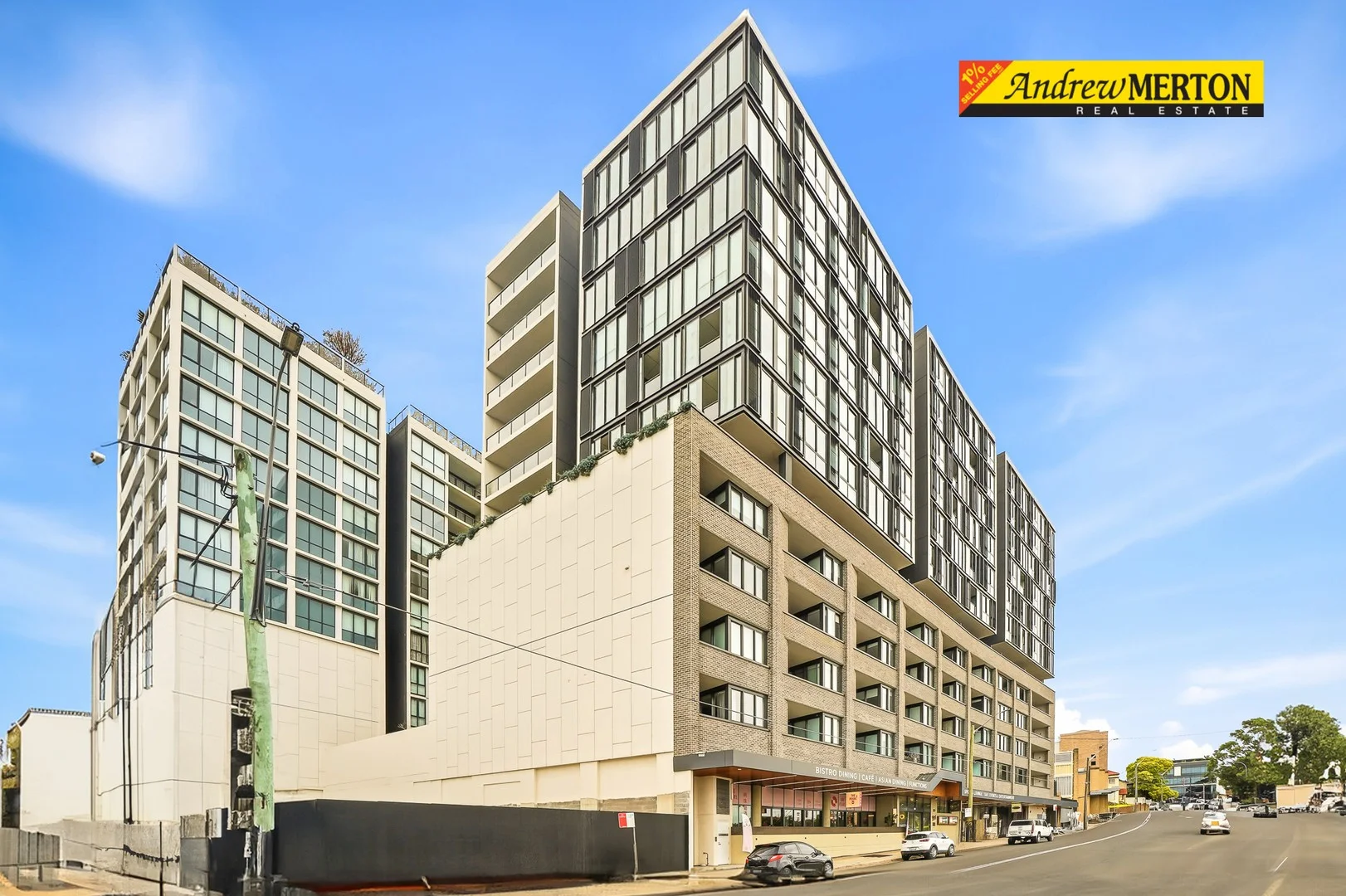 $665,000
Apartment / Unit / Flat
$665,000
Apartment / Unit / Flat
 $36,000,000 - $39,500,000
Vacant Land
$36,000,000 - $39,500,000
Vacant Land
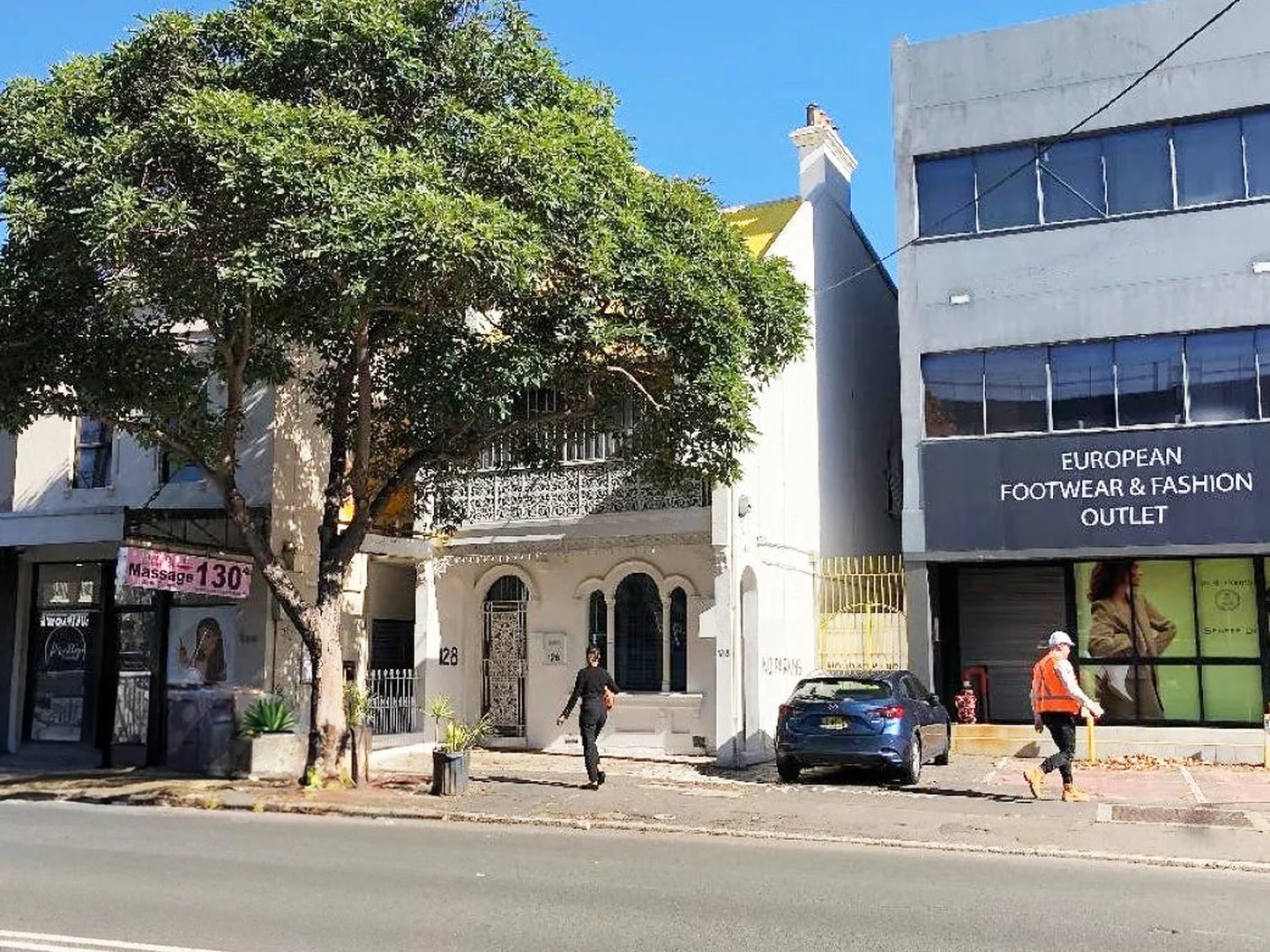 $3,900,000
House
$3,900,000
House
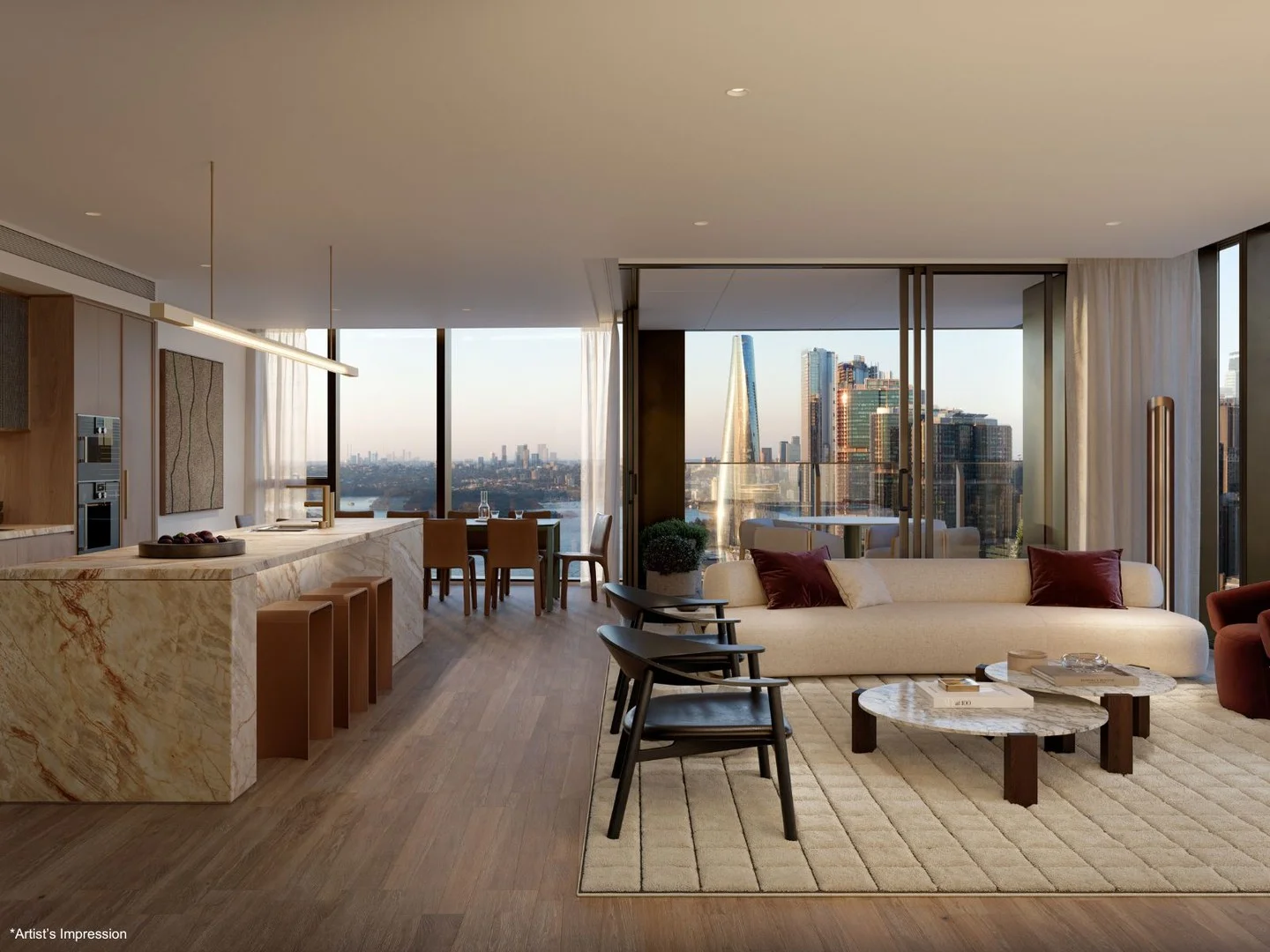 $12,980,000
propertyType.NEW APARTMENTS / OFF THE PLAN
$12,980,000
propertyType.NEW APARTMENTS / OFF THE PLAN
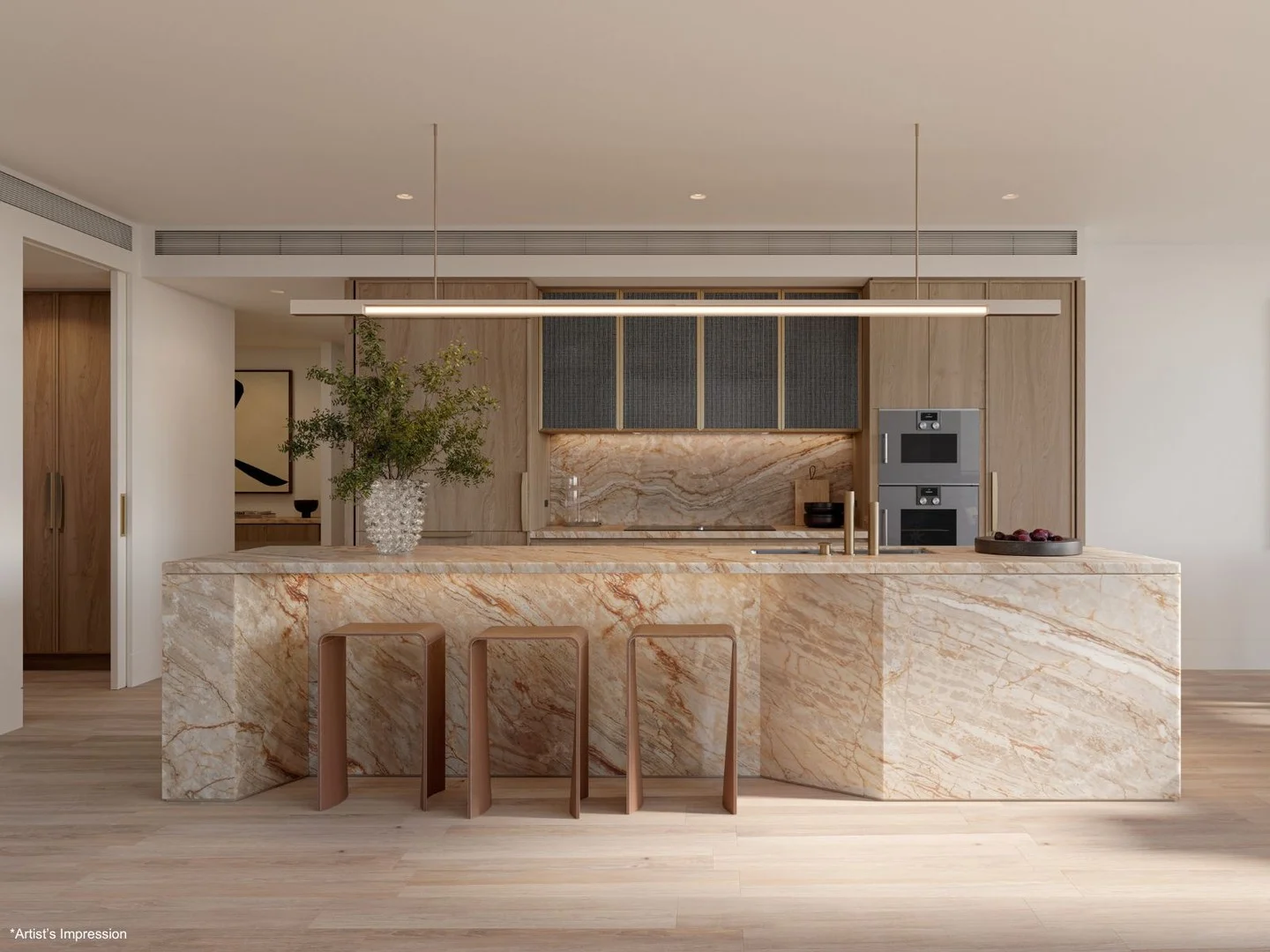 $6,225,000
propertyType.NEW APARTMENTS / OFF THE PLAN
$6,225,000
propertyType.NEW APARTMENTS / OFF THE PLAN
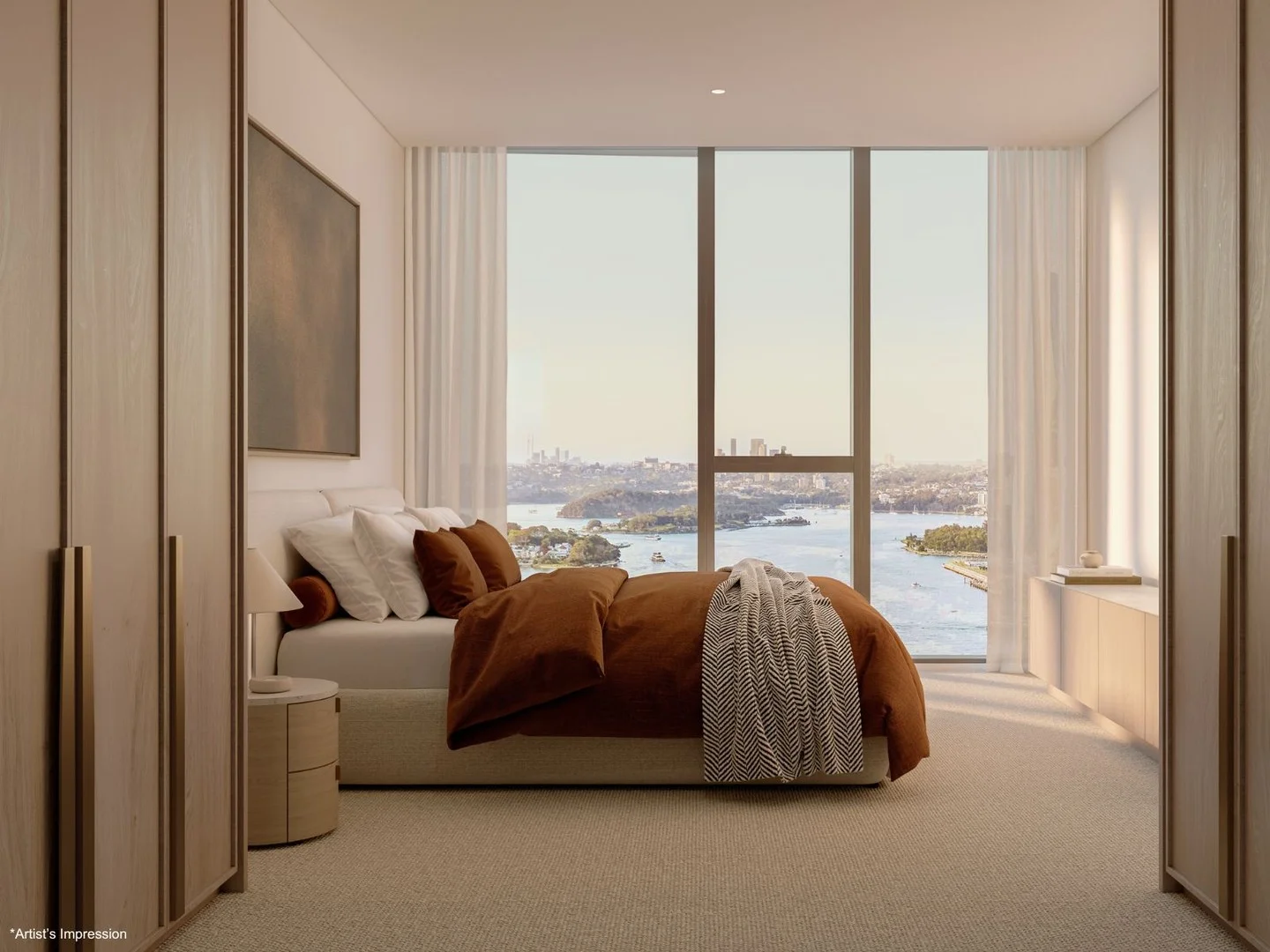 $8,630,000
propertyType.NEW APARTMENTS / OFF THE PLAN
$8,630,000
propertyType.NEW APARTMENTS / OFF THE PLAN
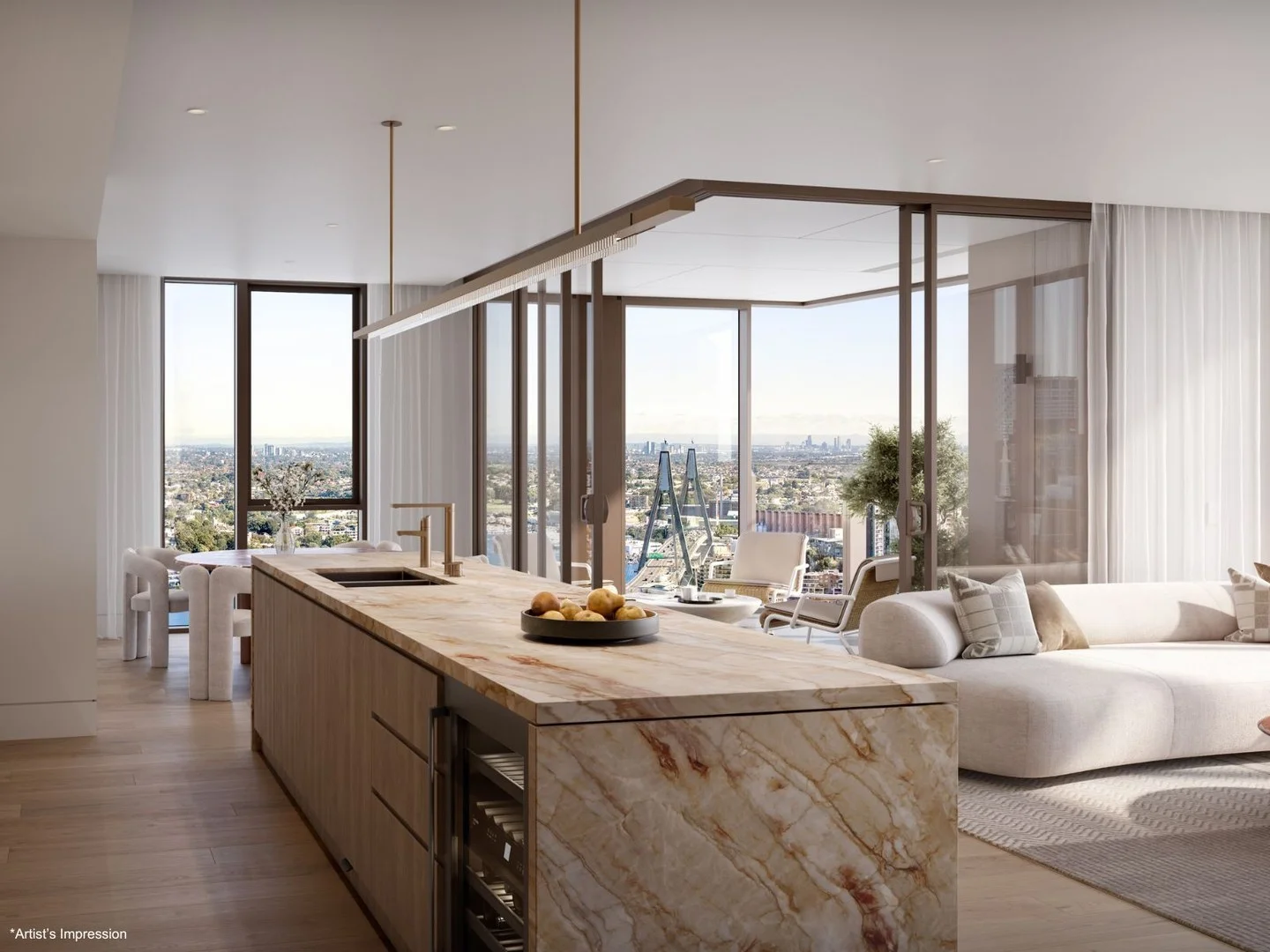 $9,020,000
propertyType.NEW APARTMENTS / OFF THE PLAN
$9,020,000
propertyType.NEW APARTMENTS / OFF THE PLAN
 $1,092,500 - $1,201,750
House
$1,092,500 - $1,201,750
House
 $640,000 - $675,000
Apartment / Unit / Flat
$640,000 - $675,000
Apartment / Unit / Flat


