Overview
## Overview
Mount Lewis Infants School is a public NSW Department of Education school serving the early primary years. It focuses on building strong foundations in literacy and numeracy within a nurturing, inclusive learning community. The school emphasises student wellbeing, belonging, and a supportive atmosphere that helps young learners grow socially and academically.
- School type: Public
- School size: Small–medium
- Class size: Approximately 20–22 students per class (K–2)
- Atmosphere/culture: Nurturing, inclusive, supportive
## Academics & Learning
- Academic strengths: Early literacy and numeracy foundation, with emphasis on language development, oral language, and inquiry-based learning across core subjects.
- Special programs: Availability of targeted learning support and opportunities for enrichment; gifted/talented options may be offered in collaboration with the NSW curriculum framework.
- NAPLAN / Ofsted trends: NAPLAN is not conducted for infants (Years K–2). The school tracks progress through internal assessments and aligns with NSW syllabus outcomes, with ongoing focus on steady growth in literacy and numeracy.
- Student-teacher ratios: Typical class structures support close, individualized learning with a focus on small-group instruction within the year levels.
- Support for diverse learners: EAL (English as an Additional Language) support, inclusive education practices, and access to learning support services for students with additional needs.
## Sports & Extracurricular Strengths
- Sports offered: Regular physical education and opportunities for basic school-level sport activities; participation in broader zone/inter-school activities as students progress.
- Strong teams or achievements: Participation in local events and inter-school activities where available for primary years.
- Music, arts, drama programs: Music sessions and opportunities to engage in performing arts and creative expression.
- Clubs: Possible clubs in robotics, coding, chess, and debating at appropriate year levels or after-school programs.
- Partnerships: Collaboration with local community clubs and organizations to broaden activity options and competitions.
Most parents skim this section, especially for younger students, so the focus is on foundational skills plus engaging, age-appropriate activities.
## Wellbeing & Pastoral Care
- Anti-bullying approach: Whole-school wellbeing framework with proactive behavior support and restorative practices to foster a respectful environment.
- House system: House-based activities and celebrations to build belonging and healthy competition.
- Counsellors / wellbeing officers: Access to school wellbeing staff or counsellors to support emotional and social development.
- Transition support for new students: Orientation sessions, buddy programs, and targeted support to help students adjust to school routines.
## Facilities
- Sports grounds: Outdoor play spaces and playing fields suitable for a range of activities.
- Libraries: A library with age-appropriate books and learning resources.
- Science labs: Dedicated learning spaces to introduce basic science concepts (age-appropriate).
- Music/performing arts centers: Spaces for music and drama activities.
- Tech/innovation labs: Basic digital learning environments and technology-integrated learning.
- Cafeteria: On-site or nearby canteen arrangements for meals and snacks.
- Updated playgrounds: Well-designed play areas with age-appropriate equipment.
## School Values & Community Culture
- School values / mission: Focus on respect, responsibility, care, and inclusive learning for all students.
- Leadership style: Collaborative and student-friendly, with opportunities for student voice through classroom roles and school activities.
- Behaviour expectations: Clear expectations with positive reinforcement and restorative practices to support personal growth.
- Community reputation: A welcoming, family-oriented school known for strong relationships between staff, students, and families.
- Diversity & inclusion: Active commitment to inclusion and celebrating diverse backgrounds within the school community.
## School Logistics & Daily Operations
- School hours: Typically around 9:00 am–3:00 pm (hours may vary by cohort and term).
- Before/after school care: OSHC or external providers available in many NSW public schools; confirm specifics with the school.
- Uniform requirements: School uniform common; guidelines for daily wear and sports uniform.
- Transport (train/bus routes): Access to local bus services and public transport; check NSW Transport for exact routes and stops.
- Canteen availability: Canteen or lunch service available in many NSW schools; confirm arrangements.
- Fees (low/medium/high ranges): Public schools have low fees with potential voluntary contributions and charges for certain activities or excursions.
## Enrolment & Admissions
11. What is the enrolment process and timeline?
- Enrolments are managed through the NSW Department of Education process via the local catchment school. Parents typically need to provide proof of address and student identity (birth certificate or passport), immunisation records, and any relevant healthcare or support plans. The school will outline the intake timeline and required documents during the enrolment period and may offer an information session for incoming families.
12. Is there a waiting list, and how does it work?
- Yes, if the school is oversubscribed, a waitlist is maintained. In-catchment applications generally receive priority placement. Out-of-area requests are considered as spaces become available, following the Department’s placement rules.
13. Are there any entry requirements, tests, or interviews?
- No formal entrance exams for Kindergarten. The school may conduct informal readiness conversations or assessments to support placement decisions, but there are no high-stakes tests for entry. Admissions are primarily based on continuity of enrolment and space availability.
14. Does the school accept mid-year transfers?
- Yes, subject to space and alignment with NSW Department of Education policies. Parents should contact the school early to discuss availability, submit required documentation (student records, immunisation history, report cards), and complete the enrolment process promptly to secure a place.
## Frequently Ask Questions
- Why Parents Choose This School?
- A nurturing, inclusive environment with strong emphasis on foundational literacy and numeracy, small class sizes, and supportive staff who focus on wellbeing and belonging.
- What type of student thrives at this school?
- Students who benefit from a caring, age-appropriate learning environment, close teacher–student relationships, and a strong start in literacy and numeracy.
- What opportunities are available for students to extend their skills (academics, sports, arts)?
- Enrichment in literacy and numeracy, music and drama activities, sport and physical education, plus possible after-school clubs and inter-school events as students progress.
- How does the school communicate with parents?
- Through regular newsletters, parent-teacher meetings, school portals or apps, and ongoing updates about events, learning targets, and student progress.
- What is the school’s approach to teaching and learning?
- A foundation in core subjects with differentiation to meet diverse needs, an emphasis on inquiry-based learning, and strong focus on language development and social-emotional growth.
- How does the school support students who need extra academic help?
- Targeted learning support, EAL assistance, and access to a learning support team; referrals to additional services as needed.
- What support is available for academic challenges?
- Intervention programs, small-group tutoring, and collaboration with families to plan appropriate supports and interventions.
- How does the school communicate with parents? (Repeated)
- See above: newsletters, meetings, portals/apps, and direct contact from teachers and staff as needed.
- What are the class sizes and how much individual attention do students receive?
- Class sizes are small–medium (around 20–22 students). The school aims to provide ample opportunities for teacher-led instruction and targeted, small-group support.
- What extracurricular and sports opportunities are available?
- A range of age-appropriate sports, music and arts activities, and after-school clubs where available; opportunities expand as students move into higher year levels.
- What facilities does the school offer (sports, science, arts)?
- Sport grounds, library, science and technology spaces, music/performing arts areas, and age-appropriate learning environments.
- What is the school’s approach to technology and digital learning?
- Integrates digital learning into everyday teaching with age-appropriate devices and resources, focusing on safe, responsible use and foundational ICT skills.
- What transport and accessibility options are available?
- Access via local bus routes and public transport; information on specific routes and accessibility should be confirmed with NSW Transport and the school.
- What are the typical school fees or additional costs?
- Public schools have low fees with possible voluntary contributions; additional costs may arise for certain activities, excursions, or uniforms.
## Short Pros & Cons list
- Pros
- Nurturing, inclusive environment with small class sizes
- Strong focus on foundational literacy and numeracy
- Supportive wellbeing and transition programs for young learners
- Opportunities for arts, music, and age-appropriate extracurriculars
- Clear, family-friendly communication and community culture
- Cons
- As an early-years school, opportunities for advanced-level programs may be more limited compared with higher-grade schools
- Availability of certain clubs and facilities can vary year to year depending on staffing and funding
- Transport options may depend on local public routes and may require planning for families outside the immediate catchment









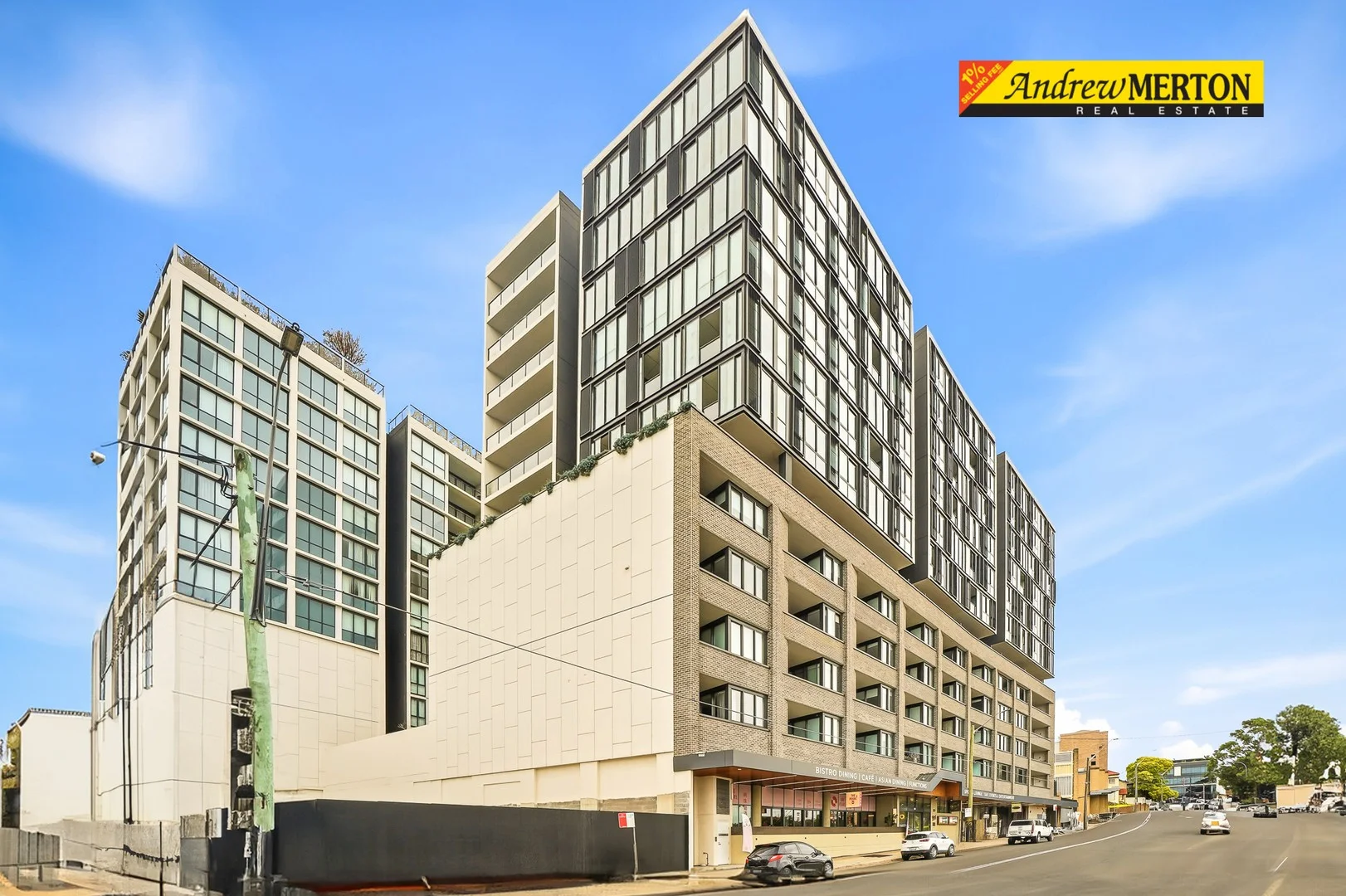 $665,000
Apartment / Unit / Flat
$665,000
Apartment / Unit / Flat
 $36,000,000 - $39,500,000
Vacant Land
$36,000,000 - $39,500,000
Vacant Land
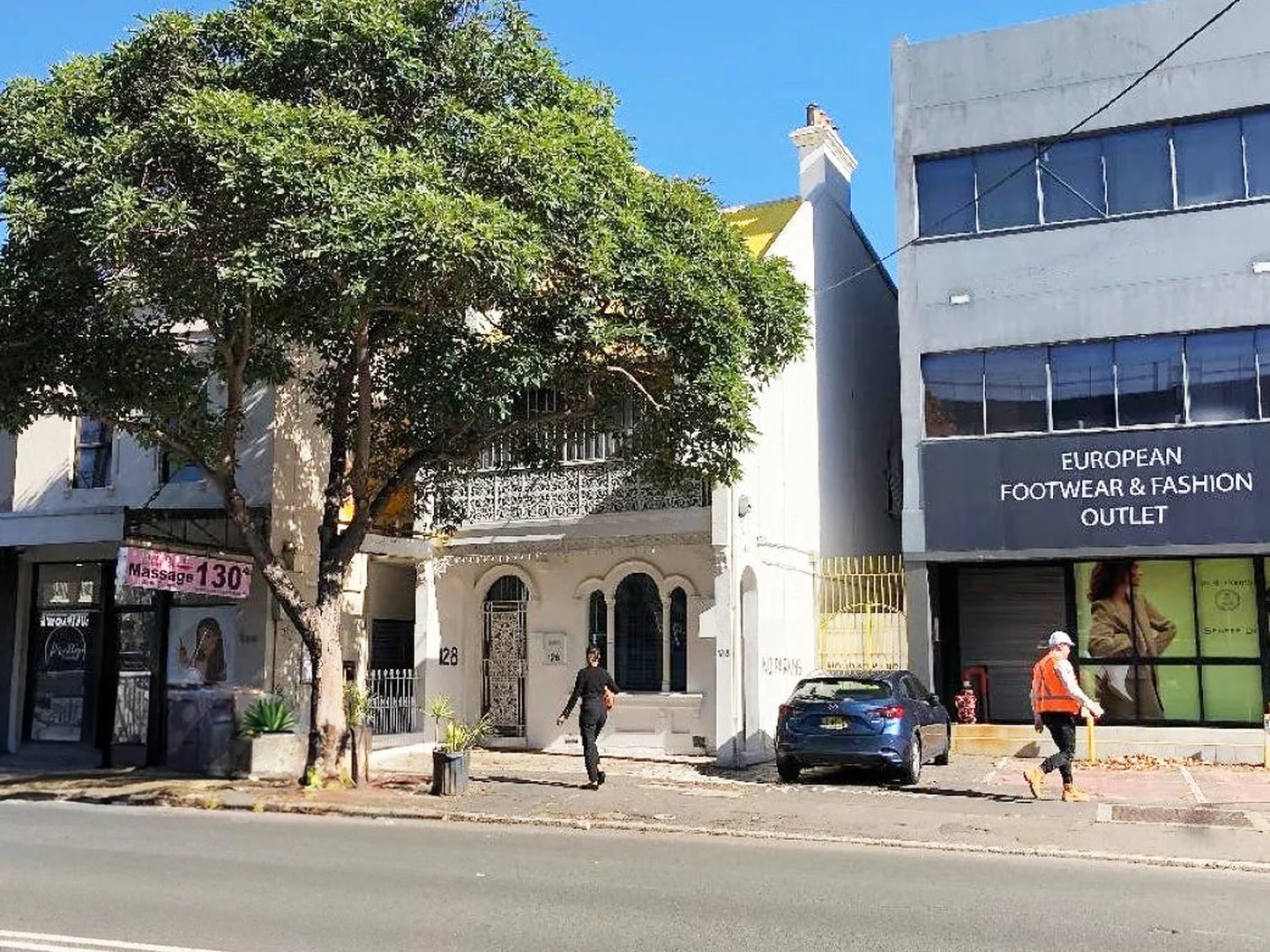 $3,900,000
House
$3,900,000
House
 $6,225,000
propertyType.NEW APARTMENTS / OFF THE PLAN
$6,225,000
propertyType.NEW APARTMENTS / OFF THE PLAN
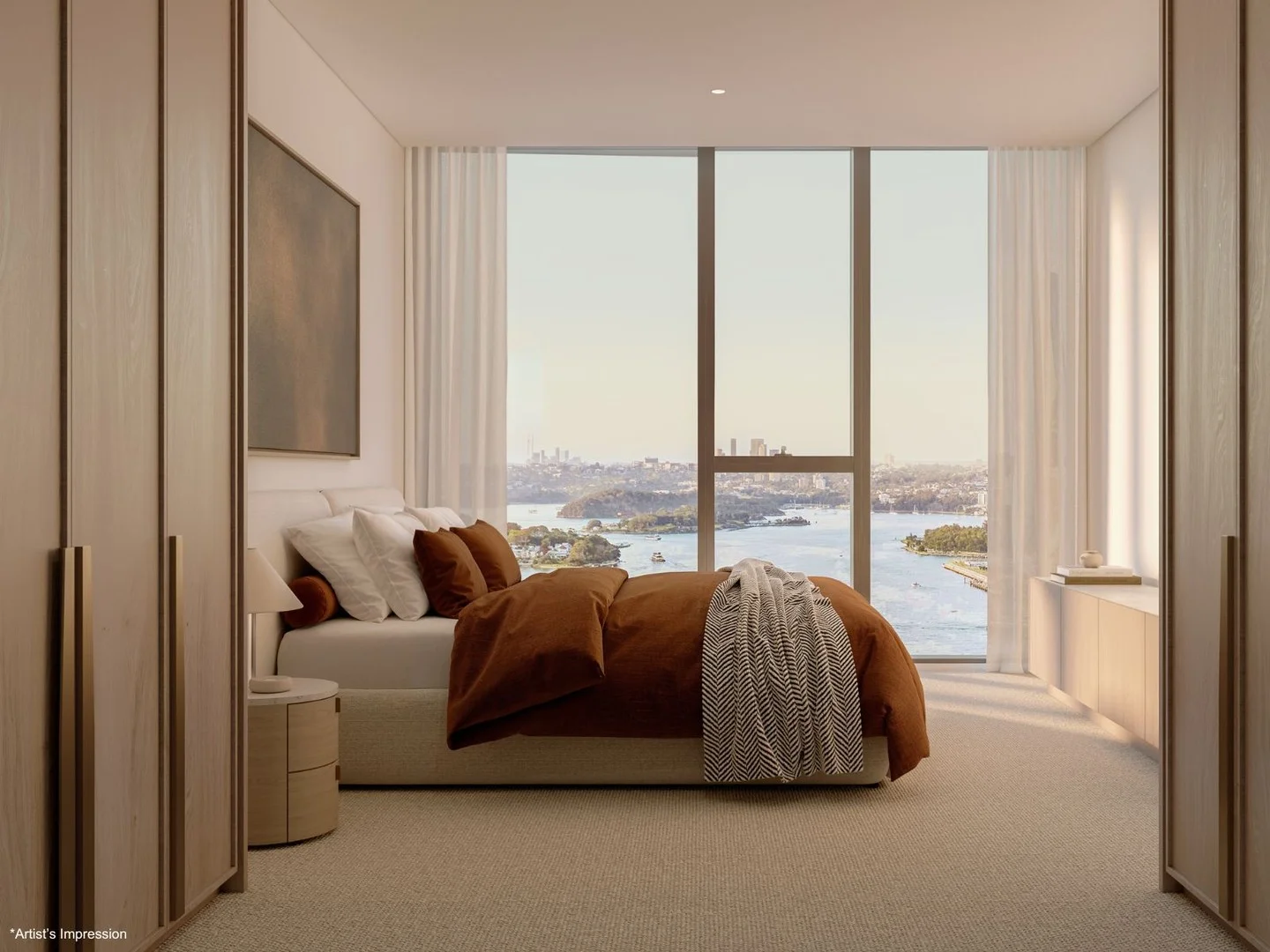 $8,630,000
propertyType.NEW APARTMENTS / OFF THE PLAN
$8,630,000
propertyType.NEW APARTMENTS / OFF THE PLAN
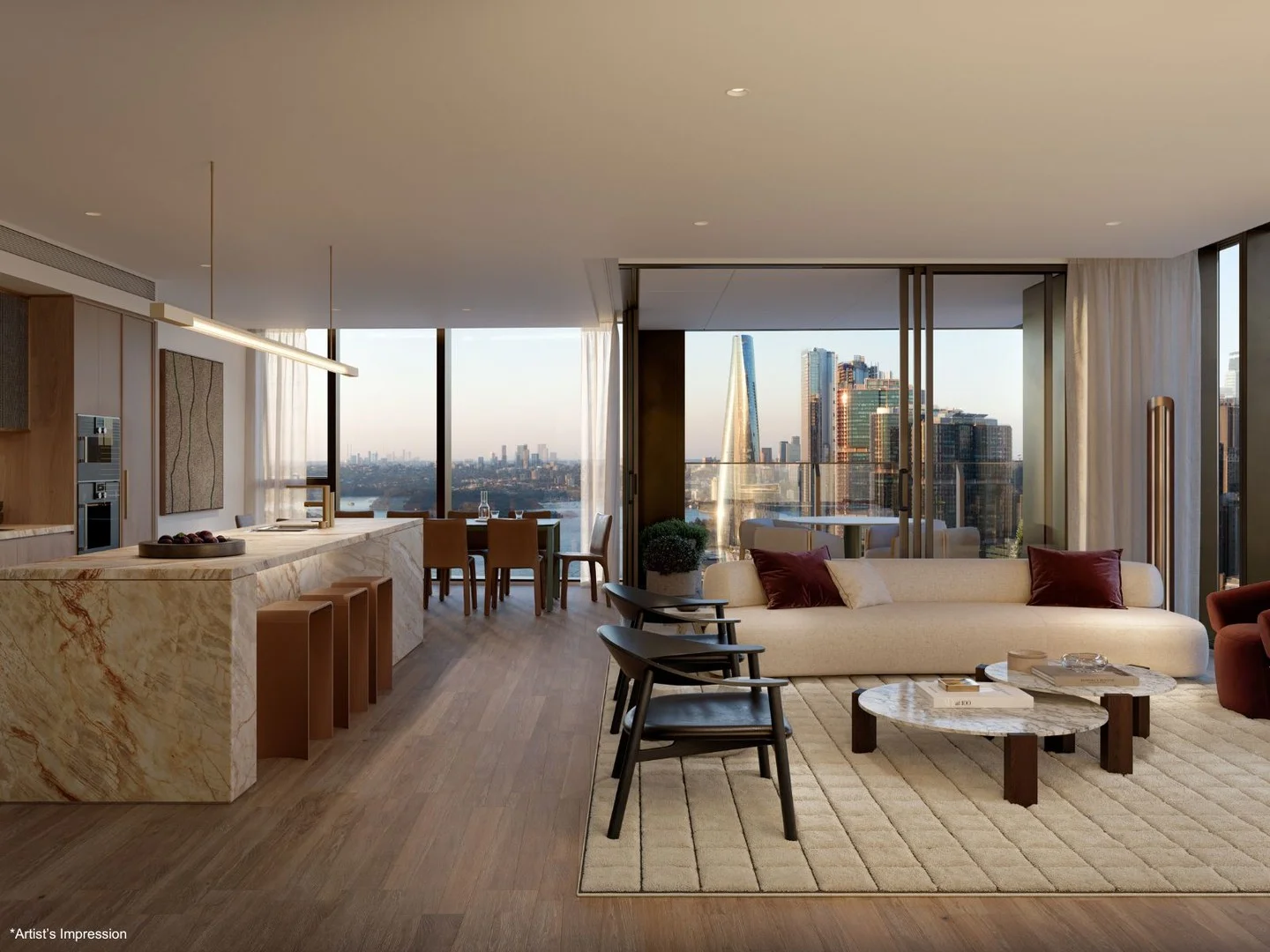 $12,980,000
propertyType.NEW APARTMENTS / OFF THE PLAN
$12,980,000
propertyType.NEW APARTMENTS / OFF THE PLAN
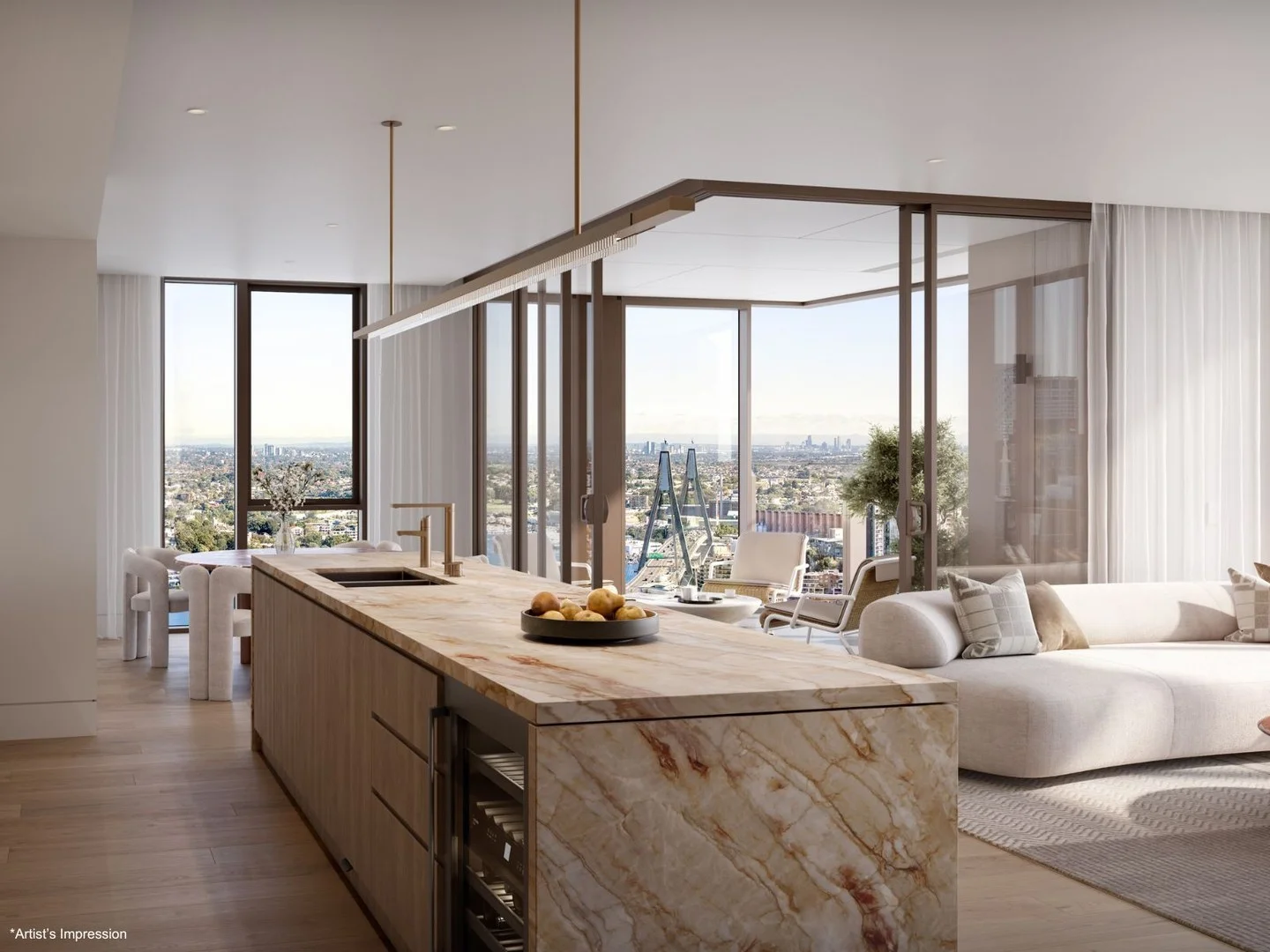 $9,020,000
propertyType.NEW APARTMENTS / OFF THE PLAN
$9,020,000
propertyType.NEW APARTMENTS / OFF THE PLAN
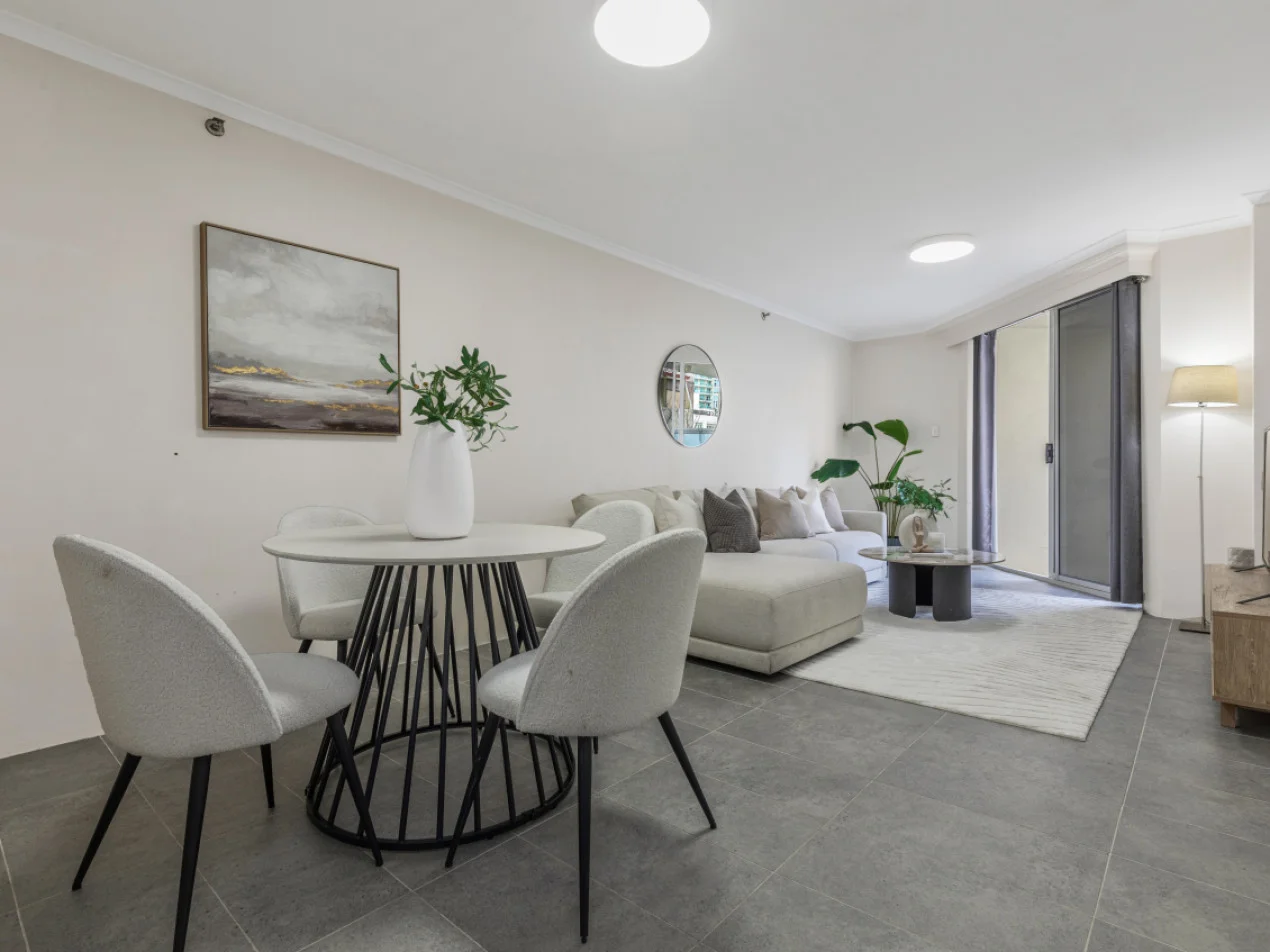 $640,000 - $675,000
Apartment / Unit / Flat
$640,000 - $675,000
Apartment / Unit / Flat
 $990
Apartment / Unit / Flat
$990
Apartment / Unit / Flat


