Overview
## 1. Overview (1–2 paragraphs max)
St John Vianney Catholic Primary School, Greenacre is a Catholic, co-educational primary school that sits within the Sydney Catholic Schools network. The school provides a faith‑based, values‑driven education in a medium‑sized school community, prioritising strong relationships between students, families and staff. Class sizes are typically in the low 20s, fostering a supportive and collaborative learning environment where each child can grow in confidence.
The atmosphere is nurturing and inclusive, with a focus on faith, learning and service. The school encourages a sense of belonging, respect for others and active participation in school life, helping students develop academically, socially and spiritually.
## 2. Academics & Learning
- Academic strengths: English and mathematics are core priorities, with a strong emphasis on literacy and numeracy. There are development opportunities in STEM through hands‑on projects and coding activities, along with regular religious education that reinforces values alongside academic learning. Leadership and social skills are encouraged through student roles and collaborative projects.
- Special programs: NSW syllabus‑aligned curriculum with religious education as a central component; opportunities for gifted and talented extension in some year levels; exposure to digital learning and age‑appropriate innovation activities.
- NAPLAN / trends: The school demonstrates steady progress in reading and numeracy over recent years, with performance generally aligning with state trends and targeted improvements in literacy and numeracy evident through internal assessments.
- Student-teacher ratios: Class sizes typically around 20–25 students, with teaching staff supported by teacher aides where needed to provide targeted assistance and small‑group learning.
- Support for diverse learners: EAL/D support for students for whom English is an additional language or dialect; dedicated support for students with additional learning needs (SEN) through in‑class differentiation and targeted interventions.
## 3. Sports & Extracurricular Strengths
- Sports offered: A broad range of team and individual sports typical for primary schools, including soccer, basketball, athletics, cricket and swimming programs, with opportunities to participate in inter‑school events and local competitions.
- Strong teams or achievements: The school participates in local inter‑school sport programs and regional Catholic competitions, with a track record of steady participation and competitive teams across age groups.
- Music, arts, drama programs: Music groups and choir activities, school productions or performances, and opportunities to engage in drama and performing arts as part of the broader arts curriculum.
- Clubs: Robotics, coding, chess and debating programs are available to extend strategic thinking, problem solving and communication skills.
- Partnerships: Collaborations with local community clubs and regional Catholic Schools sporting competitions to broaden competition pathways and enrichment opportunities.
Most parents skim this section, especially when considering boys aged 10–14, so the school highlights practical opportunities, teamwork and a well‑rounded program.
## 4. Wellbeing & Pastoral Care
- Anti-bullying approach: A clear, school‑wide wellbeing and anti‑bullying framework with consistent expectations and restorative practices to support safe and respectful interactions.
- House system: A house structure to foster belonging, healthy competition and teamwork across year levels.
- Counsellors / wellbeing officers: Access to school wellbeing staff and trained personnel to support social and emotional learning, with proactive monitoring of student welfare.
- Transition support for new students: Orientation activities, buddy systems and transition programs to help new entrants settle in smoothly and feel part of the school community from day one.
## 5. Facilities
- Sports grounds: Adequate outdoor spaces for PE, sport and play.
- Libraries: A well‑stocked library supporting reading and research skills.
- Science labs: Dedicated spaces for hands‑on science experiments and inquiry.
- Music/performing arts centers: Access to music rooms and performing arts opportunities within the curriculum.
- Tech/innovation labs: Resources to support digital learning, coding and technology‑based projects.
- Cafeteria: On‑site canteen or lunch facilities to support daily dining needs.
- Updated playgrounds: Modern, safe playgrounds and outdoor learning areas.
## 6. School Values & Community Culture
- School values / mission: A Catholic ethos centered on faith, service, compassion and respect; emphasising character development alongside academics.
- Leadership style: Inclusive and student‑empowering, with opportunities for student voice, leadership roles and collaborative planning with staff.
- Behaviour expectations: Clear, positive behaviour expectations based on respect, responsibility and safety; consistent routines to support student learning.
- Community reputation: Viewed as a welcoming, supportive parish‑based school community with active family involvement and strong neighbourly ties.
- Diversity & inclusion: Committed to welcoming families from diverse backgrounds and promoting an inclusive culture where every child can thrive.
## 7. School Logistics & Daily Operations
- School hours: Typically a morning start around 9:00 am and a mid‑afternoon finish around 3:00–3:15 pm, with occasional after‑school activities.
- Before/after school care: After‑school care and short programmes are usually available to support working families.
- Uniform requirements: School uniform policy in place, with prescribed attire for daily wear and approved items for excursions.
- Transport (train/bus routes): Access to local bus routes and public transport options; convenient drop‑off/pick‑up arrangements guided by the school.
- Canteen availability: Canteen or lunch facilities available to provide daily meal/snack options.
- Fees (low/medium/high ranges): Fees are in line with typical NSW Catholic primary schools, with family‑friendly options and information available through the school’s enrolment team.
## 8. Enrolment & Admissions
11. What is the enrolment process and timeline?
- Submit the school’s enrolment application with required documents (birth certificate, immunisation records, Catholic school documentation if applicable).
- Attend information sessions or school tours, and participate in any required interview or family evenings.
- Intake decisions are made according to the school’s timelines, preference policies, and space availability; offers are issued with a start date and orientation details.
12. Is there a waiting list, and how does it work?
- Waiting lists are common when the school is at capacity; places (when available) are offered based on policy, with priority often given to Catholic families or siblings, followed by other criteria and timing of application.
13. Are there any entry requirements, tests, or interviews?
- Generally, there may be an information session or interview to understand family context and student readiness; some Catholic schools request documentation illustrating Catholic affiliation or parish involvement where applicable. Standard readiness for school entry is considered.
14. Does the school accept mid-year transfers?
- Yes, subject to space and availability; families seeking mid-year transfer should contact the enrolment team early to discuss options and required documents.
## 9. Frequently Asked Questions
- Why Parents Choose This School?
- A faith‑based community with strong values, supportive staff, and a focus on whole‑child development in a welcoming environment.
- What type of student thrives at this school?
- Students who value community, faith, and service, who engage in collaborative learning, and who respond well to a balanced approach to academics, sport, arts and wellbeing.
- What opportunities are available for students to extend their skills (academics, sports, arts)?
- Access to extended literacy and numeracy activities, STEM and coding projects, arts and music programs, sport teams and inter‑school competitions, plus clubs like robotics, coding, chess and debating.
- How does the school communicate with parents?
- Regular newsletters, digital platforms or apps, emails, parent‑teacher interviews and information evenings; ongoing announcements about events and student progress.
- What is the school’s approach to teaching and learning?
- NSW syllabus‑based learning with a focus on differentiated instruction, inquiry and hands‑on activities, and a supportive environment for all learners.
- How does the school support students who need extra academic help?
- Targeted interventions, small‑group support, EAL/D assistance and SEN programs to help students achieve their targets.
- What support is available for academic challenges?
- Access to learning support staff, personalised plans, and regular progress monitoring to address gaps and accelerate progress.
- How does the school communicate with parents? (Repeated)
- See above: newsletters, apps, emails, and parent‑teacher interactions.
- What are the class sizes and how much individual attention do students receive?
- Typical class sizes are around 20–25 students; teacher time is supported by aides and targeted small‑group sessions to provide additional attention as needed.
- What extracurricular and sports opportunities are available?
- A wide range of sports, music, arts, clubs (robotics, coding, chess, debating) and inter‑school programs to support varied interests and talents.
- What facilities does the school offer (sports, science, arts)?
- Sports grounds, library, science labs, music/performing arts spaces, technology/innovation labs, canteen and updated playgrounds.
- What is the school’s approach to technology and digital learning?
- Integrated digital learning, age‑appropriate technology use, coding and computer literacy within the curriculum, with safety and responsible use guidelines.
- What transport and accessibility options are available?
- Local bus routes and public transport access, with suitable drop‑off/pick‑up arrangements; campuses are designed to be accessible to students with mobility needs.
- What are the typical school fees or additional costs?
- Fees are in line with NSW Catholic primary schools; there are standard uniform costs and potential additional charges for excursions, events and supplies, with information available from the enrolment office.
## 10. Short Pros & Cons list
- Pros
- Strong Catholic identity with a values‑driven, inclusive culture
- Medium‑sized, supportive community with small to mid‑sized classes
- Broad curriculum including literacy, numeracy, STEM and religious education
- Wide range of extracurriculars (sports, arts, clubs)
- Solid wellbeing and pastoral care with house system and transition support
- Cons
- As a faith‑based school, religious alignment is a consideration for families from other backgrounds
- Availability of places may require waiting lists during peak intake years
- Fees are typical for NSW Catholic primary schools and may be an ongoing consideration for families
- Transport routes depend on local services; some families may need to arrange before/after school care








 $665,000
Apartment / Unit / Flat
$665,000
Apartment / Unit / Flat
 $36,000,000 - $39,500,000
Vacant Land
$36,000,000 - $39,500,000
Vacant Land
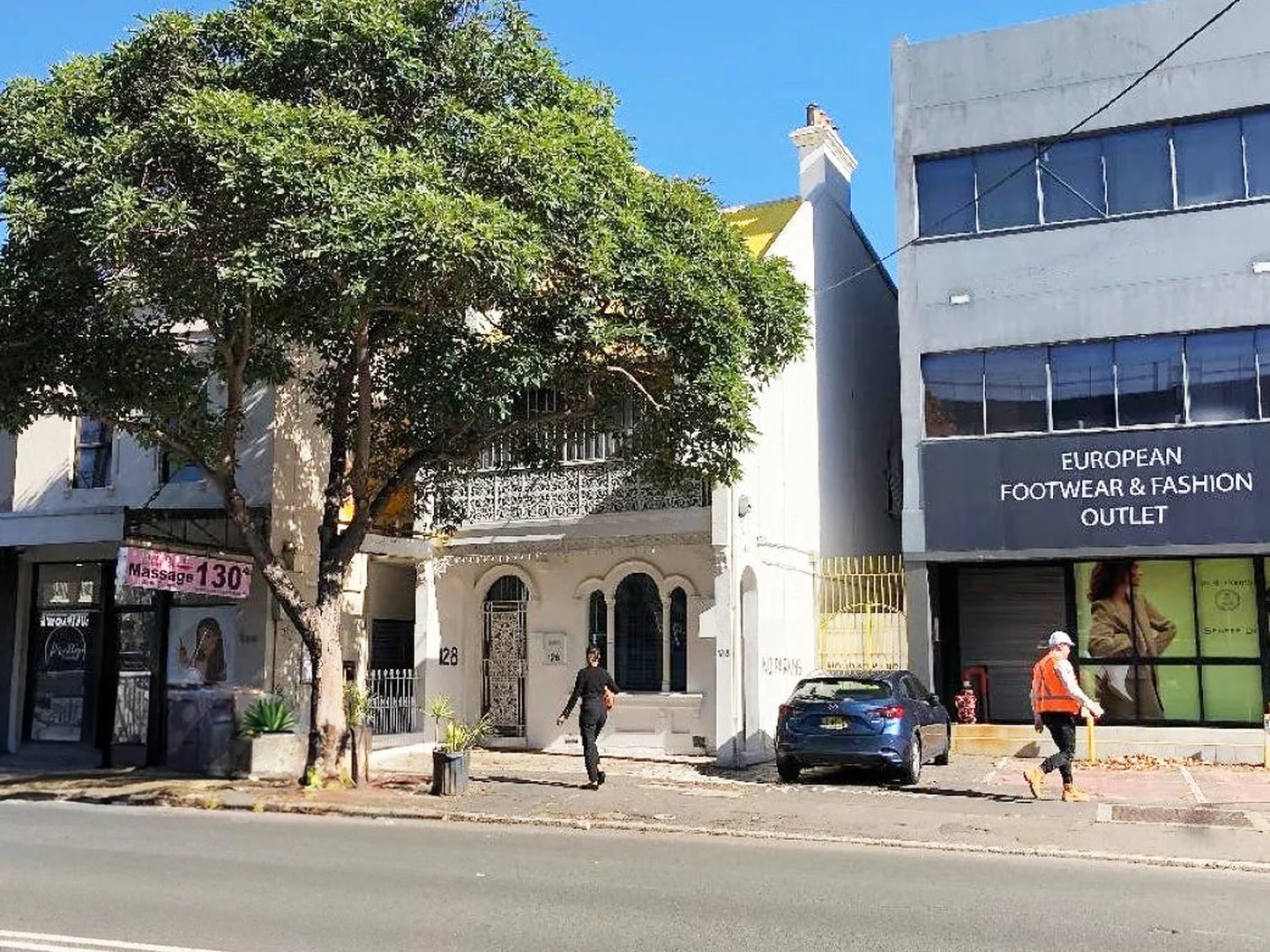 $3,900,000
House
$3,900,000
House
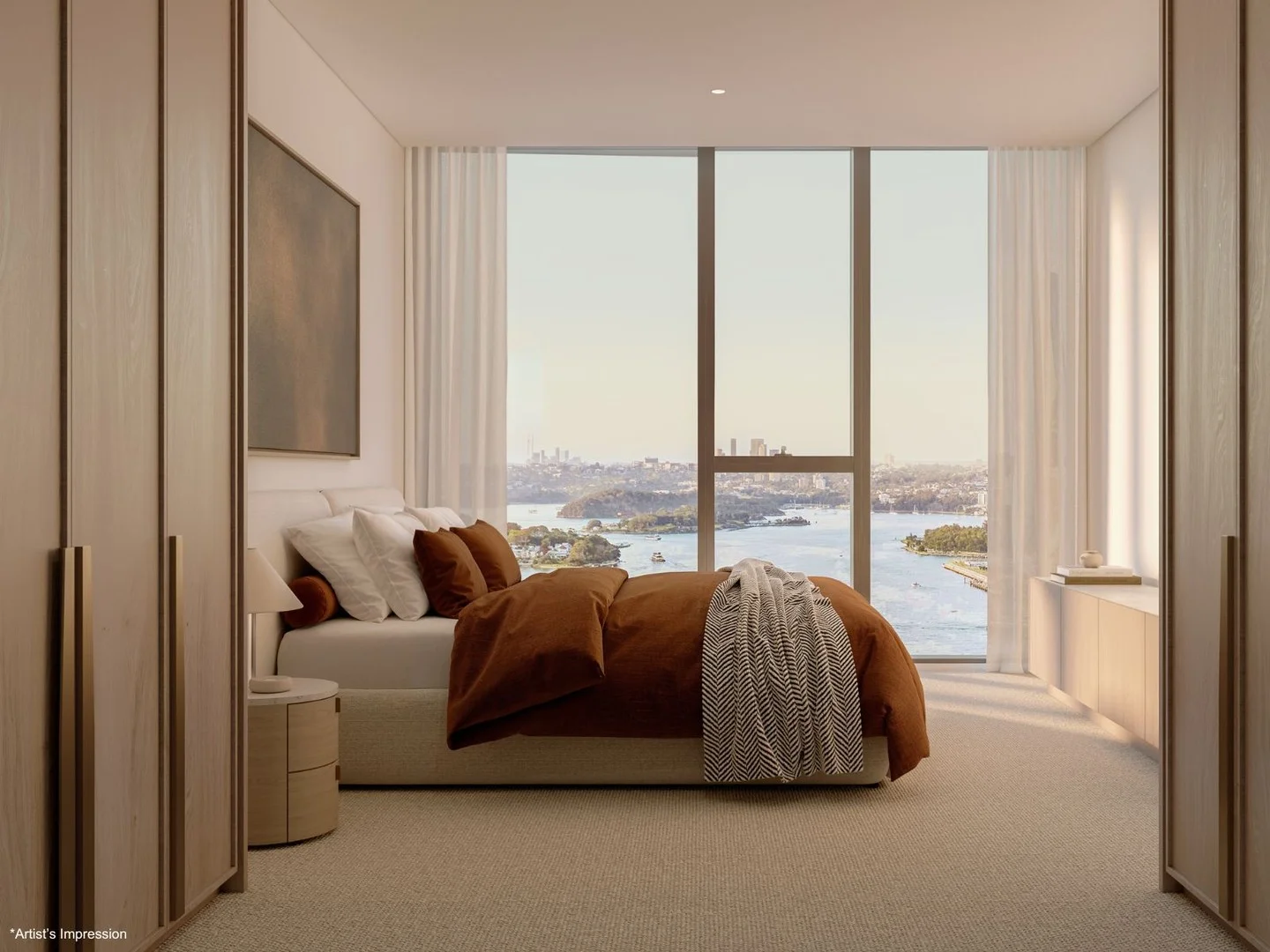 $8,630,000
propertyType.NEW APARTMENTS / OFF THE PLAN
$8,630,000
propertyType.NEW APARTMENTS / OFF THE PLAN
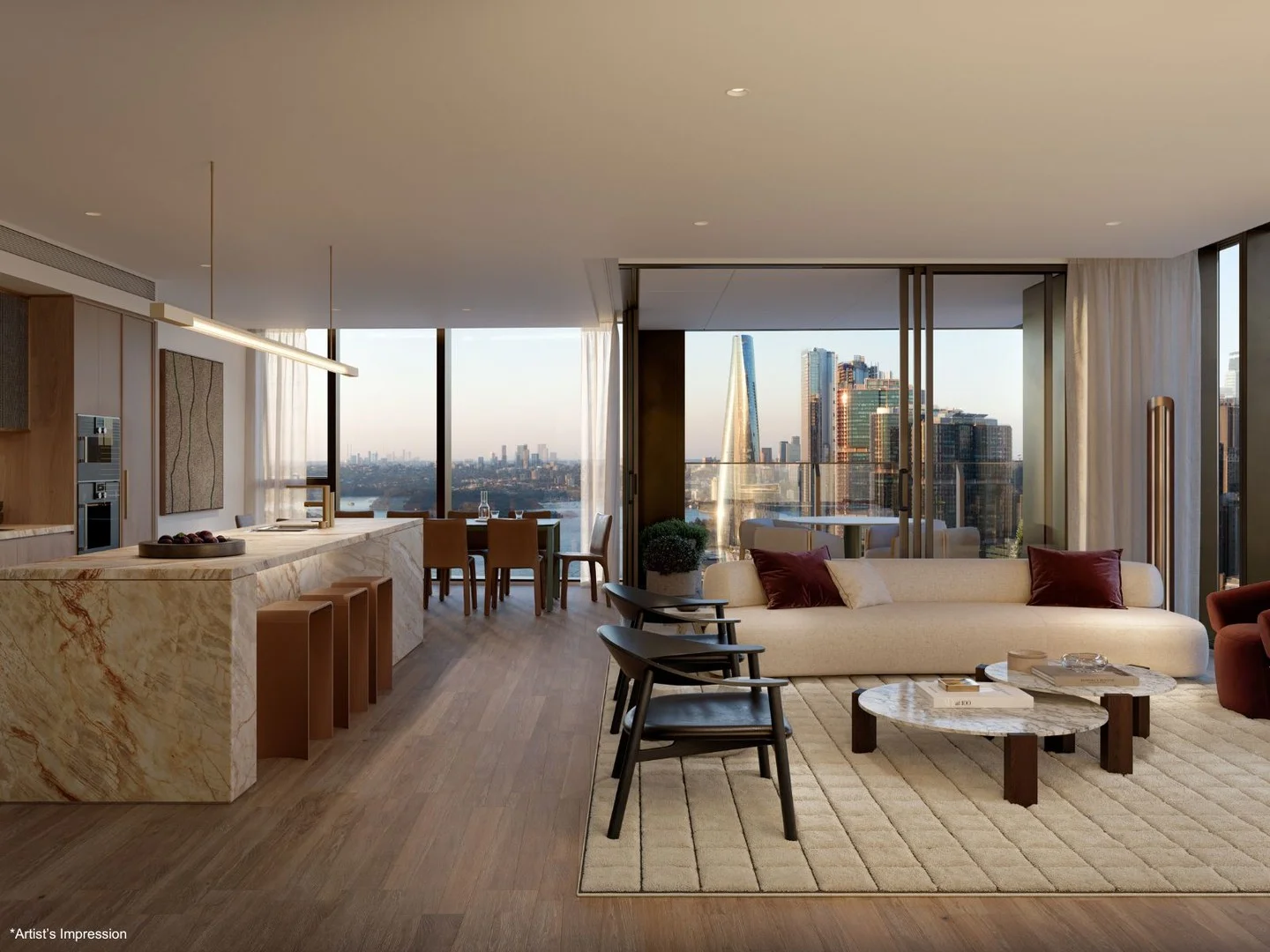 $12,980,000
propertyType.NEW APARTMENTS / OFF THE PLAN
$12,980,000
propertyType.NEW APARTMENTS / OFF THE PLAN
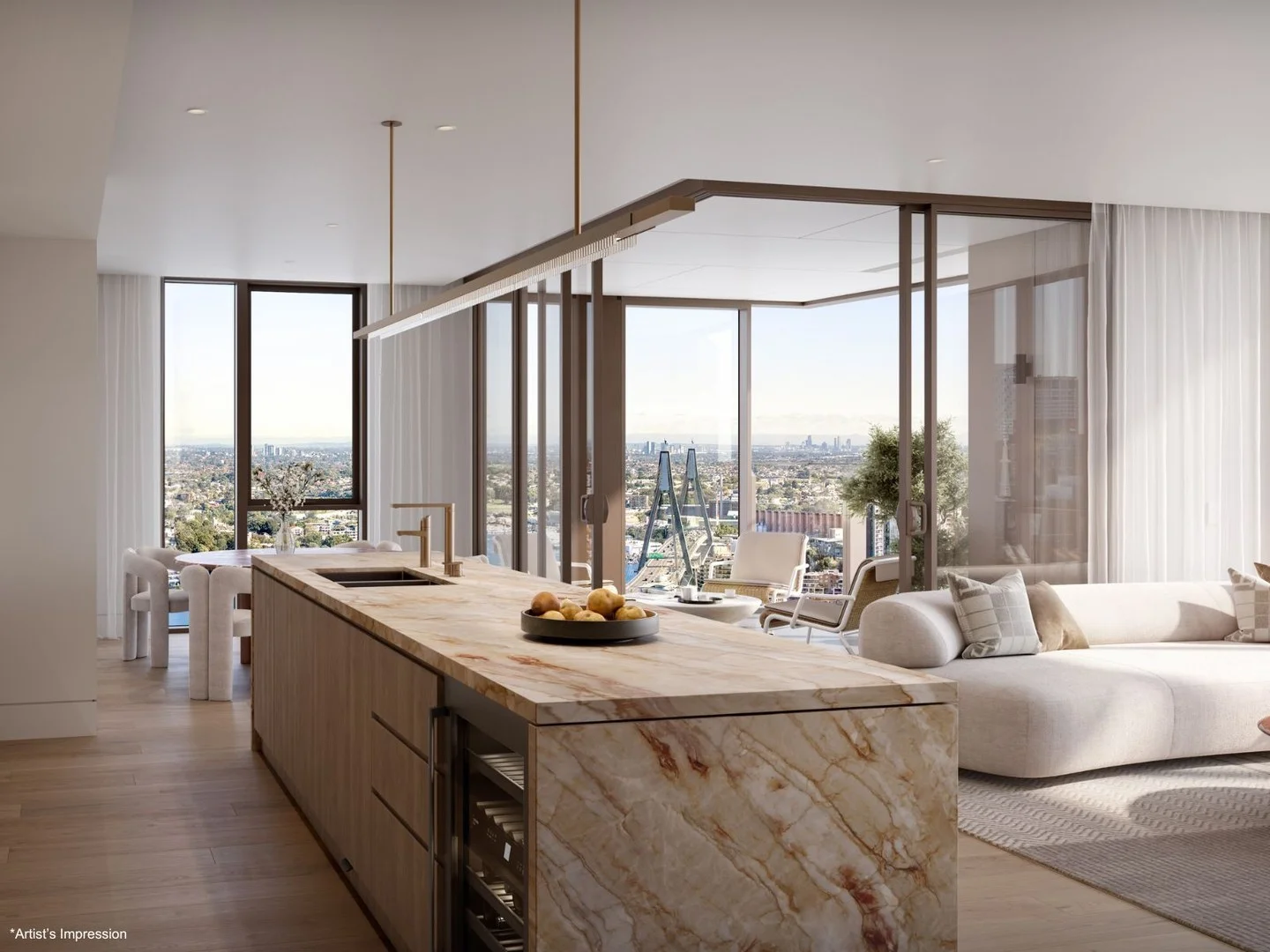 $9,020,000
propertyType.NEW APARTMENTS / OFF THE PLAN
$9,020,000
propertyType.NEW APARTMENTS / OFF THE PLAN
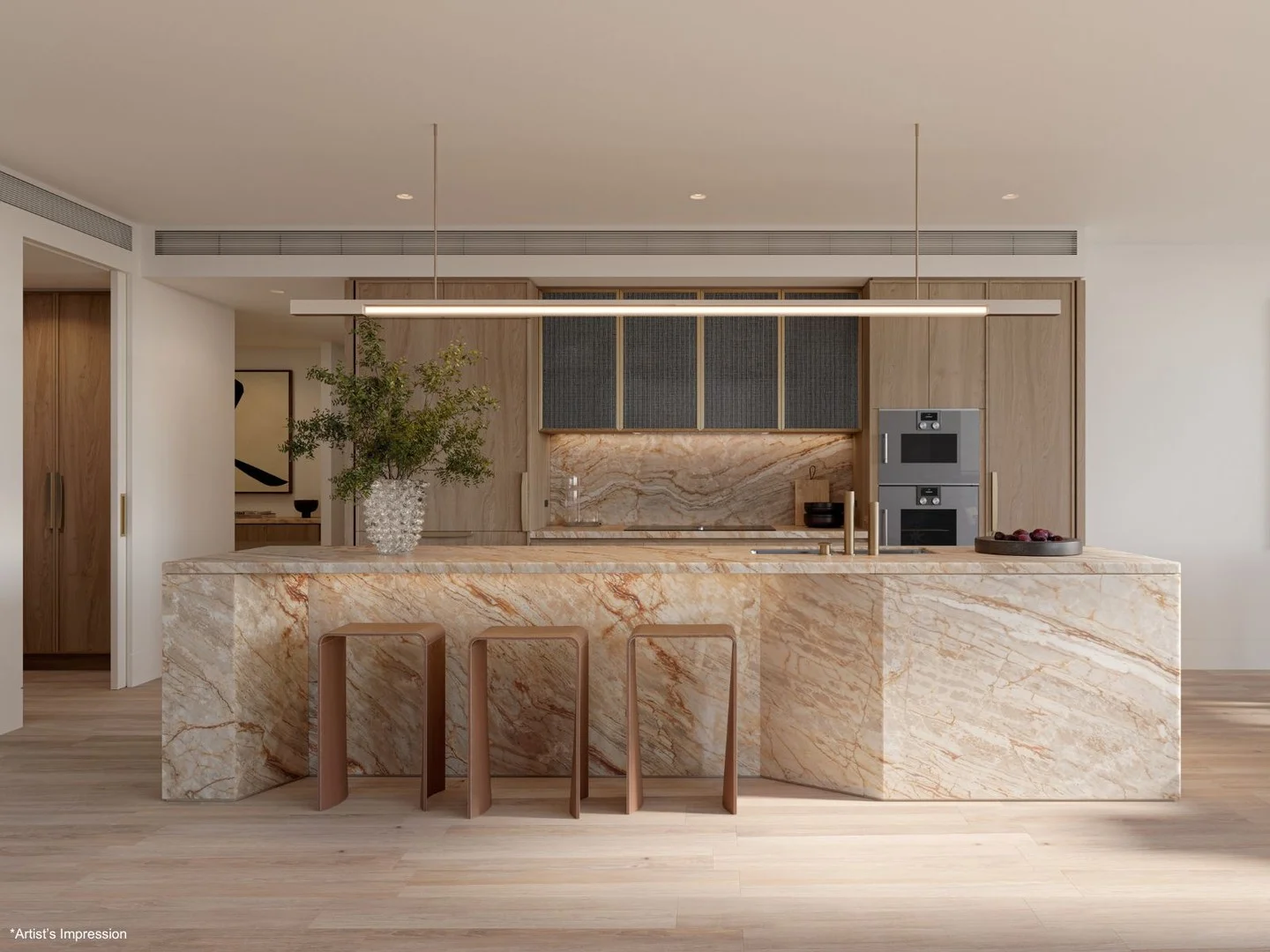 $6,225,000
propertyType.NEW APARTMENTS / OFF THE PLAN
$6,225,000
propertyType.NEW APARTMENTS / OFF THE PLAN
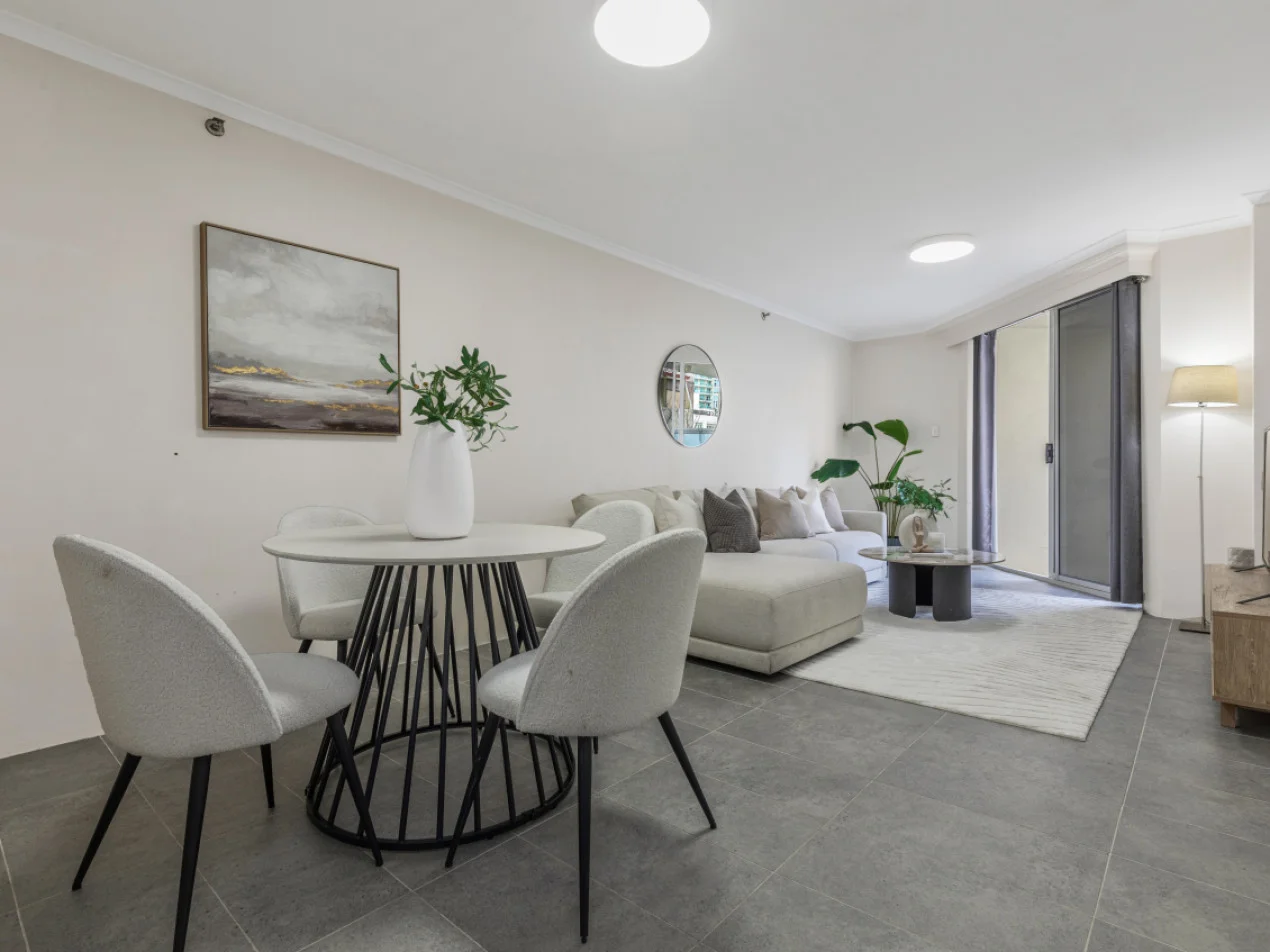 $640,000 - $675,000
Apartment / Unit / Flat
$640,000 - $675,000
Apartment / Unit / Flat
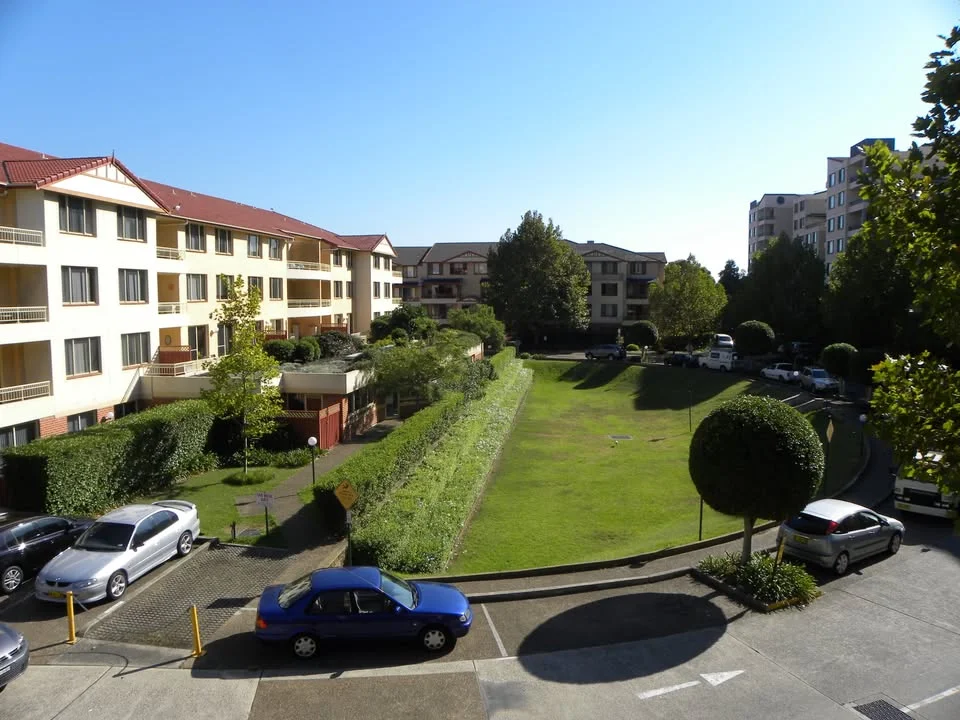 $990
Apartment / Unit / Flat
$990
Apartment / Unit / Flat


