Overview
Banksmeadow Public School is a public, co-educational primary school serving students from Kindergarten to Year 6. The school is typically described as medium-sized, with a welcoming and inclusive atmosphere designed to support a broad range of learner needs. Class sizes are presented as moderate, allowing for structured instruction and opportunities for small-group work. The environment tends to emphasise a nurturing, community-focused culture with attention to student well-being, collaboration, and active parental involvement.
This school aims to balance strong literacy and numeracy foundations with opportunities across sports, arts and inquiry-based learning. The culture generally reflects inclusivity, respect for diversity, and a commitment to helping students develop confidence, responsibility, and good citizenship.
Academics & Learning
- Academic strengths: Core literacy and numeracy are emphasised, with opportunities for enriched learning in STEM and inquiry-based activities. The school supports developing robust writing, reading, speaking and listening skills, and focuses on foundational knowledge across all key learning areas.
- Special programs: NSW public primary schools often offer enrichment opportunities and targeted supports; some schools run Gifted & Talented or learning enhancement programs and provide capabilities for student leadership development.
- Support for diverse learners: EAL (English as an Additional Language) support and SEN (Special Educational Needs) services are commonly available to assist students with language development and additional learning needs.
- Sports offered: Common options include soccer, cricket, netball, rugby league, athletics and swimming participation in inter-school events.
- Strong teams or achievements: Schools in this category often participate in local and regional inter-school sports competitions and strive for participation across age groups.
- Music, arts, drama programs: Many schools provide regular music lessons, choir or band activities, and opportunities in drama or school performances.
- Clubs: Robotics, coding, chess, debating and other enrichment clubs are typical, offering pathways for practical STEM learning and critical thinking.
- Partnerships: Schools may engage with local community clubs or regional competitions to broaden opportunities in sport, robotics or mathematics.
Wellbeing & Pastoral Care
- Anti-bullying approach: Programs and practices typically include clear anti-bullying policies, student awareness activities and teacher-led classroom routines to promote respectful behaviour.
- House system: A house or pastoral grouping is often used to foster belonging, teamwork and healthy competition in a supportive setting.
- Counsellors / wellbeing officers: Schools commonly have access to wellbeing staff or school counsellors to support students’ emotional and social needs.
- Transition support for new students: Orientation activities, buddy programs and targeted transition support help new students settle in smoothly.
Facilities
- Sports grounds: On-site playing fields or multipurpose play areas for outdoor activities.
- Libraries: A school library with print and digital resources to support reading and research.
- Science labs: Dedicated spaces for hands-on science learning.
- Music/performing arts centers: Rooms or spaces for music practice, choir and theatre activities.
- Tech/innovation labs: Computer labs or makerspaces to support digital literacy and Coding/STEAM activities.
- Cafeteria: A meals area or canteen providing student-friendly food options.
- Updated playgrounds: Modern equipment and safe outdoor play areas for recess and lunch breaks.
- School values / mission: Schools of this type typically emphasize respect, responsibility, inclusion, teamwork and a growth mindset as core values.
- Leadership style: School leadership generally supports collaborative decision-making, open communication with families and opportunities for student voice through councils or leadership roles.
- Behaviour expectations: Clear conduct expectations aligned with NSW public school policies, focusing on respectful interactions and consistent routines.
- Community reputation: The school typically strives for a positive, inclusive community reputation with active parental involvement and partnerships with local groups.
- Diversity & inclusion: Commitment to welcoming students from diverse backgrounds and providing supports to the widest range of learners.
School Logistics & Daily Operations
- School hours: Normal start and finish times for a primary school day, with morning and afternoon recesses, and a lunch break.
- Before/after school care: Some schools offer or partner with outside providers for before/after school care.
- Uniform requirements: NSW public schools usually have a uniform policy requiring students to wear the school uniform, with details provided by the school.
- Transport (train/bus routes): Public transport options (bus or light rail where applicable) and student drop-off/pick-up guidance are typically included in the school’s information for families.
- Canteen availability: A canteen or lunch program is commonly available, offering healthy meal and snack options.
- Fees (low/medium/high ranges): Public primary schools generally have low to moderate ancillary costs for activities and voluntary contributions; specifics are issued by the school each year.
Enrolment & Admissions
- What is the enrolment process and timeline?
- NSW public primary school enrolment is typically handled through the school with verification from the Department of Education. Parents usually complete an enrolment form, provide proof of age and identity, immunisation records, and proof of residence within the local intake area. The timeline varies by school term and intake periods; you will be guided by school communications.
- Is there a waiting list, and how does it work?
- If a school is at capacity, a waiting list can apply. The school or NSW Department of Education will inform families about the process, priorities (often based on locality and siblings), and expected timelines for placement.
- Are there any entry requirements, tests, or interviews?
- For standard enrolments in NSW public primary schools, there are typically no entry tests or interviews. Some programs or services may involve screening or support discussions, but regular enrolment does not require testing.
- Does the school accept mid-year transfers?
- Mid-year transfers are generally possible if vacancies exist and the school can accommodate the student’s year level and needs. Transfer approvals are coordinated through the school and the Department of Education.
Frequently Asked Questions
- Why Parents Choose This School?
Parents often cite a balanced focus on academic development, wellbeing, inclusive culture, and community involvement as reasons for choosing the school.
- What type of student thrives at this school?
Students who engage well in a supportive, collaborative environment with opportunities to participate in a range of activities, not just academics, tend to thrive.
- What opportunities are available for students to extend their skills (academics, sports, arts)?
There are typically enrichment programs, leadership opportunities, sports teams, arts performances, and clubs such as robotics or coding.
- How does the school communicate with parents?
Schools commonly use newsletters, email, the school website or app, parent-teacher meetings, and notices to keep families informed.
- What is the school’s approach to teaching and learning?
The approach usually combines strong literacy and numeracy instruction with inquiry-based learning, collaboration, and differentiated support to meet diverse needs.
- How does the school support students who need extra academic help?
Additional tutoring, small-group instruction, targeted interventions, and EAL/SEN supports are commonly available.
- What support is available for academic challenges?
Diagnostic assessments, targeted interventions, and regular progress monitoring help address academic challenges.
- What extracurricular and sports opportunities are available?
A range of sports, music, drama, and clubs (robotics, chess, coding, debating) is typically offered, with pathways to inter-school competitions.
- What facilities does the school offer (sports, science, arts)?
Facilities usually include libraries, science labs, music/performing arts spaces, tech/innovation labs, sports grounds, a canteen, and updated playgrounds.
- What is the school’s approach to technology and digital learning?
Digital literacy is integrated into learning, with access to computers or tablets and programming/ICT activities.
- What transport and accessibility options are available?
Bus routes or public transport support, along with guidance on accessibility and drop-off/pick-up arrangements, are commonly provided.
- What are the typical school fees or additional costs?
Public primary schools have low to moderate voluntary contributions and activity costs; exact amounts are set annually by the school.
Short Pros & Cons
- Public, supportive, community-focused environment
- Balanced focus on academics, sport, arts and wellbeing
- Inclusive practices and support for diverse learners
- Range of extracurricular opportunities and clubs
- Active communication with families and clear expectations
- Some programs and facilities depend on annual funding and local partnerships
- Transport options are dependent on local routes and available services
If you’d like, I can tailor this content with more precise details once you provide or confirm specific information from Banksmeadow Public School (such as exact student numbers, current programs, or recent achievements).
 $5+
$5+








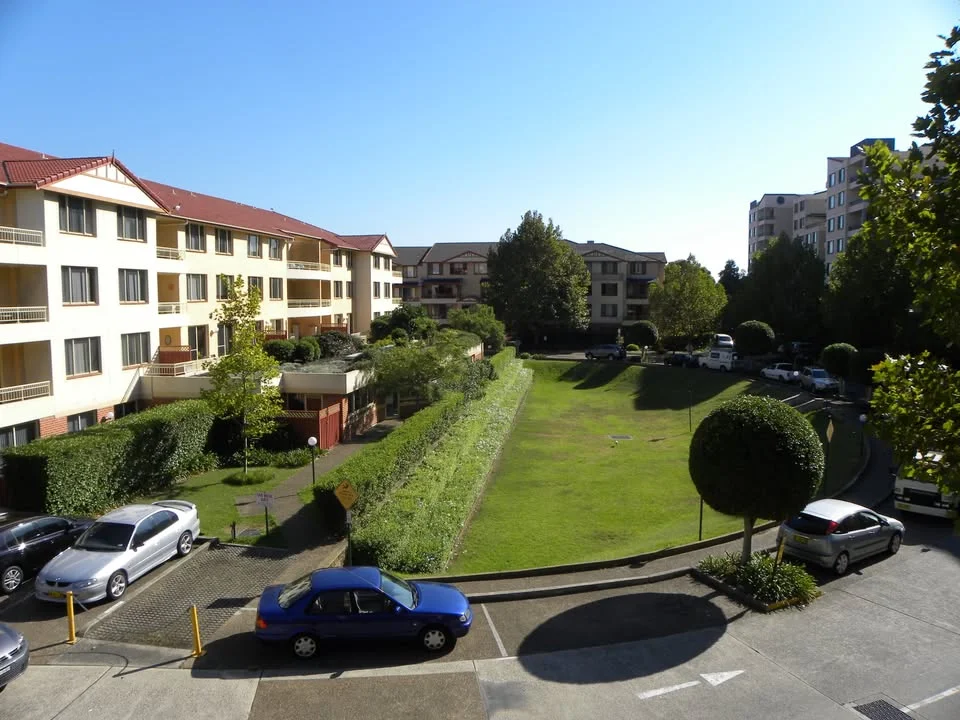 $990
Apartment / Unit / Flat
$990
Apartment / Unit / Flat
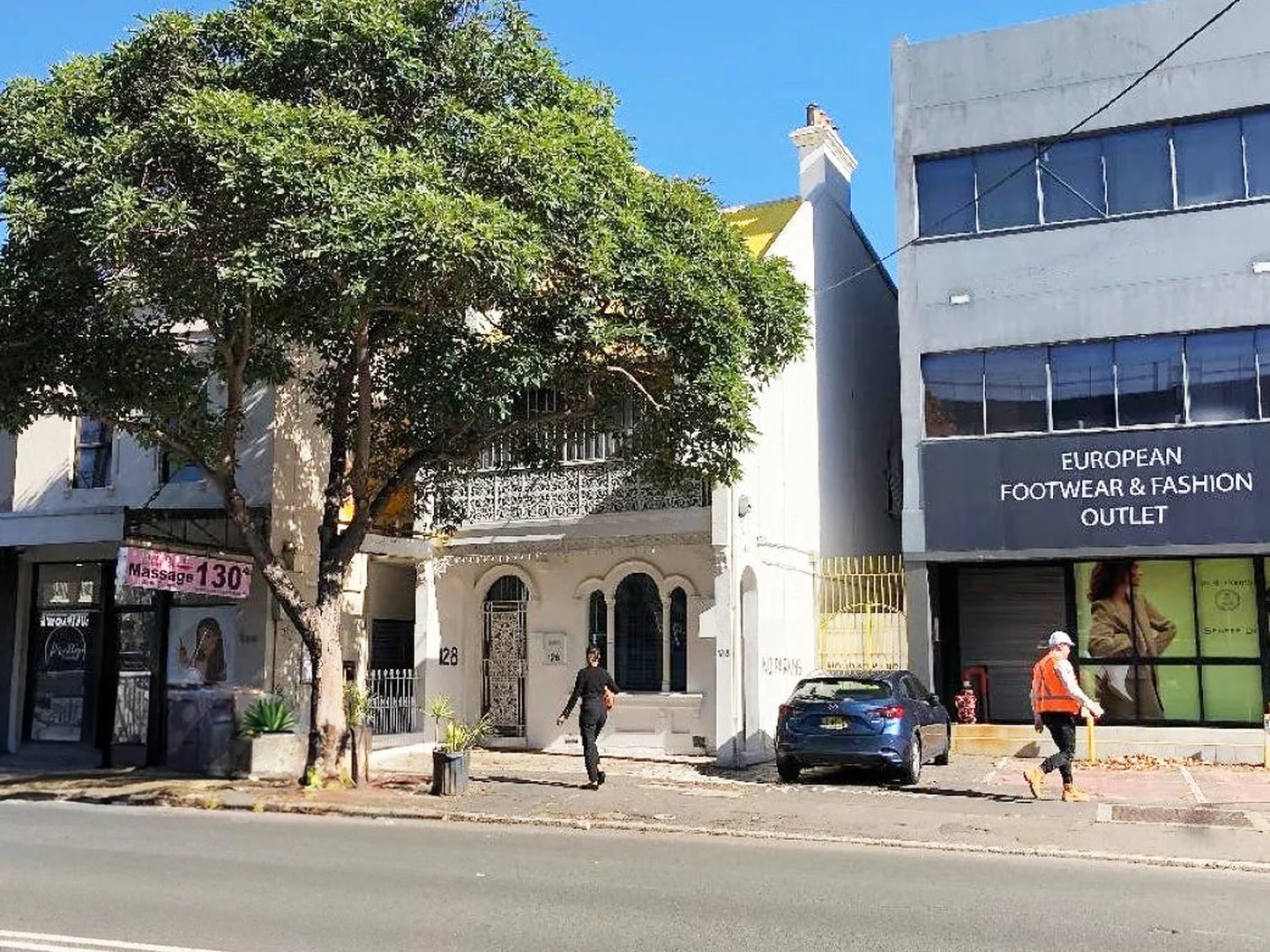 $3,900,000
House
$3,900,000
House
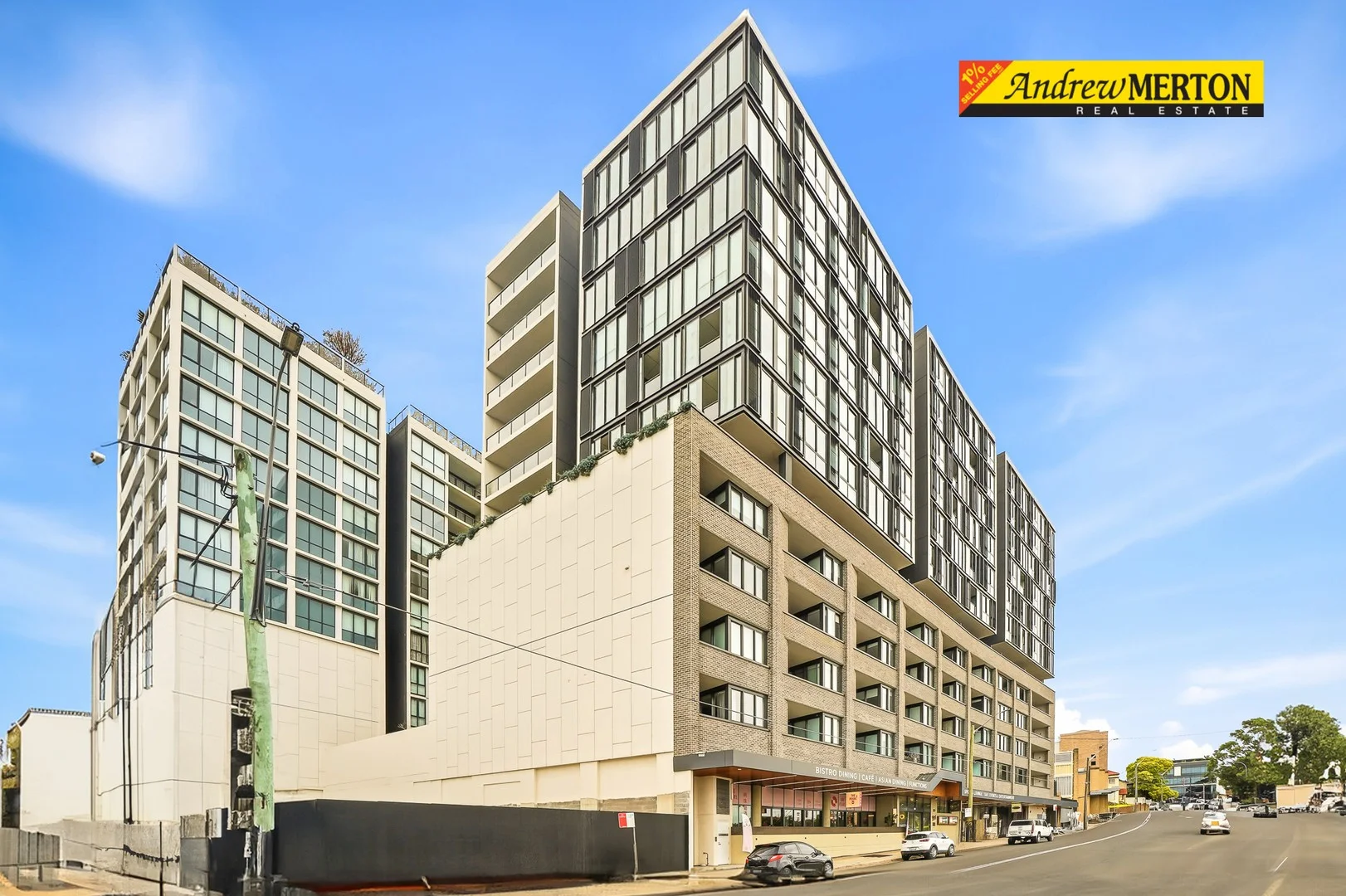 $665,000
Apartment / Unit / Flat
$665,000
Apartment / Unit / Flat
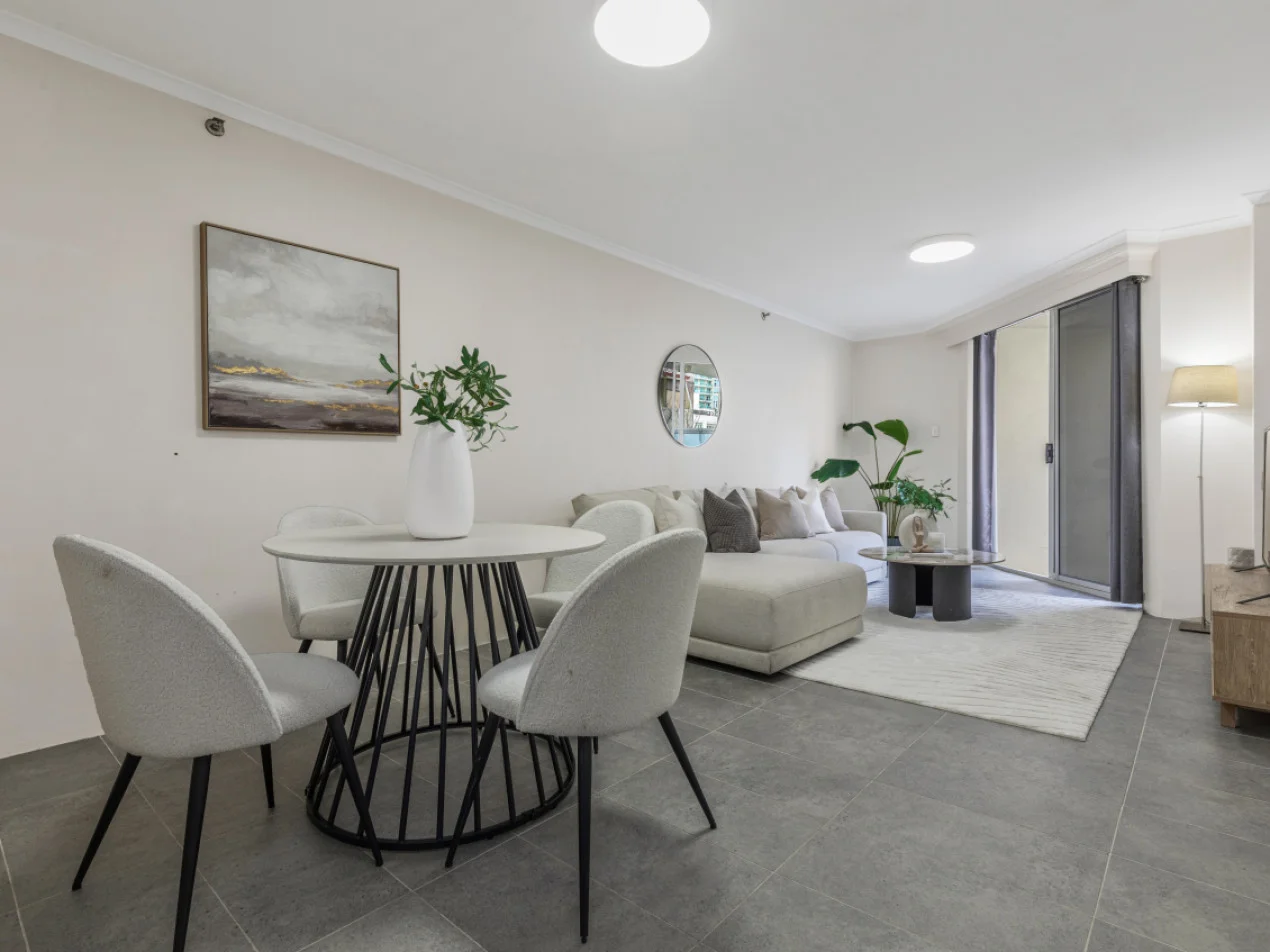 $640,000 - $675,000
Apartment / Unit / Flat
$640,000 - $675,000
Apartment / Unit / Flat
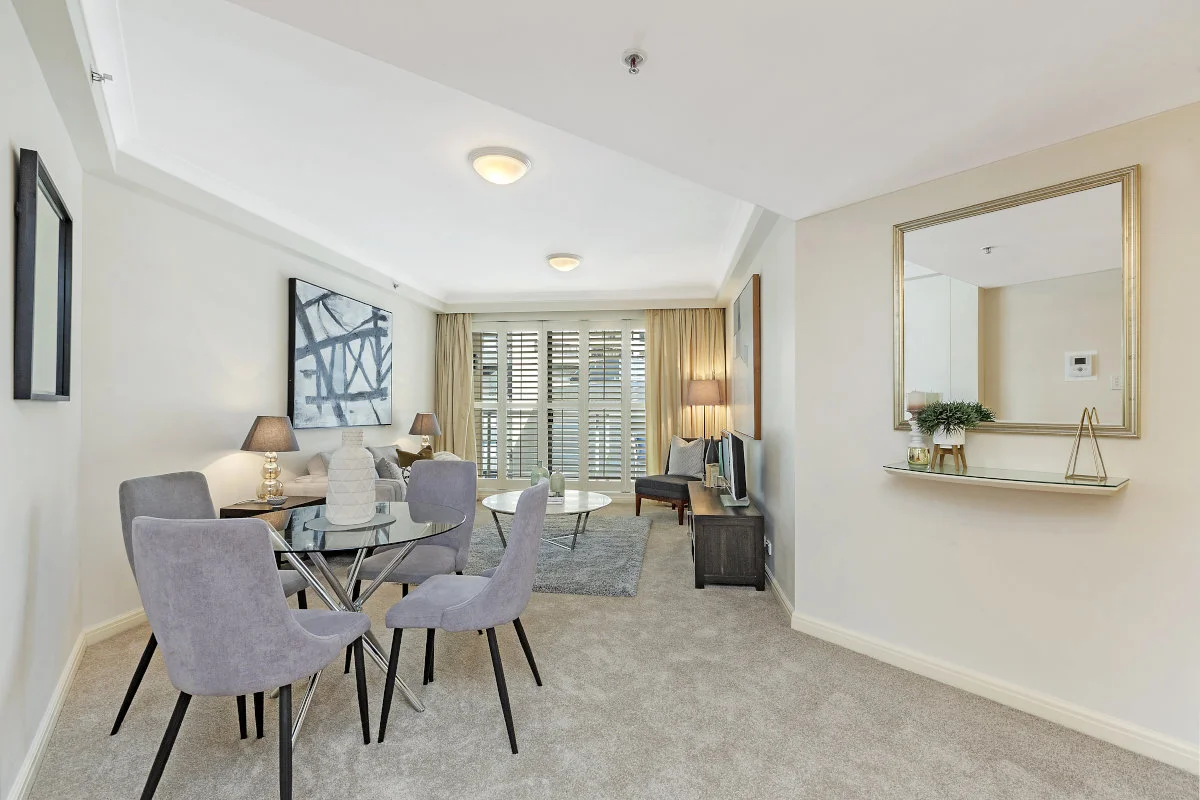 $660,000 - $725,000
Apartment / Unit / Flat
$660,000 - $725,000
Apartment / Unit / Flat
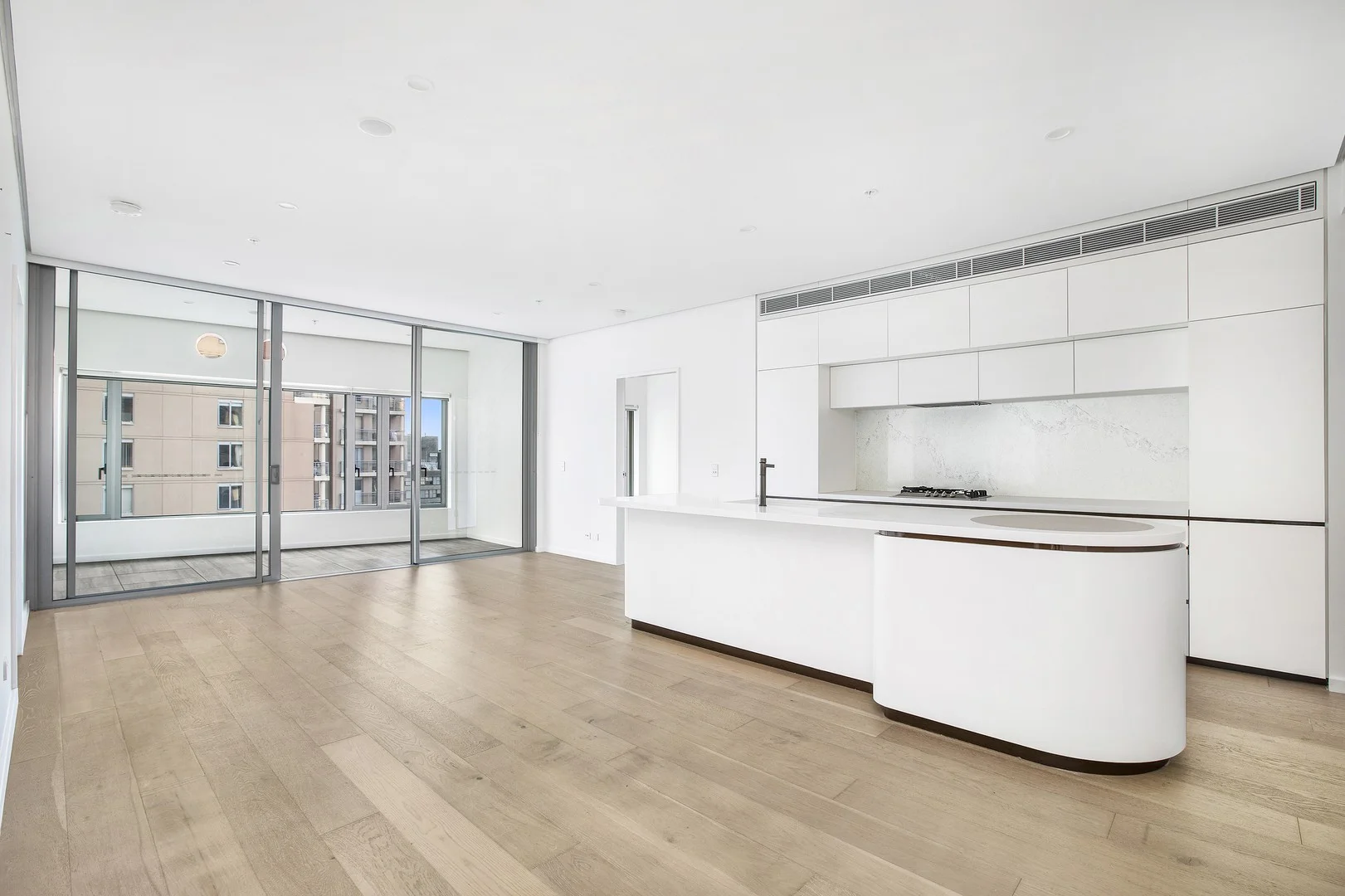 $2,250,000
Apartment / Unit / Flat
$2,250,000
Apartment / Unit / Flat
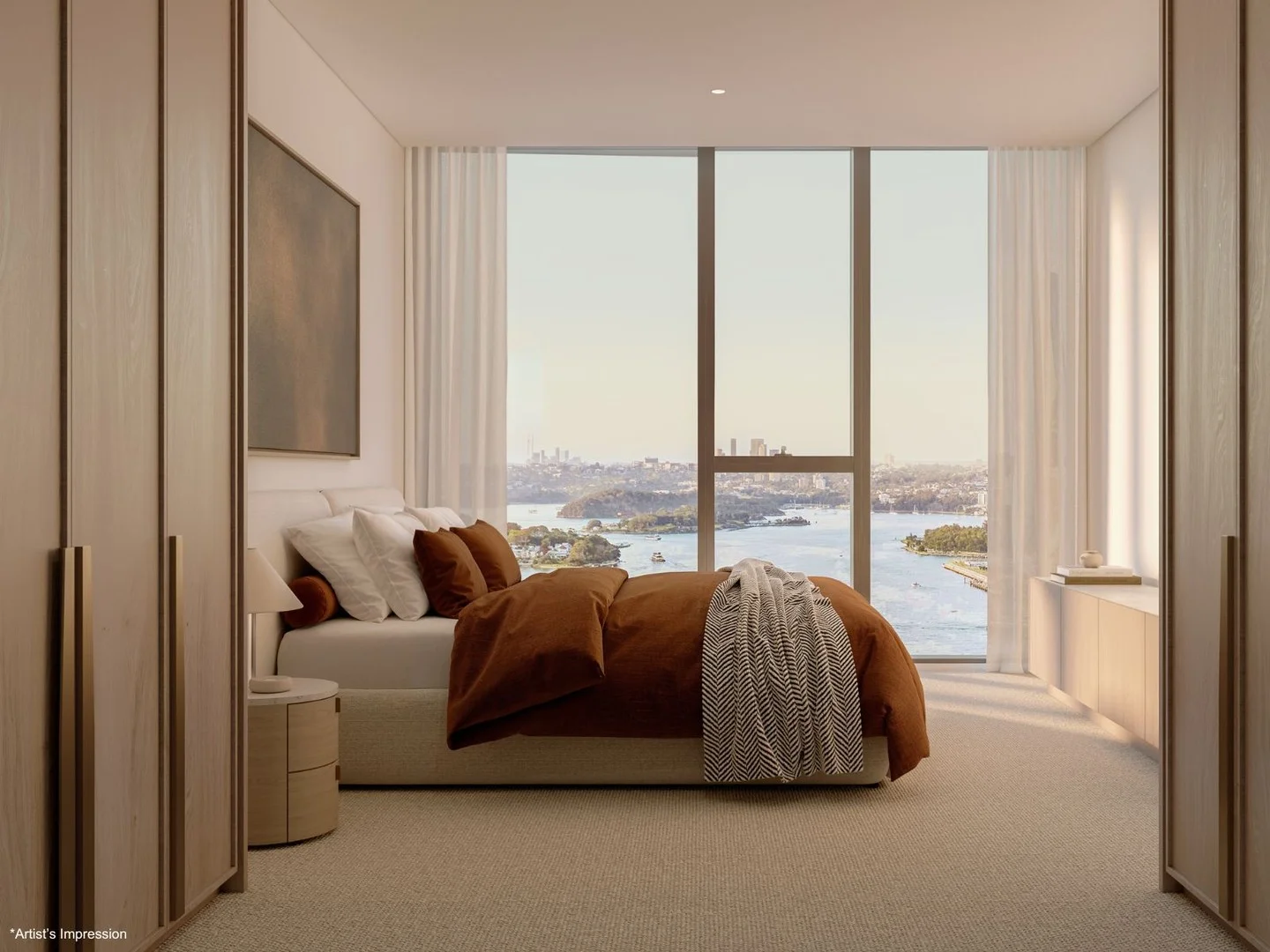 $8,630,000
propertyType.NEW APARTMENTS / OFF THE PLAN
$8,630,000
propertyType.NEW APARTMENTS / OFF THE PLAN
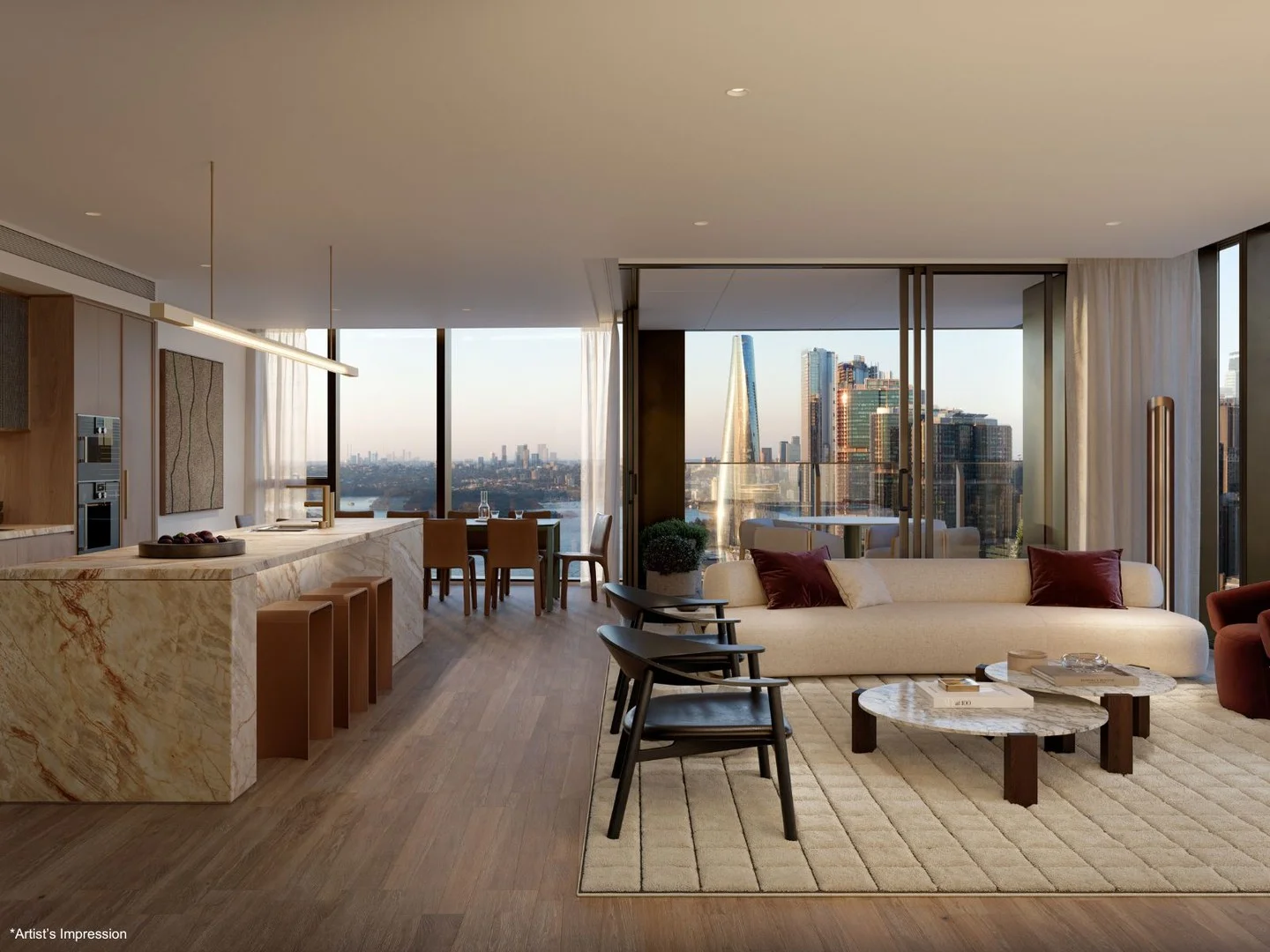 $12,980,000
propertyType.NEW APARTMENTS / OFF THE PLAN
$12,980,000
propertyType.NEW APARTMENTS / OFF THE PLAN
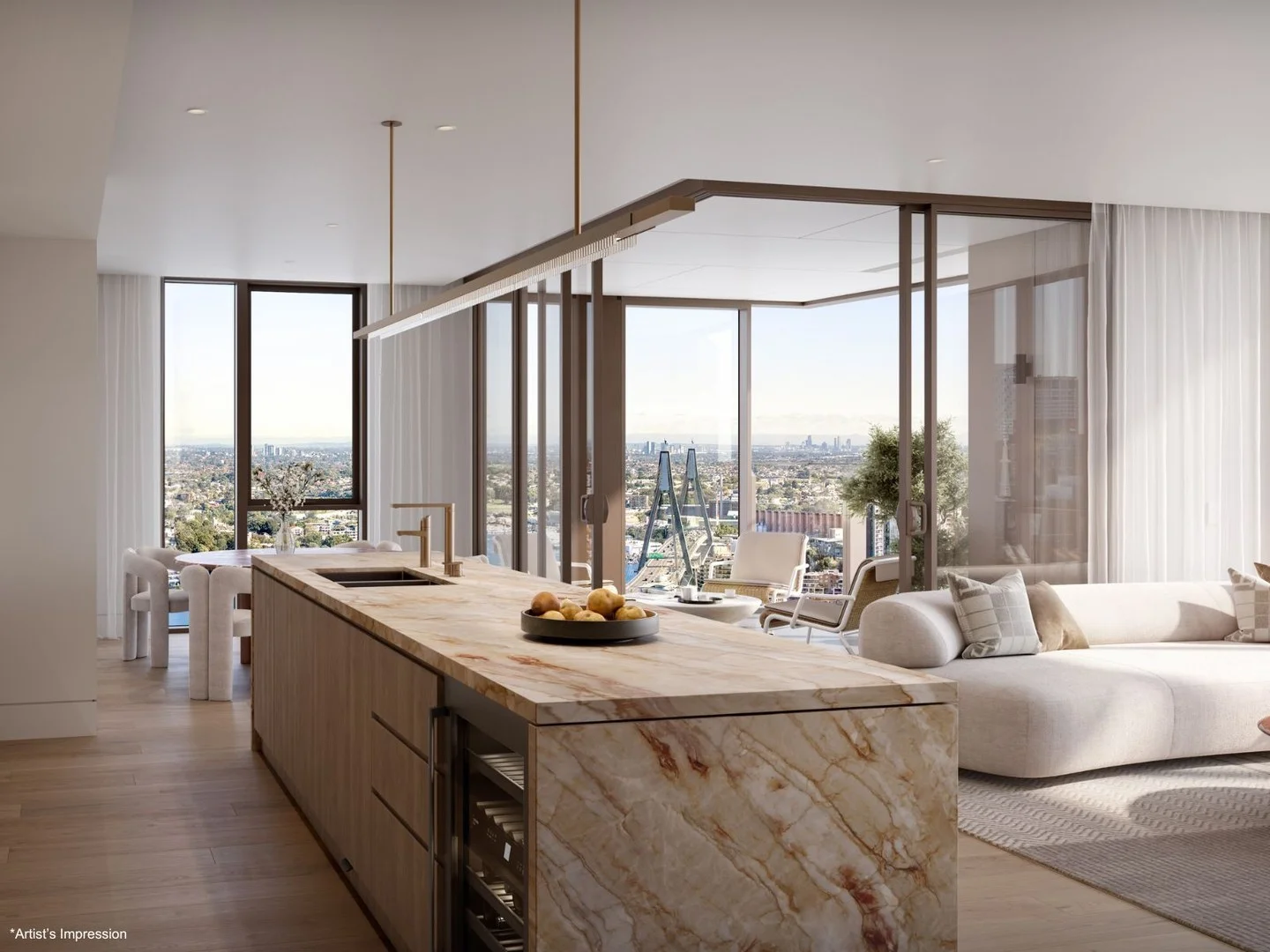 $9,020,000
propertyType.NEW APARTMENTS / OFF THE PLAN
$9,020,000
propertyType.NEW APARTMENTS / OFF THE PLAN