### 1. Overview
St Bernard’s Catholic Primary School Botany is a Catholic, co-educational primary school serving families in Botany and the surrounding areas. The school aims to blend faith formation with strong academic and pastoral support, creating a welcoming, family-oriented atmosphere.
- School type: Catholic
- School size: Medium
- Class size: Typically around 20–25 students per class
- Atmosphere/culture: Nurturing, inclusive, with a faith-based community focus
⸻
### 2. Academics & Learning
St Bernard’s focuses on building solid literacy and numeracy foundations alongside a Christian worldview. The school emphasises a well-rounded curriculum that supports students’ academic growth, character development, and leadership skills.
- Academic strengths: English literacy, numeracy, Religious Education, and integrated learning that connects across subjects
- Special programs: Enrichment opportunities and targeted supports for students needing extra challenge or assistance; Catholic values-based education integrated throughout the curriculum
- NAPLAN / trends: Trends typically show steady performance with occasional year-to-year improvements in specific domains (e.g., writing or reading). The school aims to maintain or exceed local averages over time.
- Student-teacher ratios: Small to medium class sizes with a focus on accessible teacher support; indicative ratios align with NSW primary settings (smaller classes encourage more individual attention)
- Support for diverse learners: EAL/D support, learning support staff, inclusive education approaches, and pathways to adapt learning for students with additional needs
⸻
### 3. Sports & Extracurricular Strengths
A strong emphasis on well-being, teamwork, and varied opportunities beyond the classroom.
- Sports offered: Soccer, netball, cricket, basketball, rugby league/athletics and swimming are commonly available through NSW primary programs
- Strong teams or achievements: Participation in inter-school sports with competitive teams and annual carnivals; opportunities to develop skills through regular fixtures
- Music, arts, drama programs: School choir and general music program; performances and events to showcase students’ talents
- Clubs: Robotics, chess, coding, debating and other enrichment activities
- Partnerships: Connections with local clubs and community organizations for competitions and external events
⸻
### 4. Wellbeing & Pastoral Care
Pastoral care and student wellbeing are central to the school’s approach, helping students feel secure, supported, and engaged.
- Anti-bullying approach: Clear policies, restorative practices, and proactive student education to promote respect and safe classrooms
- House system: House groups foster belonging, teamwork, and healthy competition (house activities and celebrations support social development)
- Counsellors / wellbeing officers: Access to wellbeing staff for pastoral support and guidance
- Transition support for new students: Orientation sessions, buddy programs, and opportunities to meet teachers and peers before starting
⸻
### 5. Facilities
Facilities are designed to support a broad curriculum and engaging student experiences.
- Sports grounds
- Libraries
- Science labs
- Music/performing arts centers
- Tech/innovation labs
- Cafeteria
- Updated playgrounds
⸻
### 6. School Values & Community Culture
The school fosters a values-driven culture grounded in Catholic beliefs and community collaboration.
- School values / mission: Faith, compassion, respect, responsibility, and service are typically emphasised
- Leadership style: Collaborative leadership with opportunities for student voice and involvement
- Behaviour expectations: Clear, consistent expectations aligned with school values and pastoral care
- Community reputation: Positive, welcoming reputation within the local Catholic education network
- Diversity & inclusion: Commitment to inclusive practices and welcoming families from diverse backgrounds
⸻
### 7. School Logistics & Daily Operations
Practical information that helps families plan their day-to-day.
- School hours: Generally around the late morning start to mid-afternoon finish; check the school calendar for exact times
- Before/after school care: OSHC or school-approved care arrangements may be available
- Uniform requirements: School uniform policy in place
- Transport (bus routes): Local bus options and proximity to public transport; check Transport for NSW or school communications for routes
- Canteen availability: Canteen or snack program typically available
- Fees (low/medium/high ranges): Catholic primary schools in NSW tend to have mid-range fees; exact amounts vary by year and program
⸻
### 8. Enrolment & Admissions
11. What is the enrolment process and timeline?
- Check eligibility and school intake periods
- Submit online application with required documents (birth certificate, immunisation records, baptism confirmation if applicable)
- Attend information session/open day and complete any required interviews or meetings
- Family may be invited to participate in a confirmation/acceptance process; fees and forms completed to secure a place
- Timeline varies by year; priority may be given to siblings and Catholic parish families
12. Is there a waiting list, and how does it work?
- Waiting lists commonly apply when demand exceeds places
- Priority can be given to siblings and Catholic parish families, with other applicants considered as vacancies arise
- Offers are made in blocks; families are notified of position on the waiting list and estimated timeline
13. Are there any entry requirements, tests, or interviews?
- Most commonly an interview or meeting with the principal or year advisor
- Parental verification of parish affiliation and Catholic upbringing may be requested
- No standardized “test” required for entry; emphasis is on fit with school values and readiness
14. Does the school accept mid-year transfers?
- Mid-year transfers are possible if vacancies exist
- Transfer timelines depend on availability and the student’s current schooling documents (resume, transcripts, immunisations, etc.)
⸻
### 9. Frequently Asked Questions
- Why Parents Choose This School?
Families often choose for the Catholic ethos, supportive community, and a balanced focus on faith, academics, and wellbeing.
- What type of student thrives at this school?
Students who are engaged, respectful, collaborative, and willing to participate in both academics and community life tend to thrive.
- What opportunities are available for students to extend their skills (academics, sports, arts)?
Through reading and numeracy enrichment, religious education, leadership roles, inter-school sport, music programs, and clubs such as robotics, coding, chess, and debating.
- How does the school communicate with parents?
Regular newsletters, a parent app or portal, emails, and parent-teacher meetings; open days and information evenings are common.
- What is the school’s approach to teaching and learning?
A balanced, student-centered approach that integrates faith with best-practice literacy, numeracy, and inquiry-based learning.
- How does the school support students who need extra academic help?
In-class supports, targeted interventions, and access to learning support staff and EAL/D assistance.
- What support is available for academic challenges?
Individual learning plans or targeted support within the classroom; additional tutoring or small-group sessions as needed.
- What are the class sizes and how much individual attention do students receive?
Class sizes are typically around 20–25 students, with teachers differentiating instruction to provide targeted support and opportunities for individual feedback.
- What extracurricular and sports opportunities are available?
A range of sports (e.g., soccer, netball, cricket, basketball), arts programs, and clubs such as robotics, chess, coding, and debating.
- What facilities does the school offer (sports, science, arts)?
Sports grounds, libraries, science labs, music/performing arts spaces, tech/innovation labs, and a canteen.
- What is the school’s approach to technology and digital learning?
Integration of ICT in learning, with age-appropriate digital tools and resources to support classroom activities.
- What transport and accessibility options are available?
Local bus services and proximity to public transport; school may offer guidance on top-of-year travel arrangements.
- What are the typical school fees or additional costs?
Fees are in the mid range for NSW Catholic primary schools; exact costs vary by year and program, with information available from the school administration
⸻
### 10. Short Pros & Cons
- Pros
- Strong sense of community and faith-based values
- Supportive, nurturing environment with small to mid-sized classes
- Focus on literacy and numeracy alongside holistic development
- Inclusive practices and support for diverse learners
- Range of sports, arts, and enrichment clubs
- Cons
- Catholic ethos may not suit every family
- Fees apply (relative to other NSW primary options)
- Location may require travel for some families
- Availability of certain programs or clubs can vary by year
⸻






 $990
Apartment / Unit / Flat
$990
Apartment / Unit / Flat
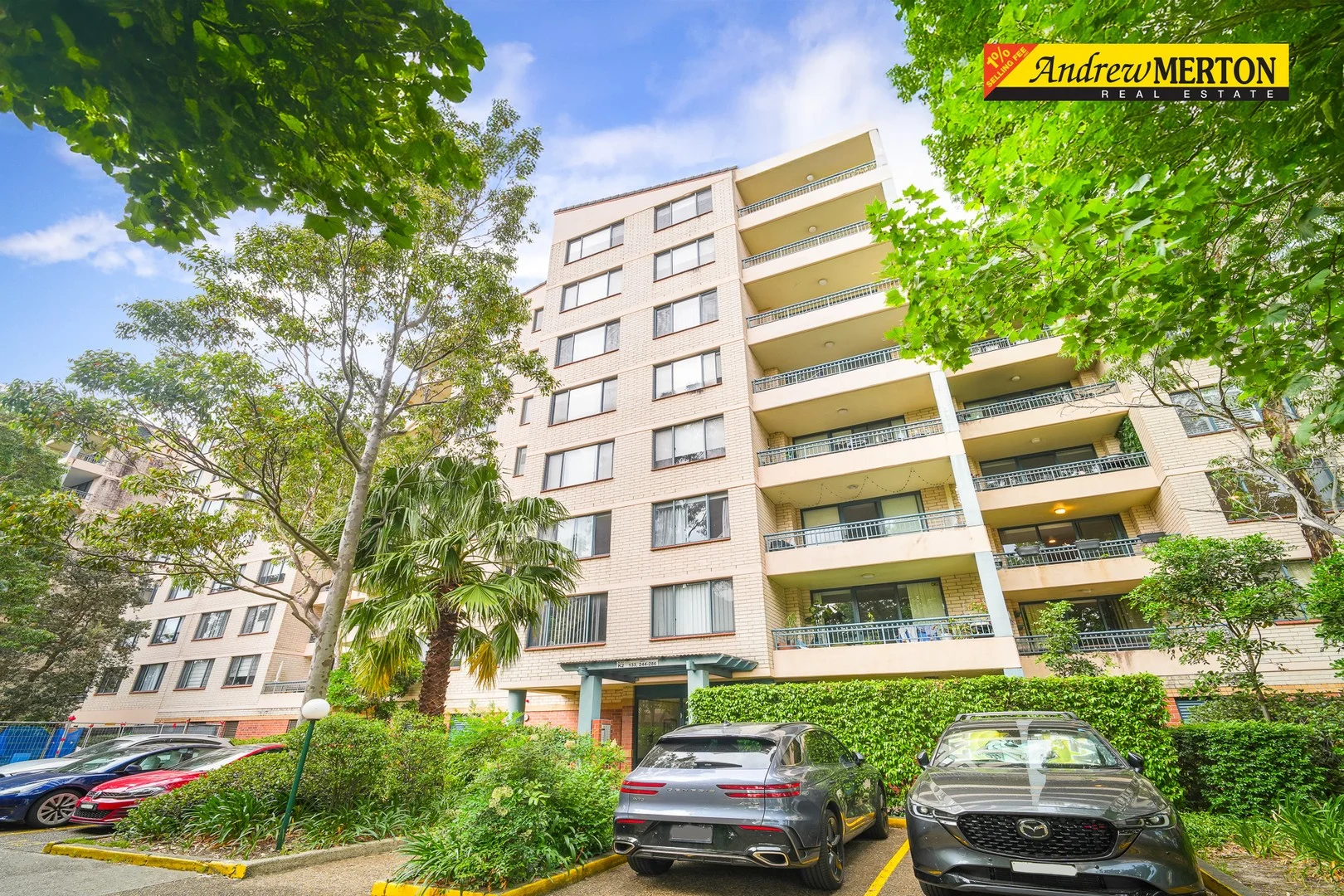 $933,000
Apartment / Unit / Flat
$933,000
Apartment / Unit / Flat
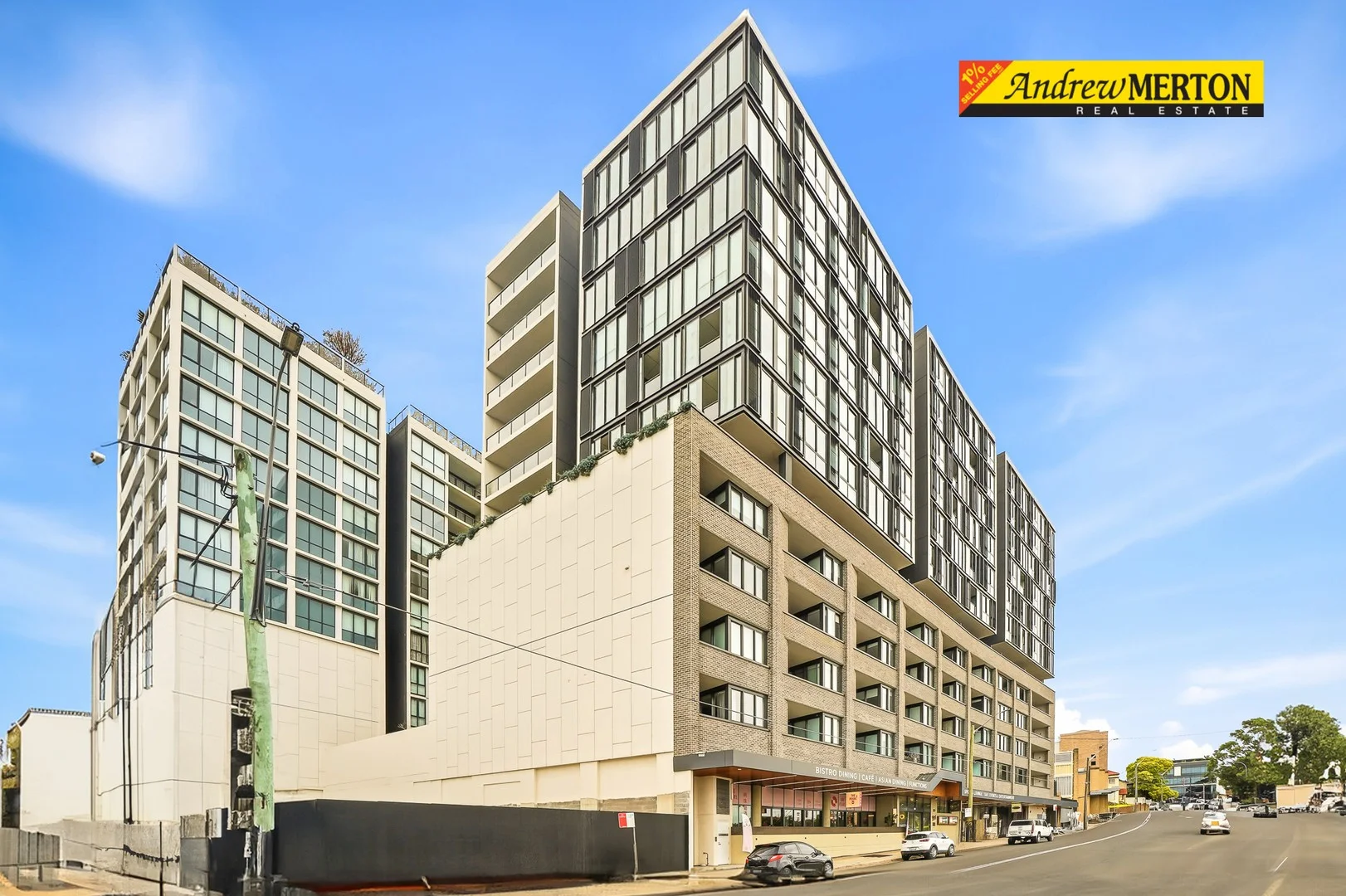 $699,000
Apartment / Unit / Flat
$699,000
Apartment / Unit / Flat
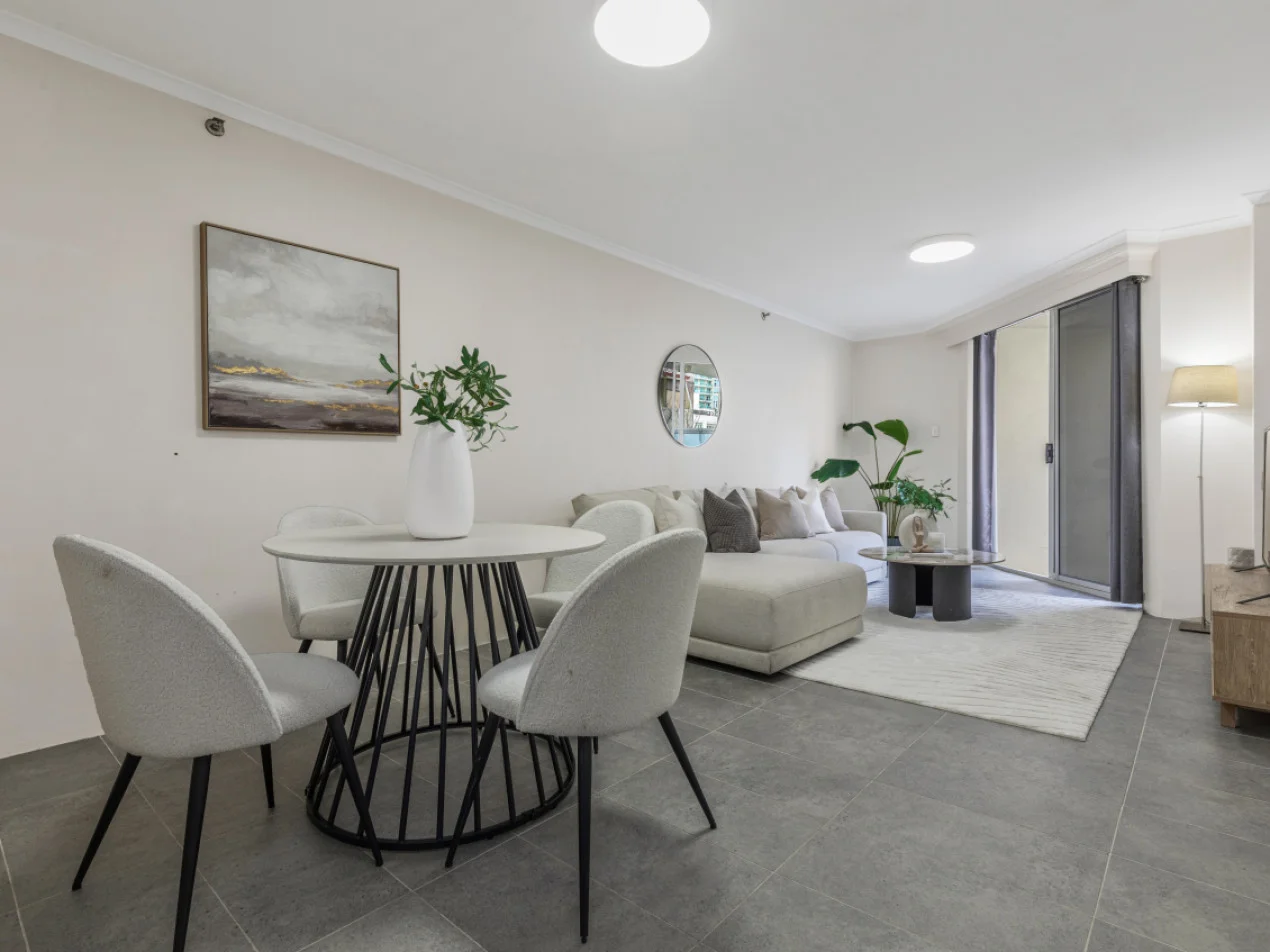 $640,000 - $675,000
Apartment / Unit / Flat
$640,000 - $675,000
Apartment / Unit / Flat
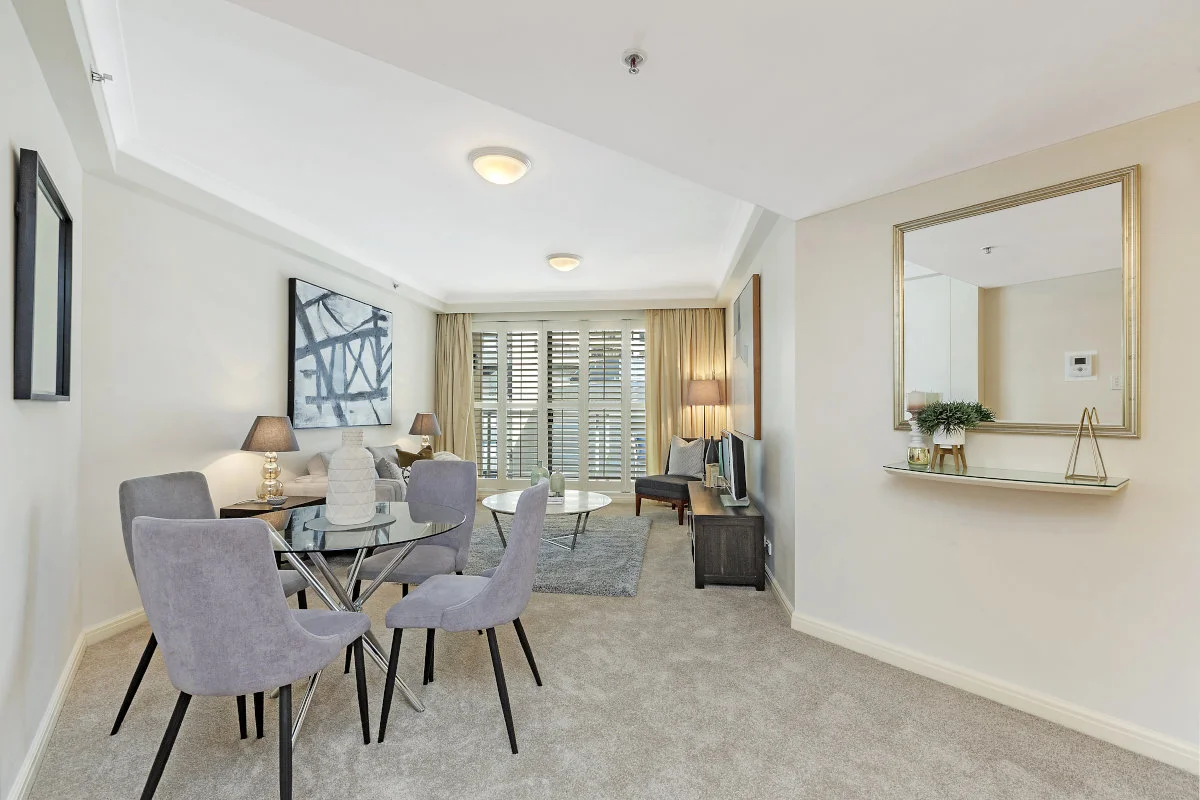 $660,000 - $725,000
Apartment / Unit / Flat
$660,000 - $725,000
Apartment / Unit / Flat
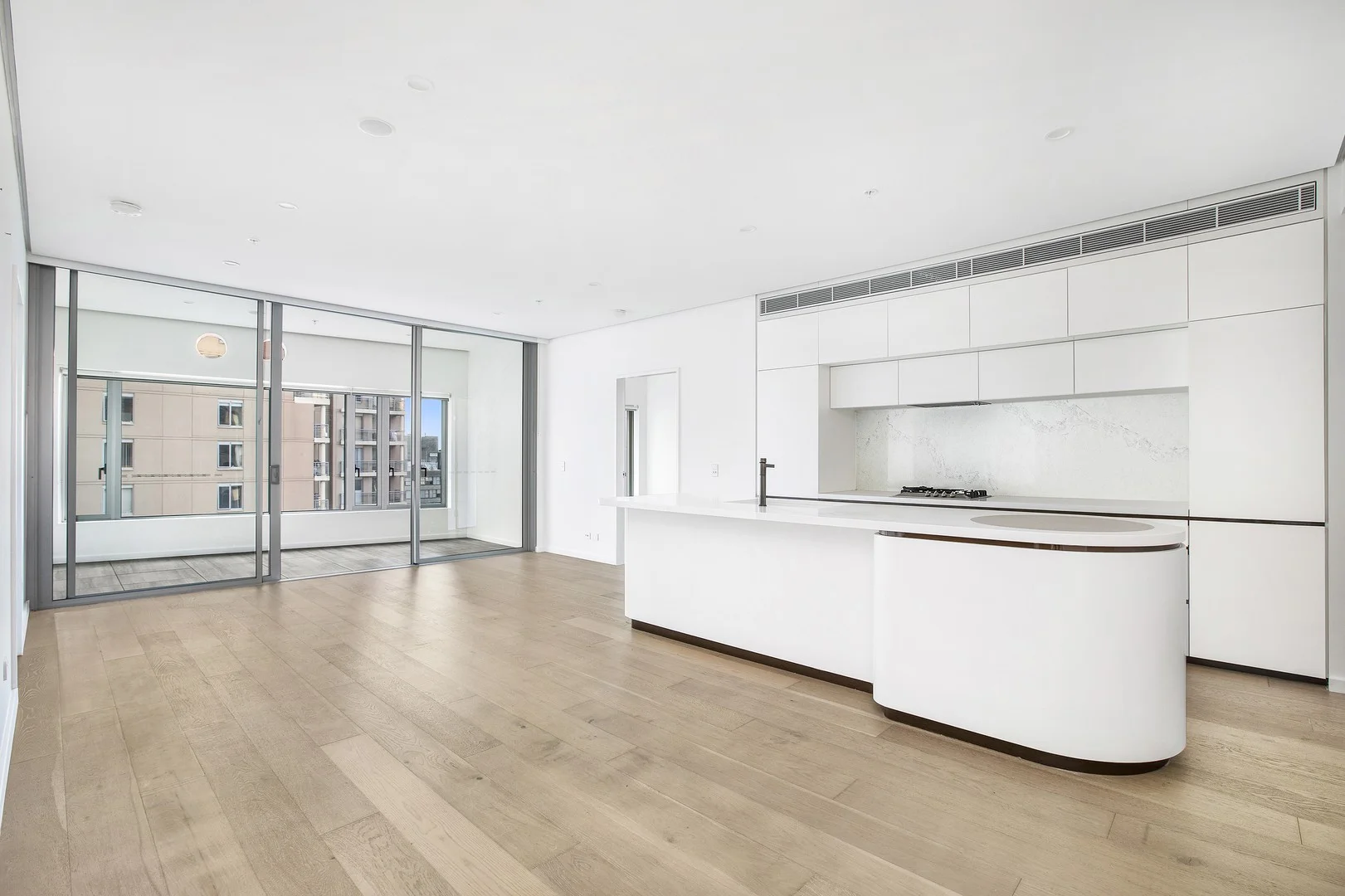 $2,250,000
Apartment / Unit / Flat
$2,250,000
Apartment / Unit / Flat
 $8,630,000
propertyType.NEW APARTMENTS / OFF THE PLAN
$8,630,000
propertyType.NEW APARTMENTS / OFF THE PLAN
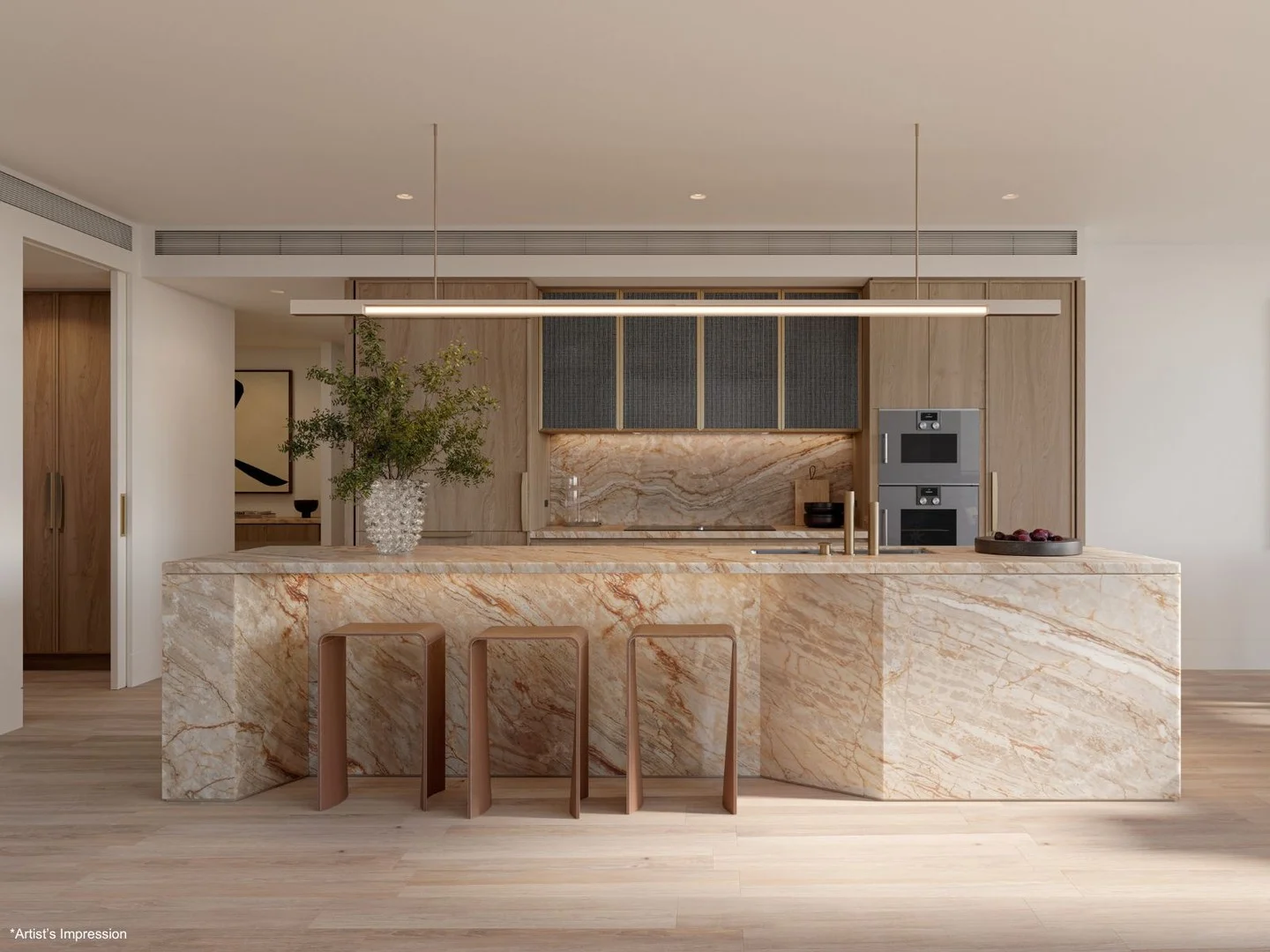 $6,225,000
propertyType.NEW APARTMENTS / OFF THE PLAN
$6,225,000
propertyType.NEW APARTMENTS / OFF THE PLAN
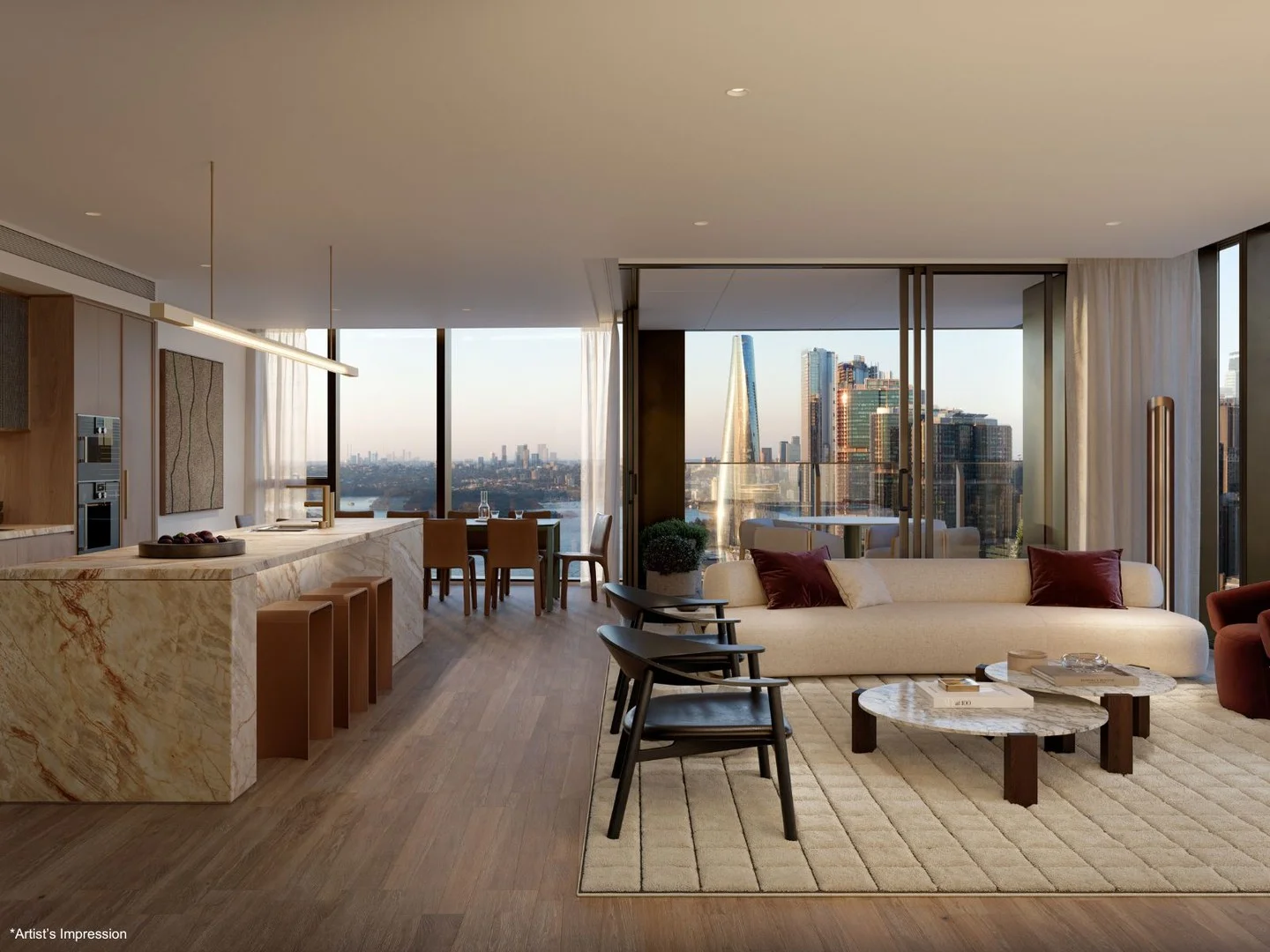 $12,980,000
propertyType.NEW APARTMENTS / OFF THE PLAN
$12,980,000
propertyType.NEW APARTMENTS / OFF THE PLAN


