## Overview
Botany Public School is a public, co-educational primary school focused on providing an inclusive and nurturing learning environment. With a medium-sized student body, the school aims to create a welcoming atmosphere where every child can grow academically and socially. Class sizes typically sit in the low-to-mid 20s, allowing teachers to offer individualized guidance within a collaborative classroom culture.
The school emphasises a warm, community-focused vibe with an emphasis on positive relationships, student wellbeing, and engaged learning. Students, families and staff are encouraged to contribute to a respectful, inclusive culture where diversity is celebrated and students are supported to achieve their personal best.
⸻
## Academics & Learning
- Academic strengths: solid literacy and numeracy foundations, emphasis on English and maths, with focus on evidence-based teaching practices. STEM activities and inquiry-based learning are integrated to build problem-solving and critical thinking.
- Special programs: opportunities for Gifted and Talented education and enhanced learning experiences; strong emphasis on digital literacy and project-based learning.
- NAPLAN trends: trends typically reflect steady performance with gradual year-on-year improvements in reading and numeracy, aligning with state benchmarks.
- Student-teacher ratios: generally around 1:20 to 1:25, allowing for regular teacher feedback and small-group support.
- Support for diverse learners: robust supports for EAL students and students with additional learning needs, including targeted in-class support and access to specialist staff as needed.
⸻
## Sports & Extracurricular Strengths
- Sports offered: a range of team and individual sports such as soccer, cricket, rugby league, netball, basketball, athletics and swimming opportunities.
- Strong teams or achievements: participation in inter-school competitions with emphasis on teamwork, discipline and personal development.
- Music, arts, drama programs: active music and performing arts programs, school productions, and opportunities to participate in choirs or bands.
- Clubs: robotics, chess, coding, debating, and other interest-based clubs to extend learning beyond the classroom.
- Partnerships: connections with local clubs and community programs for additional training and competition opportunities.
⸻
## Wellbeing & Pastoral Care
- Anti-bullying approach: clear anti-bullying policies underpinned by restorative practices and a safe, respectful school culture.
- House system: a house-based framework to foster healthy competition, belonging, and teamwork.
- Counsellors / wellbeing officers: access to school wellbeing staff to support social, emotional and mental health needs.
- Transition support for new students: comprehensive orientation, buddy systems, and transitional activities to help newcomers settle in smoothly.
⸻
## Facilities
- Sports grounds: on-site outdoor spaces suitable for a range of physical activities.
- Libraries: well-stocked library promoting reading for pleasure and research skills.
- Science labs: functional spaces for science experiments and practical learning.
- Music/performing arts centers: dedicated spaces for music, drama and performance.
- Tech/innovation labs: maker-type spaces and digital learning environments to foster innovation.
- Cafeteria: on-site canteen or lunch facilities supporting healthy food choices.
- Updated playgrounds: modern playground areas that support active play and exploration.
⸻
## School Values & Community Culture
- School values / mission: a focus on respect, responsibility, resilience, inclusivity and a growth mindset.
- Leadership style: collaborative leadership with strong student voice and opportunities for leadership roles.
- Behaviour expectations: clear expectations around conduct and positive behaviour for learning, supported by restorative approaches.
- Community reputation: supportive and engaged school community with active parental involvement.
- Diversity & inclusion: commitment to an inclusive environment with supports for multilingual families and students from diverse backgrounds.
⸻
## School Logistics & Daily Operations
- School hours: typical day runs from morning start to mid-afternoon with scheduled breaks.
- Before/after school care: a program is available through external providers or on-site arrangements to support families.
- Uniform requirements: school uniform is standard; seasonal options available to suit climate.
- Transport (train/bus routes): convenient access via local public transport routes; school drop-off and pick-up arrangements to support safe travel.
- Canteen availability: on-site or nearby canteen options for recess and lunch.
- Fees (low/medium/high ranges): public schools generally charge modest transparency contributions; costs may include uniforms, excursions and optional activities.
⸻
## Enrolment & Admissions
11. What is the enrolment process and timeline?
- Enrolment is typically handled through the NSW Department of Education and the school. Families should check local catchment eligibility and submit the required enrolment form along with documentation (proof of identity and address, birth certificate, immunisation records, and prior school documents if transferring). Timeline varies by year and place availability; local placement decisions are communicated by the school with start dates for the upcoming year. Orientation and transition activities help families and students prepare for entry.
12. Is there a waiting list, and how does it work?
- If year cohort numbers are full, a waiting list may be established. Prioritisation generally follows local catchment rules and the date of application, with placement offered as spaces become available.
13. Are there any entry requirements, tests, or interviews?
- For standard enrolment, there are typically no academic tests or interviews. The school may offer information sessions or tours for prospective families, and occasional interviews may occur for specific programs or transition considerations.
14. Does the school accept mid-year transfers?
- Mid-year transfers are possible if spaces are available. Families should contact the school promptly to discuss space, required documentation, and transition arrangements.
⸻
## Frequently Asked Questions
- “Why Parents Choose This School?”
- A welcoming, inclusive community with strong communication, supportive staff, good literacy/numeracy foundations, and convenient location.
- “What type of student thrives at this school?”
- Students who are collaborative, curious, and engaged in class and school life, and who value teamwork, participation in clubs, and a positive school culture.
- “What opportunities are available for students to extend their skills (academics, sports, arts)?”
- A mix of STEM activities, coding and robotics, chess and debating clubs, music and drama programs, sports teams, and opportunities to take on leadership roles.
- “How does the school communicate with parents?”
- Regular newsletters, emails, school app or portal updates, parent-teacher meetings, and information sessions. Clear channels for feedback are encouraged.
- “What is the school’s approach to teaching and learning?”
- Student-centered and differentiated instruction with a strong focus on literacy and numeracy, supported by technology-enabled learning and evidence-based practices.
- “How does the school support students who need extra academic help?”
- Targeted in-class supports, small-group instruction, dedicated Learning Support and EAL assistance, and connections to external services when needed.
- “What support is available for academic challenges?”
- Access to Learning Support staff, Individual Education Plans where appropriate, and tailored interventions to help students keep pace with their learning goals.
- “How does the school communicate with parents?”
- See above; multiple channels are used to keep families informed and involved.
- “What are the class sizes and how much individual attention do students receive?”
- Class sizes typically range around 20–25 students, with regular opportunities for teachers to provide individualized feedback and small-group support.
- “What extracurricular and sports opportunities are available?”
- A variety of sports, performing arts, and clubs such as robotics, coding, chess, debating, and music programs are available to extend learning beyond the classroom.
- “What facilities does the school offer (sports, science, arts)?”
- Sports grounds, libraries, science labs, music/performing arts spaces, technology/innovation labs, a canteen, and updated playgrounds.
- “What is the school’s approach to technology and digital learning?”
- Emphasis on digital literacy, use of interactive teaching tools, classroom devices, and initiatives to support responsible and safe online learning.
- “What transport and accessibility options are available?”
- Access to local bus routes and nearby train services; clear drop-off/pick-up arrangements and accessible facilities where applicable.
- “What are the typical school fees or additional costs?”
- Public primary schools typically have low tuition and modest voluntary contributions; costs may include uniforms, excursions, and optional activities.
⸻
## Short Pros & Cons list
- Pros
- Inclusive, supportive community with a focus on wellbeing and positive relationships
- Strong literacy and numeracy foundations with opportunities in STEM and digital learning
- Broad range of extracurriculars (sports, arts, clubs) to suit diverse interests
- Accessible communication channels and engaged parent/community involvement
- Diverse and welcoming environment with EAL and SEN supports
- Cons
- As a medium-sized public primary, there may be limited option for highly specialized programs compared with larger or independent schools
- Class sizes typical for public schools may be higher than very small private settings
- Transport options depend on local routes and public services; some families rely on car travel for convenience
- Uniforms and excursion costs can add to overall annual expenses, even when tuition is not charged
⸻






 $990
Apartment / Unit / Flat
$990
Apartment / Unit / Flat
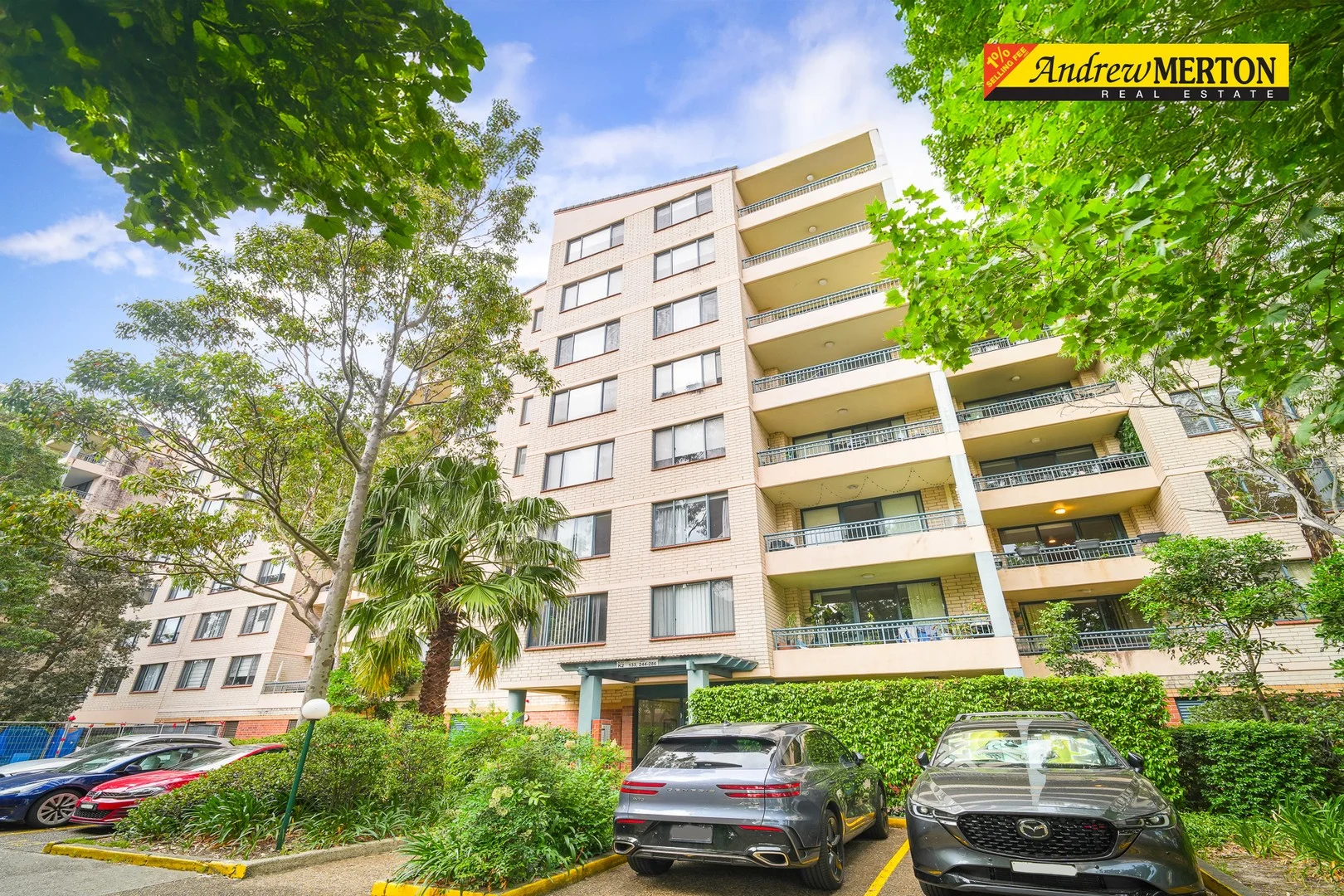 $933,000
Apartment / Unit / Flat
$933,000
Apartment / Unit / Flat
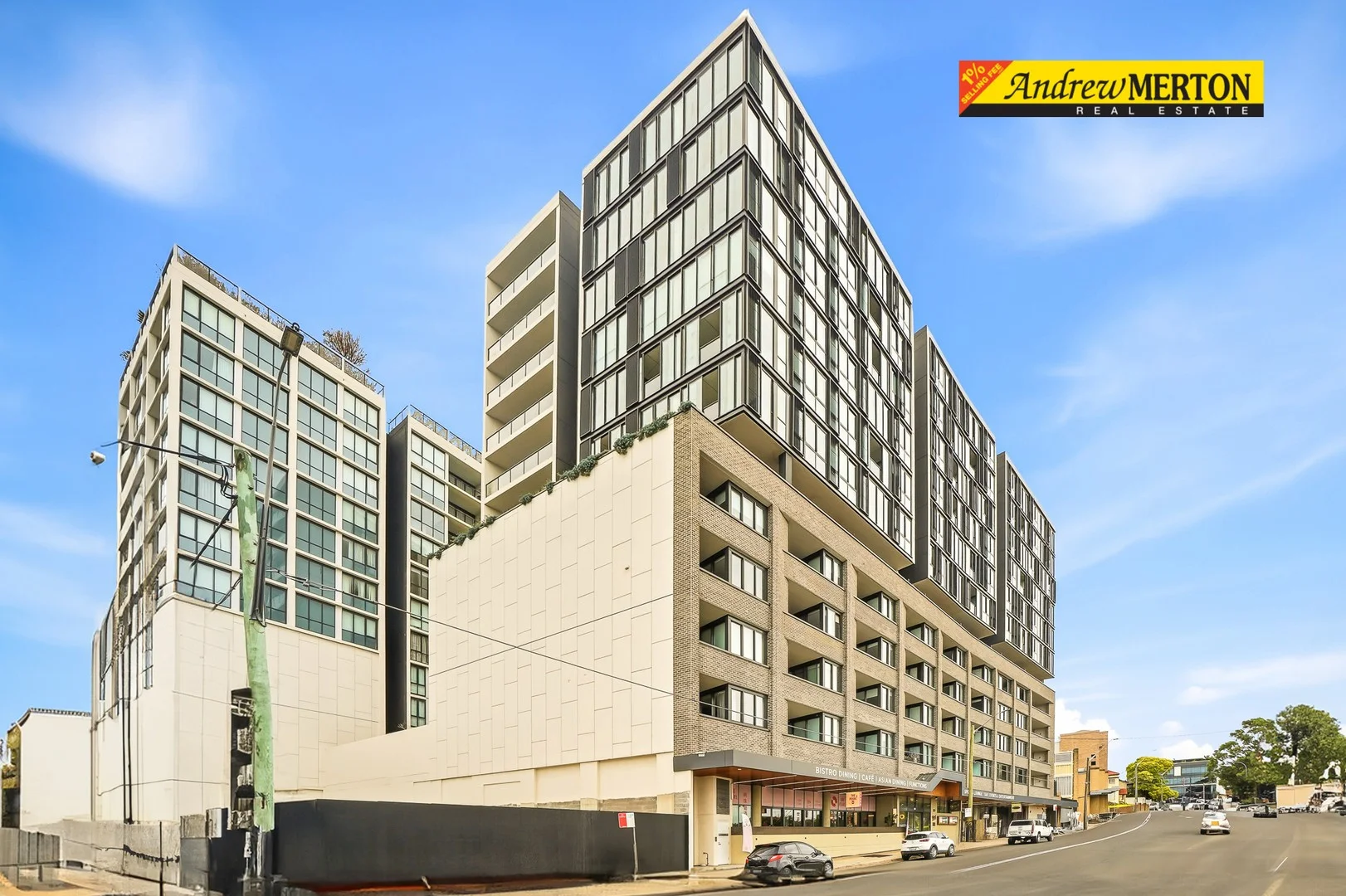 $699,000
Apartment / Unit / Flat
$699,000
Apartment / Unit / Flat
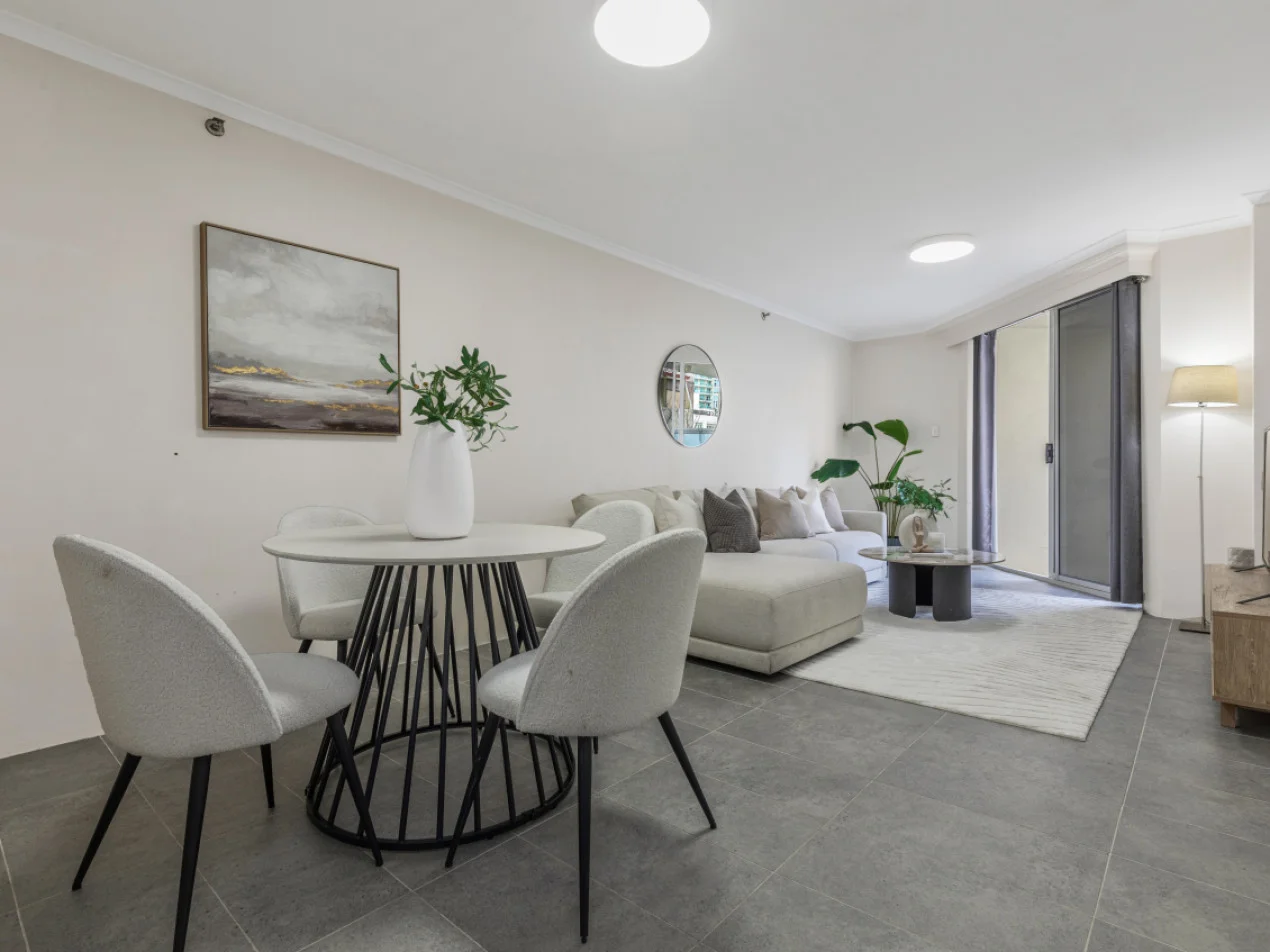 $640,000 - $675,000
Apartment / Unit / Flat
$640,000 - $675,000
Apartment / Unit / Flat
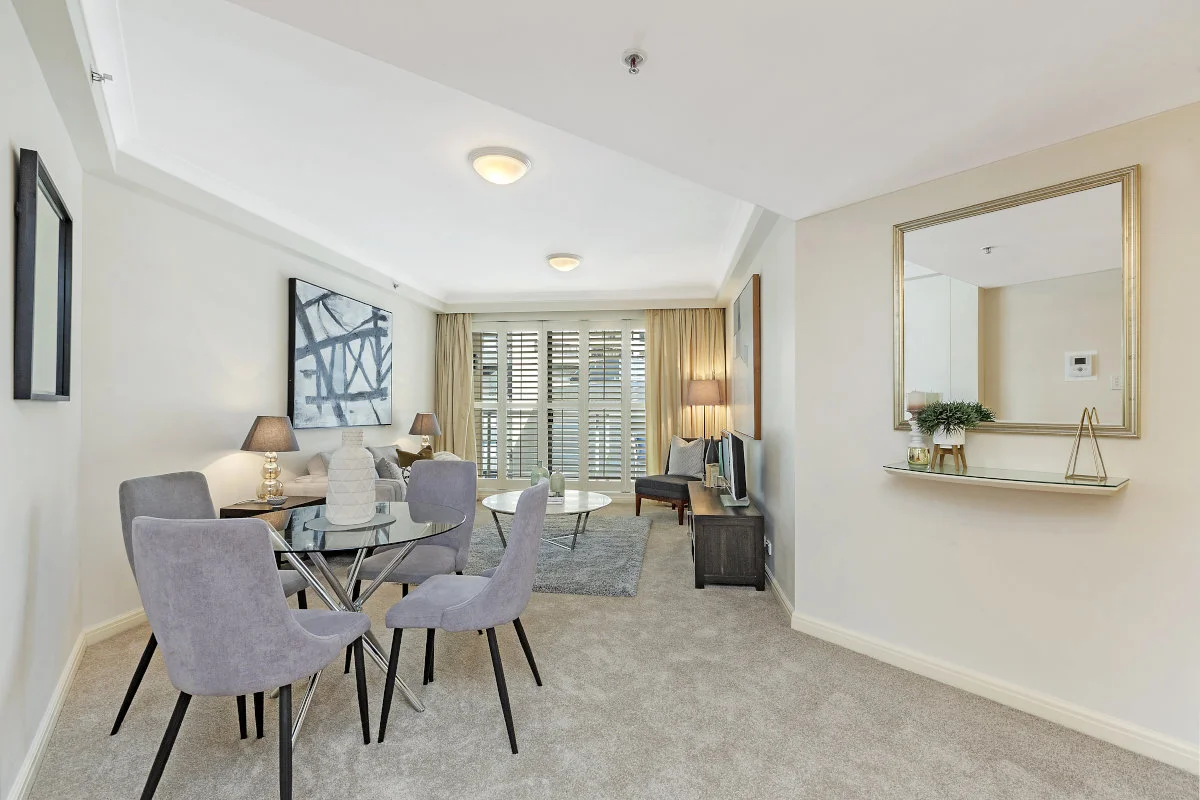 $660,000 - $725,000
Apartment / Unit / Flat
$660,000 - $725,000
Apartment / Unit / Flat
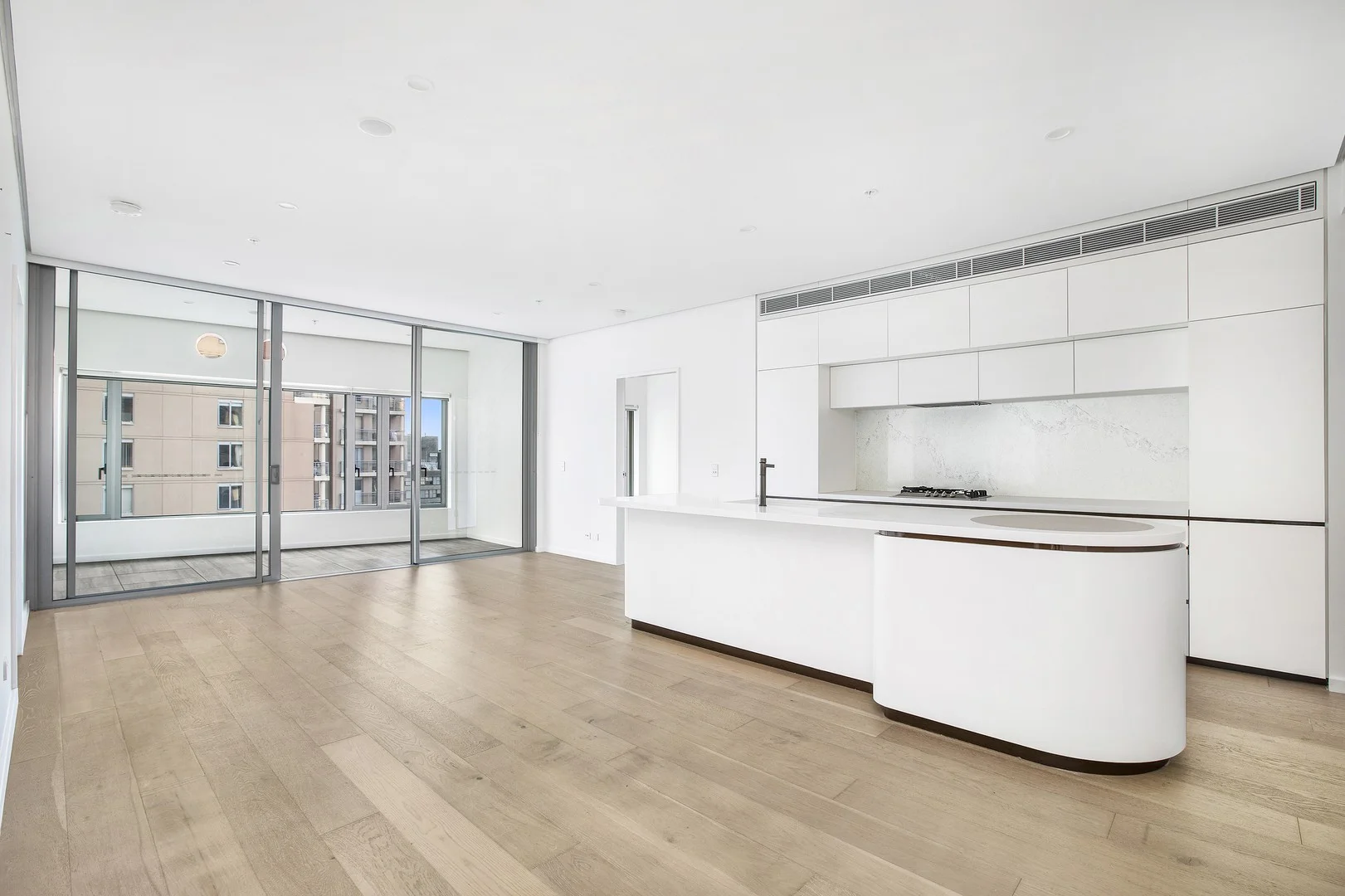 $2,250,000
Apartment / Unit / Flat
$2,250,000
Apartment / Unit / Flat
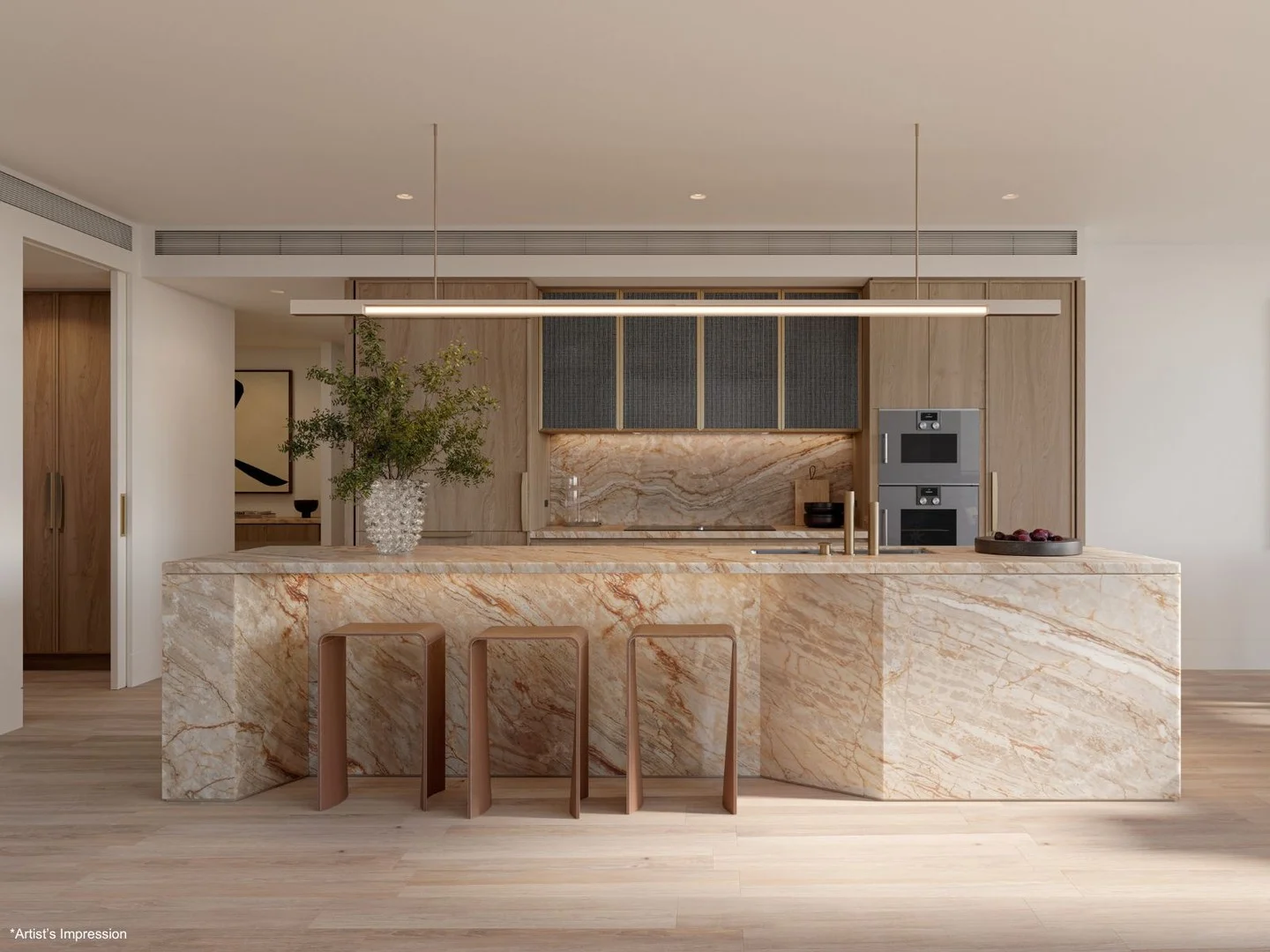 $6,225,000
propertyType.NEW APARTMENTS / OFF THE PLAN
$6,225,000
propertyType.NEW APARTMENTS / OFF THE PLAN
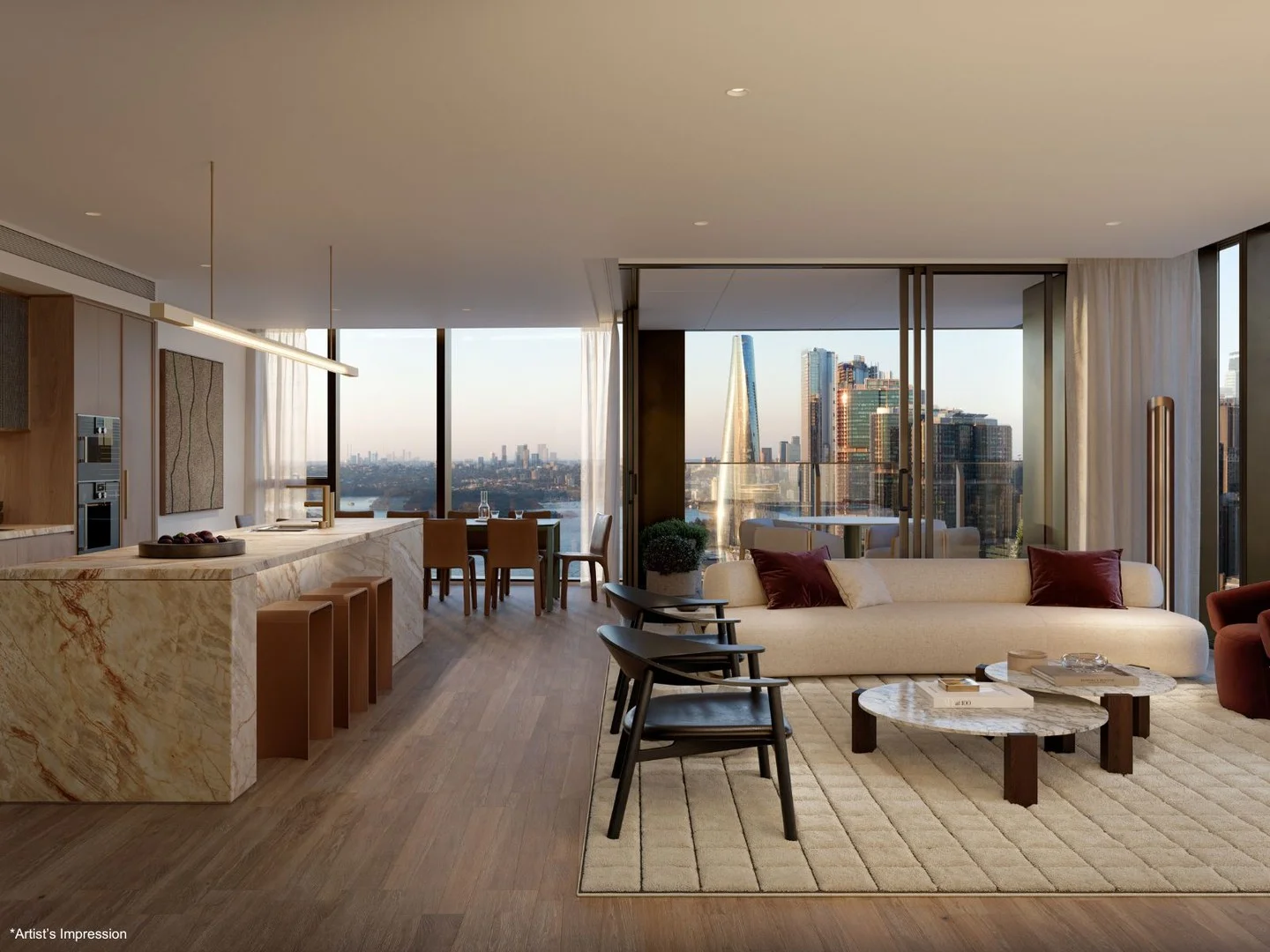 $12,980,000
propertyType.NEW APARTMENTS / OFF THE PLAN
$12,980,000
propertyType.NEW APARTMENTS / OFF THE PLAN
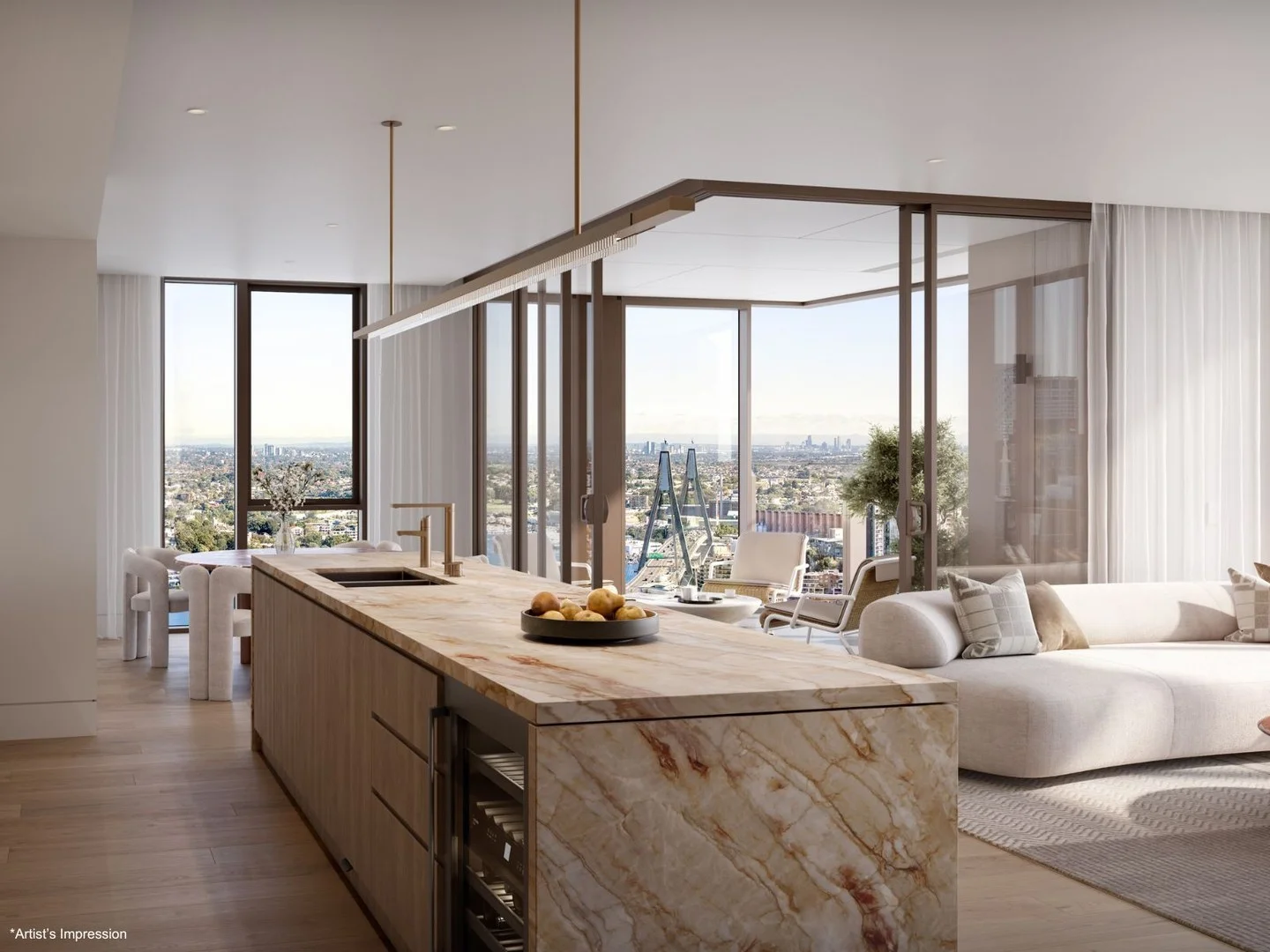 $9,020,000
propertyType.NEW APARTMENTS / OFF THE PLAN
$9,020,000
propertyType.NEW APARTMENTS / OFF THE PLAN


