Overview
## Overview
John Brotchie Nursery School is a public NSW primary community school located in Botany, Sydney. It serves students in the early years and beyond, offering a welcoming, neighbourhood-focused environment. The school operates as a small-to-medium sized site with class sizes typically in the low-to-mid 20s, enabling more individual attention and student involvement. The atmosphere is nurturing and inclusive, with a strong emphasis on fostering positive relationships among students, families, and staff.
The school culture prioritises wellbeing, collaboration, and a supportive learning environment. Families are encouraged to participate in school life and partnerships with local community groups help enrich the learning experience.
---
## Academics & Learning
- Academic strengths: English and mathematics foundations are emphasised, with opportunities to engage in STEM and literacy-rich activities across year levels.
- Special programs: Support for gifted and talented pathways and enrichment activities are available where possible; targeted support programs may be offered through the school or network.
- NAPLAN trends: The school aims for steady improvement in key areas such as reading and numeracy, with trends showing progress over time and alignment to state benchmarks.
- Student-teacher ratios: Class sizes are small-to-medium, facilitating more individualized attention and support within classrooms.
- Support for diverse learners: Strong inclusion focus with access to EAL/D support and SEN/RR services where appropriate, to help diverse learners participate and succeed.
---
## Sports & Extracurricular Strengths
- Sports offered: A range of common NSW primary activities (e.g., soccer, netball, athletics, running clubs) are typically available or organized through inter-school or local programs.
- Strong teams or achievements: School-level teams and ensemble groups participate in local events and competitions where capacity allows.
- Music, arts, drama programs: Core arts and performing arts opportunities are encouraged, with occasional school performances and showcases.
- Clubs: Robotics, coding, chess, and debating clubs are commonly available or piloted depending on staffing and student interest.
- Partnerships: Connections with local community clubs and organisations provide additional opportunities for competitions and specialised activities.
---
## Wellbeing & Pastoral Care
- Anti-bullying approach: Clear inclusive policies and whole-school approaches to safety, respect, and positive relationships.
- House system: House or team-based activities are used to foster belonging, leadership, and friendly competition.
- Counsellors / wellbeing officers: Access to wellbeing support and guidance staff to assist students with social-emotional learning.
- Transition support for new students: Orientation and buddy systems help new students settle in and build connections quickly.
---
## Facilities
- Sports grounds: On-site or nearby fields and courts suitable for physical education and games.
- Libraries: School library with age-appropriate resources and literacy activities.
- Science labs: Space for hands-on science activities or dedicated science learning areas.
- Music/performing arts centers: Facilities for music lessons and small performances.
- Tech/innovation labs: Access to digital learning tools and basic tech resources.
- Cafeteria: On-site canteen or snack facilities supporting everyday needs.
- Updated playgrounds: Safe outdoor play areas with modern equipment.
---
## School Values & Community Culture
- School values / mission: A focus on respect, responsibility, inclusivity, and curiosity to support holistic student development.
- Leadership style: Collaborative leadership with teachers, families, and students encouraged to contribute to decisions and school life.
- Behaviour expectations: Clear norms around respect, safety, and responsibility; consistent expectations across the school.
- Community reputation: Built on a welcoming, family-friendly atmosphere and strong partnerships with local families.
- Diversity & inclusion: Commitment to creating an inclusive environment that values diverse backgrounds and abilities.
---
## School Logistics & Daily Operations
- School hours: Typically a morning-to-afternoon schedule aligned with NSW public school timetables.
- Before/after school care: Availability varies; some families access external providers or on-site programs.
- Uniform requirements: NSW public schools commonly have a school uniform, with guidelines on acceptable attire.
- Transport (train/bus routes): Access to public transport and local bus services; specific routes depend on the local network.
- Canteen availability: Canteen or snack facilities may operate on a regular basis.
- Fees (low/medium/high ranges): As a public school, core education is funded by the state; there may be voluntary contributions or optional activity fees.
---
## Enrolment & Admissions
11. What is the enrolment process and timeline?
- Enrolment typically begins through the NSW Department of Education for public schools. Parents submit an application with required documentation (proof of address, identity, and any relevant health or special considerations). Notification of placement and timing follows the department’s published timelines, with offers issued in accordance with the local intake priorities and available places.
12. Is there a waiting list, and how does it work?
- Waiting lists may operate when applications exceed available places. The school (in line with Department guidelines) will advise families of waitlist status, expected timelines, and any steps families can take while awaiting a place.
13. Are there any entry requirements, tests, or interviews?
- For most NSW public schools, entry does not require routine testing or interviews. Some schools may have orientation activities or brief assessments to help place a student appropriately, but formal testing is uncommon at preschool/kindergarten entry. Documentation and eligibility checks are typically the main requirements.
14. Does the school accept mid-year transfers?
- Mid-year transfers are considered where space allows. Families seeking a mid-year transfer should contact the school as early as possible to discuss vacancies, placement, and any transitional supports needed for a smooth entry.
---
## Frequently Ask Questions
- Why Parents Choose This School?
- A welcoming community, strong focus on wellbeing, and a nurturing environment that supports individual learning journeys.
- What type of student thrives at this school?
- Students who respond well to small-to-medium class sizes, collaborative learning, and inclusive, supportive teaching approaches.
- What opportunities are available for students to extend their skills (academics, sports, arts)?
- Access to literacy and numeracy extensions, basic STEM activities, arts and performing arts experiences, and clubs or enrichment programs where available.
- How does the school communicate with parents?
- Regular methods such as newsletters, emails, parent-teacher meetings, and digital platforms are used to keep families informed about learning and school events.
- What is the school’s approach to teaching and learning?
- A student-centred approach that combines foundational literacy and numeracy with hands-on learning, collaboration, and inclusive practices.
- How does the school support students who need extra academic help?
- Targeted support within classroom settings, small-group interventions, and access to specialist staff or resources where available.
- What support is available for academic challenges?
- Additional instructional time, differentiated tasks, and referral pathways to support services as needed.
- How does the school communicate with parents? (repeat)
- See above: newsletters, emails, meetings, and digital platforms.
- What are the class sizes and how much individual attention do students receive?
- Class sizes are small-to-medium, enabling more individualized attention and teacher support within the learning day.
- What extracurricular and sports opportunities are available?
- A range of sport options and arts activities, plus clubs such as robotics, coding, chess, and debating where offered.
- What facilities does the school offer (sports, science, arts)?
- Facilities including sports grounds, library, science/learning spaces, music/performing arts areas, tech/innovation resources, and a canteen.
- What is the school’s approach to technology and digital learning?
- Integration of age-appropriate digital tools to support learning, with guidance on safe and responsible use.
- What transport and accessibility options are available?
- Access to local public transport and school arrangements aligned with NSW networks; specifics depend on location and route.
- What are the typical school fees or additional costs?
- Core public education is funded by the state; optional or voluntary contributions and activity fees may apply for specific programs or activities.
---
## Short Pros & Cons list
Pros
- Public school with a welcoming, community-focused environment
- Small-to-medium class sizes that support individualized attention
- Strong wellbeing and inclusive practices
- Range of enrichment opportunities and clubs
- Positive partnerships with families and local community groups
Cons
- May have fewer on-site specialty facilities compared to larger schools
- Transport options may depend on local public networks
- Availability of certain enrichment programs can vary year to year based on staffing and student interest







 $990
Apartment / Unit / Flat
$990
Apartment / Unit / Flat
 $933,000
Apartment / Unit / Flat
$933,000
Apartment / Unit / Flat
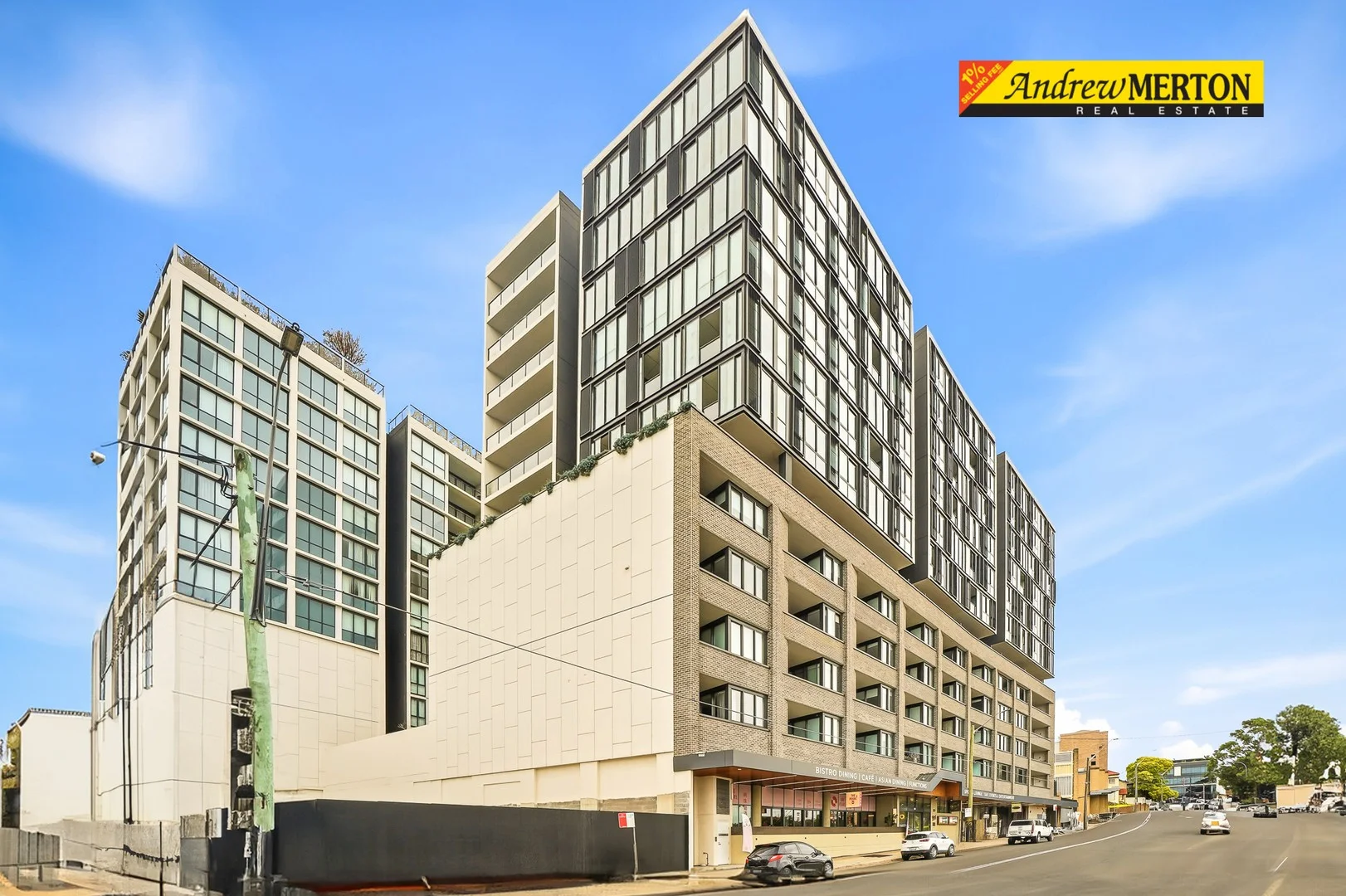 $699,000
Apartment / Unit / Flat
$699,000
Apartment / Unit / Flat
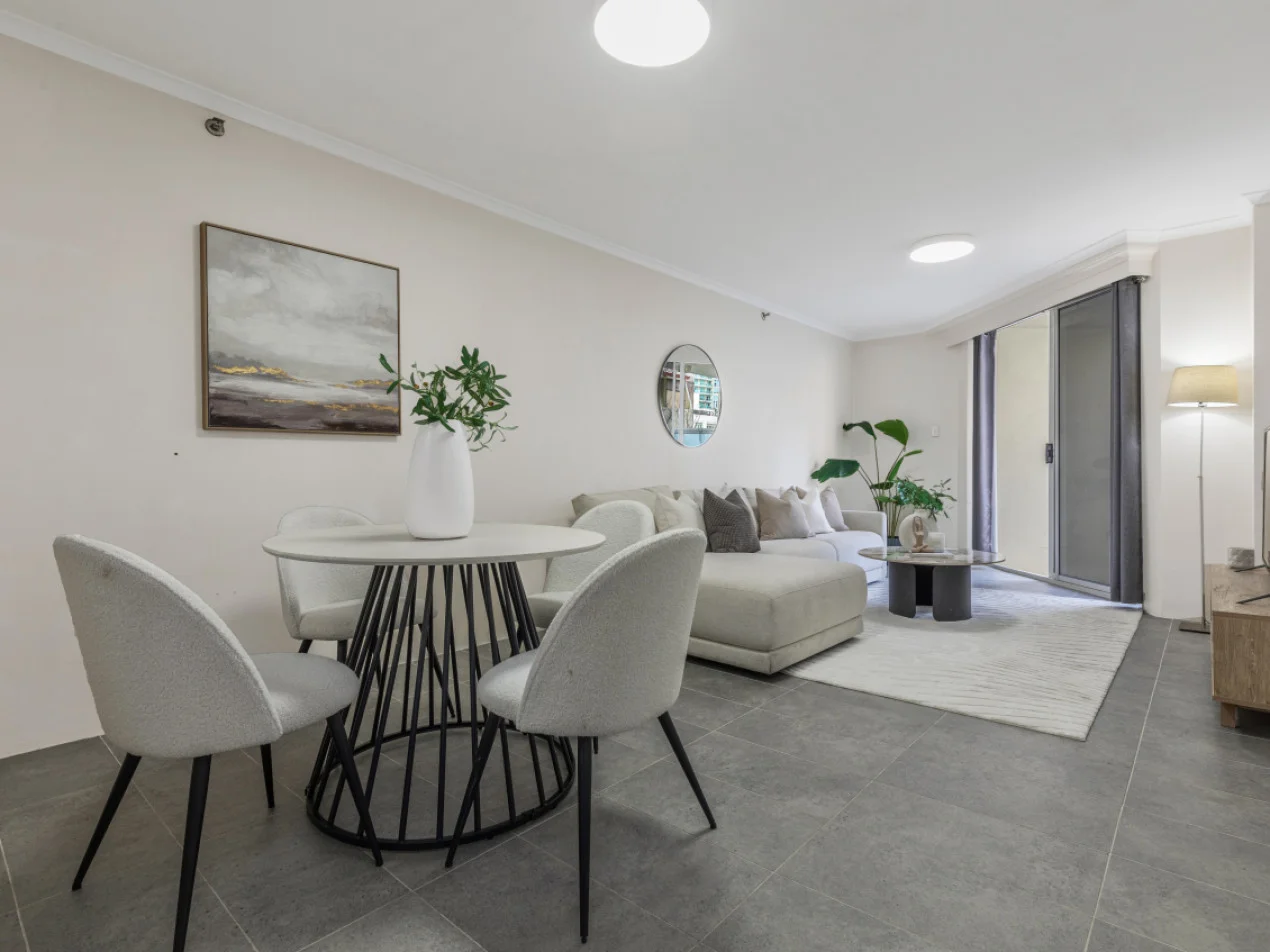 $640,000 - $675,000
Apartment / Unit / Flat
$640,000 - $675,000
Apartment / Unit / Flat
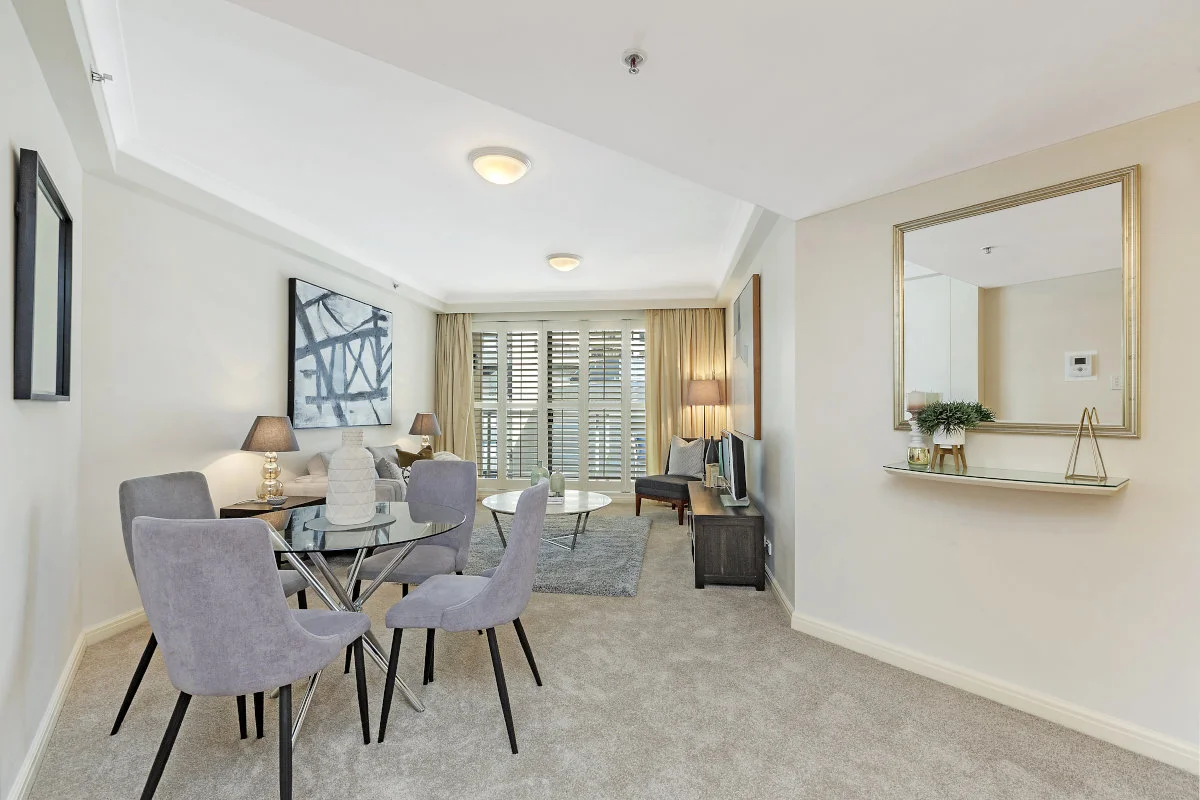 $660,000 - $725,000
Apartment / Unit / Flat
$660,000 - $725,000
Apartment / Unit / Flat
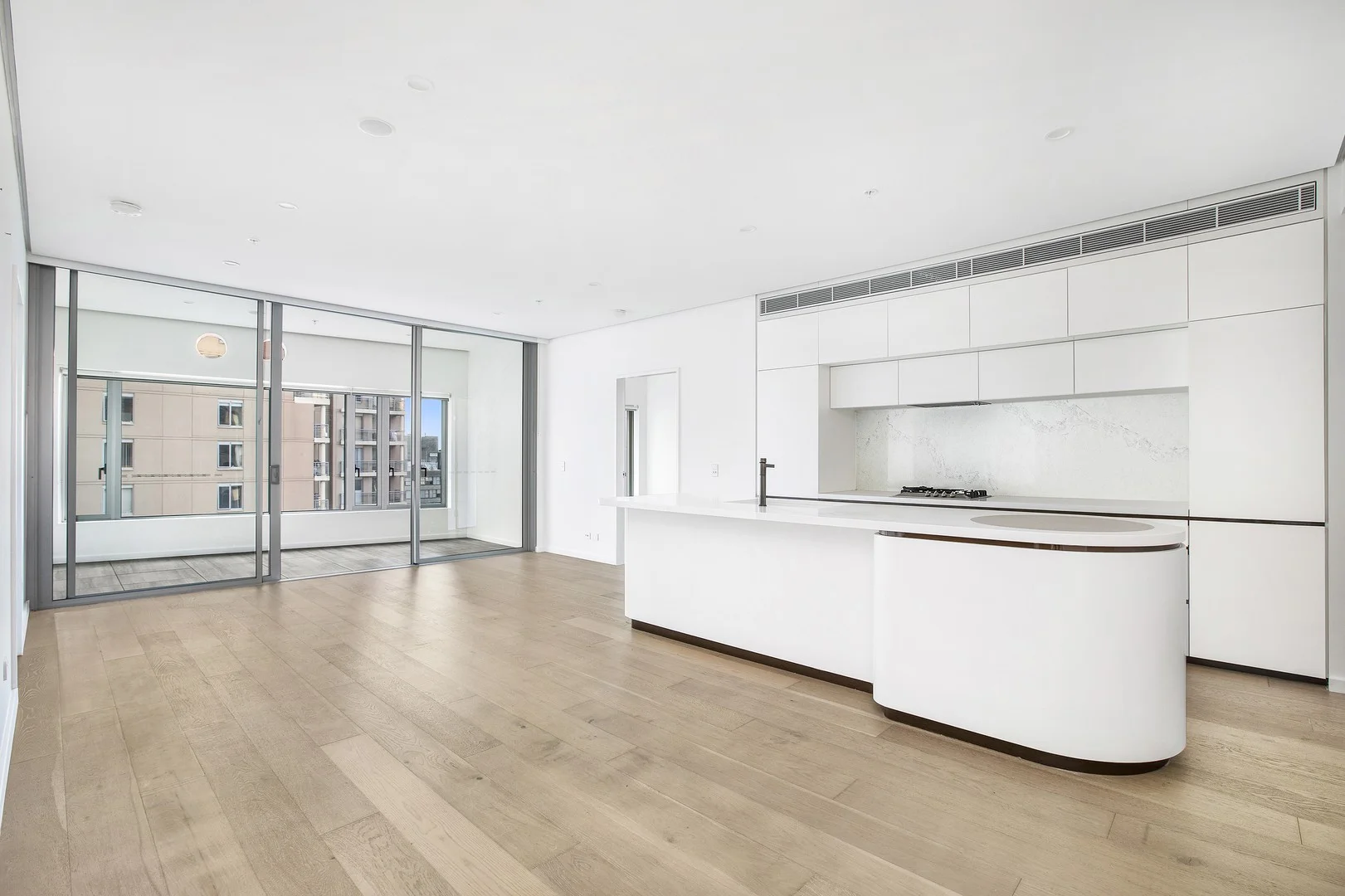 $2,250,000
Apartment / Unit / Flat
$2,250,000
Apartment / Unit / Flat
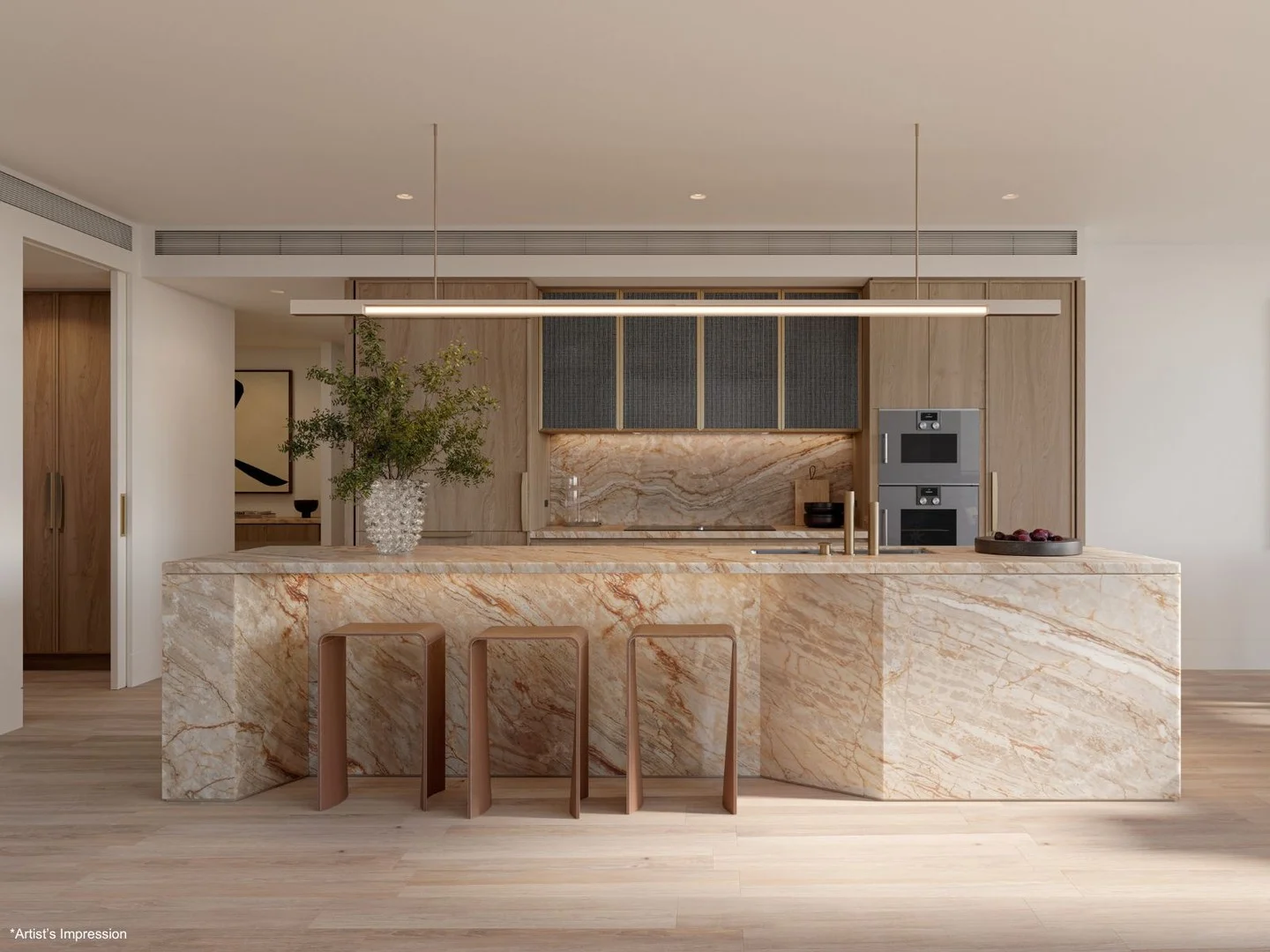 $6,225,000
propertyType.NEW APARTMENTS / OFF THE PLAN
$6,225,000
propertyType.NEW APARTMENTS / OFF THE PLAN
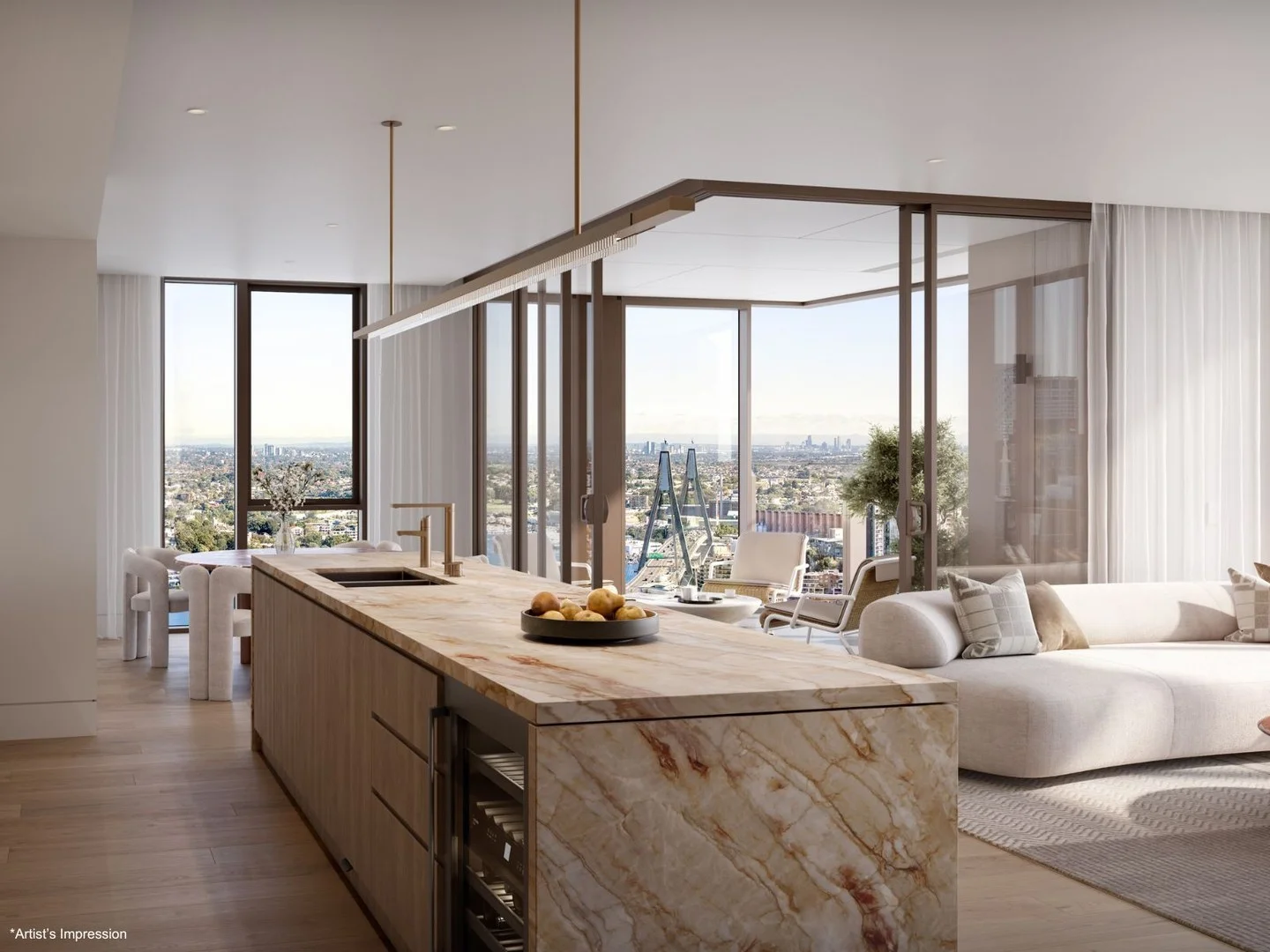 $9,020,000
propertyType.NEW APARTMENTS / OFF THE PLAN
$9,020,000
propertyType.NEW APARTMENTS / OFF THE PLAN
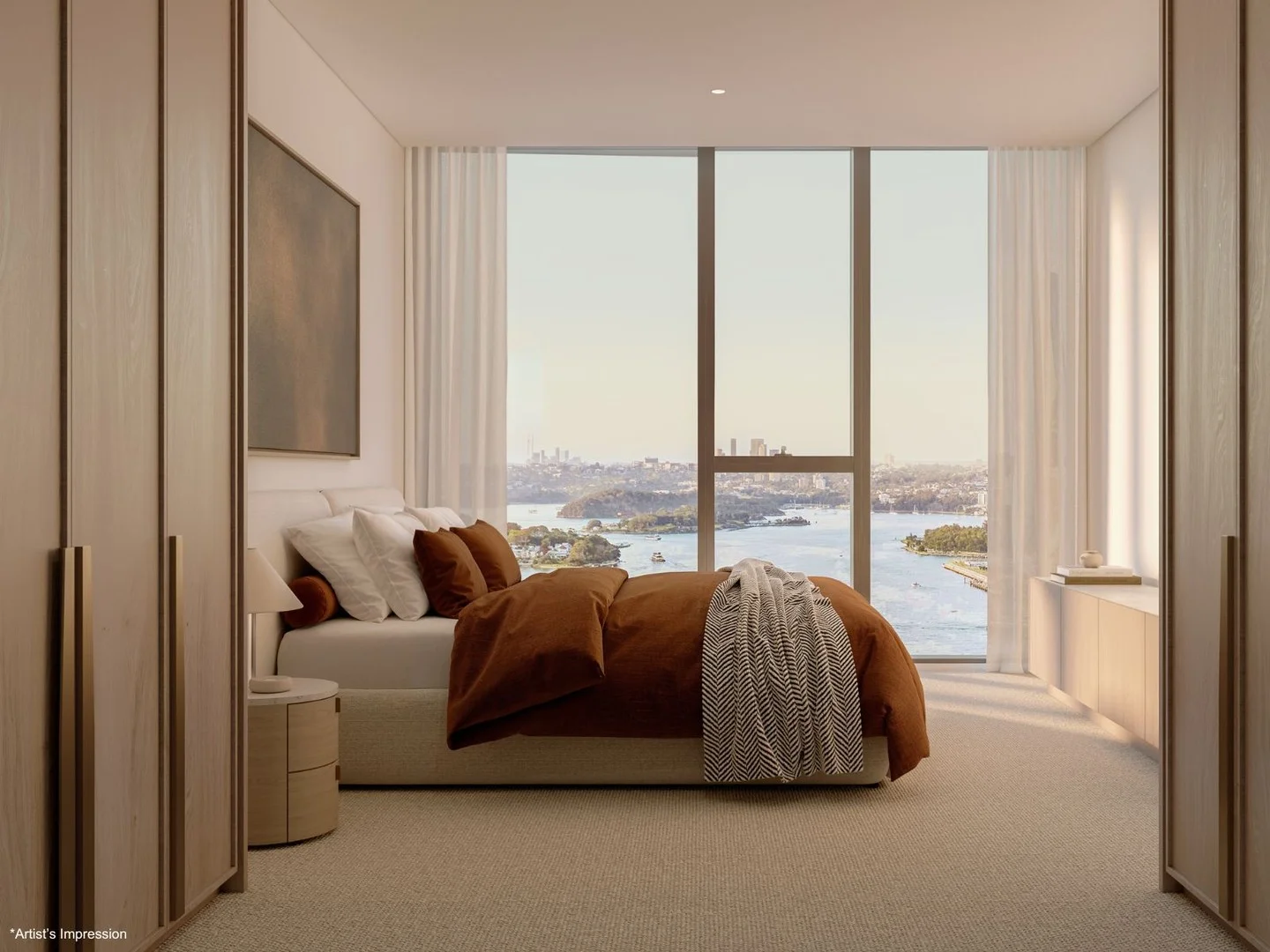 $8,630,000
propertyType.NEW APARTMENTS / OFF THE PLAN
$8,630,000
propertyType.NEW APARTMENTS / OFF THE PLAN


