Overview
## Overview
Beaumaris Secondary College is a public secondary school serving students in Beaumaris, VIC. As a government-run institution, it focuses on delivering a broad Victorian Curriculum in junior years and a path to VCE in senior years. The college emphasizes a safe, inclusive learning environment where students from diverse backgrounds can thrive.
- School type: Public
- School size: Medium
- Class size: Typically small-to-medium class groups (teacher-student interactions are prioritised)
- Atmosphere/culture: Inclusive, nurturing, academically engaged, and community-minded
⸻
## Academics & Learning
Beaumaris Secondary College aims to provide strong academic foundations across core subjects while supporting students to explore interests beyond the classroom.
- Academic strengths: English, Mathematics, Science (STEM), humanities, languages, and leadership development opportunities
- Special programs: Victorian Curriculum progression with potential VCE pathways; opportunities for academic extension and leadership experiences; targeted programs to support high-potential learners
- NAPLAN / trends: Trends for the school typically reflect stable or gradual improvements in reading and numeracy, aligning with state averages over recent years
- Student-teacher ratios: Classrooms are staffed to provide regular teacher access and targeted support; student-teacher ratios are designed for interactive teaching and differentiation
- Support for diverse learners: EAL support, inclusion initiatives, and learning support services for students with additional needs
⸻
## Sports & Extracurricular Strengths
Extracurricular life at Beaumaris Secondary College is designed to engage students beyond academics and foster teamwork, creativity, and leadership.
- Sports offered: A range of traditional school sports (athletics, basketball, soccer, netball, cricket, and more) with opportunities to participate in inter-school events
- Strong teams or achievements: Participation in district and inter-school competitions; emphasis on fair play, teamwork, and personal development
- Music, arts, drama programs: Active music and performing arts programs, with opportunities for ensembles, drama clubs, and productions
- Clubs: Robotics, chess, coding, debating, and other enrichment groups
- Partnerships: Collaborations with local clubs, community programs, and regional competitions to broaden opportunities
⸻
## Wellbeing & Pastoral Care
Beaumaris Secondary College places wellbeing at the heart of student success, combining preventative practices with supportive services.
- Anti-bullying approach: Clear policies, proactive education, and a culture of respect and inclusion
- House system: House grouping to build community, ownership, and friendly competition
- Counsellors / wellbeing officers: Access to school counsellors or wellbeing staff to support academic and personal development
- Transition support for new students: Induction programs, orientation activities, and buddy systems to help new students settle in
⸻
## Facilities
The campus features contemporary spaces designed to support a broad curriculum and student interests.
- Sports grounds
- Libraries
- Science labs
- Music/performing arts centers
- Tech/innovation labs
- Cafeteria
- Updated playgrounds
⸻
## School Values & Community Culture
Beaumaris Secondary College communicates a clear sense of its values and daily expectations, supporting a positive school climate.
- School values / mission: Emphasis on respect, responsibility, collaboration, and excellence
- Leadership style: Student involvement through leadership roles and student voice opportunities
- Behaviour expectations: Consistently applied codes of conduct that promote respect and integrity
- Community reputation: A reputation for a welcoming, family-friendly environment and active parent-community engagement
- Diversity & inclusion: Commitment to an inclusive culture that recognises and values differences
⸻
## School Logistics & Daily Operations
Practical information to help families plan around school routines.
- School hours: Typical school day aligned with Victorian secondary timetables (start around mid-morning to early afternoon; exact times published by the school)
- Before/after school care: Availability may be offered through school partnerships or local providers
- Uniform requirements: School uniform is required; details provided in the student handbook
- Transport (train/bus routes): Accessible via local bus routes and nearby public transport; car drop-off and pickup procedures in place; bike racks or pedestrian access as appropriate
- Canteen availability: On-site canteen or vending facilities offering healthy options
- Fees (low/medium/high ranges): As a public school, tuition is not charged; families may incur occasional costs for materials, excursions, and optional activities
⸻
## Enrolment & Admissions
11. What is the enrolment process and timeline?
- Enrolments follow the Victorian government process. Parents/guardians typically submit an application during the designated intake period, with offers issued according to space, eligibility, and policy timelines. Check the school’s enrollment calendar for precise dates and steps.
12. Is there a waiting list, and how does it work?
- If a year level is full, a waiting list may operate. Spots are offered when spaces become available, prioritising according to government guidelines and established school policy. Families on the waiting list will be contacted as vacancies arise.
13. Are there any entry requirements, tests, or interviews?
- For general enrolment, most government secondary schools do not require entry tests or interviews. Some selective or specialty programs may have additional assessment steps or interviews; the standard enrolment process involves documentation such as proof of residence and immunisation status.
14. Does the school accept mid-year transfers?
- Mid-year transfers are considered if spaces are available. Families seeking a mid-year transfer should contact the school’s enrolment office to review current capacity and required documentation.
⸻
## Frequently Asked Questions
- Why Parents Choose This School?
- Public, accessible education with a supportive community, proximity to home, and a focus on wellbeing and holistic development.
- What type of student thrives at this school?
- Students who are curious, cooperative, engaged in learning, and participate in school life across academics, sport, and clubs.
- What opportunities are available for students to extend their skills (academics, sports, arts)?
- Extended learning through VCE pathways, academic extension opportunities, diverse sport offerings, and active music/drama/robotics/debate clubs.
- How does the school communicate with parents?
- Regular newsletters, email communications, a parent portal, the school website, and information nights or other community events.
- What is the school’s approach to teaching and learning?
- Student-centered, differentiated instruction; emphasis on meeting diverse learning needs and using evidence-based teaching practices.
- How does the school support students who need extra academic help?
- Access to teaching staff for targeted support, learning support services, EAL programs, and pastoral care where needed.
- What support is available for academic challenges?
- Individual or small-group support, tutoring programs, and coordinated plans to help students catch up or accelerate.
- How does the school communicate with parents?
- (Answered above; see “How does the school communicate with parents?”)
- What are the class sizes and how much individual attention do students receive?
- Class sizes are designed to be small-to-medium to enable regular teacher-student interaction and differentiation.
- What extracurricular and sports opportunities are available?
- A broad range including sports teams, robotics, chess, coding, debating, music and performing arts programs.
- What facilities does the school offer (sports, science, arts)?
- Modern facilities across sports grounds, libraries, science labs, performing arts spaces, technology labs, and dedicated creative spaces.
- What is the school’s approach to technology and digital learning?
- Integration of ICT across the curriculum with appropriate digital learning tools and resources to support learning.
- What transport and accessibility options are available?
- Access via local bus routes and public transport; clear parking, drop-off zones, and bike access where available.
- What are the typical school fees or additional costs?
- As a public school, there is no tuition; families may incur costs for excursions, materials, and optional activities.
⸻
## Short Pros & Cons list
- Pros
- Public, accessible education with a focus on wellbeing and inclusive culture
- Moderate to large campus with diverse facilities (science, arts, sports)
- Broad subject offerings and multiple extracurriculars
- Support for diverse learners and a structured transition for new students
- Cons
- As a public school, programs and facilities evolve with funding and policy changes
- Class sizes and resource availability can vary by year level and enrolment demand
- Some specialty programs may require waiting lists or may be limited by space
- Commute or transport logistics depend on family location and public transit routes
⸻










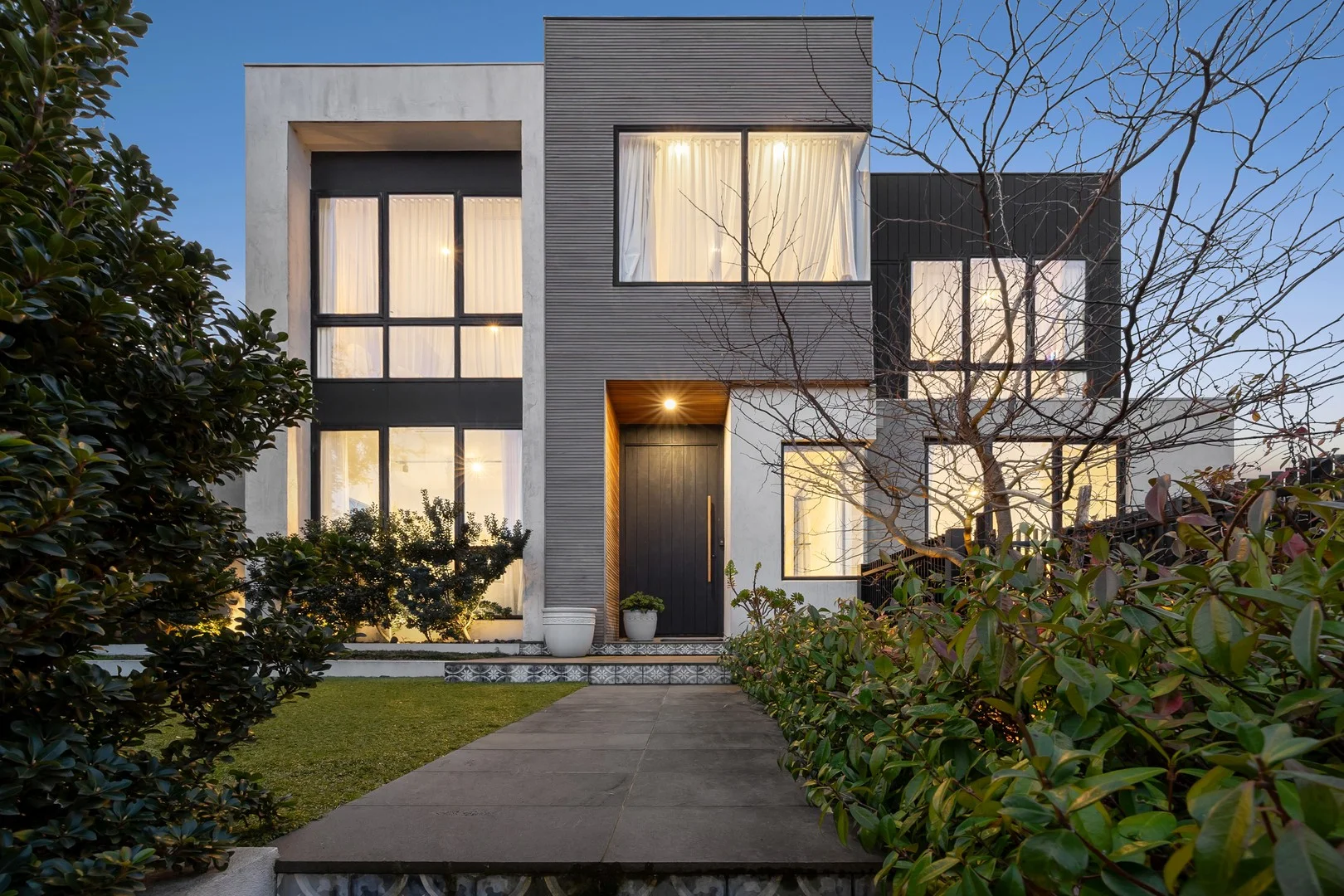 $4,200,000
House
$4,200,000
House
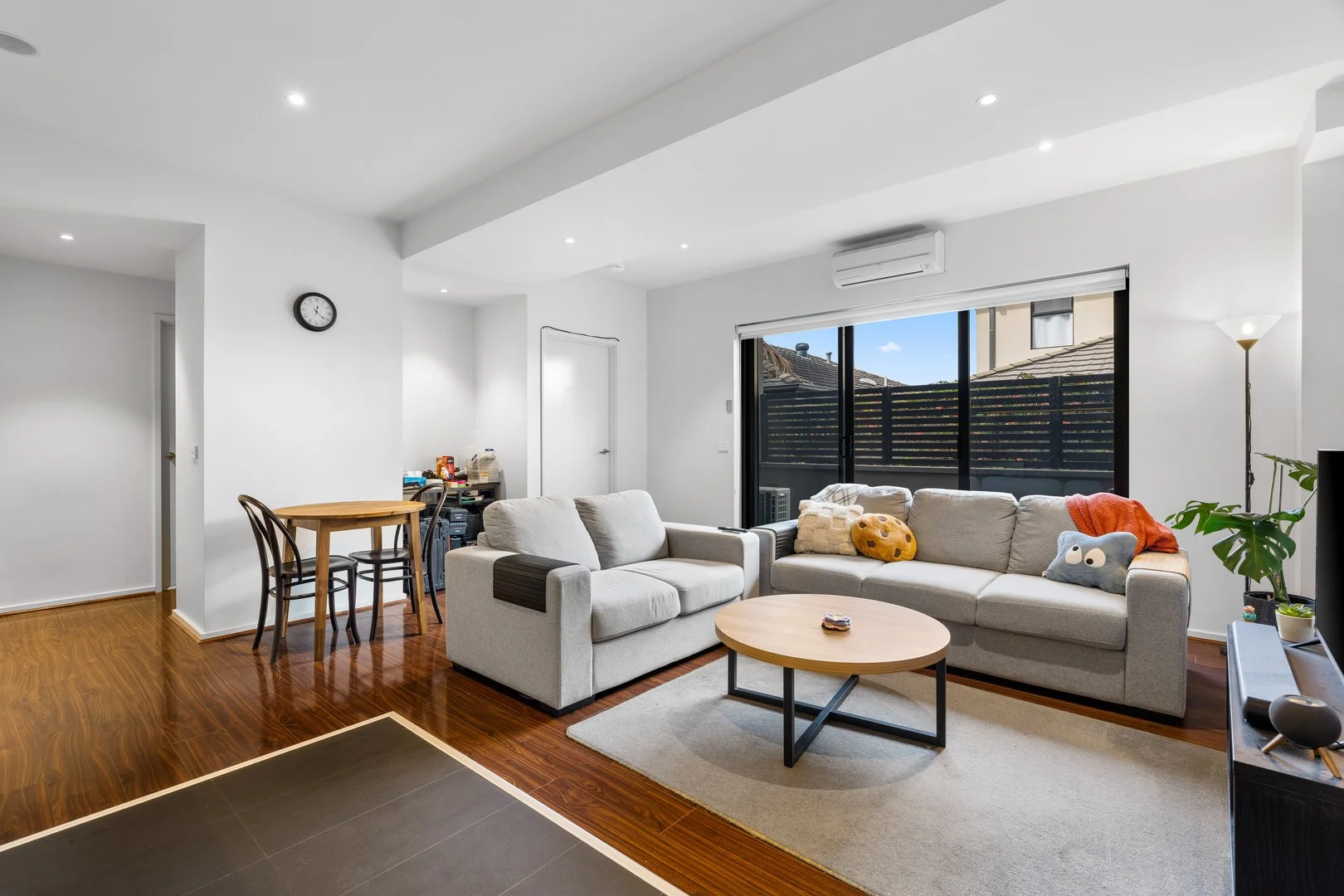 $385,000 - $410,000
Apartment / Unit / Flat
$385,000 - $410,000
Apartment / Unit / Flat
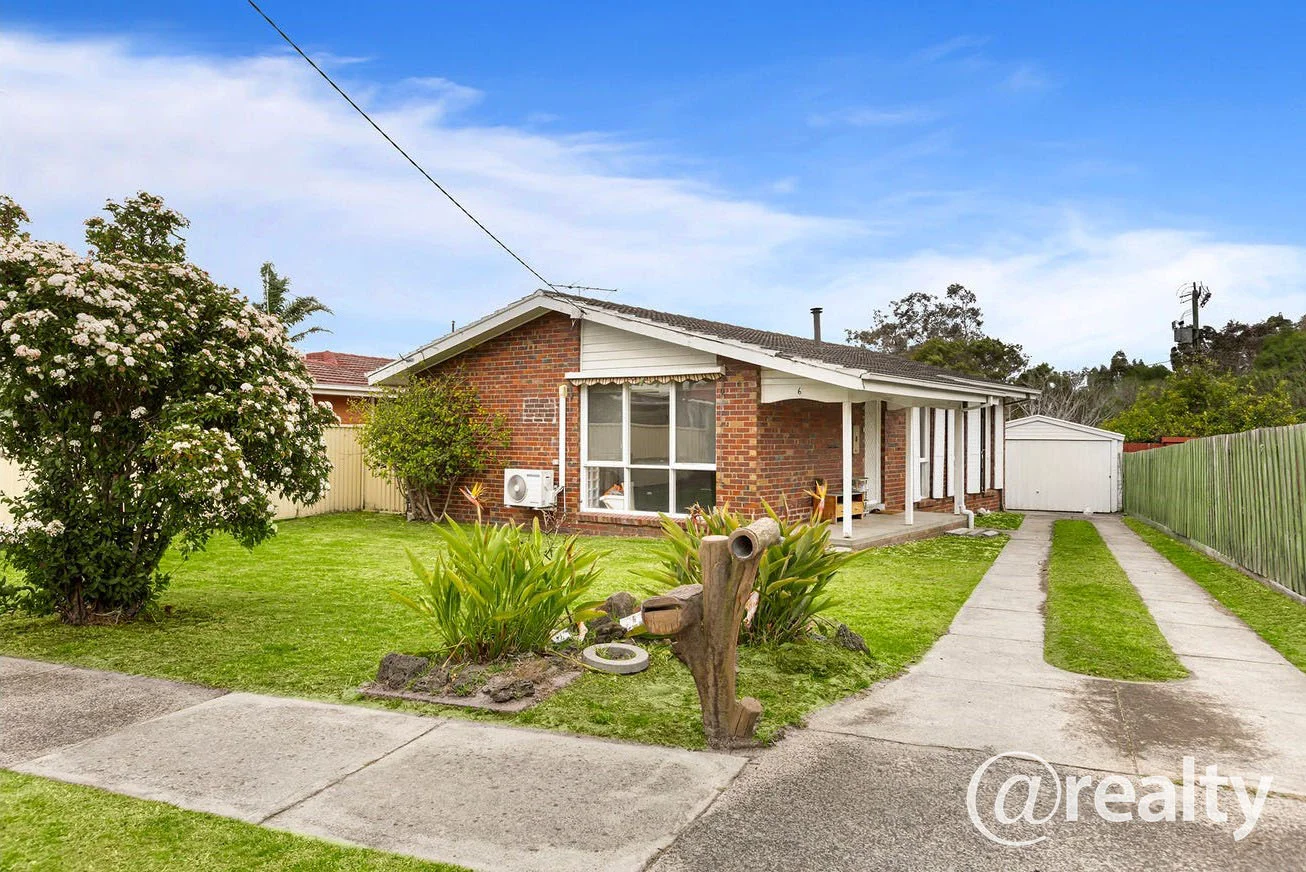 $610
House
$610
House
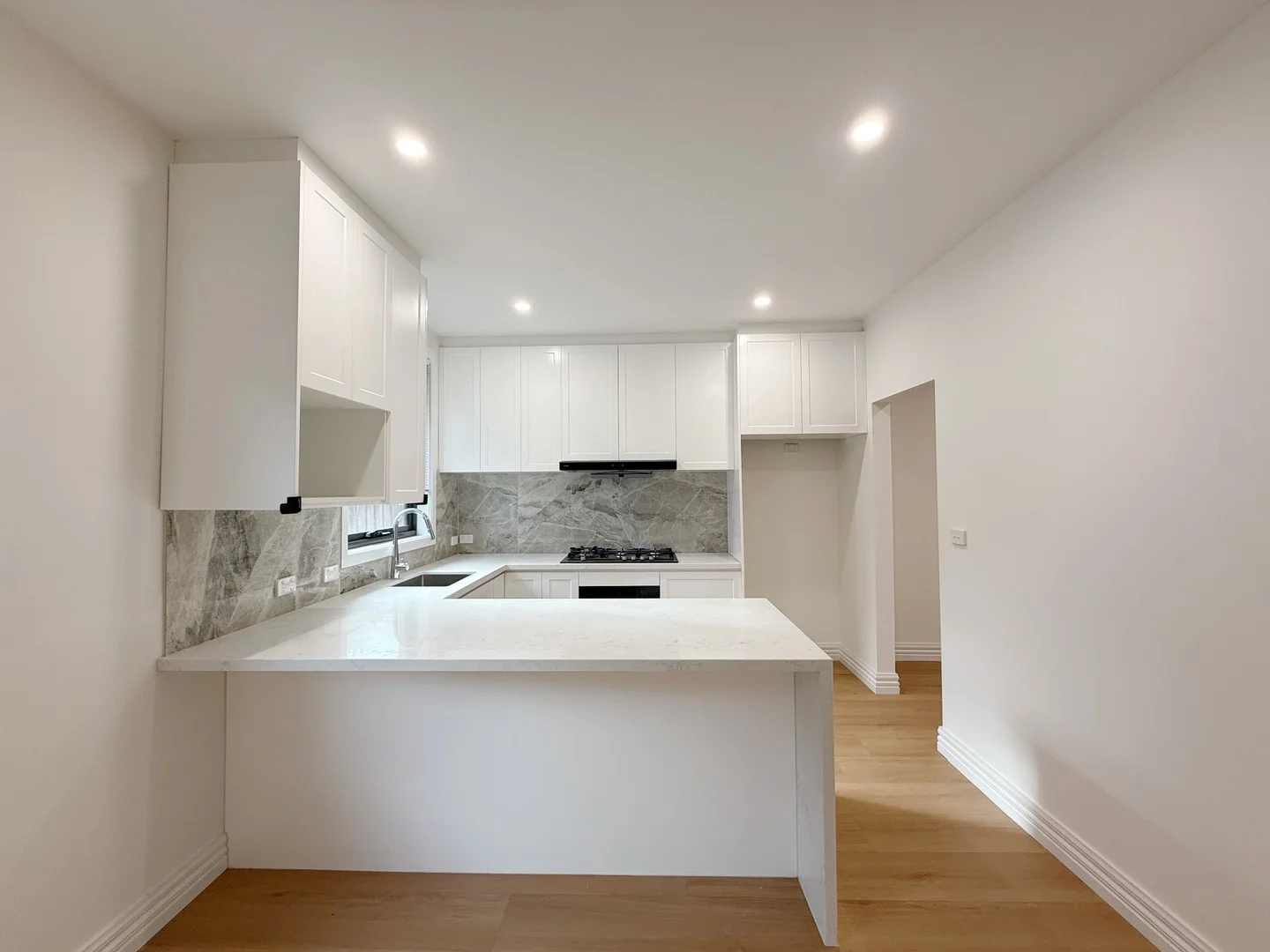 $1,280
House
$1,280
House
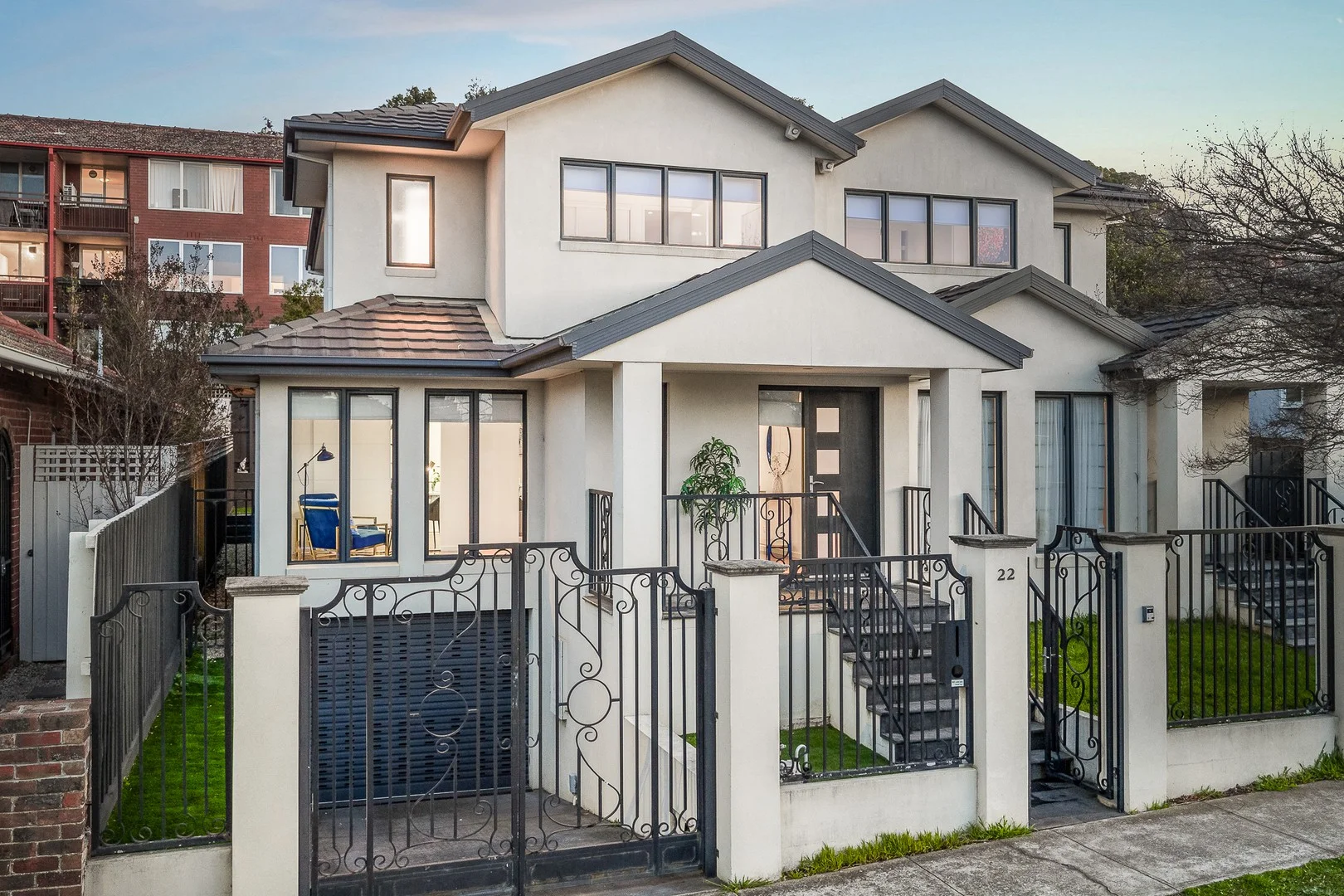 $2,390,000
Townhouse
$2,390,000
Townhouse
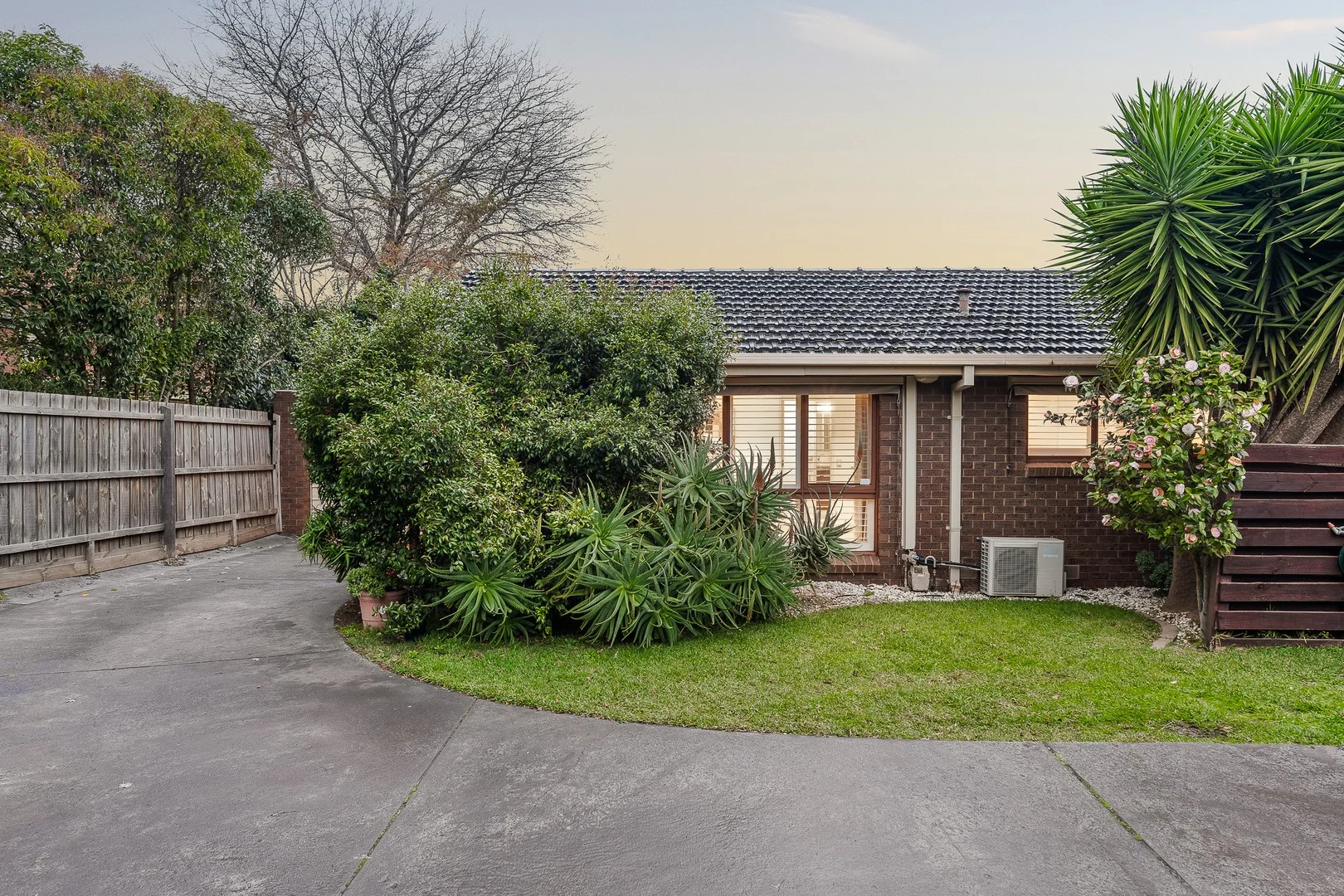 $770,000 - $820,000
Apartment / Unit / Flat
$770,000 - $820,000
Apartment / Unit / Flat