## Overview
Mentone Girls' Secondary College is a public (state government) all‑girls secondary school that offers a broad, inclusive learning environment for students. The college typically serves a medium-to-large student cohort, with class sizes that sit in the mid‑20s, providing opportunities for both academic focus and strong classroom support. The atmosphere is generally nurturing and inclusive, with an emphasis on academic achievement, leadership development, and diverse interests beyond the classroom.
The school fosters a culture that values respect, resilience and collaboration. Students are encouraged to participate in a wide range of activities—from STEM and languages to arts and sport—within a supportive community that aims to balance high standards with wellbeing and belonging.
---
## Academics & Learning
- Academic strengths: STEM (science, technology, engineering and maths), English, languages, and leadership development through student roles and projects.
- Special programs: VCE pathways with opportunities for extension and enrichment; access to accelerated or enhanced learning options within the curriculum; gifted and talented opportunities through school-based programs.
- NAPLAN trends: Long‑term trends show steady improvement in literacy and numeracy and outcomes that are competitive with or above state averages.
- Student-teacher ratios: Class sizes typically mid-20s with student-teacher ratios that allow for relatively frequent teacher support and feedback.
- Support for diverse learners: Dedicated Learning Support teams, EAL (English as an Additional Language) assistance, and SEN support to help students of differing needs access the curriculum.
---
## Sports & Extracurricular Strengths
- Sports offered: Netball, basketball, tennis, swimming, athletics, and other school‑based sports through term activities and interschool opportunities.
- Strong teams or achievements: Notable representation and competitive performance in regional competitions; emphasis on teamwork, sportsmanship, and personal progress.
- Music, arts, drama programs: Active music ensembles, choir, drama productions, and performing arts opportunities that accompany academic study.
- Clubs: Robotics, coding, chess, debating, and other clubs that stimulate critical thinking and teamwork.
- Partnerships: Collaboration with local clubs and academies, participation in regional competitions and events to broaden opportunities beyond the classroom.
---
## Wellbeing & Pastoral Care
- Anti-bullying approach: Clear anti-bullying policies, wellbeing programs, and a culture that promotes respect and safe environments for all students.
- House system: House groups support connection, friendly competition, and pastoral care across year levels.
- Counsellors / wellbeing officers: Accessible school wellbeing staff, including counsellors and wellbeing coordinators, to support emotional and social health.
- Transition support for new students: Orientation activities, buddy programs, and targeted transition support to help new students settle in smoothly.
---
## Facilities
- Sports grounds: On-site sports fields and courts supporting a range of physical education activities.
- Libraries: Well-equipped library spaces with study areas and access to learning resources.
- Science labs: Modern science laboratories for biology, chemistry, physics and practical investigations.
- Music/performing arts centers: Dedicated spaces for music practice, ensembles, drama, and performances.
- Tech/innovation labs: Computer labs and spaces for STEM projects, coding and digital learning.
- Cafeteria: On-site cafeteria serving a variety of meal and snack options.
- Updated playgrounds: Well-maintained outdoor spaces for recreation and social interaction.
---
## School Values & Community Culture
- School values / mission: Clear emphasis on respect, responsibility, resilience, inclusion and lifelong learning.
- Leadership style: Strong student voice through student councils and leadership opportunities; collaborative decision‑making with staff and families.
- Behaviour expectations: A positive behavior framework that supports safe, respectful, and inclusive conduct.
- Community reputation: Known for a welcoming, supportive culture where students are encouraged to pursue high standards with care for others.
- Diversity & inclusion: Commitment to a diverse student body and inclusive practices across curriculum and school life.
---
## School Logistics & Daily Operations
- School hours: Typical day starts in the morning and finishes in the mid‑to‑afternoon; exact times published by the school each year.
- Before/after school care: Available through external providers or school programs in alignment with school schedules.
- Uniform requirements: Official school uniform policy with daily wear and any required seasonal adjustments; details published by the school.
- Transport (train/bus routes): Regular public transport options (bus and train services) with possible school‑provided travel assistance or guidance.
- Canteen availability: On‑site canteen or snack facilities offering a range of meal options.
- Fees (low/medium/high ranges): As a public school, main costs relate to uniforms, booklists, excursions and optional activities; overall costs are designed to be affordable with several cost‑saving options.
---
## Enrolment & Admissions
### 11. What is the enrolment process and timeline?
- Enrolment typically follows the Victorian government process for public secondary schools. Parents submit an application within the prescribed window, provide required documentation (identity, proof of residency, and year level information), and await the outcome within the published timeline. The school may run information sessions or offer guidance during the intake period.
### 12. Is there a waiting list, and how does it work?
- If the school reaches capacity, a waiting list or consideration for out‑of‑zone enrolments may apply. Positions are usually offered based on policy guidance, vacancy availability, and prioritisation rules (in-zone first). Parents are advised to contact the school for the current status and next steps.
### 13. Are there any entry requirements, tests, or interviews?
- For most non‑selective public schools, there are no entrance exams. There may be an information session or brief interview for out‑of‑zone applicants or for coordination of transition plans, but there is generally no academic testing as a requirement for Year 7 entry. Exact requirements are provided by the school during the enrolment period.
### 14. Does the school accept mid-year transfers?
- Mid‑year transfers may be possible if there are vacancies and space in the requested year level. Availability depends on current enrolments and the school’s capacity at the time of transfer. Parents should contact the school directly to discuss mid‑year transfer options and required documentation.
---
## Frequently Ask Questions
- Why Parents Choose This School?
- A balance of strong academics, supportive wellbeing, inclusive culture, and broad extracurricular options tailored for girls.
- What type of student thrives at this school?
- Students who are motivated, collaborative, curious, and ready to engage in both academics and a wide range of clubs and activities.
- What opportunities are available for students to extend their skills (academics, sports, arts)?
- Advanced coursework through the VCE pathway, enrichment and extension activities, competitive sports, performing arts, robotics, coding and debating clubs, and leadership roles.
- How does the school communicate with parents?
- Regular newsletters, parent portals, scheduled information evenings, and direct contact from teachers or wellbeing staff as needed.
- What is the school’s approach to teaching and learning?
- A student-centered, inclusive approach that emphasizes core literacy and numeracy, critical thinking, collaboration, and real-world application of knowledge.
- How does the school support students who need extra academic help?
- Targeted learning support, EAL assistance, SEN support, and access to tutoring or small‑group interventions as part of the school’s Learning Support framework.
- What support is available for academic challenges?
- Access to learning support staff, counselling or wellbeing staff to address underlying factors, and strategies to boost engagement and success.
- How does the school communicate with parents? (Repeated)
- See above: newsletters, portals, and direct communication from teachers and leaders.
- What are the class sizes and how much individual attention do students receive?
- Class sizes are typically in the mid‑20s, with opportunities for individual feedback through teacher‑student interactions and targeted supports.
- What extracurricular and sports opportunities are available?
- A broad mix of sports (netball, basketball, tennis, athletics, swimming), music and drama, and clubs such as robotics, coding, chess and debating.
- What facilities does the school offer (sports, science, arts)?
- Modern sports grounds, libraries, science labs, music/performing arts spaces, tech/innovation labs, a canteen, and well‑maintained outdoor spaces.
- What is the school’s approach to technology and digital learning?
- Emphasis on digital literacy, access to computer labs and coding opportunities, and integration of technology across the curriculum to enhance learning.
- What transport and accessibility options are available?
- Public transport options (bus/train routes) with guidance for families; accessibility considerations and support as needed.
- What are the typical school fees or additional costs?
- As a public school, main costs relate to uniforms, booklists, and optional activities or excursions; overall, costs are kept reasonable with standard expectations for government schools.
---
## Short Pros & Cons list
- Pros
- Strong academic culture with broad VCE pathways.
- Supportive wellbeing and inclusive environment.
- Wide range of extracurriculars and clubs.
- Dedicated facilities for science, arts, and technology.
- Active student leadership and voice.
- Cons
- Large school size can mean busier campuses and rivers of students during peak times.
- Uniform and related costs are ongoing yearly expenses.
- Demand for certain programs may lead to competition for spots in specific clubs or teams.

 $25+
$25+












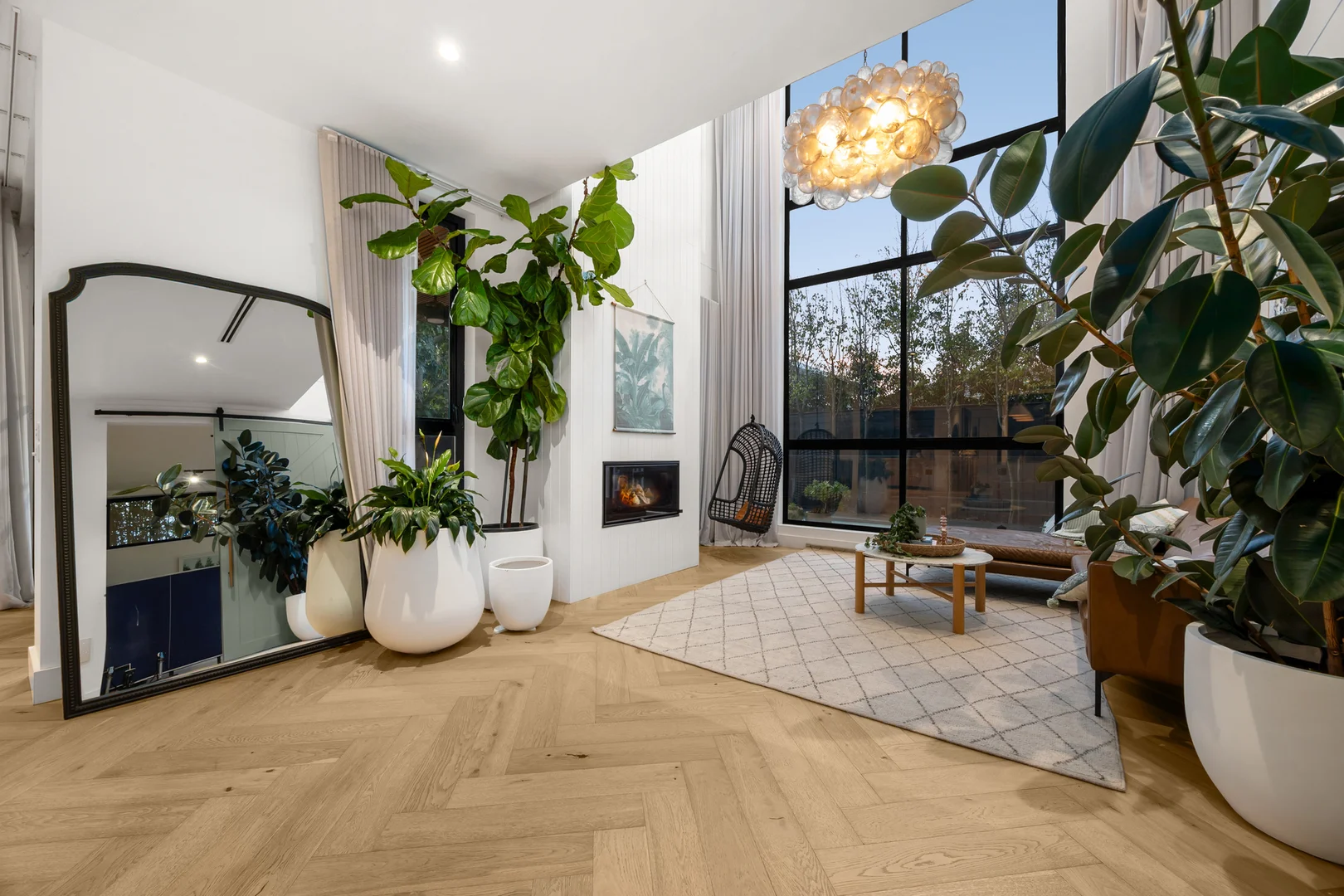 $3,300,000
House
$3,300,000
House
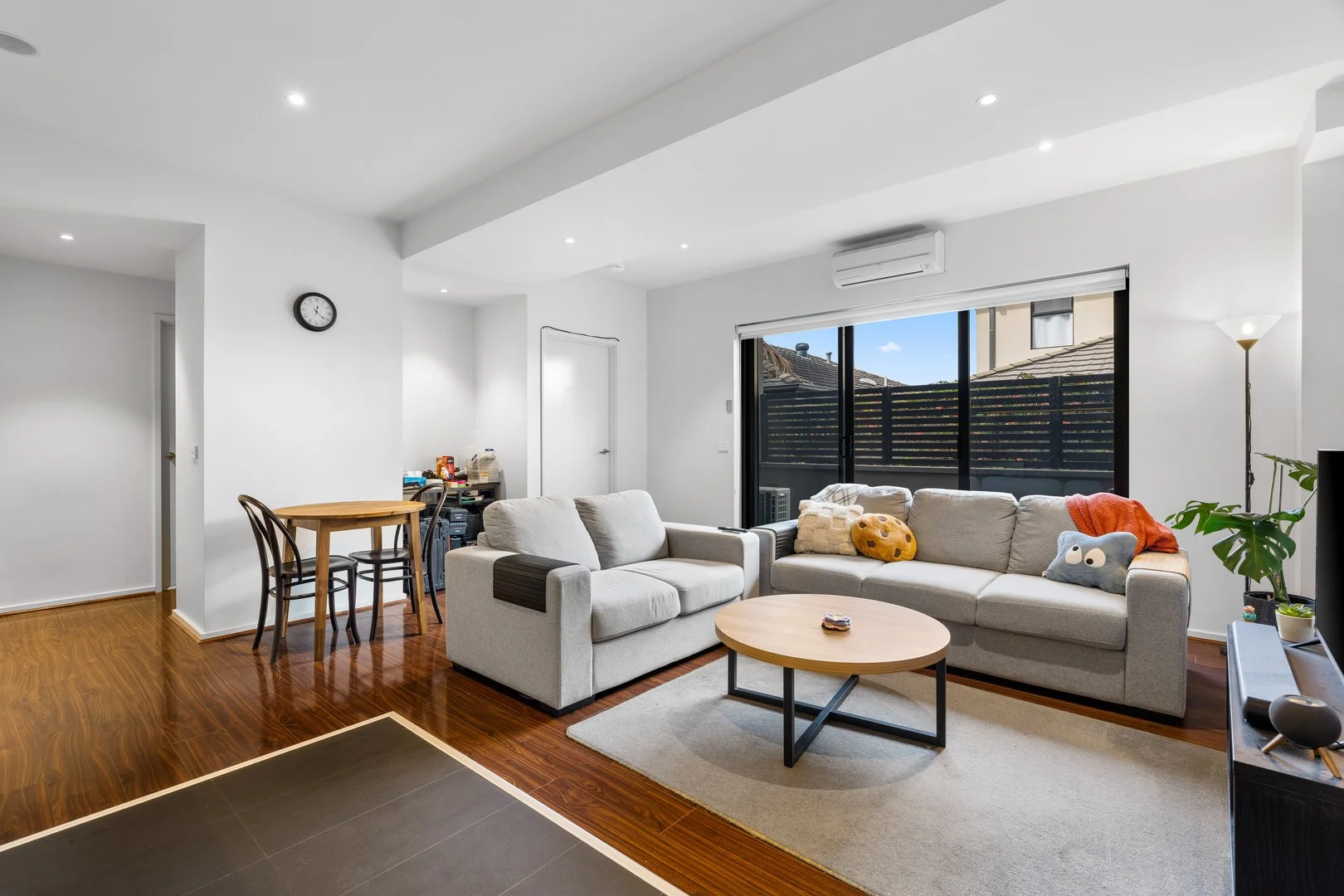 $385,000 - $410,000
Apartment / Unit / Flat
$385,000 - $410,000
Apartment / Unit / Flat
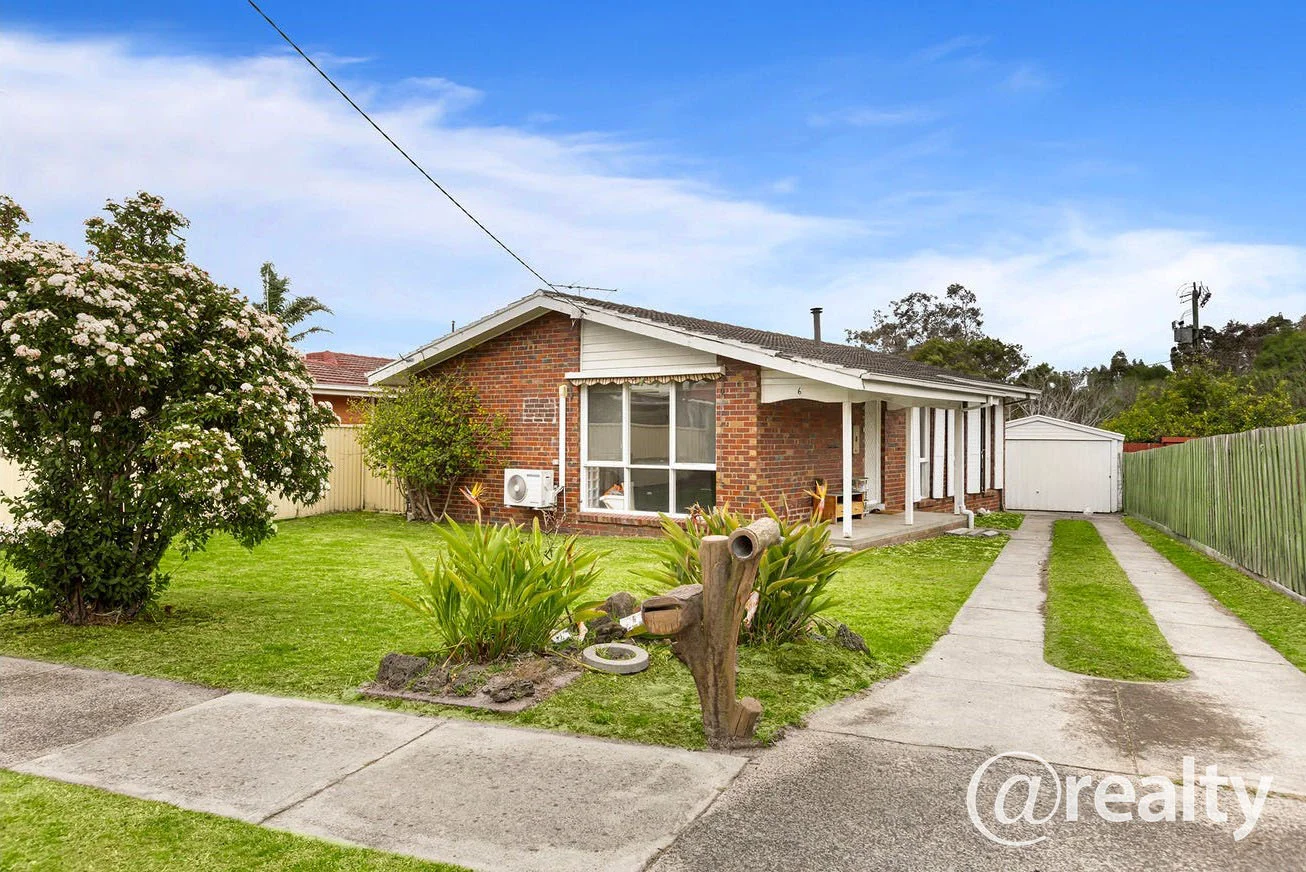 $610
House
$610
House
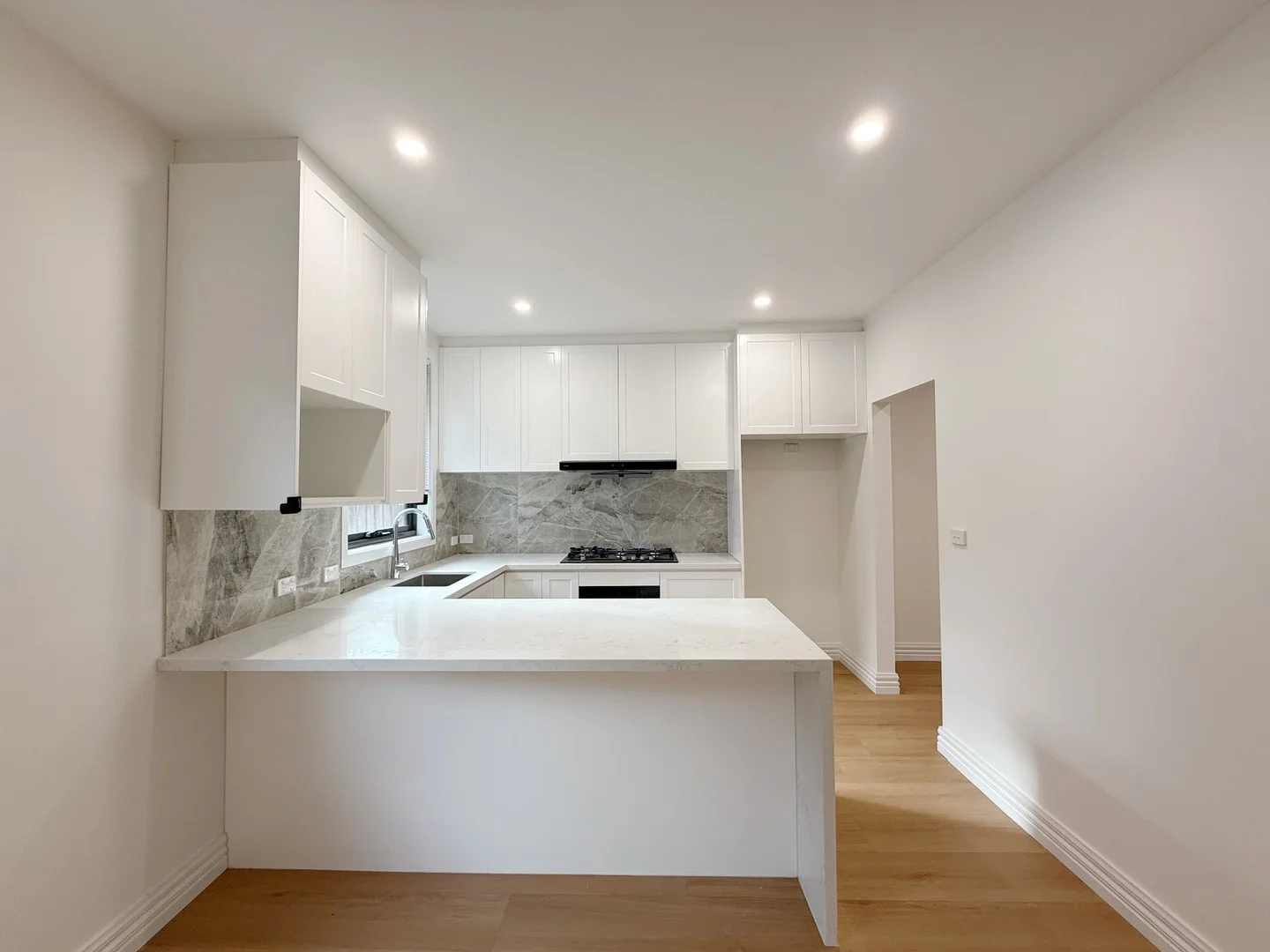 $1,280
House
$1,280
House
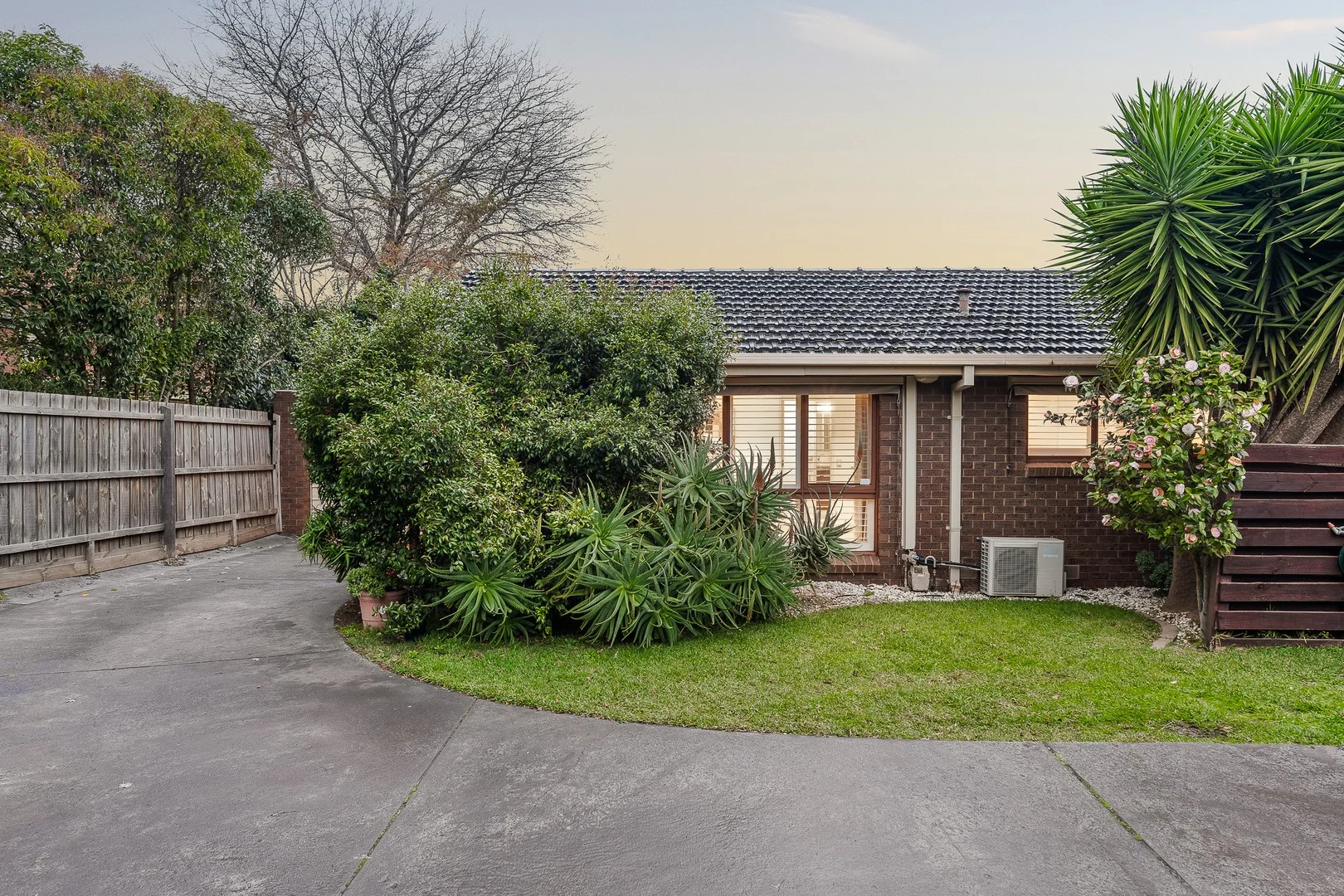 $770,000 - $820,000
Apartment / Unit / Flat
$770,000 - $820,000
Apartment / Unit / Flat


